

You want to move a little more, build some muscle, shift two or three kilos that have been bothering you and, above all, clear your head? The reflex is the gym. The problem is the bill at the end of the month. The good news is that relaxing and getting fitter are not measured by how much you spend. Here are some practical options, to pick and choose according to your time, your mood and your budget.
Low-cost gyms are an option, with caveats
In recent years, chains such as PureGym, The Gym Group and similar low-cost operators have pushed prices down: open access to equipment, group classes included and sometimes an induction programme, for around £20 to £30 a month. In practice, the usual extras — sauna, steam room, one-to-one coaching — are either absent or charged separately. The compromise lies elsewhere: you share the space with a lot of people at peak times, and the length of commitment varies by operator and package; some have no fixed commitment, others run for 12 months. Check the contract before you sign: take the time to read the exact term, the joining fee and the cancellation terms. It is the kind of detail people tend to discover too late.
Get moving outdoors for free
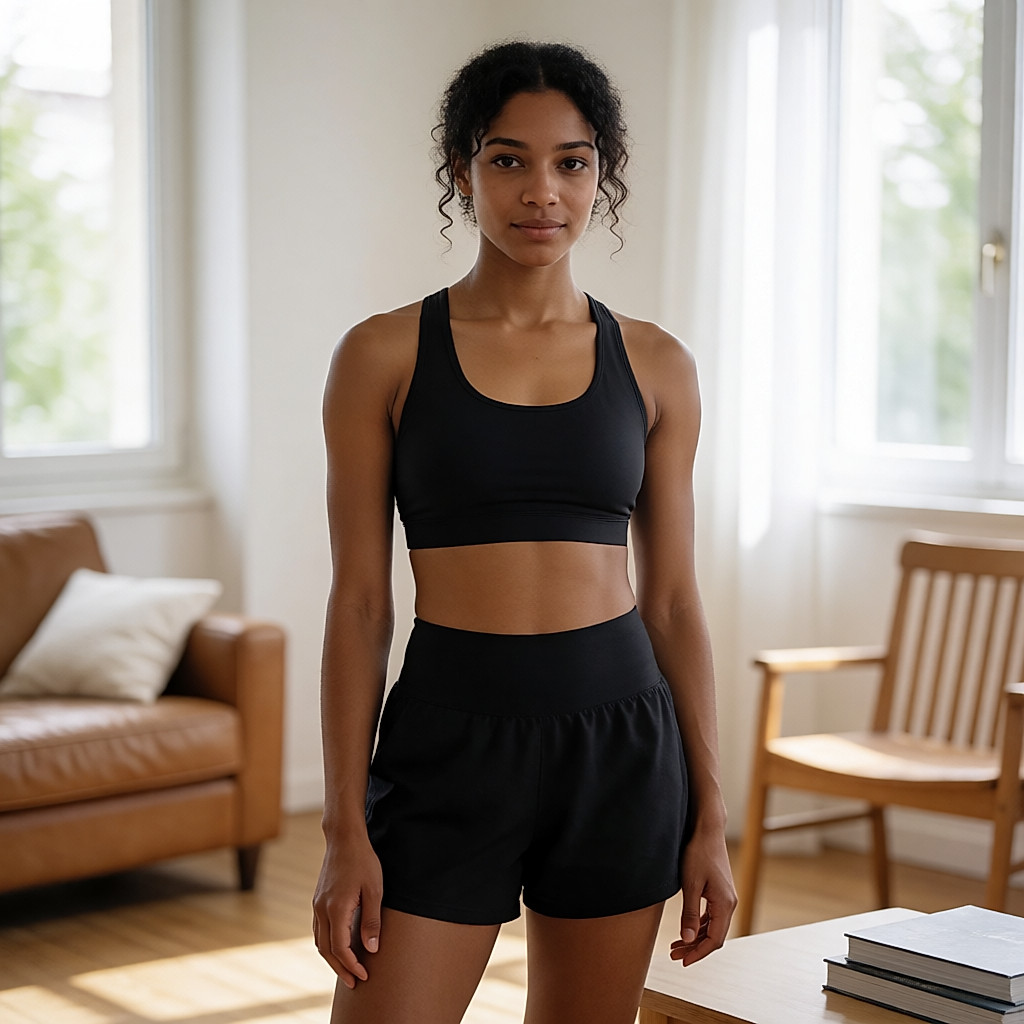
For adults, the World Health Organization recommends 150 to 300 minutes of moderate activity a week, or 75 to 150 minutes of vigorous activity, plus muscle-strengthening exercise twice a week. You do not need a gym: a jog three mornings a week, cycling, rollerblading, a walk on a waymarked trail, swimming in a lifeguarded area, beach volleyball in summer, or simply an outdoor fitness trail in your local park. What matters is consistency, not one heroic session. A simple record — noting your sessions in a notebook or an app — can make a real difference to sticking with it. Being outdoors also has a mood benefit that is not trivial, and physical activity remains a recognised part of prevention for many chronic diseases. If you have any concerns about your health, speak to your GP or another healthcare professional before starting or restarting exercise.
Wind down in the evening
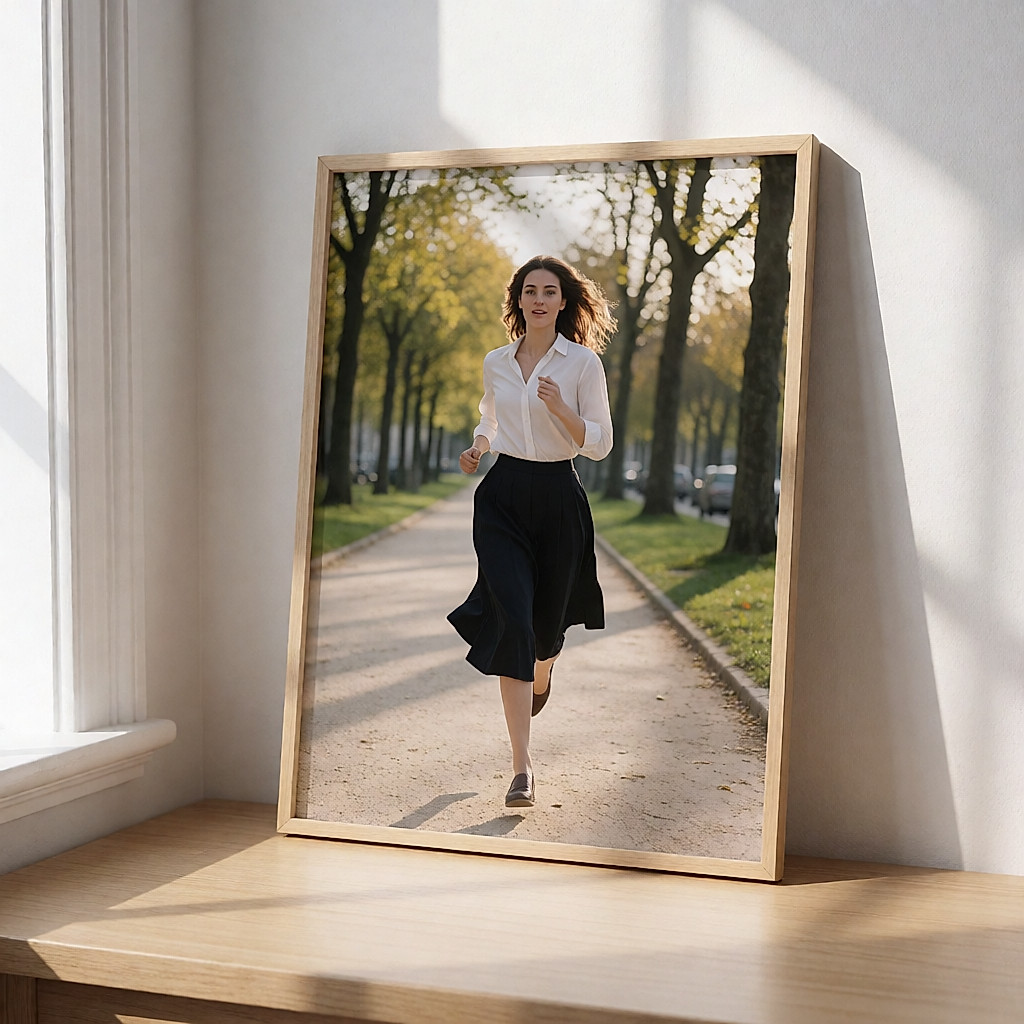
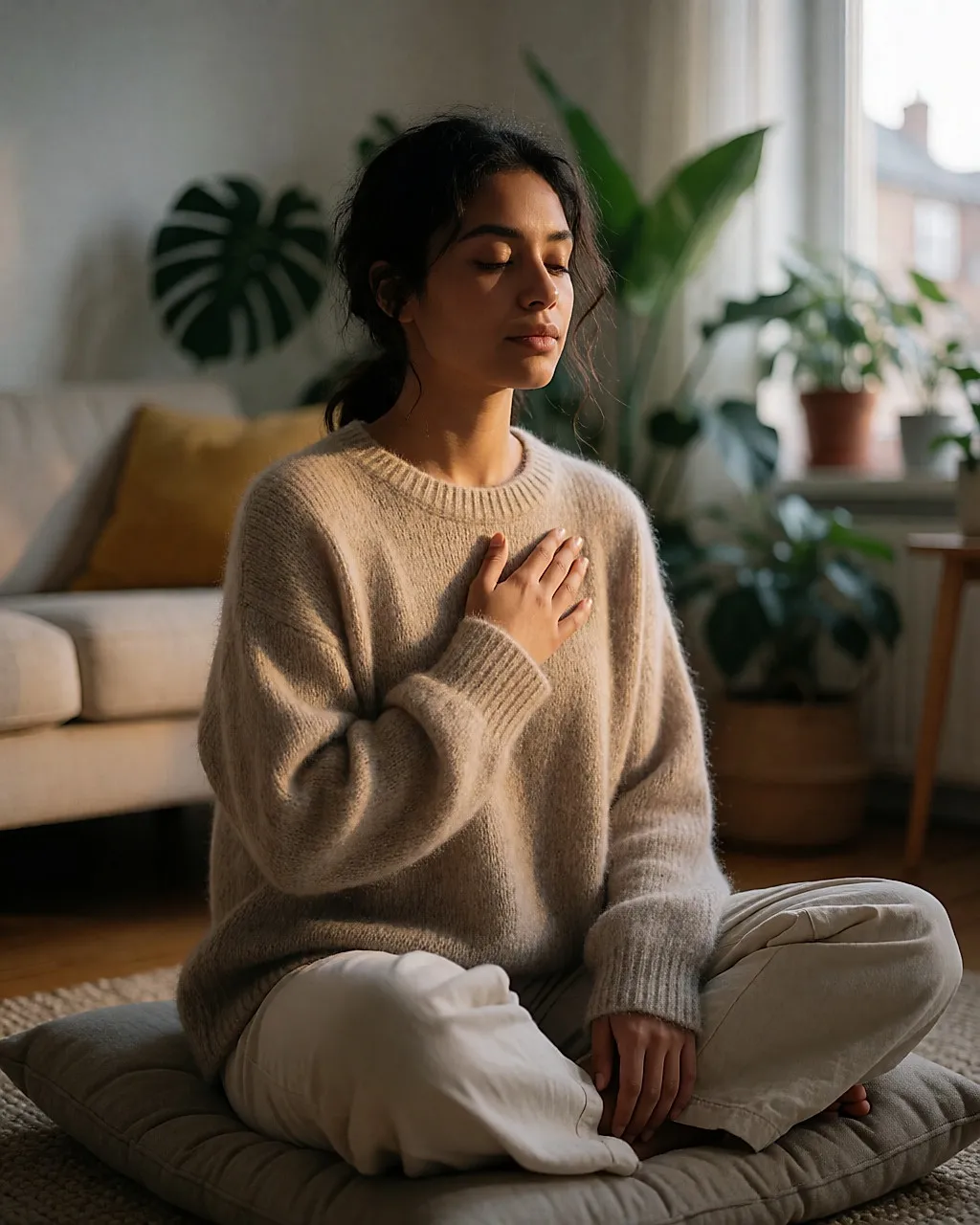
A few minutes of slow breathing can be enough to take the edge off a demanding day. Try five minutes sitting down, with the out-breath longer than the in-breath: it is simple, free and easy to fit between tasks. For yoga, there is no need to buy a full kit — public libraries lend beginner books, free apps offer short sessions, and council-run classes are often cheaper than a private studio.
Before you subscribe to a gym or pay for a class pass, test it. Most venues offer a trial session or a discovery week. It is a good way to check three things that decide whether you will go back: the timings, how busy it gets and the atmosphere.
Pampering at home
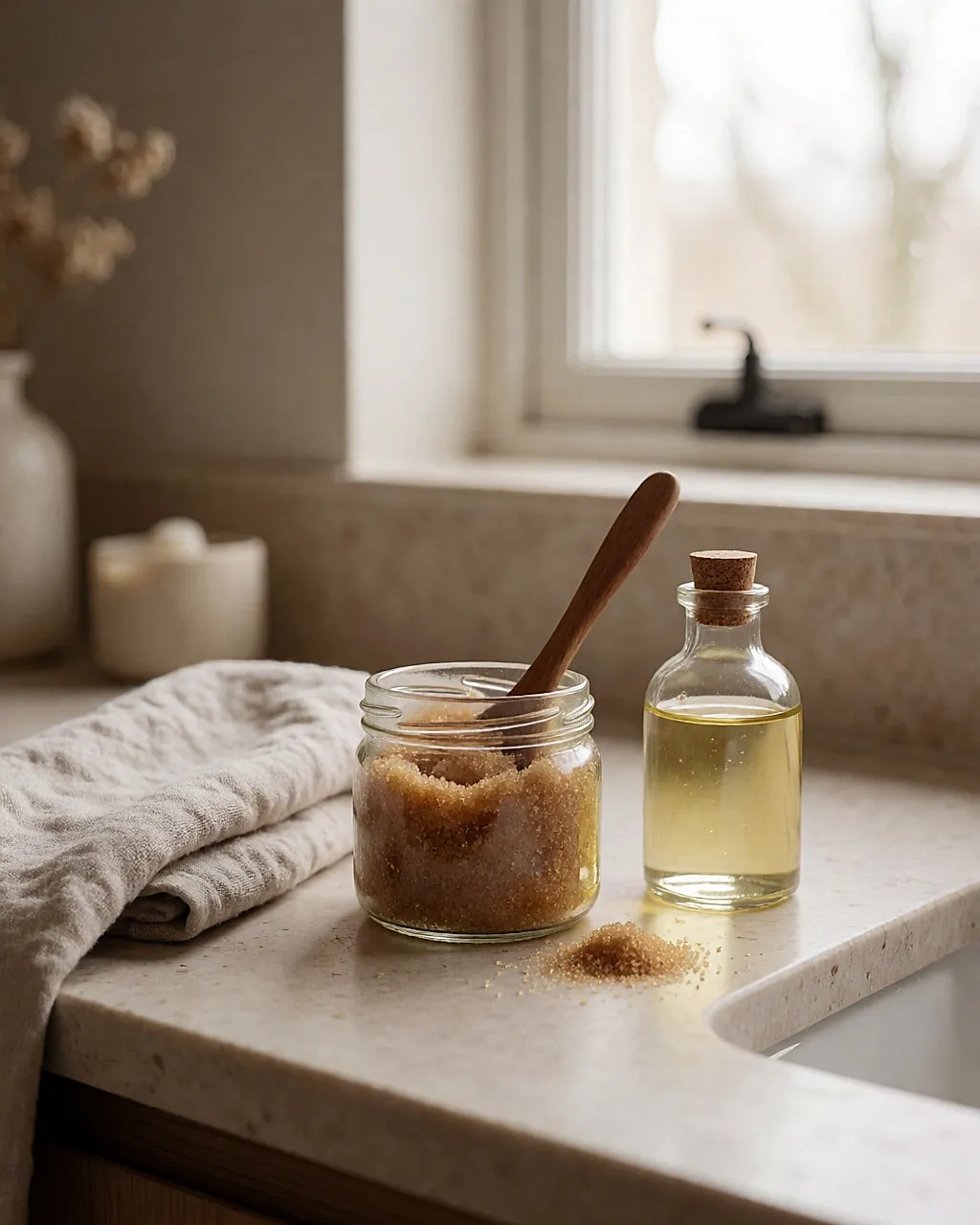
You do not need to book a salon every week to give yourself a proper moment. Take turns with a friend: a gentle exfoliation, moisturising, then a shoulder and back massage, ten minutes each. It will not be as precise as a salon treatment, but the relaxing effect is real — and it is a good opportunity to catch up. Keep products simple: a homemade sugar and plant-oil scrub works well, and if your skin is sensitive or reactive, a simple formula with few ingredients, without fragrance or alcohol, is preferable. In all cases, patch-test on a small area first.
Budget
The guide prices below are indicative UK prices; they vary by city, package and length of commitment. Budget gym: around £20 to £30 a month, often with a joining fee. A more full-service gym or club: £40 to £70. A council-run group class: around £100 to £200 a year. Studio yoga class: £12 to £22, or £60 to £90 for a monthly pass. One-hour massage: £50 to £90. Yoga mat: £15 to £40 from a supermarket, online or a sports retailer — choose natural rubber or cork rather than PVC: it feels more pleasant and should last longer. Outdoor activities remain free.
Sources
- World Health Organization, physical activity recommendations for health.
- NHS, physical activity guidelines and exercise advice.
- UK Chief Medical Officers, physical activity guidelines (Department of Health and Social Care).
- Sport England, guidance on getting active.



Comments
Your opinion matters: rate the article, react and reply to comments.
Comments are moderated; AI-assisted comments are flagged. Text emoticons (8-), :-), <3…) are automatically shown as images.