
The gaze: the first thing people notice
We wake up with slightly heavy eyelids, spend hours in front of screens, and by evening notice that the eye area feels a little tight. Nothing dramatic — but let's admit it is the kind of detail that shows in photos. Good news: for the most part, this isn't about a wonder product. It's about consistent habits. Sleep, blink, protect, and know when to hand over to a professional: that's the plan.

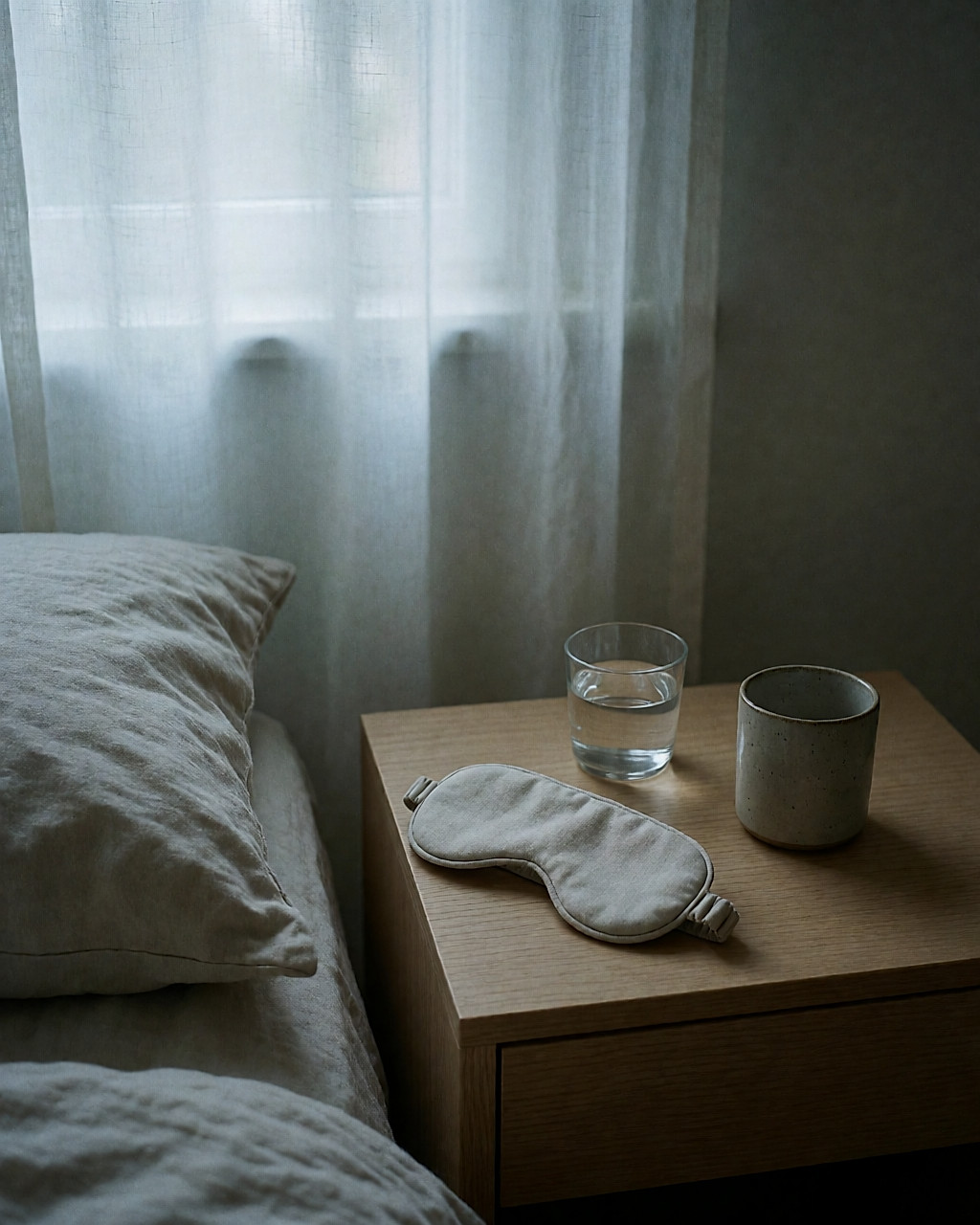
Night-time: the care we never think to give ourselves
Lack of sleep doesn't create dark circles on its own, but it makes them much more visible. The skin around the eyes is among the thinnest on the face: it lets blood vessels show through, and areas where fluid collects are immediately noticeable. Genetics, age, allergies, water retention, smoking and alcohol also play a part — and on that front, there is little to do beyond soothing the skin.

Enough regular sleep often eases the feeling of heavy eyes on waking. Morning puffiness can come from a very salty dinner the night before or from your sleeping position. And if dark circles or puffiness really become long-term, it is worth talking to a healthcare professional: it isn't always about cream.
Moisturise, yes — but don't expect wonders
Eye creams hydrate and temporarily smooth the skin. Some rely on caffeine, hyaluronic acid or ceramides: their effect remains cosmetic, often modest, and never replaces medical care when it is needed. If your skin reacts quickly, a gentle, fragrance-free formula is better tolerated. And the technique matters as much as the product — tap with your fingertip, without pulling or stretching the eyelid.

A little cold — a cool compress or a spoon chilled in the fridge — soothes and gives a brighter look on waking. An ice cube placed directly on the skin, however, is not a good idea: it irritates and weakens the skin barrier.
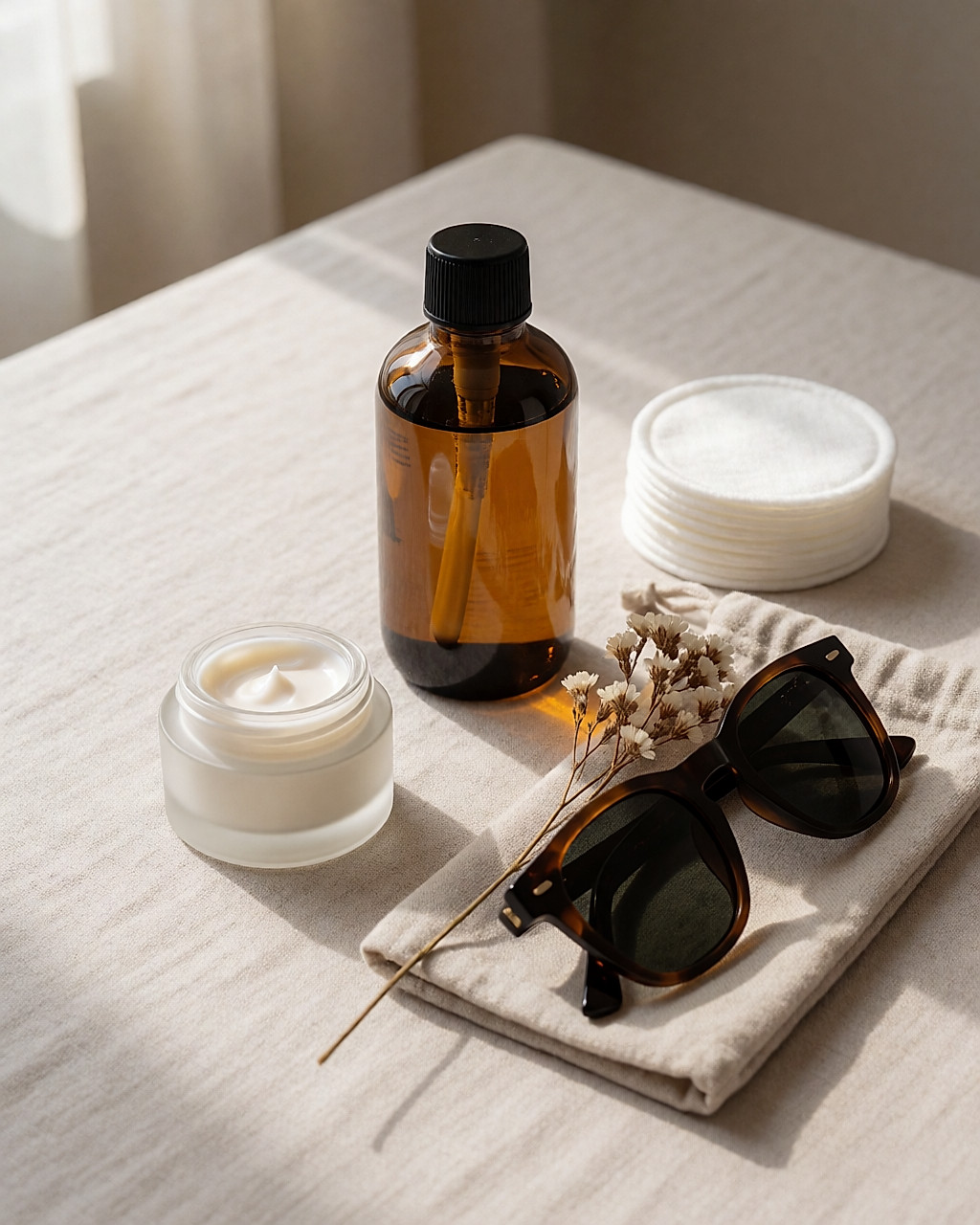
Make-up removal is non-negotiable. Every evening, use a gentle, dedicated product designed for sensitive eyes or contact lens wearers. For waterproof make-up, a bi-phase remover is often more effective: soak a cotton pad, leave it for a few seconds, then glide gently downwards without rubbing. Rough movements irritate the eyelid, damage lashes and encourage redness.

Screens and dry air: the duo that tires your eyes
In front of a screen, we blink far less often. The result: eyes dry out, sting, burn, and sometimes feel gritty. The so-called 20-20-20 rule is an easy reflex to remember. Also keep your screen at least an arm's length away, place it slightly below eye level, and adjust the brightness for comfort — not to maximum on the grounds that you can see better.
Environment matters too: heating blowing onto your face, direct air conditioning or a poorly ventilated room increase discomfort. A humidifier in the bedroom may help, especially in winter. And if the discomfort persists despite everything, speak to a healthcare professional.
The 20-20-20 break: every 20 minutes, focus on an object about 6 metres away for 20 seconds. Blink slowly, roll your eyes gently, then return to the screen. Three times an hour is already a lot!
Sun exposure, all year round — not just in summer
Ultraviolet exposure accumulates over a lifetime. Current evidence suggests that it increases the risk of cataracts. Wearing sunglasses is therefore useful even in cloudy weather, in the mountains, near water or on snow — where reflection is intense.
Choose lenses that filter 100% of UV, or are marked UV400, with the CE or UKCA mark. A cap or wide-brimmed hat adds protection. Children are particularly affected: their eyes let through more UV than adults' eyes, so don't forget their sunglasses in the car!

When it goes beyond cosmetic care
Some signs are clearly outside the beauty remit: eye pain, sudden loss of vision, flashes, veils in vision, significant redness, purulent discharge or trauma. Persistent dryness, repeated headaches or light sensitivity also deserve prompt advice. Diabetes, a family history of glaucoma or contact lens wear are known factors in some eye conditions. In all these cases, professional advice remains the best compass — it isn't a luxury, it's prevention.
Budget
This area isn't ruinous, but prices vary. An eye cream is often around £8–£25 for an entry-level formula in a pharmacy or department-store beauty hall, rising to £30–£60 for more concentrated organic options in specialist shops or online. For a gentle bi-phase eye make-up remover, expect around £5–£17 depending on size and certification. For sunglasses, budget roughly £13–£35 from supermarkets or opticians for a UV400 model — differences depend on the frame, brand and where you buy. A room humidifier, finally, costs around £22–£70 depending on capacity and noise level.
For skincare, look for short ingredient lists, naturally derived formulas and a recognised certification such as Cosmos Organic or Ecocert. Refills and solid formats, where they exist, often reduce the cost over the year — and the packaging along with it. A quick look for glass rather than plastic never hurts either.
Ultimately, looking after your eyes doesn't require dozens of steps or a celebrity budget: a few actions repeated consistently, a pair of sunglasses kept in your bag, and one simple reflex — when a signal goes beyond cosmetic comfort, seek advice. Your eyes do the rest.
Sources
- World Health Organization — Blindness and visual impairment
- National Eye Institute — Dry Eye




Comments
Your opinion matters: rate the article, react and reply to comments.
Comments are moderated; AI-assisted comments are flagged. Text emoticons (8-), :-), <3…) are automatically shown as images.