
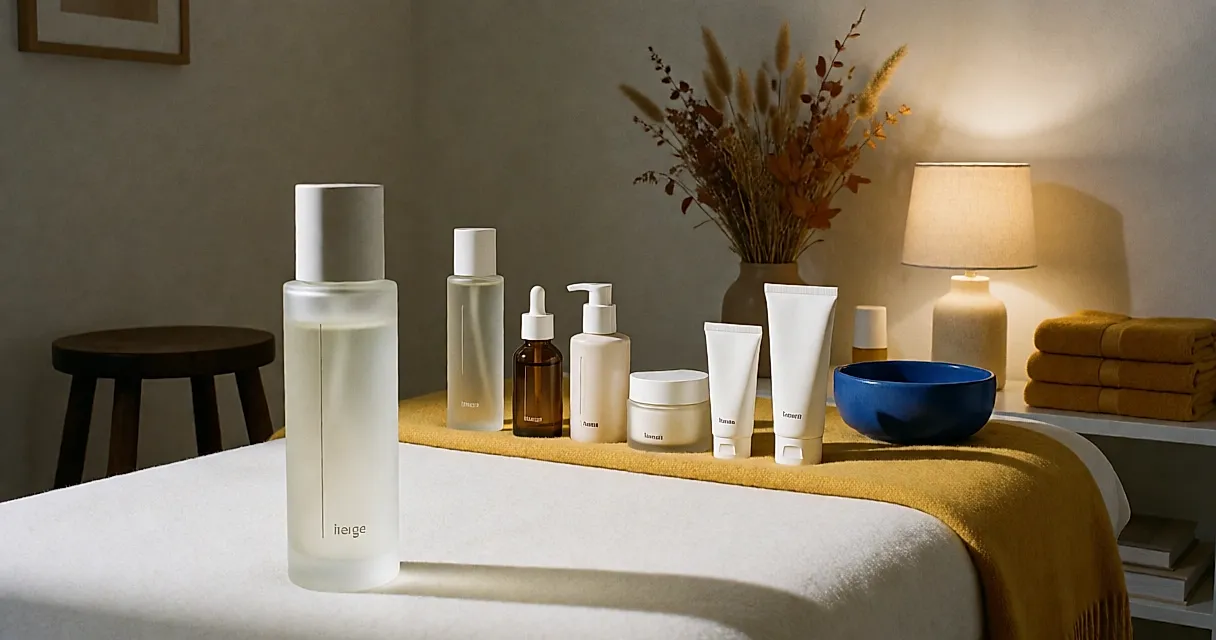
The most photographed bottle is no longer necessarily the one you buy again. On many Korean beauty shelves, the hierarchy has quietly flipped: the bestseller is more often where the conversation ends than where it starts. But you need to know what you are actually talking about before reaching for your card — and that is exactly where things have changed.
For a long time, we bought the number-one cream because it was number one. Practical, reassuring, a little lazy. But skin cannot be reduced to a ranking: skin that feels tight when you wake up and skin that is shiny by noon do not need the same bottle. Korean brands have increasingly organised their ranges around these steps, and retailers have followed.
Why the bestseller list no longer drives discovery
In the classic mechanism, a bestseller is a product you push, which sells, climbs the ranking, and gets pushed again. The cycle is comfortable, but it can feel a bit hollow: it rewards what is already known. Korean beauty, however, has built much of its reputation on something else — light textures, layered steps, an emphasis on hydration and a brighter-looking complexion.
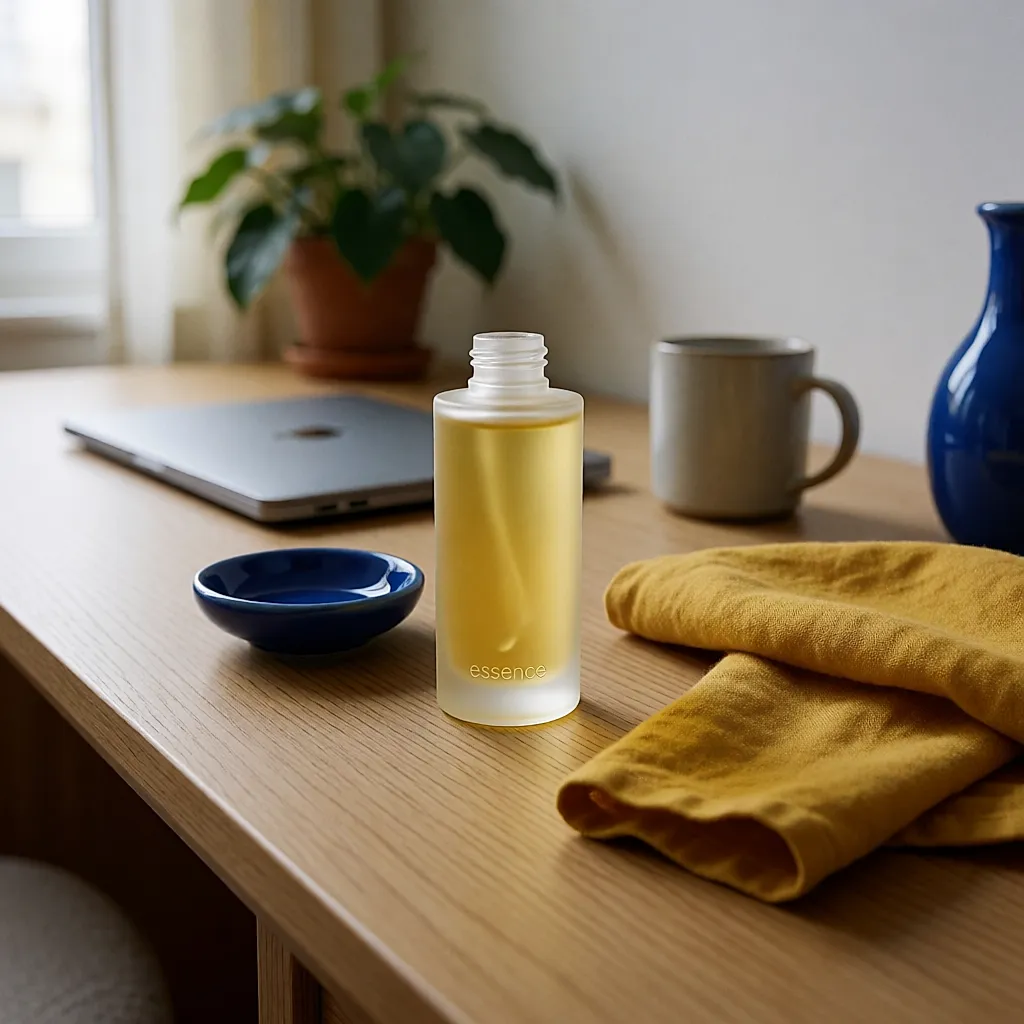
As a result, the question in the aisle is no longer 'Which is the star product?' but 'What is missing from my routine?' It is a small shift in language with a big effect: you are no longer shopping for a trophy, but for a step. And a step should be chosen according to what your skin tells you in the morning, not what a ranking says on your behalf.
Why the routine now shapes the shelf
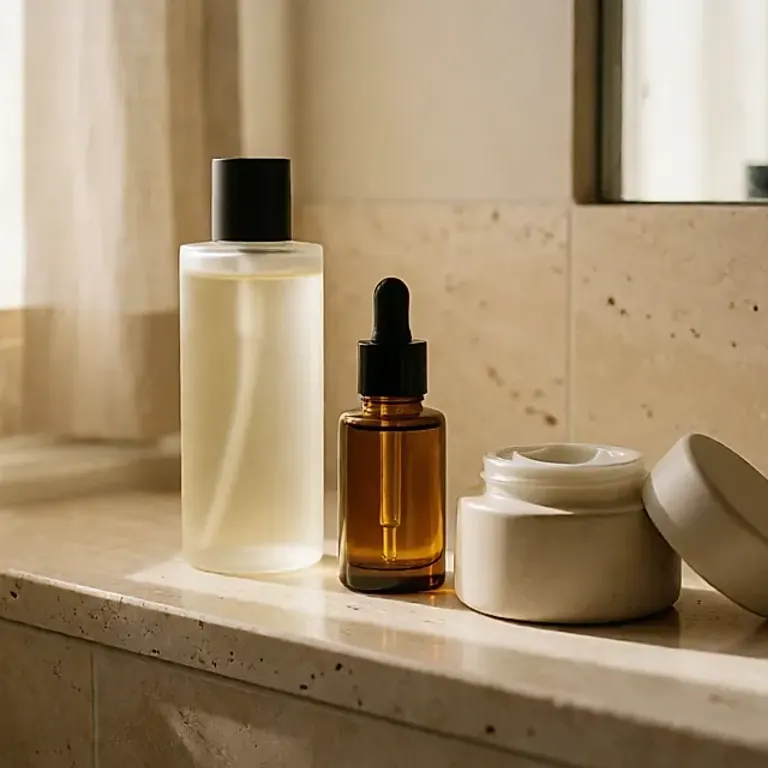
Cleanser, toner, essence, ampoule, emulsion, cream, sunscreen: the shelves now read as a sequence of steps rather than a winners' podium. Some brands go as far as sorting their products by concern — pores, redness, dehydration, dullness — which saves you from crossing three aisles only to work out that you simply wanted to soothe your skin.
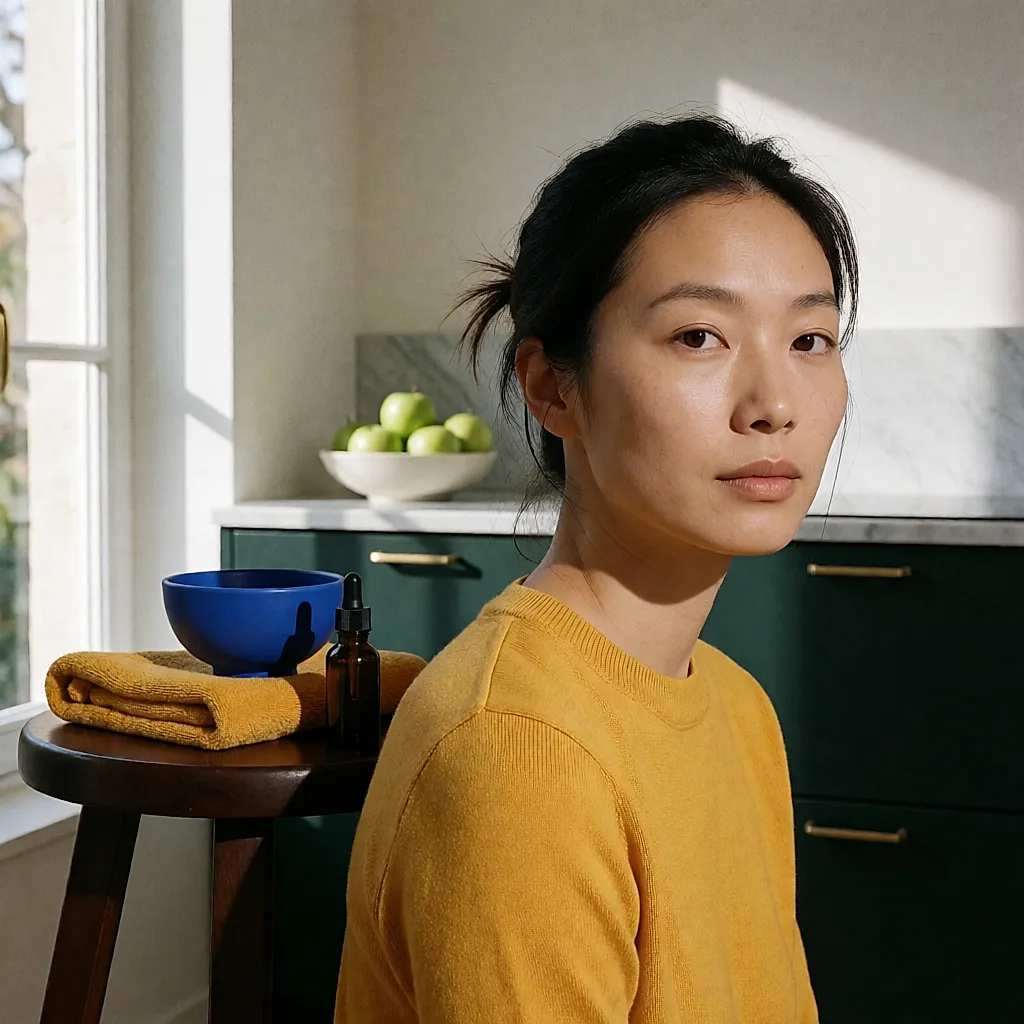
This is also what makes the category confusing at times. Between the essence that looks like water, the ampoule that looks like a serum and the emulsion that is neither one nor the other, you can legitimately wonder whether you are being sold the same thing twice. The honest answer: sometimes you are, and the label may not make the difference obvious! The single most useful habit is to read the ingredient list before the claim on the label.
When screens take the lead
Where the counter once ranked, platforms now compare. Ingredient-checking apps such as Hwahae (a Korean beauty app), routine videos, and discussion threads where people post photos of their bottles: discovery has moved to places where you ask 'Will this suit my skin?' rather than 'What is selling?'
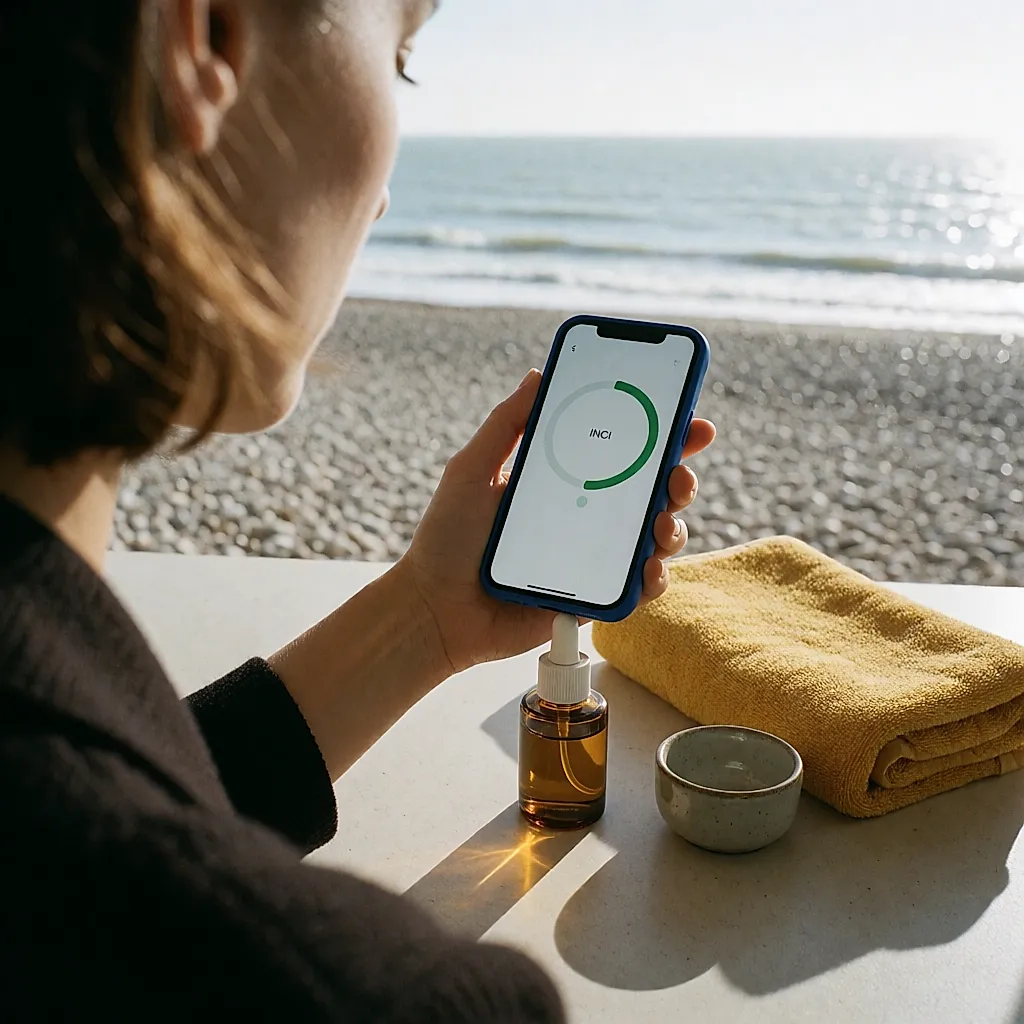
The downside is that a new ranking has taken hold: the app rating, the number of views, the impressive list of actives. We have swapped the sales leaderboard for the screenshot leaderboard. We cannot tell you how good the next serum everyone is talking about will be — nobody can before it has been applied to their skin. What we can tell you is this: a highly rated formula is no substitute for introducing a product gradually and patch testing a small area, in practice over a few days, and a hydrating layered routine does not make up for over-exfoliating.
What it costs
In the UK, Korean beauty remains surprisingly accessible: expect roughly £8–£18 for a cleanser, £12–£25 for a toner or essence, £16–£35 for an ampoule, £16–£40 for a cream and £12–£22 for a sunscreen. Sheet masks are often £2–£5 each — handy for trying without committing, less welcome for the planet.
Where to find them? Beauty retailers and department stores, where Korean brands have gained shelf space in recent seasons; specialist websites; and sometimes Asian supermarkets. Prices vary widely from one retailer to another, and shipping can add a significant amount. As for packaging, much of it is plastic; where refills exist, they are often listed on the brand's website, though this needs checking case by case.
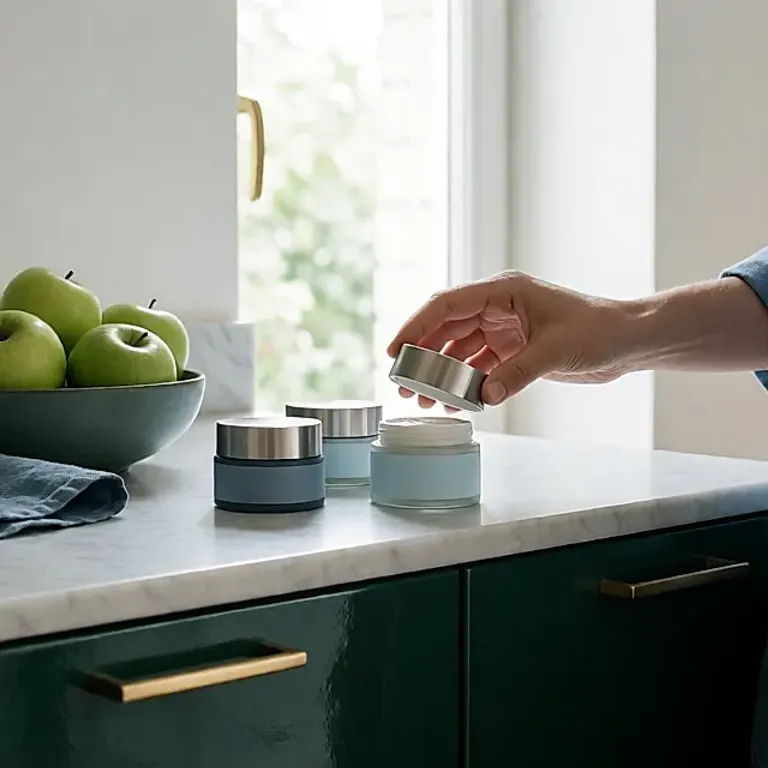
Three checks before you buy: look at where the active ingredients sit in the INCI list (as a general rule, those listed first are usually the most concentrated; in the UK and EU, ingredients present below 1% may appear in any order); test the texture on the back of your hand, not on your face; and introduce only one new product at a time, otherwise you will never know which one helped — or harmed — your skin.
Next time you walk into a Korean beauty corner, look at the shelf differently: the bottle you are drawn to may not be the most photographed, but it is the one that matches the step you are missing. And if you are still unsure, ask yourself what your skin needs tonight — not what a ranking demands on its behalf.
Comments
Your opinion matters: rate the article, react and reply to comments.
Comments are moderated; AI-assisted comments are flagged. Text emoticons (8-), :-), <3…) are automatically shown as images.