
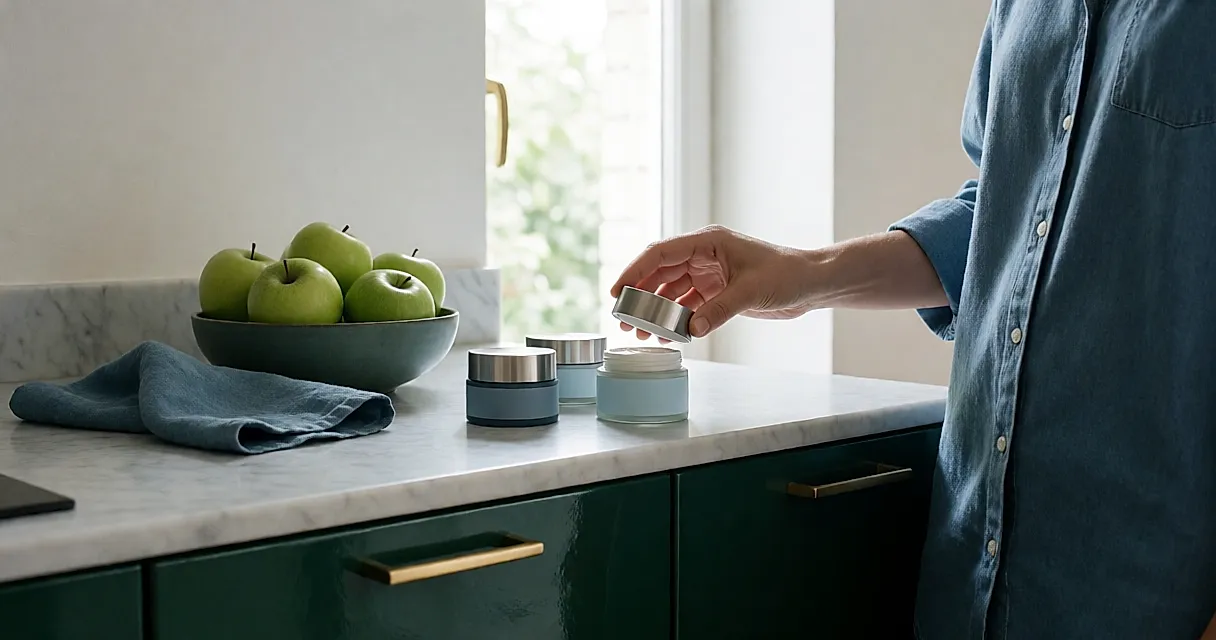
For years, the mainstream offer was a single "anti-ageing" cream aimed at women over 50. Now you're more likely to see several formulas side by side: one for dehydrated skin, one for pigmentation, one for loss of density. The jar hasn't changed shape; what goes inside it has. And behind that shift sits an industry that supplies active ingredients, where many briefs have been rewritten.
The label is less about age than it used to be
For years the "maturity" aisle worked like a lift: 40, 50, 60, each floor with its own all-purpose promise. Except skin that can't hold on to water and skin that keeps producing pigment don't need the same cream, even when they've blown out the same number of candles. The formulators got there before the marketers: increasingly, you don't treat an age bracket, you treat a skin state.
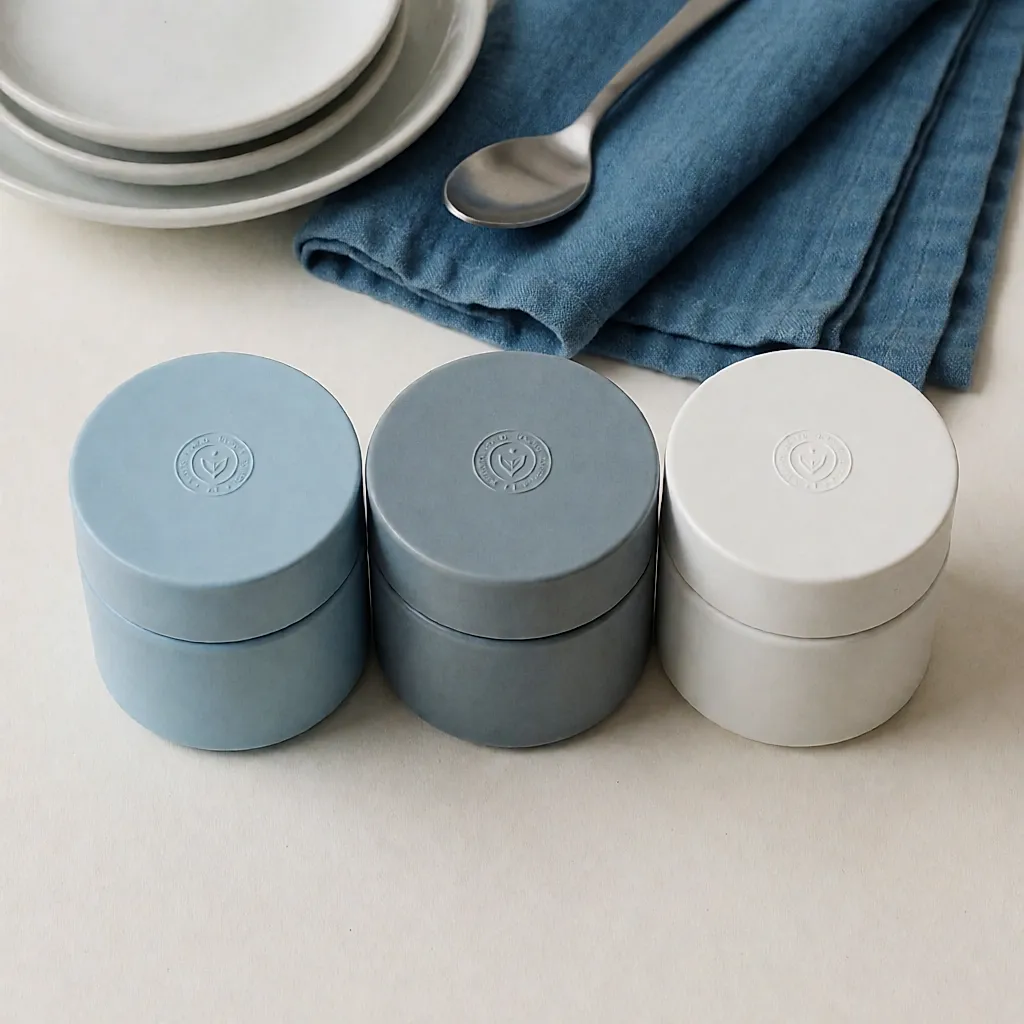
So the language of the briefs changed. Less talk of "wrinkles", more of the skin barrier, comfort, radiance, density. In many labs, chronological age is giving way to a list of complaints: it feels tight, the tone has gone dull, the cheeks look a little hollow. Does any of that actually change what's in the jar? Yes — if only because fewer creams are designed around a single digit.
Three concerns, three textures
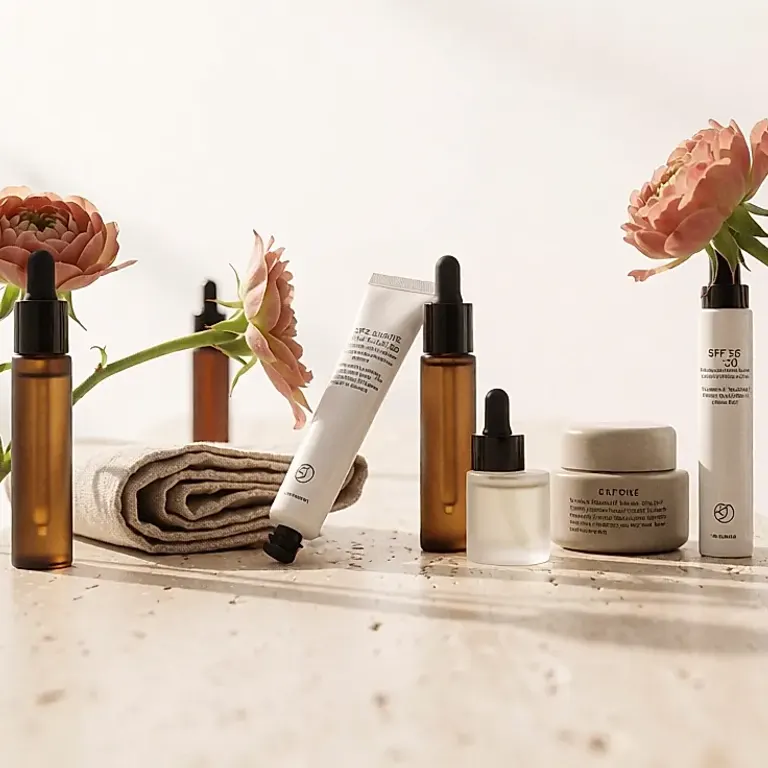
Dehydration first, because it's the easiest to spot: skin that feels tight after a shower, foundation that catches on dry patches. This is where the textures have adapted — richer creams with a higher oil content, balm formulas, applied to skin that's still damp so it can hold on to the water. The application matters as much as the formula, actually: an appropriate amount for the face, without overloading it. No need to trowel it on like butter on toast.

Pigmentation next. It settles in more readily with the years, and a cream won't erase it; what it may do is help limit further darkening of patches, provided you pair it with daily SPF, including in November. And then density: here we're into more concentrated formulas, serums and oils, with actives that have been studied — not magic, but not nothing either.
I'm not going to sell you a fairy tale: on density, the cosmetic results stay modest and slow. Give it several months before you judge, and if the whole thing is genuinely weighing on you, that's a conversation for a health professional — your GP or pharmacist — not just for the bottle.
The wellness aisle is being split by life stage
What's shifting isn't only skincare: it's the whole "women's wellness" shelf. Long filed under the vague heading of "wellbeing", it's now segmented by stage — the cycle and its variations, sleep, the run-up to the menopause. A brand still selling only a "women 45+" supplement can look dated; one formulating for broken nights may be reading the room more closely.
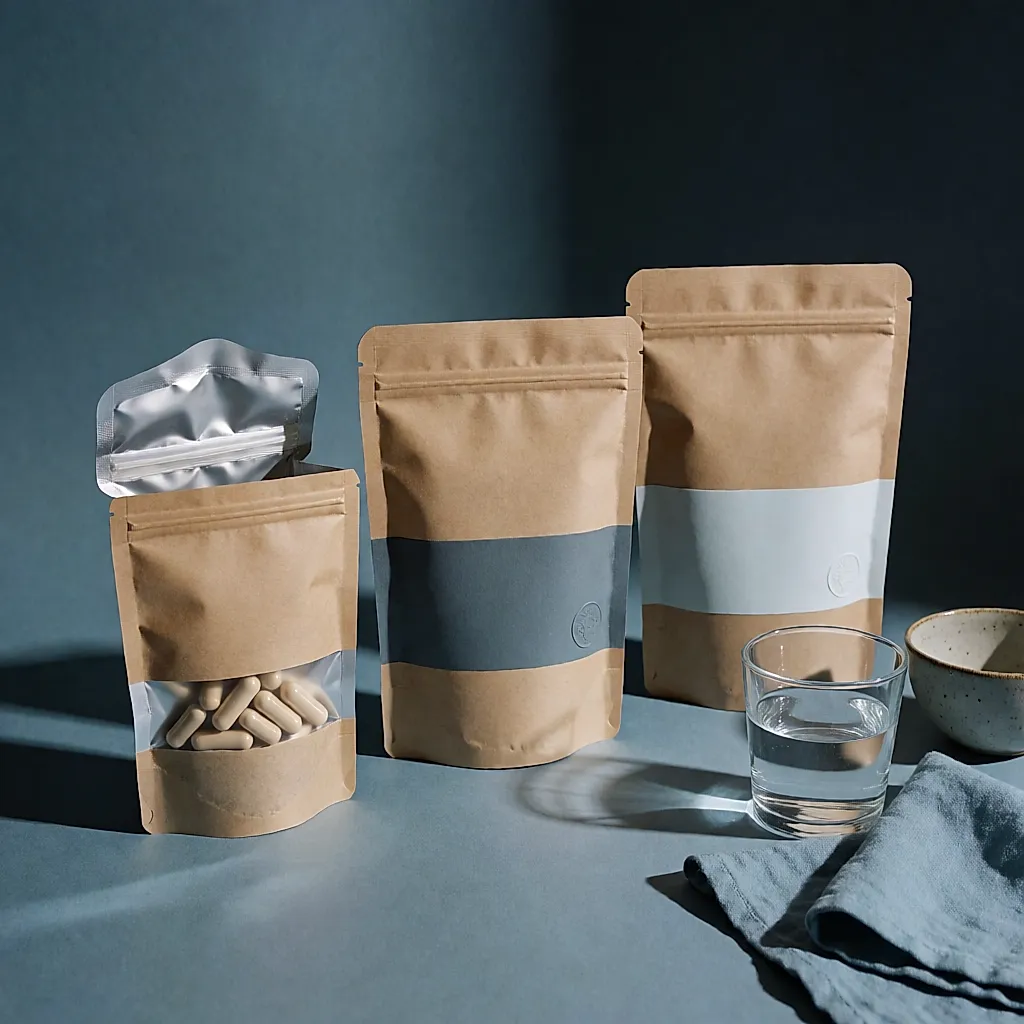
Is that better? In substance, yes: we're talking physiology instead of age, and that's good news. In form, keep your eyes open, because segmenting by life stage is also a brilliant sales argument. A pretty name on a jar is no substitute for the full ingredient list, the provenance of the actives, or a refillable container.
What a "life-stage" cream actually costs
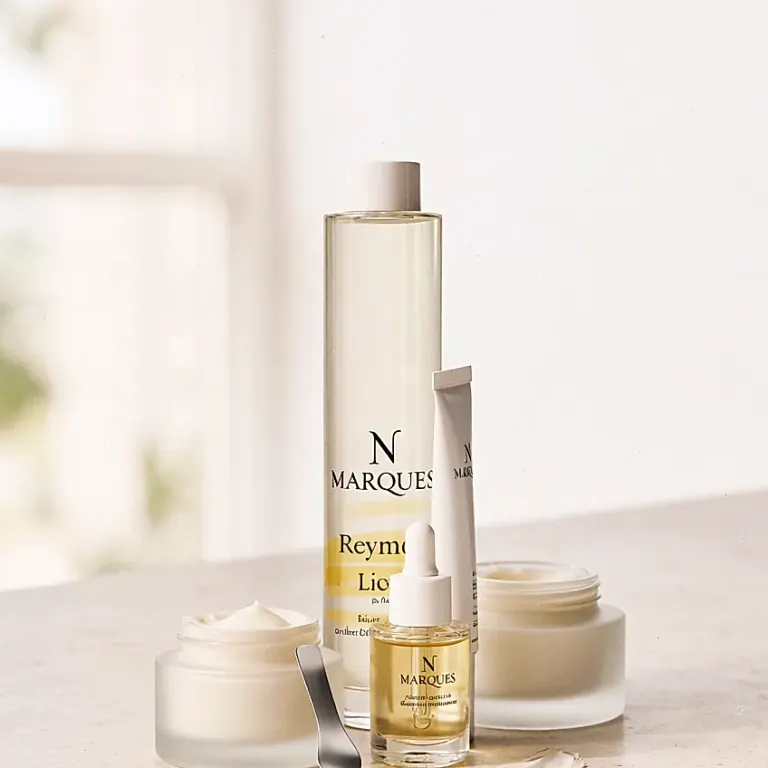
Expect to pay somewhere in the region of £25 to £45 for a day cream from a pharmacy or high-street chemist, £50 to £90 for the more concentrated textures at a beauty counter, and up to £150 for the priciest serums — the price climbing with concentration, the retailer, the size and the packaging. Treat those figures as a guide rather than a rule; the shelf moves. Packaging plays its part too: a refillable pot often costs a little more the first time, then less with every refill.
One criterion for sorting the shelf, then: the container. Glass or a refill rather than virgin plastic, naturally derived actives where possible, and a certification that has genuinely been checked if the brand claims one. For the rest, keep a cool head: a range that renames itself every year isn't necessarily a range that's improving.
Three questions before you buy. Does the texture match what you actually feel (tightness, pigmentation, loss of firmness)? Is the formula compatible with daily sun protection? Is the container refillable? And if you're torn between two products, ask for a sample — a sample tells you how the texture feels, without promising anything about the result.
Much of the novelty, in the end, isn't in the actives: it's in the way brands talk to you. Many have moved from selling you the age you are to selling you what your skin is going through. Make the most of it — without spending half a month's pay, and without ever mistaking nice packaging for a good formula.
Food supplements do not replace a varied, balanced diet and a healthy lifestyle.
Comments
Your opinion matters: rate the article, react and reply to comments.
Comments are moderated; AI-assisted comments are flagged. Text emoticons (8-), :-), <3…) are automatically shown as images.