
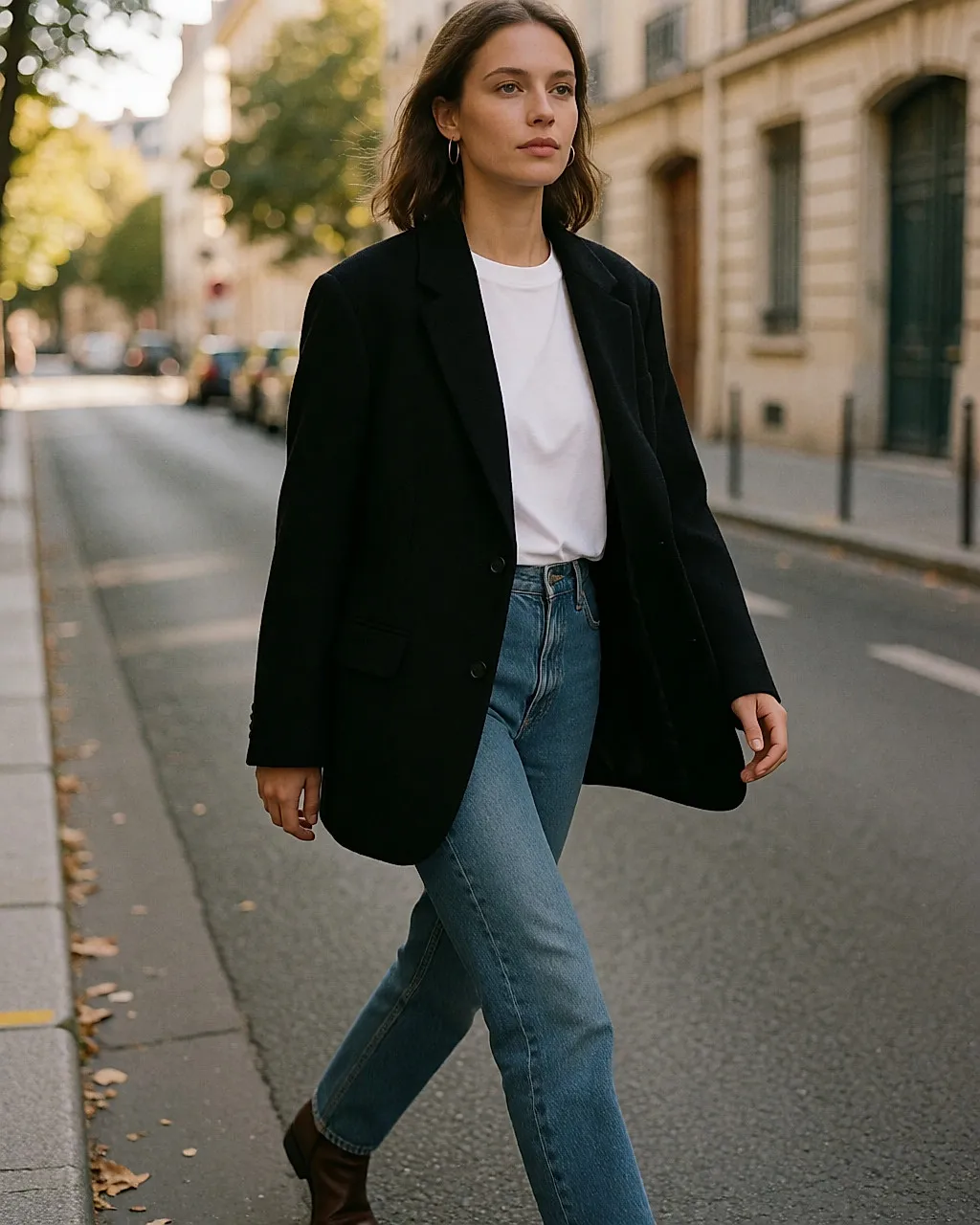
Young celebrity style is easier to copy than you think
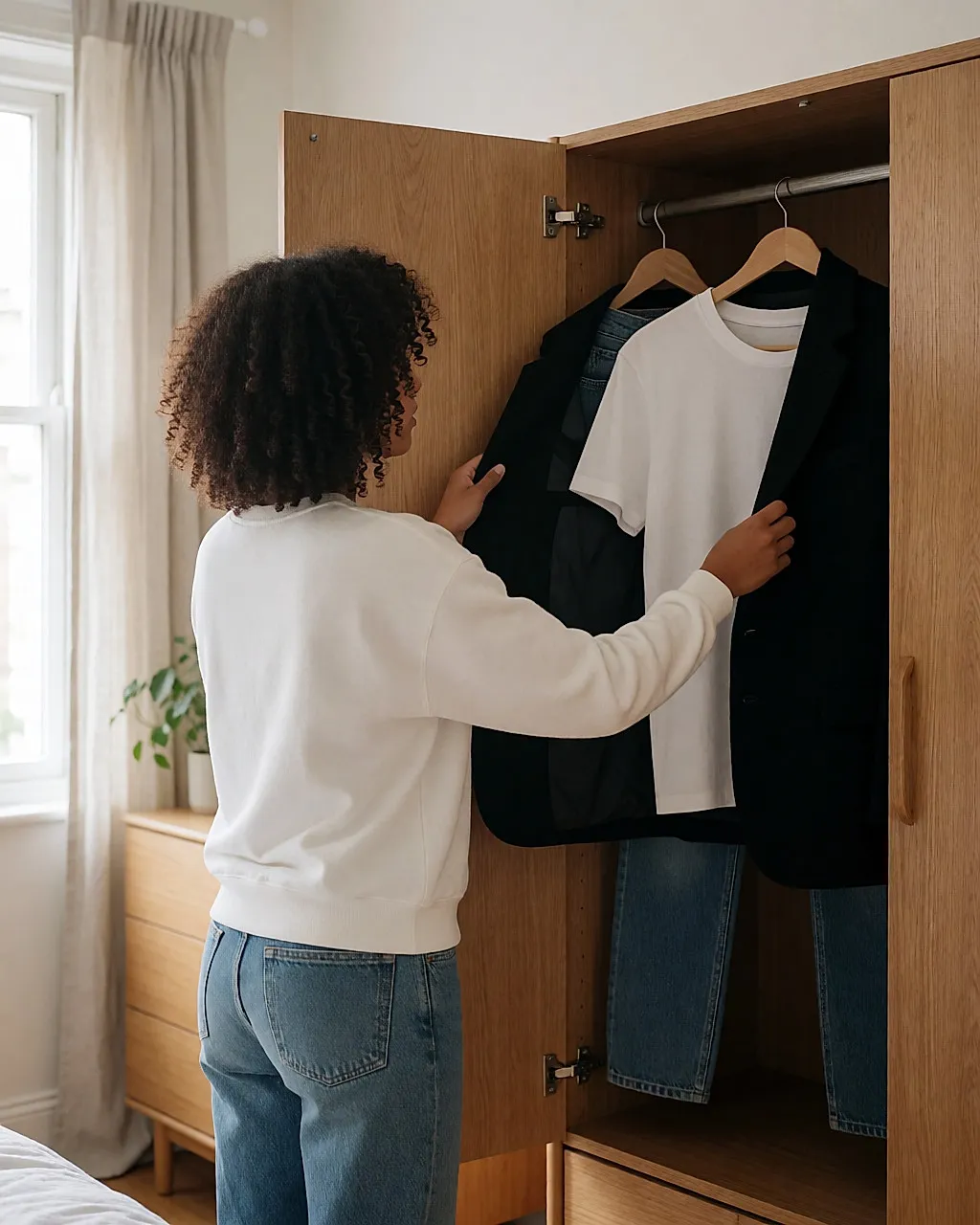
You open your wardrobe, there's a pair of jeans and a plain white T-shirt, and that familiar feeling of having worn it all before. Then a red-carpet photo flashes past and you sigh: easy when you've got a stylist. Except that isn't the real story. Most of the looks doing the rounds right now can be rebuilt from very ordinary pieces. It isn't budget that separates them — it's how you pair them.
We spent the week picking apart the looks of the moment, and there's plenty to borrow whatever your style.
Dare to wear one statement piece
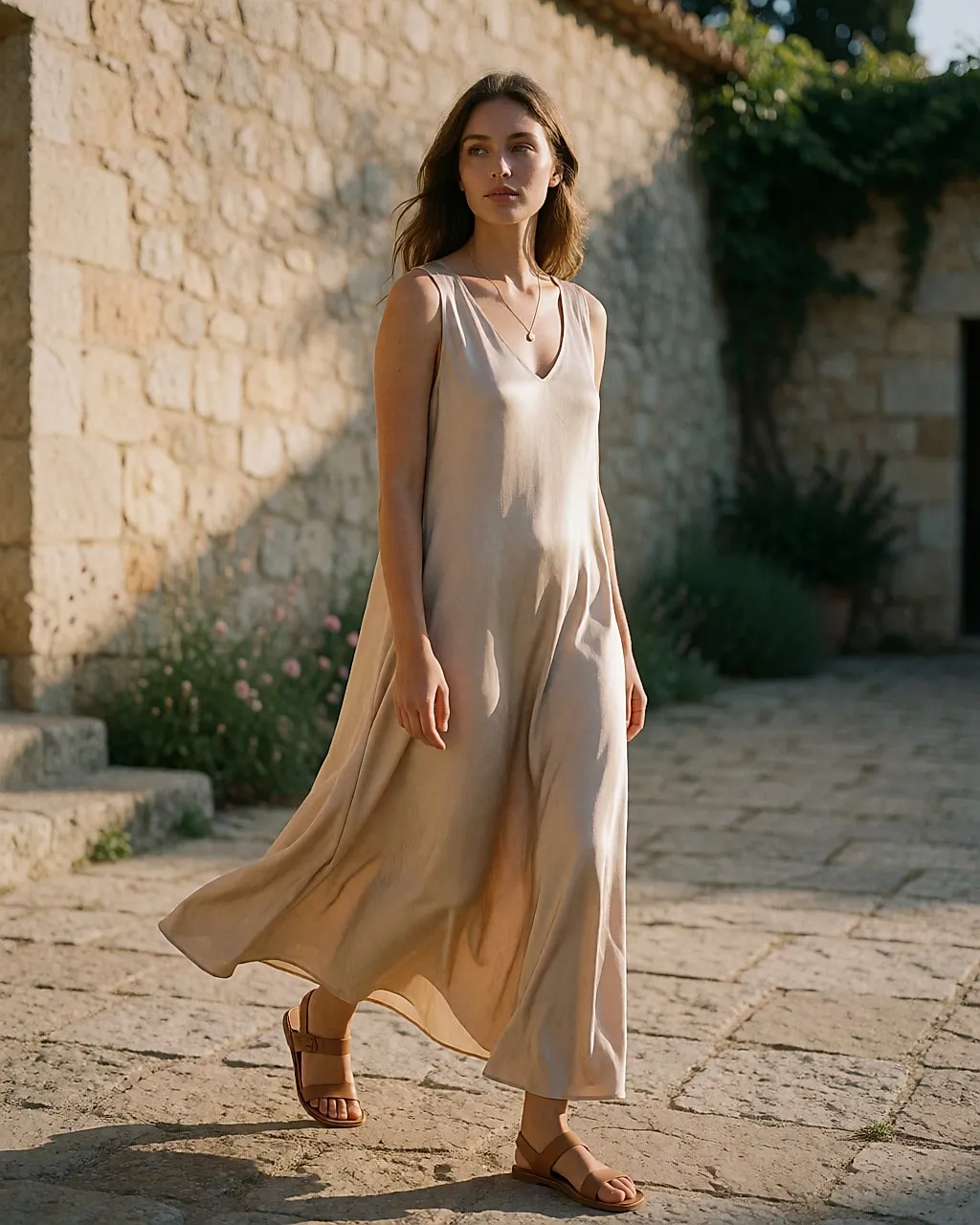
The first look that keeps coming back is the confident one. A fluid tailored suit worn with trainers, a long dress with a single discreet necklace — the silhouette is about balance, never about piling things on. Why does it work? Because there's only one statement piece per outfit. Two, and the eye has nowhere to settle: the look starts to scatter and the whole thing stops reading.
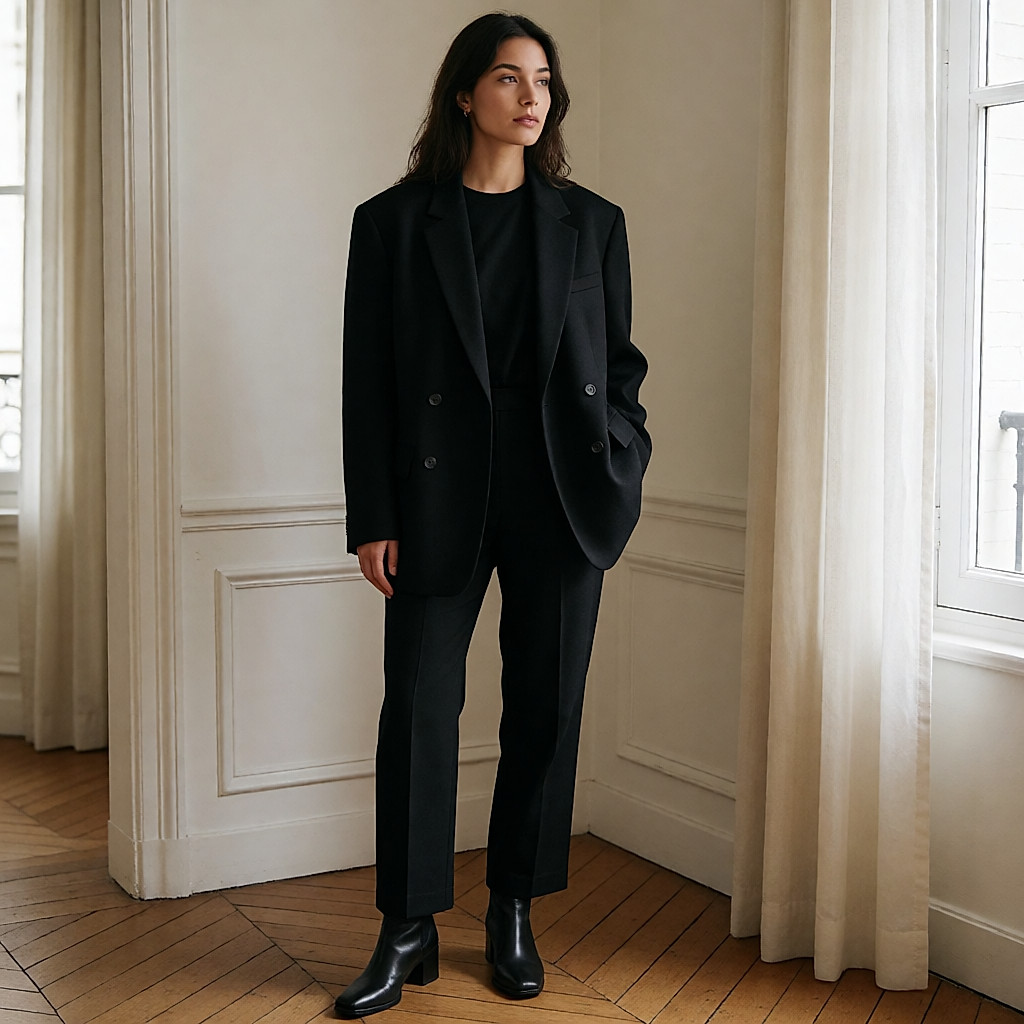
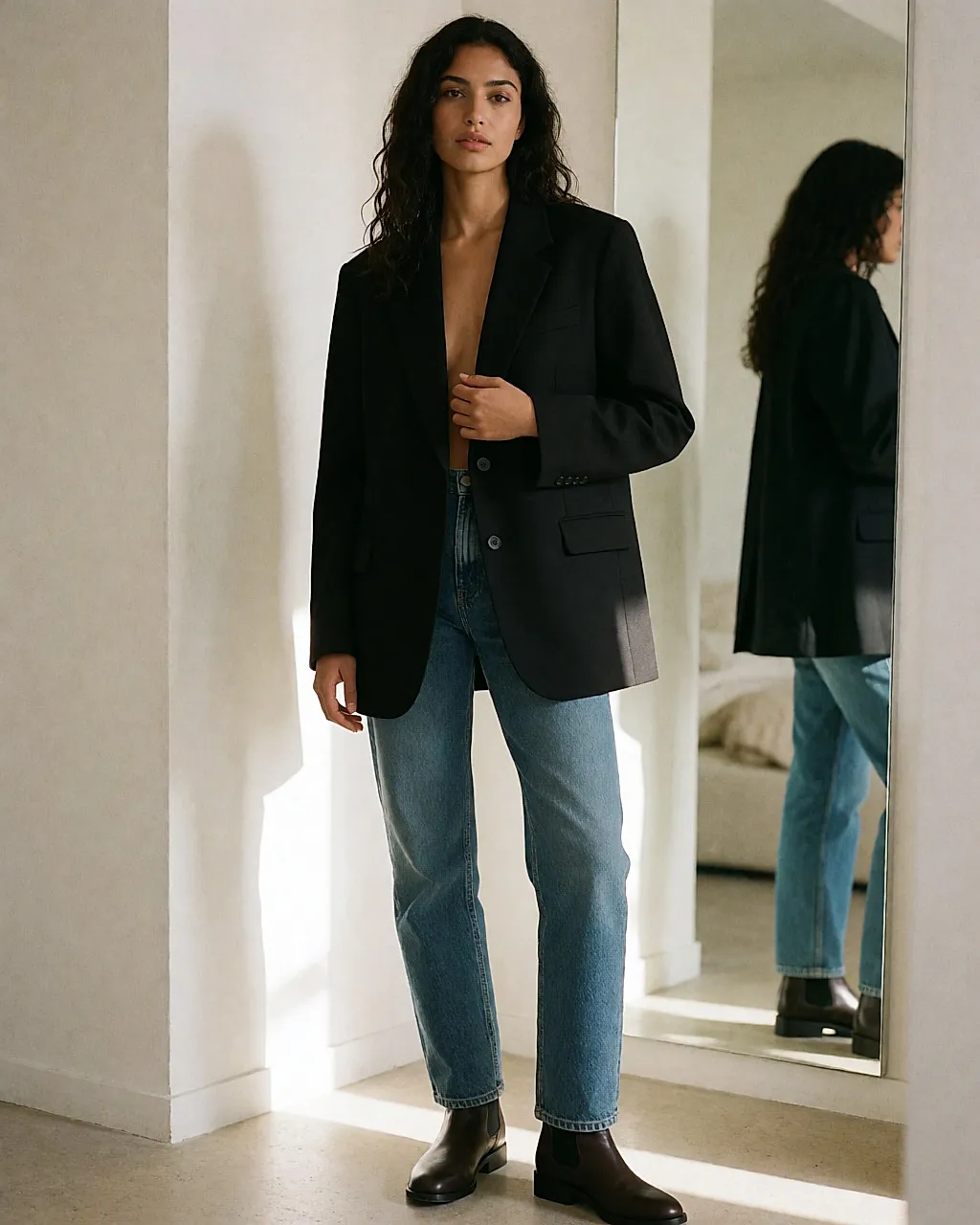
Alongside that there's the dark, structured mood: oversized blazer, block-heel boots, slip dress, fringe. Nothing complicated on paper. It's the drape that does the work, not the colour. A fabric that hangs well, a clean cut, and you're done — even head to toe in black.
The two extremes
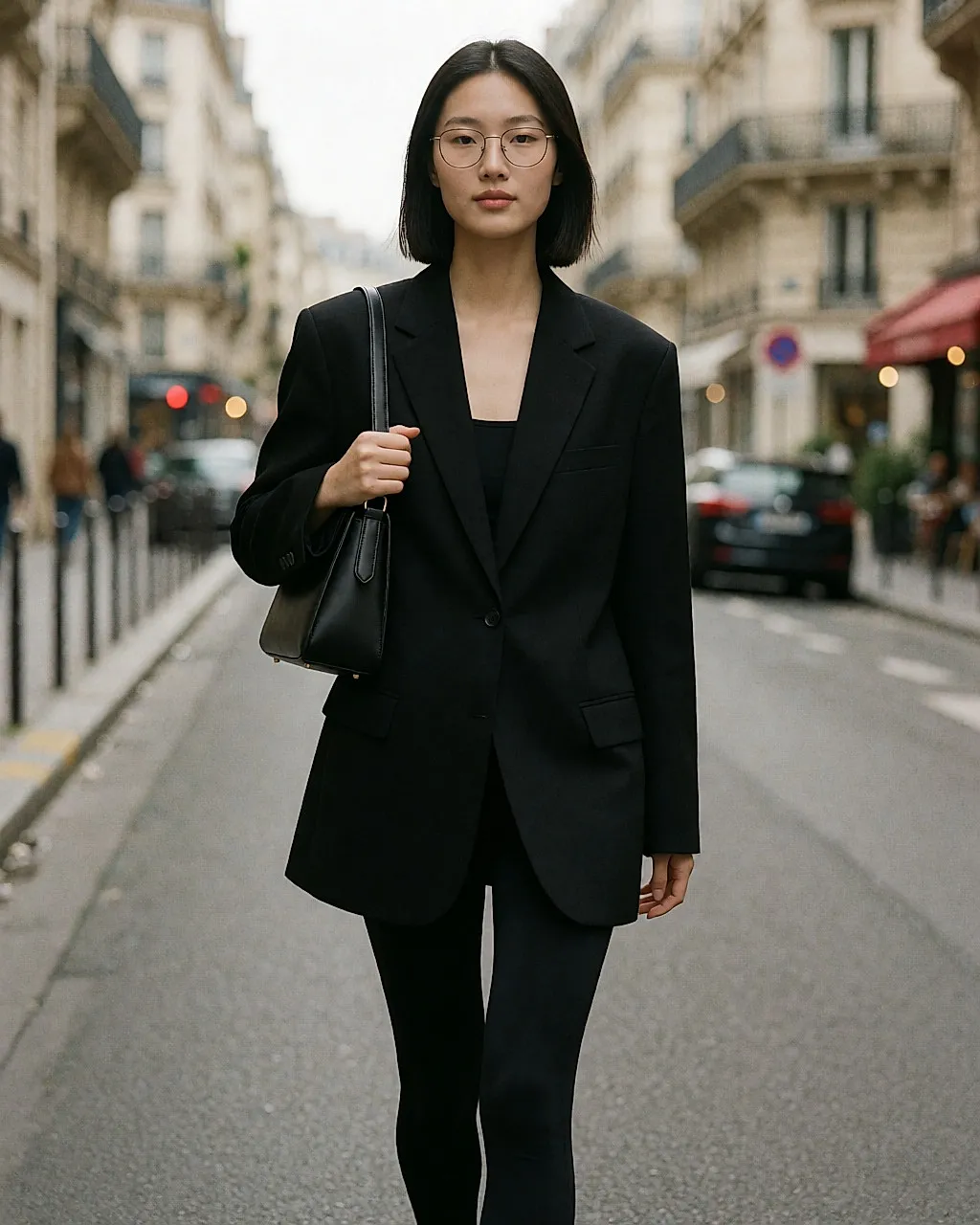
There's the minimalism camp, and it works: blazer over leggings, slim glasses, a single bag. Three pieces, no prints, and real presence all the same. Good news — it's all easy to find second-hand: a slightly oversized black blazer, a pair of slim glasses, a bag in reclaimed leather.
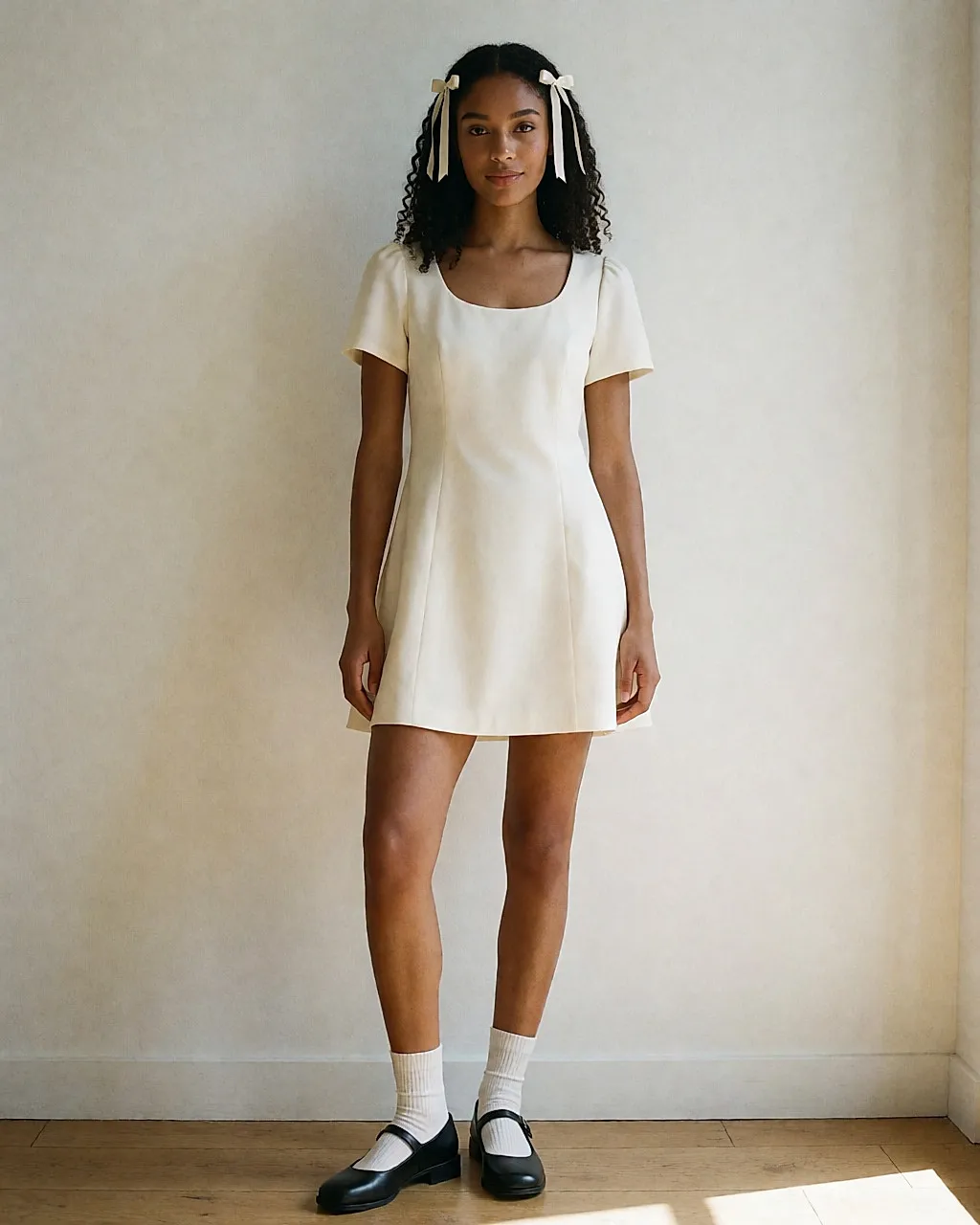
And then the other camp, girly and unapologetic about it: mini dress, white ankle socks, Mary Janes, ribbons in the hair. It stands up because the whole look is coherent, from the tips of the socks to the ribbon. One bit of whimsy per outfit is enough; any more and it goes off in all directions. That's where the texture of the pieces matters — a crisp cotton rather than a droopy sheer.
Before you leave the house, look at yourself full-length and count your focal points: one piece of jewellery, one bag, one unusual pair of shoes. At two, the outfit stays sharp; at four, it falls apart. That quick edit is worth more than an impulse purchase — we gave it a go, and yes, we were running late on Sunday.
Copying the look without a celebrity budget
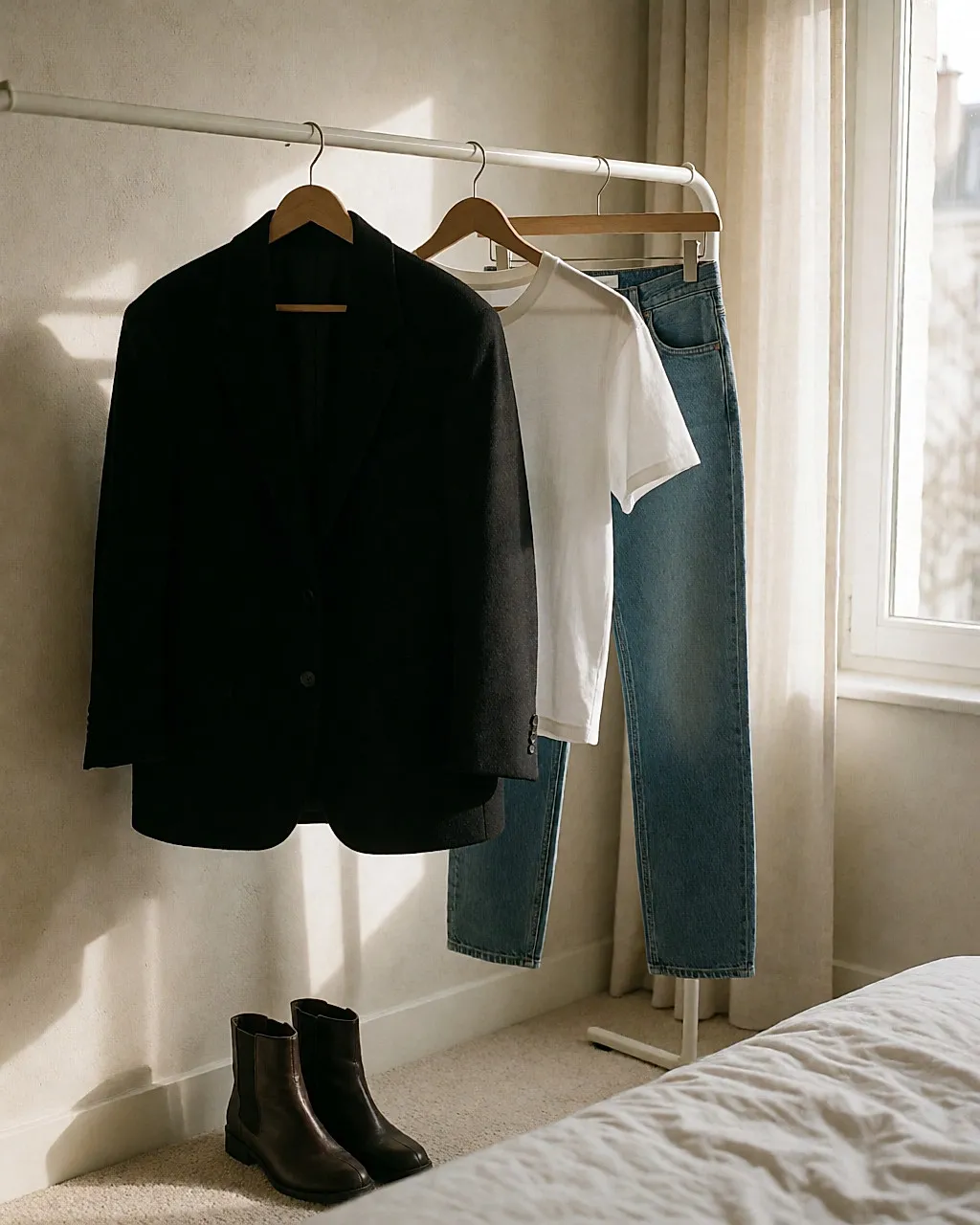
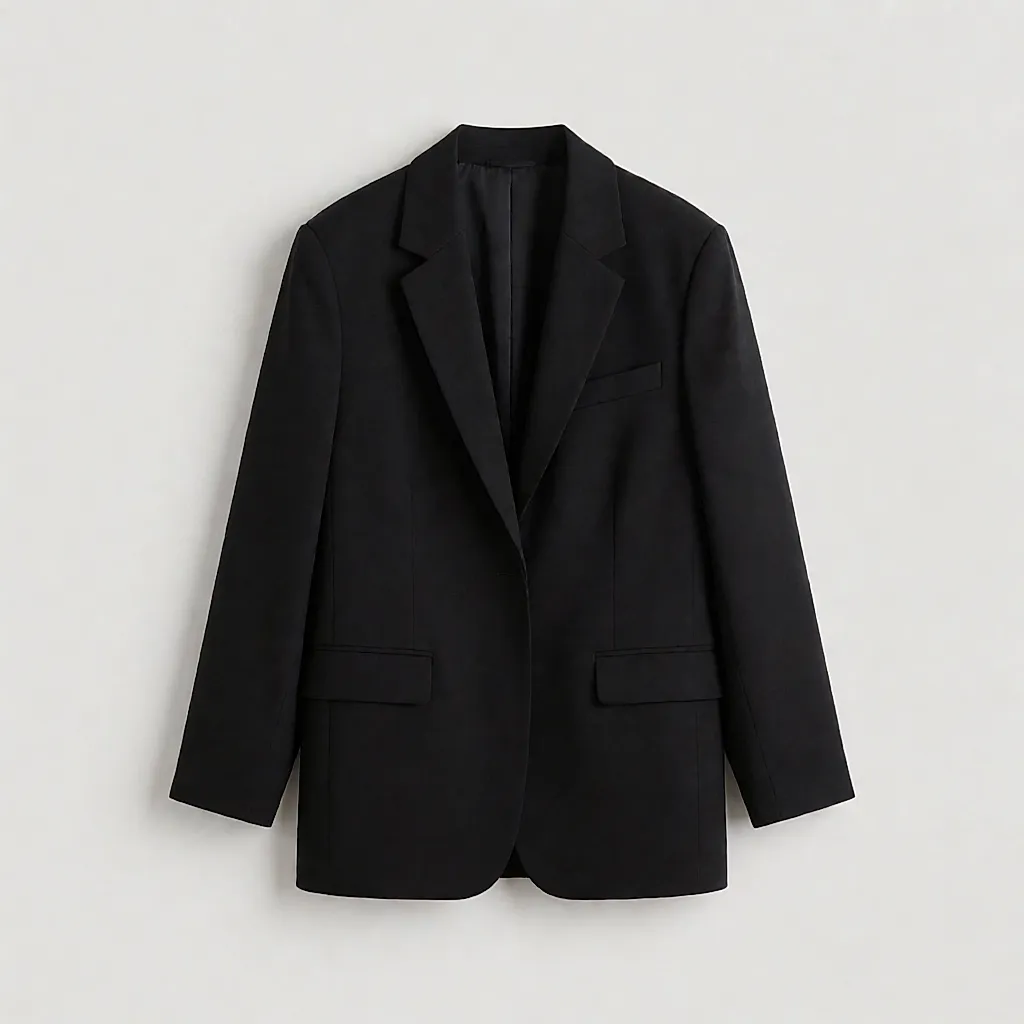
The wardrobe that shows up most often is more affordable than it looks. A slightly oversized black blazer, straight raw-denim jeans, soft boots, flat strappy sandals: these are the pieces that come round again and again. You almost certainly own them already.
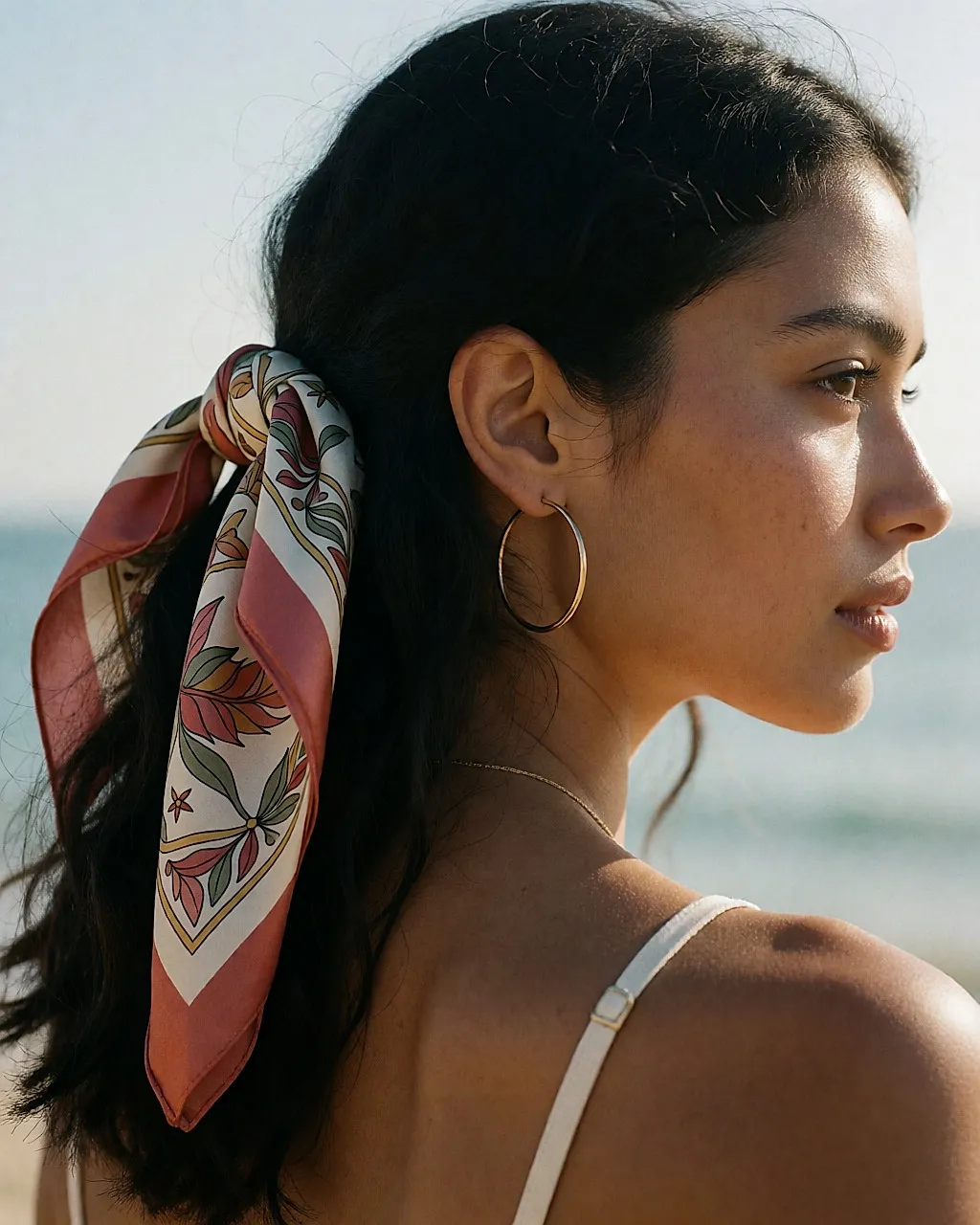
For the rest, lean on accessories to vary things without buying anything new. A scarf knotted into your hair, a slim belt over a fluid dress, a pair of hoops. That's how you change an outfit without changing your clothes. The move that makes the difference is rarely the garment itself.
One last thing, and it's not a small one: don't collect trends. Pick one per season — yours, the one that already feels a bit like you. Style isn't bought all at once; it's built in small touches, and often from what you already own, which is the whole idea behind a capsule wardrobe.
What you'll pay
Prices depend on the fabric, the cut and the brand tier. Expect roughly £35 to £120 for a decent blazer on the high street or online, and more like £80 to £250 at a multi-brand boutique for a wool piece that hangs well — the range climbs with the city and the level of finish.
For straight raw-denim jeans, expect about £40 to £90 at a mainstream chain and £70 to £150 from a specialist brand, and often under £30 second-hand if you choose well. Soft boots sit between £70 and £200 depending on the leather and the sole; flat strappy sandals between £40 and £130.
Accessories remain the best-value part of the list: a silk scarf, reclaimed or in organic cotton, £10 to £40; a slim belt, £15 to £60; a pair of hoop earrings, £10 to £50.
On materials, look for organic cotton (GOTS certified), traceable wool, linen or vegetable-tanned leather. At equal quality of make, natural fibres often age better — though it all depends on the weave, the cut and how you look after it. A heavy wool that's badly cut will wear worse than a simple cotton that's well cut, and no label will tell you that.
Where to find it all: the high street and online for basics, multi-brand boutiques and department stores for structured pieces, charity shops, second-hand apps and resale sites, or a dress agency for the blazer and the jeans. That's where the style-to-price ratio is best, and the most consistent with a lower-impact way of shopping.
A label doesn't mean "perfect". GOTS governs the organic cotton supply chain: no GM seed, a restricted list of chemicals, wastewater treatment, and social criteria for certified processing plants. What it doesn't guarantee: the strength of the stitching, how long the piece will last, or that everyone who handled it from fibre to hanger was paid fairly.
Sources
- Global Organic Textile Standard (GOTS), certification framework and scope — global-standard.org
Comments
Your opinion matters: rate the article, react and reply to comments.
Comments are moderated; AI-assisted comments are flagged. Text emoticons (8-), :-), <3…) are automatically shown as images.