
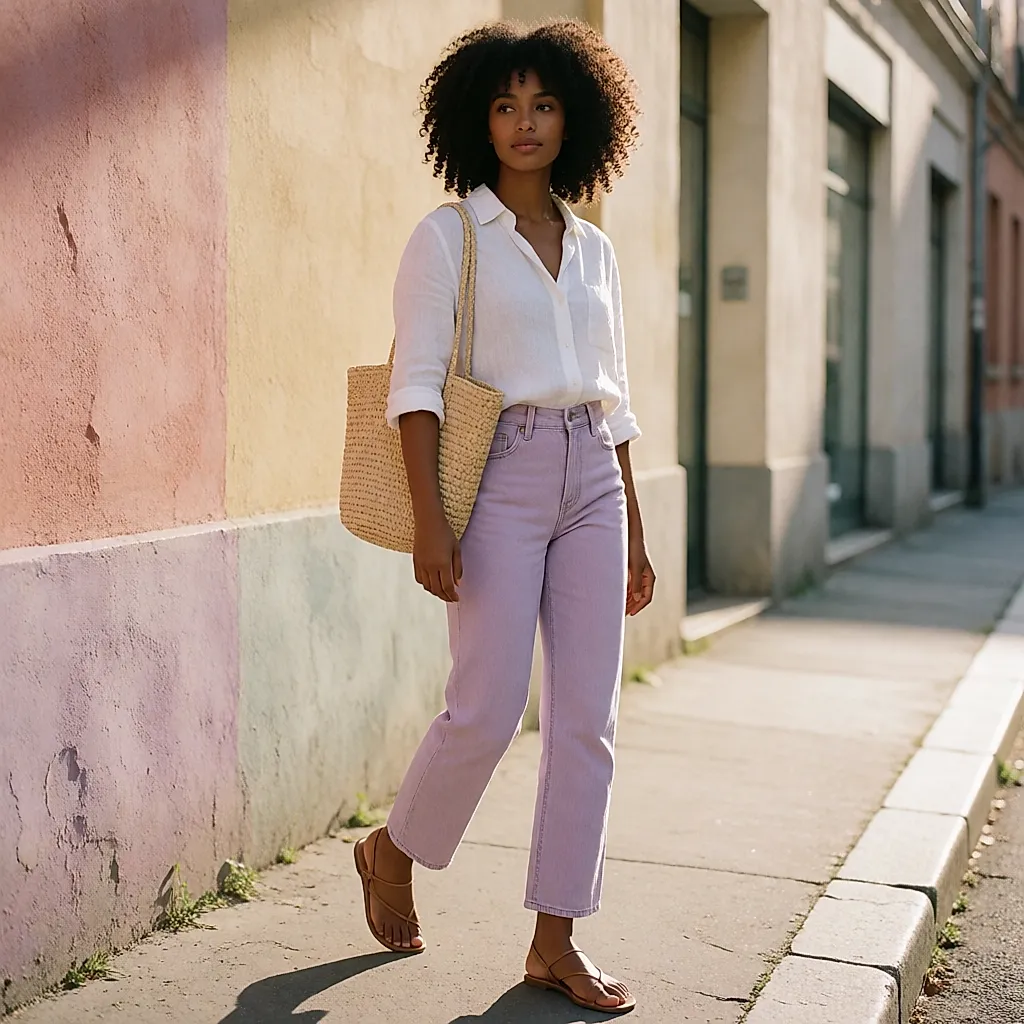
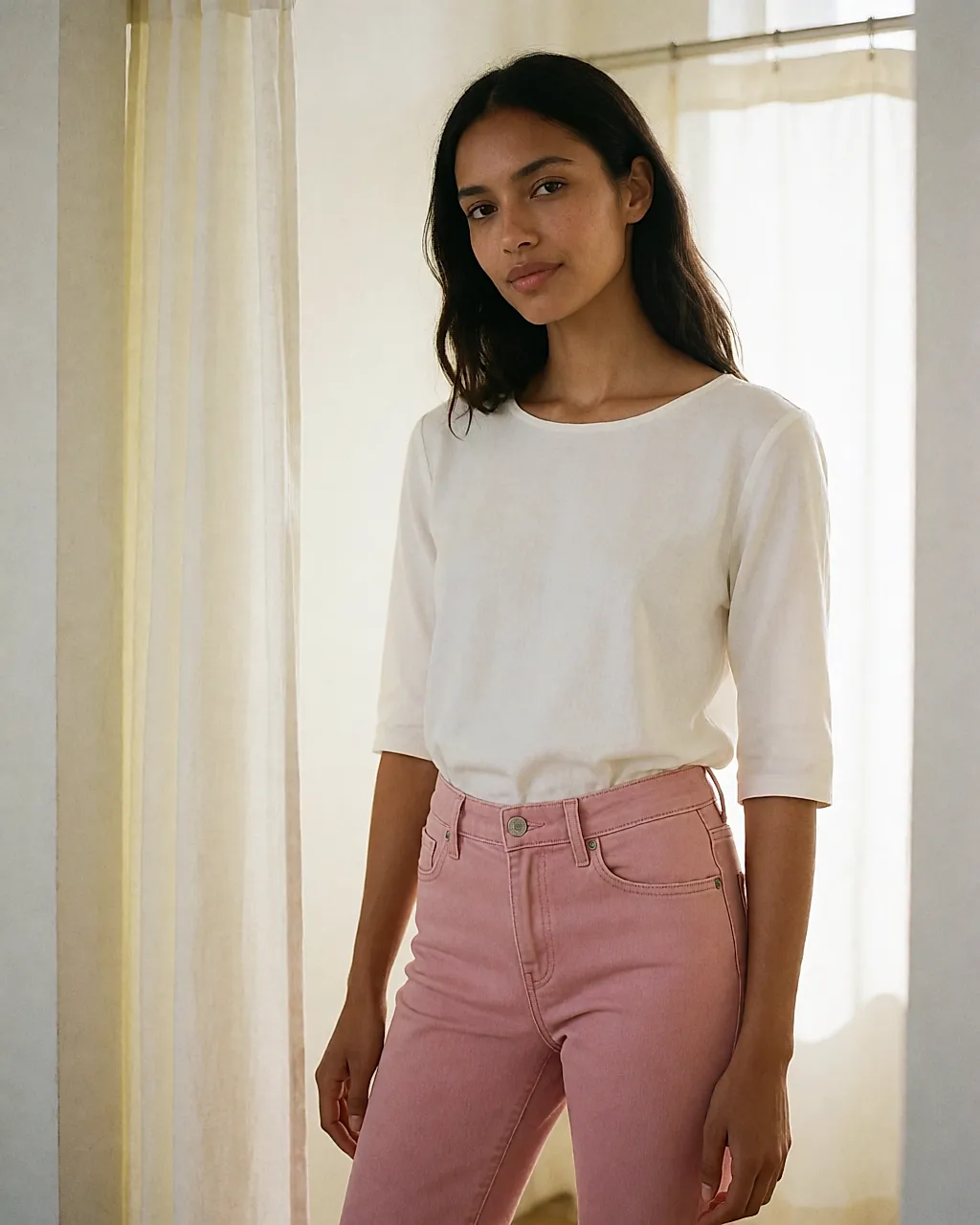
You spot a pair of powder-pink jeans in a shop window, try them on in the fitting room, pay for them — and back home the colour isn't quite the one you saw in the shop. Nothing odd about that: once denim is dyed, the shade shifts with the light and with the way the cloth falls. The good news is that coloured jeans are genuinely easy to work into a summer wardrobe. With one caveat — the shade is never a random pick.
Think wardrobe before shade
Before anything else, take stock of what's already in your wardrobe. Navy, black or grey denim goes with pretty much everything; a bright colour dictates the rest of the outfit. The trick that works is to echo a shade you already wear — in a print, or on an accessory you reach for often. Light, plain wardrobe? A pastel such as eau de nil, peach or lilac blends in without any effort. More of a tonal dresser? Petrol blue or olive green will lift a monochrome look.
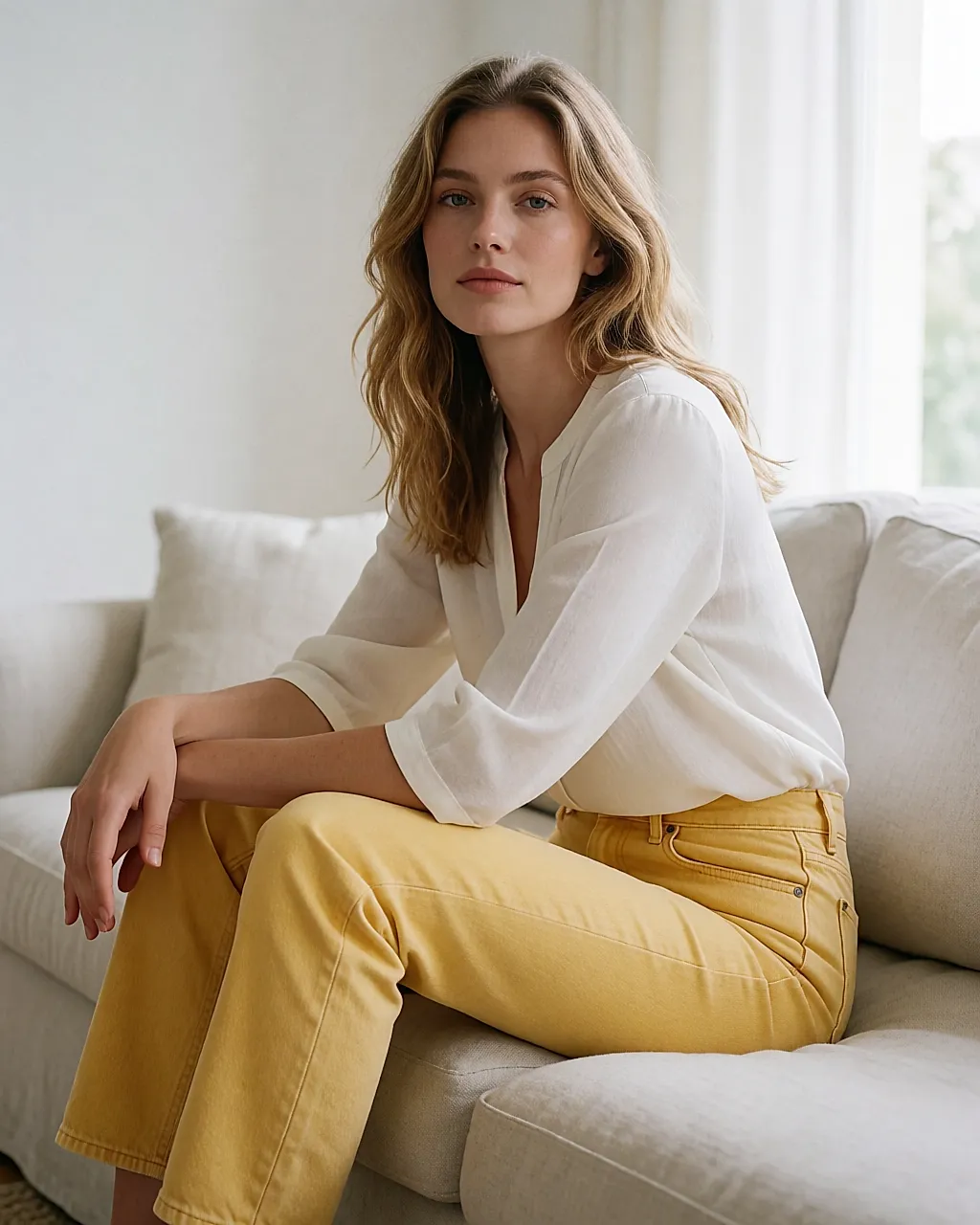
Then there are neons. Treat those as a statement piece: one fluorescent item, everything else white, ecru or raw denim. It's the best way to avoid looking like you're in fancy dress.
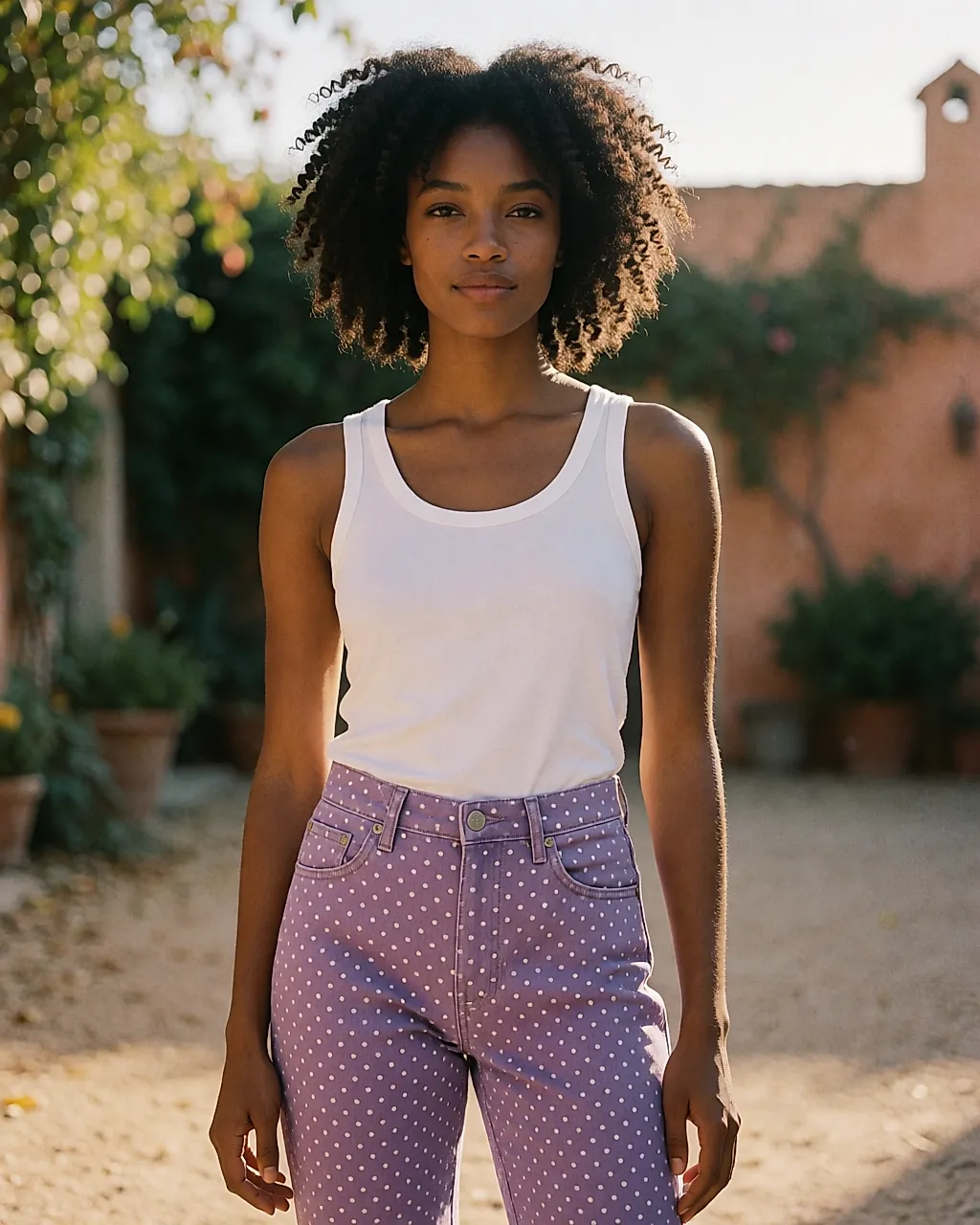
How the denim hangs matters more than the shade
The fabric decides almost everything. The lighter and softer the cloth, the more it creases at the knees and hips. On a pale shade, look for denim with 1–2% elastane: enough for a clean line, not enough for the tight fit that ages badly. Go beyond that and the cloth relaxes quickly, with the first wash softening it further.
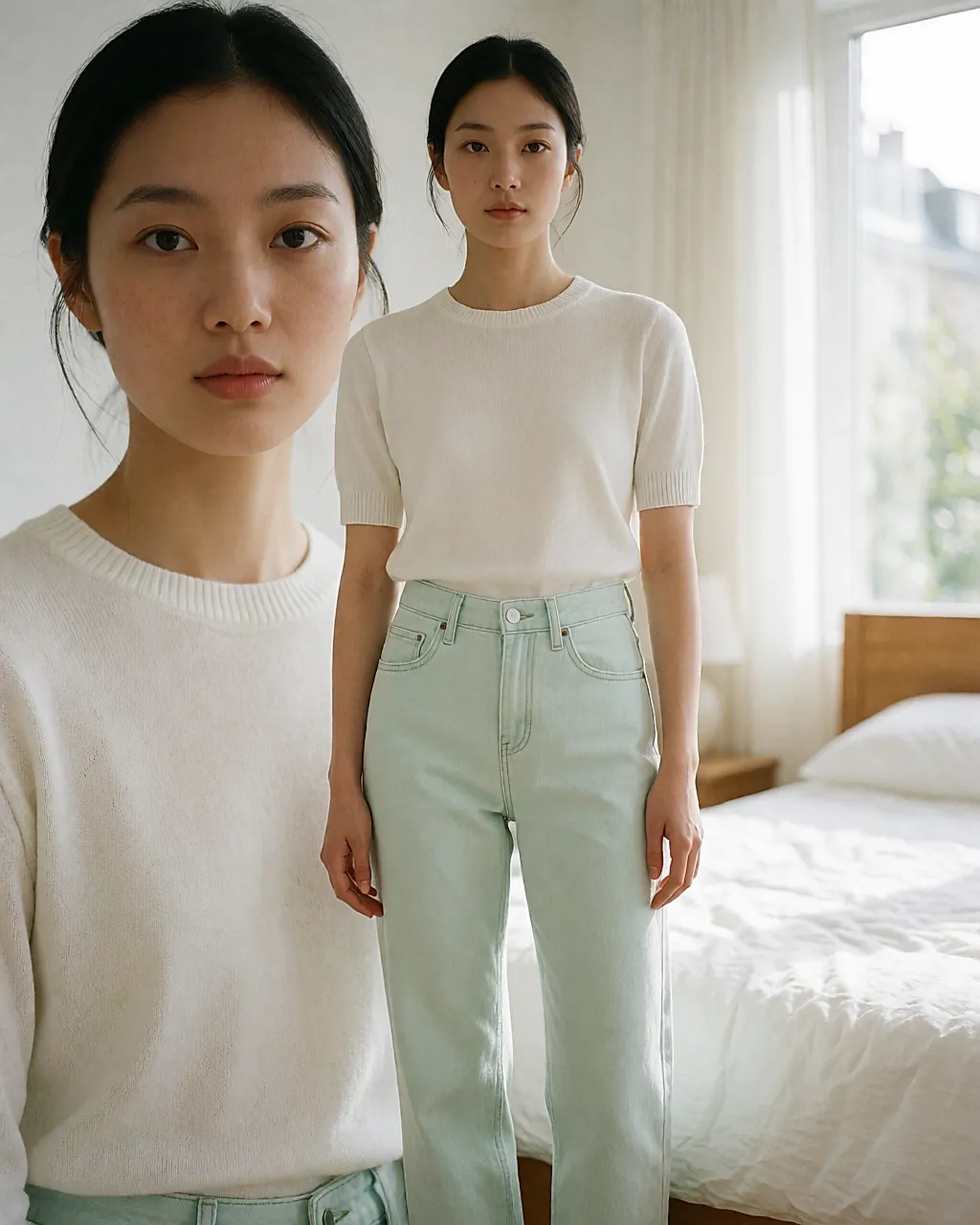
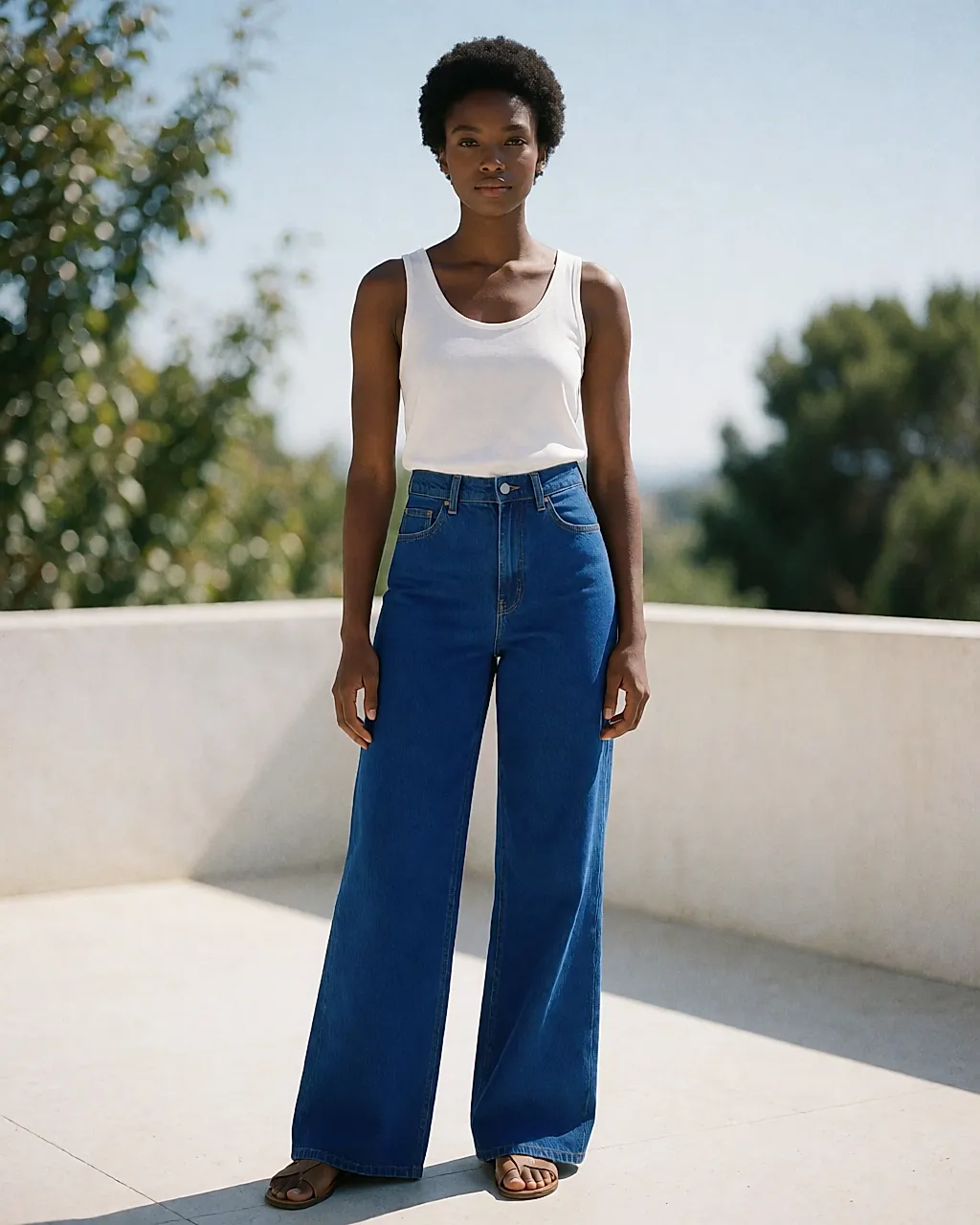
On cut, a mid or high rise is still the easiest to accessorise. Straight or slightly flared leg: summer-ready. And a cropped length that stops at the ankle flatters almost every shape when worn with a flat sandal.
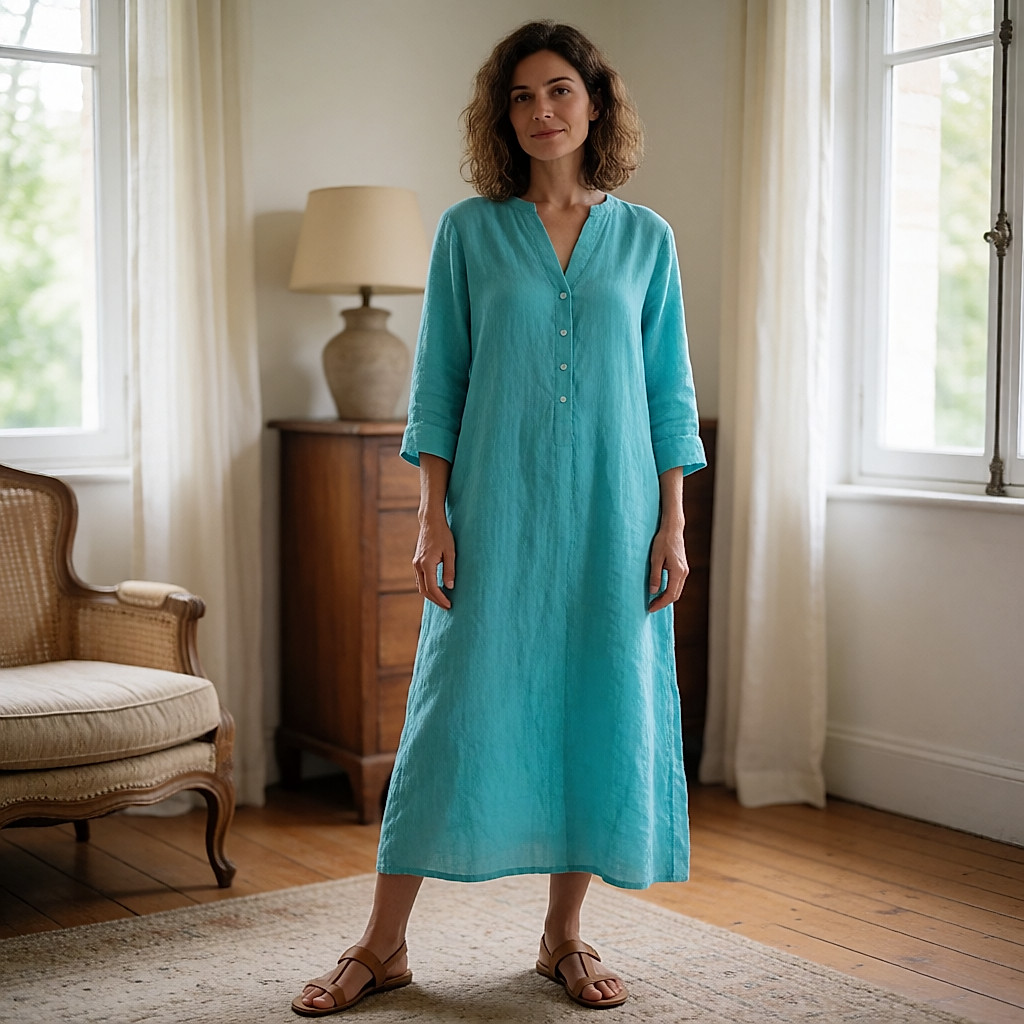
One detail that's easy to forget: how well the dye is fixed. Turn the hem up — if the core of the fabric is white, the colour sits on the surface and will fade in patches. Check the colourfastness information on the label too.
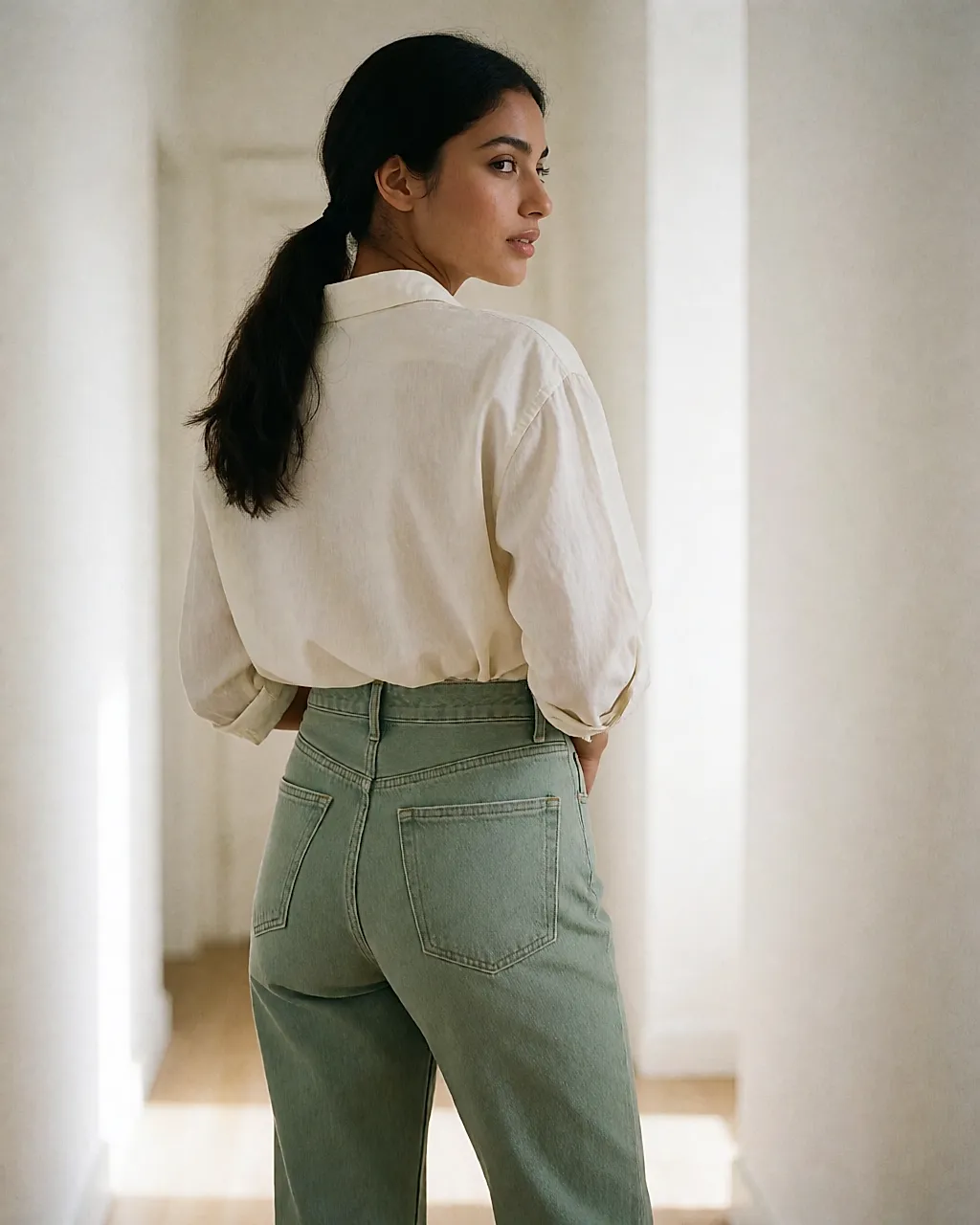
What to wear with them
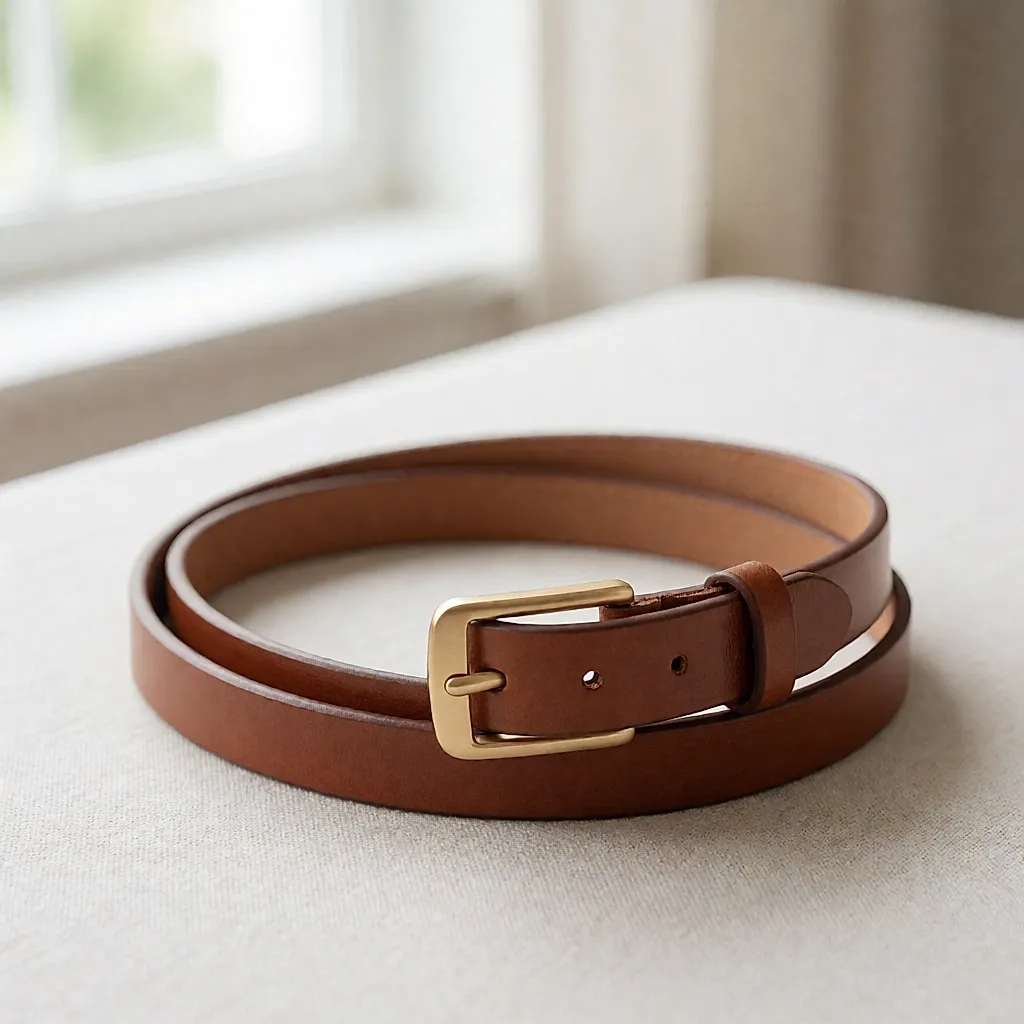
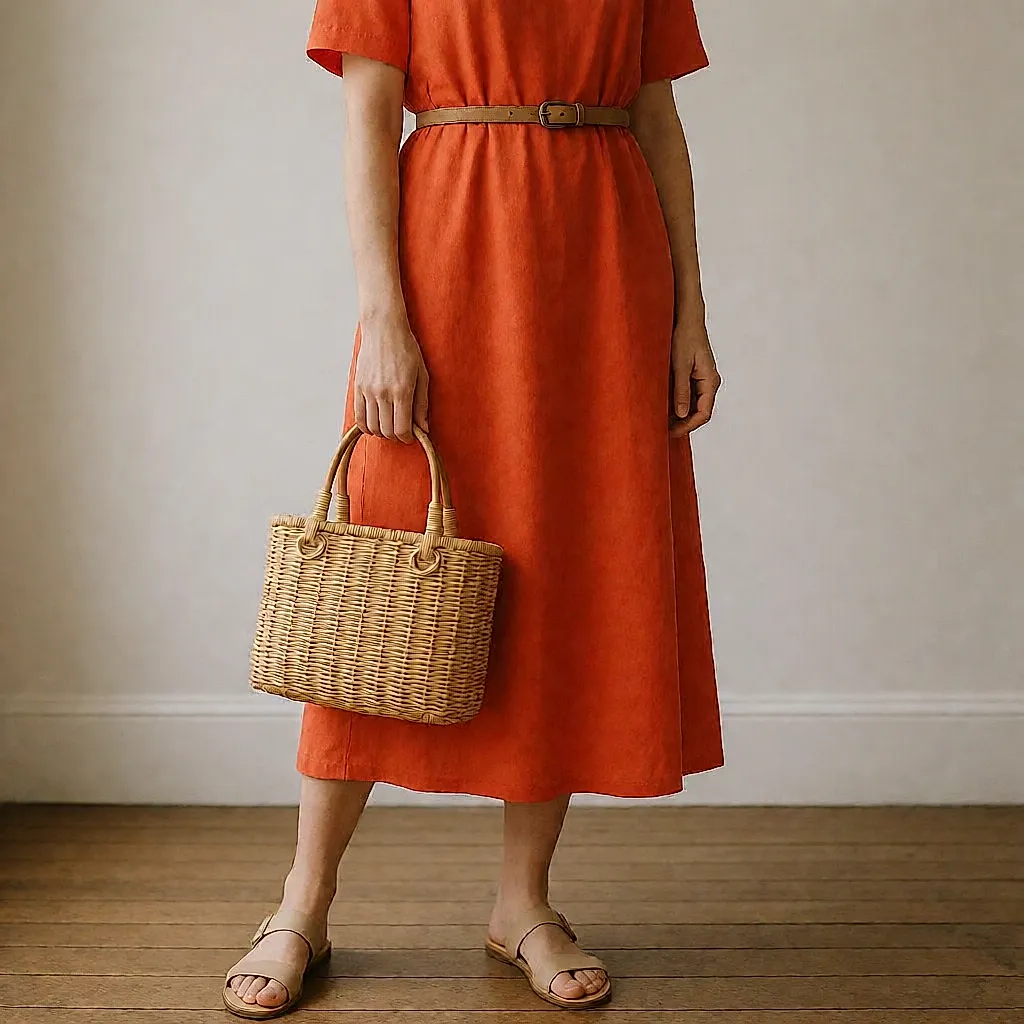
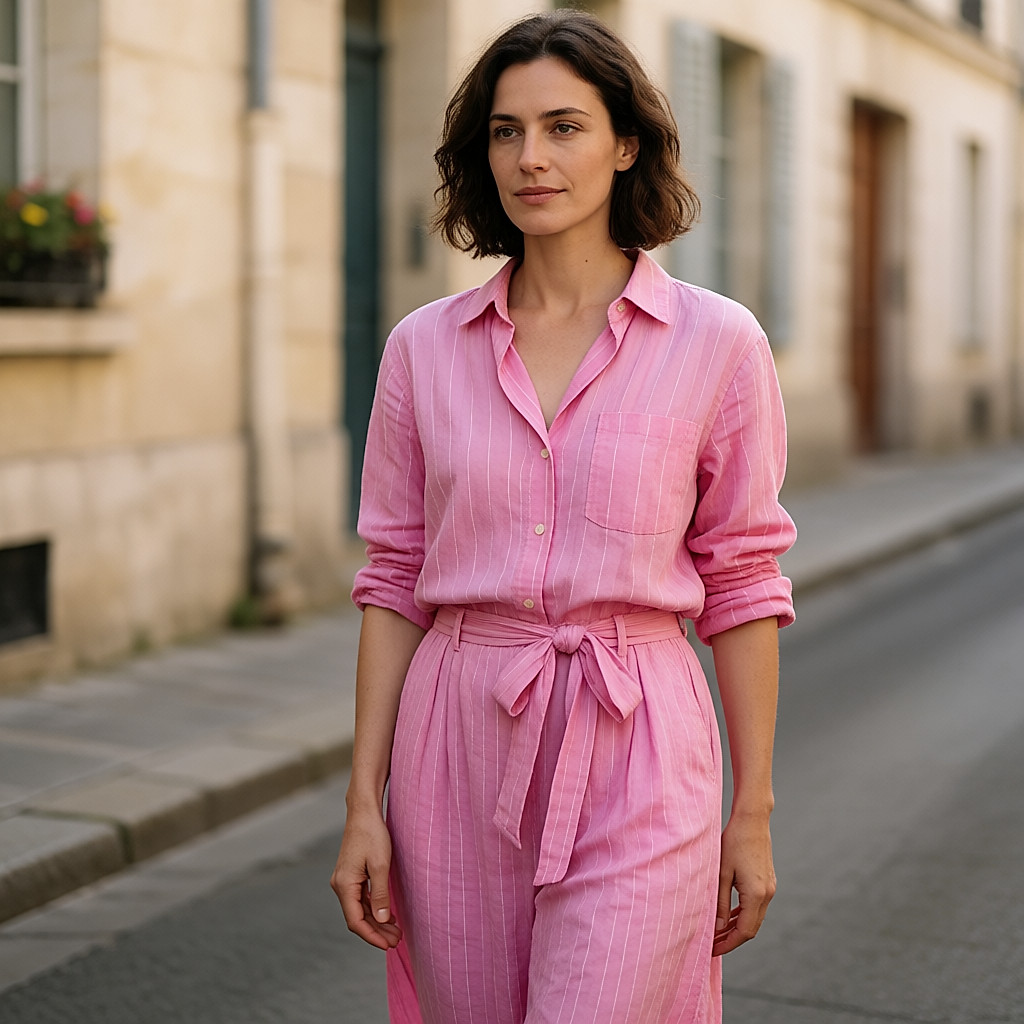
Coloured jeans like restraint: a raffia bag, neutral leather sandals, a slim belt. For summer layering, an open linen shirt over a plain vest works better than a structured jacket. As for head-to-toe colour, it holds up if you play with textures — matte denim, fine knit, leather — rather than stacking three similar shades.
Fabric markers. For organic cotton denim, look for the GOTS label: it requires at least 70% organic fibres (95% for the "organic" grade), wastewater treatment and social criteria, checked by an independent body. Nudie Jeans works with organic cotton and offers free in-store repairs; 1083, a French brand, makes some of its jeans in France and offers alterations. I haven't tried them myself — they're documented reference points. The habit that makes the difference: wash coloured jeans at 30 °C, inside out, on their own for the first few washes — the colour holds noticeably better.
What you'll pay
Prices vary widely — it comes down to the brand, the fabric and the time of year.
- Second-hand: £5–£40 on Vinted, eBay and Depop, in charity shops or at consignment stores.
- New, entry level: £20–£45 in supermarkets and fast-fashion chains.
- Mid-range: £55–£120 in branded shops or online.
- Denim with a traceable supply chain: £120–£250.
- Alterations (hemming, taking in): £8–£20 at a tailor or dry cleaner.
These ranges shift with where you shop, the length, the organic cotton content, the country of manufacture and the retail calendar — pale shades often end up in the sale at the end of the season.
Sources
- GOTS — the international organic textile standard, global-standard.org
- Nudie Jeans — organic cotton and repairs, nudiejeans.com
- 1083 — French manufacture and alterations, 1083.fr
- Refashion — France's textile collection and recycling scheme, refashion.fr
- ADEME — French environment agency, textile impact, ademe.fr
Comments
Your opinion matters: rate the article, react and reply to comments.
Comments are moderated; AI-assisted comments are flagged. Text emoticons (8-), :-), <3…) are automatically shown as images.