
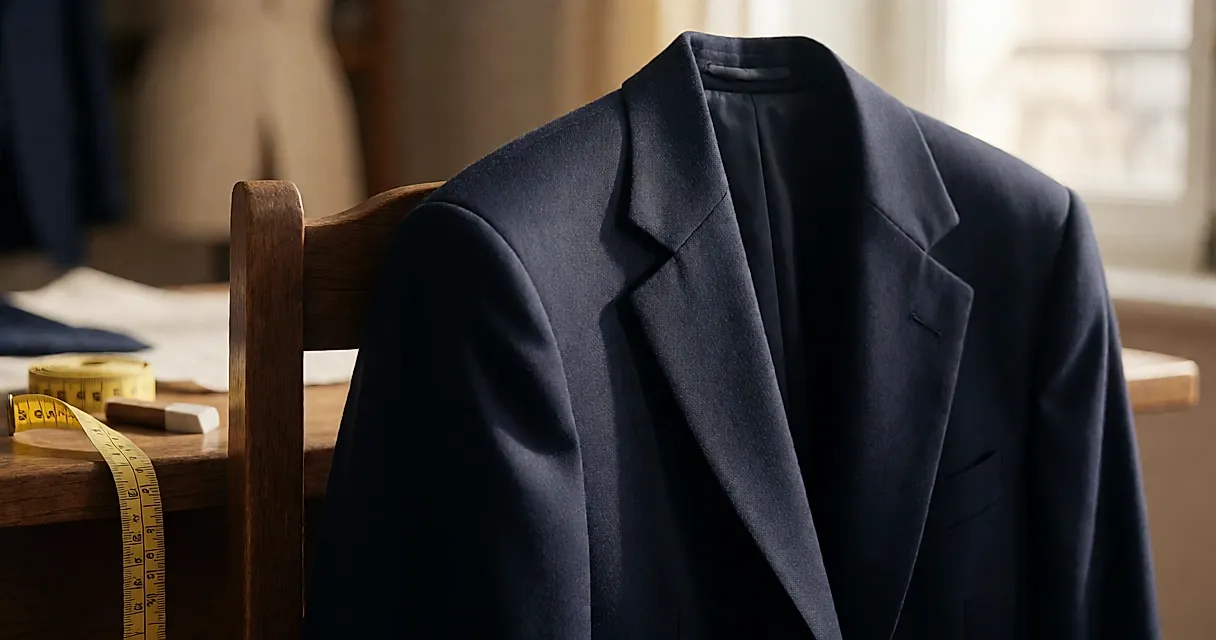
The jacket is half price, the colour is exactly what you were after, and in the changing room the shoulder seam sits a cheerful 3 cm too low. You hesitate. So would we. We know how this ends: you buy it, vow to take it to the tailor, and it lives on the hanger, never worn. What if you sorted the fit before reaching for your card?
The shoulder line is non-negotiable
Everything else on a jacket can be negotiated; the shoulder cannot. The shoulder seam should sit on the bone—no higher, no lower. It is what gives the silhouette its upright line and sets the line of the sleeve. Altering a shoulder means detaching the sleeve, reworking the armhole, resetting the lining—and accepting that the jacket’s drape will change in the process. In practice, not every tailor will take it on, and those who do charge accordingly. On a cheap piece, the maths quickly becomes absurd.
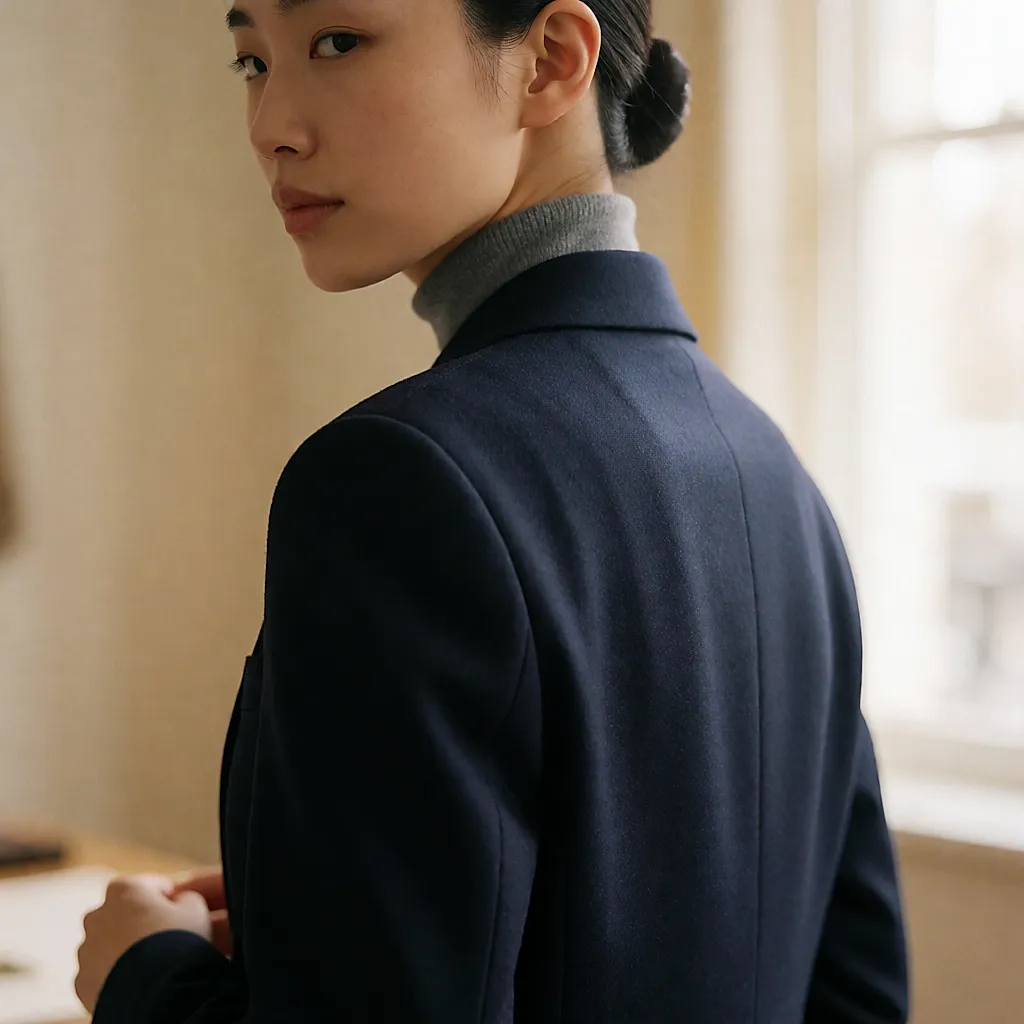
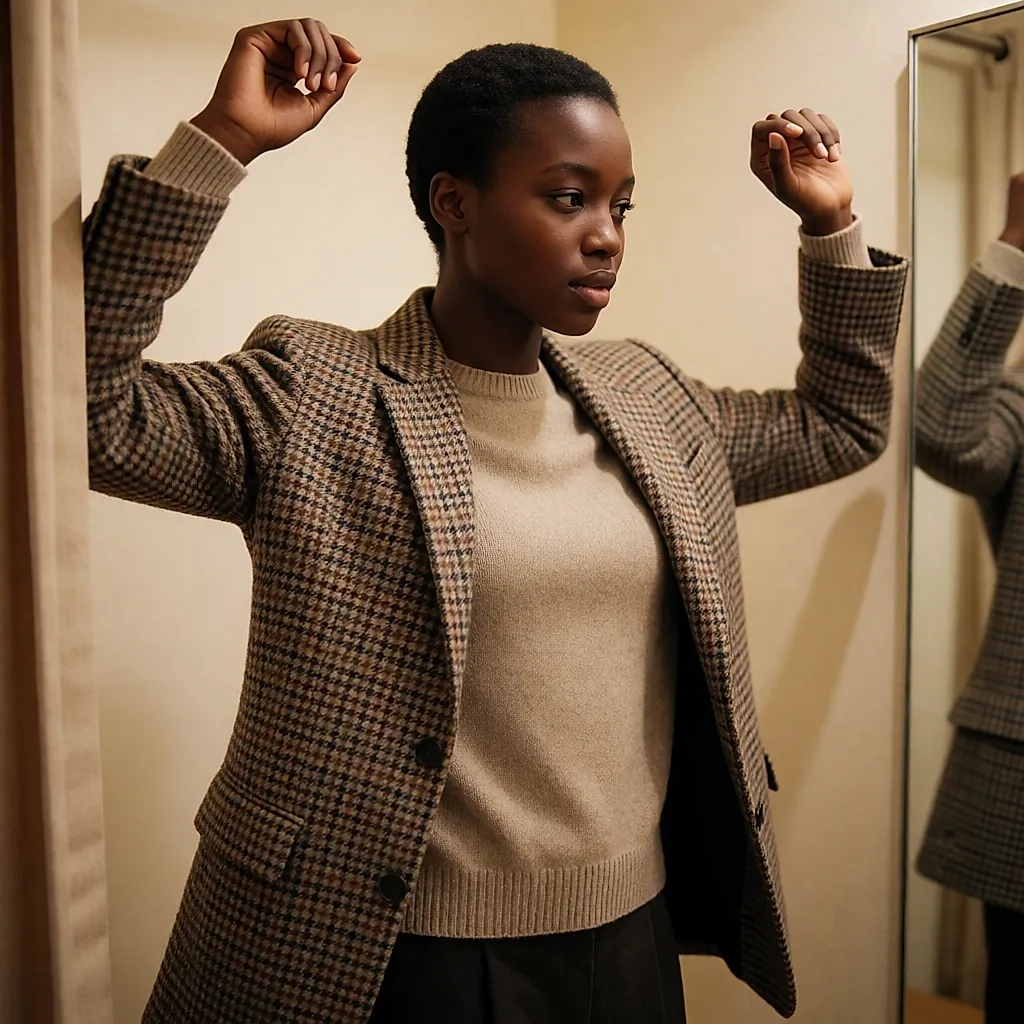
Be careful not to confuse this with deliberate oversizing. A jacket with intentionally dropped shoulders has been cut that way: the sleeves follow, the armhole is wide, and the shape holds together. A jacket that is simply too big floats, its sleeve gapes, and taking in the waist will not fix it. The test is one movement: raise your arms. If the whole jacket climbs with your shoulders, it is not your size—it is just a nice colour.
There is room to manoeuvre with taking in, shortening and hems
At the sides and back, a tailor can comfortably take in a few centimetres, tighten the darts and redraw a slightly soft waist. The same goes for length: jacket, coat or skirt. A hem is the simplest and cheapest alteration, the one that rescues a too-long piece without touching its structure. Sleeves can also be shortened—at the cuff when there’s no buttonhole to move, at the shoulder when the sleeve has a detail, which costs more.
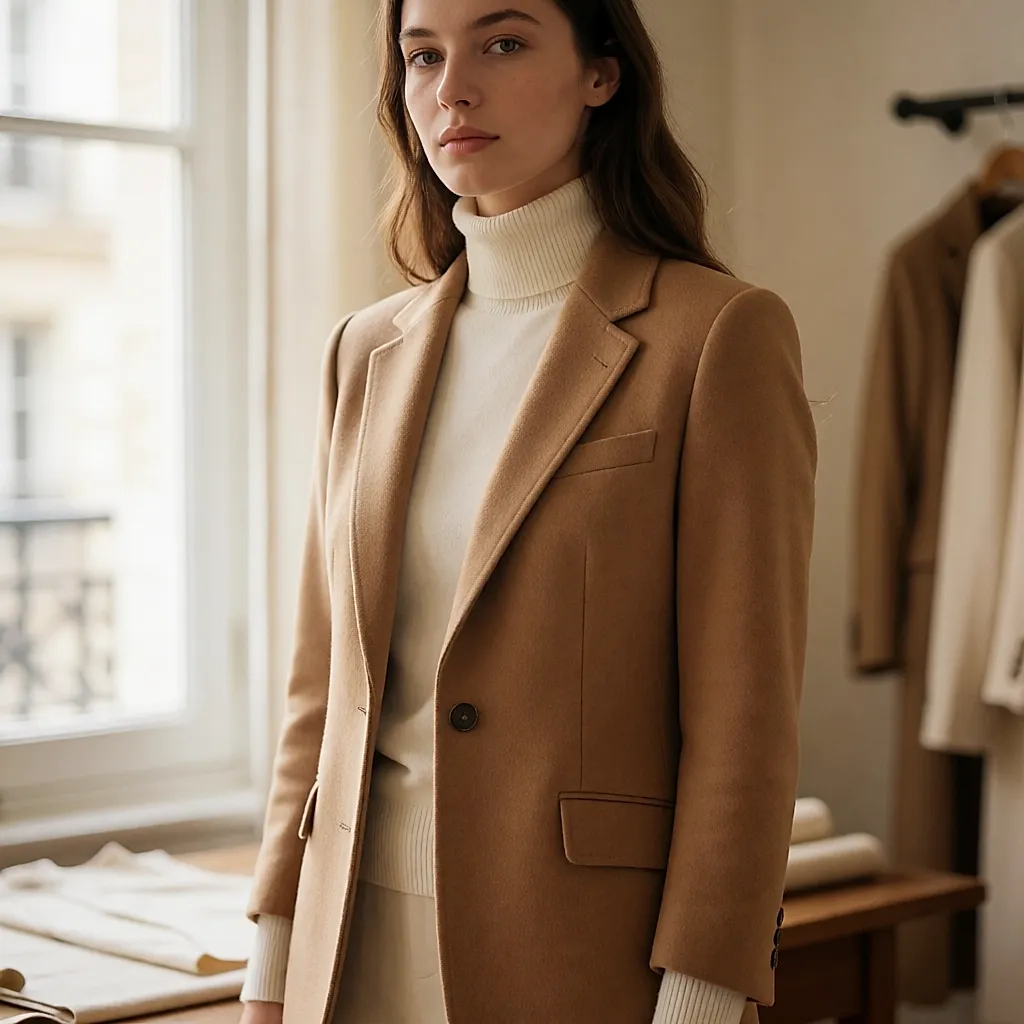
Two caveats, though. On a double-breasted jacket, shortening the length brings the lower pockets dangerously close together and throws off the balance. On a beautifully lined wool coat, it is often better to keep the original hem and adjust the sleeves: a replaced lining always shows a little. How many jackets have we bought thinking ‘I’ll get it altered’? If the piece is wool, linen or silk, it is often worth it; if the composition is vague and heavy on synthetic fibres, leave it on the rail.
At the fitting, the moves that tell you more than the mirror
A fitting is not done standing up with your arms by your sides. Sit down, raise your arms, hug someone—use your imagination, the changing room is small. Button it up: X-shaped creases across the bust mean the jacket is too tight, and a simple alteration is unlikely to save that. Look at the back, too: a jacket that pulls between the shoulder blades will not relax. Drape is finally judged with what you will wear underneath—a slightly thicker jumper changes everything, and nobody tries on a winter jacket in a strappy top, do they?
Second-hand: measure before you fall in love
On second-hand sites, you can find wonders for £20 or £30 and jackets photographed flat, which tells you nothing about the shoulder. Ask for measurements: shoulder seam to shoulder seam, pit to pit, sleeve length. Compare them with a jacket you already wear, laid flat. If the shoulder is two sizes wider, close the listing without regret. Tape measure first, heart second!
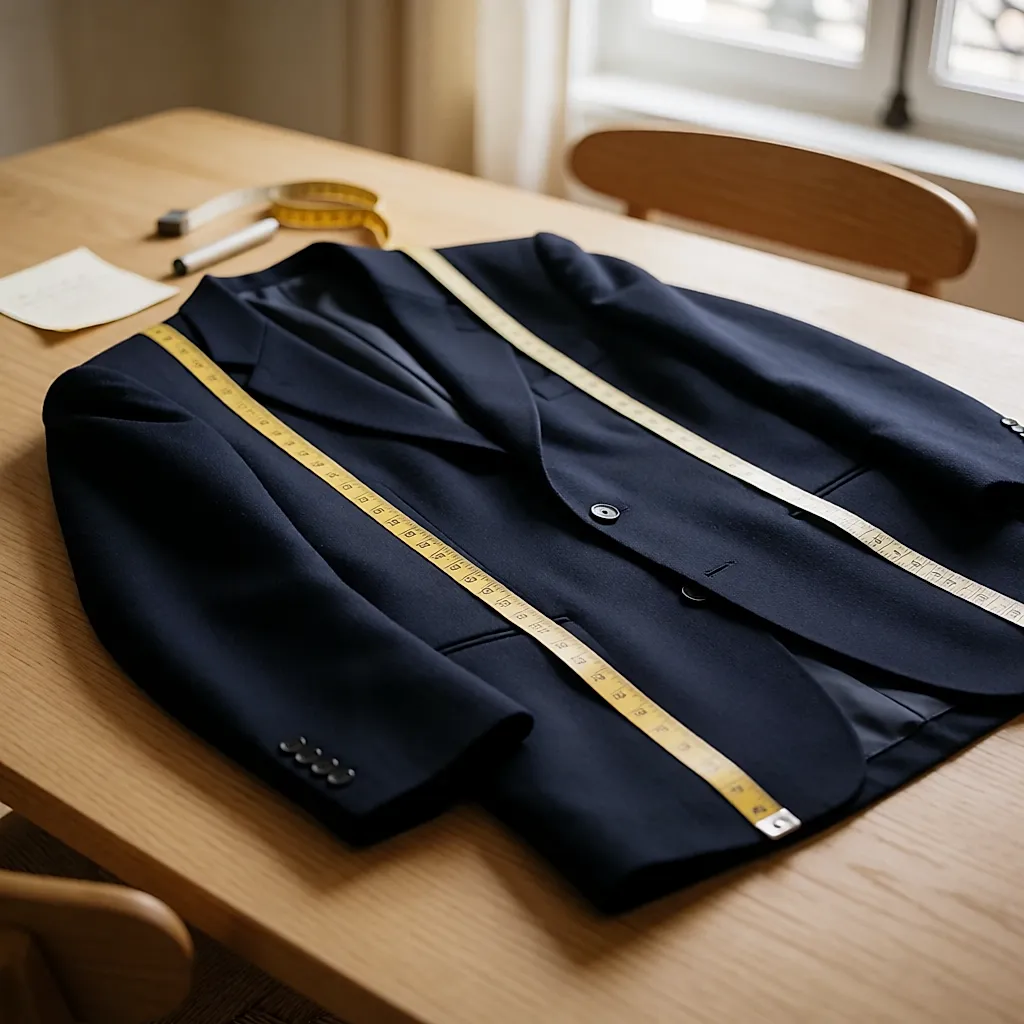
On the other hand, a piece that is too wide at the bust and waist is a very good candidate: taking it in will bring it back to your silhouette. Then add the price of the piece to the price of the alteration. A £25 jacket with £50 of alterations costs £75—the bargain becomes a jacket at a normal price, which is still very reasonable if the wool is good and the lining is intact.
Budget
Prices vary widely depending on the city, the lining and the finish. As a rough guide, expect around £10–20 for a simple hem, £20–35 for sleeves, £25–45 to take in a jacket, and £50–90 for a shoulder—if the tailor will take on the job. A lined coat often costs £25–45 to hem.
You’ll find all this at a tailor or a local alterations service, sometimes at a dry cleaner's, and some high-street retailers offer alterations on their own pieces—check in store. For a second-hand jacket, the local tailor or alterations shop is often the simplest: you can see the piece on, talk it through and leave with a clear quote.
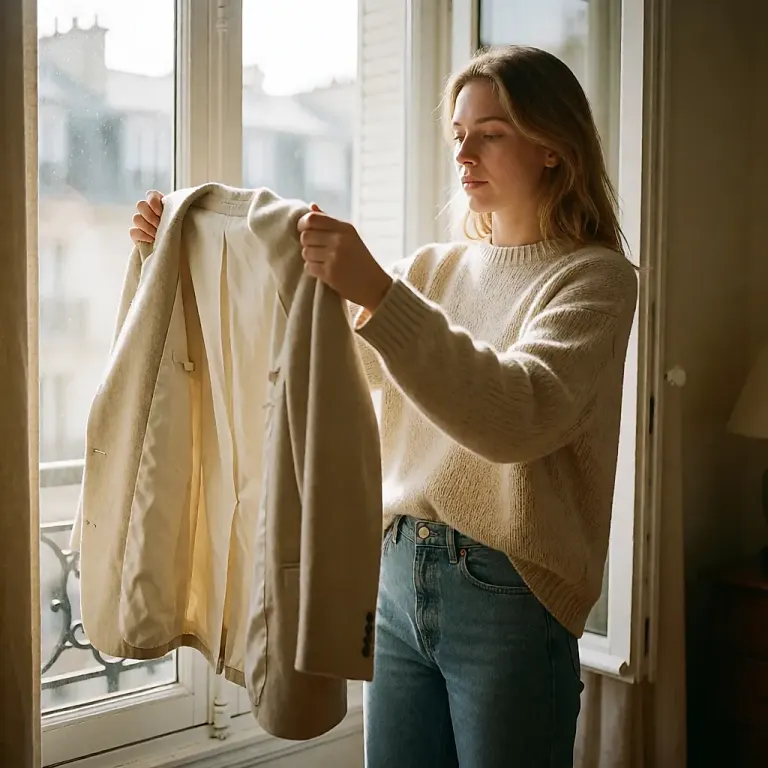
The hanger test: hang the jacket on a wide hanger, not a wire one. If the shoulder overhangs or droops, the piece is probably too big for you. Another guide: the sleeve should end at the wrist, just before the base of the thumb, without hiding your watch.
Which leaves the question that really matters: is this jacket worth its price, alterations included? If the shoulder is right, the fabric is pleasant and the colour already in your wardrobe, the answer is yes. If the shoulder floats, no hem will rescue it—and your hanger will thank you for not adding to the clutter.

Comments
Your opinion matters: rate the article, react and reply to comments.
Comments are moderated; AI-assisted comments are flagged. Text emoticons (8-), :-), <3…) are automatically shown as images.