
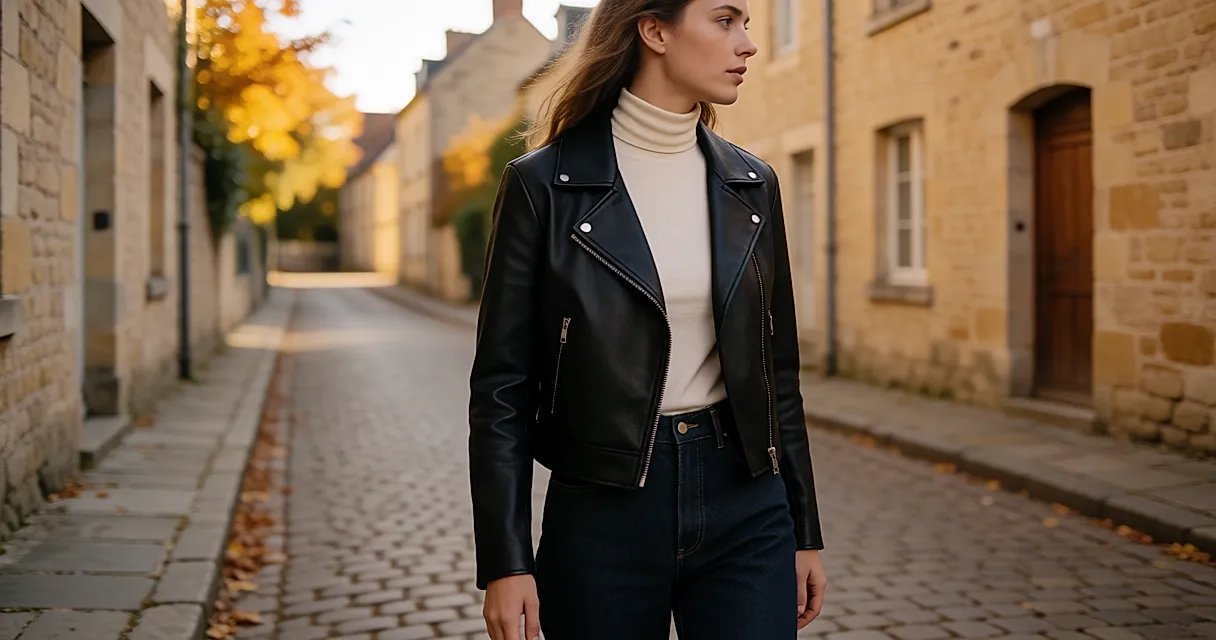
Looking for a leather jacket to liven up your winter outfits? Here's a small, far-from-exhaustive edit of the options out there. Because the little leather jacket, preferably cropped, is back at the top of the agenda: sporty, vintage, stand collar or round neck, with or without pockets, chocolate or black... it sits on our shoulders and defines our waist from autumn right through to the first warm days - at least.
The second-hand market has a lot to do with it, putting 1980s and 1990s pieces back into circulation, with cuts that directly inspire current collections. It's a classic that gets handed on rather than thrown out, and one worth seeking out in a well-made version.
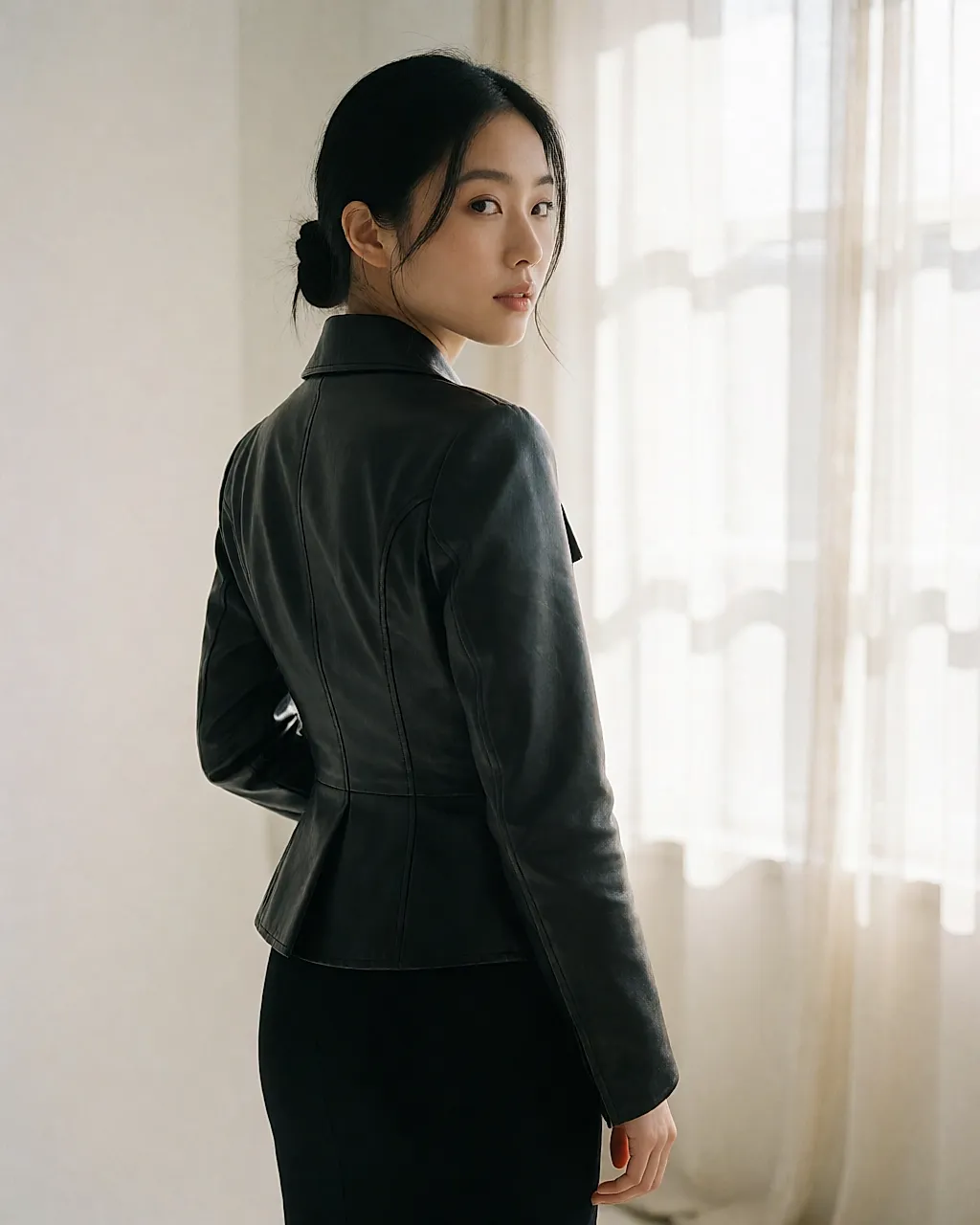
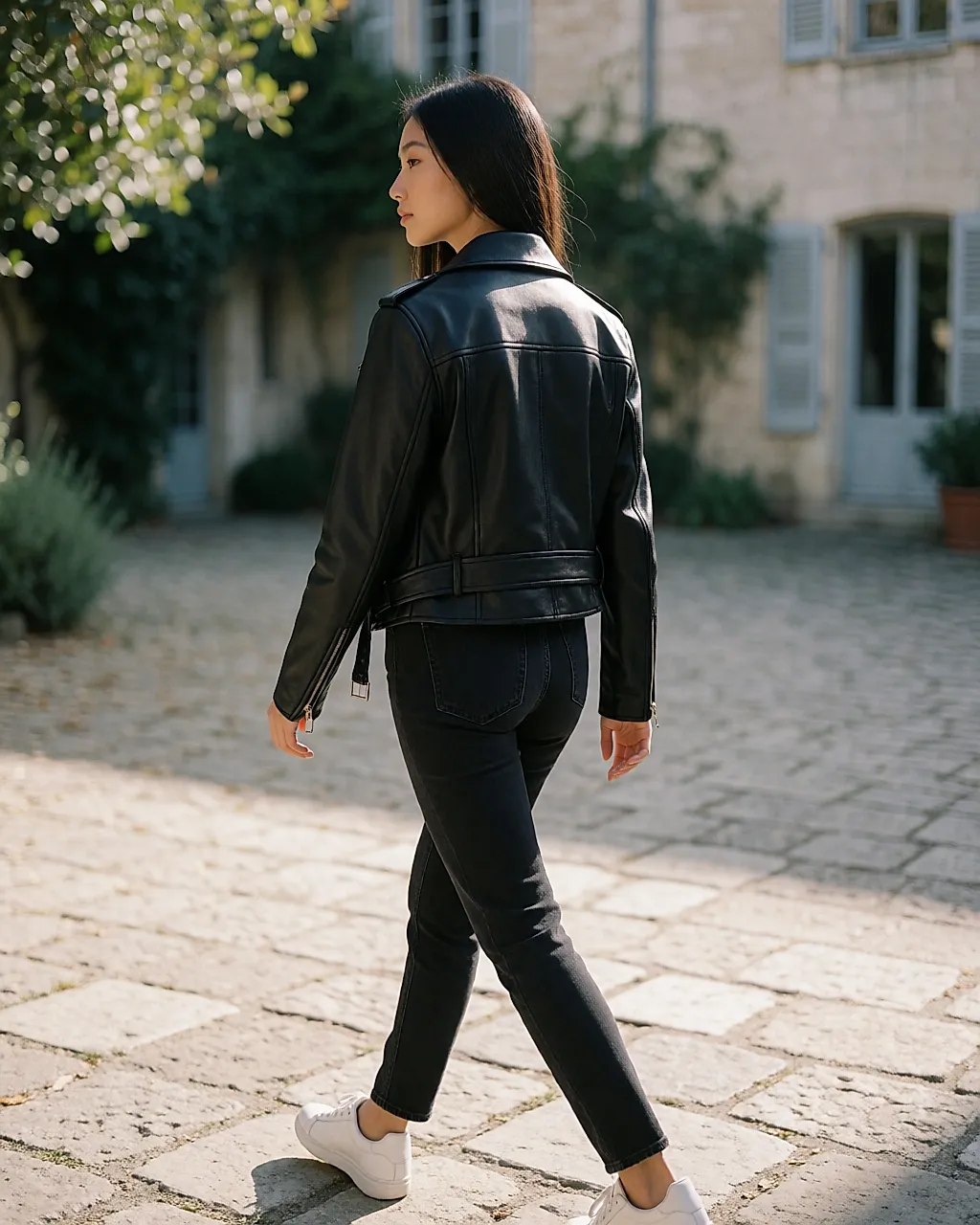
The biker jacket. It's the reference. Asymmetric, covered in zips and with a belt, it immediately sets a rock mood. Current versions rely on lighter lambskin or calfskin, which falls without stiffness. Styling is a matter of taste: cowboy boots and tattoos are optional; skinny jeans and vertiginous heels are strongly encouraged... or not at all, since the Iro biker works just as well with jeans and trainers.
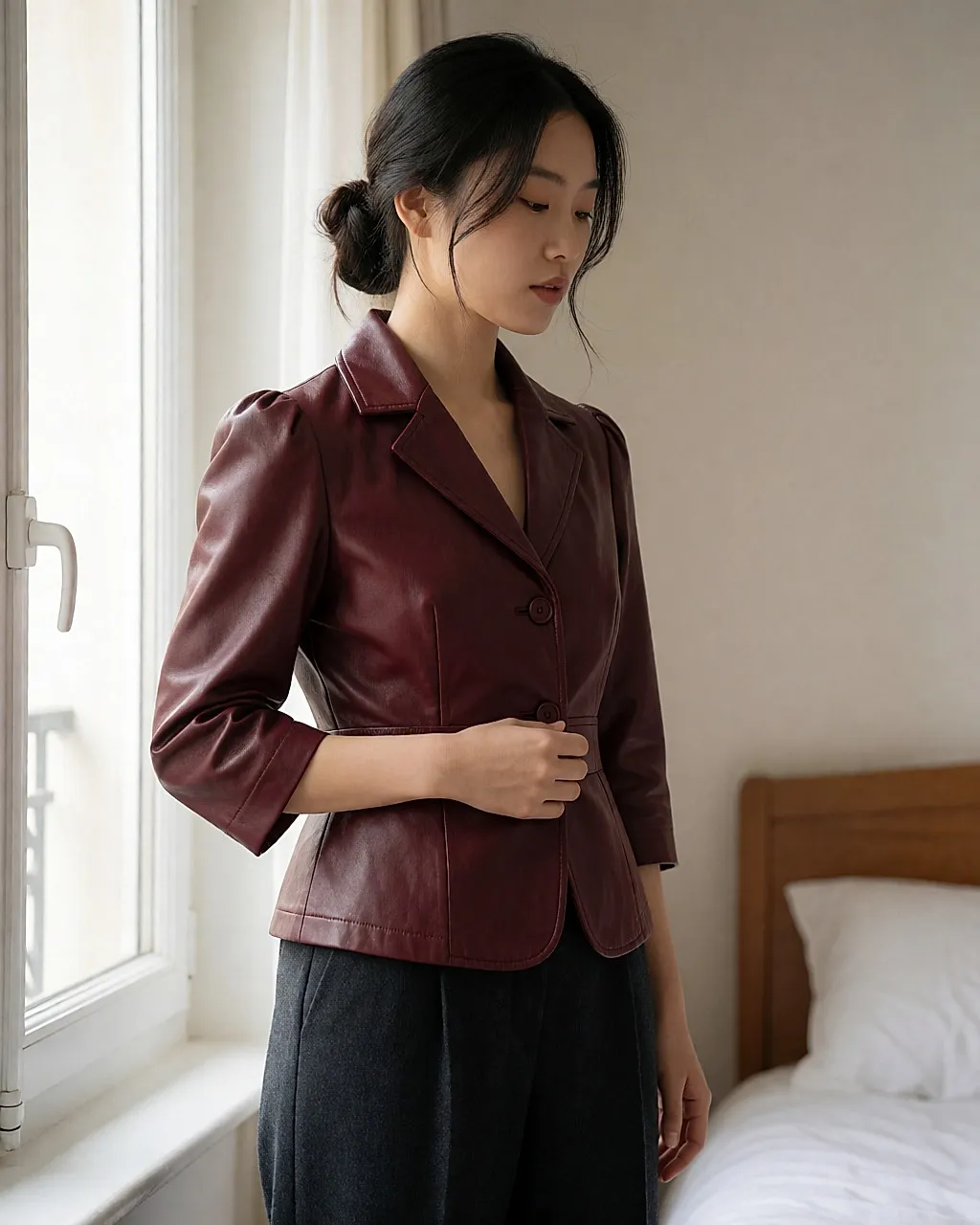
The straight-cut jacket with a nipped-in waist. One or two buttons, three-quarter sleeves or slightly puffed sleeves: the retro mood works especially well with high-waisted trousers. We've seen it peeking out of shop windows many times before, but usually in wool or cotton; this time it comes in soft leather. The impeccable waist shaping of a Todd Lynn jacket, for example, does all the work, and the Guess mini jacket in chestnut brown with round buttons plays the same chic, trend-led card.
Mandarin-collar and collarless styles. Two discreet pockets, a short length and clean lines: the piece slots into almost any outfit without making a fuss. No excess frills, no pointless details: that's the spirit of the Oakwood jacket in slightly shiny brown leather, which works as well over a skirt as it does with jeans.
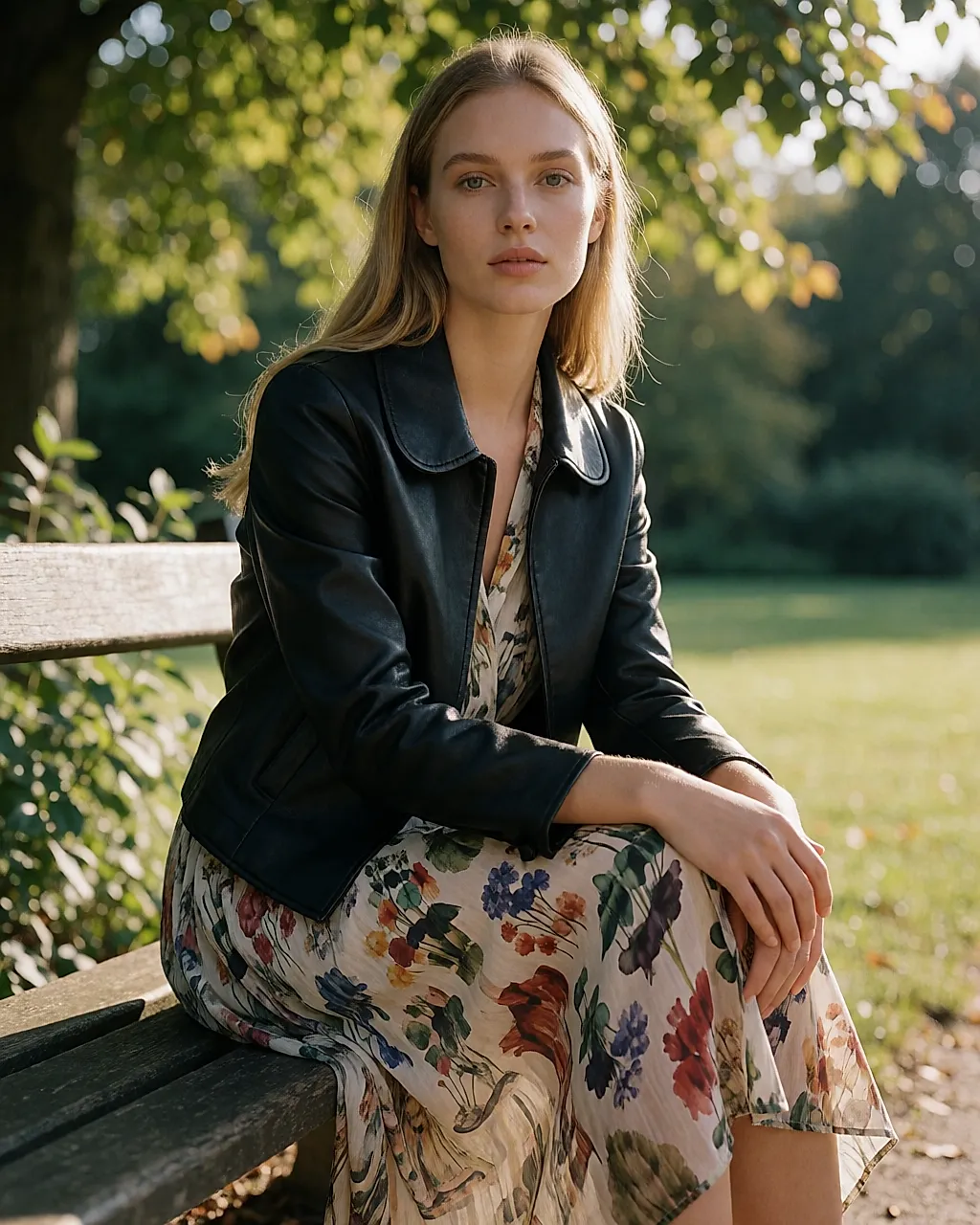
Not all leathers are created equal, and the terminology alone deserves attention. In principle, the word 'leather' means tanned animal hide. Plant-based or synthetic materials therefore go by another name - even though everyone talks about 'plant-based leather'. That distinction is more than a matter of language: it determines the price, the care and the way the piece will age.
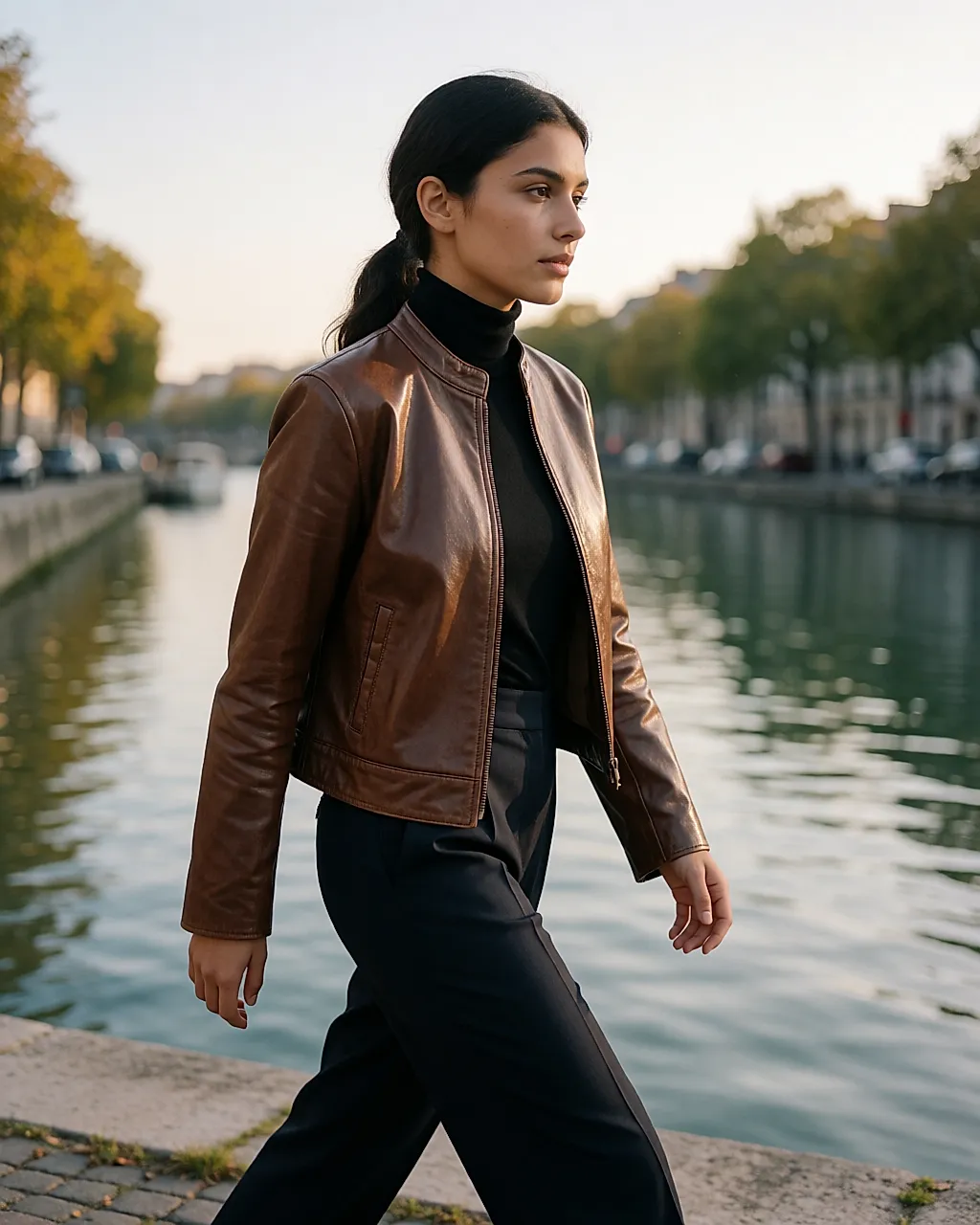
On the animal-leather side, everything depends on the tanning, the thickness and the grain. A full-grain leather evolves, develops a patina and takes on your marks. A corrected and coated leather stays uniform, and frankly less alive. Full grain costs more, but it's often the one you keep for ten years.
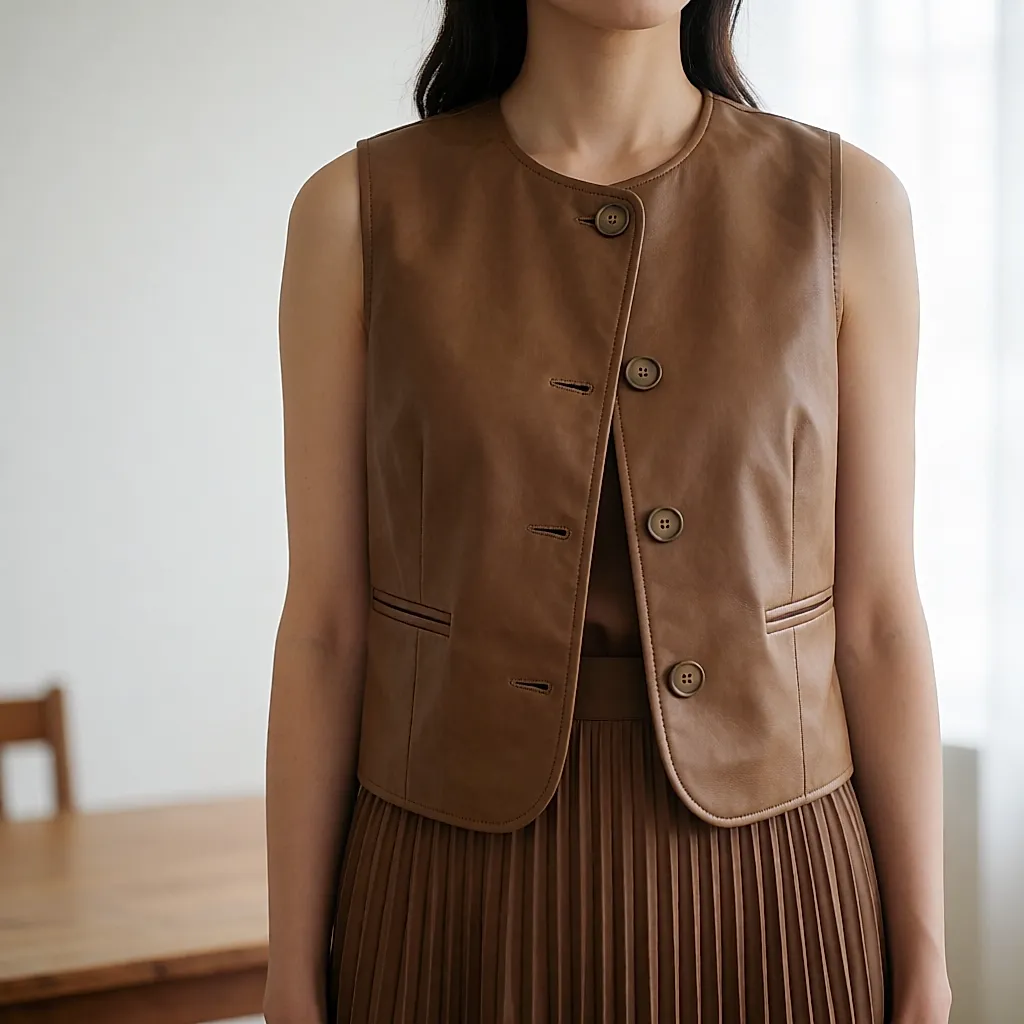
On the plant-based side, alternatives are multiplying: grape, pineapple, cactus and mycelium. Their durability can vary hugely from one supply chain to another, and none reproduces exactly how animal hide behaves. The smart move? Read the composition on the label rather than the trade name, because a pretty name can sometimes conceal a large share of polyurethane.
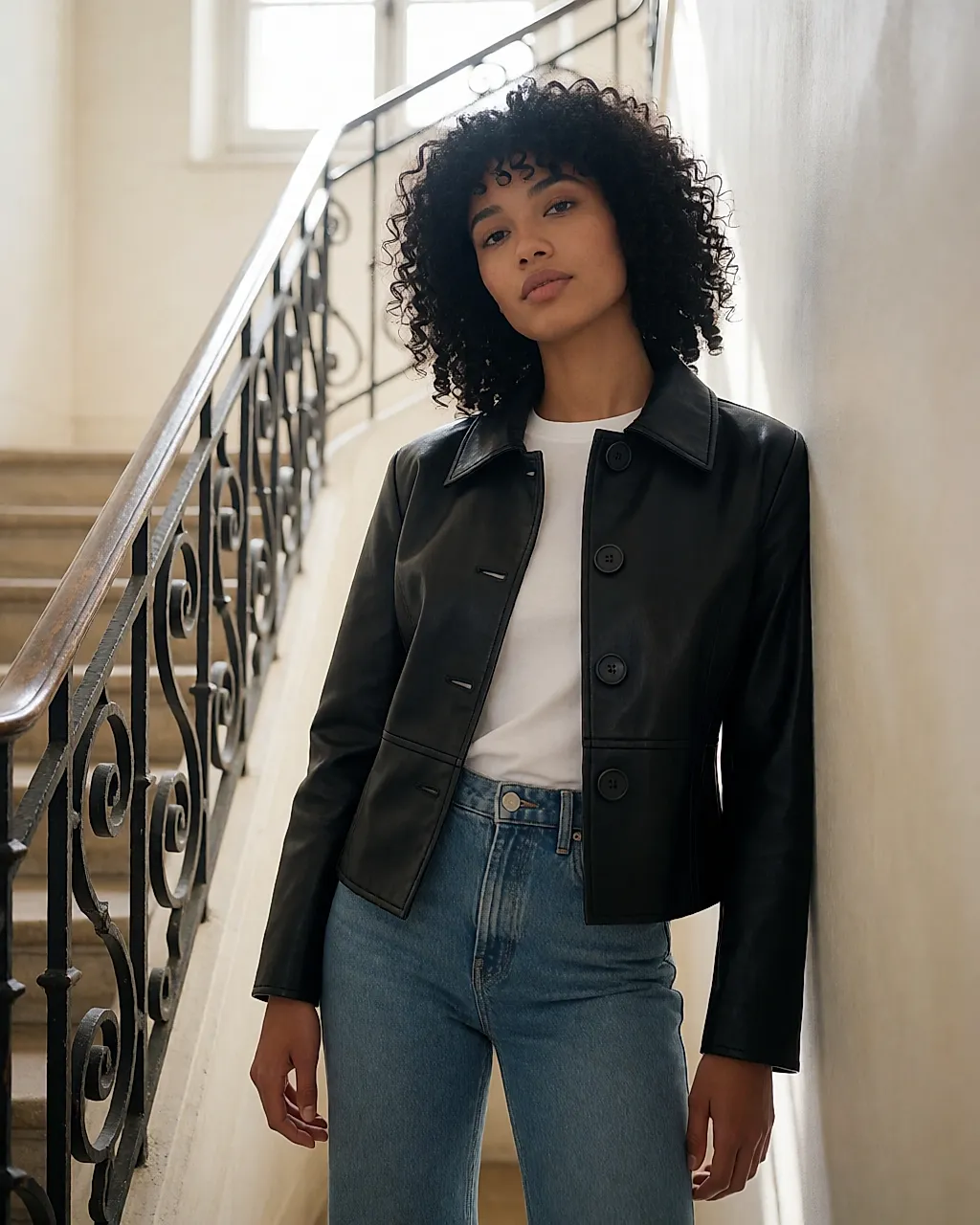
The little sporty jacket with a nipped-in waist, meanwhile, goes with everything and makes a statement: fashion-forward and stylish. We like the Chloé mahogany leather jacket and the Promod aged brown leather jacket, two reliable buys that won't break the bank - though UK availability may take a little hunting. And the Bel Air jacket, fastened with large round buttons and with a sharply defined waist, dresses up your jeans, short skirts and the rest of your wardrobe in no time at all.
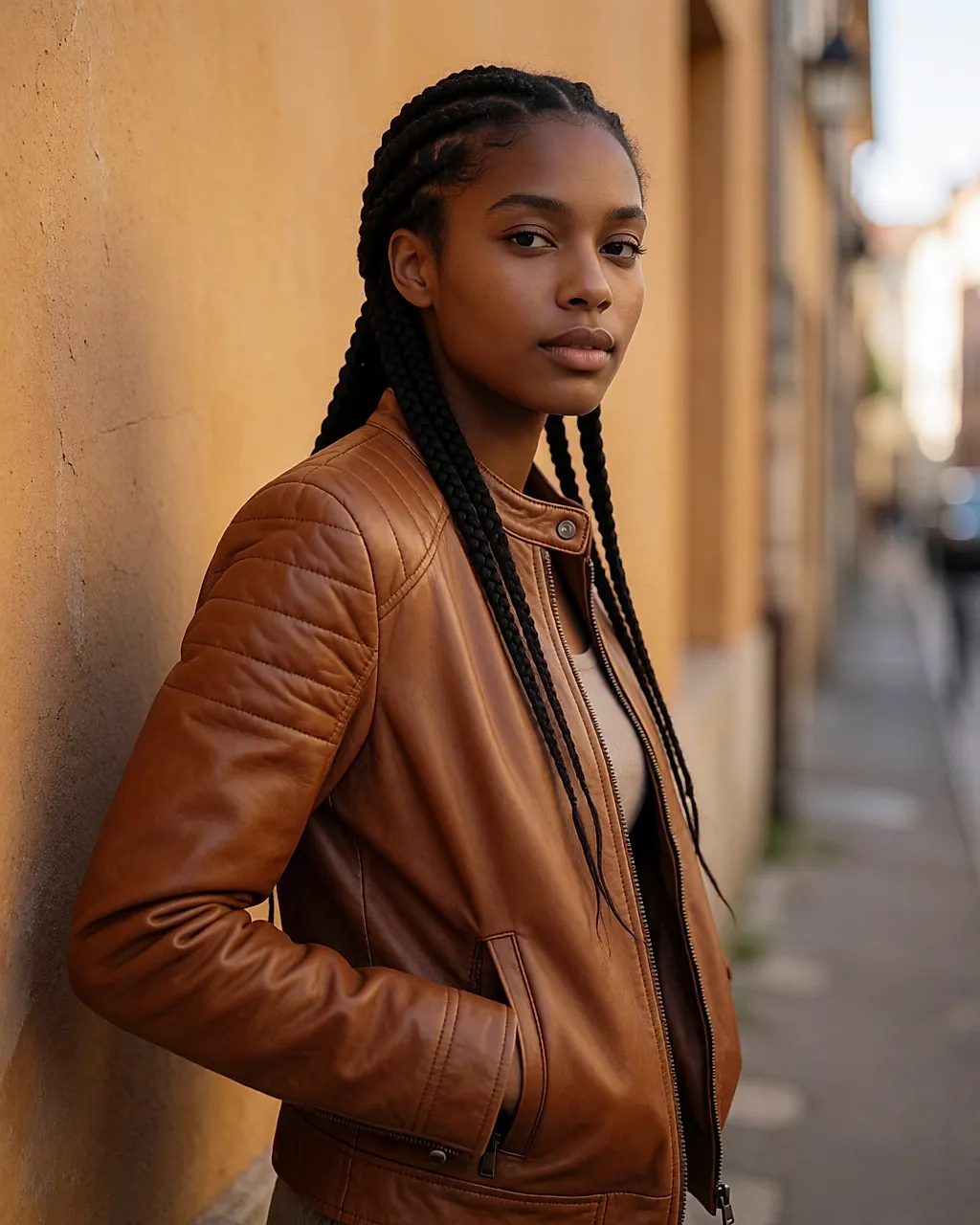
On the colour front, black remains the timeless one that always works, but browns - chocolate, camel, cognac - are gaining ground. Burgundy and deep green complete the palette. For layering, a fine roll-neck or a hoodie slipped underneath is enough for much of autumn.
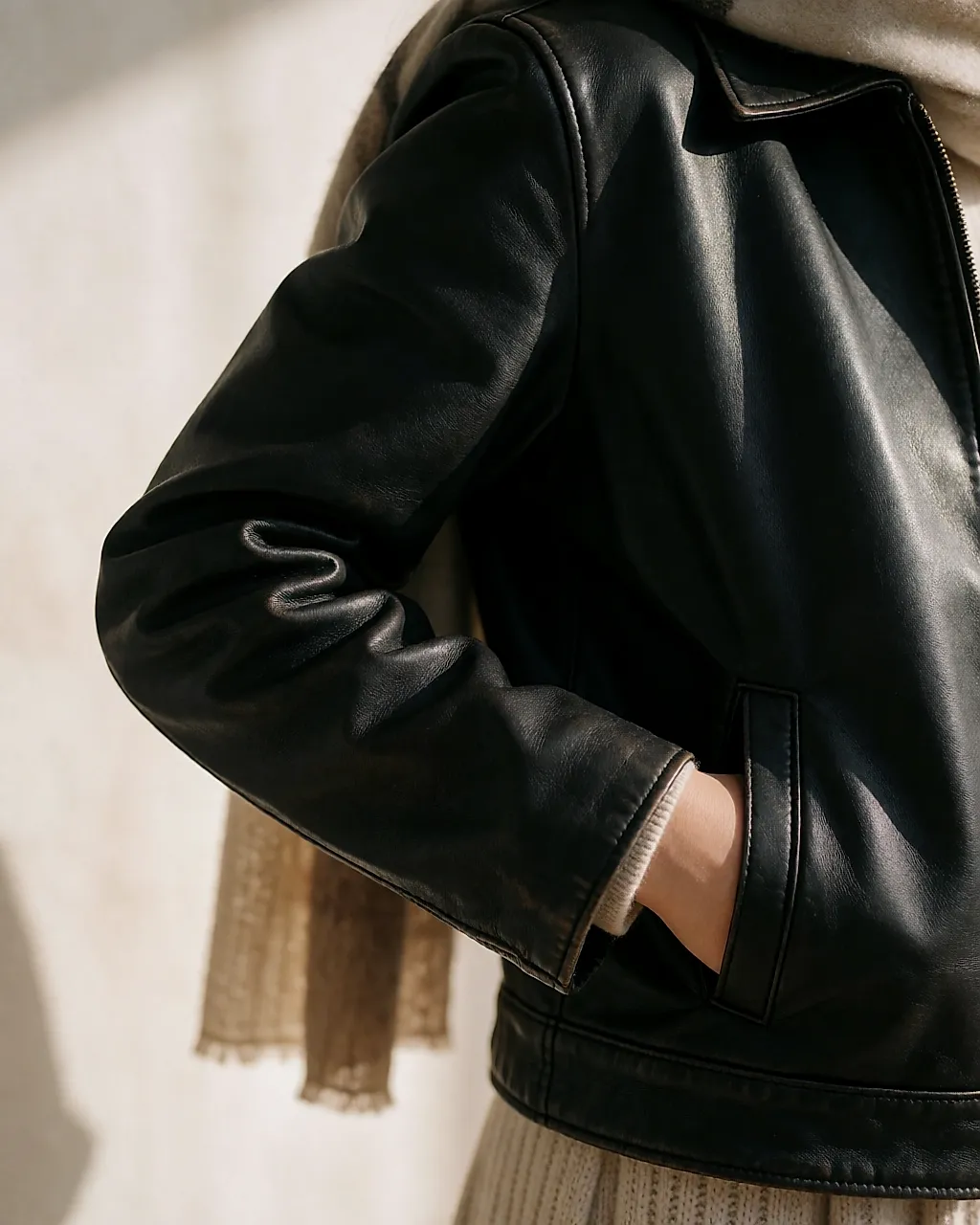
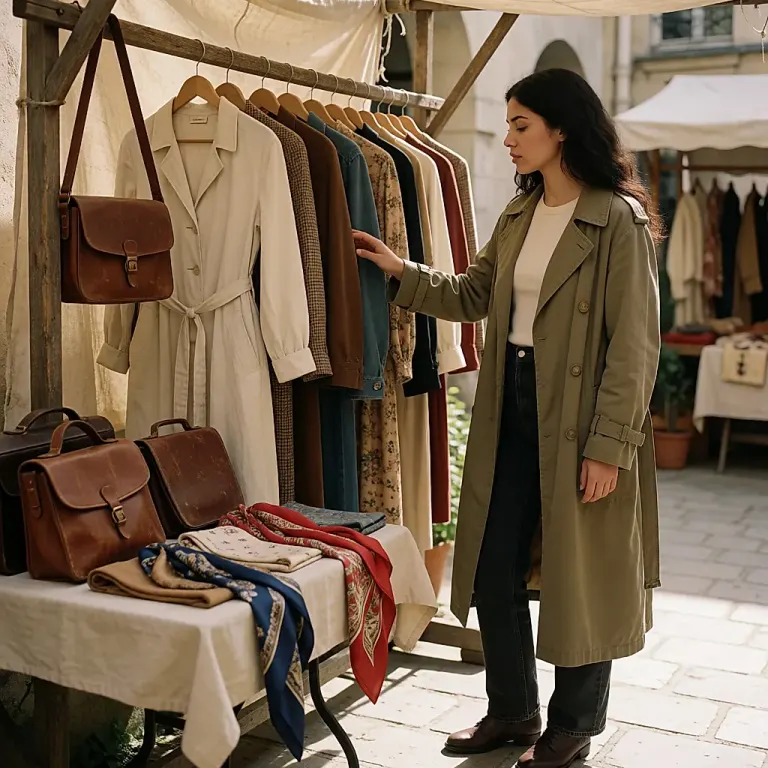
If you're shopping second-hand, bear in mind that some pieces have barely been worn. Before buying, check the condition of the zips, linings and armhole seams. And don't hesitate to have a sleeve or hem altered by a tailor: a well-fitted jacket completely changes the look.
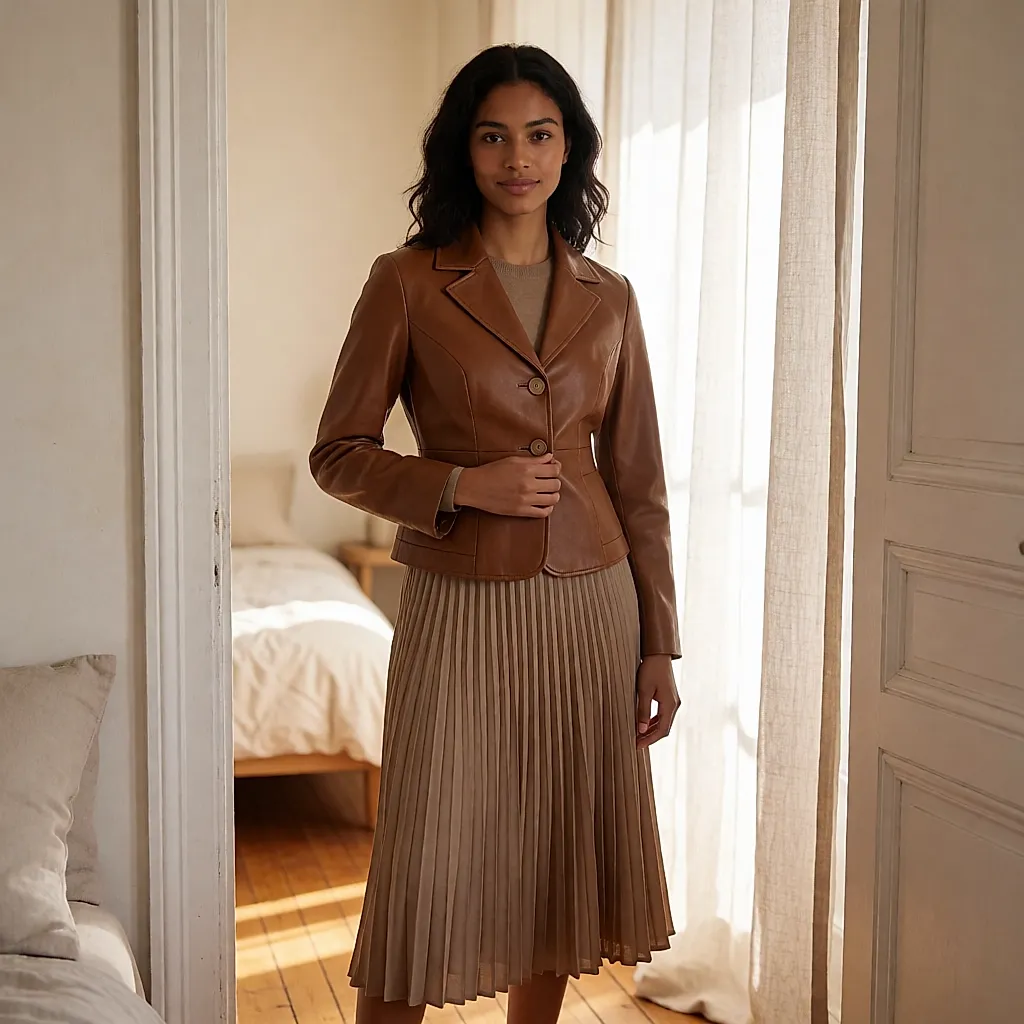
A leather jacket lives: it softens over the seasons, develops a patina and gradually becomes a piece that's truly yours - a bit like a pair of jeans that has found its shape. That's probably what explains its longevity. And if you keep only one in your capsule wardrobe, make it this one.
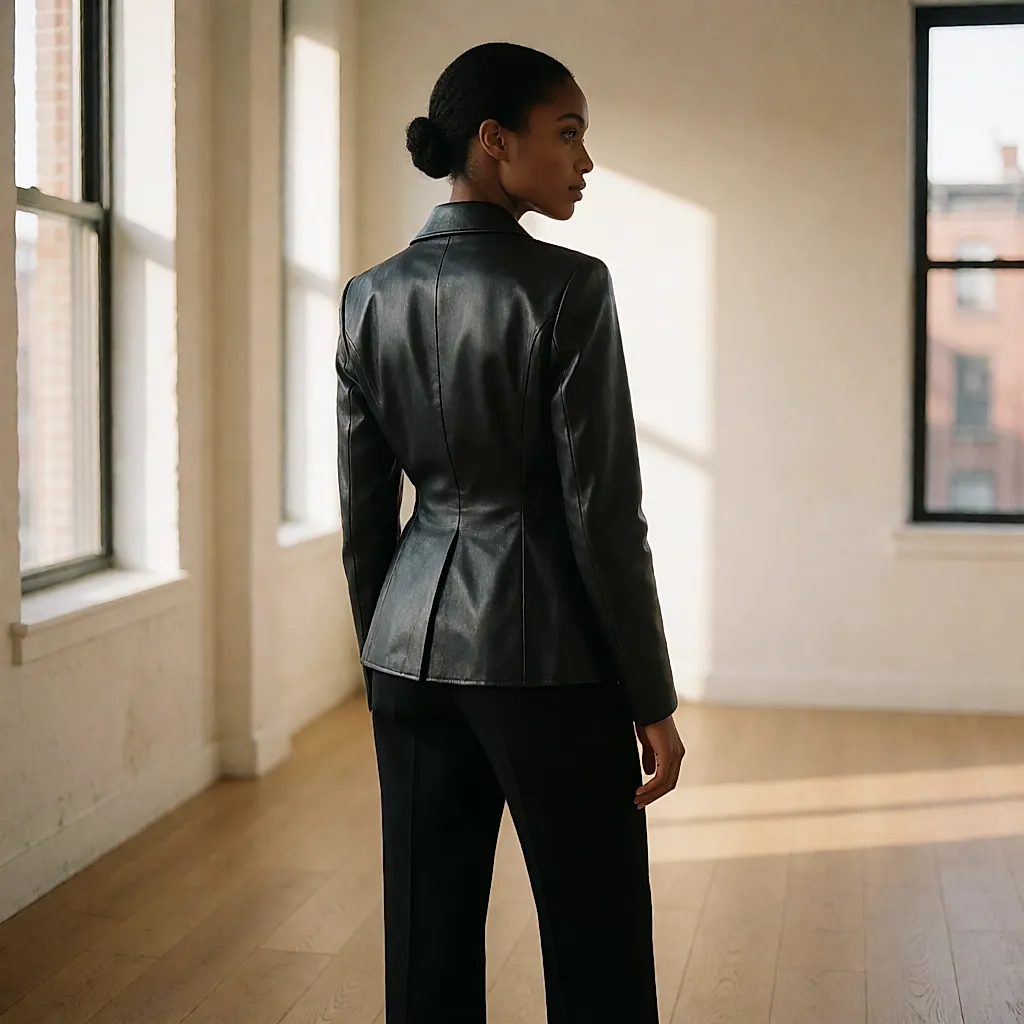
A 'plant-based leather' is not necessarily as natural as it seems: many pieces sold under that name contain a large proportion of polyurethane, a synthetic material. A quick look at the composition label will tell you what you're actually getting.
Budget
As a rough guide, expect to pay somewhere between £100 and £220 for a ready-to-wear leather jacket, or a plant-based alternative. A well-tanned full-grain lambskin or calfskin style is more likely to sit in the £350–£800 bracket. On the second-hand market, good vintage pieces can be found from around £35 to £130, depending on the label and condition. What moves the price? The tanning, the thickness of the hide, and the finish on the zips and lining. A well-cut, well-finished jacket is a better buy than a very cheap style that will show wear the first time you put it on.

Comments
Your opinion matters: rate the article, react and reply to comments.
Comments are moderated; AI-assisted comments are flagged. Text emoticons (8-), :-), <3…) are automatically shown as images.