
You’ve almost certainly noticed it: a tiny design peeking out from a sleeve, at the wrist, or glimpsed at the small of the back when someone lifts their hair. Tattoo or jewellery? The question always comes up. A well-placed tattoo is a bit like a statement piece in a wardrobe: it draws the eye, it gives the look structure, but it should never overpower the silhouette. And you choose it for yourself, not for the photo someone might take of it.
What stands out when you look through the most photographed skin is that the designs that keep coming back are almost never the most spectacular. A star, a word, a fine line: next to nothing, and yet it holds. In fact, discretion has become the new statement.
The star that gets everywhere
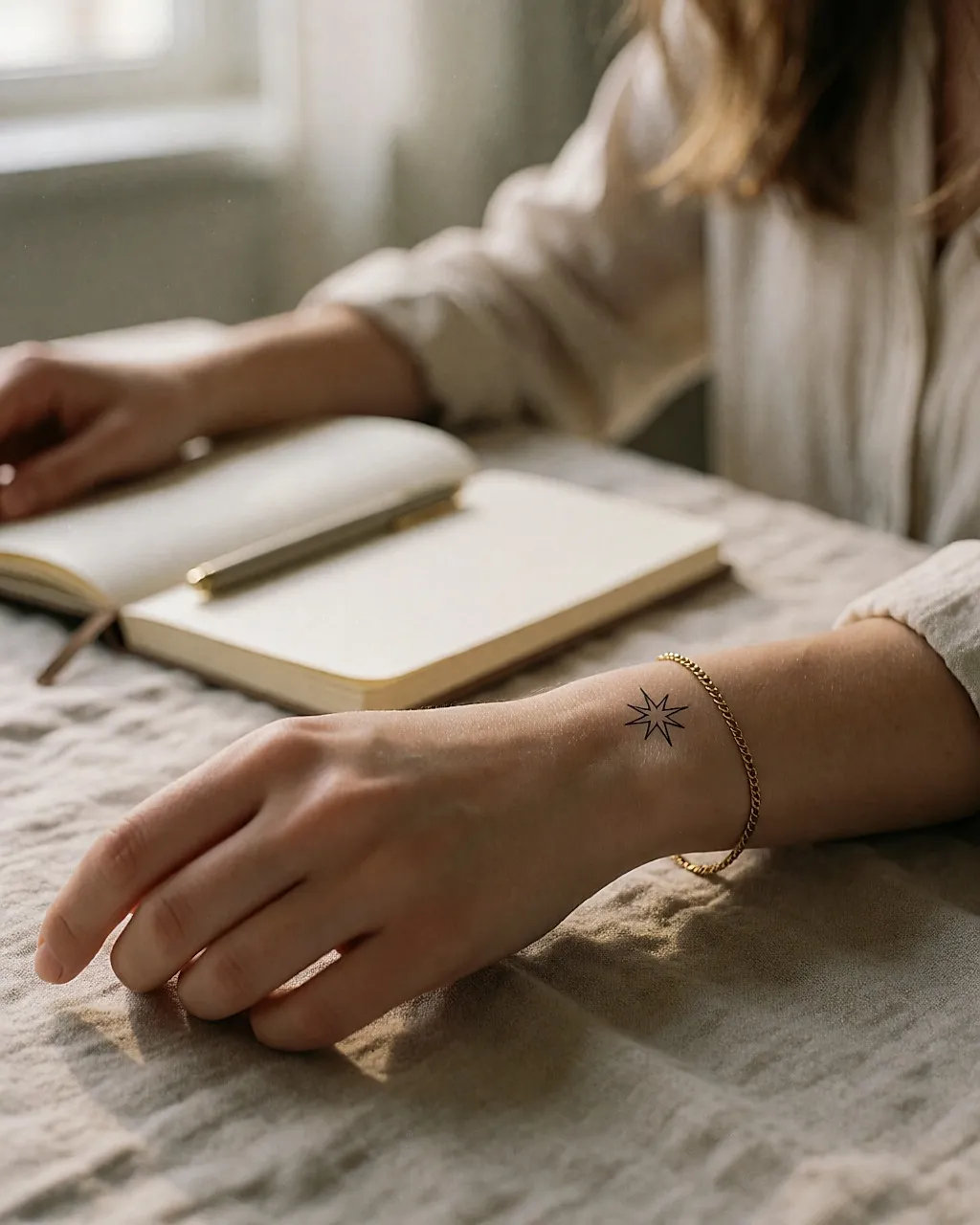
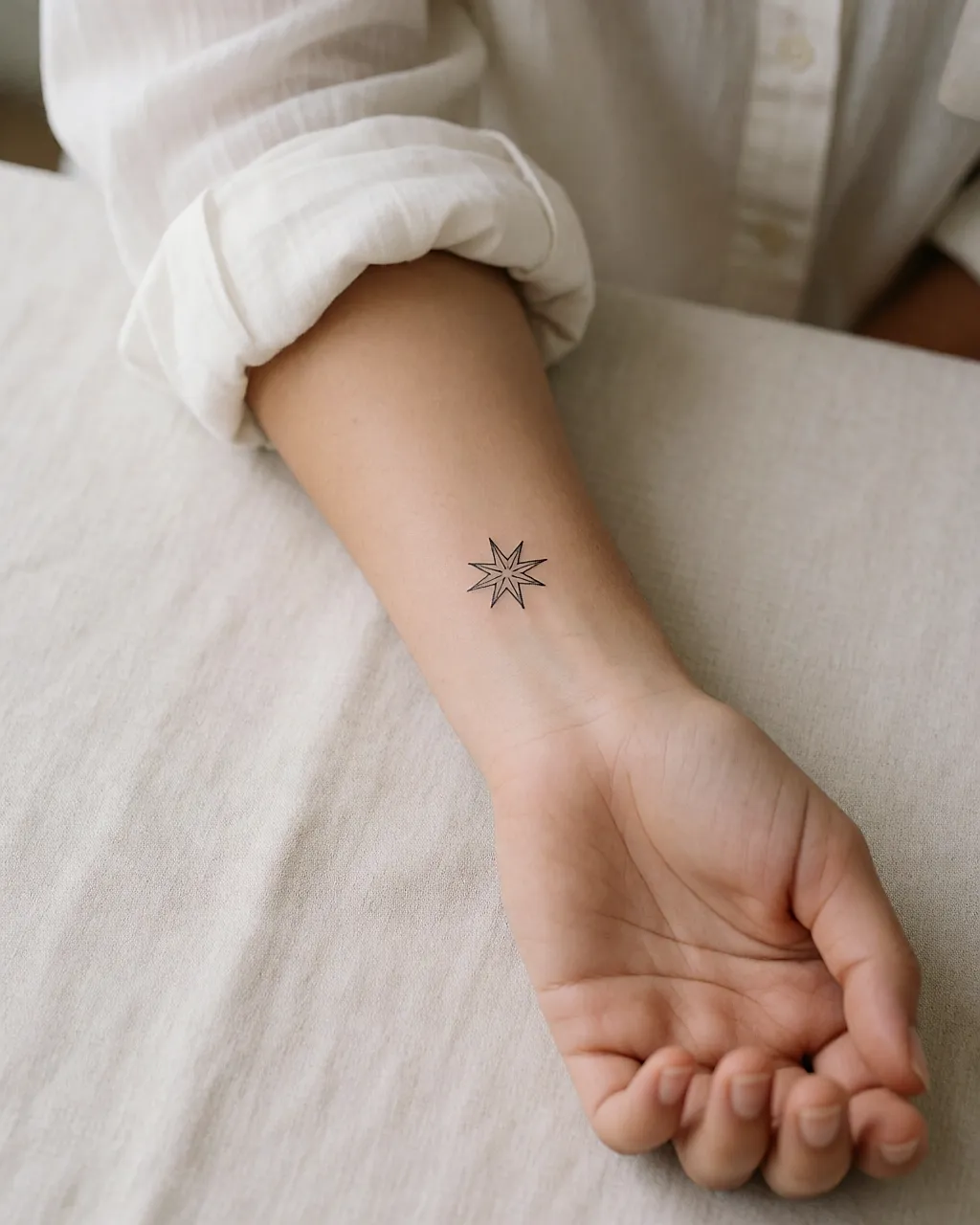
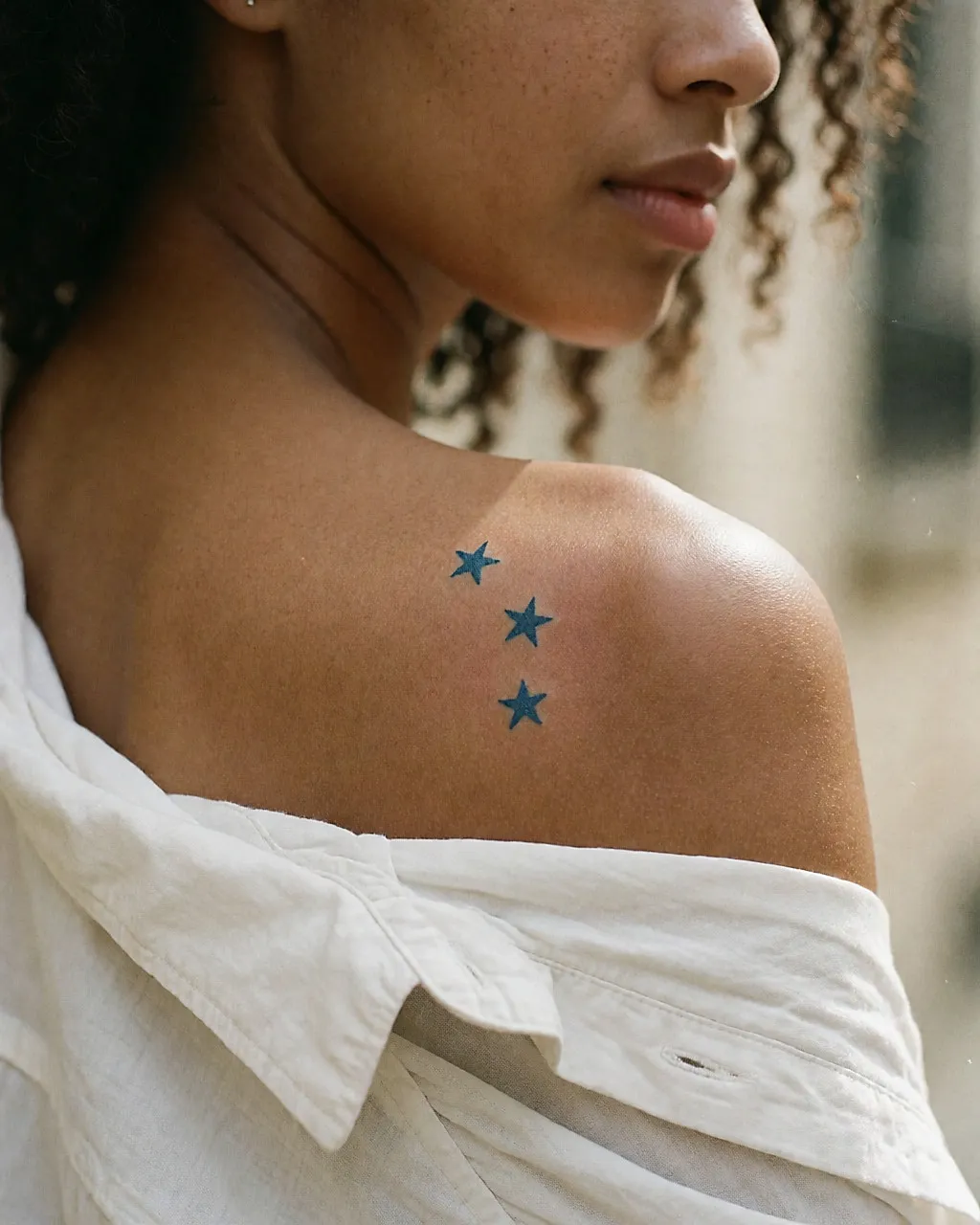
The star, first of all, is everywhere. Three tiny blue stars on the shoulder is the kind of discreet, deliciously cute motif you forget about until a neckline slips. A single star on the inside of the wrist plays a different tune: permanent jewellery, barely wider than a slim watch, hidden with a turn of the sleeve.
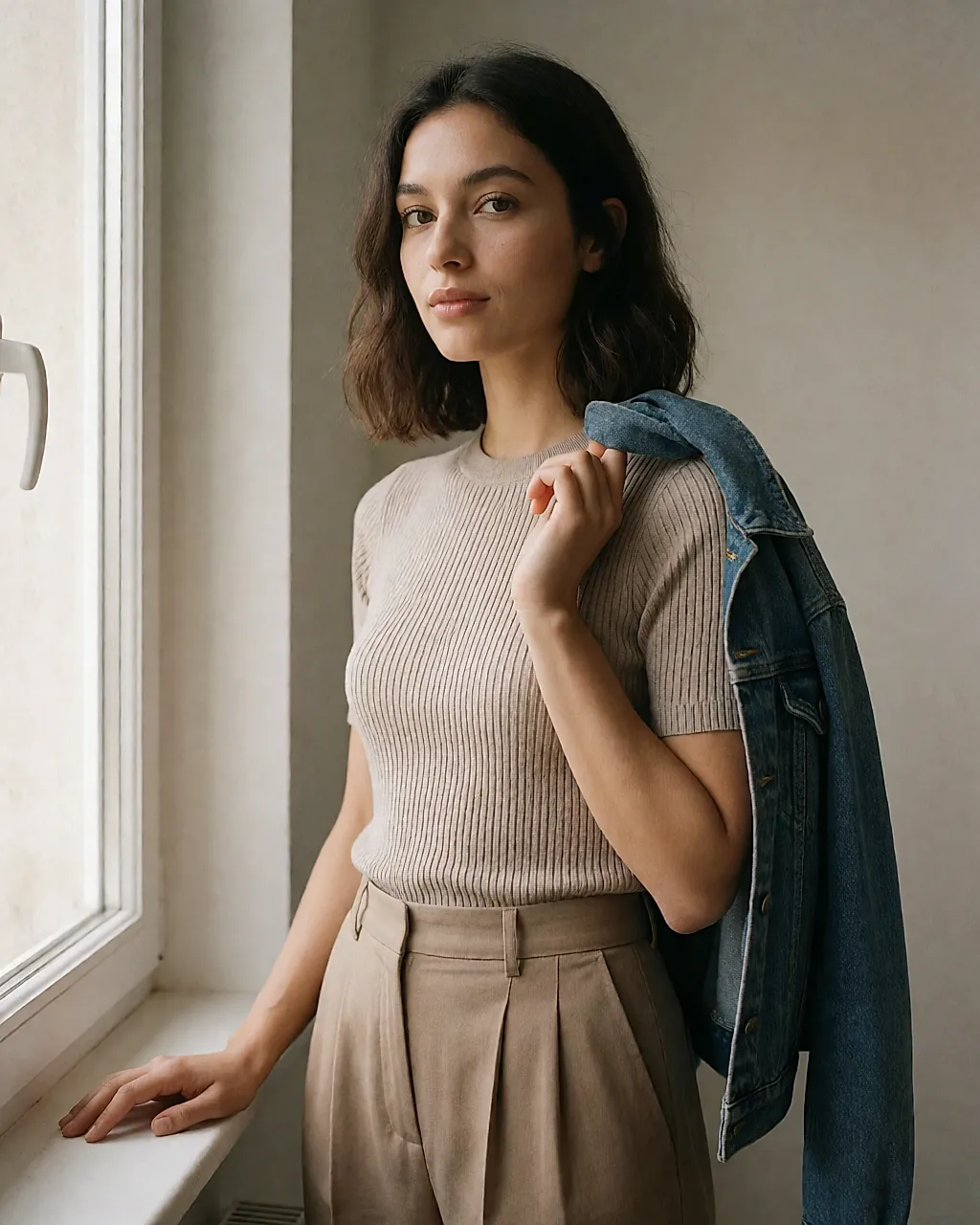
Then there’s the version that becomes a habit: a shower of tiny stars across the nape and shoulder blade, following the line of the bone like scattered seed. For some, it’s just one part of a larger collection — a design near the ribs, a symbol on the hand, a word on the index finger. No one tattoos a star by accident: it’s often the first one, the test of how well you tolerate the needle.

The watchword is discreet
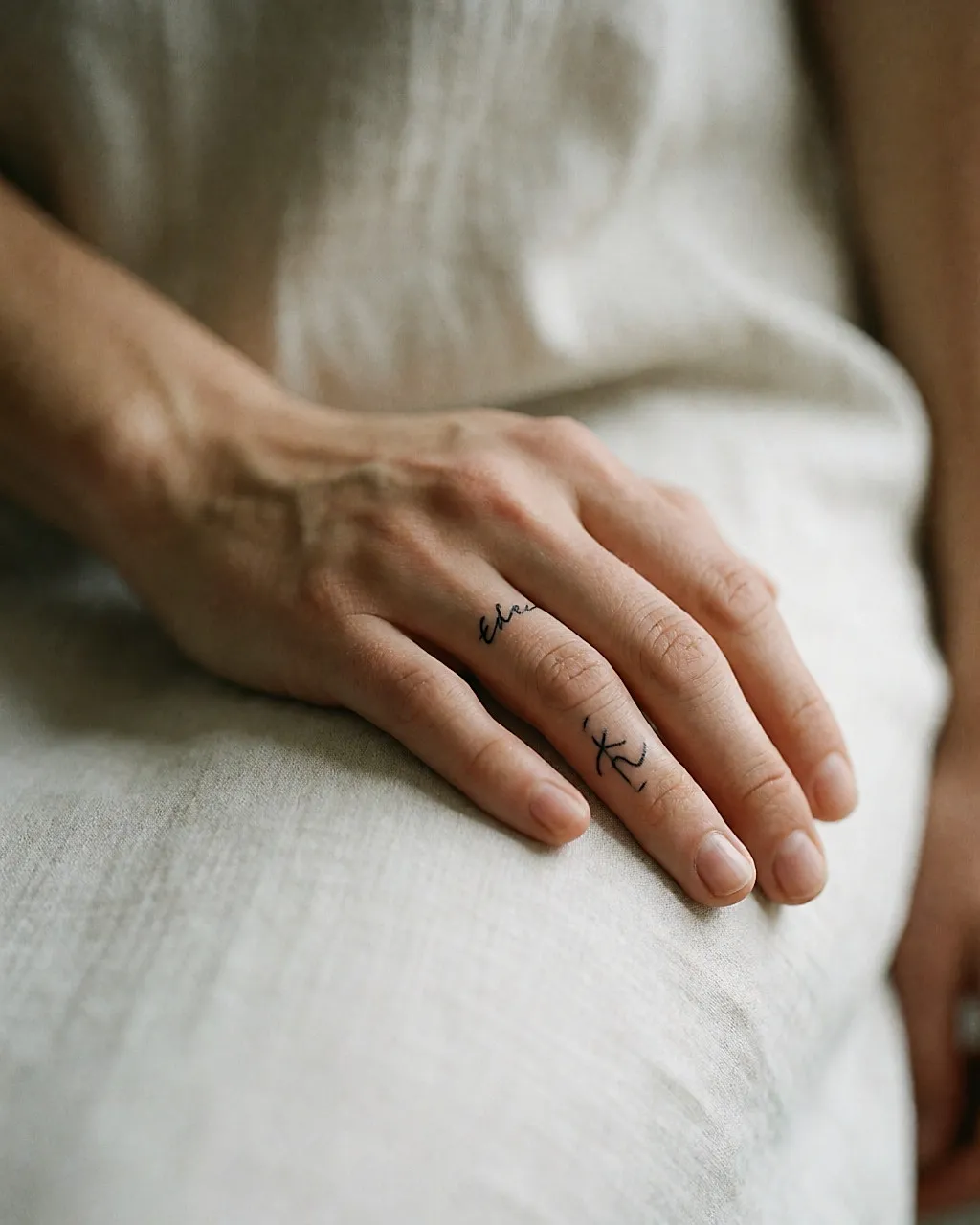
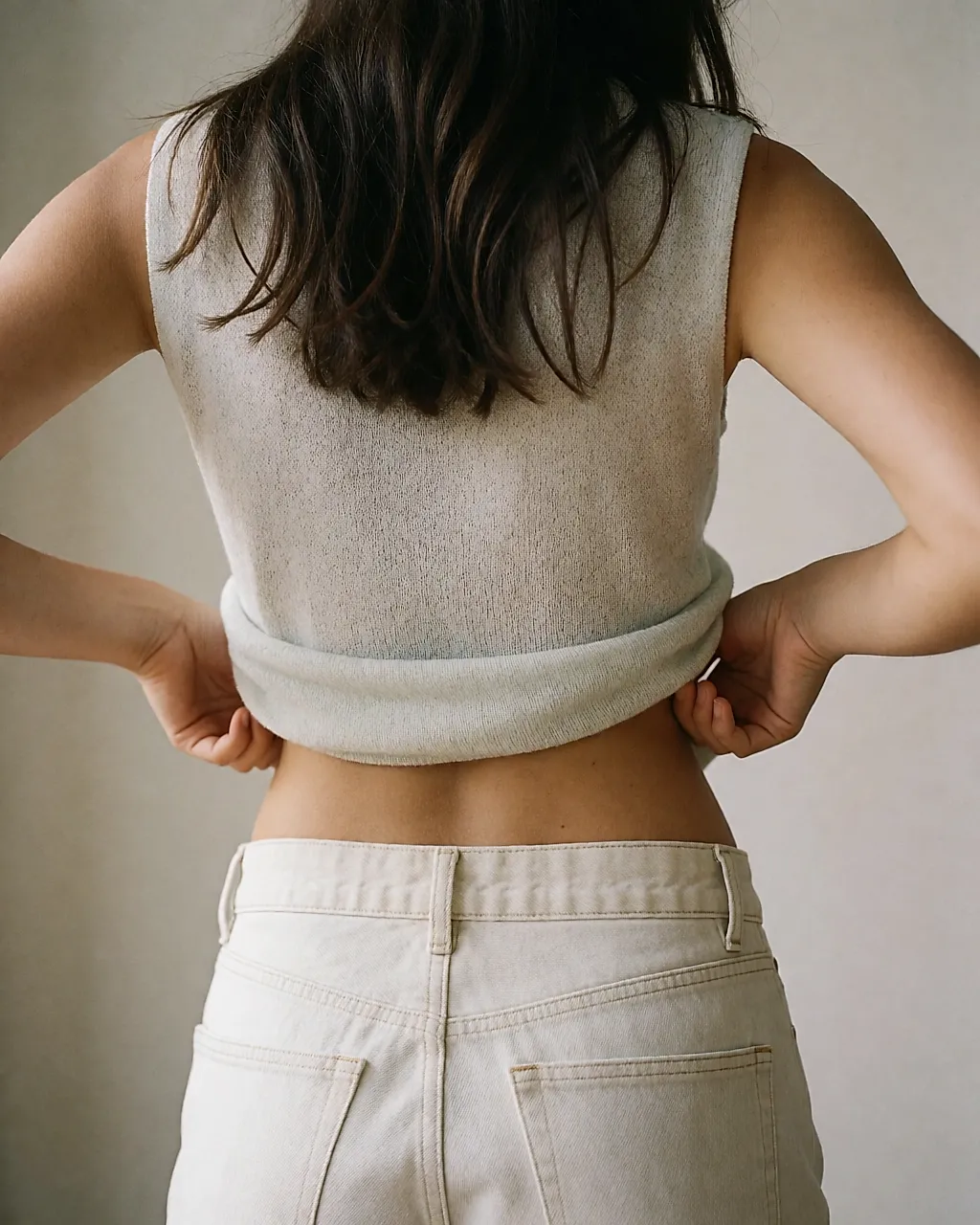
One word is enough. A short word such as “Shhh…” on the index finger has won fans in the same spot, a conspiratorial wink — the promise that you know when to keep quiet. Same logic for “La bella vita” just above the bottom, or “Believe” written vertically on the left shoulder blade, running down the bone like a miniature column. At the small of the back, a handwritten line just above the waistband of light-wash jeans stays almost invisible: the kind of tattoo you show only when you choose to.
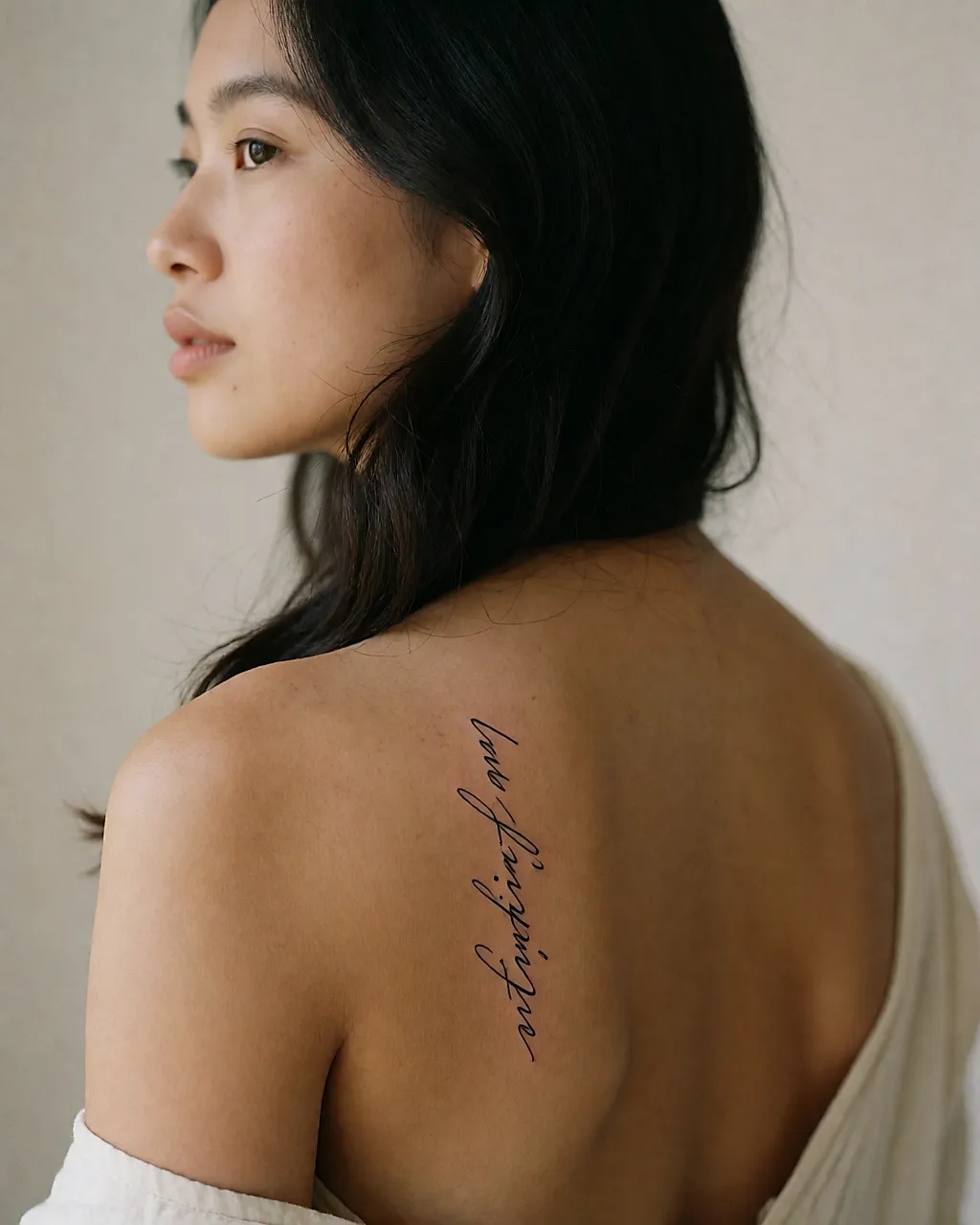
Nape and shoulder blades
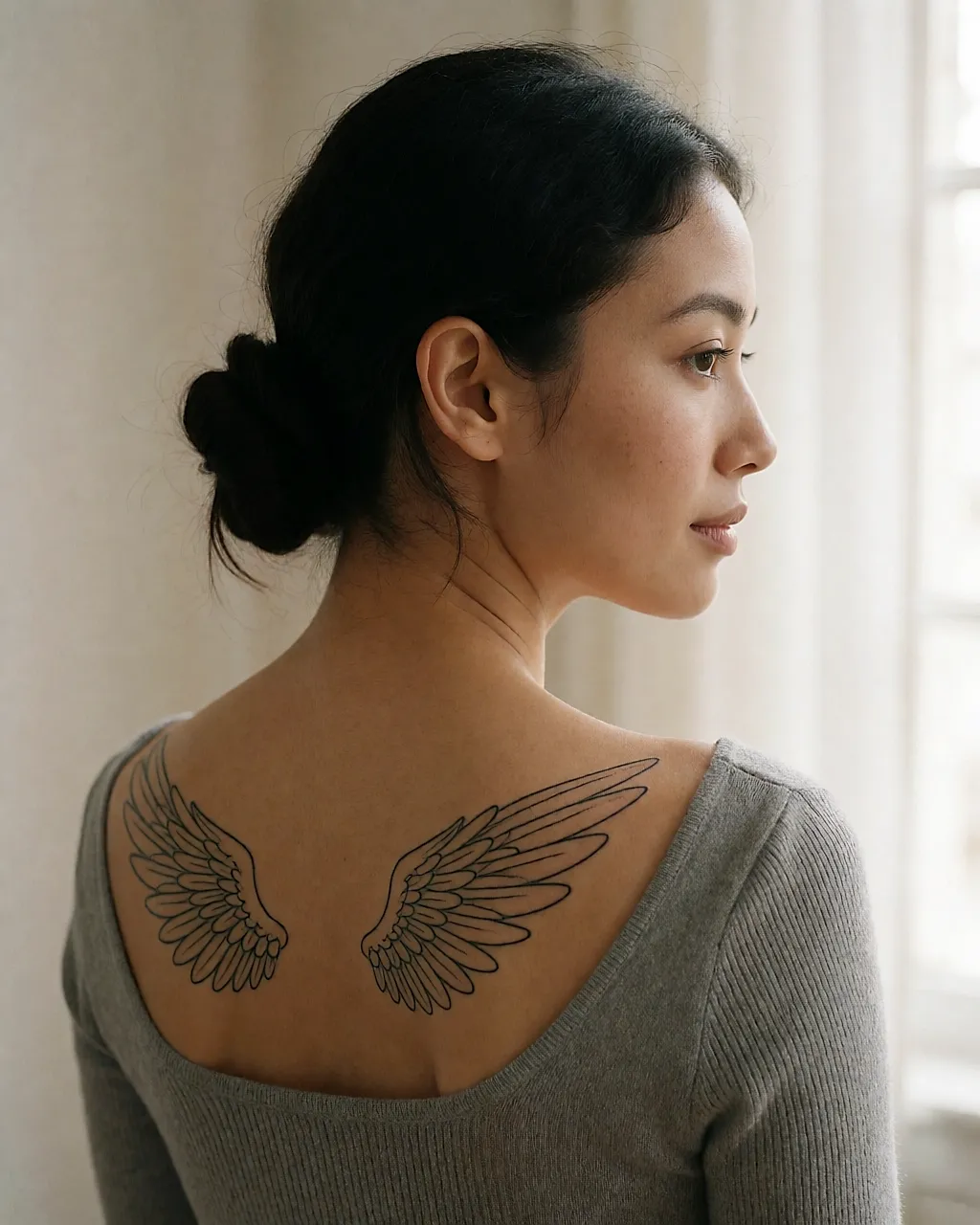
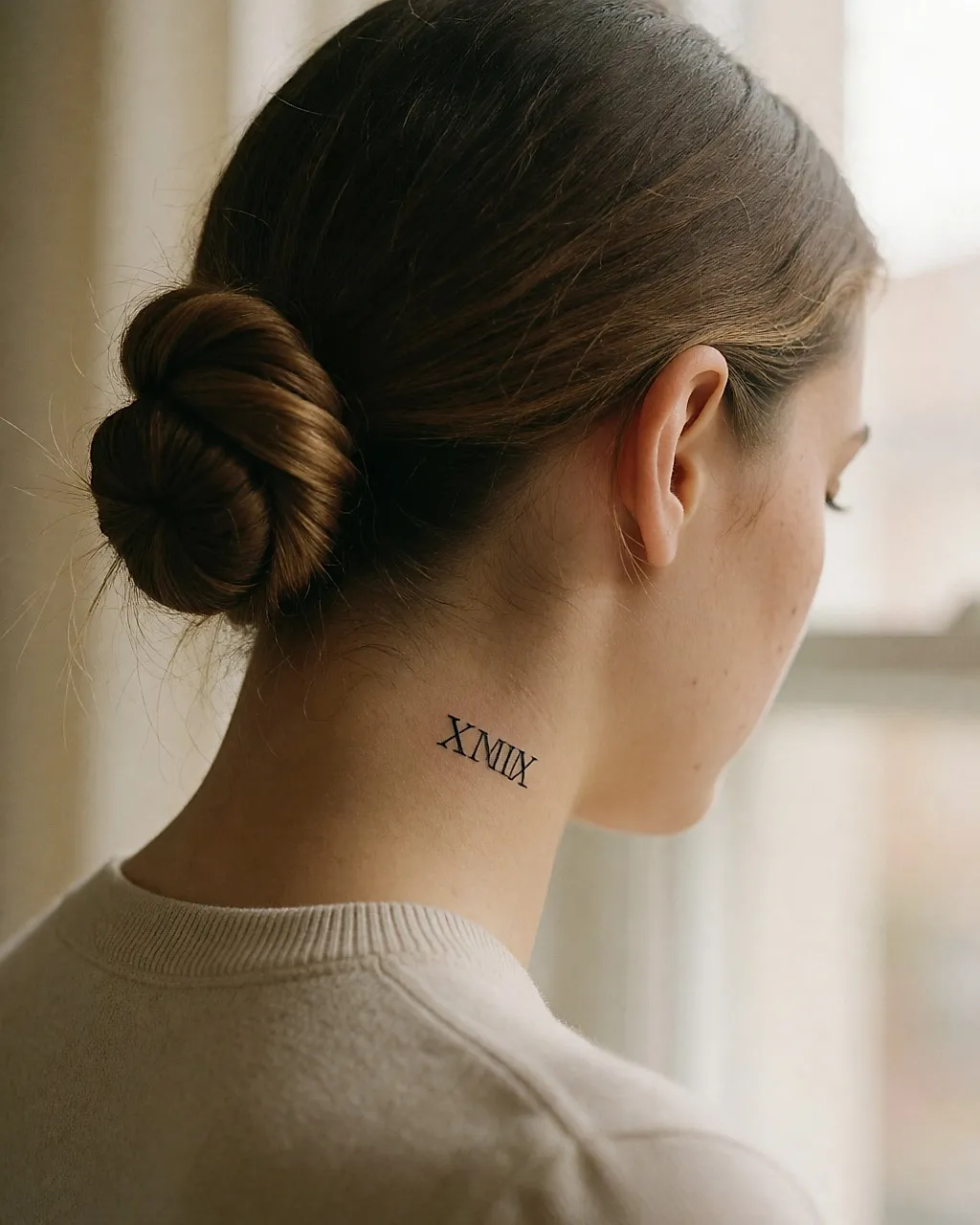
These two areas remain the most used, because they lend themselves to larger compositions without breaking the line of the back. You’ll see pairs of spread wings, quotes running along the bone, an inscription whose meaning you can barely guess. The nape also takes numerals: a number, a date. A cross at the small of the back, a little lower.
Tattoos for two
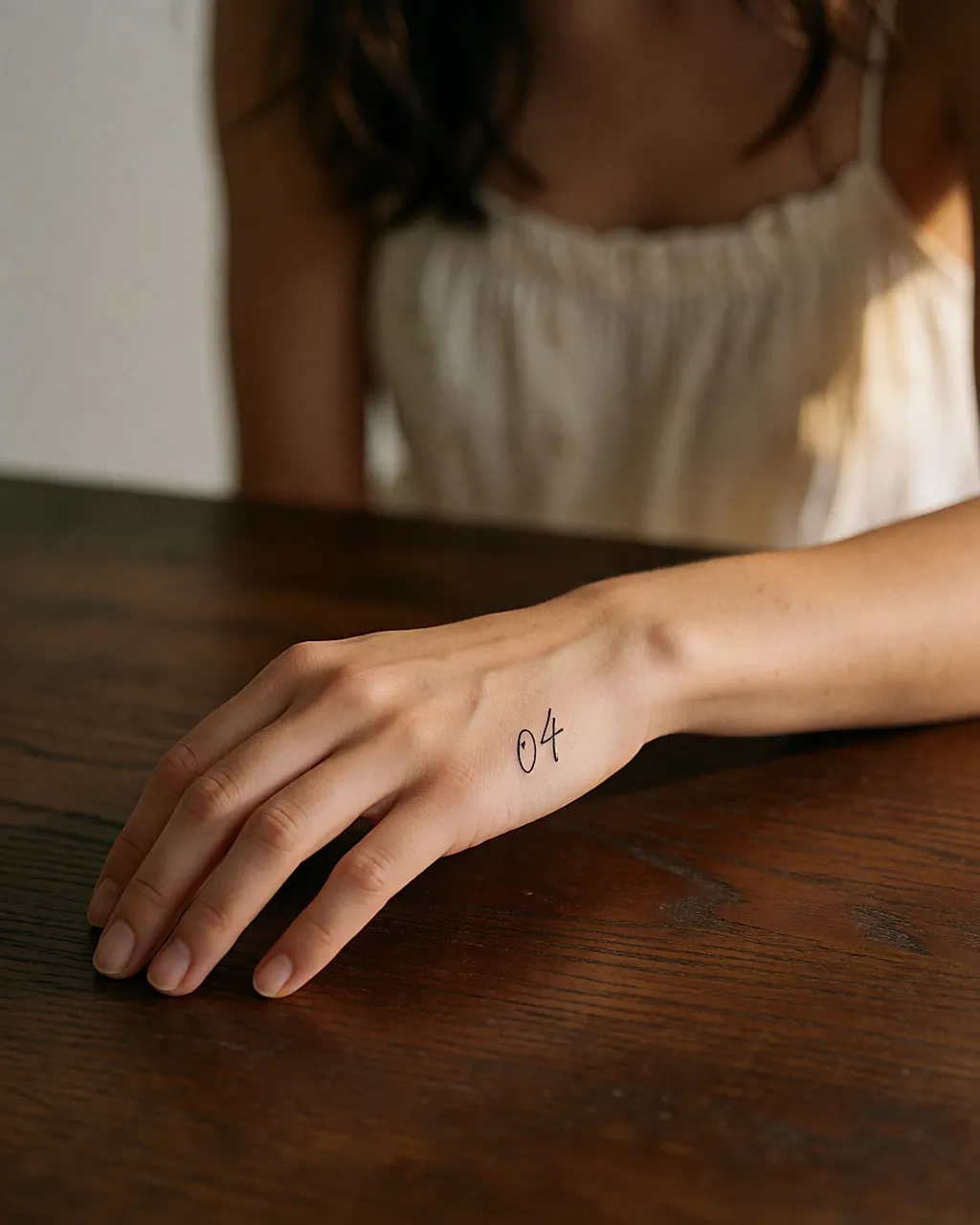
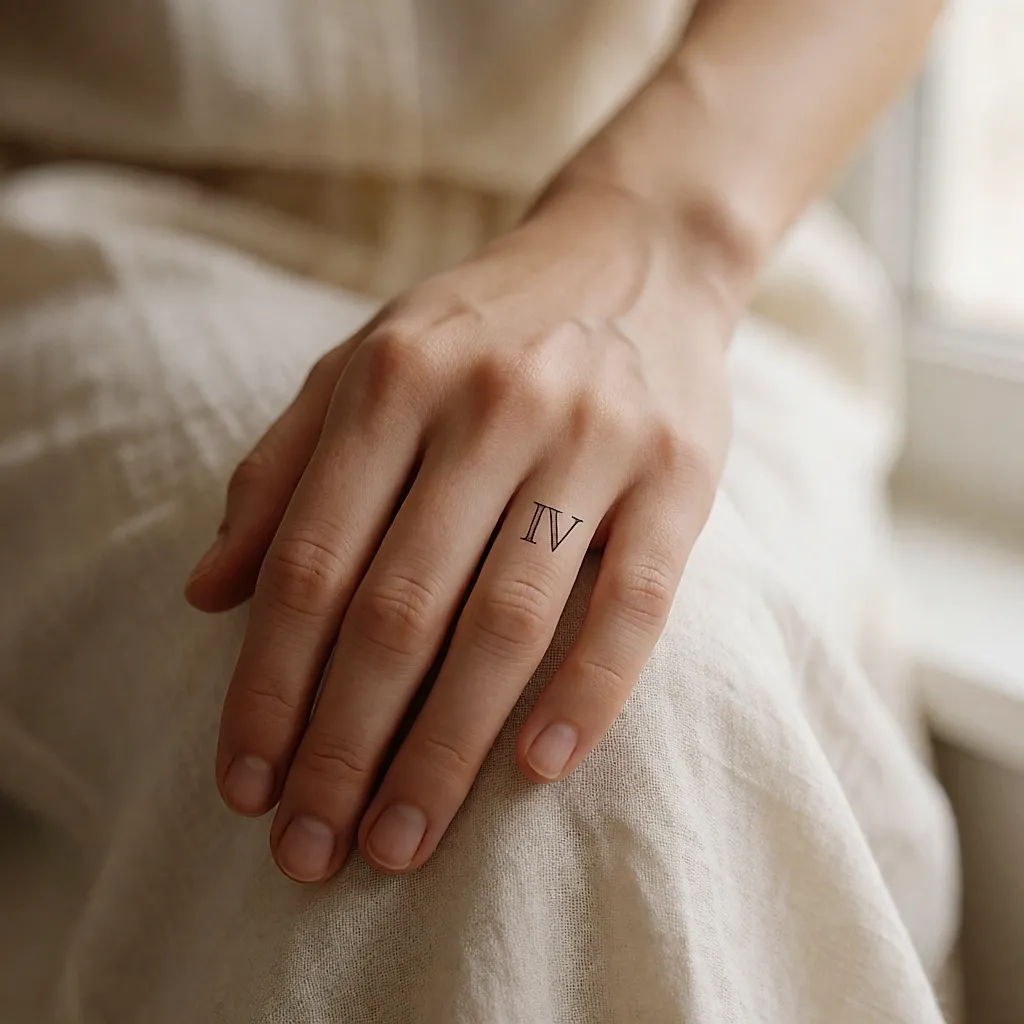
Couple tattoos have their own codes. A Roman numeral on the left ring finger, in place of a wedding band — the ring without the ring, the one you never take off. Two exchanged initials, one on each person’s hand, the tattooed version of a duo. Or, more explicitly, the other person’s lucky number on your nape, and your wedding date in Roman numerals on your right wrist.
Designs with a personal story
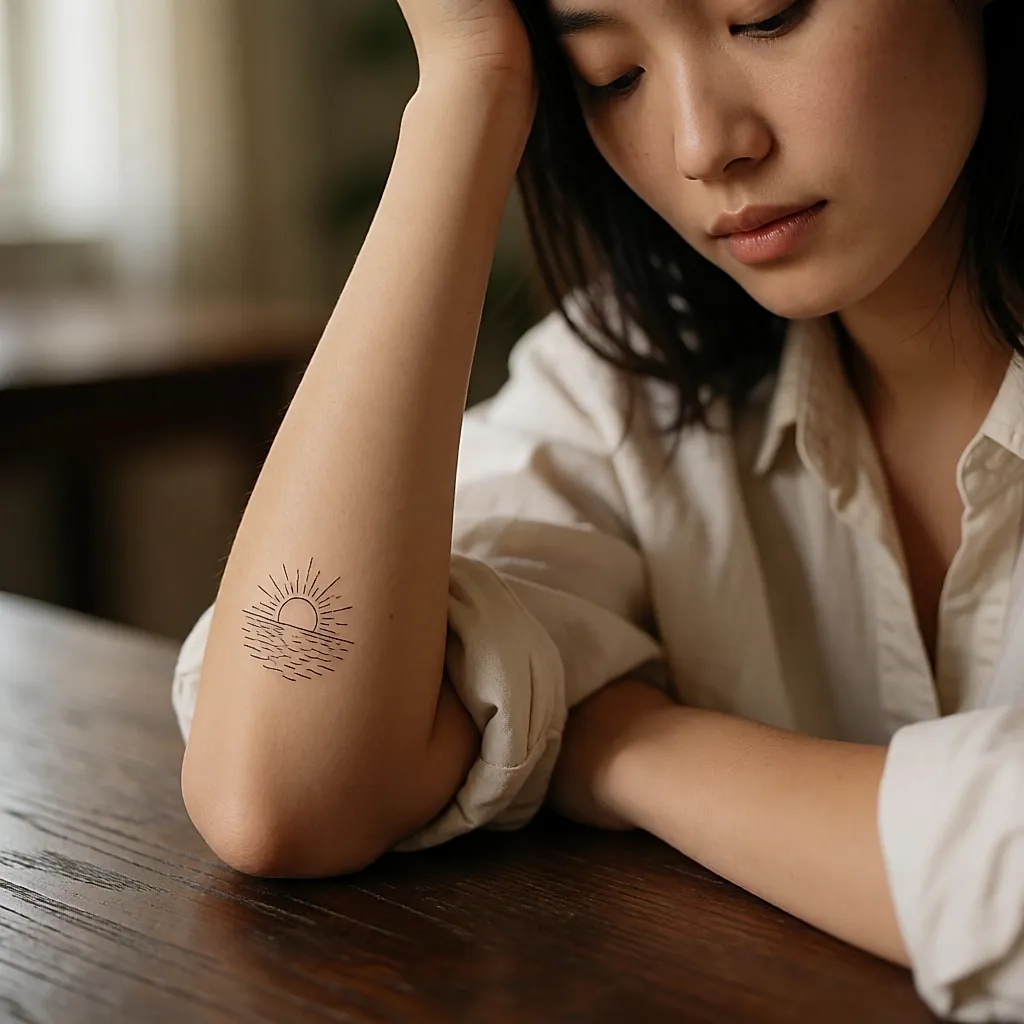
Then there is the freest category: the personal design. A finely drawn bow at the small of the back, just above the bottom, relying more on the delicacy of the line than on size. A little slice of paradise on the forearm, with a sunset over the sea.
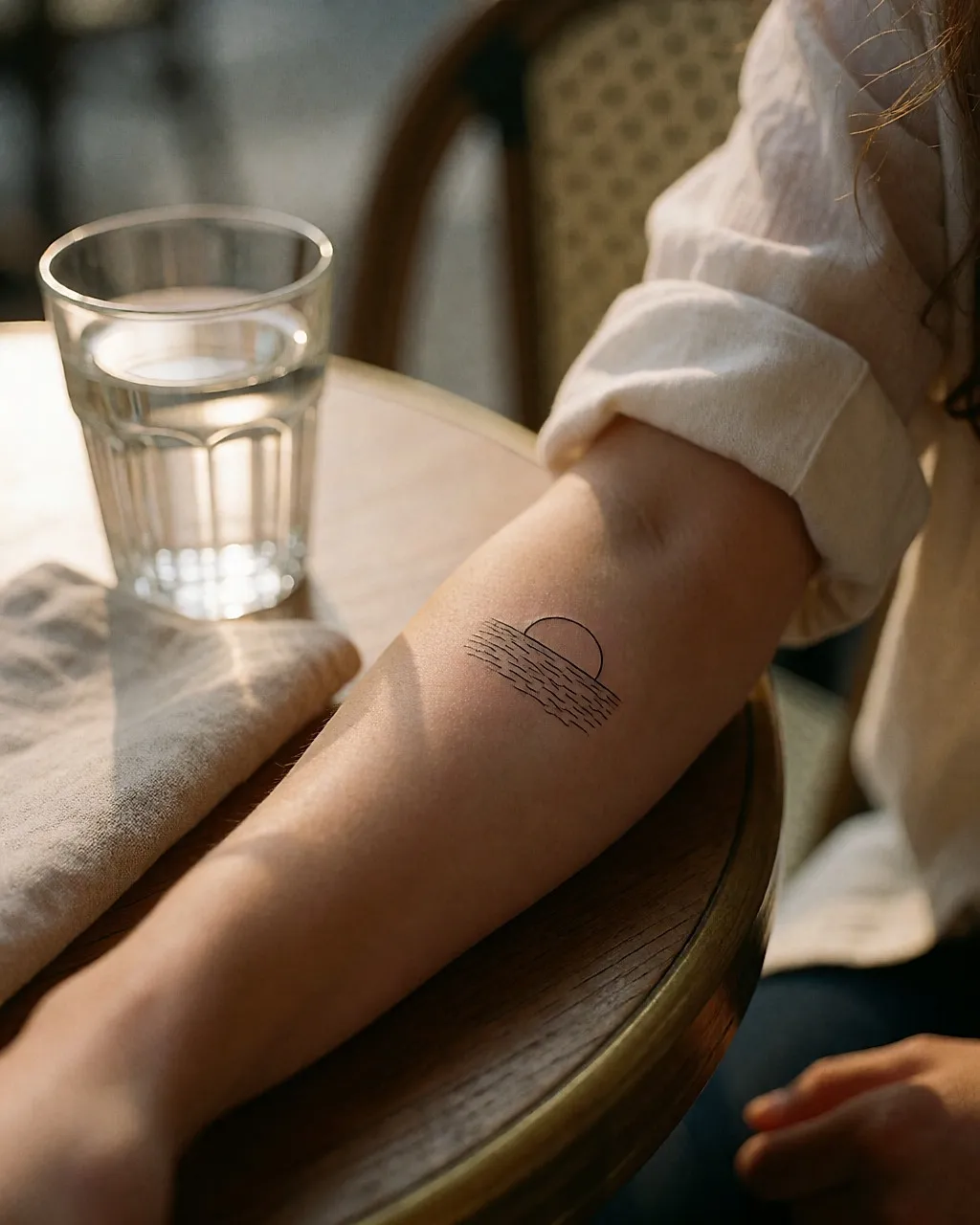
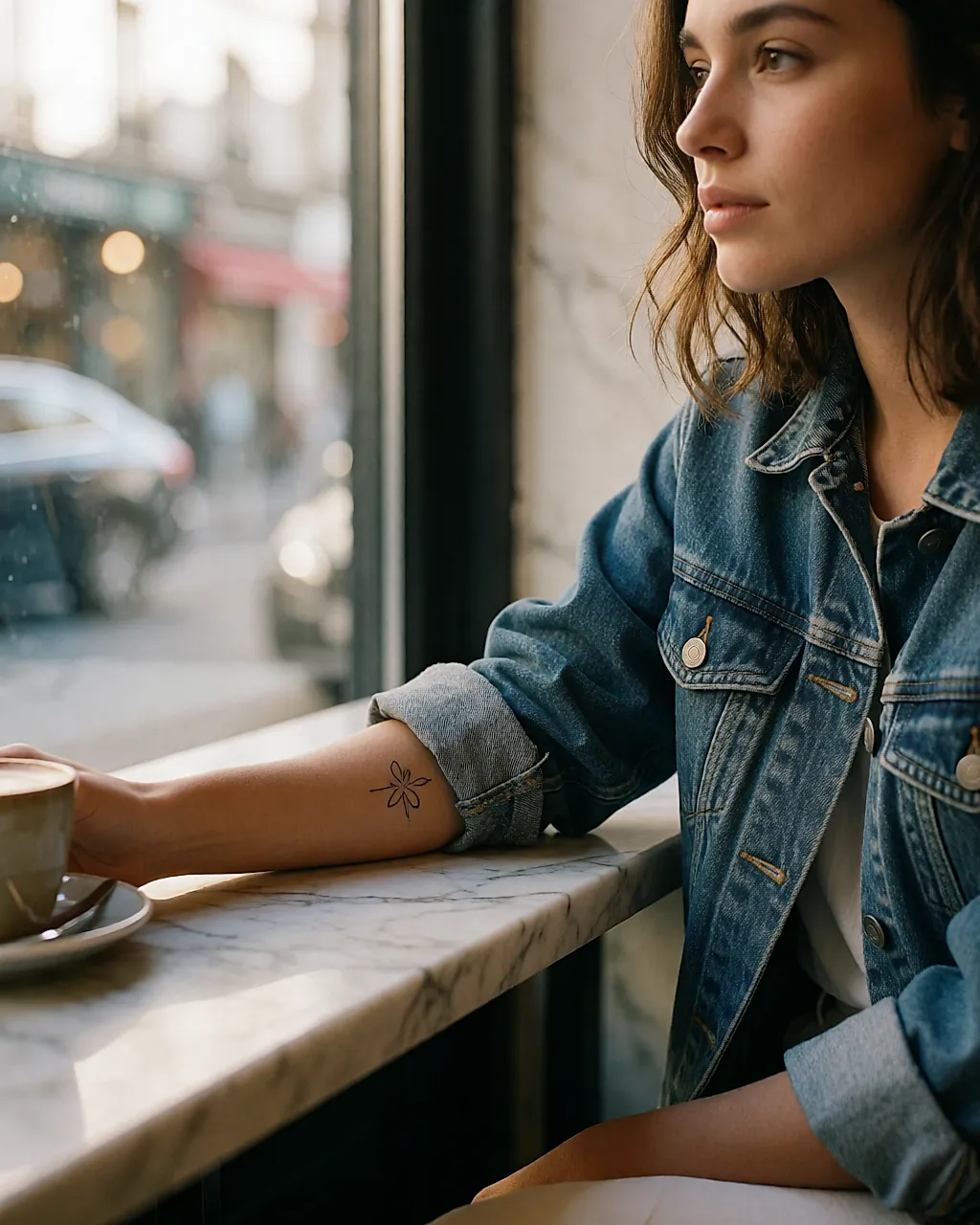
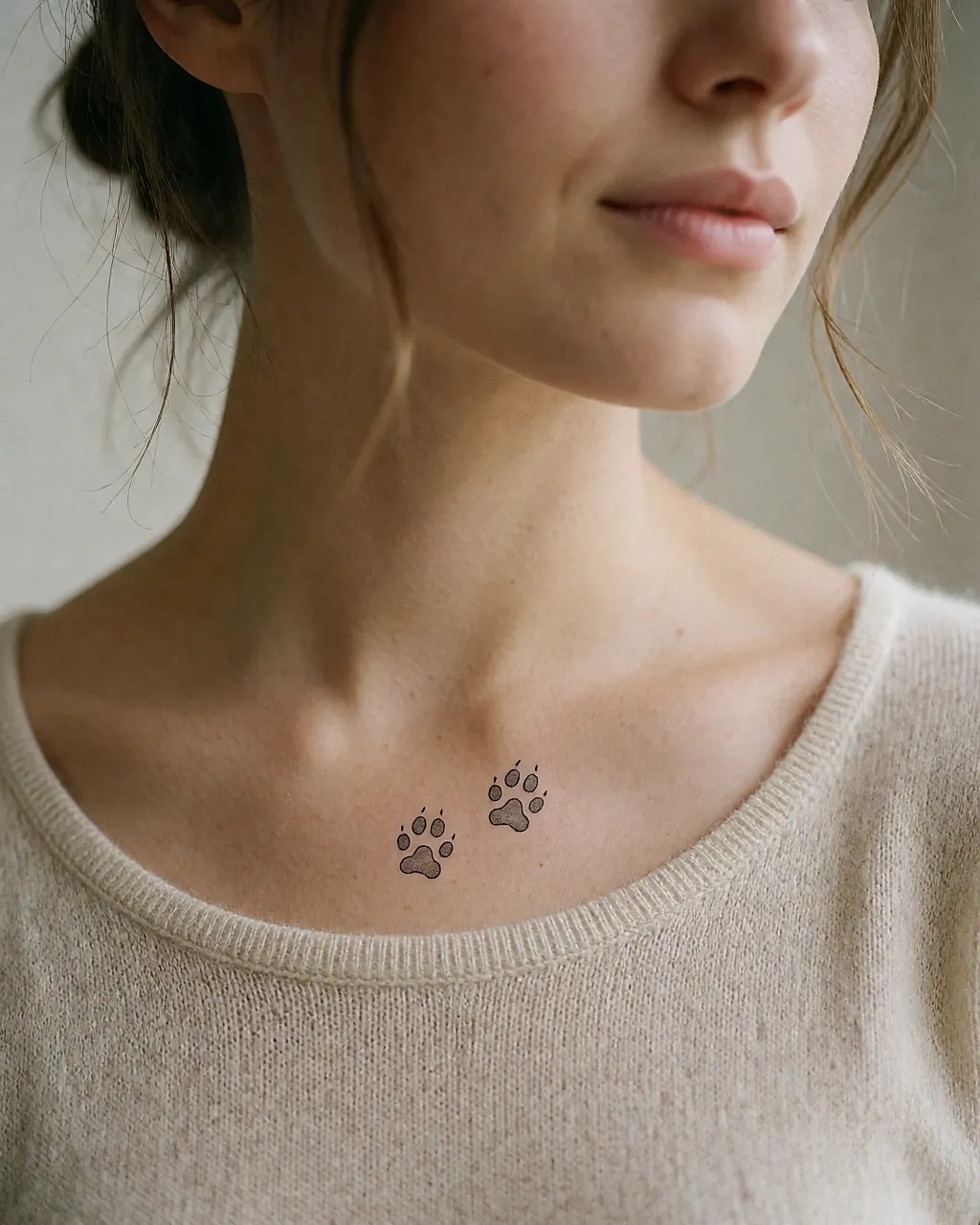
Then there’s everything else: a small fairy at the small of the back, a red lipstick kiss on the wrist, a pair of wings on the shoulder blades, a rosary-style anklet. Tattoos become an accessory in the same way as a fine chain you barely wear — the little detail that makes the whole look. And there are also the ones whose explanation we will never know: a design on the forearm, and that’s it. Two feline paw prints at the top of the chest. A long sentence running along the ribs, a line from a play engraved on the shoulder blade, a Hollywood-glamour portrait on the forearm. A small symbol on the foot, whose meaning stays personal.
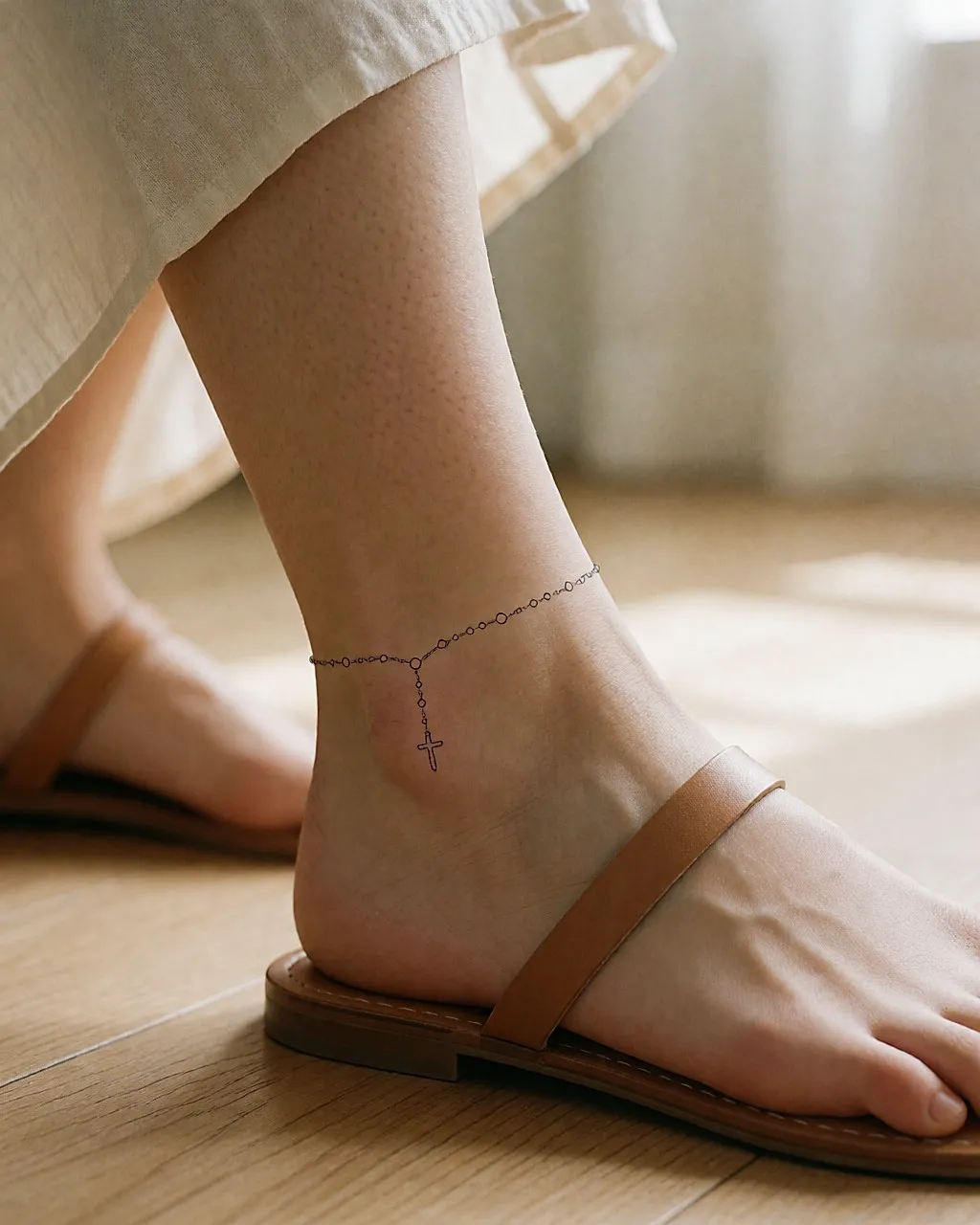
Tattoos have become as ordinary as jewellery: they no longer say much about the age or background of the person wearing them. What we really love is looking for the design that would suit us.
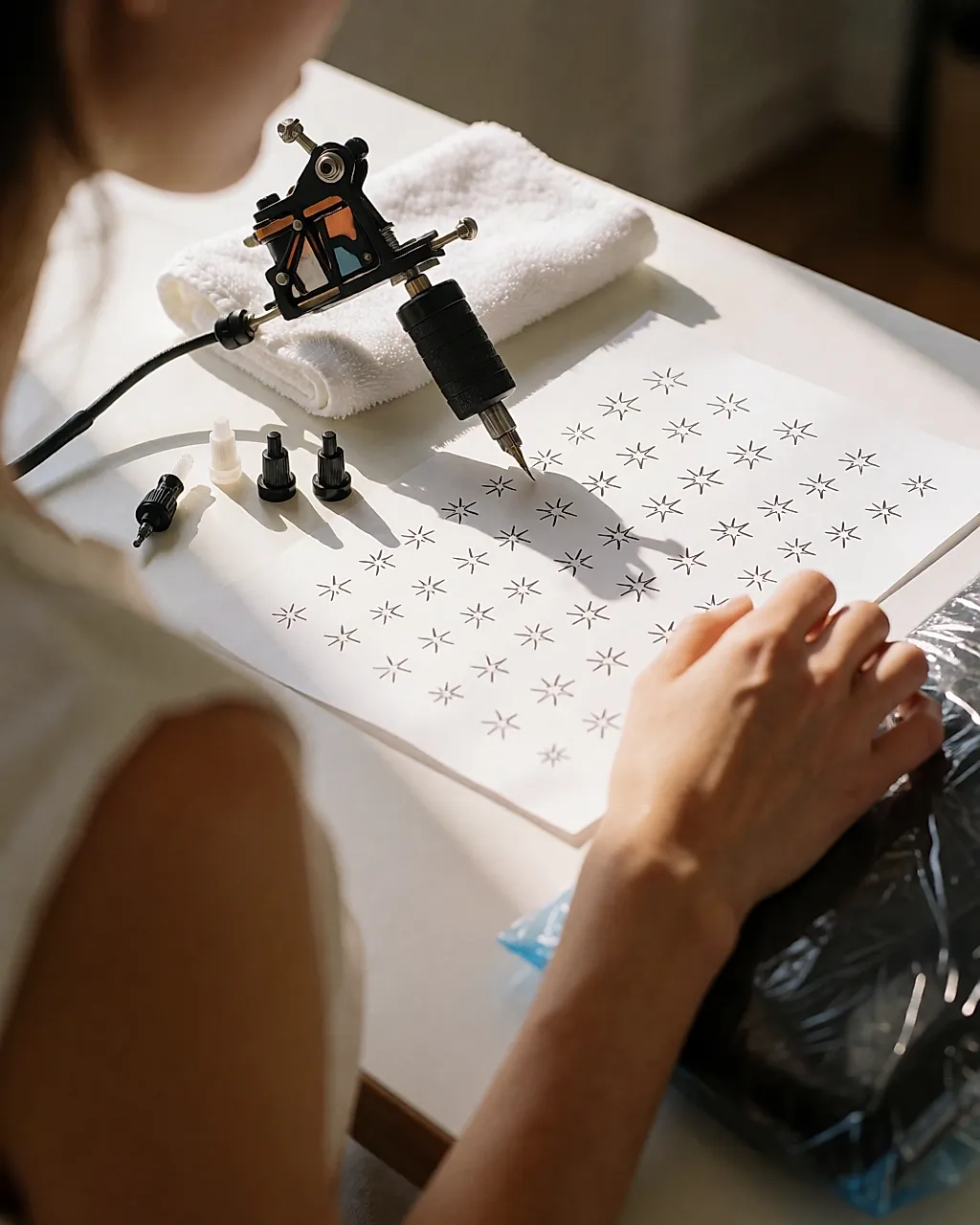
Before you commit, live with the idea for a while: a design you keep coming back to over several weeks often stands the test of time, whereas a one-night crush fades just as quickly. A temporary tattoo or transfer on the area you’re considering can help you decide. On the day, check one non-negotiable point: the needles must be taken out of their sterile packaging in front of you. And if you go down the temporary route, check the ingredients and the backing, and follow the manufacturer’s instructions — it’s the small step that matters.
Budget
Pricing depends mainly on size, the complexity of the design, whether colour is used and the time spent in the chair. In the UK, as a rough guide, expect around £80 to £150 for a small design done in one go — a star on the wrist, a word on the nape. For a medium piece (forearm, shoulder blade), allow more like £200 to £500. Beyond that, studios most often charge by the hour, between £80 and £150 depending on the artist. Prices rise in big cities and with very in-demand tattooists. A serious studio will give you a quote before any needles come out: ask for it, then compare several places.
For aftercare, a fragrance-free cream with no essential oils is often enough. Organic formulas exist — check the ingredients, the naturally derived active ingredients and what happens to the packaging at the end of its life — but how your skin tolerates it matters more than the label.
To test a placement without committing, temporary tattoos and transfers are available online or from craft shops, from a few pounds to around £30 for a pack. They’re no substitute for a session, but they can stop you choosing the wrong spot.
Sources
- NHS, “Tattoos and piercings” (hygiene and aftercare advice for clients); local council licensing rules for tattoo and piercing studios in the UK.
Comments
Your opinion matters: rate the article, react and reply to comments.
Comments are moderated; AI-assisted comments are flagged. Text emoticons (8-), :-), <3…) are automatically shown as images.