
You know the scene: your smartphone is crawling after three years, the sole of your trainers starts peeling before the season is even over, and your hairdryer goes in the bin not because it has died, but because the part it needed no longer exists. Frustrating, isn't it.
And yet, this fatalism is starting to crack. Between official ratings, repair schemes, new right-to-repair rules and the renewed appeal of refurbished goods, the ground has shifted. One real question remains: among everything we are sold, which objects are actually designed to last?
Replacement as the business model
Shortening product cycles owes a lot to fashion and marketing. Fast fashion normalised the idea that a garment can be replaced like a consumable — and electronics followed the same path for years, with sealed batteries and parts you could not find.
The manufacturers' pitch is starting to change, though. Samsung and Google now promise up to seven years of software updates on their flagship smartphones. That is a game-changer if your goal is to keep a phone for more than two years. A word of caution: that kind of commitment only counts if it is written down at the point of sale, model by model.

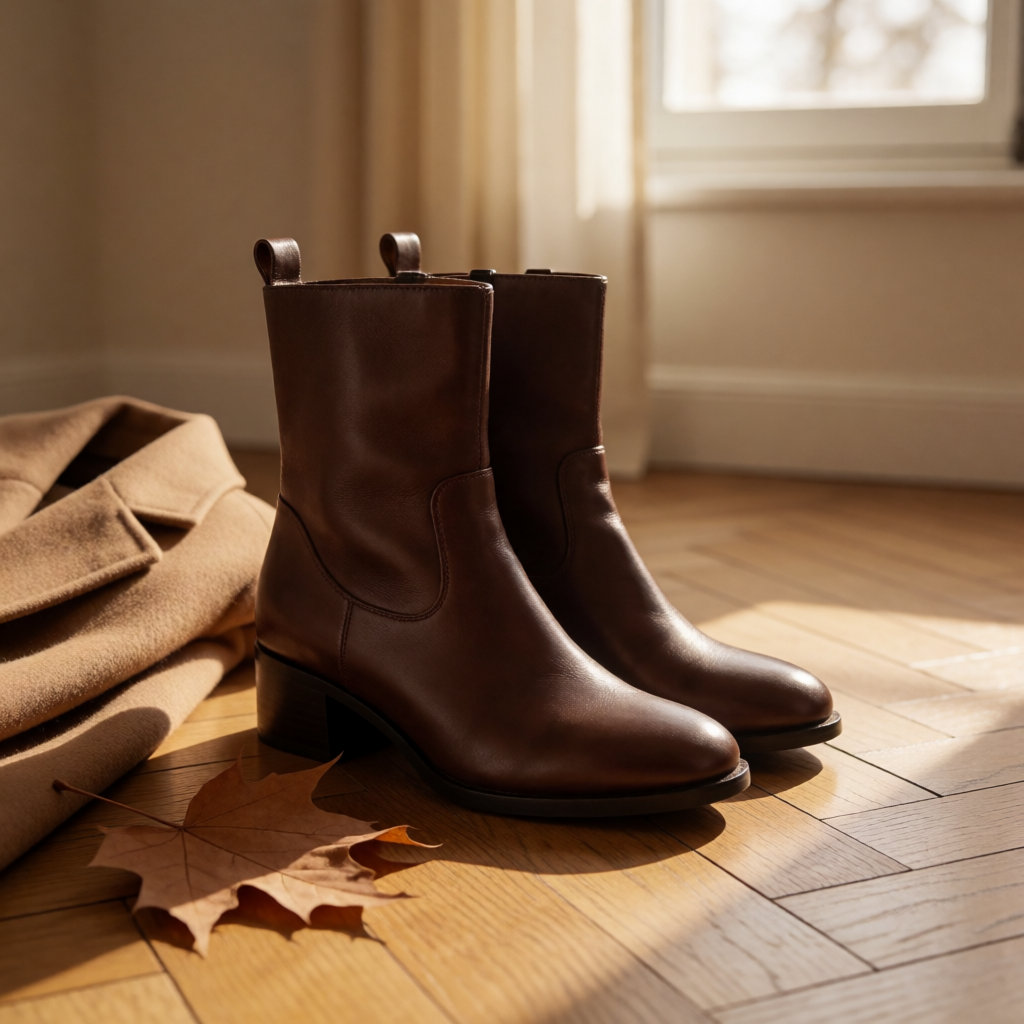
Stitched, not glued: the difference lies beneath the sole.
Repair enters the law
In France, a repairability index has been compulsory since 2021 for several product groups: smartphones, laptops, TVs and washing machines. It is gradually giving way to a durability index, which looks beyond repairability alone, for smartphones and washing machines. In the UK, there is no direct equivalent. The right-to-repair rules that came into force in 2021 require manufacturers of some large appliances to make spare parts available for up to ten years, but the system is narrower and campaigners say it leaves too many products behind.
At EU level, Directive (EU) 2024/1799 on promoting the repair of goods had to be transposed by member states by 31 July 2026. It provides for easier access to spare parts, clear information on repair prices and times for certain products, and a repair obligation for the manufacturers concerned. The UK is not bound by it, but for anyone shopping across borders, it is a signal of where the market is heading.
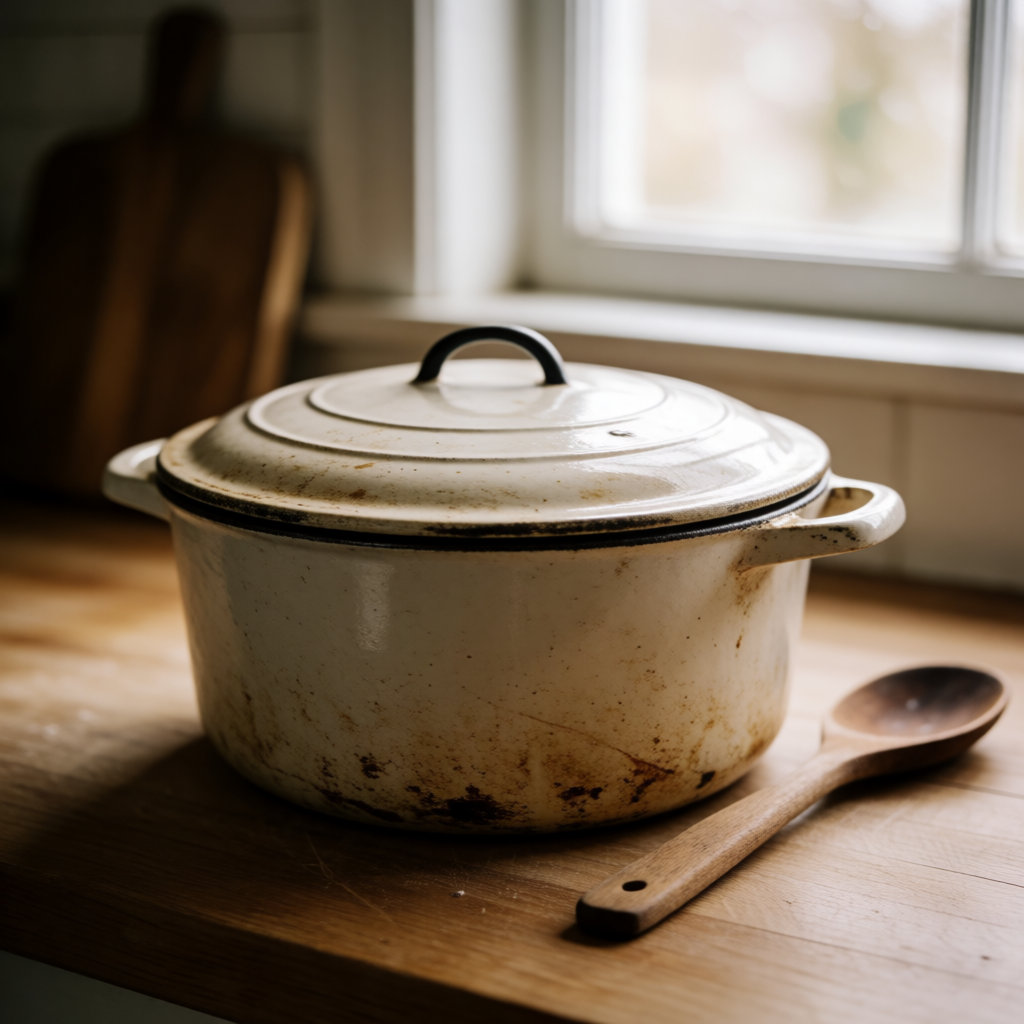
In the wake of these rules, the market has changed shape. Refurbished and second-hand goods have become mainstream, from smartphones to wardrobes, and independent repairers have found a real customer base again. A seal, a valve: enough to get another ten years out of a kitchen.

Objects that last for decades
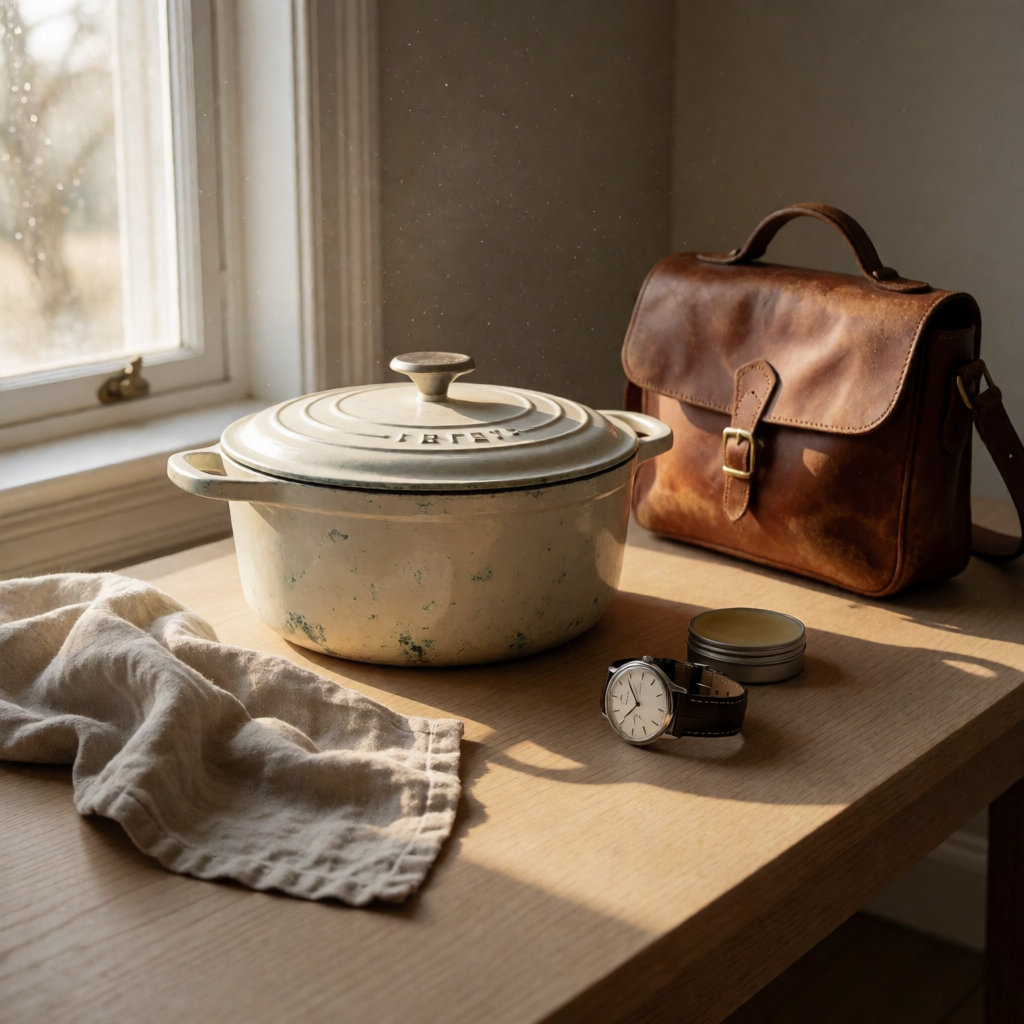
Certain products have made longevity their argument for a long time. The SEB Super-Cocotte, which appeared in the 1950s, is still repairable and is still passed down in some families. Miele, for its part, advertises washing machines tested for the equivalent of twenty years of use.
A cast-iron pan, an Opinel knife, a stainless steel casserole: these objects are not eternal, but they are designed to be sharpened, restored or repaired rather than replaced. It is a mindset we are losing, and one worth recovering.
Shoes, watches, bags: betting on care
In fashion, durability is sometimes decided by an invisible detail: construction. A stitched shoe, especially Goodyear-welted, can be resoled several times — that is where a pair's real lifespan is won, far more than in the thickness of the leather displayed in the window.
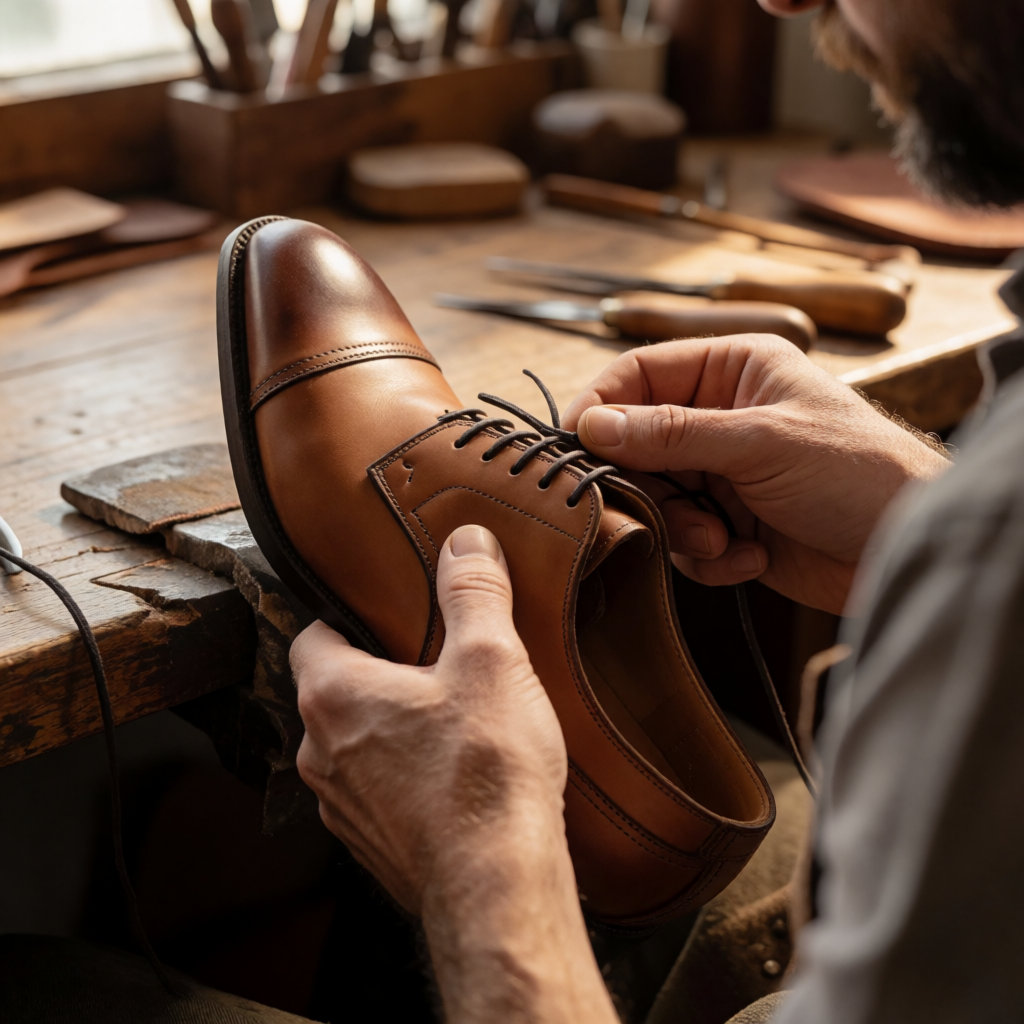
Several houses — Church's, Paraboot, J.M. Weston and Crockett & Jones, for example — offer care and repair services. What I mention here comes from what the brands document themselves: I have not visited all their workshops. The right reflex before buying is to ask what is covered, and at what price.
Same logic for a mechanical watch, which can be serviced and passed on to several owners, provided you accept periodic maintenance. A well-treated leather bag can follow the same path, especially if you remember to waterproof it and have it repaired rather than replacing it at the first scuff.
In beauty, refills replace disposables
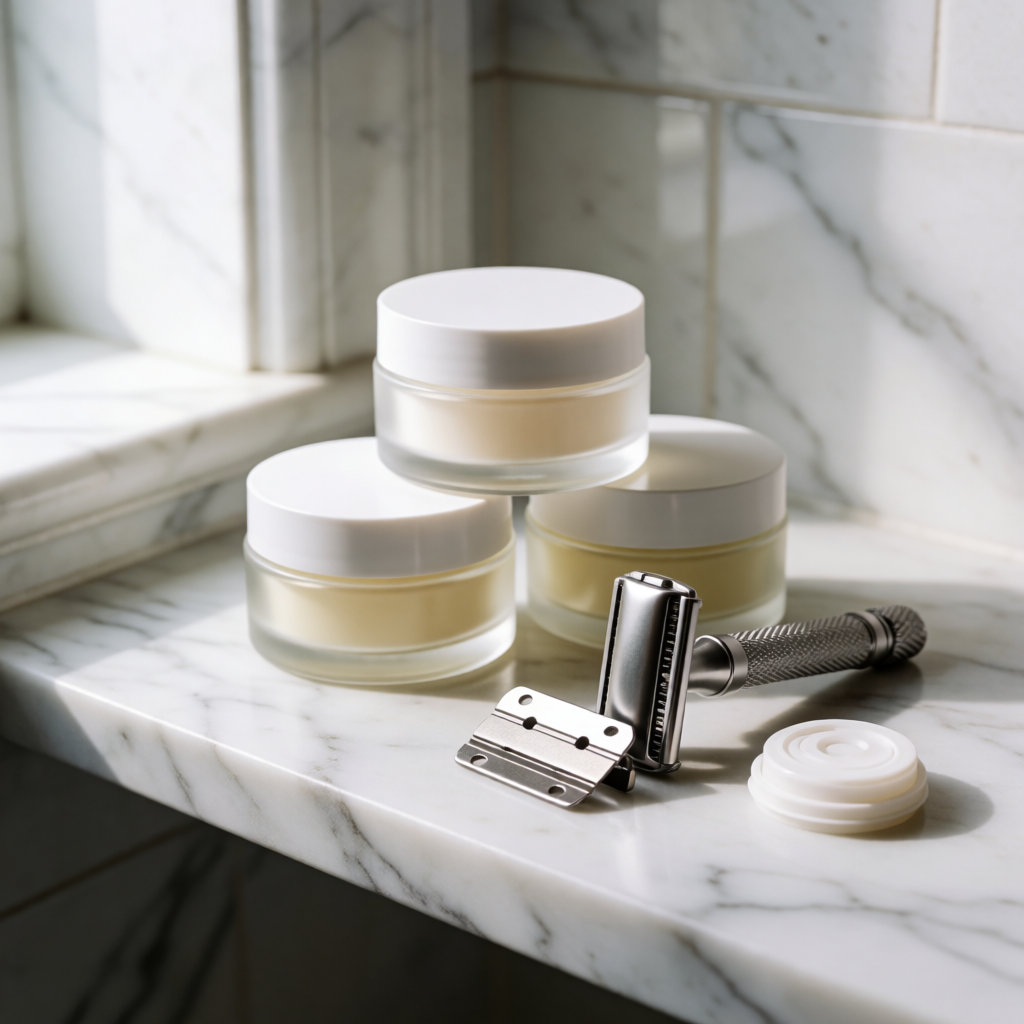
The beauty aisle is not immune to the movement. Refills — powders, lipsticks, skincare — are multiplying, with formulas designed to be decanted into a durable container. In ritual terms, that changes the gesture: you keep the case, you just change the texture. Metal-handled razors with replaceable blades are back in the spotlight, and devices with replaceable batteries or cells stand out clearly from sealed models.
On ingredients, the same criteria often make the difference: naturally derived actives, recognised certifications (Cosmos Organic, Ecocert), glass or cardboard packaging, a refill available, local production where that information exists. The right reflex is the same as elsewhere: check that consumables are available before you fall for the pretty shade. A brand with no refill, no spare parts and no after-sales service is not a good buy, however successful the packaging.

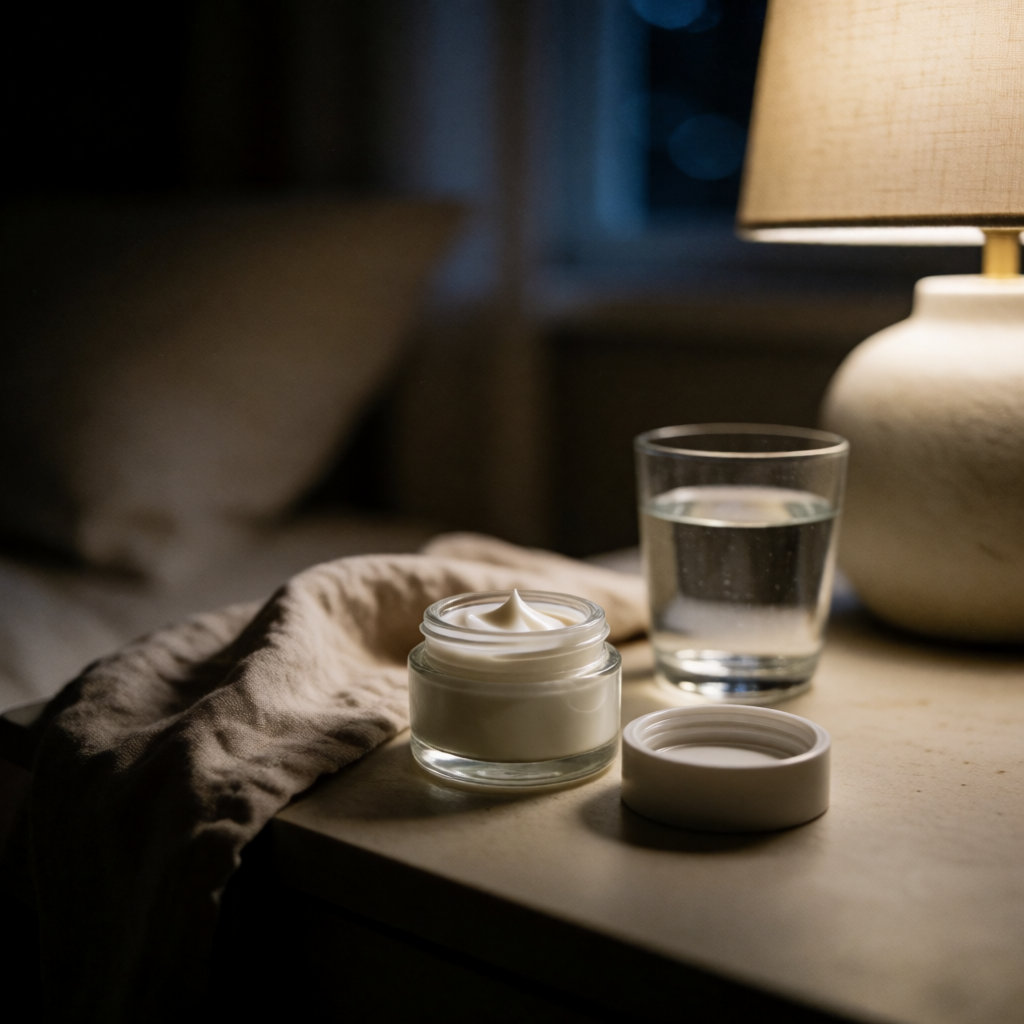
A refill slipped into the case, and the ritual continues. Powders, lipsticks, skincare: refills replace the throwaway.
Budget
The rough figures in the UK are:
- full resole of a stitched shoe at a cobbler: expect around £70 to £120 depending on city and sole quality;
- routine care (polish, waterproofing, heel repairs): around £15 to £40;
- Goodyear-welted pair: from £250 to £450 at the entry level from the houses mentioned, and £550 or more at the top end;
- mechanical watch service: from £100 to £250 depending on movement and provider;
- refill for skincare or makeup: from £15 to £45, often less than the original container;
- metal safety razor: £20 to £60 for the handle, and £5 to £15 for ten blades depending on the brand.
Where to get them: cobblers and neighbourhood workshops for repairs, official boutiques for brands' care services, perfume shops, health-food shops and specialist websites for beauty refills, and hardware shops or supermarkets for leather care.
Before you buy, ask yourself four questions
- Can it be dismantled, with screws rather than glue?
- Are spare parts and consumables sold, and for how many years?
- What does the warranty cover, and for how long?
- Is there an official index, a repair network or a brand care service?
The calculation that changes everything
The price tag is not the real cost. A simple example: a £250 pair, resoled twice and worn for a dozen years, works out at an annual cost of around £30 to £40 depending on the price of the resole. £60 pairs replaced every eighteen months often cost more, before you count lost time or lost comfort.
The reasoning holds for your washing machine, your bag, your glasses or your hairdryer. Keeping things longer often costs less than replacing them often: good news for your wallet, and better for the planet.
Verdict
Throwaway culture is not a law of nature: it is a business model. You can still buy objects designed to last, provided you pay the initial price and choose brands that stand behind repair. The real luxury today may no longer be changing often — but keeping things for a long time.
Sources
- Directive (EU) 2024/1799 on promoting the repair of goods, EUR-Lex.
- Right to repair: spare parts and repair information, GOV.UK.
- Repairability index and durability index, French Ministry for the Ecological Transition (ecologie.gouv.fr).


Comments
Your opinion matters: rate the article, react and reply to comments.
Comments are moderated; AI-assisted comments are flagged. Text emoticons (8-), :-), <3…) are automatically shown as images.