
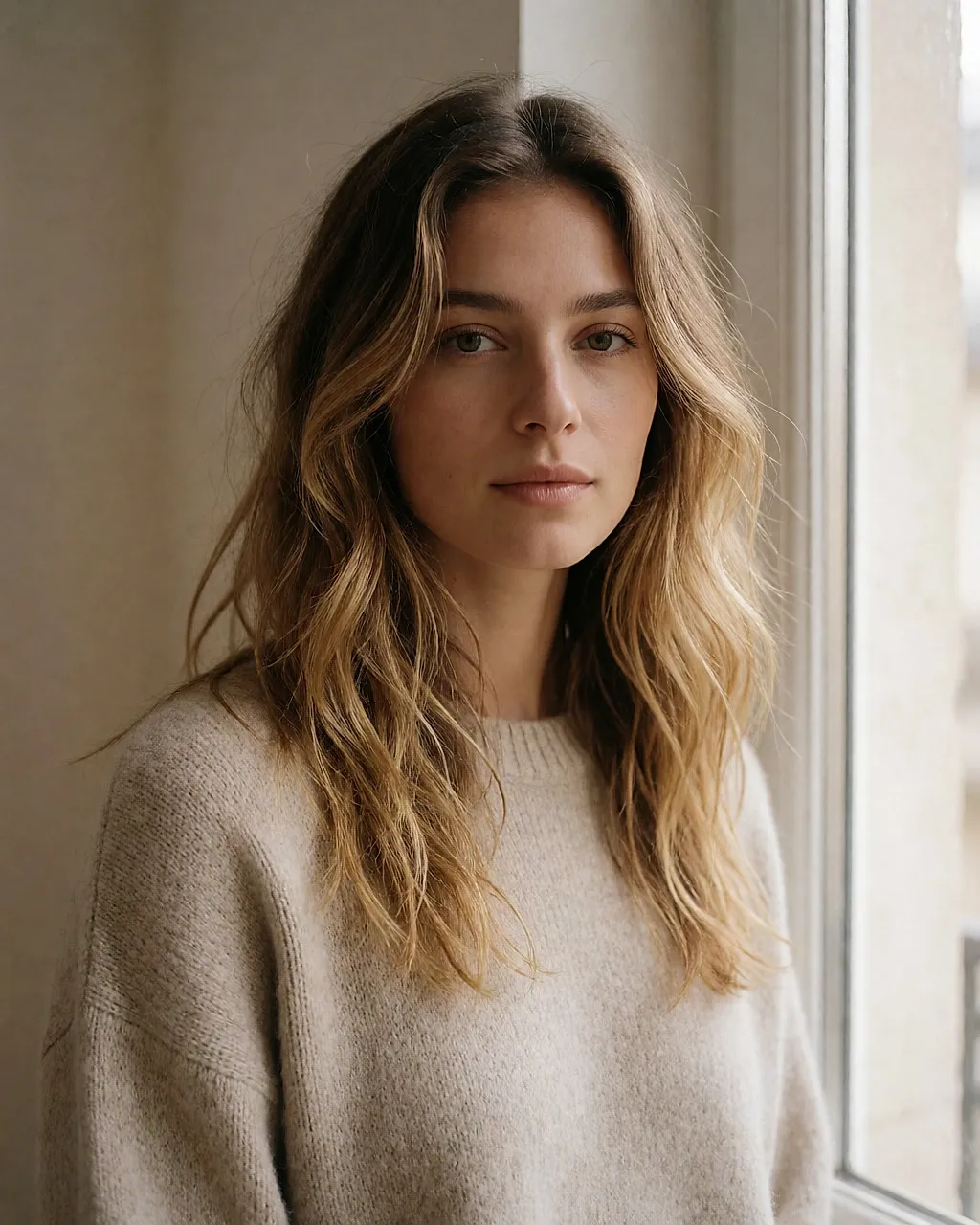
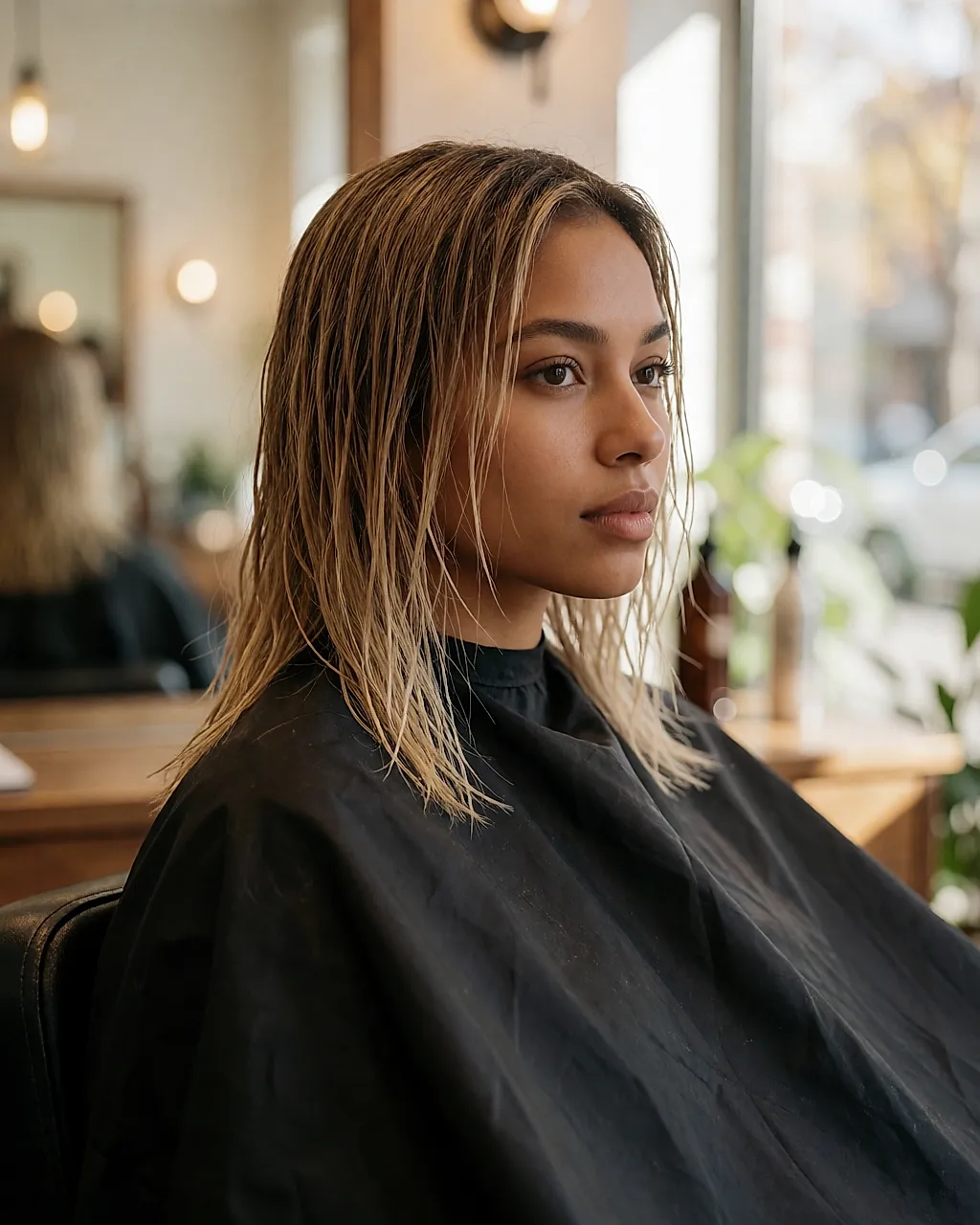
You walk into a salon with a photo in mind and come out with a colour that looks nothing like it... and yet you don't regret it. I know that feeling—and it's not a failure. For a long time, hair colour was a case of picking a side: platinum blonde for life, deep brunette for eternity, and no going back. That era is over—well and truly. Season after season, hair has become the most visible testing ground in the celebrity world, and the old "blonde or brunette?" question is doing the rounds more than ever—just when we thought it was finally past it. What interests me is not the label, but whether the shade still works with your wardrobe, your schedule and your budget.
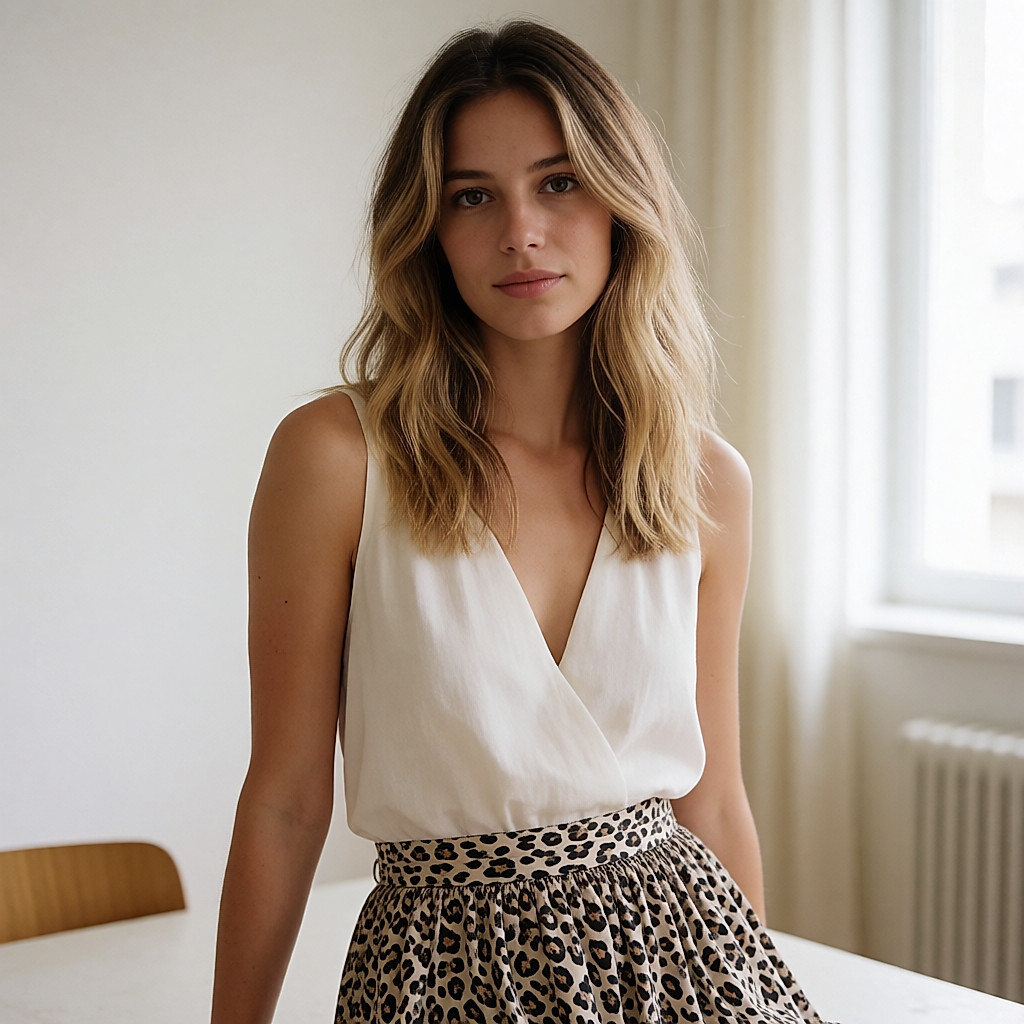
Blonde: the reliable shade that keeps reinventing itself
Blonde hasn't just held its own: it's diversified. Remember those stars long associated with deep black hair who suddenly appeared in platinum? The kind of switch that dominated social media for weeks, before their dark base quietly returned. In reality, it tells you the main thing: radical blonde isn't just a salon appointment, it's a maintenance commitment. On dark roots, regrowth is immediately visible, and the hair itself—that soft fall we love, that way of moving without looking stiff—takes the hit of repeated lightening.
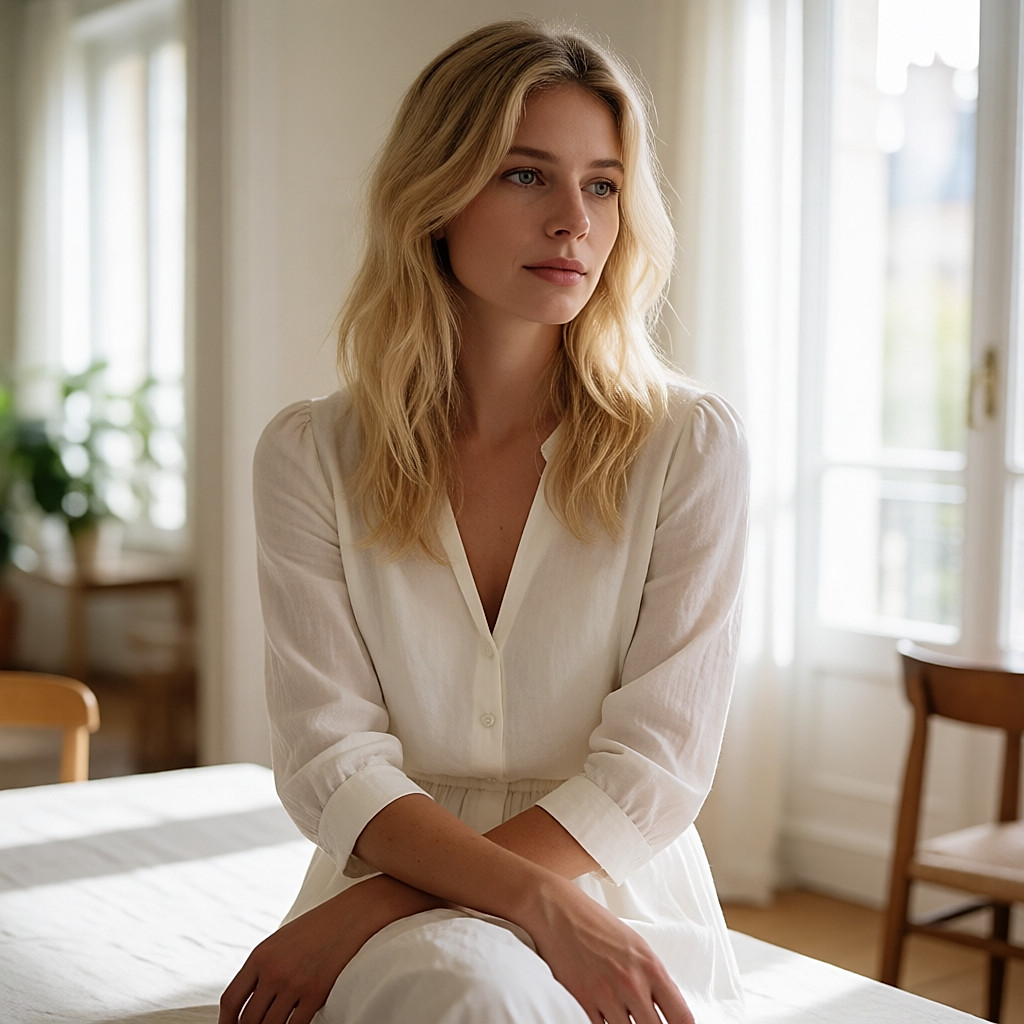
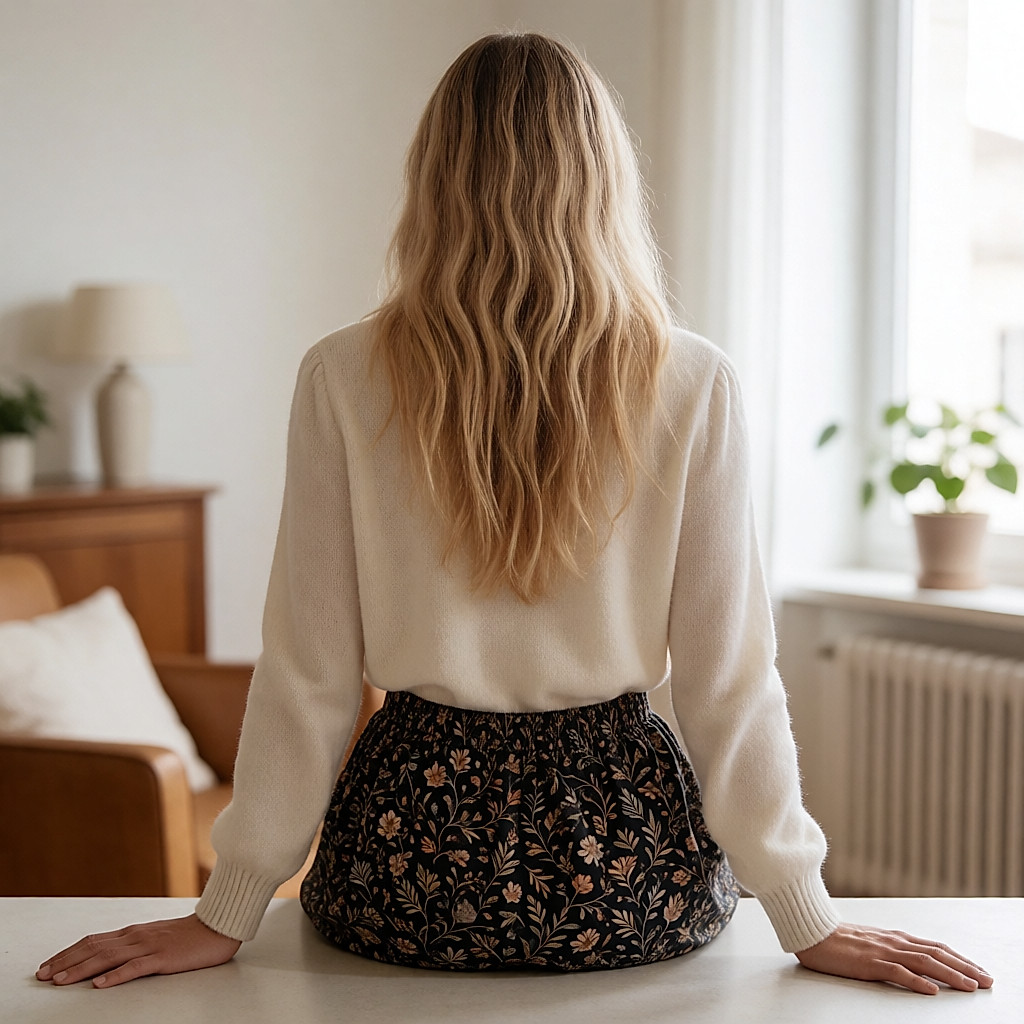
Another just-as-common scenario: actors known for their sunny blonde go dark for a role, then come back. And some natural blondes openly explore the other side, without it feeling like a betrayal. Blonde is no longer a fixed identity; it's a mood—a piece you wear for a few months and put away without a second thought. A well-balanced blonde brightens the complexion and softens the features. That's no small thing.

Brunette: the credibility weapon
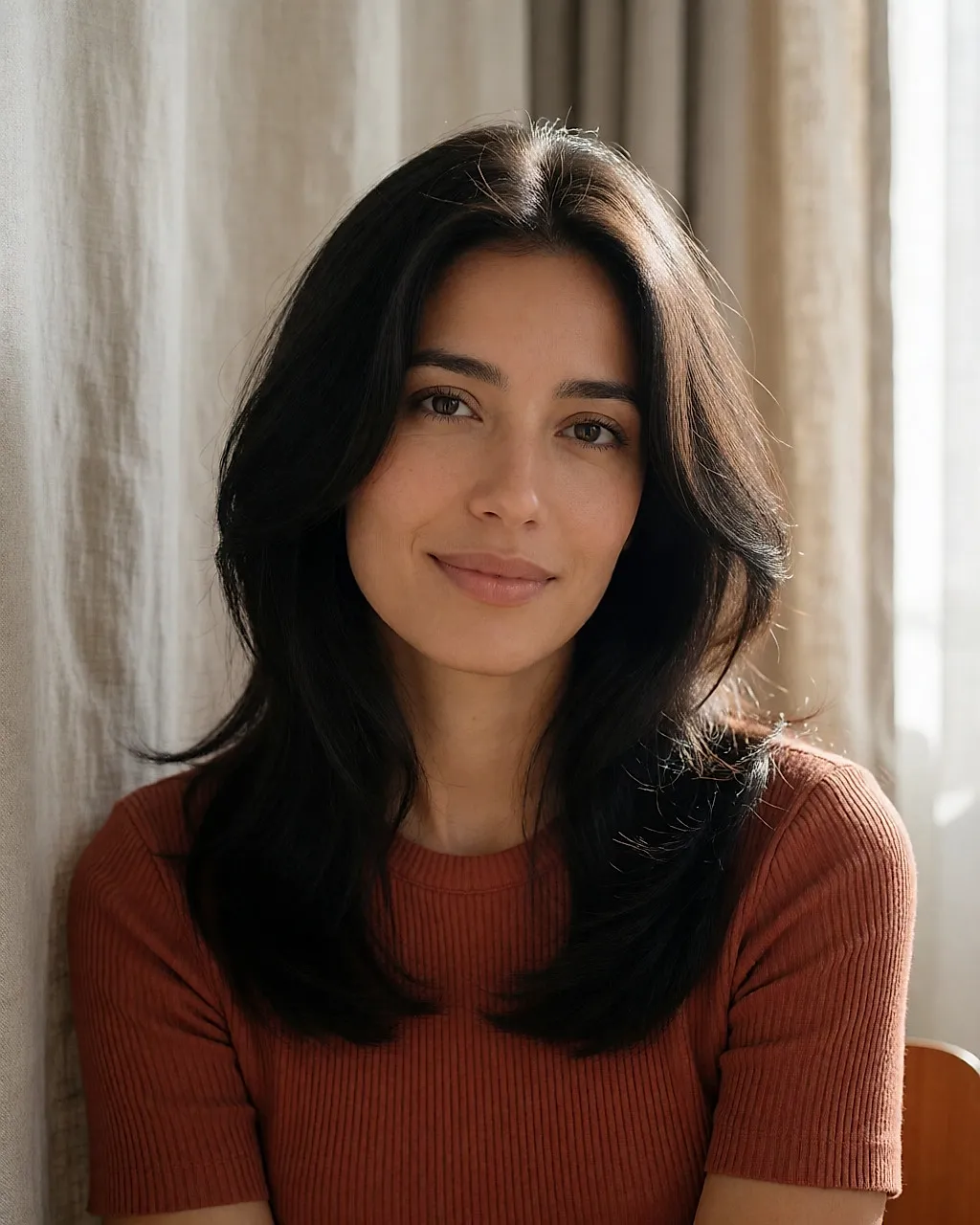
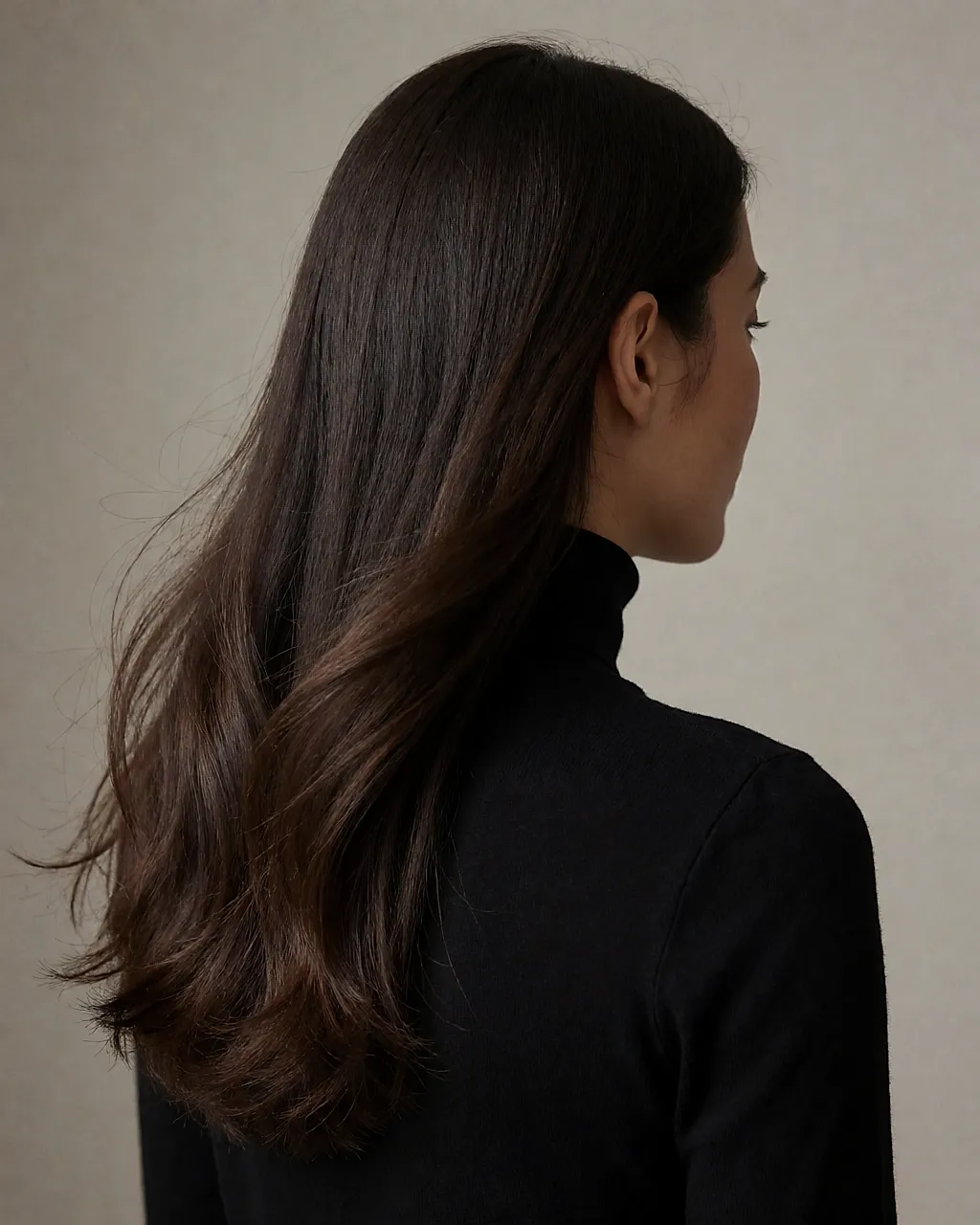
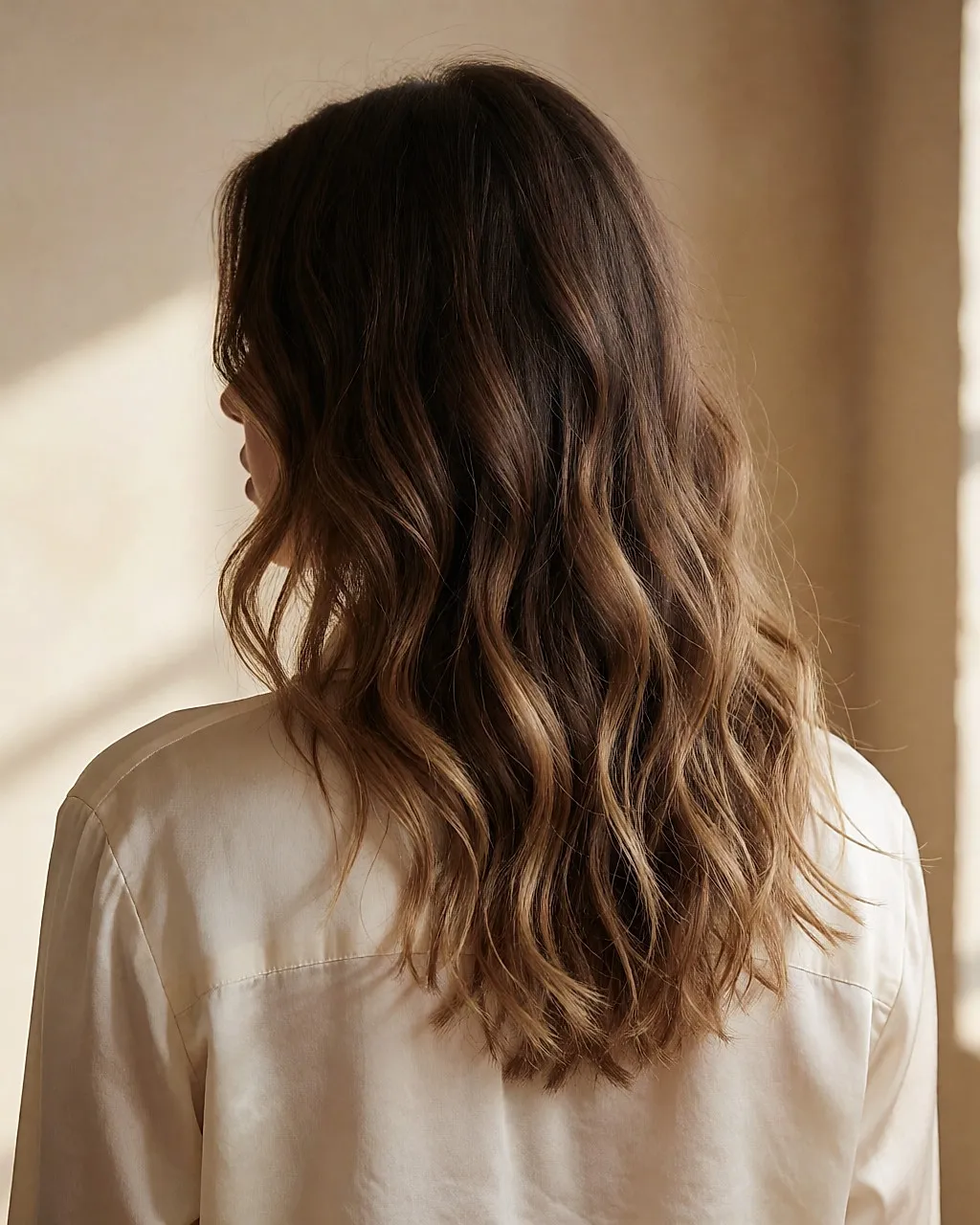
Going brunette, by contrast, long served as a signal: an actress saying she wants to stop being seen as a doll. The move hasn't disappeared—it's become more subtle. We're no longer talking about one uniform brown, but about worked-in shades: cool brown, hazelnut, blended-root effects. The aim isn't to lay down a flat block of colour, but to keep texture and movement, like a fabric that hangs well.
Some stay faithful to a dark brown that's part of their signature throughout their career, and it works. Others try honey blonde, experiment with cherry red, layer up golden balayage, then return to a deep base. In that case, colour is no longer a disguise: it's an identity you adjust, a bit like the pieces you actually rewear—you tweak the shade, not the whole wardrobe.
Balayage: the real star
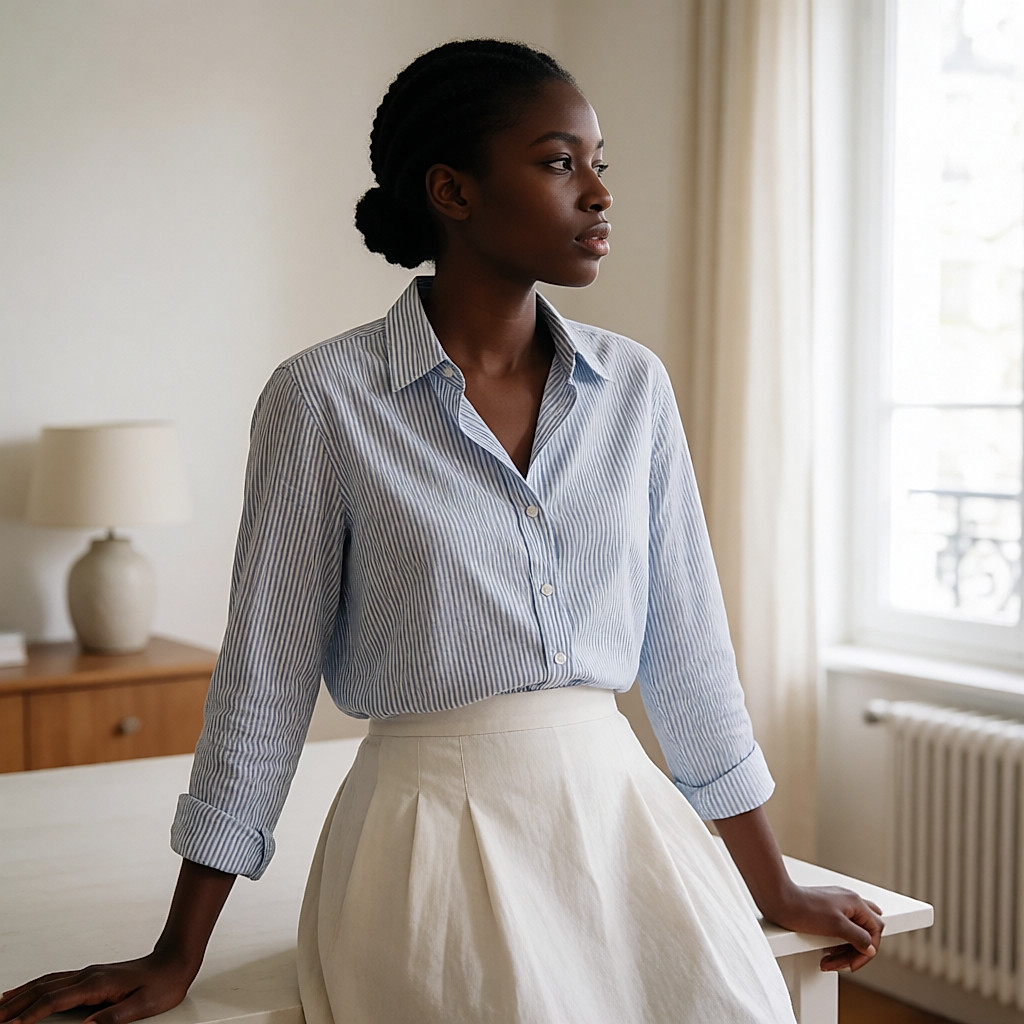
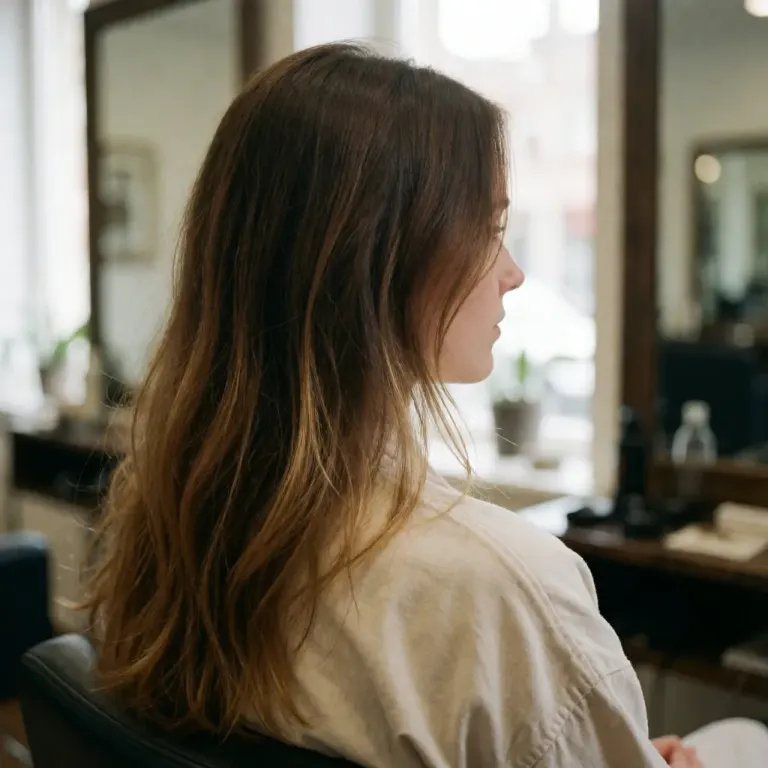
The big shift of recent seasons isn't blonde or brunette: it's technique. Invisible balayage, shadow roots and tinted glosses allow for a softer transition, with a blended root and a gradual gradient through the mid-lengths and ends. Two often-cited trends stand out: expensive brunette, a deep, satin brunette that's never flat and keeps its texture, and old money blonde, a warm blonde far from synthetic platinum.
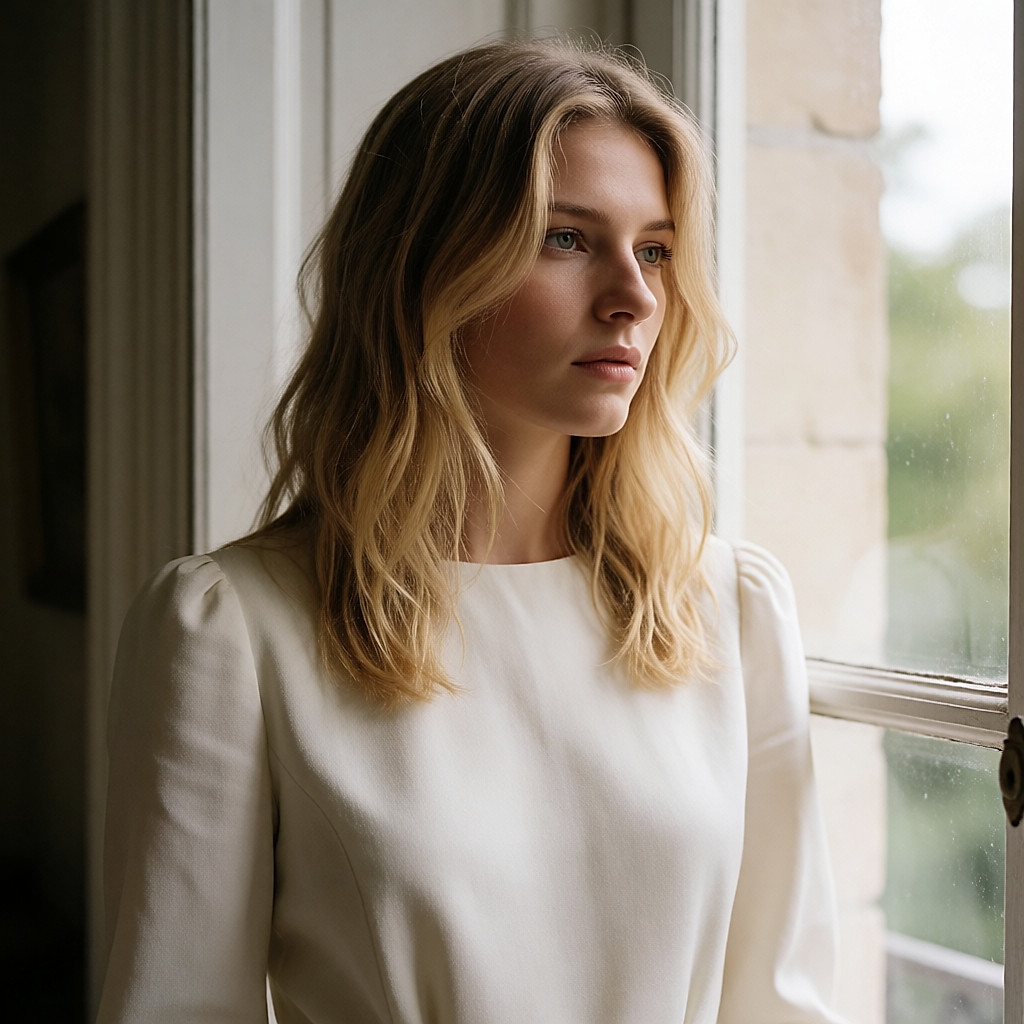
The result: we no longer change colour by making a clean break, but by shifting the nuance. That's exactly what makes the result wearable day to day—you can treat your colour like the pair of shoes that pulls an outfit together, without rebuying the whole look.
What your colour really says
A hair change is never trivial. It accompanies a role, marks a new chapter, signals a professional turn. The old opposition between spectacular blonde and serious brunette has given way to a finer grammar: colour becomes an accessory to your silhouette, something you change like a pair of glasses—provided you're willing to put in the time.
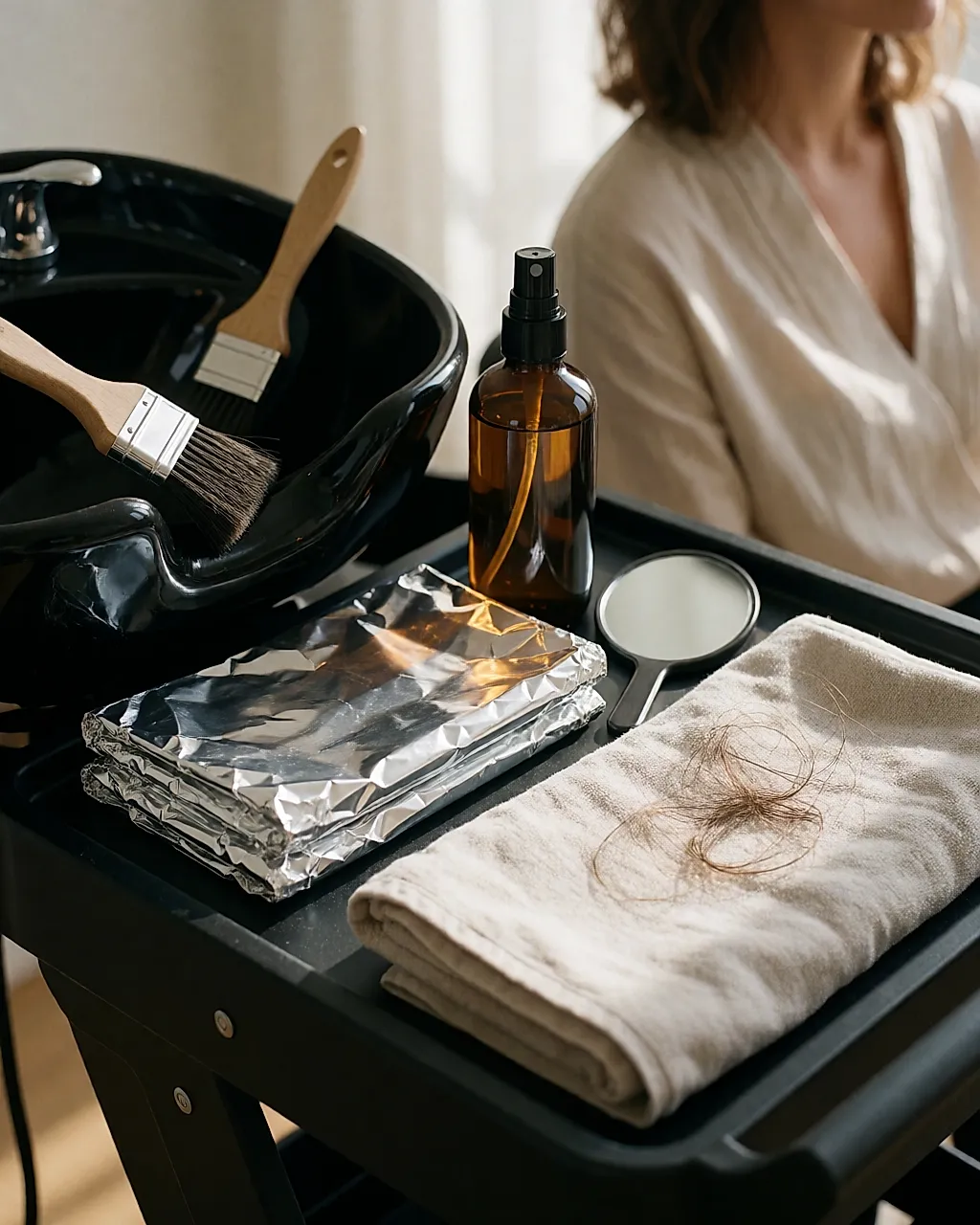
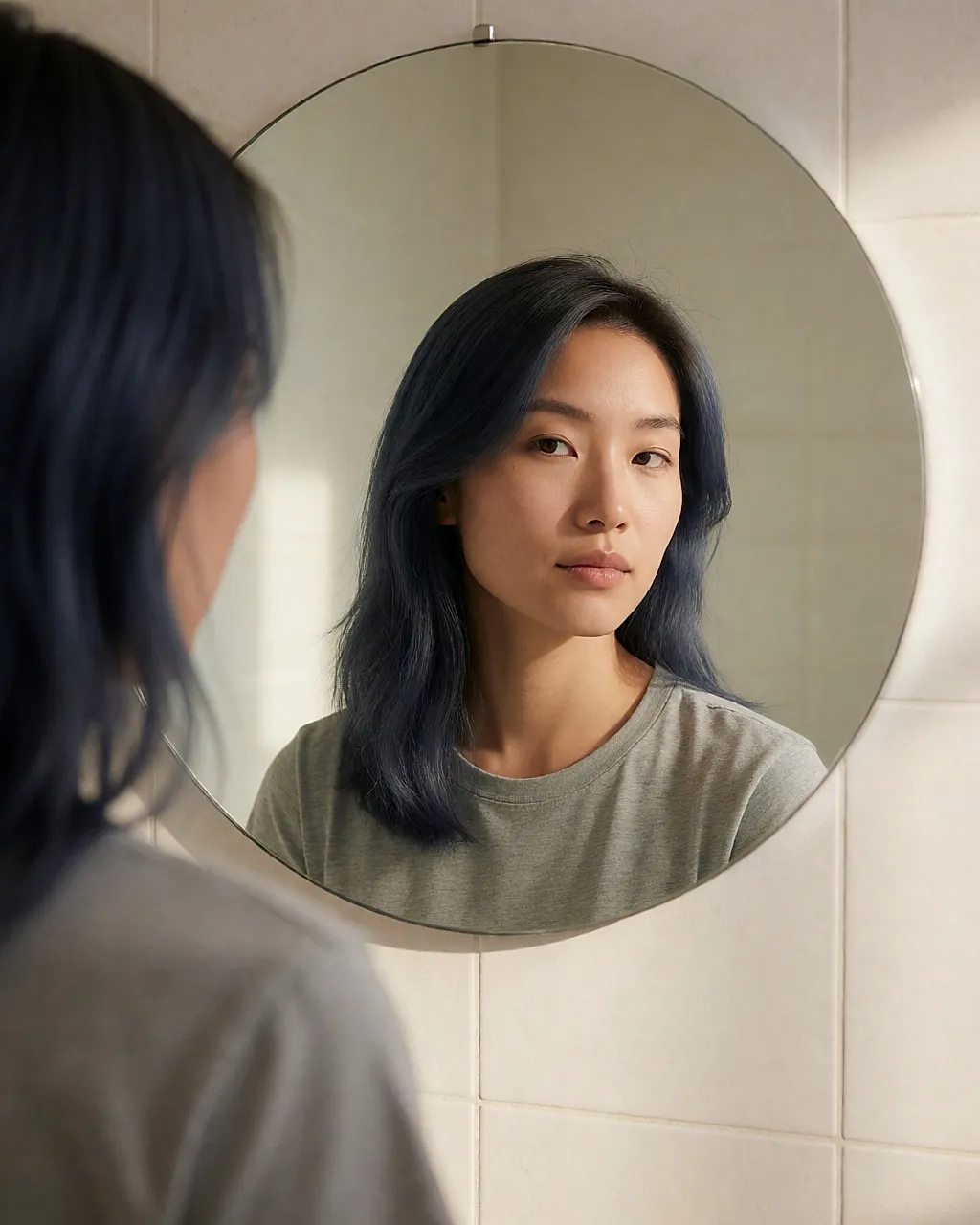
Because the behind-the-scenes reality hasn't changed: the lighter the colour, the more visible the roots and the more appointments stack up. Platinum demands heavy maintenance; black requires a trickier correction than it seems when you want to go lighter again. That's where things can go wrong, even with an experienced team.
My rule: a colour has to work on a normal Tuesday, not just in the salon mirror. Ask about the grow-out before you commit, and think about the upkeep like cost per wear. If a shade only looks good when it's freshly done, you're not choosing a colour—you're choosing a part-time job.
Budget
Let's talk money, because that's where a colour either works with your life or doesn't. In the UK, expect roughly £45–£80 for a root touch-up, £70–£140 for balayage on mid-length hair, and £105–£215 for a full lightening service. Those are salon-bench figures, not a promise: length, density, city, neighbourhood and how much product your hair drinks can all change the bill. Ask for a quote before you sit down, and specify the technique and the upkeep you're willing to keep up with.
And if you're not ready for a full transformation, a quick gloss or root refresh between appointments can cost less than a full correction—often the smartest way to stretch a colour without letting the budget run the show.
So, blonde or brunette?
The answer probably lies somewhere in between. The colour changes that age best aren't the most dramatic, but the ones that follow your regrowth, suit your complexion and don't demand a salon trip every week. Luminous blonde or magnetic brunette, the point is no longer the box you put yourself in, but how you own it.
Chloé's verdict: if you want low-maintenance, stay in the brunette family and ask for a gloss that keeps depth; if you want a real change without the platinum treadmill, go for a blended blonde or balayage. Either way, choose the colour you'll still like on a normal Tuesday—not just the one that looks good in the salon mirror.
Comments
Your opinion matters: rate the article, react and reply to comments.
Comments are moderated; AI-assisted comments are flagged. Text emoticons (8-), :-), <3…) are automatically shown as images.