

Hair colour: how to choose the right shade
Have you ever shown your hairdresser a photo of platinum blonde you spotted on Pinterest, only to see their face close? I have, twice. The second time, I came out with dark roots and eyebrows that clashed with everything. Since then, I have remembered one simple thing: a successful colour is often not the one you chose from a photo.
Your natural colour is still your base
You never start from zero. The undertone of your skin, the colour of your eyebrows and your eyes all come into play before a tube is even opened. Colour or highlights work when they stay close to your complexion. Going one shade lighter, toning, going slightly darker: yes. A complete overhaul: rarely.

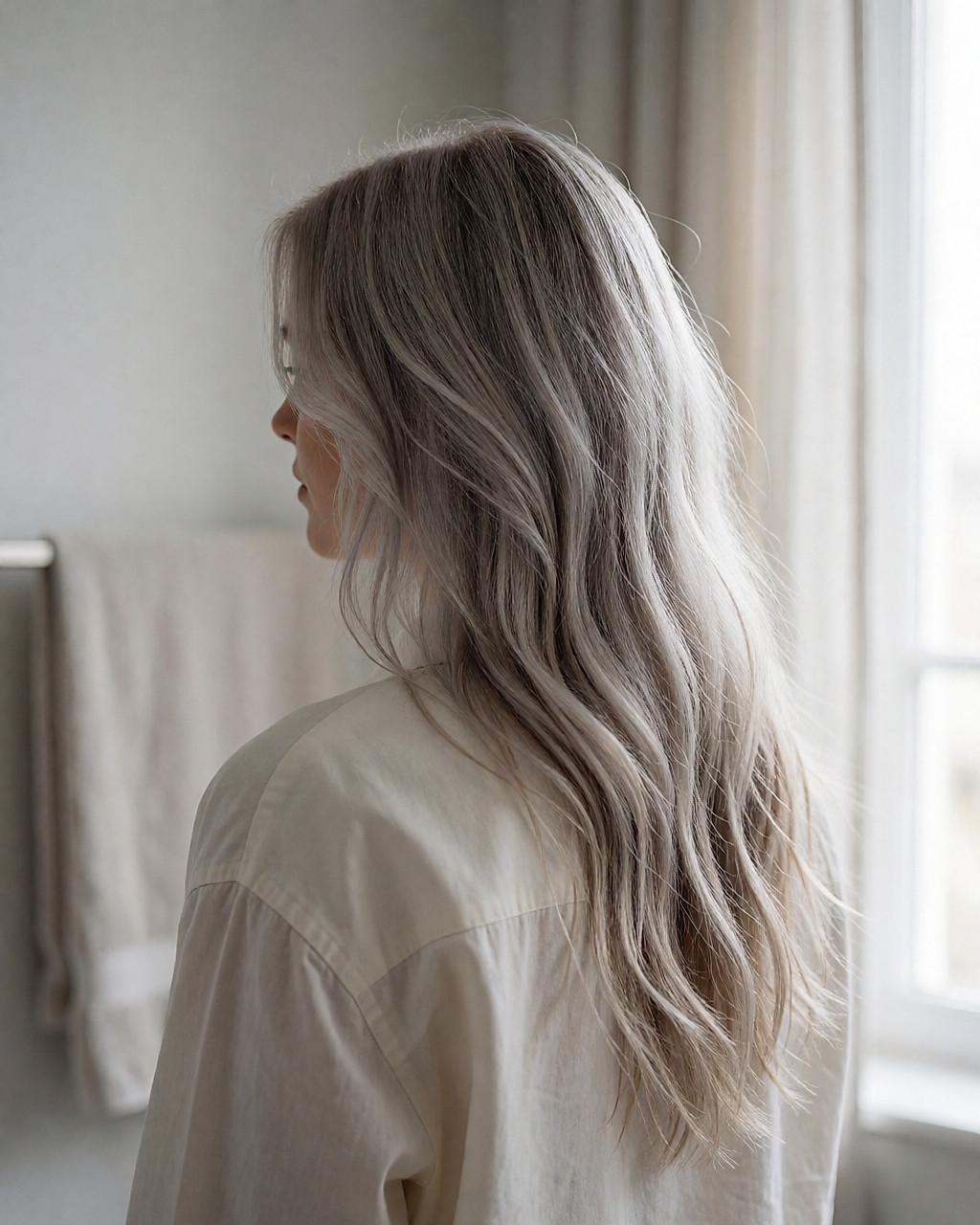
Very fair skin: cool blonde or red
Cool, almost Nordic blonde flatters pale skin. The downside if you are naturally brunette: regrowth will show, and quickly. The transition happens in stages, with more and more highlights, until you reach a look you like. Red also works very well on fair skin, especially with blue or green eyes. And there are so many shades - copper, Venetian red, auburn - that there is bound to be one for you.
Medium skin tone: the widest playing field
Chestnut, rich brown, dark blonde: you can move without a complete overhaul. These shades benefit from a few lighter highlights, cool or warm. It adds depth and avoids the helmet effect.

Dark or olive skin: head for warm tones
Be careful with very light blondes and ashy browns: on olive or darker skin, they can dull the complexion. Instead, go for copper, auburn, warm brown, caramel, or even a deep black. The contrast structures the face and wakes up the complexion.
The move that changes everything. Before you go darker, look at your eyebrows. If the colour you want is very different, you will probably need to adjust them too - something we always forget. And ask for a consultation before the actual appointment: it can save you paying for a correction.
Salon or box: what really lasts
A radical change - going from brunette to baby blonde - stresses the hair fibre and takes several sessions, with in-between stages that are not always glamorous. Entrust it to a colourist. For lightening by one shade, tone-on-tone highlights or going slightly darker, an at-home colour is still possible: follow the instructions to the letter, and choose a shade no more than one tone away from your natural colour. Another option: plant-based hair colours sold in health food shops. Their ingredient lists are often shorter, but they colour and tone without lightening dark hair.
Budget
It all depends on the city, the salon and hair length.
- Box colour from a supermarket or high-street beauty shop: around £8-£10, a little more depending on the brand.
- Professional colour bought online or from a salon colour bar, developer included: in the region of £13-£26.
- Salon highlights: from around £50 to more than £150 for a full balayage with toner and treatment.
- Full salon colour: most often between £30 and £80, more in city centres or with a well-known colourist.
What makes the bill climb: length, density, the number of techniques and sessions, correcting a colour that went wrong. Root touch-ups are usually charged separately.
So, before you fall for the photo that has caught your eye, look at your eyebrows, your complexion and your regrowth - they are the ones that will decide whether the gamble pays off. The right shade is rarely the most dramatic: it is the one you can maintain without wrecking your budget or your hair fibre.

Comments
Your opinion matters: rate the article, react and reply to comments.
Comments are moderated; AI-assisted comments are flagged. Text emoticons (8-), :-), <3…) are automatically shown as images.