
It is no accident that every spring the magazine covers come round again: lose weight fast and for good, without ever feeling hungry. Keto, 16:8 fasting, dinner with nothing but a fork, meal replacements in every shape and flavour — the promises return, the fads pass, and the problem usually stays the same. So how do you choose when you want to shift a few kilos without sacrificing your energy, your mood and the pleasure of sitting down to eat? Here is what we actually know, what remains unclear, and a look at six of the most followed diets: how they work and what results to expect.
Meal replacements: These come as shakes, soups, bars and other formats. They stand in for one or two meals a day and, depending on the product, can be topped up with a yoghurt or a piece of fruit to make the day add up. The principle is simple: a low-calorie diet delivered in ready-prepared form, designed above all to take the edge off hunger. No calorie counting, no choosing foods — you follow the instructions supplied with the product. People stay on it for anything from a few weeks to several months, depending on how much weight they are aiming to lose.
The catch? It may have a reputation for working, but it is not exactly fine dining: people tire of the products quickly, they do not taste especially good, and they are relatively expensive. On brands, Slim Fast is one of the best-known names on the shelf — worth checking the label, though, because not all of these products are created equal.
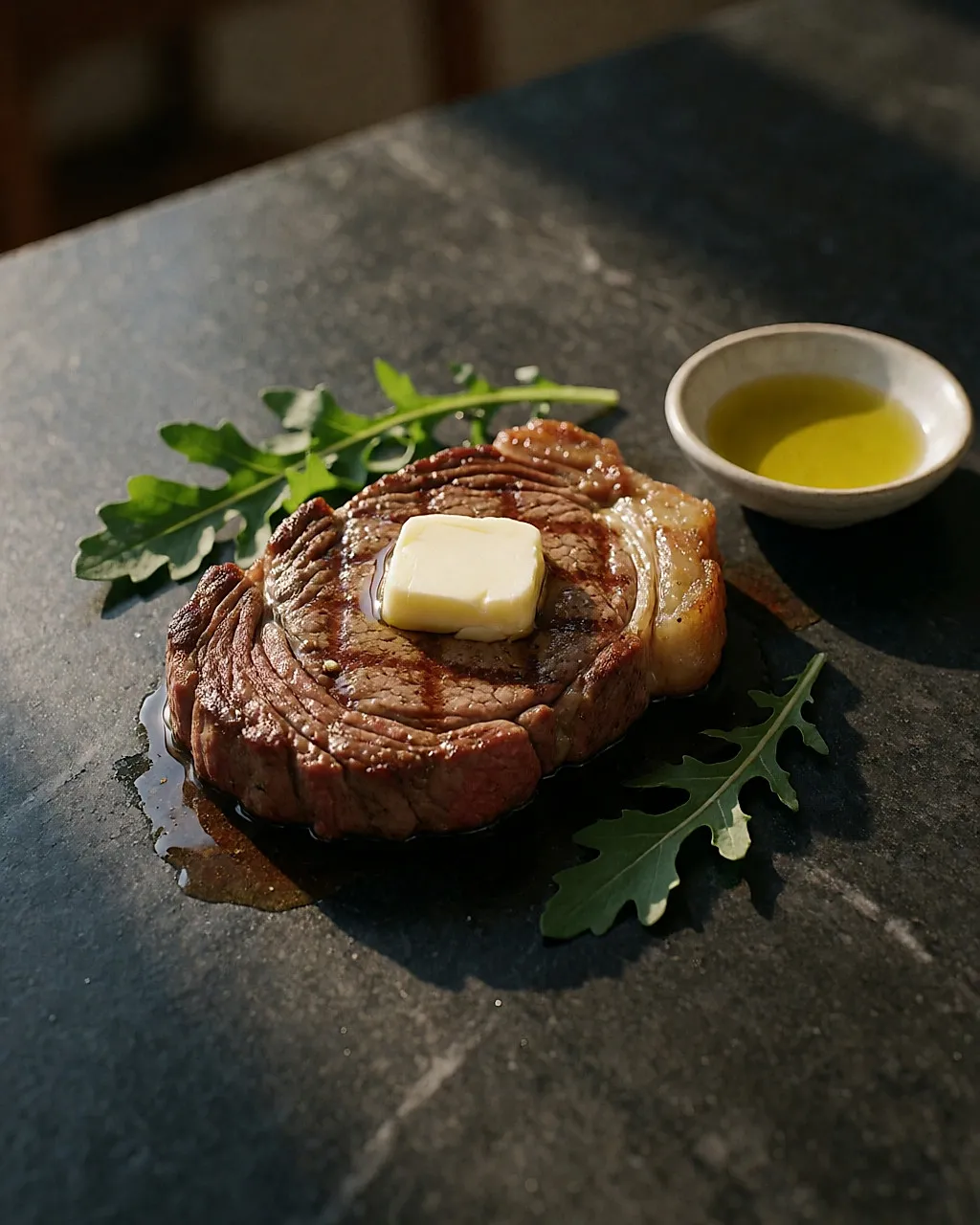
The Atkins diet: Devised by Dr Atkins in the early 1970s, this one rests on a drastic cut in carbohydrates. Foods very high in carbs — fast or slow sugars — are sharply limited or cut out altogether: starchy foods (bread, pasta, rice, potatoes), fruit, pulses (peas, lentils, beans), cakes and sweets. Some low-carb vegetables — salad leaves, broccoli, courgettes — are still allowed in limited quantities, particularly during the induction phase. Instead, the emphasis is on protein-rich foods: meat, fish, seafood, eggs, cheese, and even butter and oil.
Worth knowing, though: Atkins is now criticised as potentially dangerous, because it excludes a great many foods and therefore nutrients the body needs. It can work quickly, provided you follow every rule, but very low-carb diets can cause side effects and deficiencies; they call for medical advice, particularly if you have a health condition or are on medication. The ketogenic version, stricter still, is sometimes used for specific medical indications — and then only under medical supervision, never on your own.
Whatever the diet is called, the one that works for you will not be the strictest — it will be the one that does not leave you depleted. Steady loss of a few hundred grams a week holds far better over time than rapid weight loss, which is almost always followed by regain.
The dissociated diet: This one rests on the idea that foods in themselves do not make you gain weight, but that combining them is what piles on the calories. The solution? Give each day over to a single type of food: fruit only on Monday, meat only on Tuesday, fish on Wednesday, and so on.
The dissociated diet has a reputation for working, provided you can resist temptation: one food fills you up quickly, but it bores you just as quickly. It is usually followed for a fairly short stretch, because it is hard to keep up long term, and it is nutritionally unbalanced. One more drawback: it may bring fast weight loss, but it does not prevent equally fast regain afterwards. Science does not really back the separating principle either: what works in this set-up is mostly the monotony, because when you eat from a single food group you fill up quickly and eat less. Better to know that, and not put yourself through an unbalanced diet for nothing.

The protein diet, or very-high-protein plan: The principle is simple: meals come as sachets, soups and bars that are high in protein and low in calories.
This one should be done with a specialist's help, because the sachets do not supply the body with everything it needs; the diet can cause one or more deficiencies, which have to be covered with vitamin and mineral supplements. The length varies from programme to programme and has to be supervised; it is not something to decide alone. It produces very rapid weight loss that needs monitoring, since the body draws on its fat and carbohydrate stores, which are almost absent from the products. Bear in mind too that the protein diet is relatively expensive and makes the transition from sachets back to normal food difficult — which often ends in rapid regain. That transition is precisely the most fragile moment, and it is usually when the weight comes back. In practice, look for products with recognisable ingredients and a certified organic label, such as Soil Association or the EU organic leaf — 'natural' on its own is not a certification.

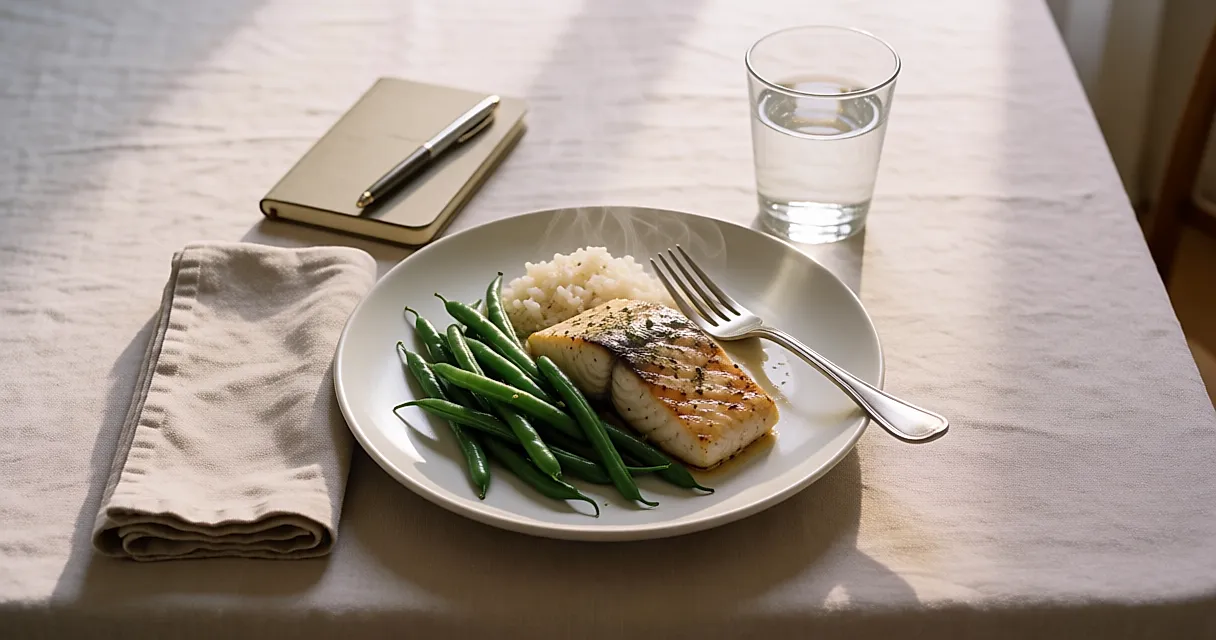
The Forking method: Devised by Ivan Gavriloff, the Forking method tackles dinner and nothing else. The principle? Eat your evening meal with a fork. The reasoning being that dinner should contain only foods you can eat with a fork — and a fork means spearing, not cutting things up or trying to hoist them to your mouth.
So at lunch you eat what you like (in moderation, all the same), and in the evening only what can be eaten without a knife, a spoon or your fingers: pasta, vegetables, potatoes, mash, for instance. That rules out bread, savoury nibbles, cold meats, pizza, meat...
Less frustrating than other diets, it does not ban foods that remain available at lunch or breakfast. In practice, the fork-at-dinner rule mostly comes down to smaller portions in the evening.

The WeightWatchers plan: WeightWatchers is probably one of the most balanced options, since the principle is simple: you eat everything, just in limited quantities.
Every food carries a certain number of points, and you have to build your meals around them without going over your personal quota. The plan is followed with the help of a group, with meetings held every week alongside other WeightWatchers members.
On the whole it has a good reputation, even though results vary from person to person: support from other members can be a real motivator, with fewer slip-ups. The programme, long known as WW and since rebranded WeightWatchers, has opened up widely to online plans — worth checking what is available near you.

In practice, remember this: none of these diets is a substitute for personalised advice. If you are unsure, if you are pregnant, if you are taking medication or you have already tried several times without success, talk to a healthcare professional — your GP or a registered dietitian — before you start.
Budget
Prices depend on the brands, the retailers and the plans you choose. As a rough guide in the UK, expect a few pounds per meal for a meal replacement, tens of pounds a month for a ready-made very-high-protein programme, and a moderate monthly outlay for a WeightWatchers-style subscription, depending on whether you go for the online option or meetings. Atkins, food combining and Forking impose no products to buy: the only cost is your weekly shop, with a caveat for Atkins, which leans heavily on meat and cheese. The sensible move is to compare and check what is actually included.
Sources
- NHS, guidance on healthy eating and safe weight loss.
- NICE, guidance on the management of overweight and obesity.
- World Health Organization (WHO), recommendations on a healthy diet.
- Agence nationale de sécurité sanitaire de l'alimentation, de l'environnement et du travail (Anses), French food-safety agency reports on nutrition and diets.
- Santé publique France, national nutrition and health programme.
- Haute Autorité de santé (HAS), French guidance on the management of overweight and obesity.
Food supplements do not replace a varied, balanced diet and a healthy lifestyle.



Comments
Your opinion matters: rate the article, react and reply to comments.
Comments are moderated; AI-assisted comments are flagged. Text emoticons (8-), :-), <3…) are automatically shown as images.