

You've stuck with it for weeks, the scales have shown what you hoped for, and now you're in what's known as maintenance. This is often where everything is decided: relax a little, and the weight can return faster than it went. The good news? A few simple habits are enough to stay on track without punishing yourself.
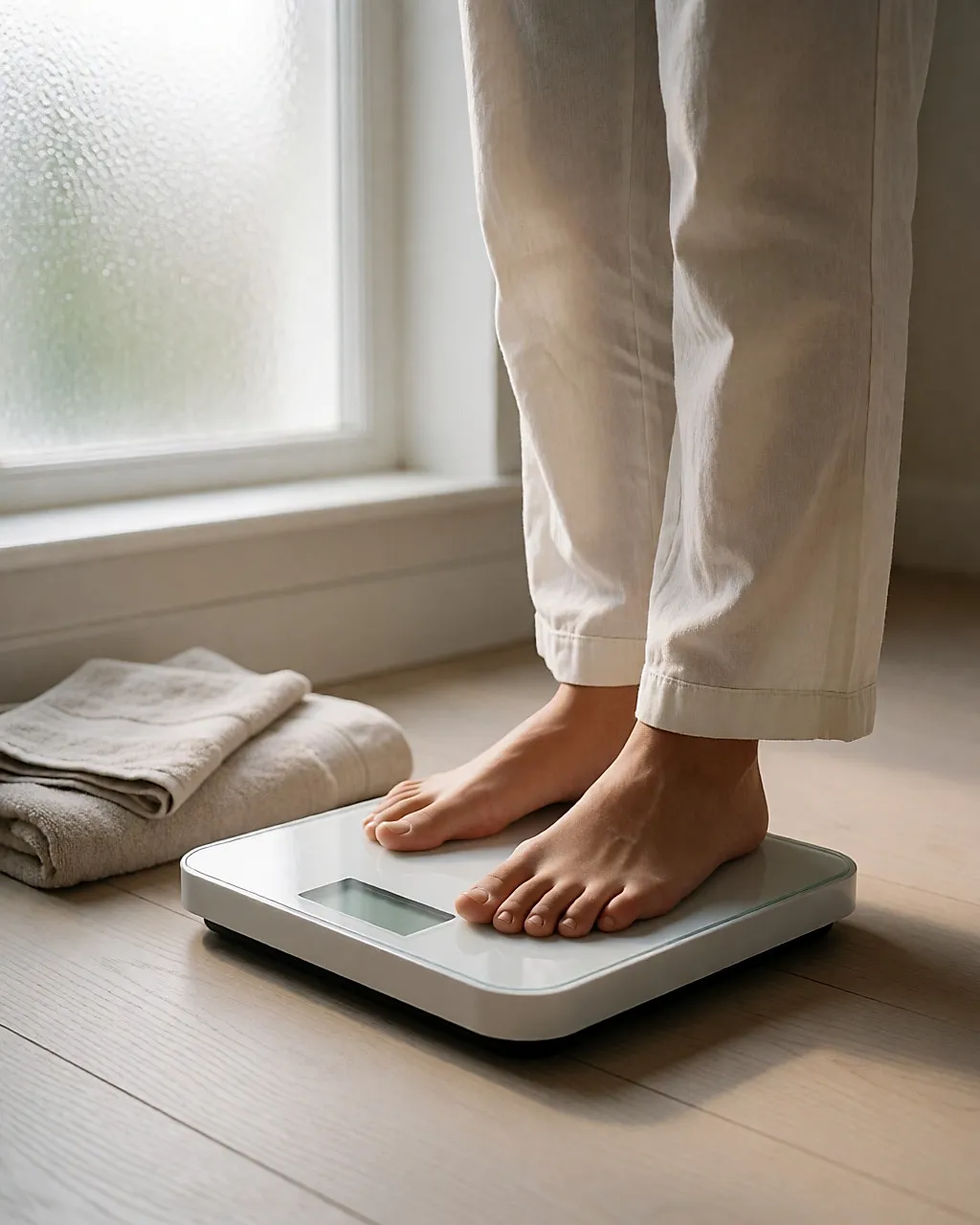
Maintenance is not a pause
Once the weight is lost, your body doesn't stay silent. Don't panic! Current data suggest that resting energy expenditure falls while appetite rises. This is neither a failure nor a lack of willpower: it's a well-described adaptation, and it helps explain why weight regain in the following year remains common. The goal is no longer to lose weight, but to find a balance you can keep up for the long term — months, not weeks. So how do you get there?
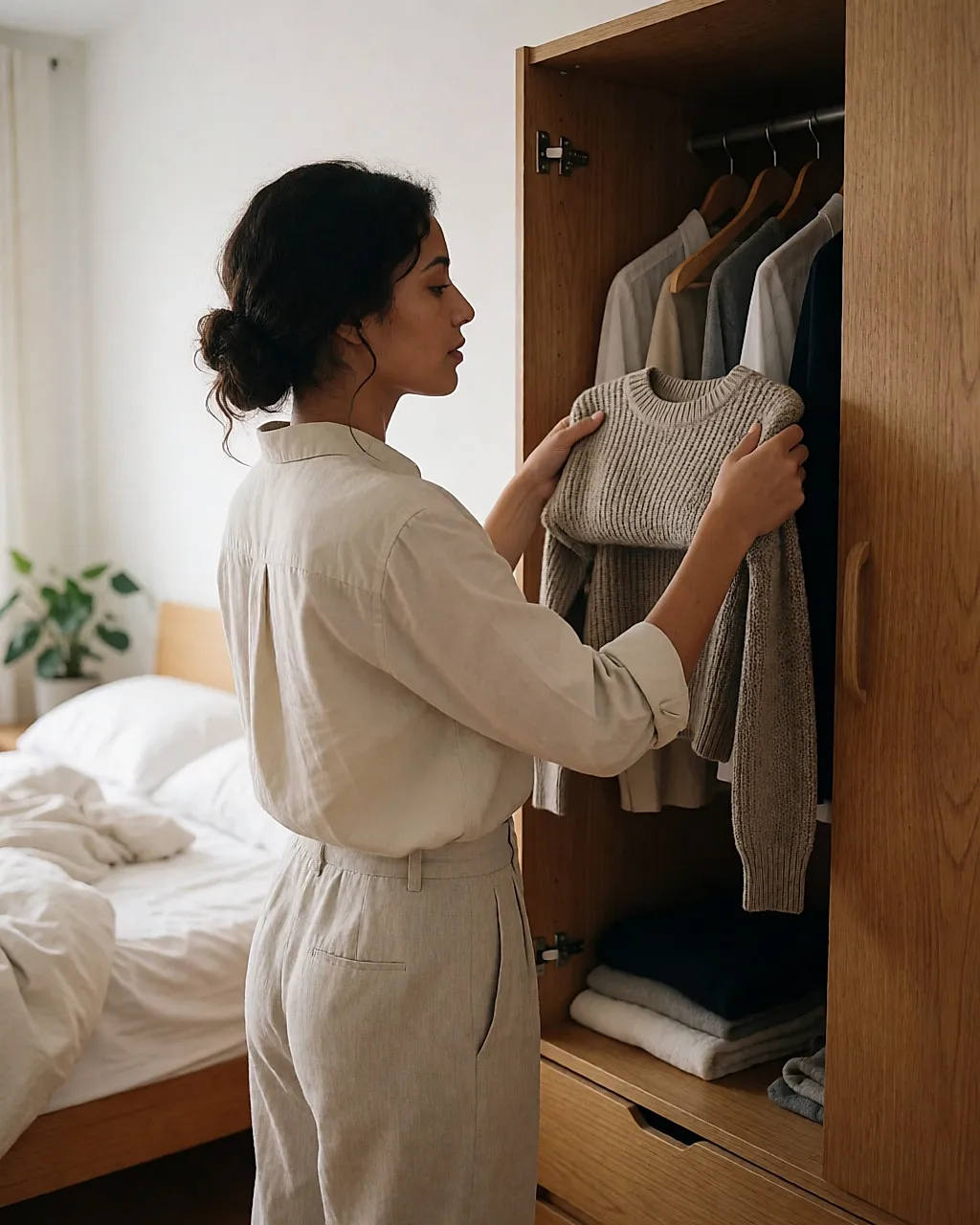
Moving, without punishing yourself
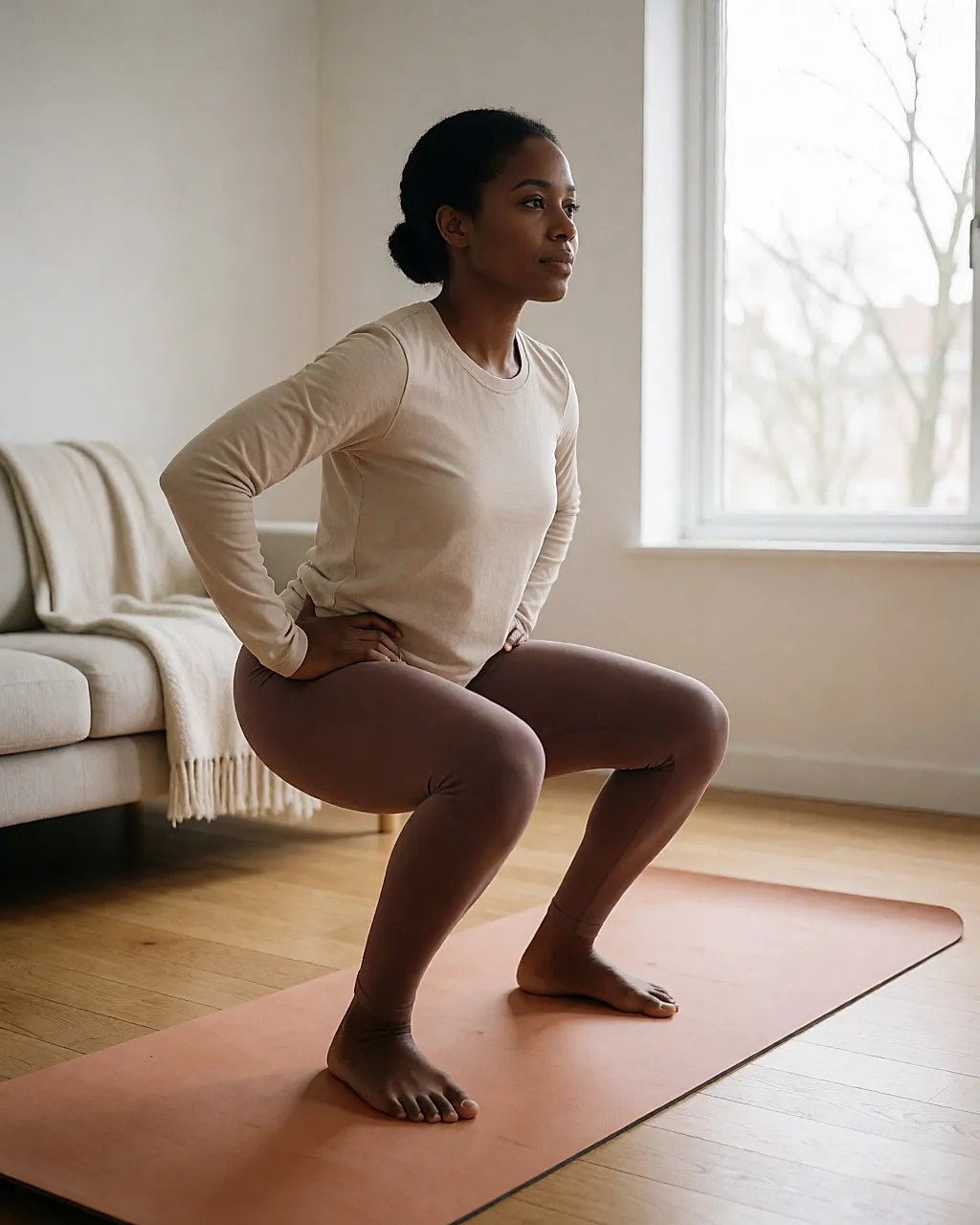
Physical activity remains one of the strongest levers for preventing this regain. The WHO recommends between 150 and 300 minutes of moderate activity a week, plus at least two muscle-strengthening sessions. You don't need a gym membership: brisk walking, cycling, swimming or dancing all count, as long as you move regularly. Strength training, in turn, protects muscle mass, your best ally for supporting your metabolism. In practice, a simple, repeated habit lasts better over time than an ambitious programme abandoned after three weeks.
At the table, in practice
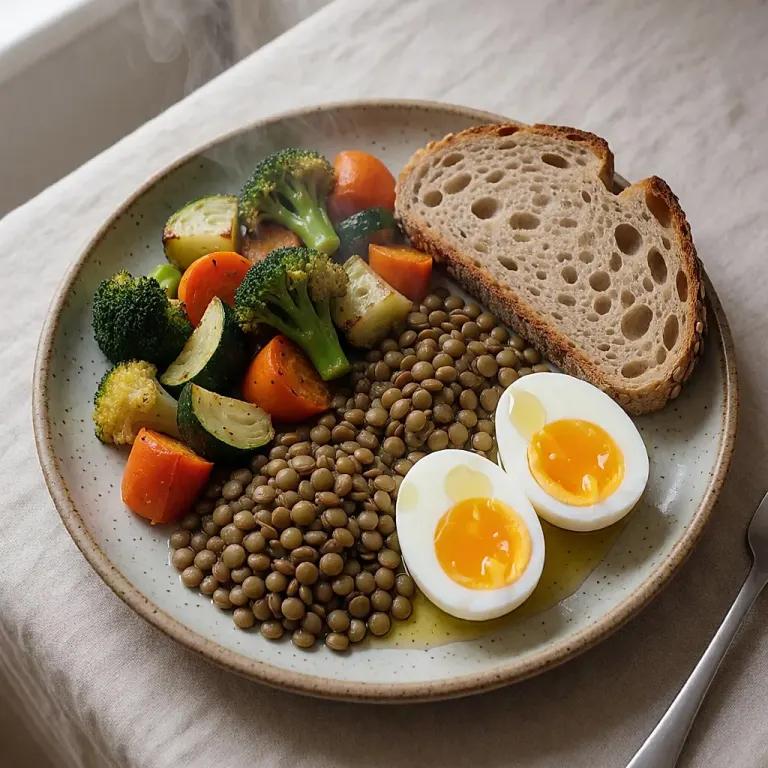
Whether you're an early bird or a night owl, keep a proper breakfast: a drink with no added sugar, a wholegrain cereal product and a piece of fruit. Lunch shouldn't be skipped either — protein, vegetables, wholegrain starchy foods, a piece of fruit, water. On the alcohol front, it's best to stay sober or limit yourself to the occasional glass.

In the evening, forget the pre-dinner drinks and savoury snacks nibbled when you're not hungry. If you're having people over, offer homemade vegetable juice instead. Your dinner is better kept light: raw vegetables, a reasonable portion of starchy foods, a source of protein, and a plain yoghurt for dessert. Remember to drink water throughout the day: when you're well hydrated, your skin and complexion will thank you.
This ritual is nothing like a punishment — it's a reassuring structure that leaves room for enjoyment.
The weekly treat
Once a week, allow yourself a food you deny yourself the rest of the time. It's not a slip-up, it's a pressure valve that makes the structure sustainable. Choose it, savour it slowly, without guilt. We love this little ritual! It often helps more than built-up frustration. We adore it!

What we know, and what we don't yet know: weight regain depends on biological factors, but also on sleep, stress and the food environment. In practice, remember this — get enough sleep, move a little every day, structure your meals, and don't isolate yourself if things slip. Talking to a healthcare professional is not an admission of failure, it's follow-up care.
Budget
If you want support, a consultation with a private dietitian often costs around £50 to £80 per session. The fee varies by region, length of appointment and practitioner, and remote appointments are possible. Some private health insurance policies cover part of a few sessions: check your policy before booking.
For equipment, budget around £10 to £20 for kitchen scales, in supermarkets and online, and a free tracking app is more than enough. A stainless steel or glass water bottle costs £15 to £30 and easily replaces disposable bottles. Finally, a decent pair of walking shoes (budget £45 to £90 depending on brand and size) will be a better investment than food supplements, whose value in this context remains limited.
Sources
- NHS — Eatwell Guide and healthy weight advice
- British Dietetic Association — food fact sheets
- NHS — physical activity guidelines
- World Health Organization — physical activity recommendations for adults
Food supplements do not replace a varied, balanced diet and a healthy lifestyle.

Comments
Your opinion matters: rate the article, react and reply to comments.
Comments are moderated; AI-assisted comments are flagged. Text emoticons (8-), :-), <3…) are automatically shown as images.