
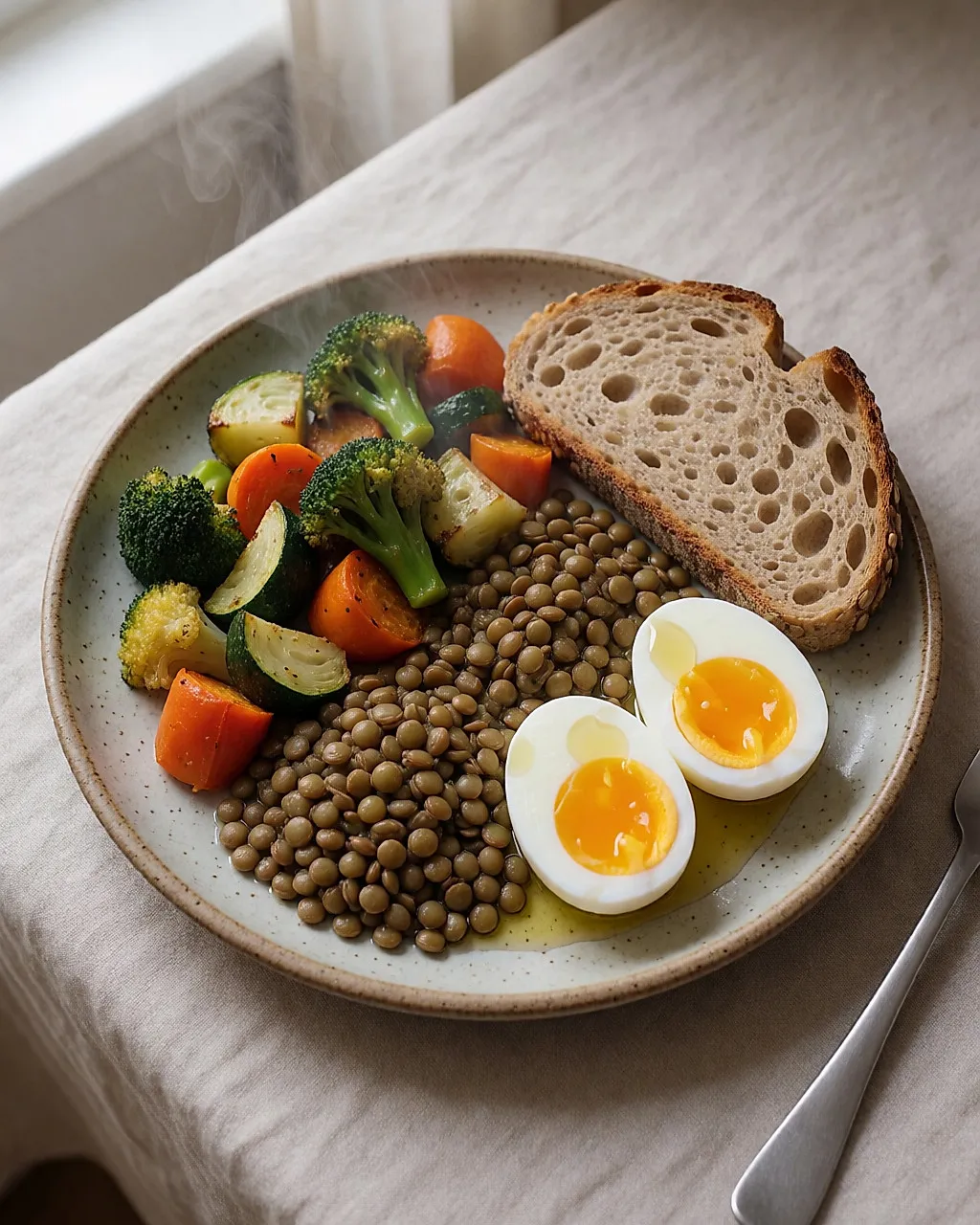
You have probably tried the tough route before: eating less, cutting out entire food groups, sticking with it for a few weeks... and then abandoning it at the first dinner with friends. Was motivation to blame? Not really. Current evidence suggests the problem lies with the approach itself.
A plate rich in fibre, protein and good-quality fats is far easier to sustain than a long list of forbidden foods. It satisfies hunger, steadies energy levels and calms late-afternoon cravings. So instead of asking what you should stop eating, let us look at what is better to put on your plate.
Bread, as long as you choose wholegrain
Bread has long had a bad reputation, but current knowledge seriously qualifies that. A white baguette digests quickly and does little to fill you up, while wholemeal, semi-wholemeal, seeded or sourdough bread provides fibre, complex carbohydrates and a real satiety effect.
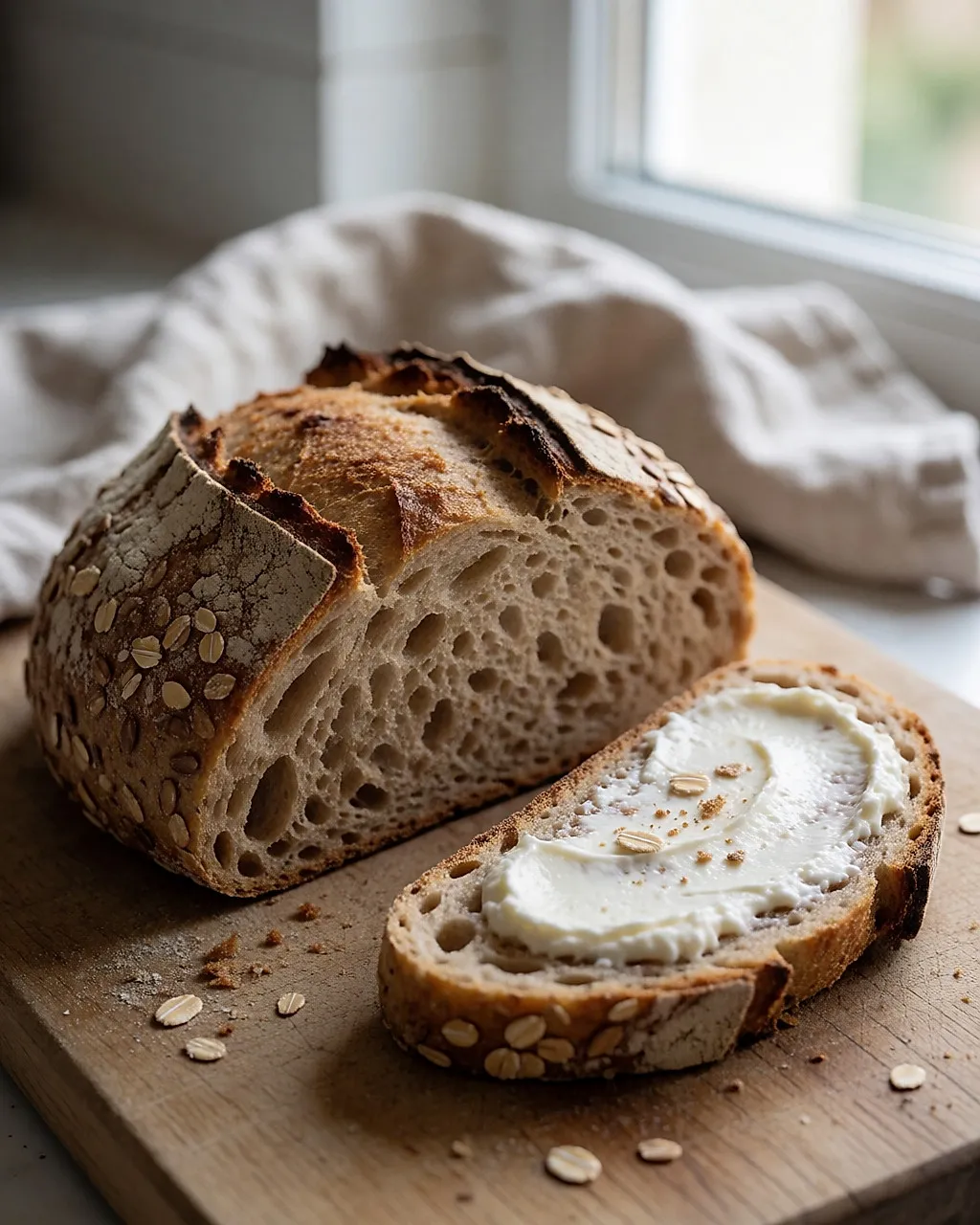
At breakfast, it helps avoid the mid-morning slump; as a snack, it keeps hunger in check. Aim for one or two slices, ideally with a protein source - fromage frais, an egg, almond butter - to slow digestion further.
Nuts and dried fruit: a handful, not the packet
Almonds, walnuts, hazelnuts: these nuts are concentrated sources of fibre, minerals (magnesium, potassium) and unsaturated fatty acids. Dried apricots and dates are rich in fibre and minerals, particularly potassium, but very low in fat: they do not provide significant unsaturated fats. Both can help bridge the gap between meals.
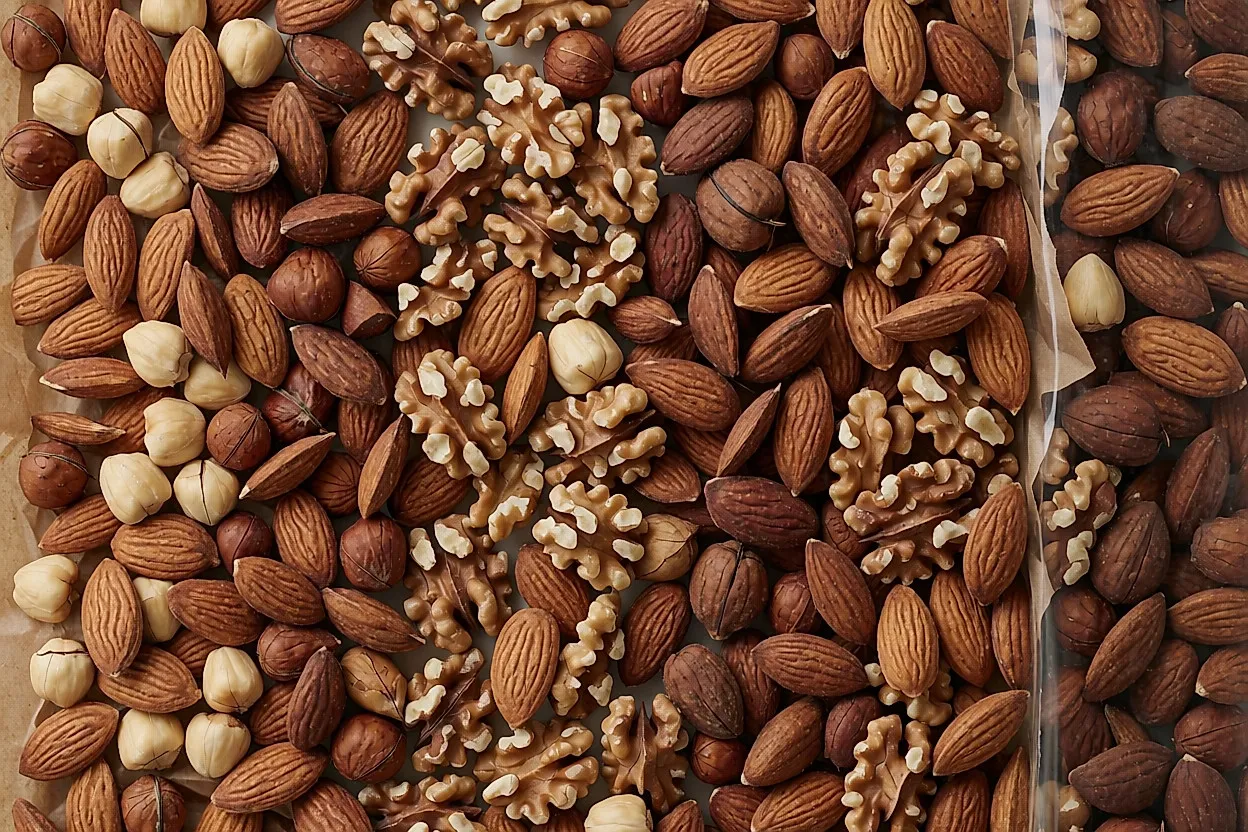
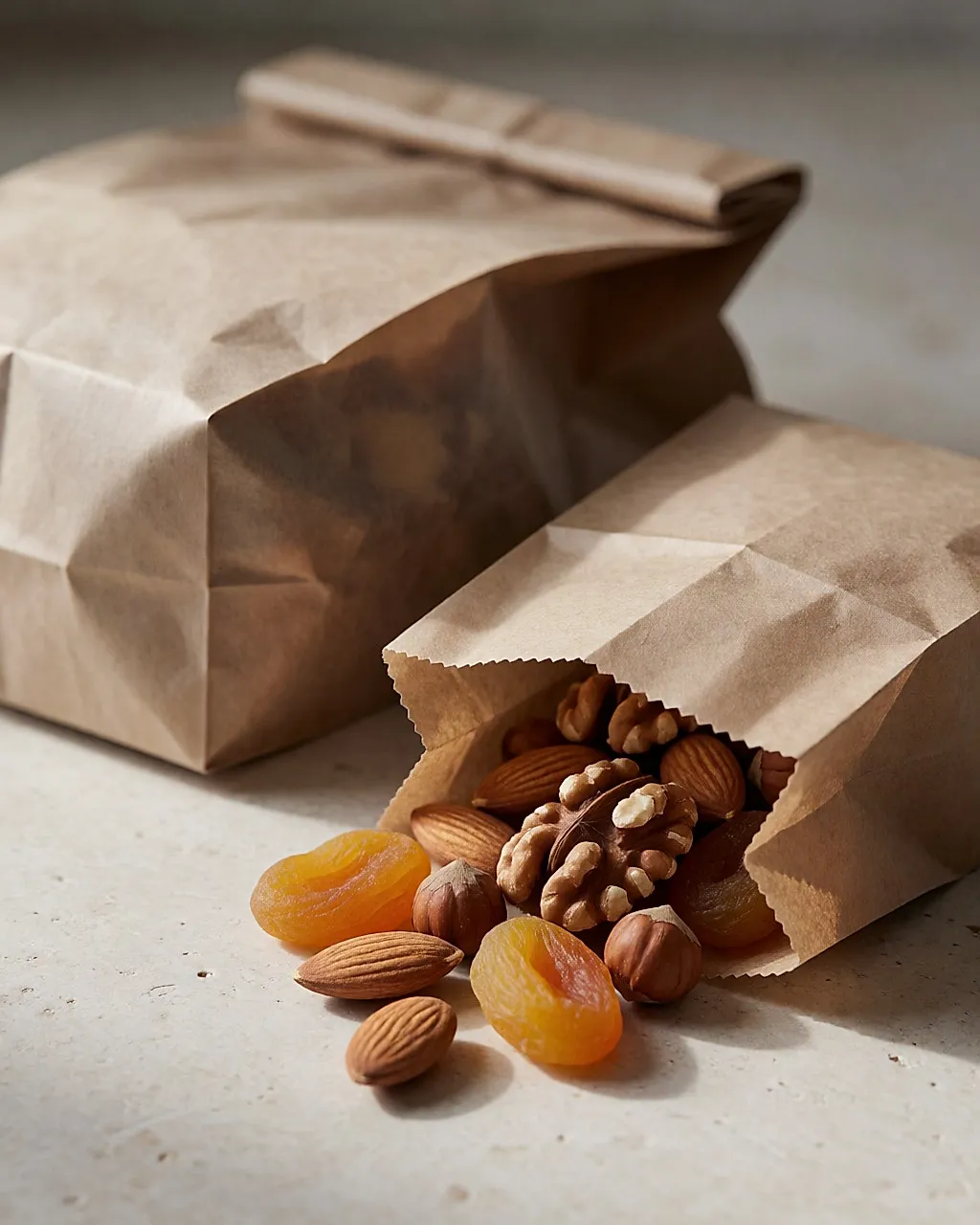
Their trap? Energy density. A 20-30g handful is plenty; beyond that, calories add up very quickly. In practice, pour them into a small bag rather than dipping into the whole packet in front of a series.
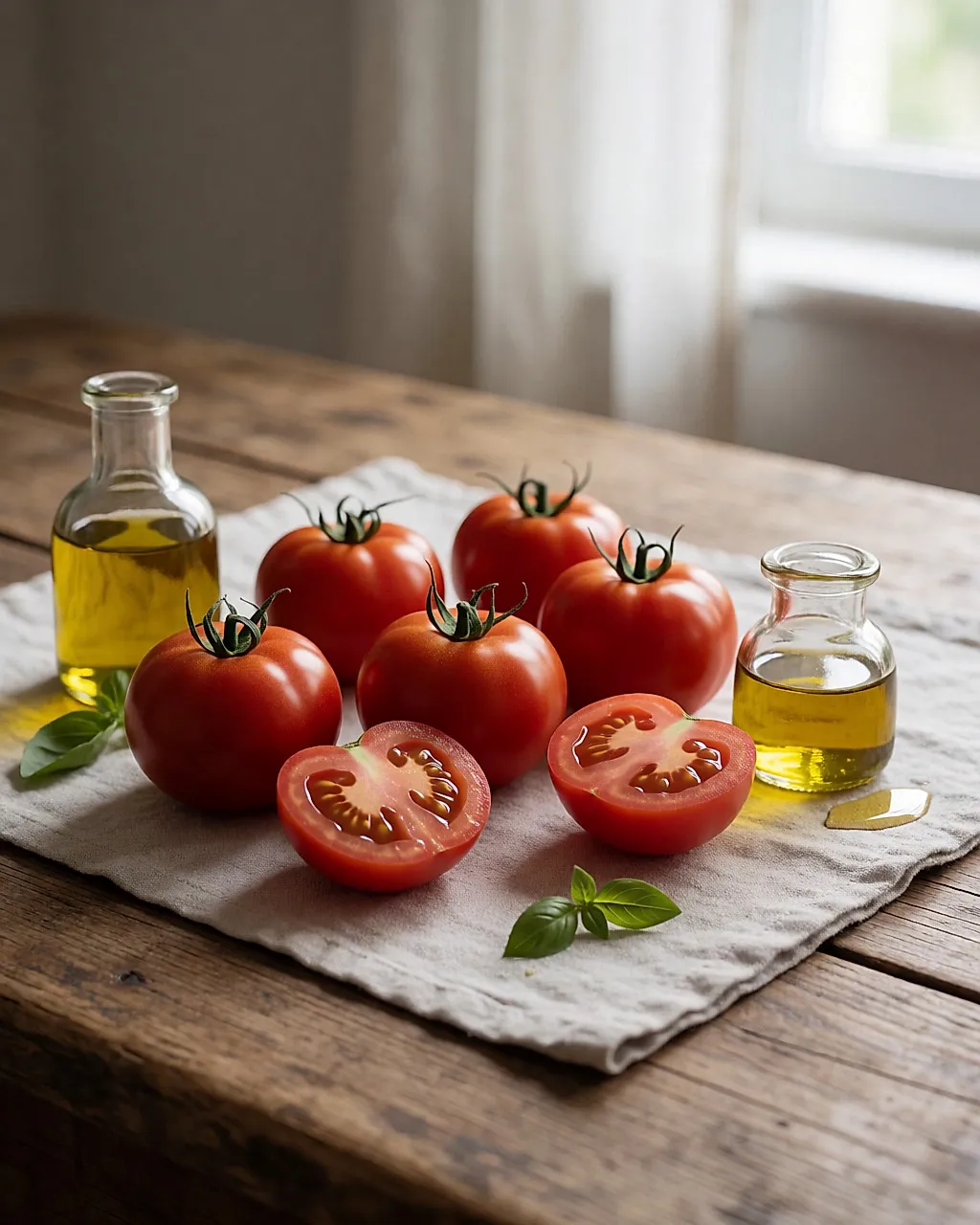
Tomatoes: low in calories and endlessly useful
Rich in water and lycopene, tomatoes work in almost anything: plain, in a salad with a drizzle of olive oil, as gazpacho or roasted. They provide very little energy for a large volume, which helps fill your plate.
The NHS recommends at least five portions of fruit and vegetables a day, in all forms: fresh, frozen or canned without added salt.
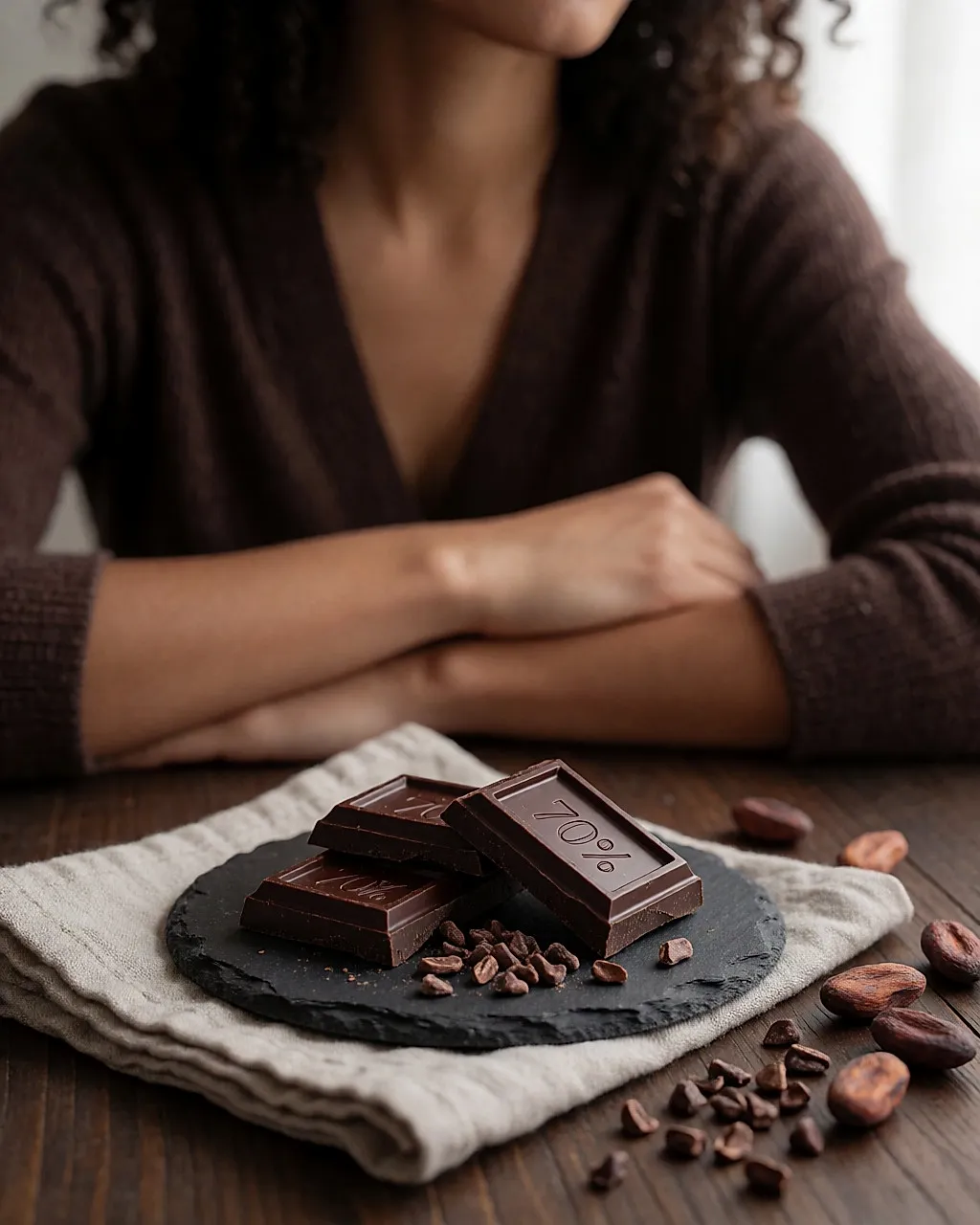
Dark chocolate: a pleasure to portion
No single food makes you lose weight, and chocolate is no exception. However, allowing yourself two or three squares of dark chocolate with at least 70% cocoa, a few times a week, helps prevent the frustration that can lead to a binge. It provides magnesium and flavonoids.
White chocolate, which is very sweet and low in cocoa, mainly delivers sugar and cocoa butter.
White meat, eggs, pulses: the protein camp
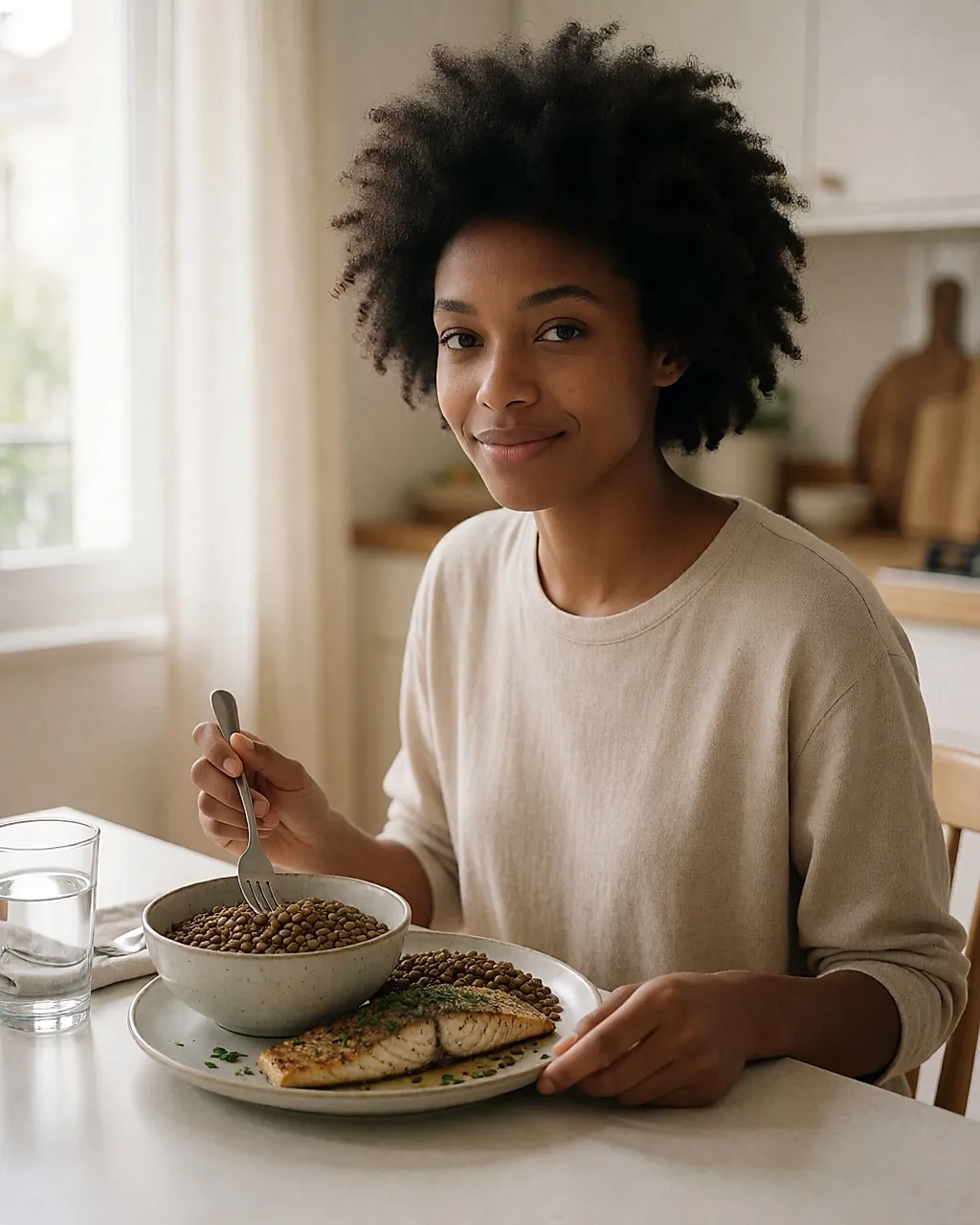
Chicken, turkey, rabbit, lean ham, but also eggs, tofu, pulses and fish: protein increases fullness and helps preserve muscle mass during weight loss.
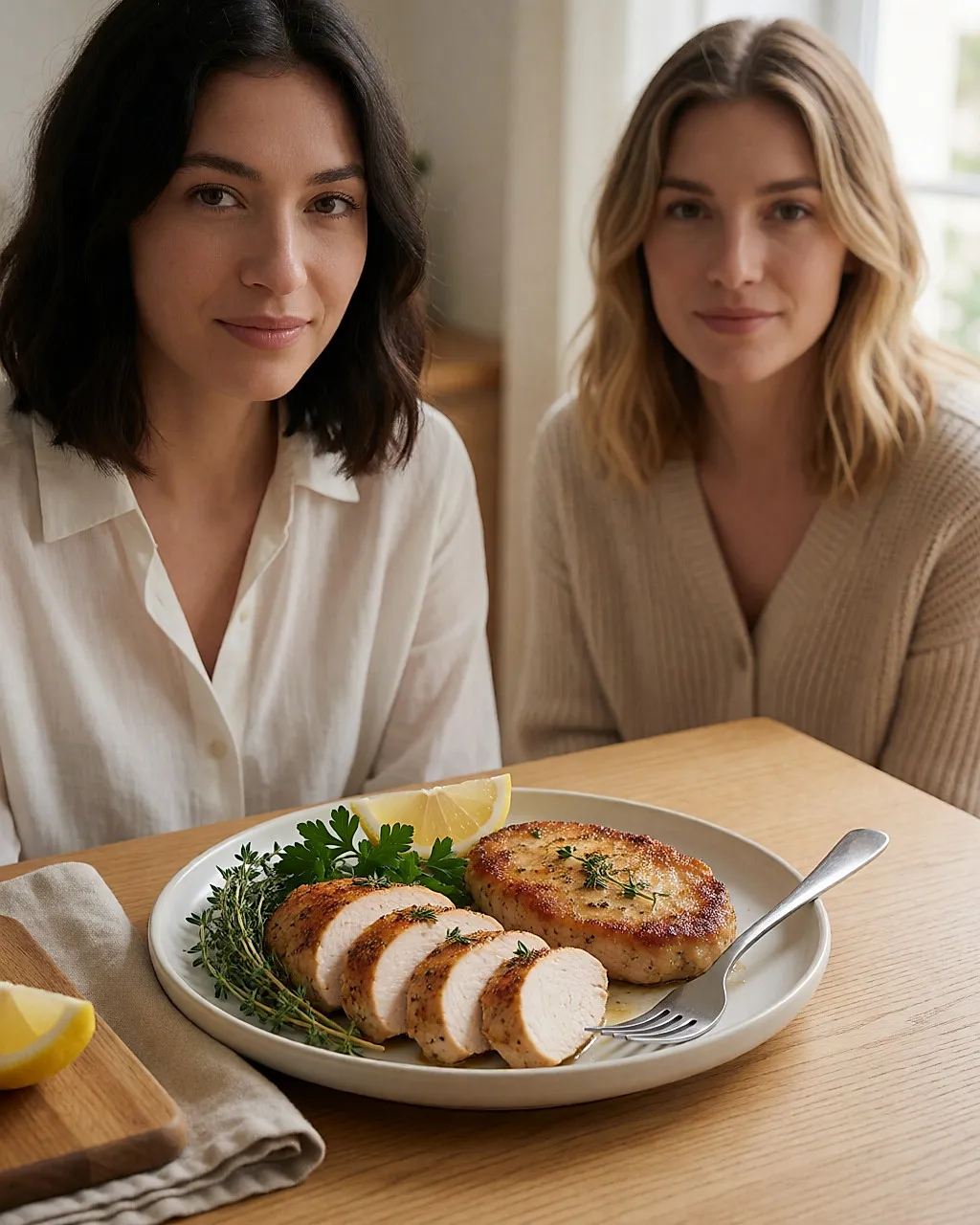
They are preferable to fatty processed meats and heavily marbled red meats, whose excessive consumption is discouraged. Lentils, chickpeas and beans have a bonus: they also provide fibre.
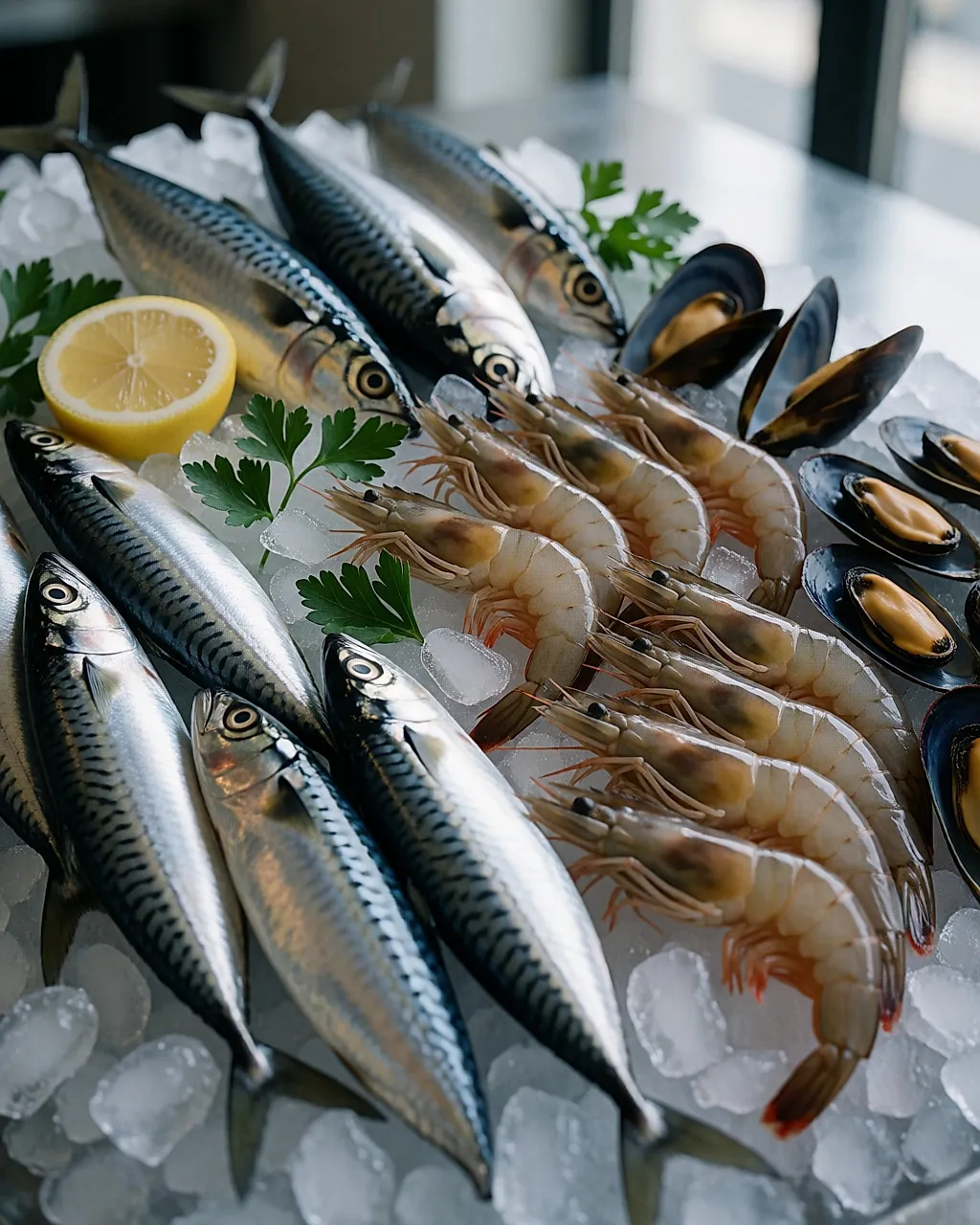
Fish, shellfish and seafood
Sardines, mackerel, cod, prawns, mussels: these are quality proteins, iodine, selenium, calcium from small fish eaten with their bones, and omega-3 from oily fish. They are low in calories as long as you cook them without frying or rich sauces.
The NHS advises eating two portions of fish a week, one of which should be oily. When choosing, the MSC label gives an indication of sustainable fishing stock management, and organic certification (such as Soil Association in the UK) certifies organic production, including aquaculture; it tells you about farming method, not the geographical origin of the fish, which should be checked separately.
Tea, water and hydration
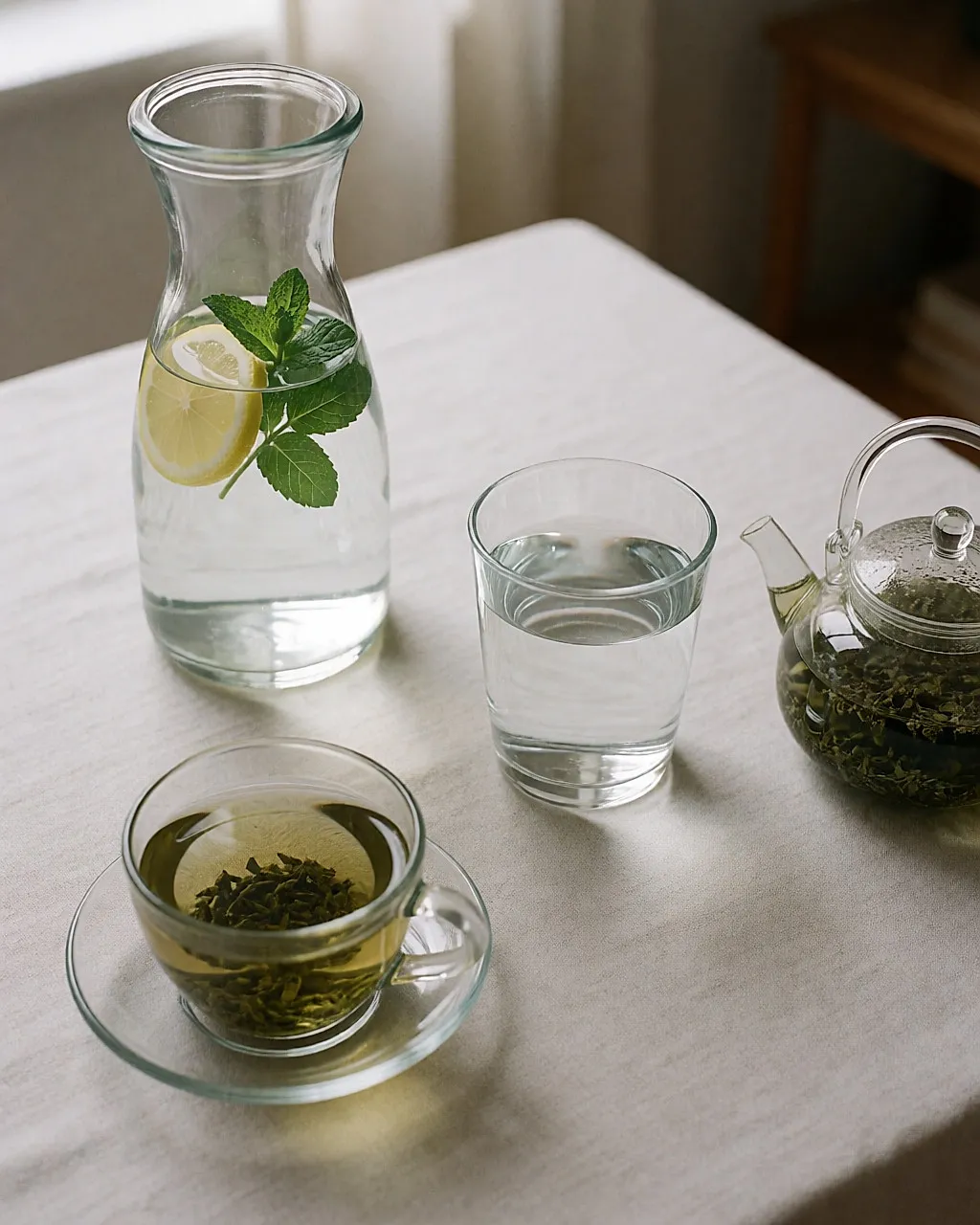
Tea, green or black, contains caffeine and polyphenols. Despite a stubborn myth, it has no notable effect on fat burning: its value lies in the water it provides and the fact that it replaces sugary soft drinks.
Drinking enough - around 1.5 litres a day, more if you are active - helps keep your bowels regular and limits confusion between thirst and hunger.
In practice, remember this: successful rebalancing is not a list of forbidden foods, but a plate richer in fibre, with enough protein, good fats and fewer ultra-processed products. No single food makes you lose weight: it is the combination, portions and consistency that count over several months.
Budget
You do not need to blow the budget to eat this way. Typical UK prices:
- wholemeal or sourdough bread: around £1.50-£4 a loaf, more for organic flour;
- nuts: £12-£30 a kilo depending on type; buying loose from health food shops or supermarket refill aisles often costs less than a branded snack packet;
- dried pulses: £2-£5 a kilo, compared with £0.80-£1.50 for a ready-cooked tin;
- eggs: £2-£3.50 for six standard eggs, up to £5 for organic;
- tinned sardines or mackerel: £1-£4 a tin depending on origin and label;
- loose green tea: £5-£20 per 100g, with the difference mainly down to origin and leaf quality.
Where to shop: markets and greengrocers cover fresh produce; the bulk aisles of health food shops and larger supermarkets handle nuts and pulses; and a fishmonger remains the best place for fresh fish.
Eating better rather than eating less
Deprivation rarely leads to lasting results. Fill your plate with vegetables, add a portion of protein and a source of wholegrain starchy foods, then leave room for pleasure: that is a sustainable basis for several months, which helps limit deficiencies and stabilise energy throughout the day. Nothing dramatic, but that is exactly why it works.
If you have any doubts, medical history or are taking medication, speak to a professional - a registered dietitian or GP - who can adapt these guidelines to your situation. An article never replaces individual advice.
Sources
- NHS - The Eatwell Guide (nhs.uk).
- NHS - 5 A Day: what counts? (nhs.uk).
- NHS - Fish and shellfish: healthy eating advice (nhs.uk).
- Marine Stewardship Council - sustainable seafood (msc.org).
- Soil Association - organic certification (soilassociation.org).



Comments
Your opinion matters: rate the article, react and reply to comments.
Comments are moderated; AI-assisted comments are flagged. Text emoticons (8-), :-), <3…) are automatically shown as images.