
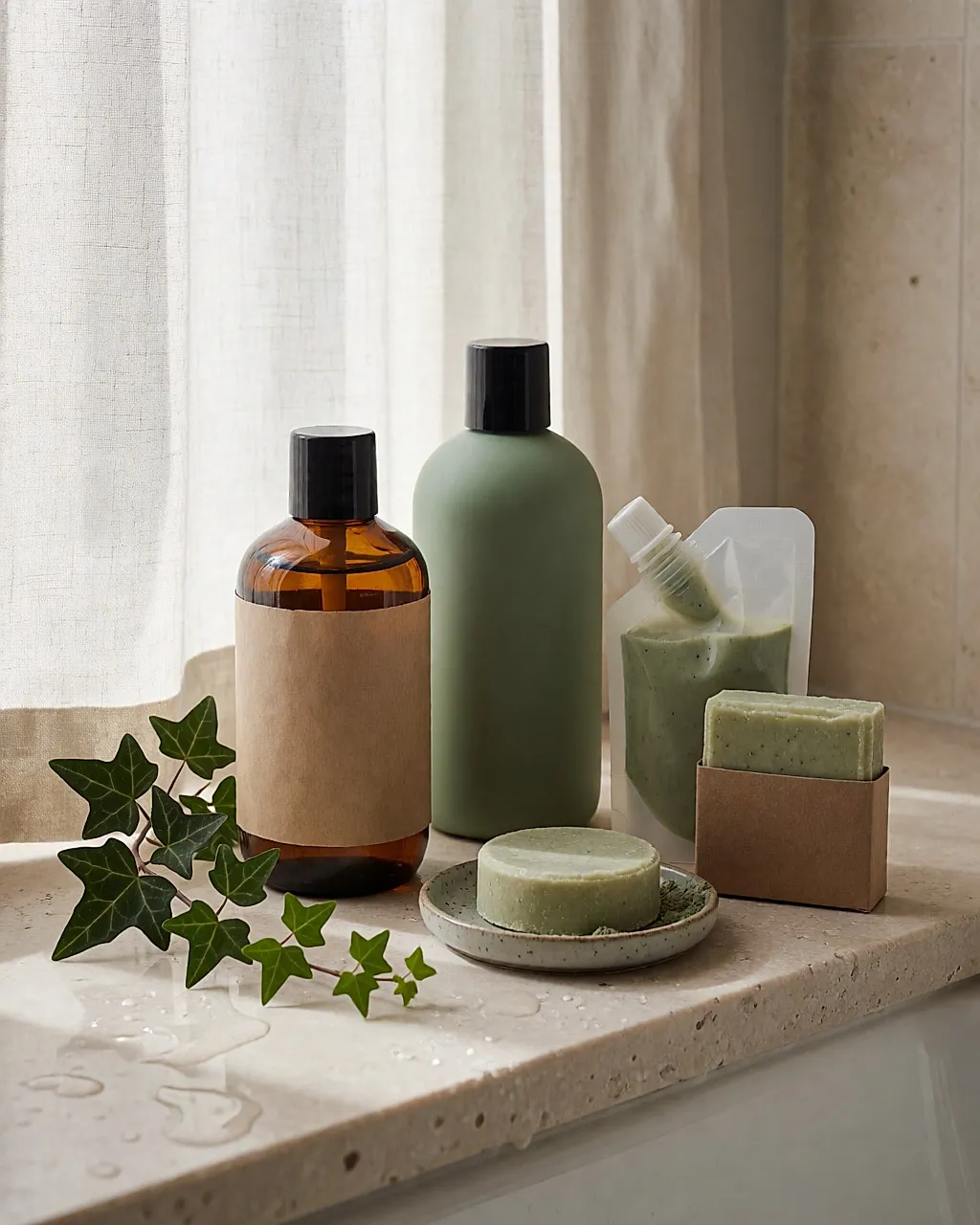
Ever picked up a certified organic shampoo from the pharmacy, feeling quietly virtuous, then spent the next wash-day wrestling a squeaky, knotty mop under the brush? It's happened to me. And I initially blamed the label. Wrong call. An organic shampoo can strip harder than a supermarket own-brand, simply because the certification governs where the ingredients come from, not how gentle the cleansing base is.
So let's take it in order: what the logo actually guarantees, what you can check on the bottle in thirty seconds, and which formulas are worth the shelf space.
What the label really guarantees
Two certification standards sit side by side on the shelf. COSMOS Organic requires a high proportion of plant ingredients from organic farming, plus a minimum organic content in the total formula, with a lower threshold for rinse-off products, which is exactly what a shampoo is. COSMOS Natural, by contrast, sets no minimum for organic ingredients at all: it certifies natural origin, full stop. First check, then: which of the two logos is on your bottle?
These standards rule out silicones, PEGs and a long list of synthetic preservatives. What they don't say is how the product will feel when you step out of the shower. A certified formula can lather poorly, smell of cut grass and leave the mid-lengths and ends rough if you skip conditioner. The label is a starting point, not a promise of shine.
How to read a label without a chemistry degree
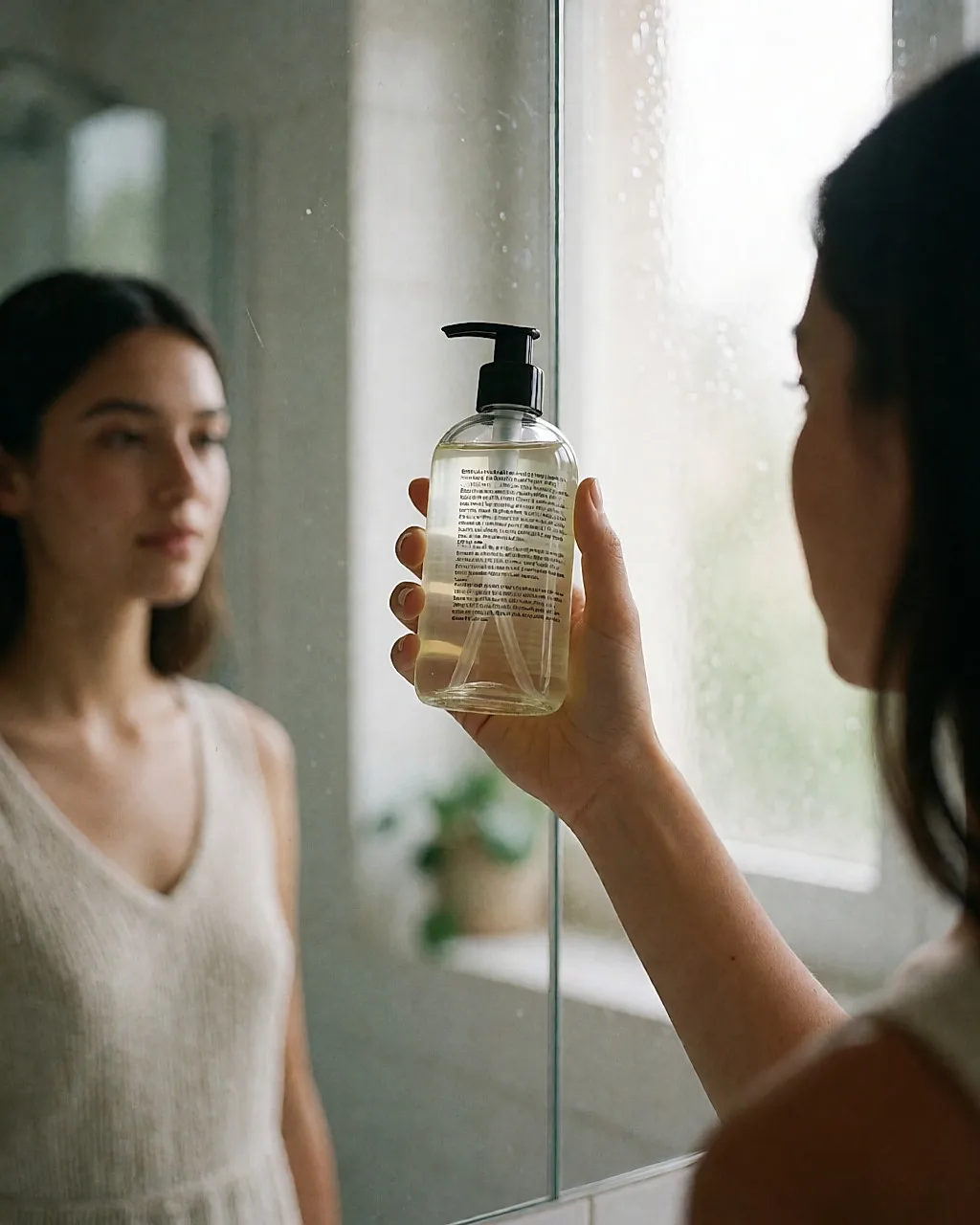
Look for the cleansing base in the first three lines of the INCI list. Glucosides and glutamates — coco-glucoside, decyl glucoside, sodium cocoyl glutamate — are considered gentler, while sulfates strip more. This isn't about organic versus non-organic; it's about which surfactant is used.
Then look at what happens to the packaging when you're done: glass bottle, recyclable plastic, paper refill, or a solid bar in a cardboard sleeve. This is often the heaviest part of the footprint, and it's also the bit people forget to check.
The move worth learning: wash the scalp, not the mid-lengths and ends. Work it between your palms, massage the scalp for two minutes, then rinse thoroughly. The lather that runs down is enough for the ends. The result: fewer tangles, less product used, and a bottle that lasts far longer.
Familiar names from the organic shelf
Cattier remains a reliable French name, with several formulas for different hair types and simple textures that rinse out without too much work. The price per millilitre stays reasonable for a certified product, and the standard bottle recycles easily.
Melvita is more of a ritual option: distinctive natural fragrances, a plant-based cleansing base, and large-format hair-and-body washes that cut down the number of bottles on the shelf. Handy when you share your morning shower with two impatient kids.
Natessance, part of the Léa Nature group, has a formula for every hair concern — frequent washing, dry hair, hair that gets greasy fast. Nothing spectacular, but consistent: it cleans, it rinses out, and it doesn't sting your eyes.
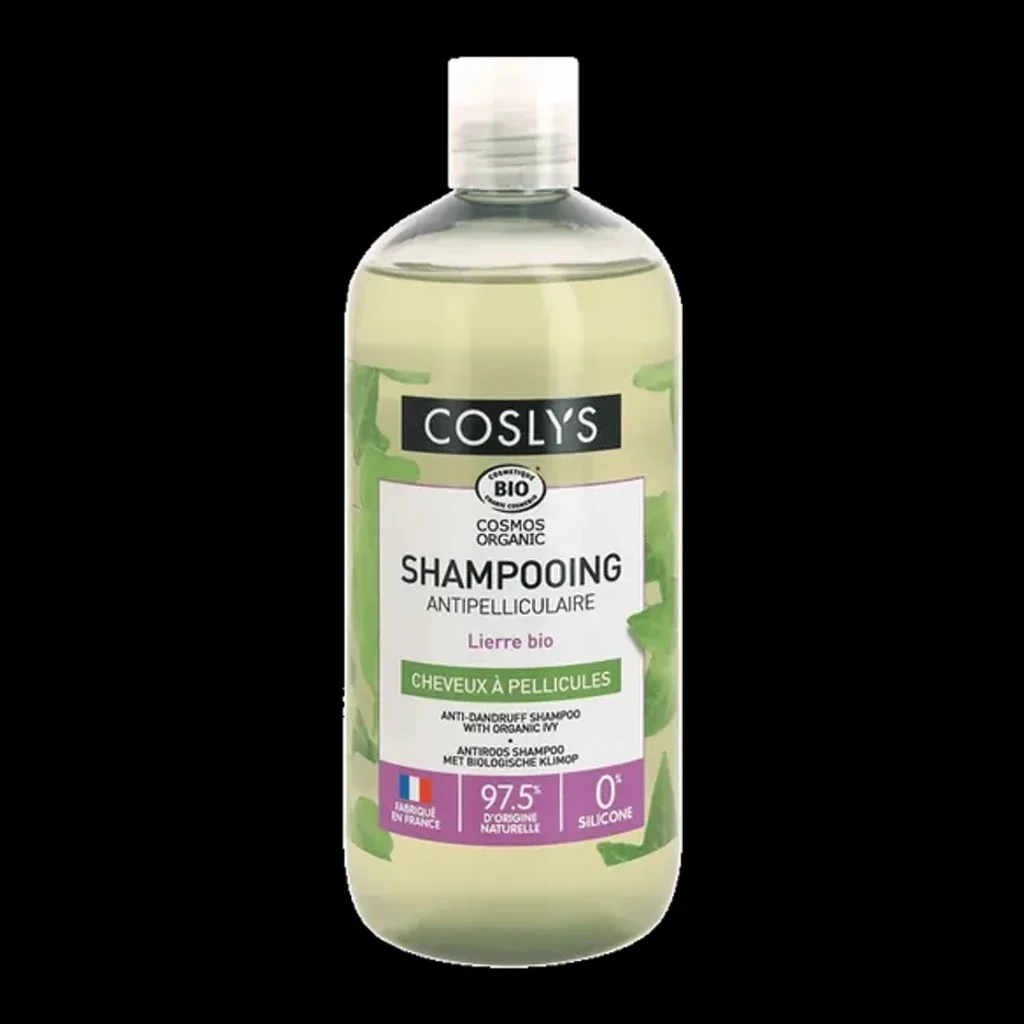
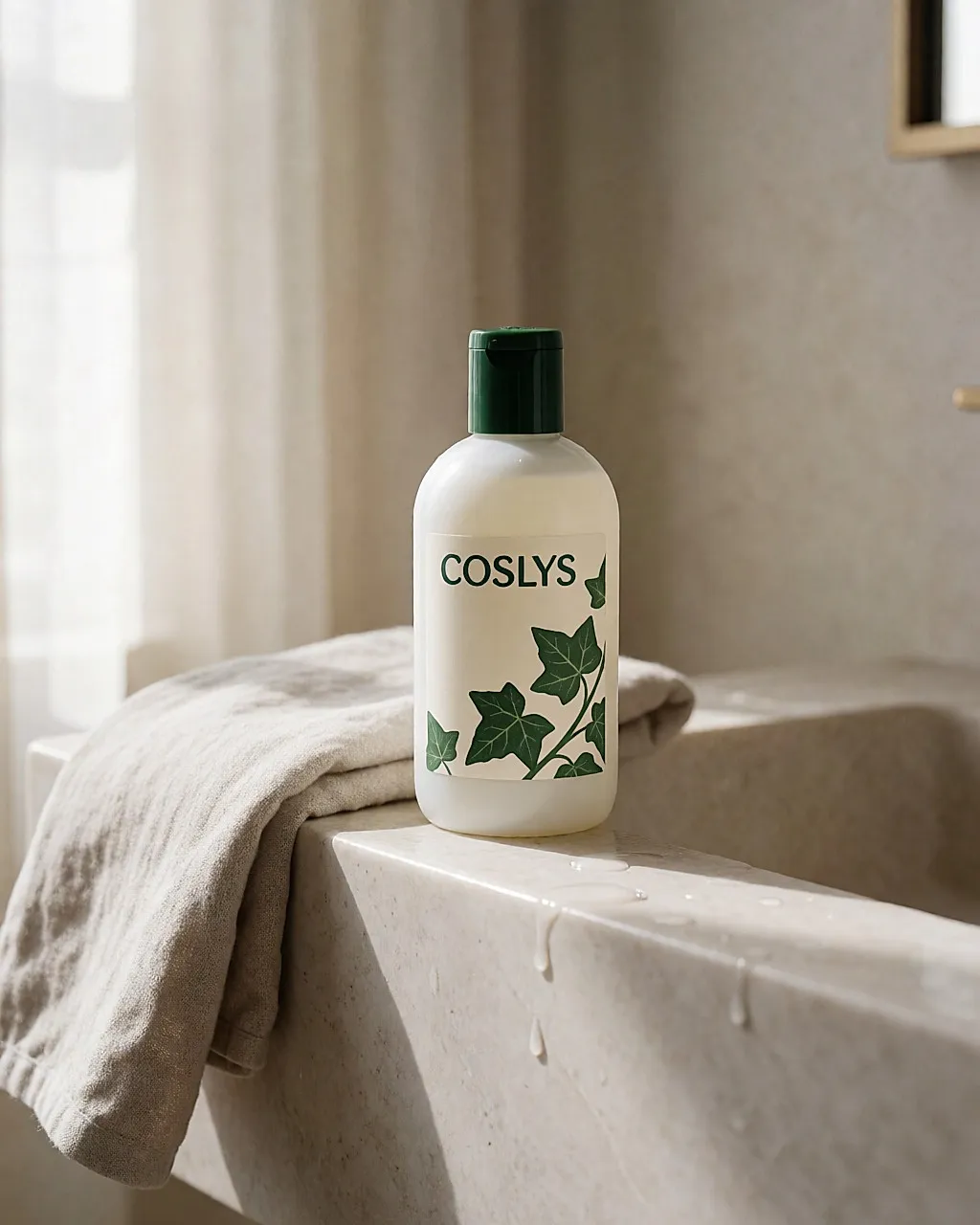
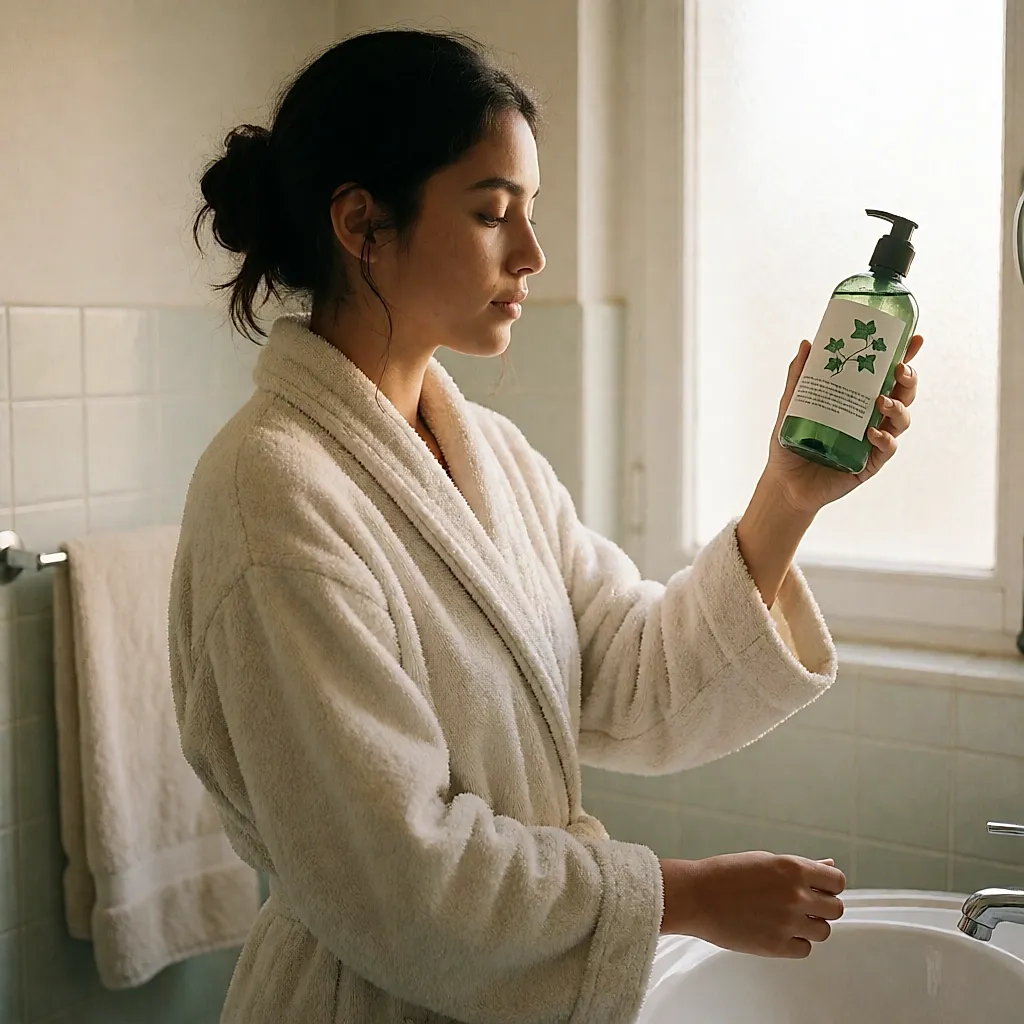
Coslys, finally, offers an anti-dandruff version with ivy extract, designed to soothe an irritated scalp. The texture lathers very little, which is disorienting at first, but the scalp often feels calmer after rinsing.
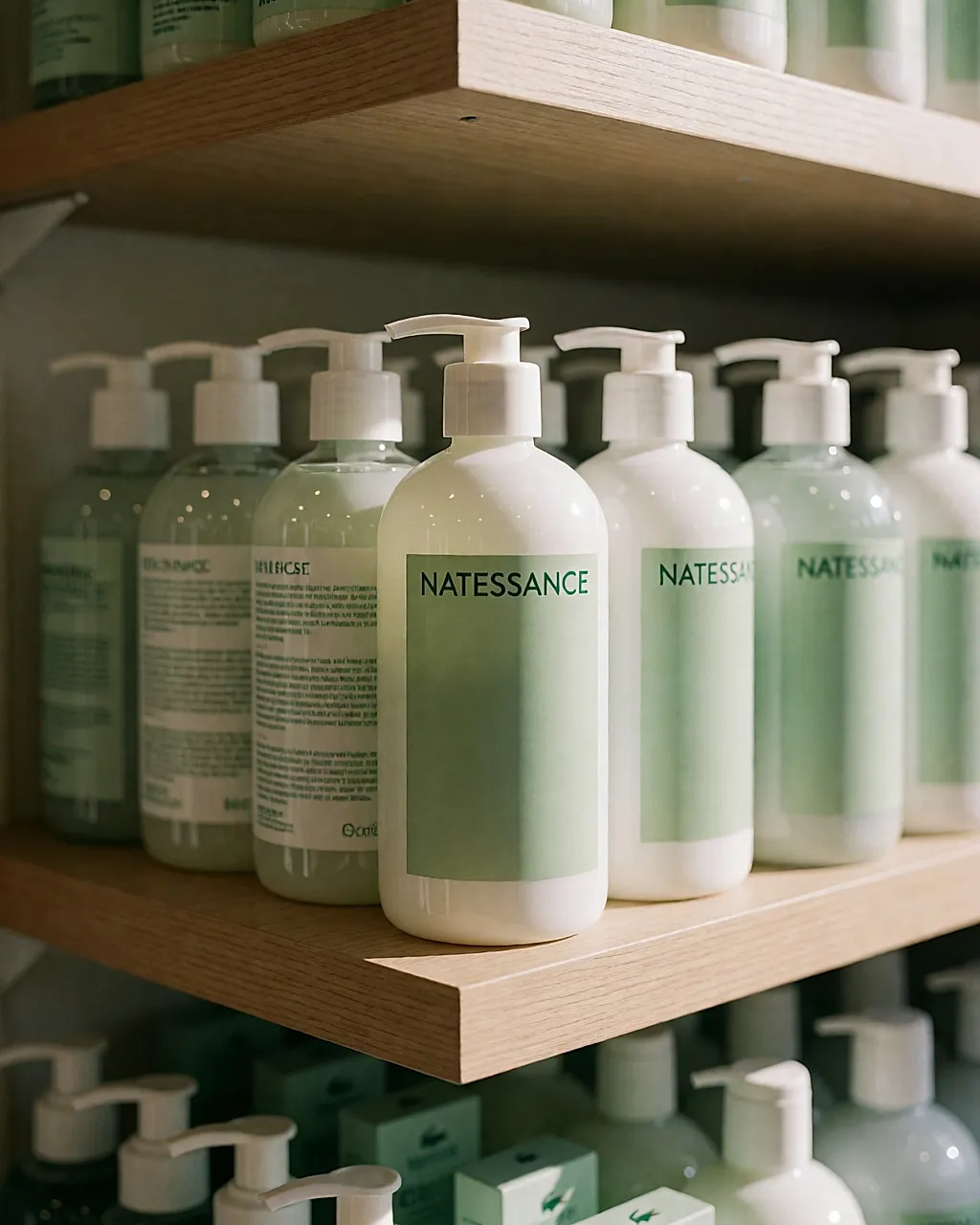
Availability varies in the UK: Cattier and Melvita are the easiest to find online, while Natessance and Coslys tend to come through specialist organic retailers. Full disclosure: of these four brands, two products have been through my shower in recent months; the rest I'm citing based on their ingredient list and word of mouth. Take that as you will.
Solid bars and refills: the real plastic saving
Solid shampoo has one massive argument: without water, it needs no bottle and travels in cardboard. An 80 to 100 g bar can last two months depending on usage. Two honest caveats: some bars strip just as hard as a conventional shampoo, and the transition can take two or three weeks, especially in a hard-water area.
Another route: refills and bulk-buying at a health food shop. Careful though — bulk doesn't mean organic. Check the logo, not the vibe of the shop.
Dandruff: gentleness first, then your GP if it persists
A scalp that itches, gets greasy quickly and flakes doesn't tolerate aggressive formulas well. Ivy extract, clay and certain essential oils such as cade are traditionally used to soothe and cleanse without stripping. If the patches spread, itch or bleed, this is no longer a shampoo problem — see your GP, who can refer you to a dermatologist.
What to expect to pay
- Liquid organic shampoo, 250 ml: expect around £7 to £13 depending on the brand.
- Large format 500 ml or 1 L hair-and-body wash: more like £10 to £20.
- Solid shampoo bar, 80 to 100 g: £5 to £10.
- Bulk from a health food shop: highly variable, usually priced by weight.
What moves the price: the level of certification, the size of the format, and where you buy. In the UK, health and beauty retailers and specialist organic shops tend to be pricier than a supermarket or buying directly from the brand's own site.
Sources
- COSMOS Standard, the international reference standard for organic and natural cosmetics — cosmos-standard.org
- Soil Association, the UK's leading organic certifier (certifies to COSMOS) — soilassociation.org
- Cosmébio, the French organic cosmetics charter — cosmebio.org
- Ecocert Greenlife, certification body — ecocert.com
- UK Cosmetics Regulation (retained EU Regulation 1223/2009) — gov.uk
- Office for Product Safety and Standards (OPSS), cosmetic claims regulation — gov.uk/opss
- WRAP, recycling and packaging guidance — wrap.org.uk

Comments
Your opinion matters: rate the article, react and reply to comments.
Comments are moderated; AI-assisted comments are flagged. Text emoticons (8-), :-), <3…) are automatically shown as images.