

You come back from two hours on the beach and the bathroom verdict is in: mid-lengths and ends crunch under your fingers, highlights have turned straw-yellow, the hoped-for tan is now a red nose, and your shoulders feel tight.

It's a familiar story. The good news is that three small steps can change the picture, for five minutes a day. The logic is simple: prep before, repair after, and never expect make-up to do a sunscreen's job.

Hair care: oil before, wash after
The principle comes down to one line: oil before exposure, shampoo in the evening.

Applied through the mid-lengths and ends, the oil wraps the hair in a film that helps limit dehydration and gives some protection from salt and chlorine. The sun, though, mainly attacks colour: that's where highlights fade fastest, and no oil will put that right.
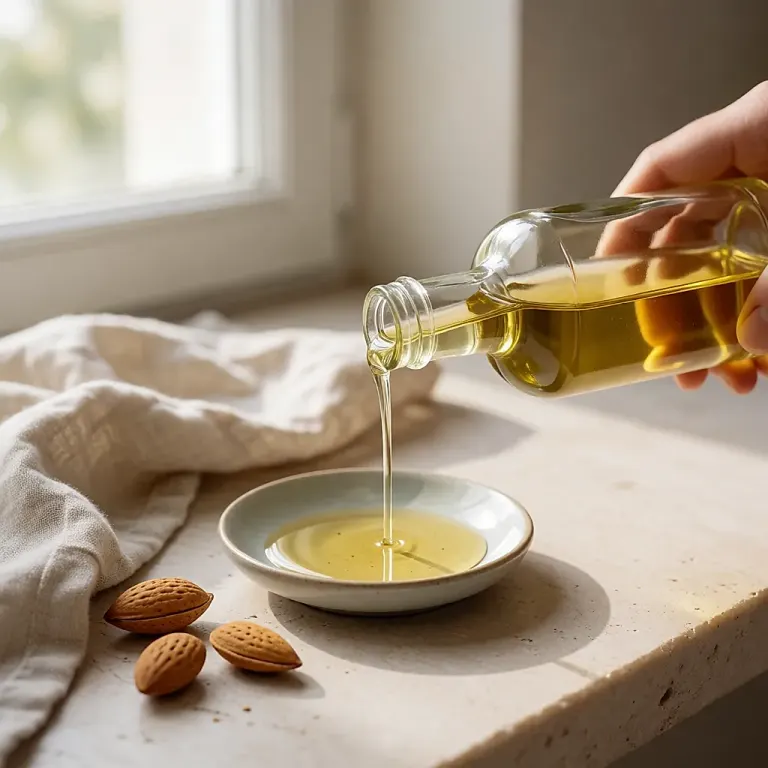
As for the formula, there's no need to hunt down a niche favourite. A plain plant oil — coconut, sunflower, or a Monoï de Tahiti with protected designation of origin — will do a very good job. If you want to limit controversial ingredients, look for Cosmos Organic certification: it requires a minimum percentage of organic ingredients and a restricted ingredient list. What it guarantees is a formulation framework checked by an independent body, not absolute efficacy — that part is down to your hair.
How to use it: two small amounts through the mid-lengths and ends, avoiding the roots or hair will feel heavy, then leave it on while you pack your bag. One point people forget too often: oil nourishes, it doesn't filter UV. For the scalp, it's a hat or a bandana, full stop.
A note on the cult palm hair oil that smells of summer: palm oil is now the environmental sore point. Organic coconut oil can do the same job, with a supply chain that's simpler to trace.
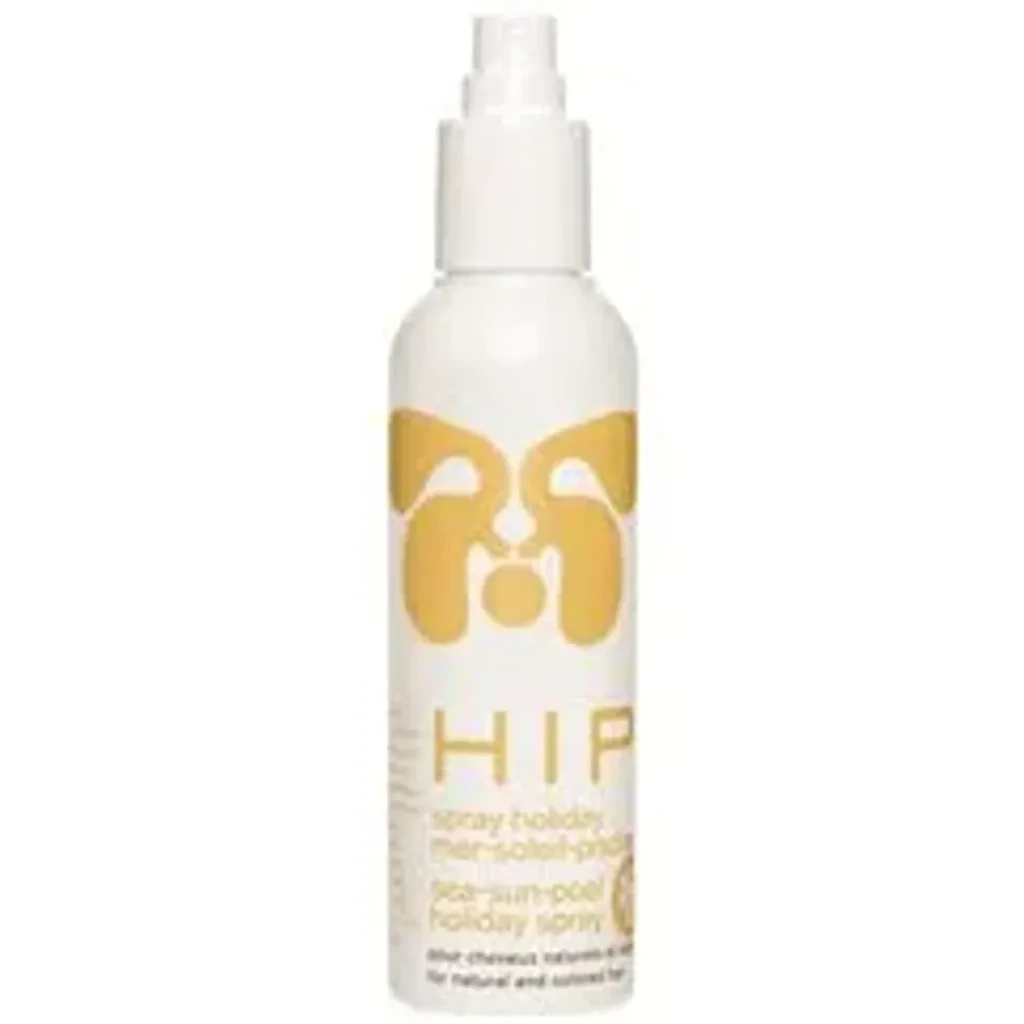
The spray for rushed mornings
If you prefer a few spritzes, a leave-in spray goes on towel-dried hair and gives an effortless wavy finish. Handy when you're going straight from beach to drinks, and much faster than a mask.
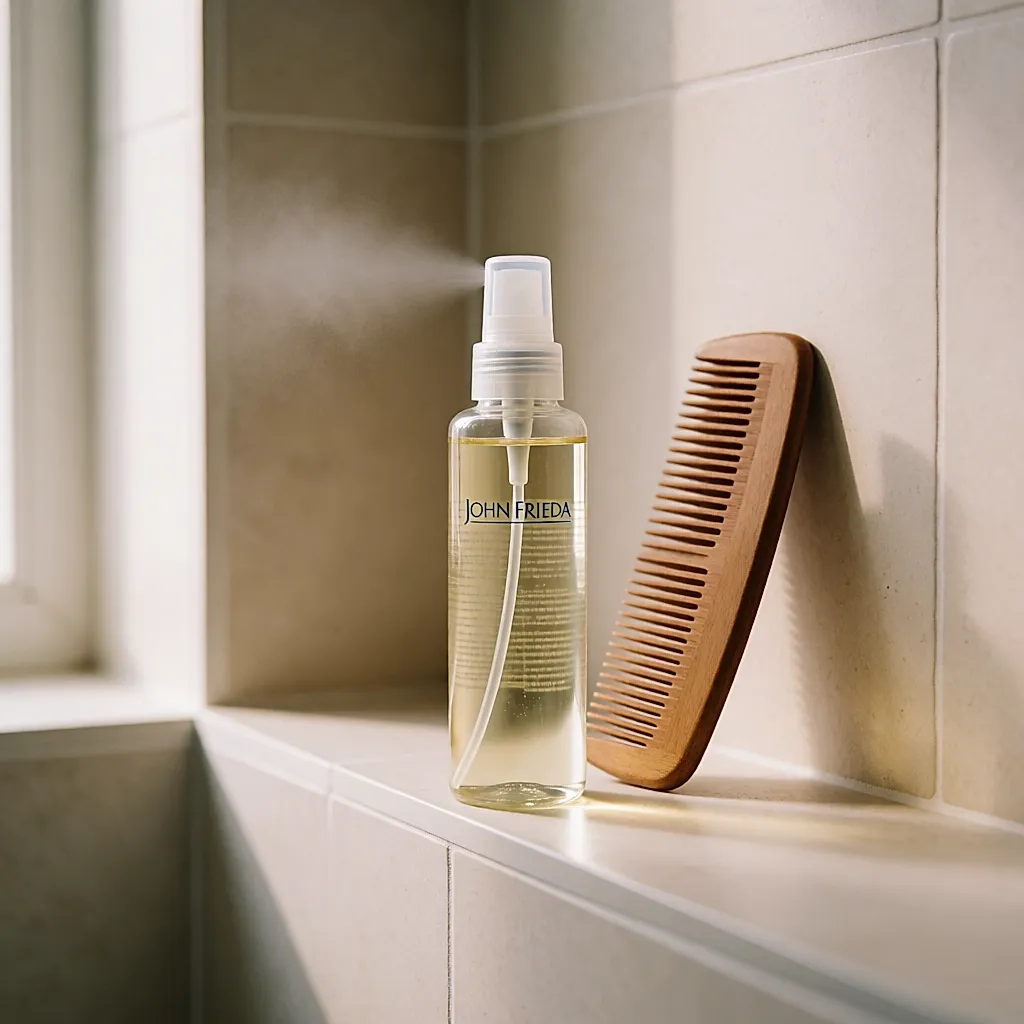
On the flip side, be wary of 'sun-kissed' lightening sprays. You'll find them on the high street, such as John Frieda's Go Blonder. Results are slow, often uneven on highlights, and heavy use can dry hair out. I'll say it plainly: I haven't tested them over a full season. Keep them for natural, undyed hair.
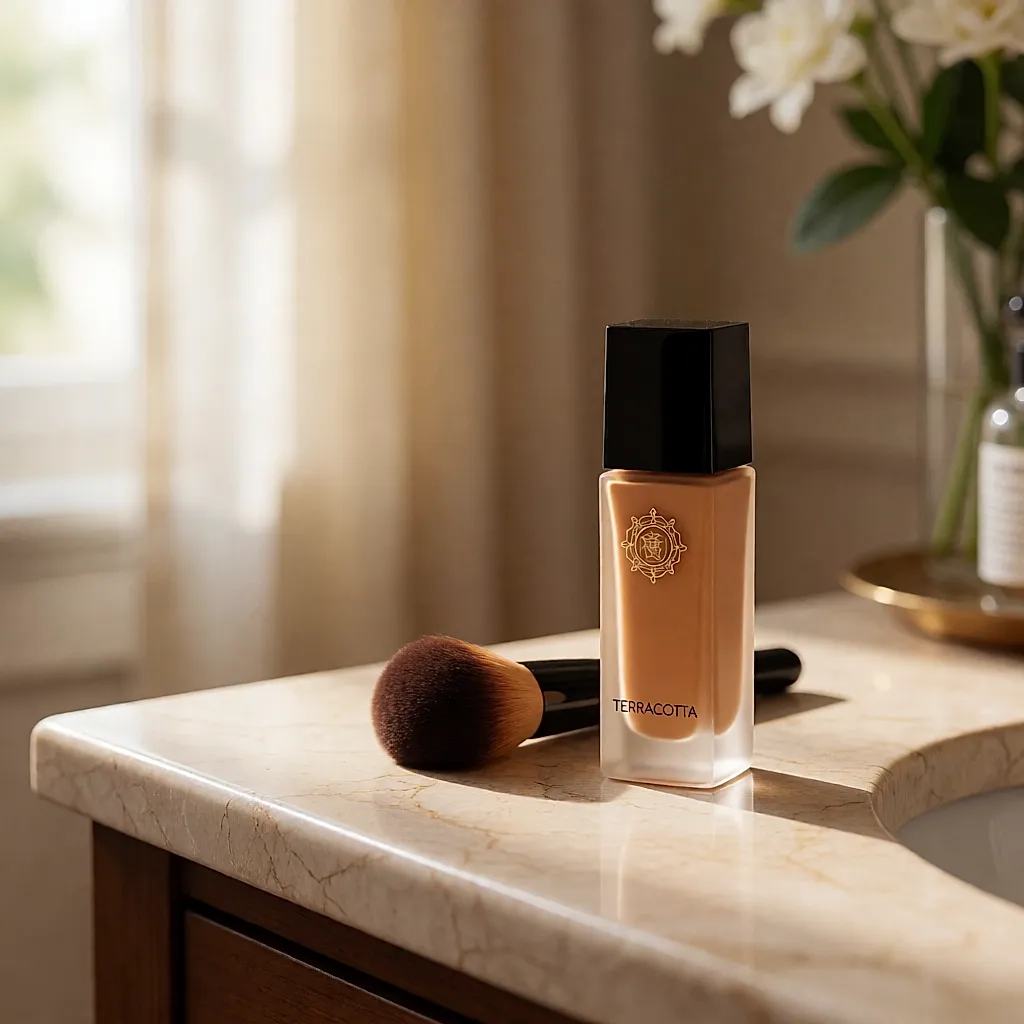
Make-up: the sunlit complexion
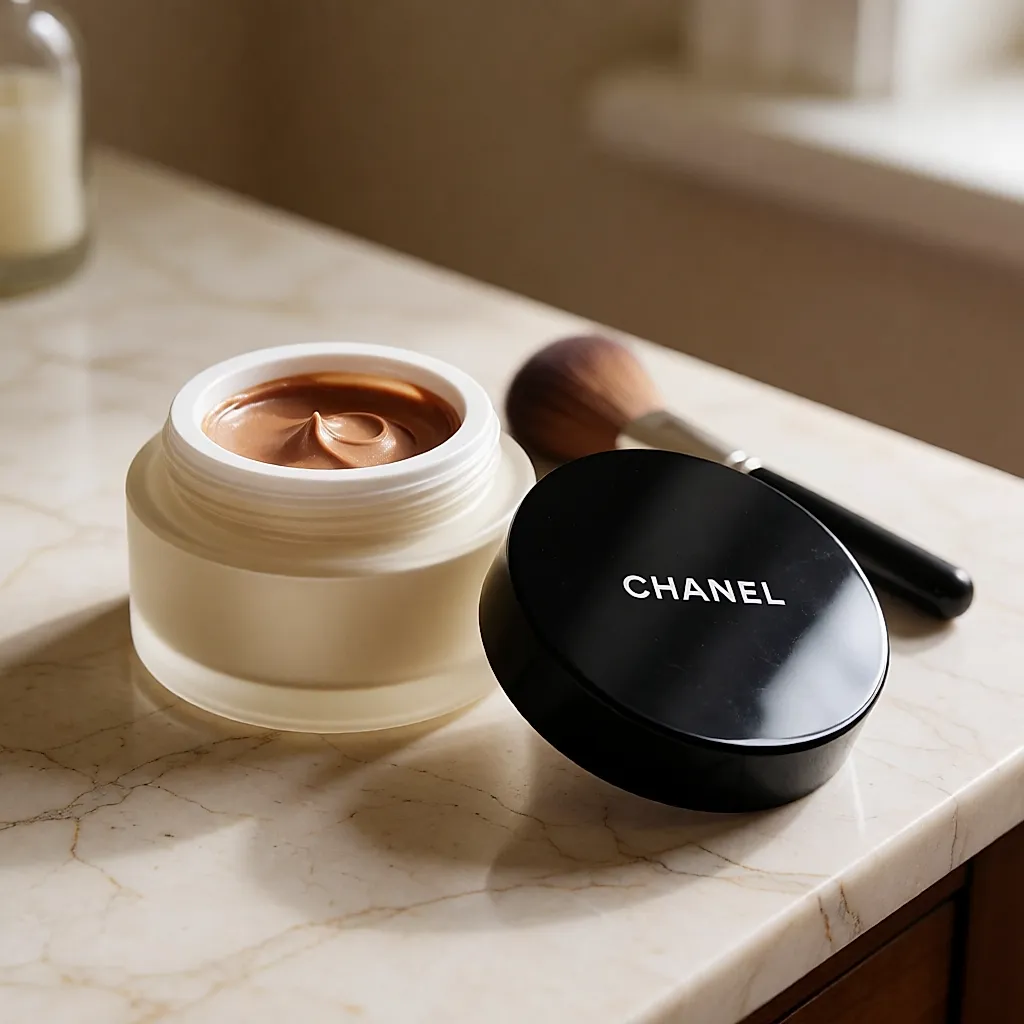
Bronzing powder remains the most cost-effective step in the drawer. Apply it where the sun hits first: cheekbones, bridge of the nose, forehead, temples. Light touches, even if you go back for more — a heavy texture soon tightens and highlights dry patches.
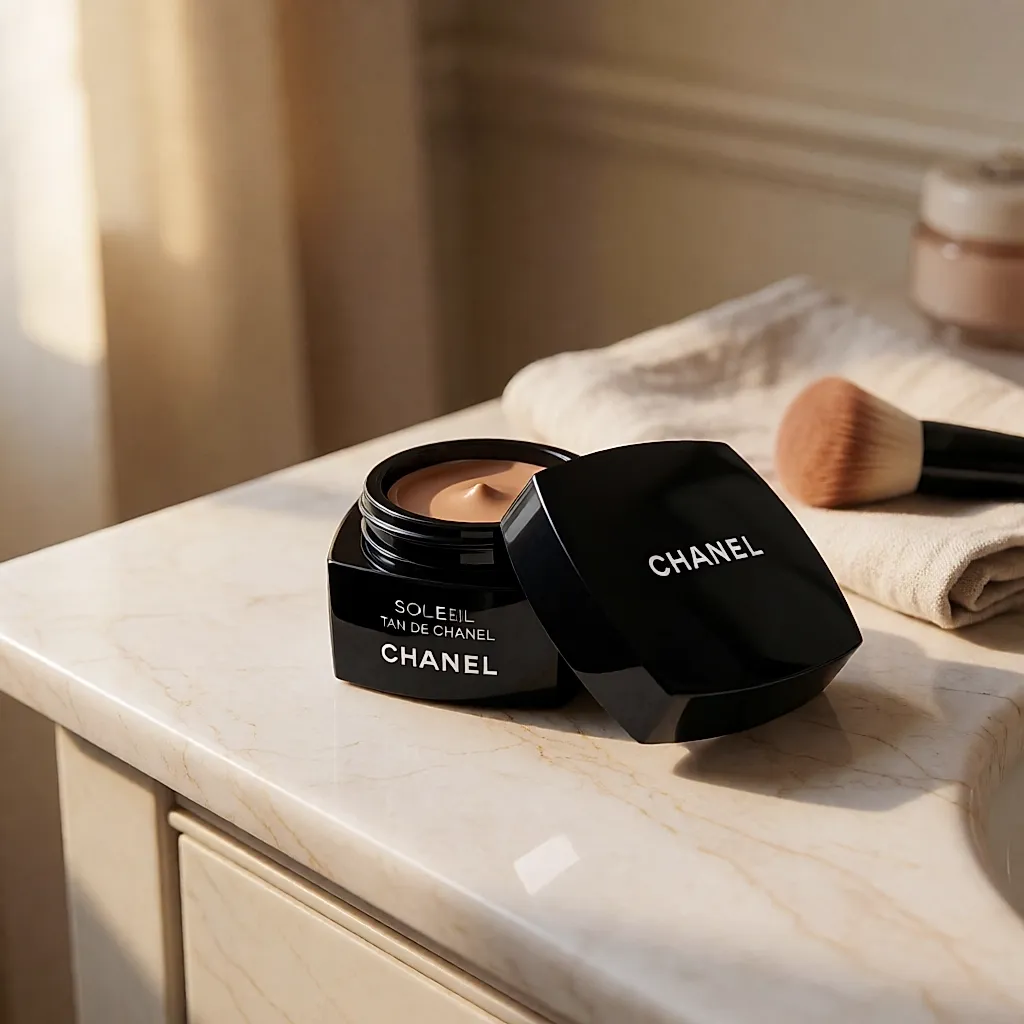
There are two main formats. The classic compact, which wears very well and is ideal during the day. And cream-gel bronzing bases, such as Chanel's Soleil Tan, which blend more easily on combination skin. At Guerlain, the Terracotta line has long been a benchmark.
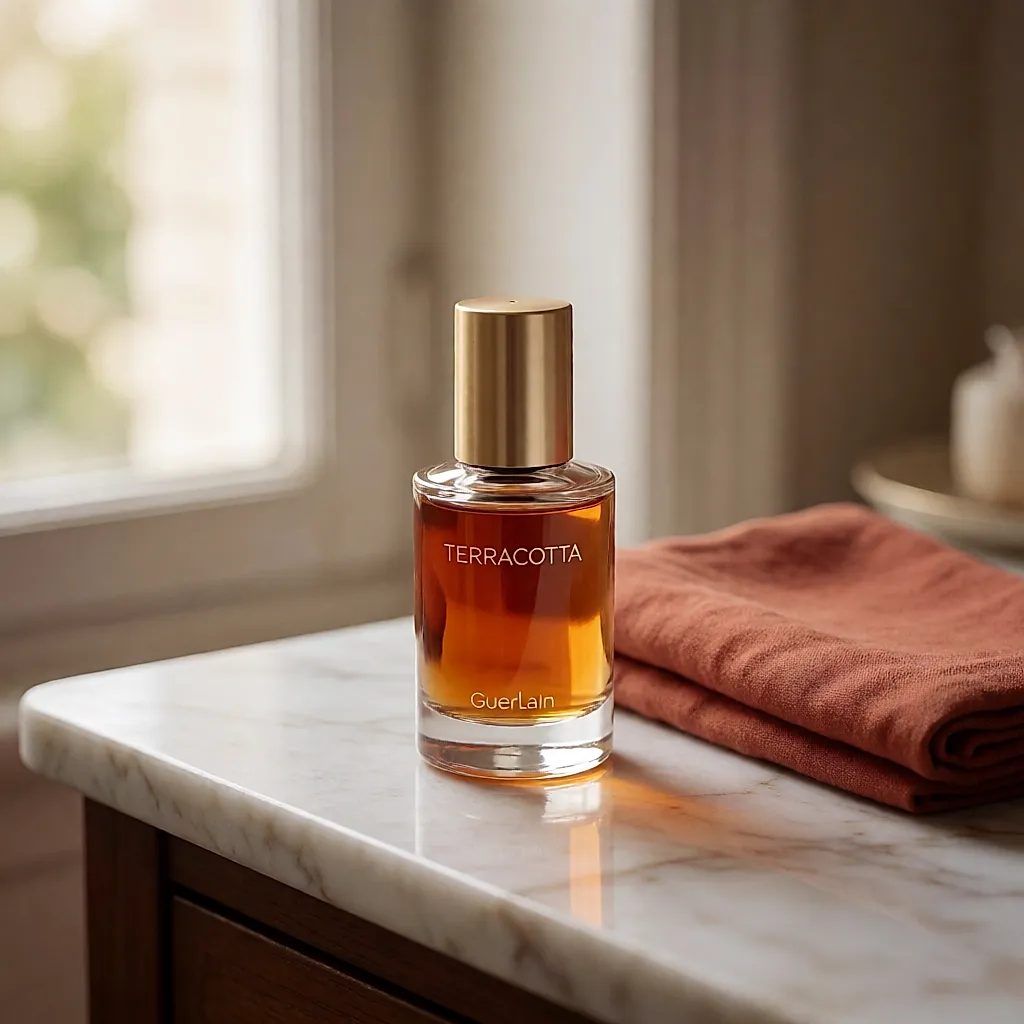
Watch the marketing trap: SPF 10 in a powder is not sun protection. You apply a thin layer, so you get a fraction of the stated index. In the sun, sunscreen comes first; powder comes afterwards, for the finish.
For light, a touch of highlighter under the eye, down the sides of the nose and on the tops of the cheekbones is enough. The idea is to wake up the complexion, not to whiten it.
Body: the next day matters as much as the day itself
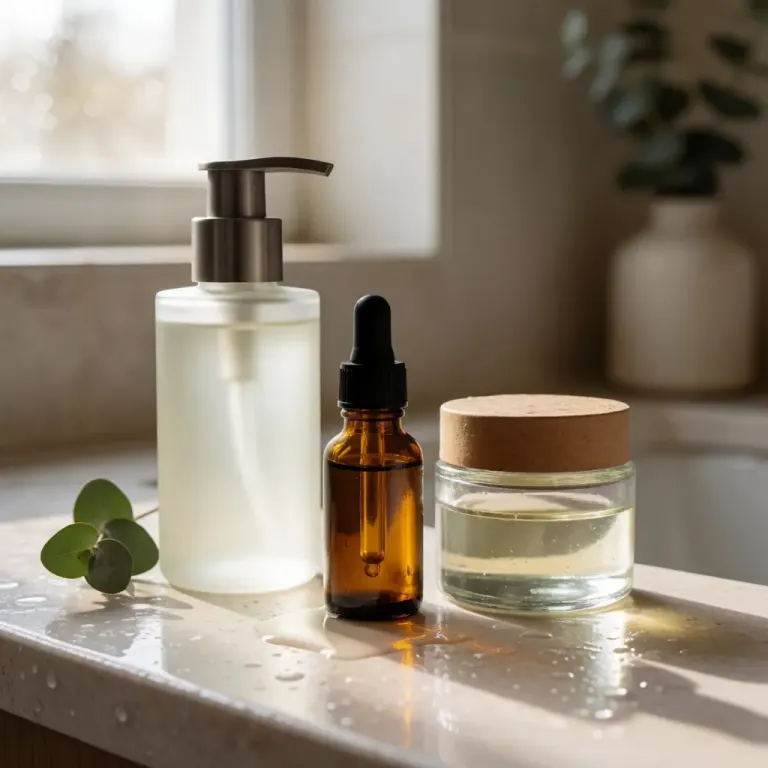
After-sun lotion is the step we skip and then regret. Apply it to clean, still slightly damp skin after a lukewarm shower — hot water aggravates heat and weakens the skin barrier.
Formulas based on monoï or aloe vera are the most common. Lovea, a French brand, makes after-sun lotions; the weak point is still the plastic bottle, which is rarely refillable. That's the compromise to accept, unless you choose a solid format: slower to melt, but with no container to throw away.
In the morning: oil through the mid-lengths and ends, a hat, sunscreen on all exposed areas — including your parting and ears. :::
Budget
Rough UK price ranges, excluding promotions:
- Organic plant oil, 100 ml: around £8–£20, from health-food shops, pharmacies or online.
- Leave-in hair spray: £10–£30 depending on size and range.
- Bronzing powder or bronzer: £12–£20 on the high street, £30–£55 in a department store beauty hall.
- Organic after-sun lotion, 200–250 ml: £8–£20.
What pushes the price up: certification, size, whether there's a refill, and where you buy it. Travel sizes often cost more per millilitre, and a beauty-hall powder is mainly worth it if you'll keep it for several seasons. The step that makes the biggest difference is often less about the product than doing it regularly.
Sources
- Cosmos Standard, international certification standard for organic and natural cosmetics (cosmos-standard.org)
- Ecocert, certification body (ecocert.com)
- INAO, French body for protected designations of origin, for Monoï de Tahiti (inao.gouv.fr)

Comments
Your opinion matters: rate the article, react and reply to comments.
Comments are moderated; AI-assisted comments are flagged. Text emoticons (8-), :-), <3…) are automatically shown as images.