
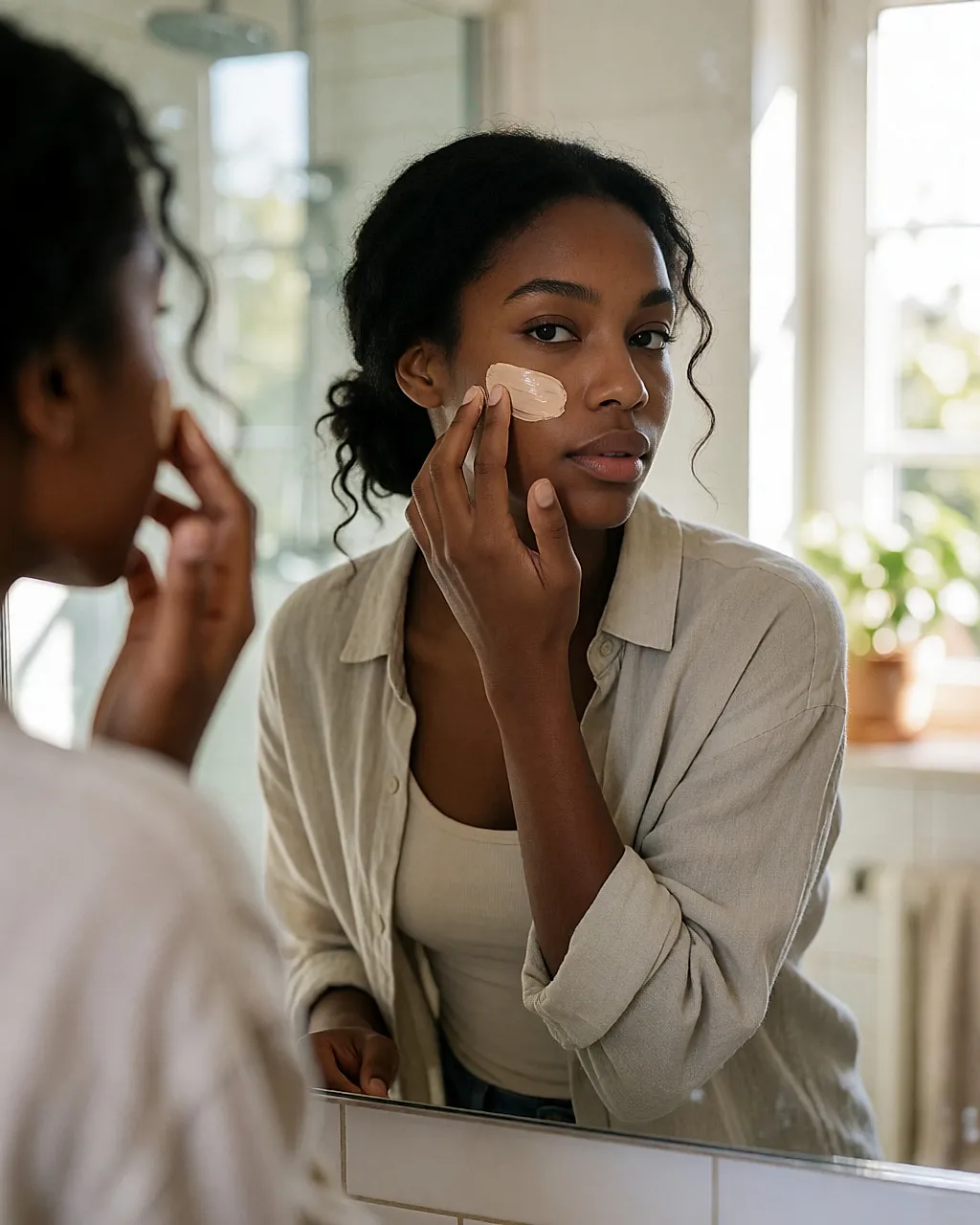
Seven o'clock. The little one has decided the night is over, the older one is hunting for a sock, and you have fifteen minutes in front of the mirror. Not thirty: fifteen. Safe to say the full routine is out, and only what shows stays in.
What sinks a rushed morning isn't make-up itself, it's the layering. Cleanser, toner, serum, moisturiser, foundation… On their own, each product takes thirty seconds. Stacked one after another, with drying time between layers, base make-up alone can swallow ten minutes. The fix is a simple idea: get one product to do two jobs. This is the routine I follow on mornings when the alarm didn't wake me — and the one I run through whenever someone asks how I manage.
Step 1: cleanse and tone in one pass (2 minutes)
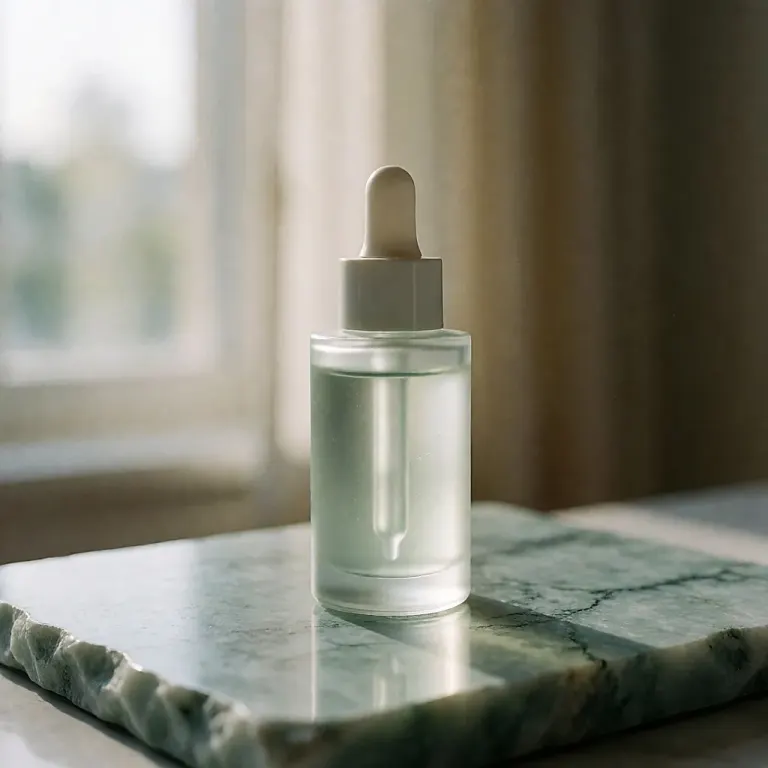
If you cleansed your skin the night before, it doesn't need a full make-up removal session on waking. Micellar water, or a lotion that cleanses and tones in one go, does the job. Soak a cotton pad — or a reusable pad, which works out cheaper over time — sweep without rubbing, and you're done.
Formula-wise, go for a fluid texture and glance at the start of the ingredient list: if denatured alcohol is near the top, be wary. It feels fresh at the time, but it can leave dry skin feeling tight. COSMOS ORGANIC-certified formulas impose a minimum percentage of ingredients of natural origin and a set of rules on processed ingredients, audited by organisations such as Ecocert. This is not a promise of results, but at least the claims are regulated.
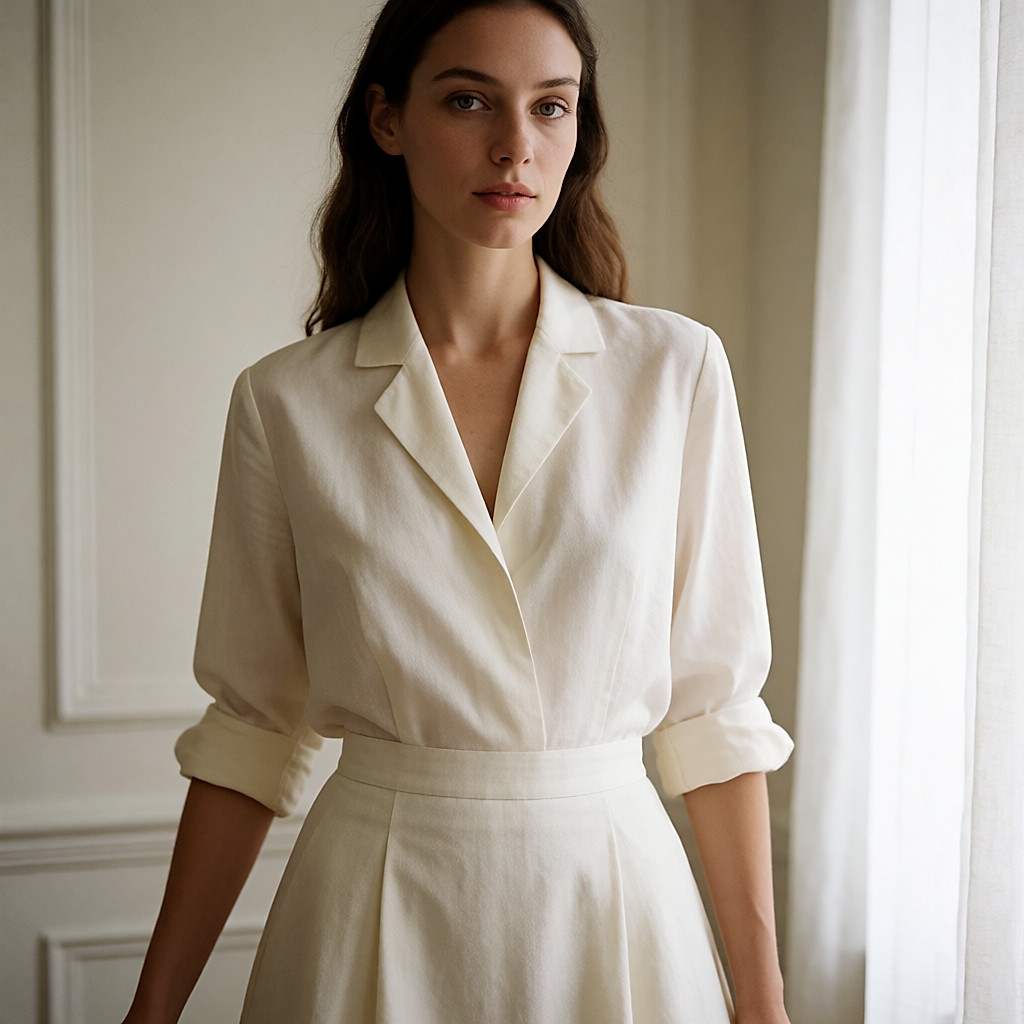
Step 2: base in a single layer (3 minutes)
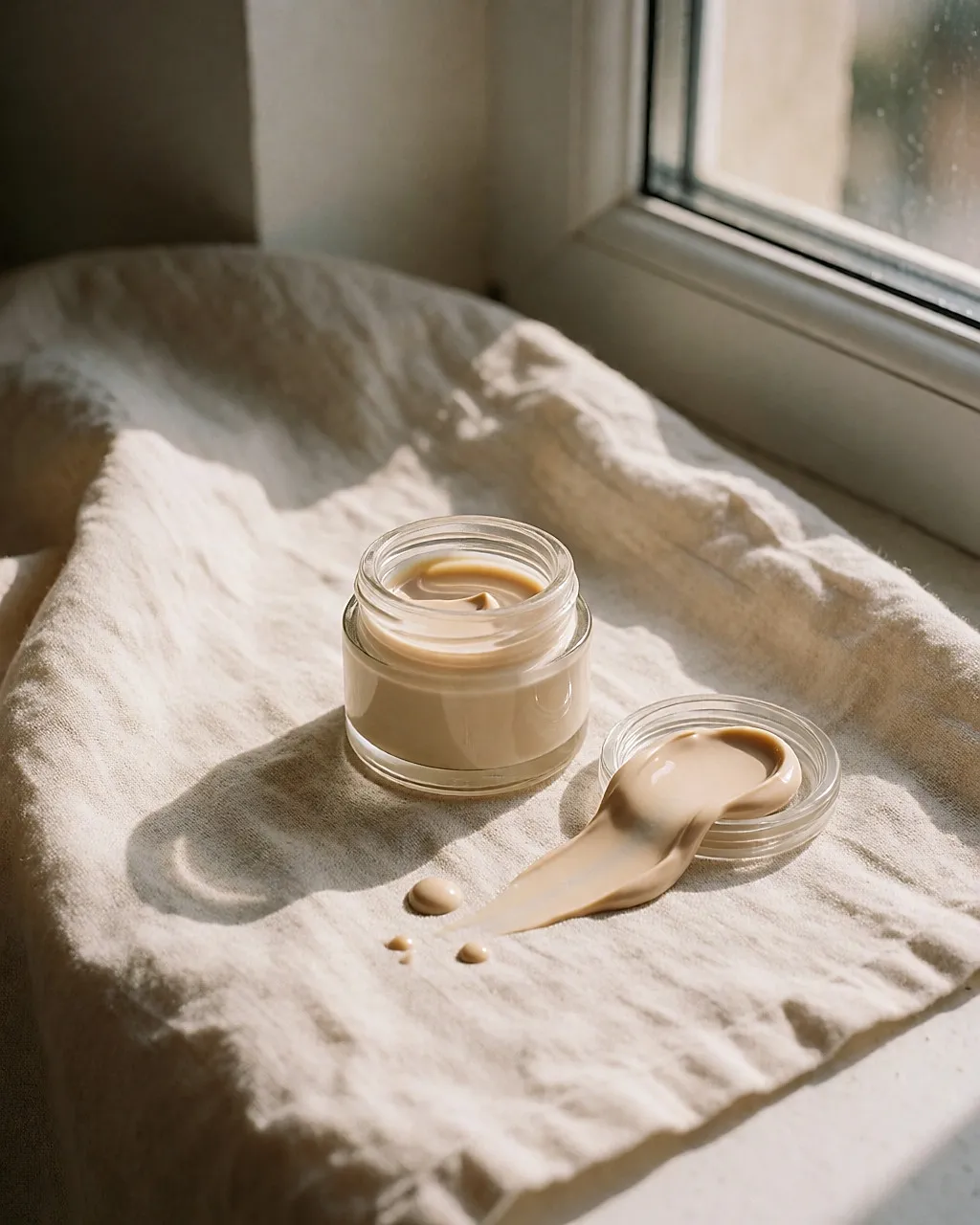
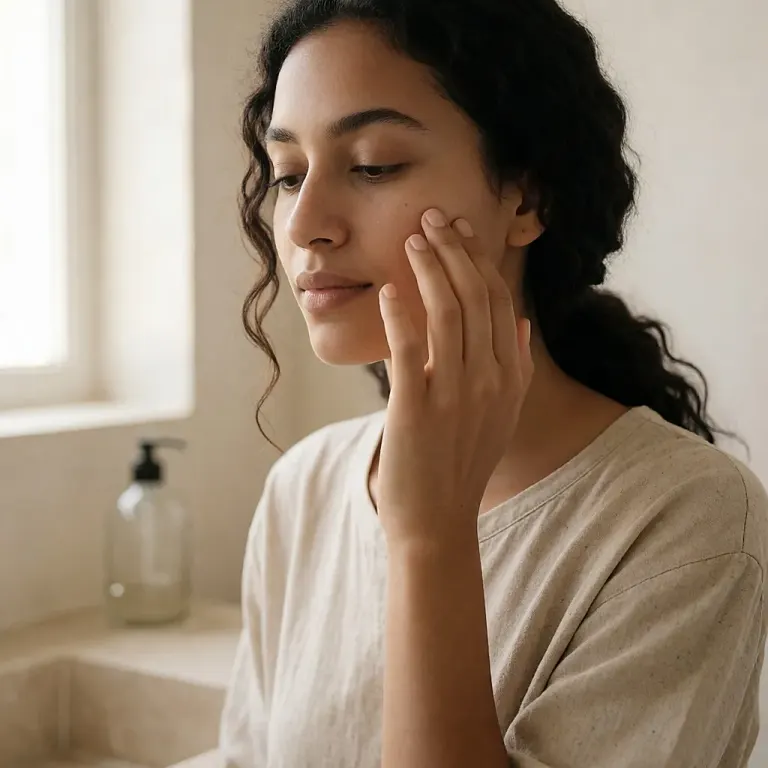
This is the step that saves you the most. Instead of layering day cream and foundation, a tinted moisturiser does both jobs. The move: three dots on forehead, nose and chin, then blend with fingers or a damp sponge. The finish is lighter than foundation, skin still shows through — the nude effect, the one that forgives when you haven't got time to blend every edge perfectly.
Two things to watch, though. Shade first: because coverage is sheer, an off shade is immediately obvious. Staying power second: on combination skin, a veil of loose powder over the T-zone keeps shine in check until lunchtime. And if no tinted moisturiser matches your complexion, mix a dab of moisturiser and a drop of foundation in your palm.
On packaging, several brands offer these tinted moisturisers in glass bottles or refillable versions — a simple criterion if you're trying to cut down on plastic. I haven't tested every product mentioned: this is a pointer, not a guarantee.
Step 3: the three moves that change everything (5 minutes)
- Mascara. Two coats, starting at the root. Curling is only worth it if you have time to do it properly.
- Brows. A quick brush-through, a little powder if needed. A structured brow defines the face more reliably than a sweep of eyeliner.
- A healthy glow. Bronzer or cream blush on the tops of cheekbones, a touch on forehead and nose. Cream textures blend with fingers, so no brush to wash in the evening.

And hair? Dry shampoo at the roots, two quick twists while you get dressed, then undo them just before you leave.
The test, stopwatch in hand: thirteen minutes for the whole routine, children's breakfast included. The biggest saving comes from the base step. Removing a layer doesn't just save the time it takes to apply — it also saves the drying time that came with it.
Budget
The ranges below are typical UK prices, for guidance — expect roughly:
- 2-in-1 cleansing and toning lotion: £4 to £10 in supermarkets, £6 to £16 in pharmacies or online; more like £10 to £22 for an organic version in a specialist shop.
- Tinted moisturiser: £12 to £32 in pharmacies, beauty retailers or department stores, and £18 to £38 for certified organic formulas. Refills are often cheaper than the first bottle.
- Mascara: £6 to £15 on the high street, £18 to £30 in premium beauty retailers.
- Blush or bronzer: £8 to £18 on the high street, up to £30 to £35 for premium beauty brands.
What drives these prices: certification, packaging type (glass, refill, cardboard), sales channel and whether targeted actives are included. On a tight budget, own-brand lines cover the basics very well — and reusable make-up remover pads pay for themselves quickly.
Sources
- Cosmetics regulation in Great Britain — GOV.UK / OPSS
- The Cosmetic, Toiletry and Perfumery Association (CTPA) — cosmetics regulation and claims
- Soil Association — COSMOS organic and natural cosmetics certification
- COSMOS Standard — COSMOS ORGANIC and COSMOS NATURAL
- Ecocert — cosmetics certification
- WRAP — packaging and sustainable consumption

Comments
Your opinion matters: rate the article, react and reply to comments.
Comments are moderated; AI-assisted comments are flagged. Text emoticons (8-), :-), <3…) are automatically shown as images.