

Anyone who knows the feeling will recognise it: hair that sits flat, looks dull and dirty, and is hard to style because it feels heavy. For people with an oily scalp, it can be a daily annoyance — how much depends on the person.

Why does sebum go into overdrive? Should you wash more often, or space out shampooing? Are gentle formulas enough? These are the questions that come up again and again. The good news: it's neither random nor inevitable. What works isn't banning washing or piling on stripping products, but a few well-adjusted habits.
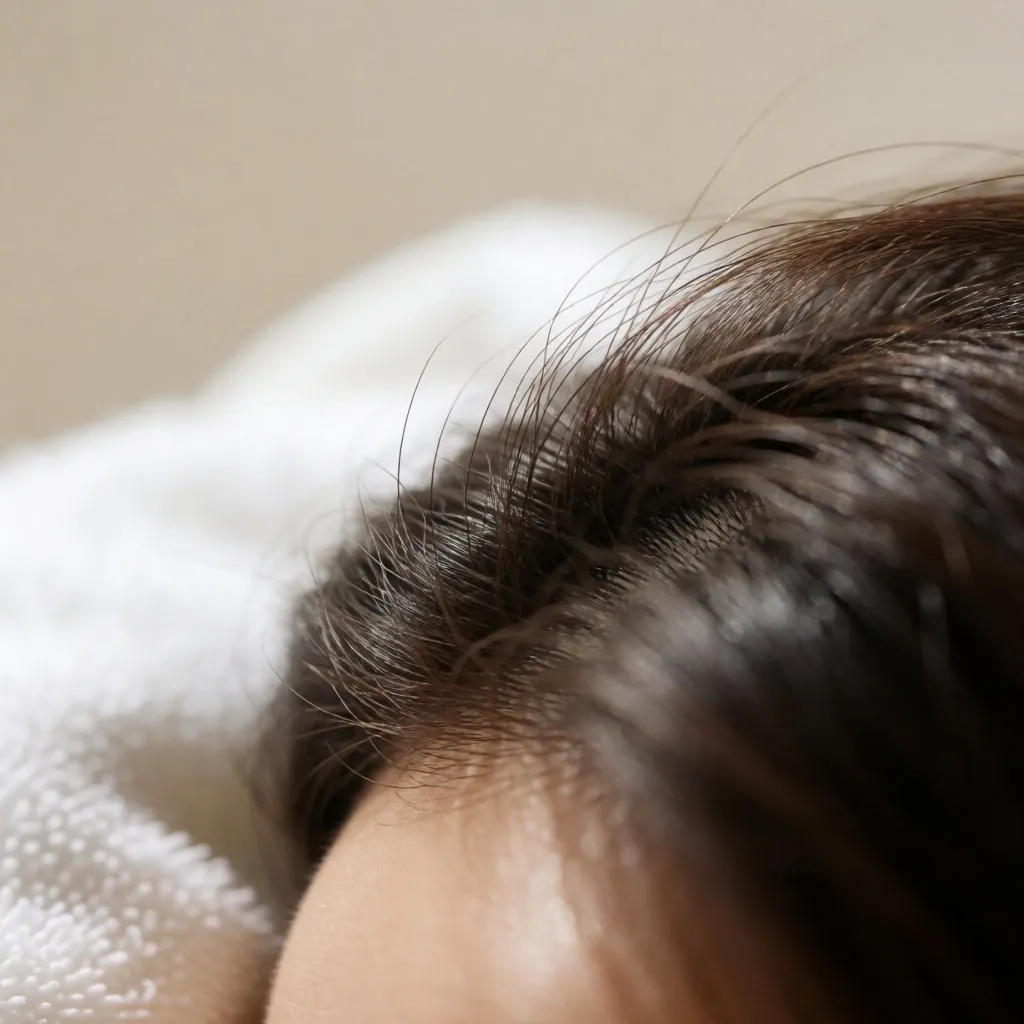
Why do we get greasy hair?
Sebum is the culprit. Certain hormones make it overproduce, and it shows first on the scalp before gradually spreading through the lengths. This process is natural — it's why we all need to wash our hair regularly, whether it's dry or greasy. In some people, though, it happens much faster, and sebum is produced in larger quantities.
Even so, sebum isn't the enemy. It's made by the sebaceous glands in the dermis of the scalp, and it isn't waste. Its job? To lubricate the hair shaft, limit water loss and support the skin's protective barrier. The problem isn't its presence but its excess — and with tobacco, pollution, colour and so on, it has plenty to deal with.
Pollution, heat, wearing a helmet or hat for long stretches, and leaving too long between washes can all make the discomfort worse. Sebum starts at the roots and then travels down the hair, which is why you can end up with both a shiny scalp and heavy lengths.
The trouble is that greasy hair often comes with dandruff — rarely welcome — and repeated shampooing can make things worse if the formulas are too harsh. Excess sebum can go hand in hand with discomfort or dandruff; if you're also losing hair, it's worth getting medical advice.
What can help?
Limiting sebum production is tricky, because as we've seen, hormones are behind it.
If it bothers you a lot, you can ask your GP about seeing a dermatologist, who can prescribe a suitable treatment.
If the discomfort is manageable, here are a few tips to stop hair becoming greasy again so quickly.
First, a reassuring point: washing your hair every day or every other day with a gentle product and a thorough rinse doesn't damage the fibre. Spacing out washes just to 'train' your scalp isn't backed by evidence, and it often keeps the discomfort going.

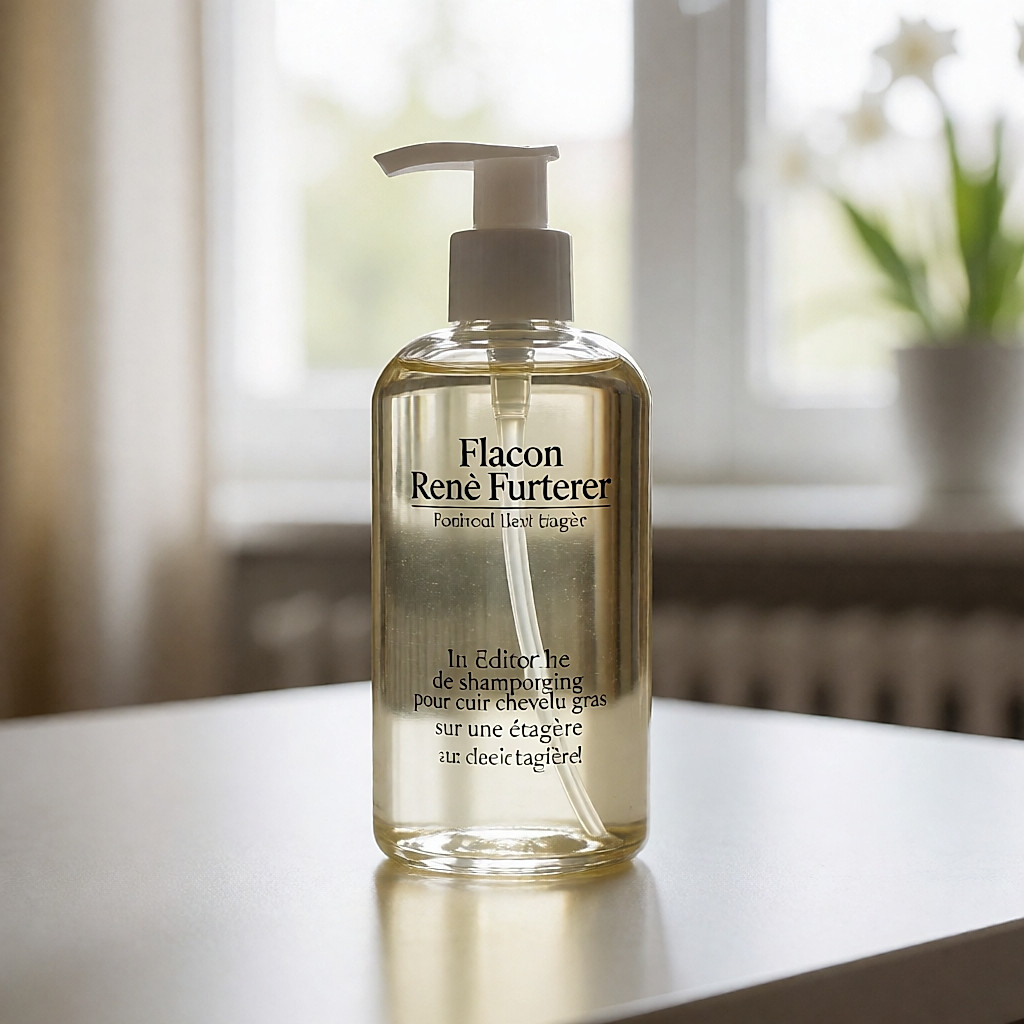
Start by cleansing with a suitable shampoo. Clay-based shampoos or treatments are particularly recommended for greasy hair: clay has a strong absorbing action, which can help absorb excess sebum and purify the scalp. Some essential-oil shampoos are also marketed for greasy hair; how well they're tolerated and how effective they are varies from formula to formula. Worth trying: René Furterer's oily hair range.
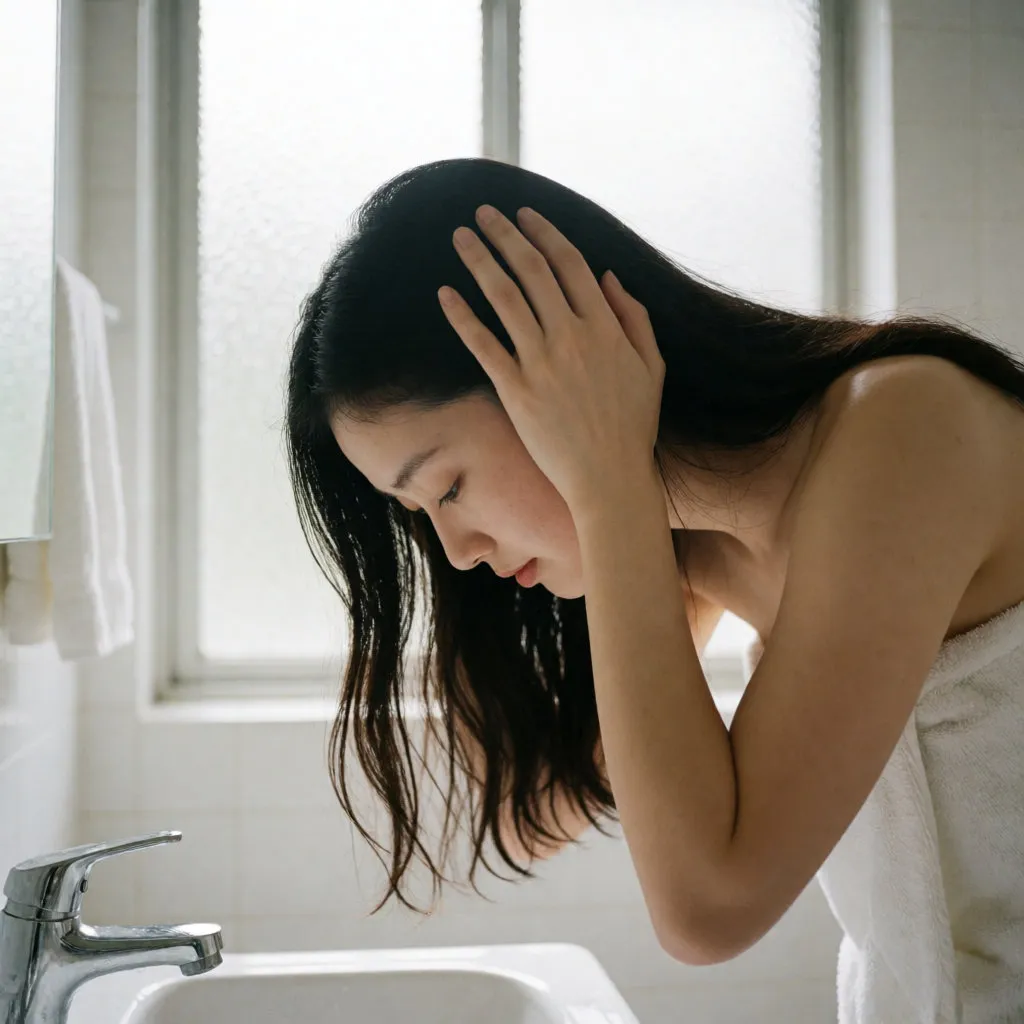
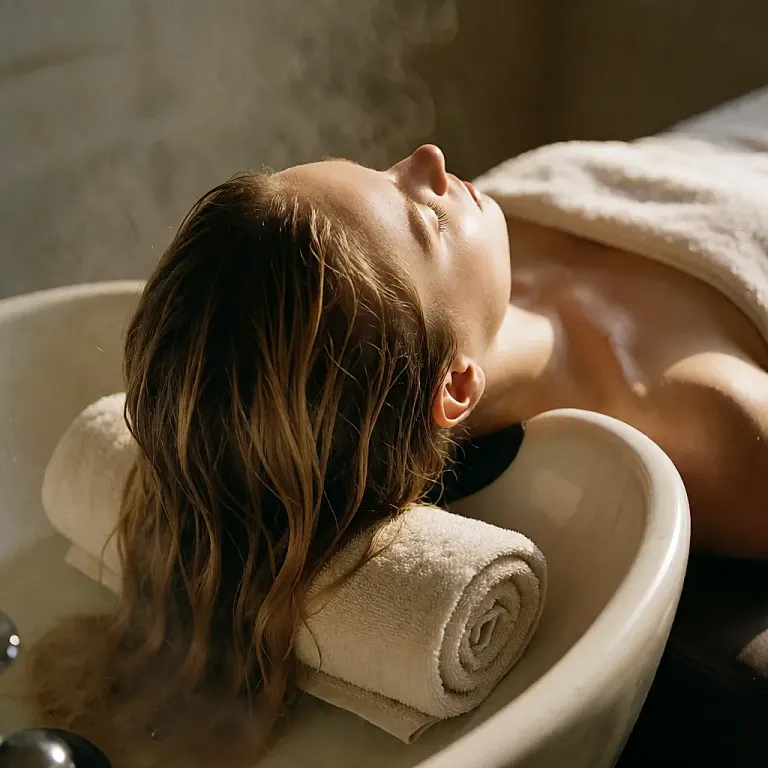
Try two shampoos each time you wash. The first lifts dust, impurities and product residue; the second, shorter one cleans the scalp, and can be left for a few minutes. Massage with your fingertips, never your nails, then rinse thoroughly with warm water — water that's too hot stimulates skin sensitivity and disrupts the lipid film.
You can also add a treatment step: some masks are designed for greasy hair and won't weigh it down while treating it.
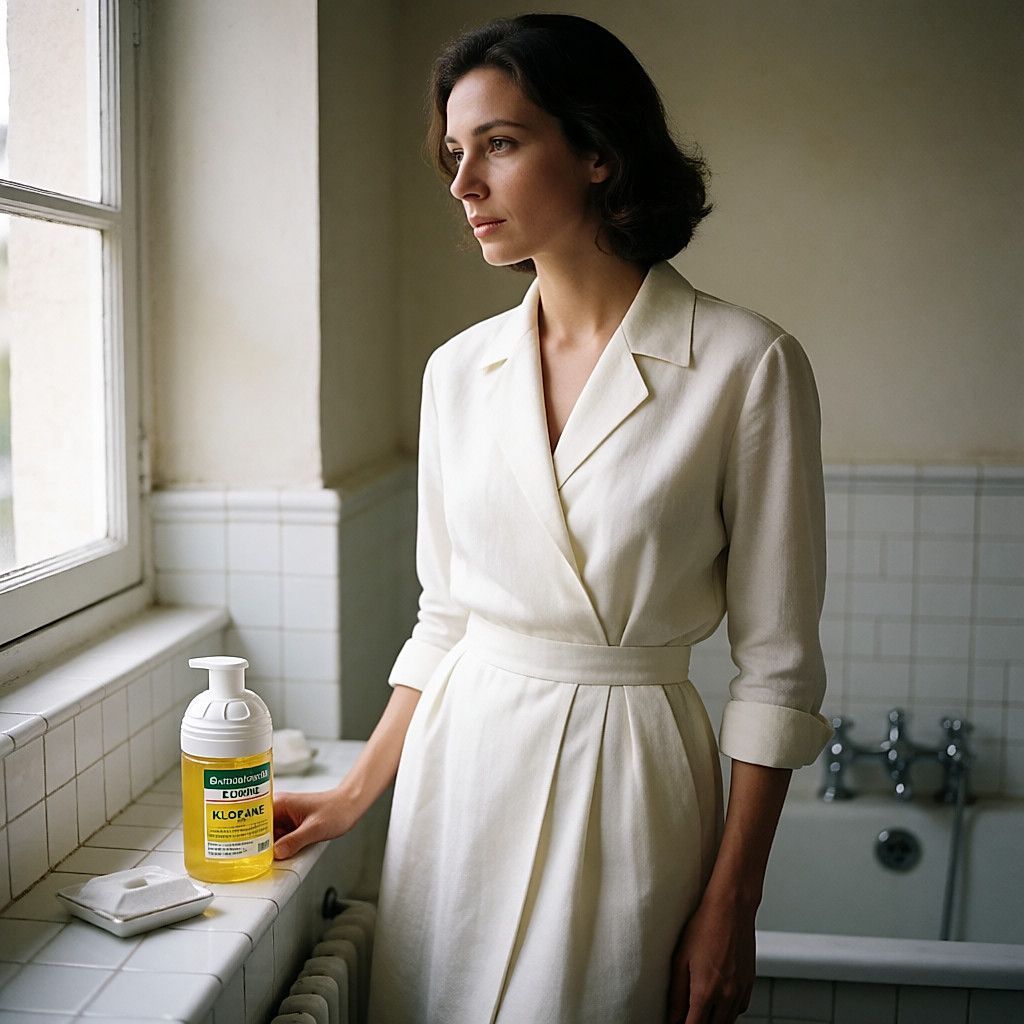
Between washes, dry shampoo can help. Klorane, for example, has a range designed for dry hair: spray, leave, then brush out. It won't cleanse like a regular shampoo, but it gives a quick refresh while you wait for your next proper wash.
Think about changing your shampoo regularly, just as you would your treatment: over time, products often seem less effective than they did at first.
Finally, avoid running your hands through your hair constantly. It looks harmless, but it helps sebum spread through the mid-lengths and ends. A clean brush, a pillowcase changed often, blow-drying at a distance on a warm setting and finishing on cool: these are the details that make a real difference.

And if hair loss is part of the picture — which can happen, and in some cases is a sign worth investigating in women — medical advice is better than trying one product after another. In the meantime, stick to a gentle, regular routine: that's already a lot.

The move worth mastering: two shampoo passes, a fingertip massage — never nails — and a longer rinse than you'd think.
Budget
You don't need to spend a fortune. As a rough guide, a gentle shampoo suited to greasy hair costs around £5–£15, a dry shampoo £8–£15, and a targeted mask £10–£25. The brands mentioned above tend to sit at the top of those ranges, and salon-size formats cost more again. Price depends mainly on size, formula and where you buy — at a chemist or beauty retailer, ask for a sample before investing in a large bottle.
Sources
- French Society of Dermatology (sfdermato.org), for general background on the scalp and hair loss.
- NHS (nhs.uk), for how to get medical advice about hair loss or scalp conditions.

Comments
Your opinion matters: rate the article, react and reply to comments.
Comments are moderated; AI-assisted comments are flagged. Text emoticons (8-), :-), <3…) are automatically shown as images.