
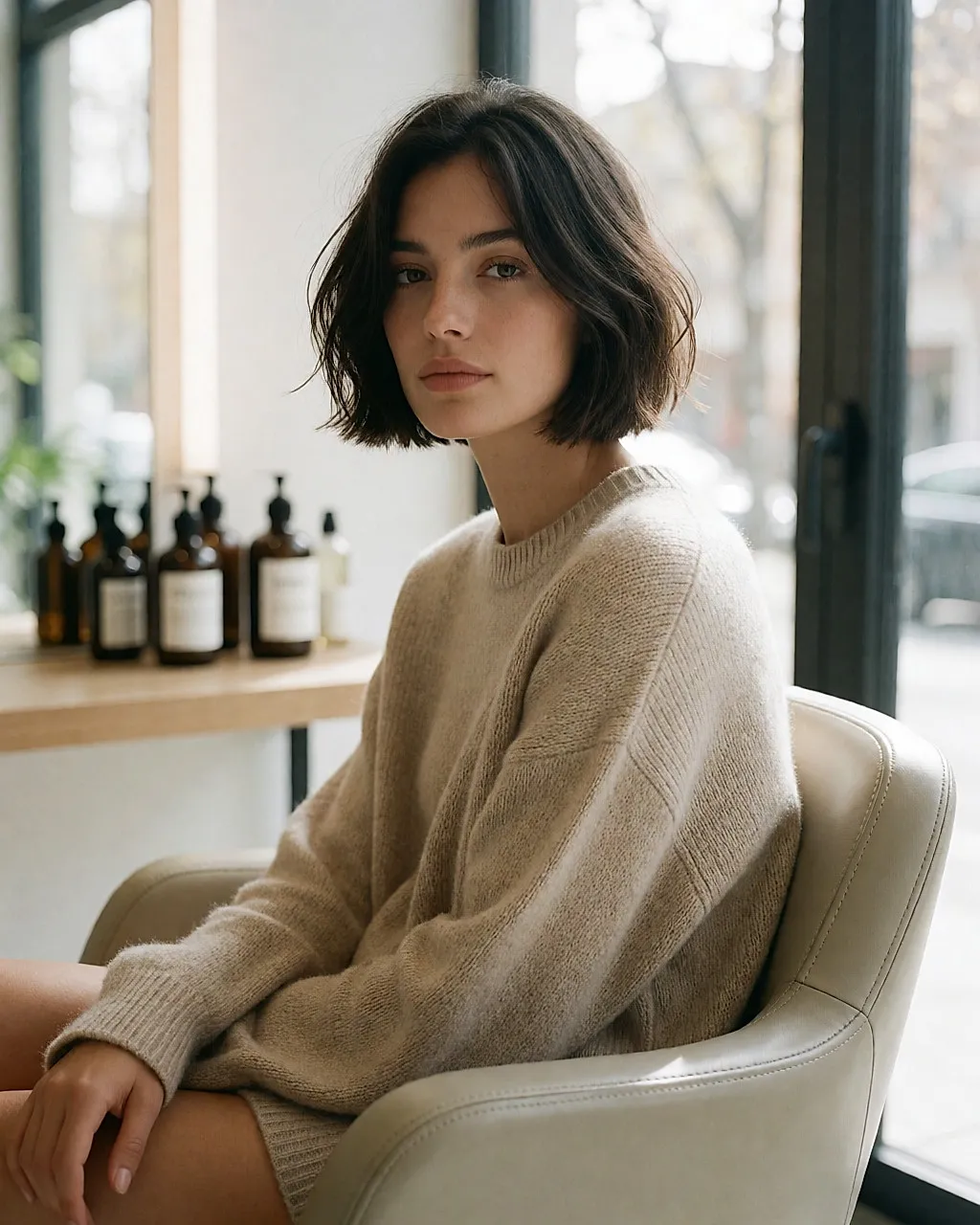
You know the moment: a photo is everywhere, you show it to your hairdresser, and you leave with a cut that looks nothing like what you imagined. Most of the time the gap isn't down to the scissors; it's the context: texture worked in by hand for long minutes, set lighting, and someone whose job is to carry off a radical change. So instead of copying a photo, we looked at what's actually doing the rounds in salons — and what you can take from it without a styling team.
Three movements stand out this season: the bob in all its forms, the reinvented fringe, and softer, more blended colour.
The bob: a dependable classic
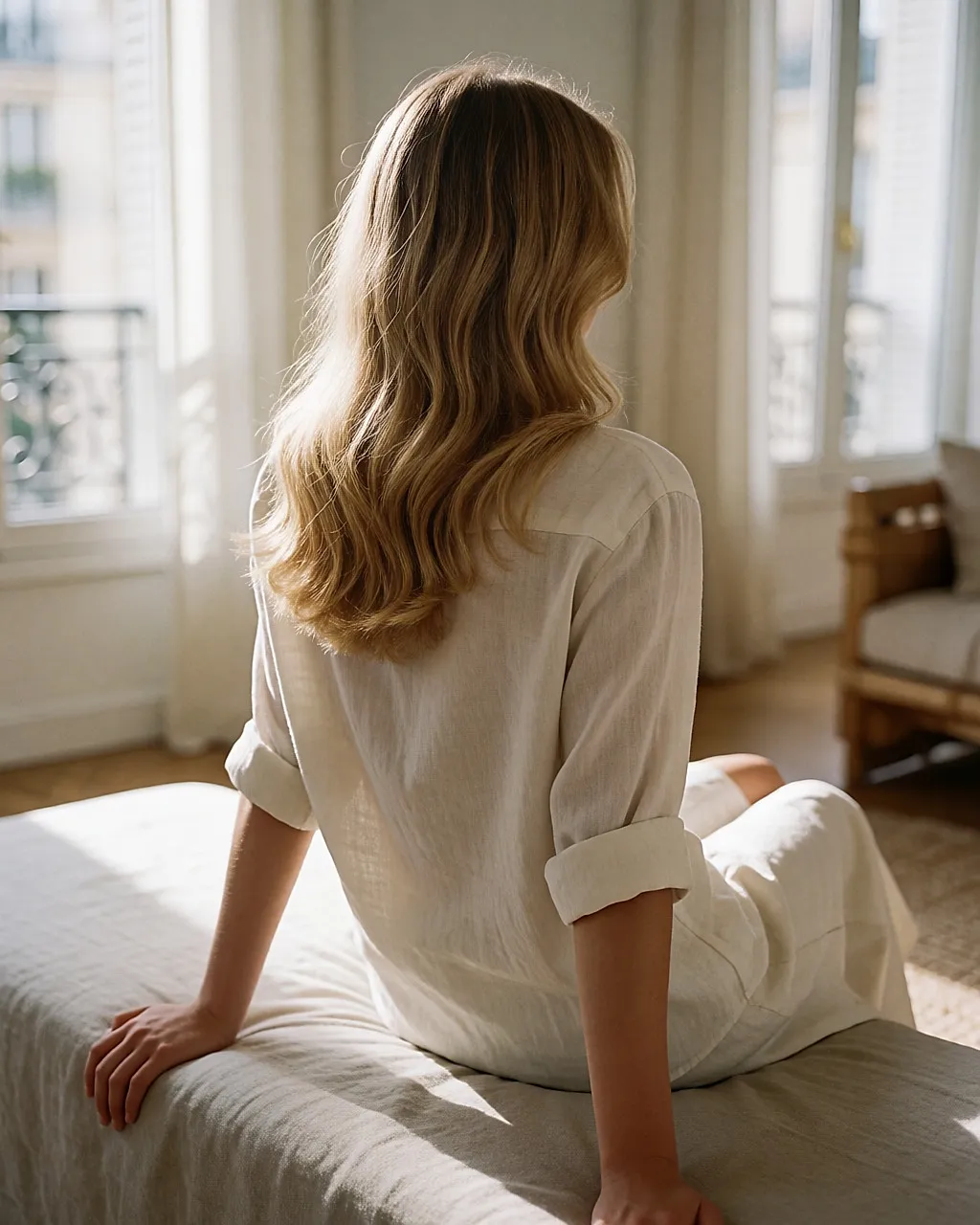
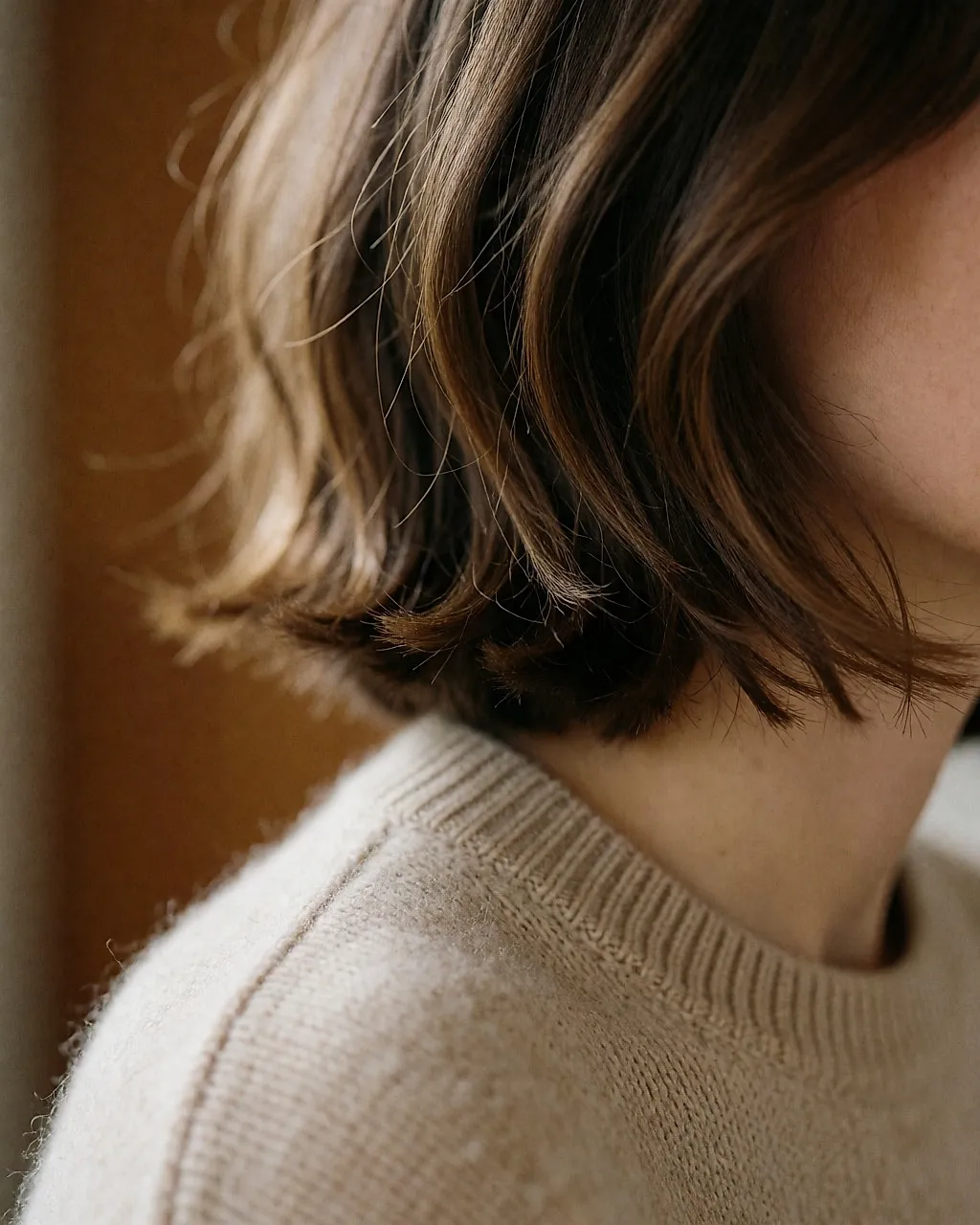
Hard to avoid. The bob is one of the most requested cuts, and not just in one form: chin-length, longer at the front, softly textured, mid-length or sharp and sleek. It suits almost every hair type, which partly explains its staying power.
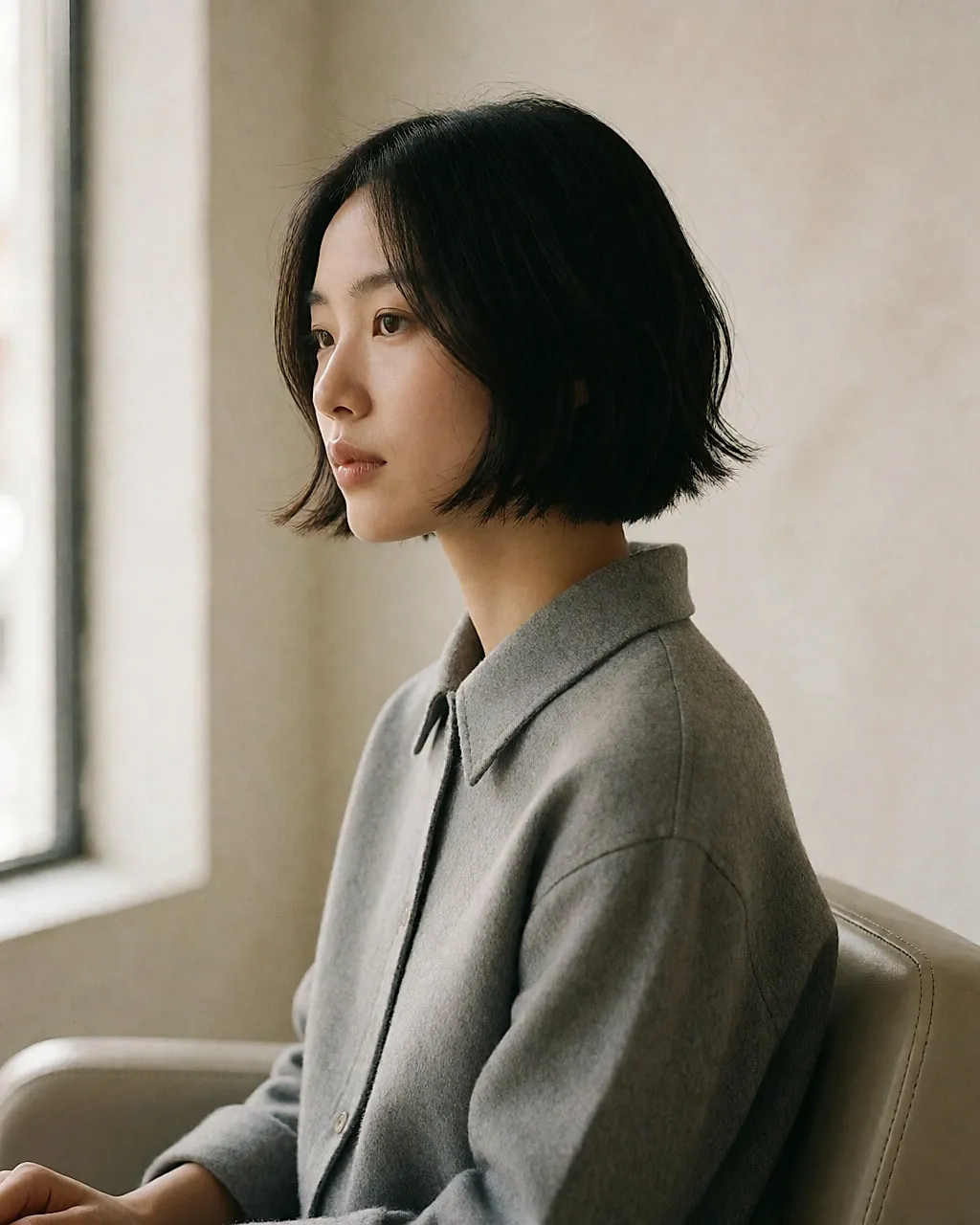
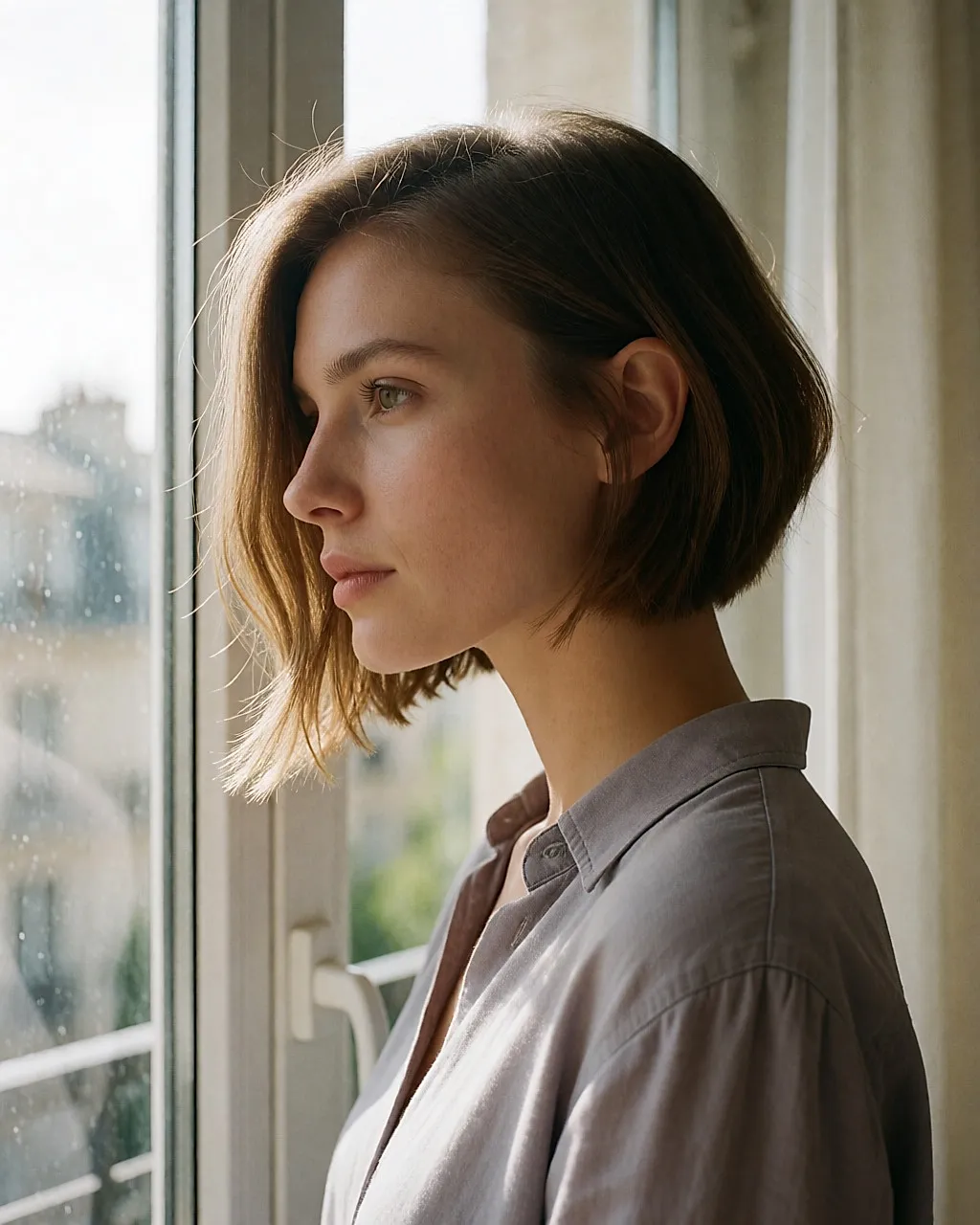
When a famous face goes from long to short, the effect is immediate — and demand often follows in salons over the next few weeks. Some short cuts have become collective reference points: the sharp, sleek bob of the mid-2000s, worn like a signature. Repeated radical transformations have also cemented the idea that a cut can be changed like an accessory. More recently, in-between shapes such as the bixie, between a bob and a pixie, or the lob have settled in for the long haul.
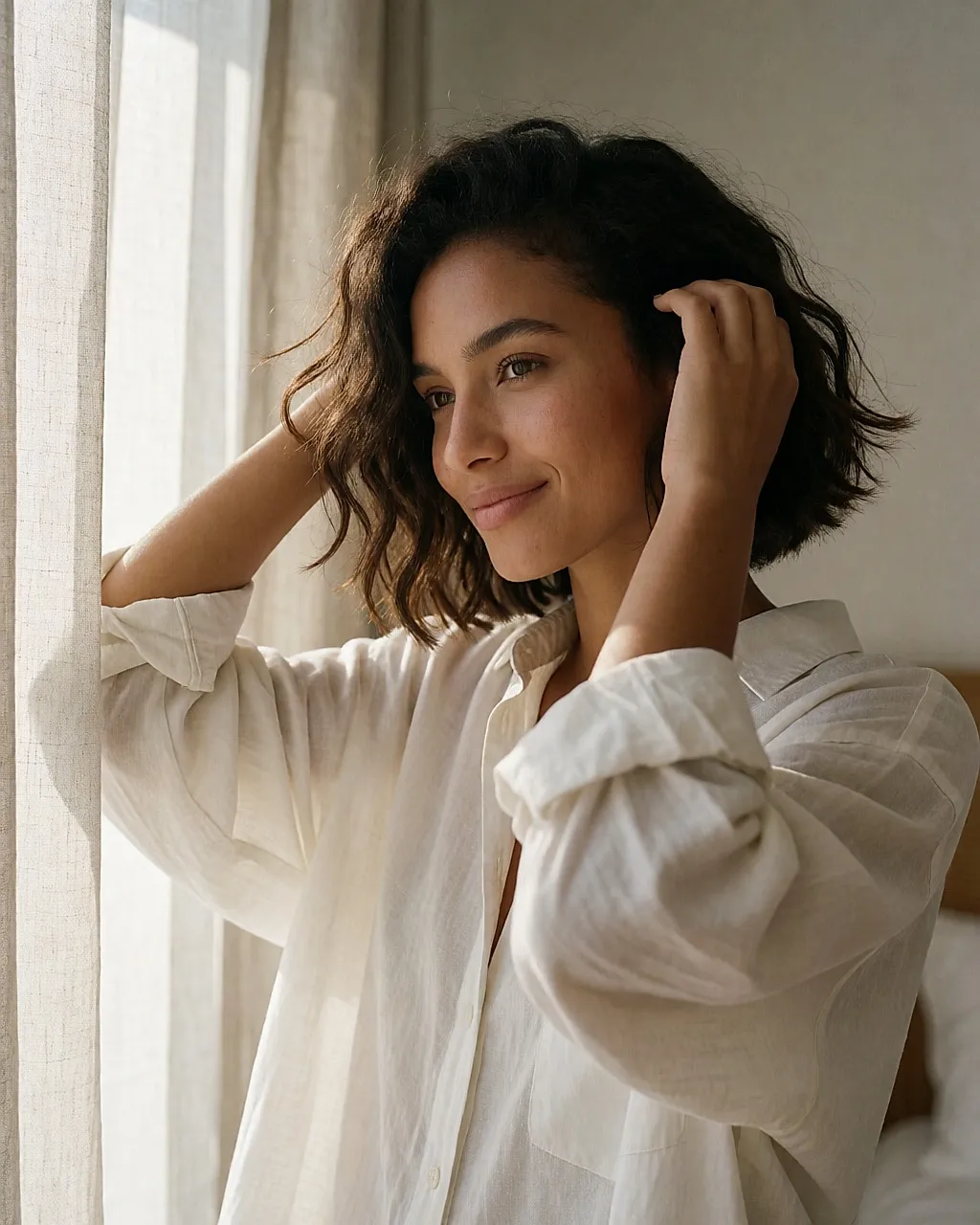
One caveat: what takes a long styling session on a set can mean months of growing out for you.
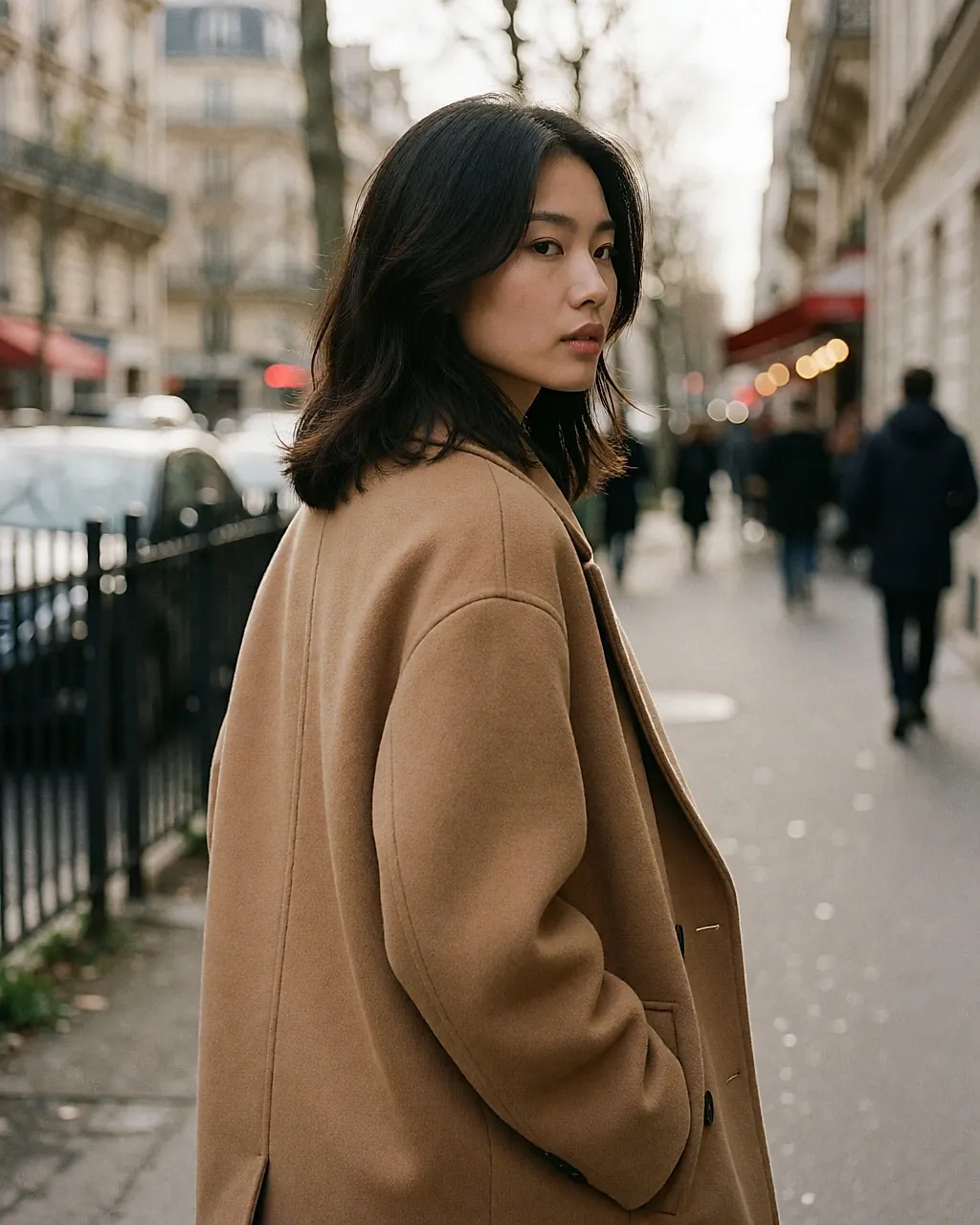
Fringes: curtain, feathered or full
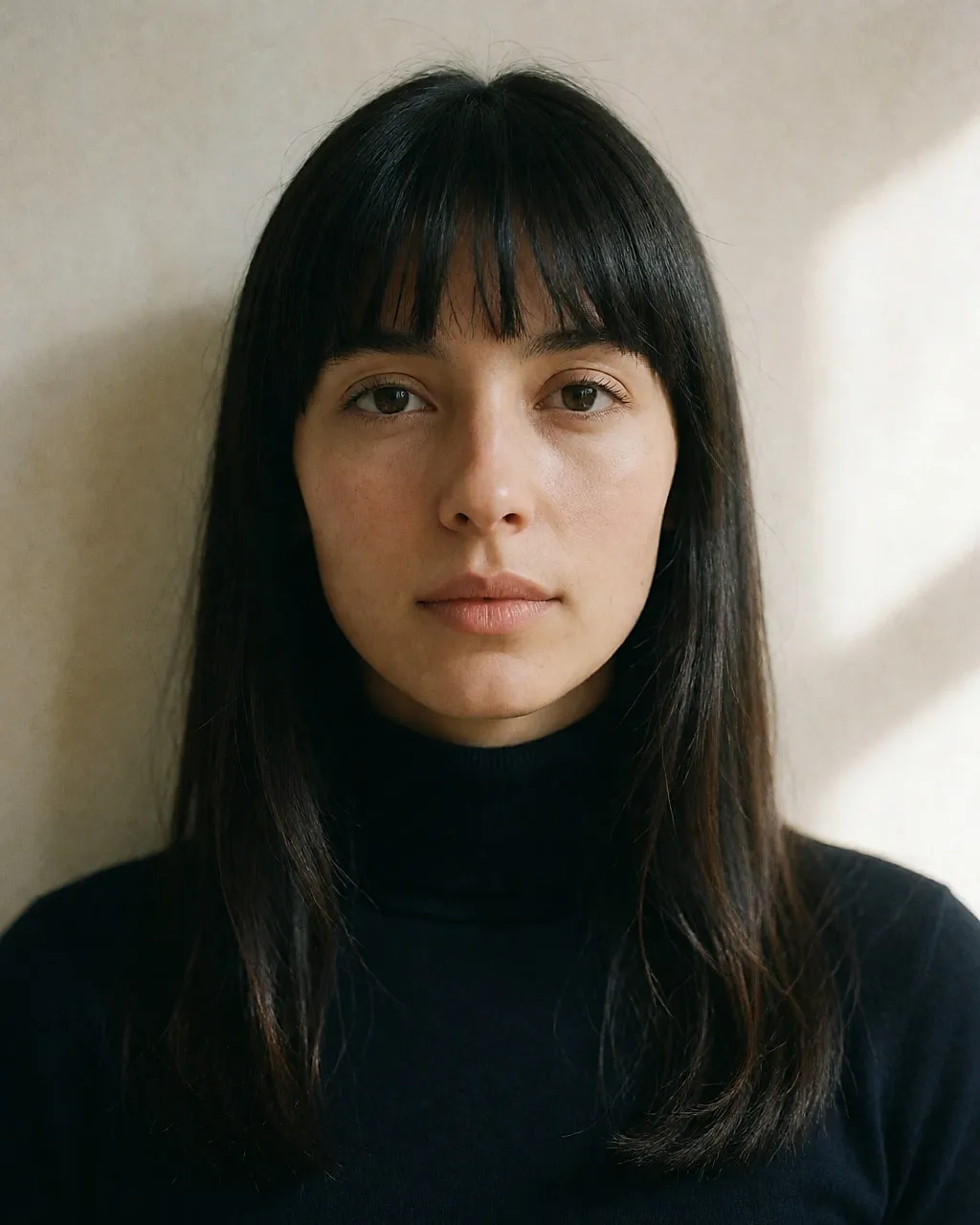
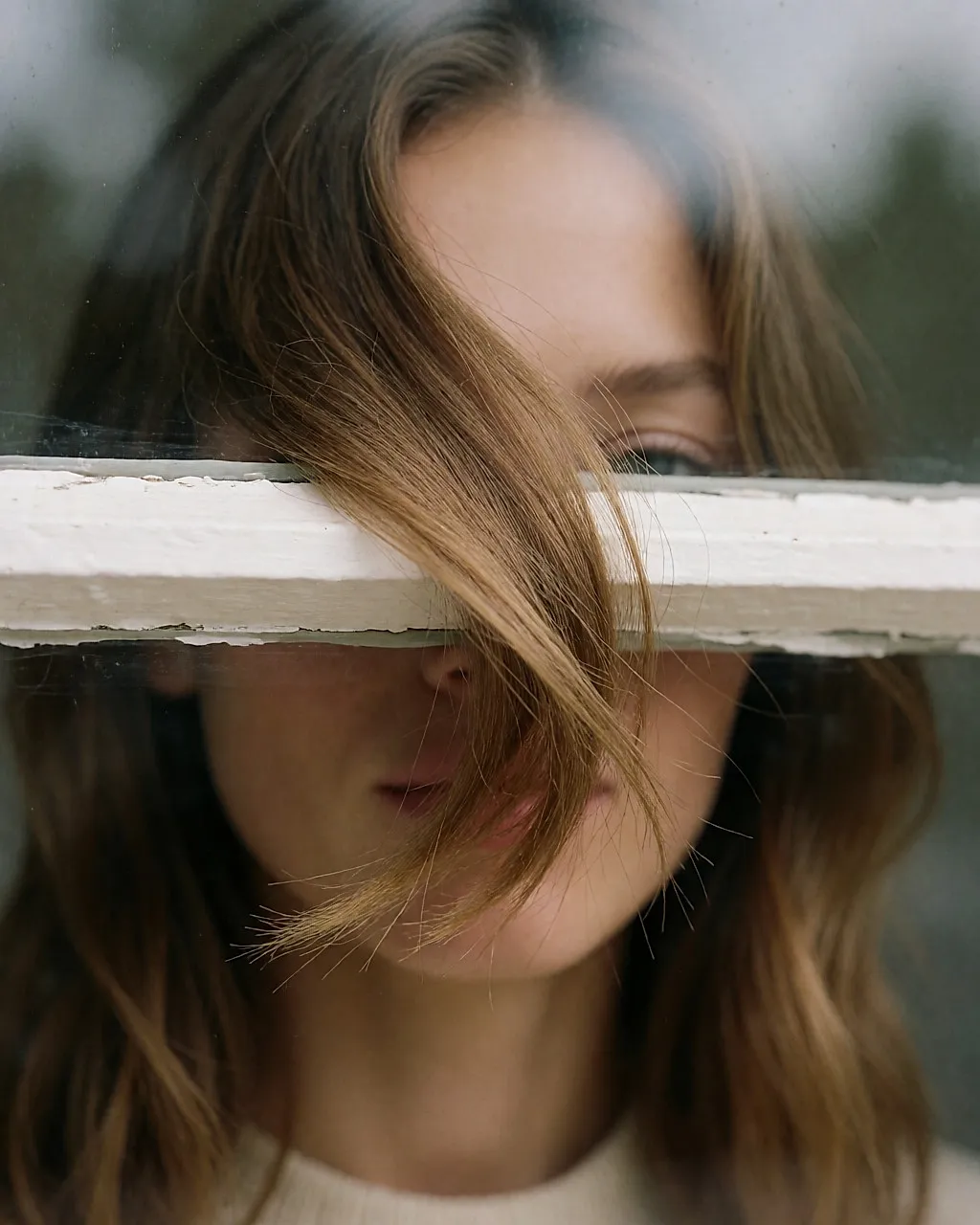
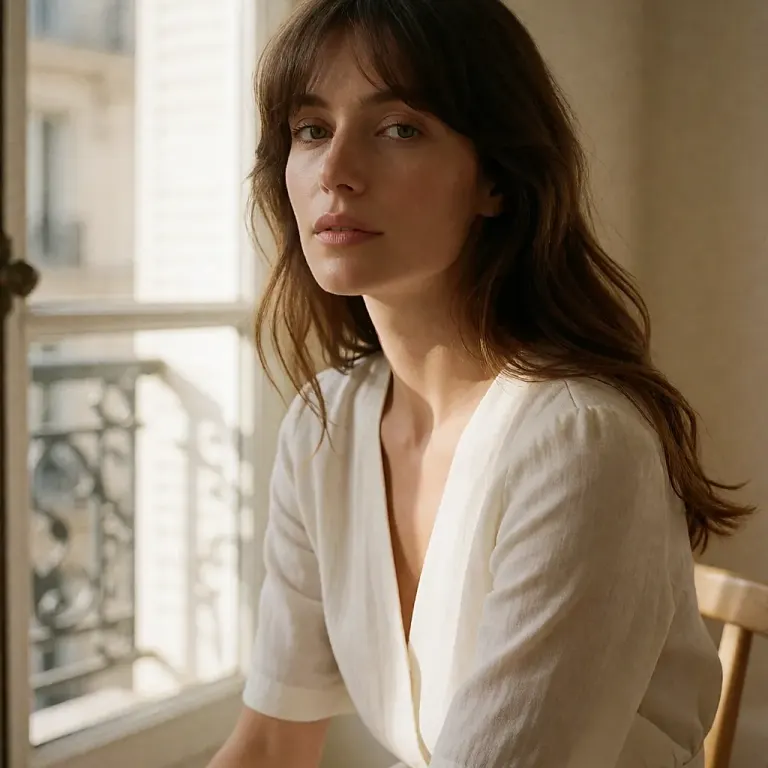
The fringe is back, in very different forms. The curtain fringe, parted in the middle, softens the eyes without cutting the face in half. A long, feathered fringe blends into the rest of the hair and forgives cutting mistakes. A full fringe, worn to the brows, makes a graphic statement that nods to the 1960s.
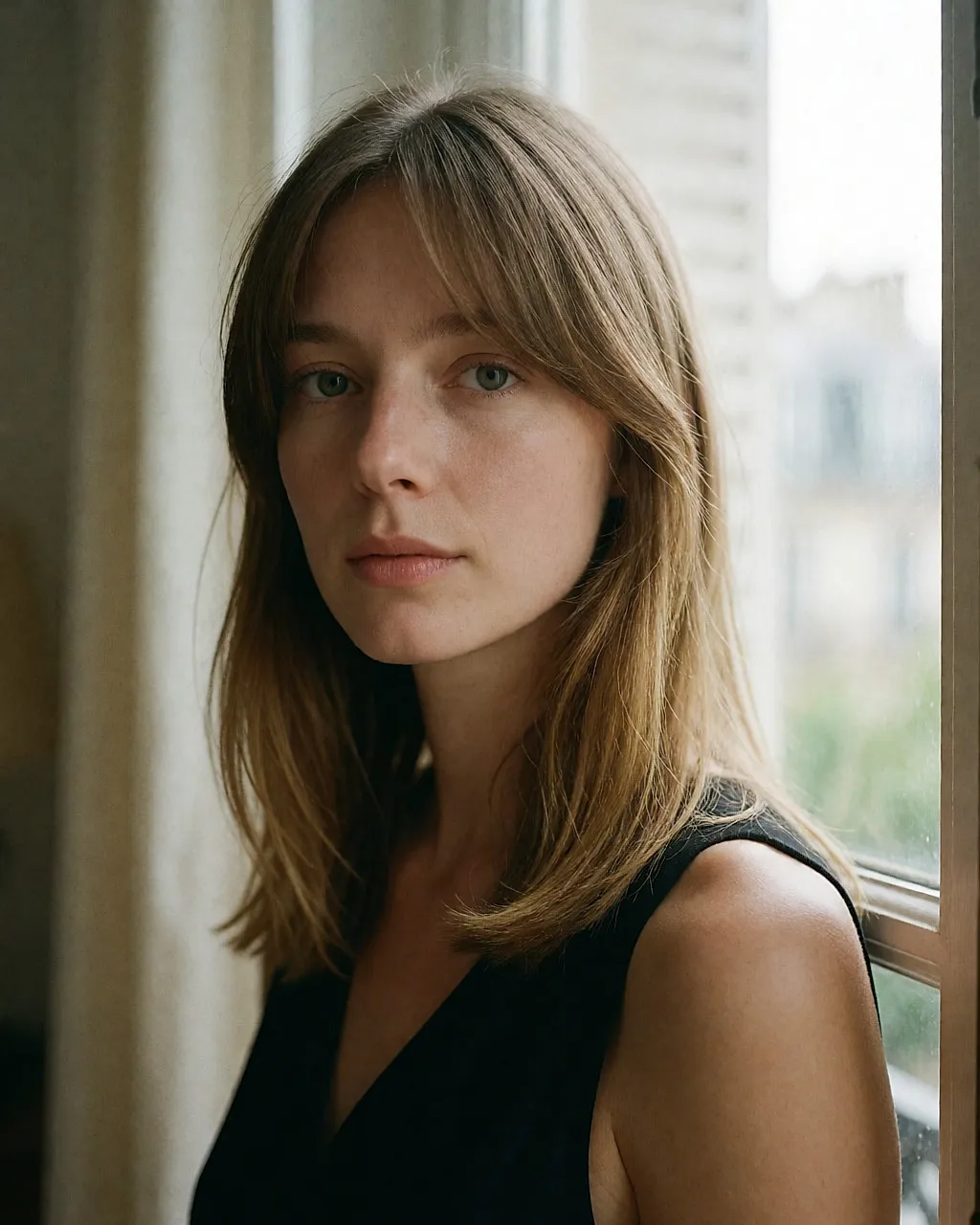
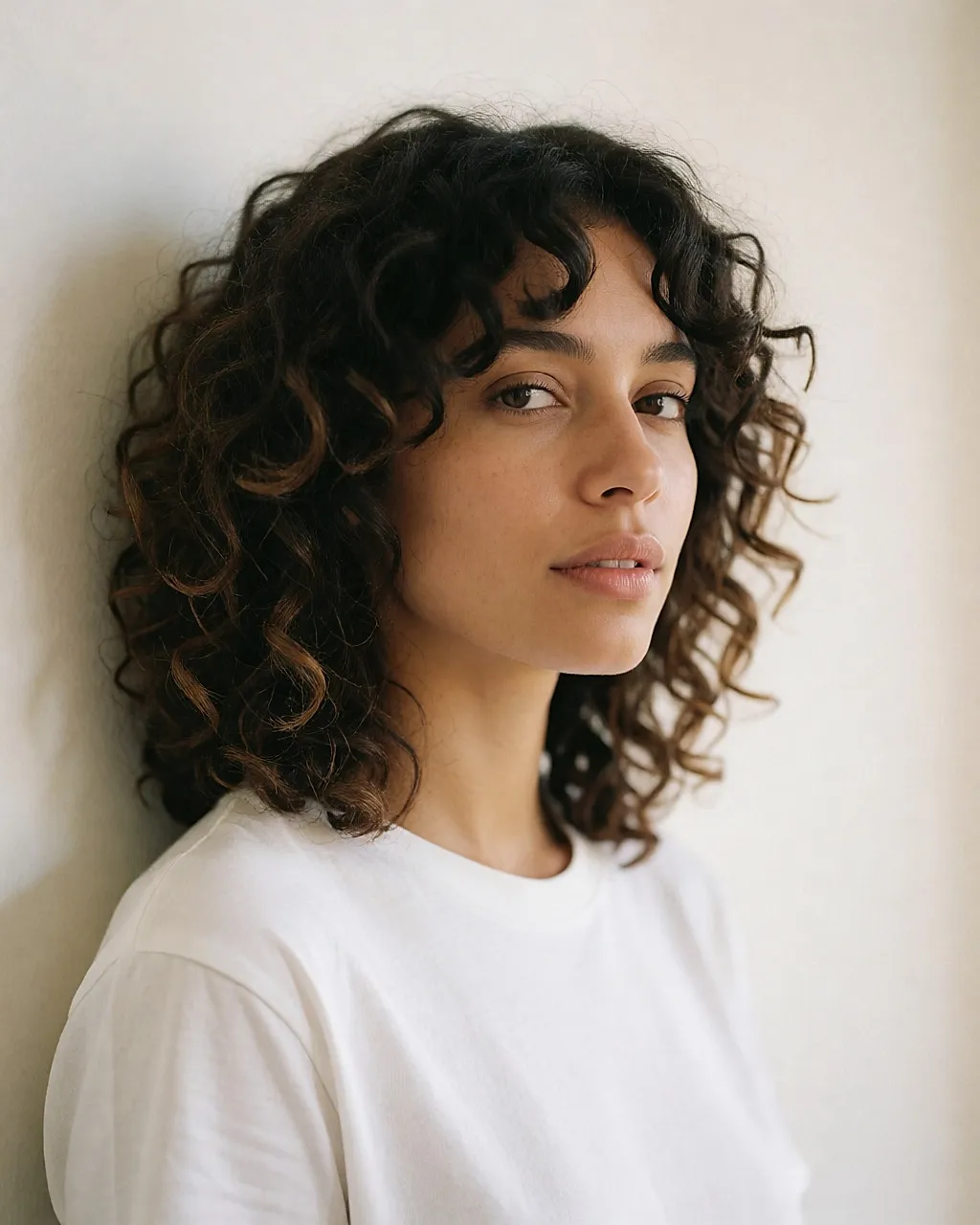
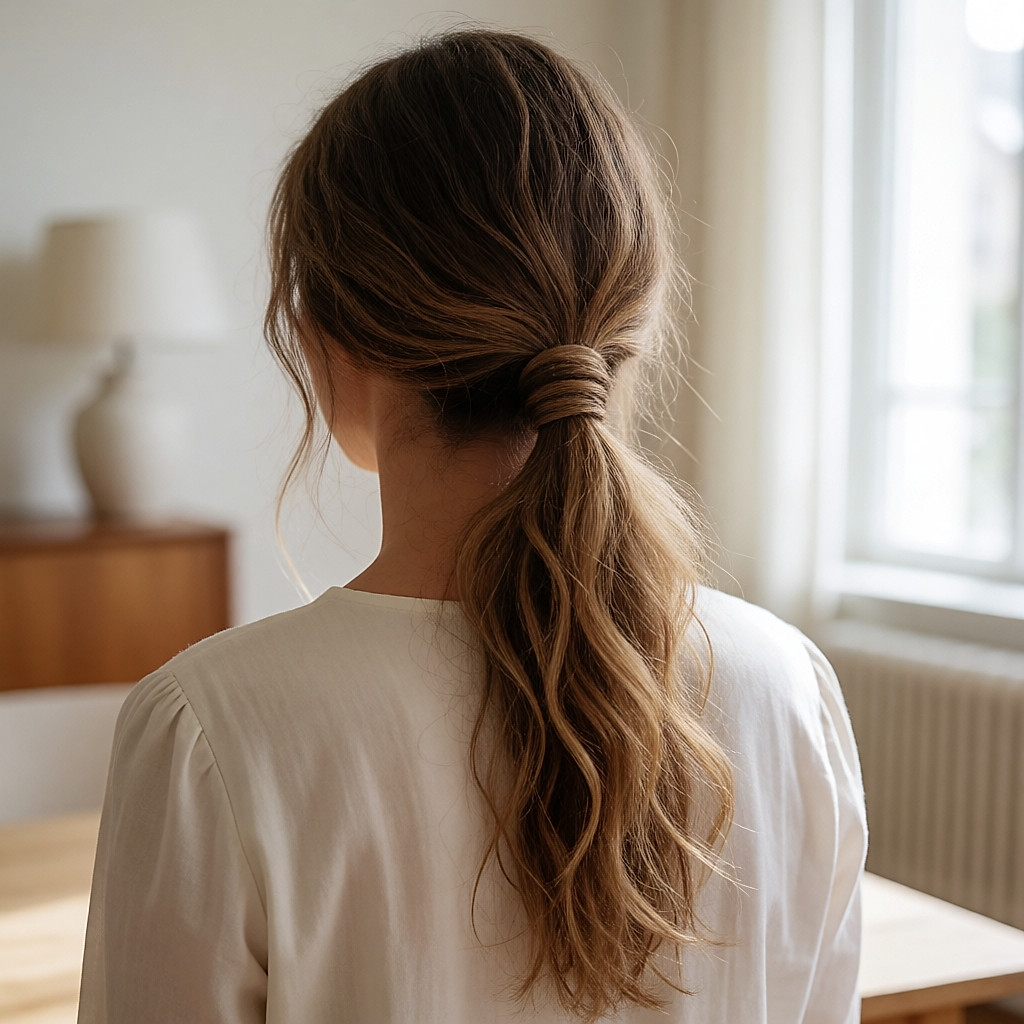
Two easy rules to remember: a straight fringe visually shortens the face, while a curtain fringe lengthens it. If you have a wide forehead, a fuller fringe that's layered at the sides is usually better. If your face is round, face-framing pieces are often enough to add structure without weighing it down. The tweak that changes everything: a little less at the sides, and the same fringe tells a different story.
Colour: less contrast, more shine
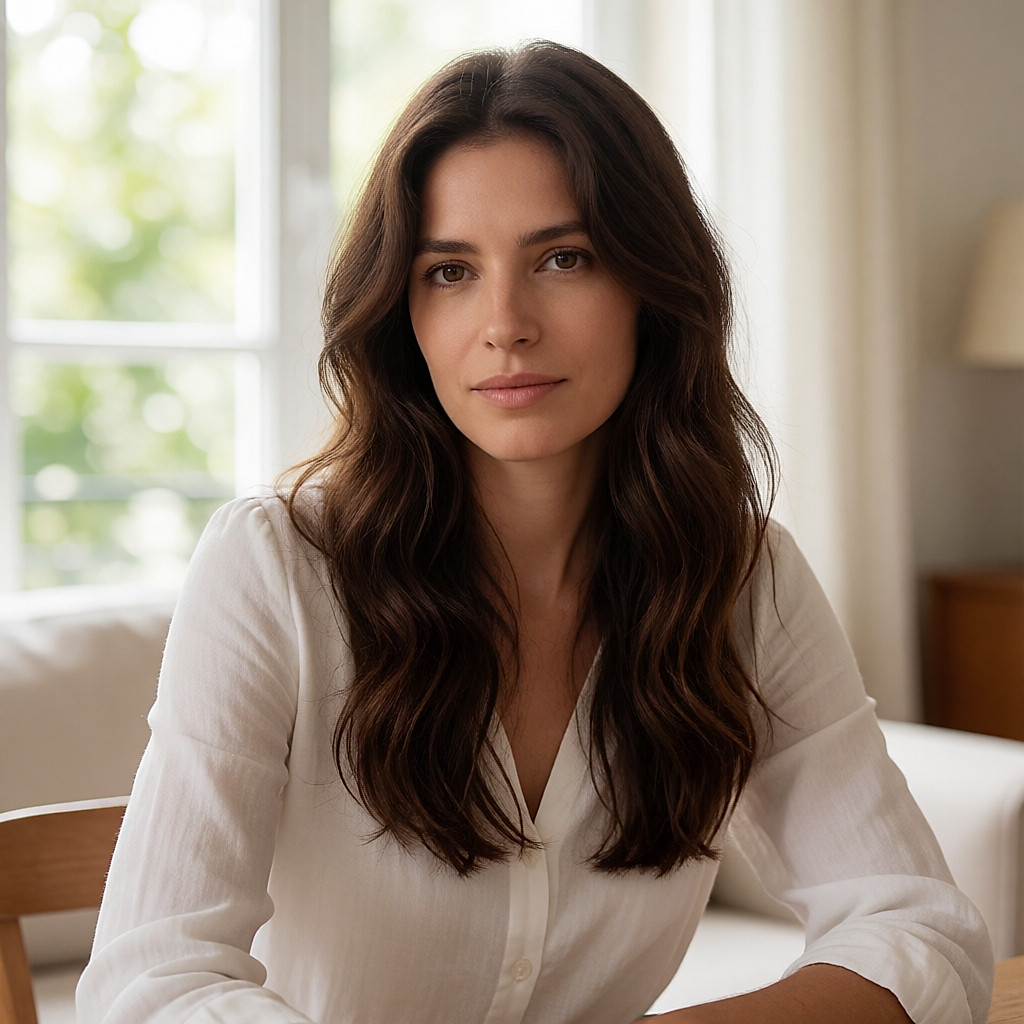
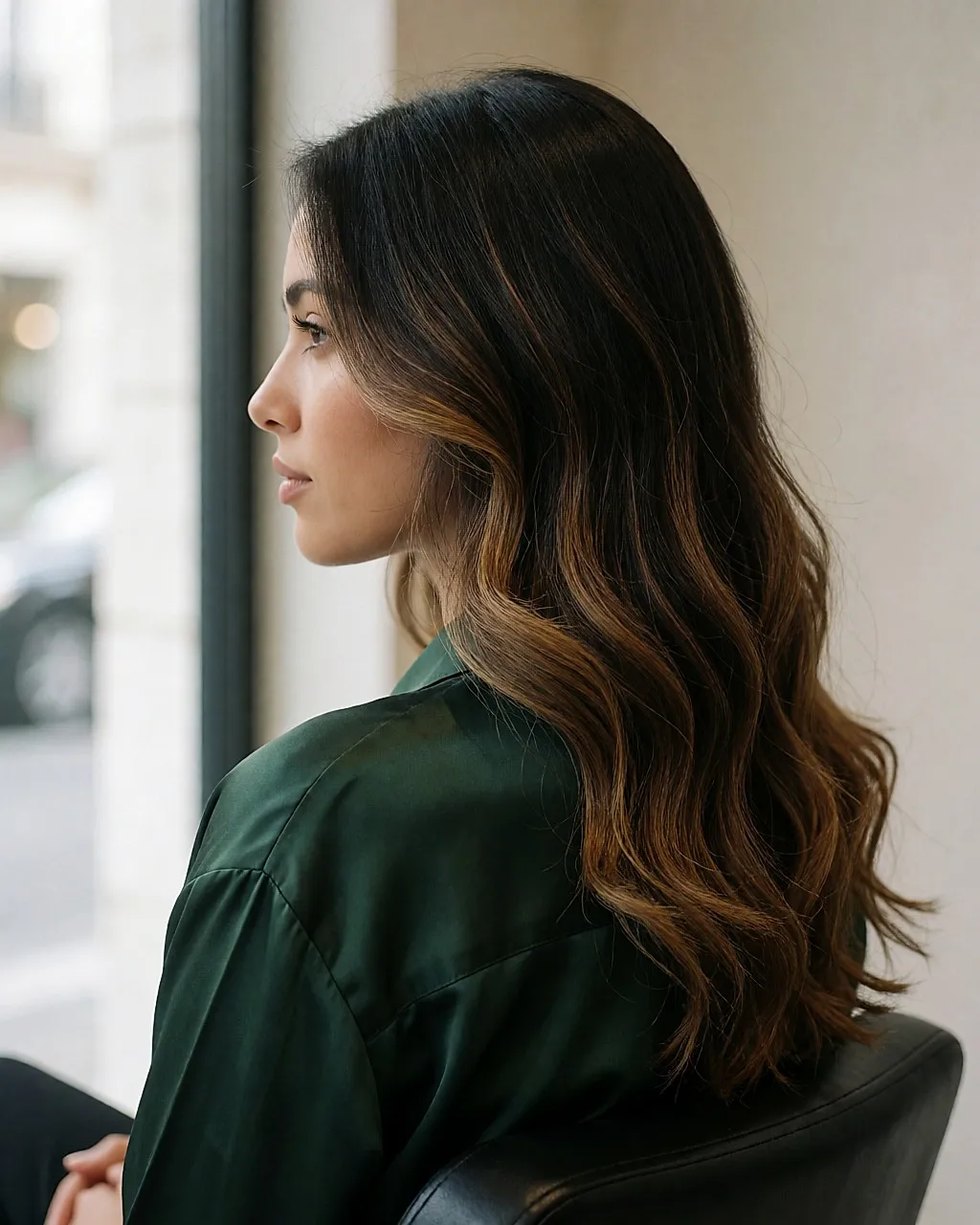
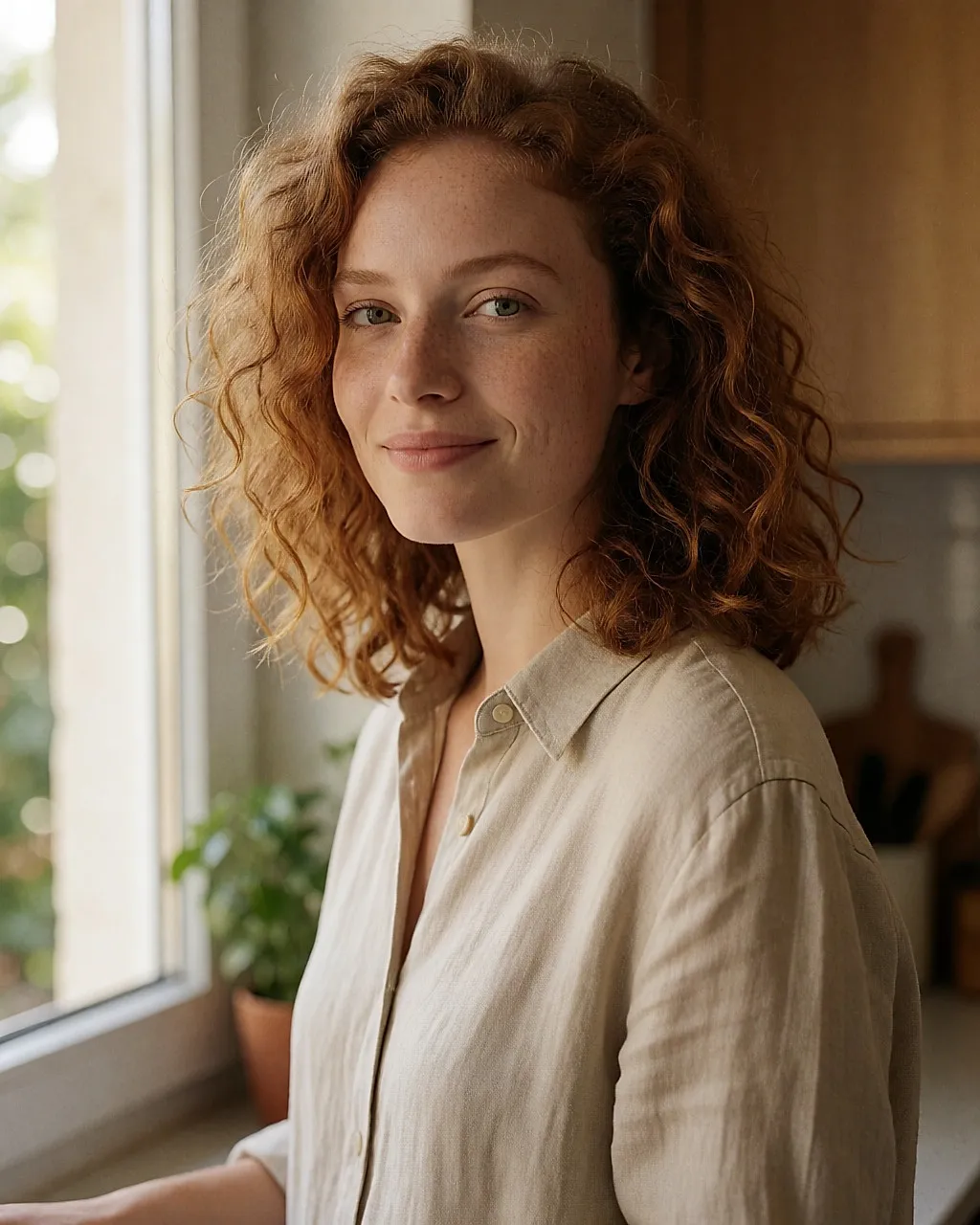
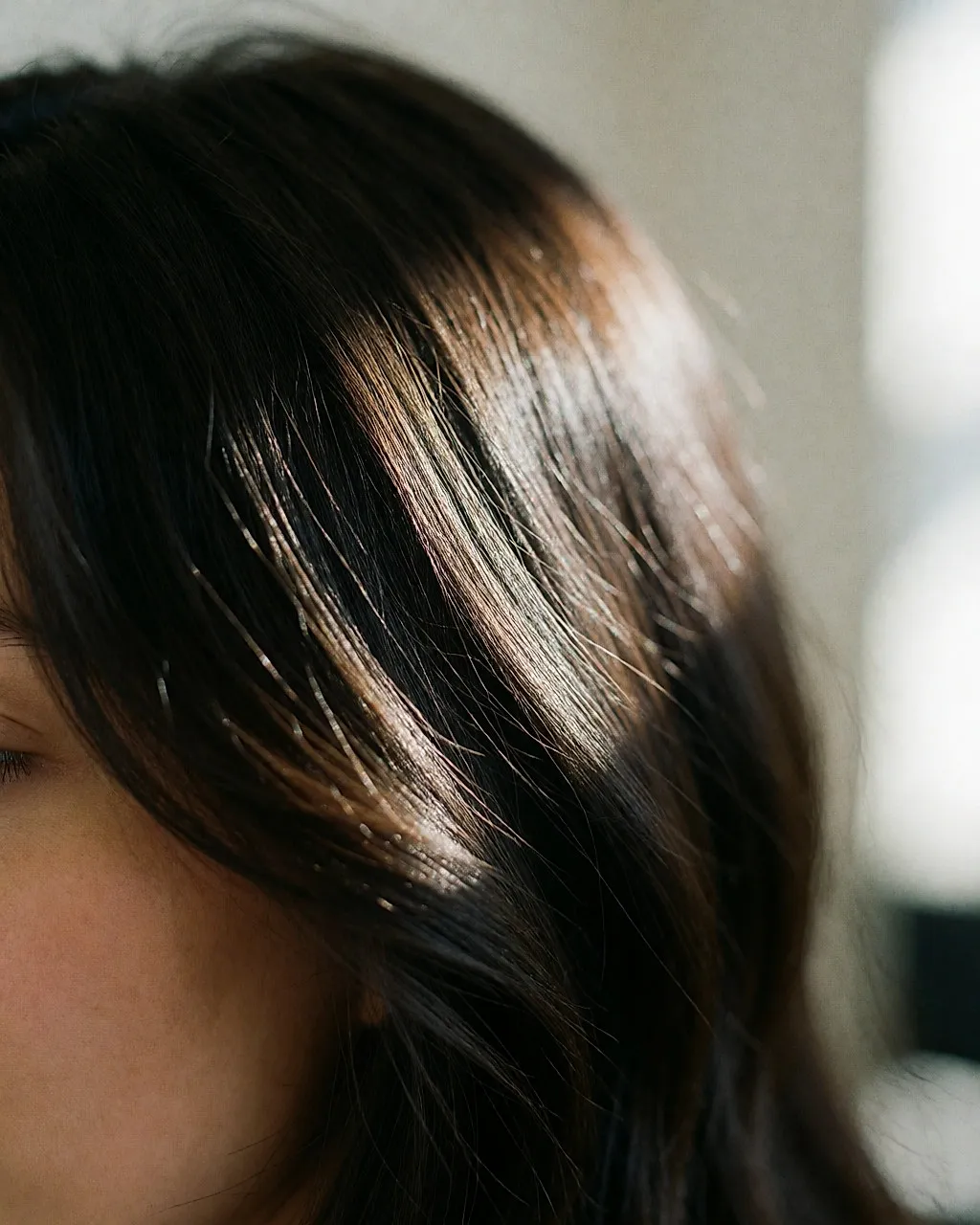
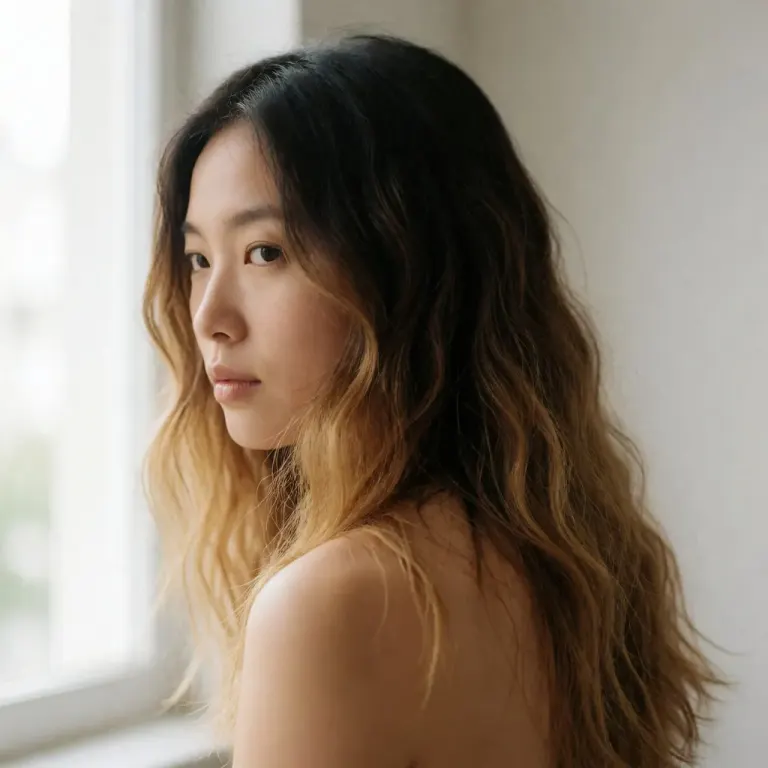
Heavily contrasted balayage and deliberately visible roots are losing ground. The mood is for blending: deep, luminous brunettes, honey or 'old money' blondes, and subtle copper tones worked in a translucent way. The goal is no longer to change colour, but to create hair that reflects light and still sits well with your complexion. Gloss, a shine treatment that's often ammonia-free, has become the key maintenance appointment.
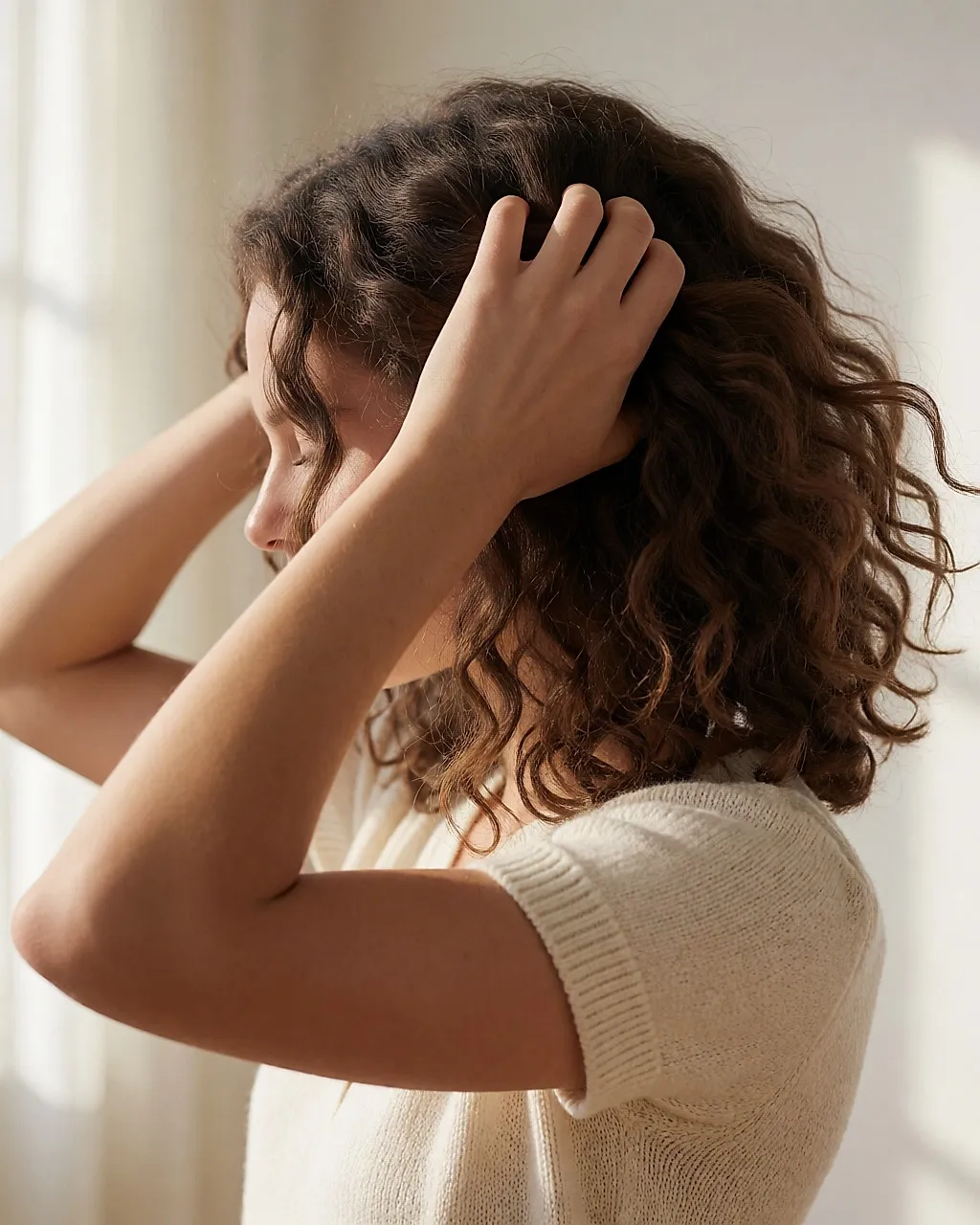
On the care side, the scalp is the new focus: serums, massage, gentler formulas that are less stripping. A healthy scalp is said to give shinier hair — an argument brands have picked up, to take for what it is: a logical lead, not proof.
Before you cut it all off, test the look with a wig or a clip-in piece, and weigh up the blow-dry time that styling will demand — going back to longer hair often means extensions, with the budget and upkeep they involve. The cut should also follow your hair type: the finer your hair, the more volume a short cut will give it; the thicker your hair, the more layers will lighten the bulk.
What you can genuinely make your own
You don't need a celebrity stylist to follow the trend. A few moves are enough: a bob lightly layered at the ends, a curtain fringe cut sparingly, a salon gloss, a mask regularly, as needed, a scalp serum.
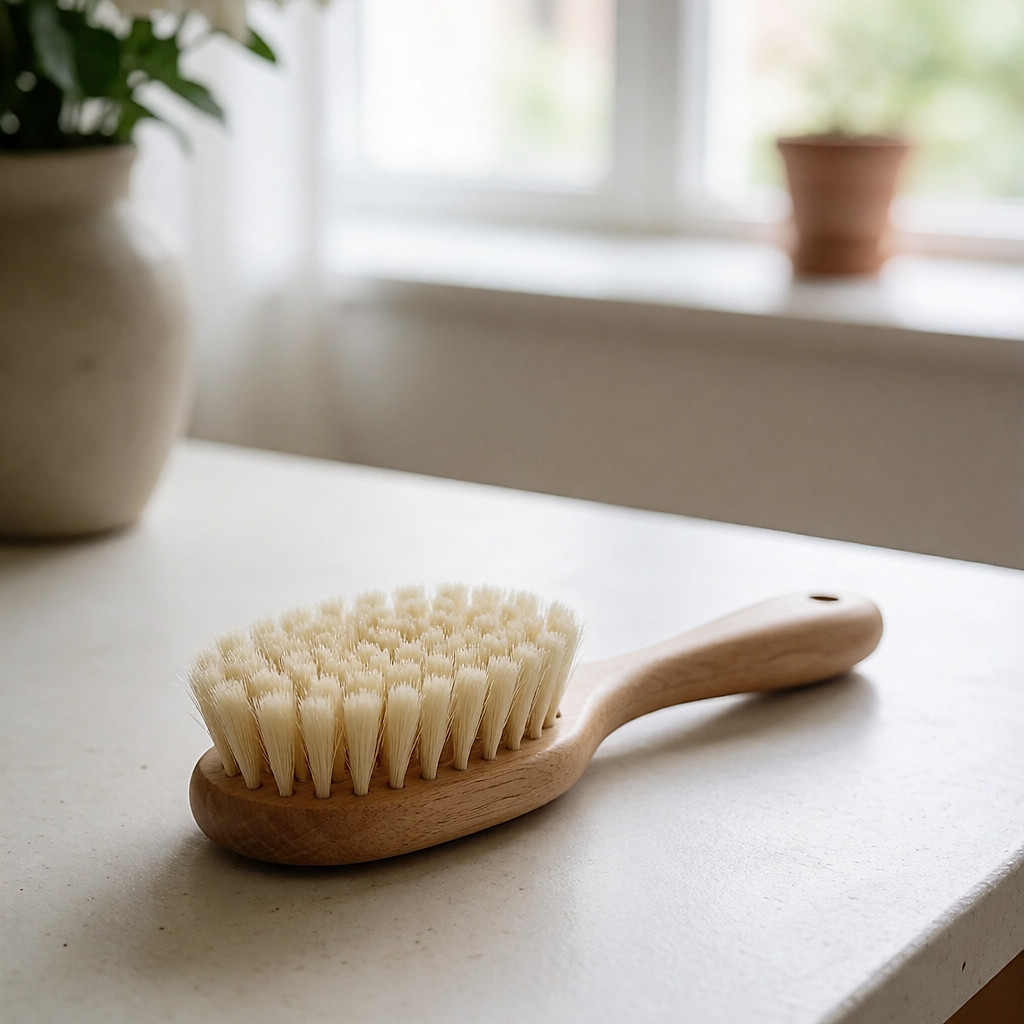
For products, read the label: recognisable naturally derived actives, a recognised certification (Cosmos Organic, Ecocert) that sets rules on the organic ingredient content and exclusions, and refillable or glass packaging rather than a disposable plastic bottle. A refillable jar mask costs a little more upfront, but topping it up is cleaner. By contrast, an ammonia-free gloss is often still conventional: the compromise is real, so it's worth knowing.
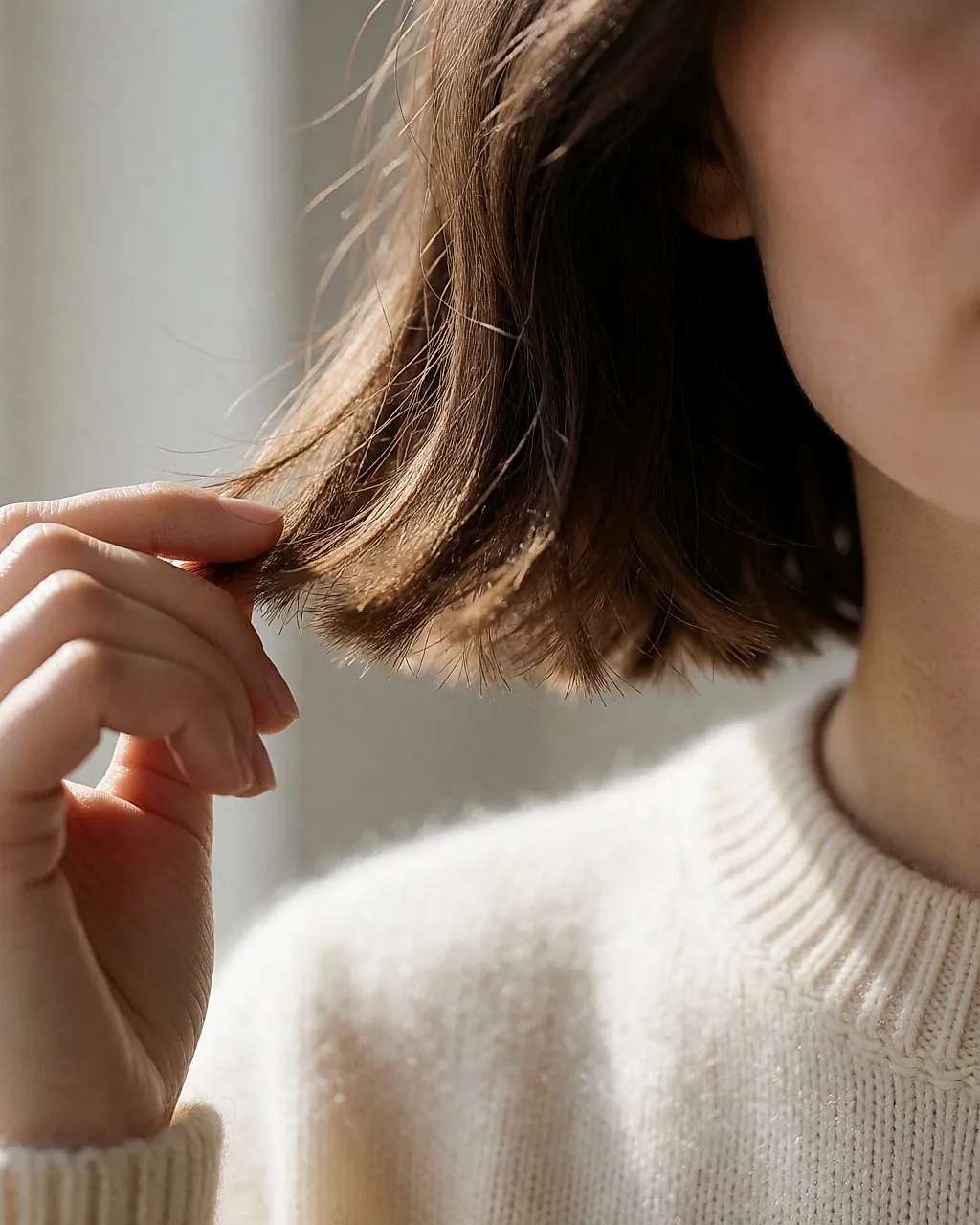
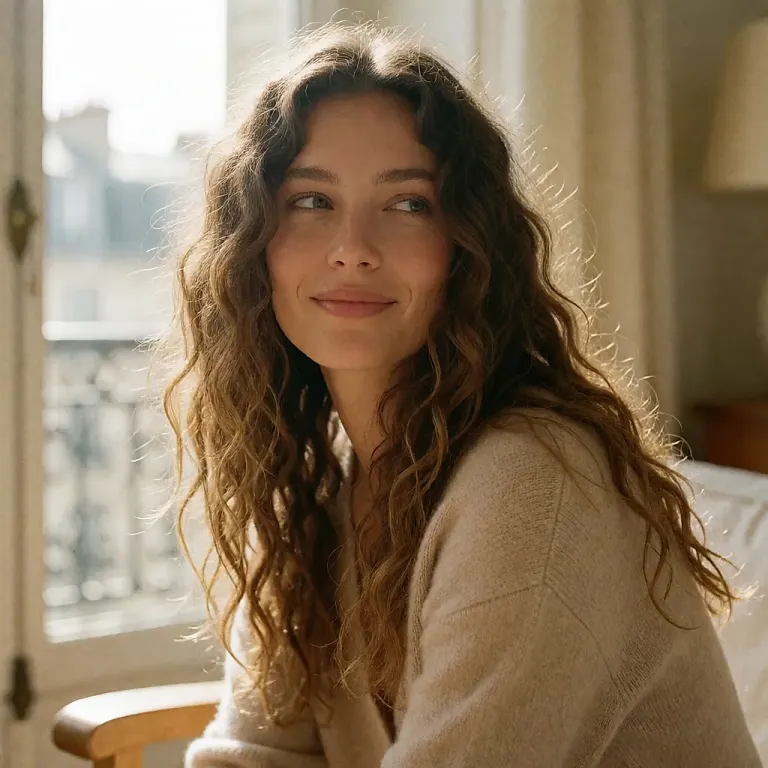
The secret of the most successful looks is less about the cut than the texture: working in movement, accepting a little softness, and avoiding excessive straightening that makes the features rigid.
Budget
Expect to pay around £35 to £80 for a salon bob, depending on city, length and salon tier — London and other major cities push it higher. A fringe on its own is often £5 to £15, sometimes free when cut with the rest of your hair.
For blended colour such as balayage or gloss, budget £80 to £200 in the salon, and £25 to £50 for a maintenance gloss on its own. A nourishing mask is usually £8 to £25 at beauty retailers, supermarkets or online; a scalp serum £10 to £30. Organic brands are stocked by organic beauty retailers, specialist shops and brand websites, with refills often a little cheaper.
And if you're itching for a complete change, a few centimetres are sometimes enough to transform your cut. Bobs, fringes and blended colour should keep salons busy for several seasons yet — long enough, in fact, to grow it out if the experiment doesn't win you over.
Comments
Your opinion matters: rate the article, react and reply to comments.
Comments are moderated; AI-assisted comments are flagged. Text emoticons (8-), :-), <3…) are automatically shown as images.