

"Can you tell it's a wig?" A friend asked me that over the phone, two weeks after her first round of chemo. She'd already got her beanie sorted, but she couldn't picture anything beyond it. Honestly, what's available now has little to do with the wigs of fifteen years ago.
Let's start with the real point. Hair loss from chemotherapy is, in most cases, temporary: it grows back once treatment ends. But losing it within a few weeks is a shock to your sense of self, and morale matters just as much as everything else. Looking in the mirror without gritting your teeth isn't a whim.
What's actually changed
Three things make the difference: the base, the density and the material.
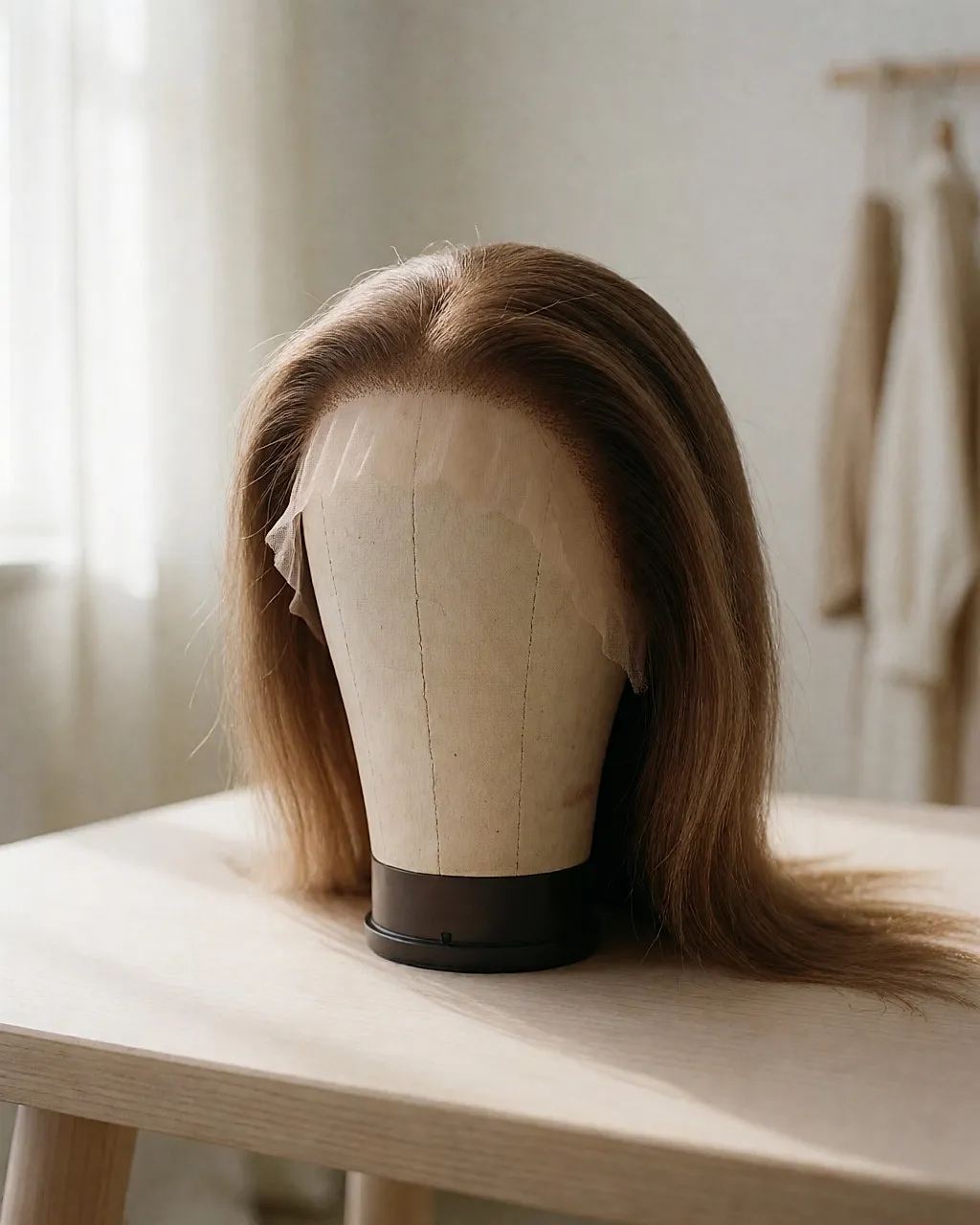
The base is the cap the hair is knotted into. A fine, well-fitted base avoids the helmet effect; lace frontals blend into the forehead and the hairline starts to look believable again. Then comes density: overload a wig and it gives itself away at once. Well-made ones go the other way, with lighter densities closer to what real hair actually does.
On materials, the market splits in two. Synthetic fibre comes ready to wear, keeps its shape and needs little upkeep. Natural hair feels softer and falls more convincingly, but you wash and style it like real hair — so it takes time and the right products.
Cut, colour and skin tone
The detail that gives a wig away is rarely the cut: it's a colour that doesn't sit right with your skin tone. A shade that's too cool or too uniform hardens your features. A root shadow, a subtle balayage or a few lighter strands around the face break up that flatness and warm up the complexion.
For the cut, a specialist tailors the length and layers to your face shape: more volume at the sides if your face is long, a shorter line if your features are fine. You can spot a good cut by how it moves, not by the price tag.

The routine and the ritual
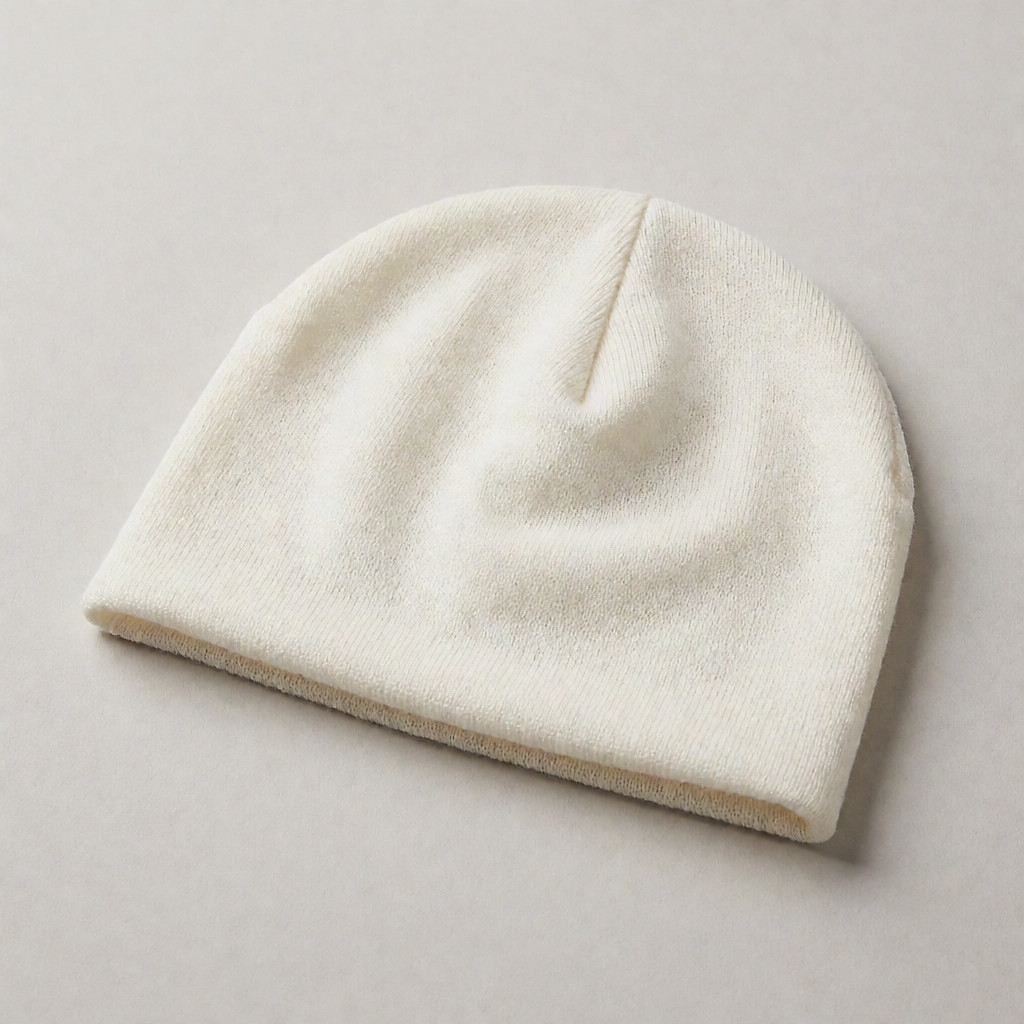
Always put your wig on over a thin cotton cap: it changes comfort completely, and it's gentler on a scalp that's been sensitised by treatment. Fasten the back before the front, then adjust the side tabs.

Let me be straight with you: I haven't tested a medical wig myself — this article is researched, not a trial. Before you put anything on your scalp during treatment, ask your care team, even for a gentle shampoo.
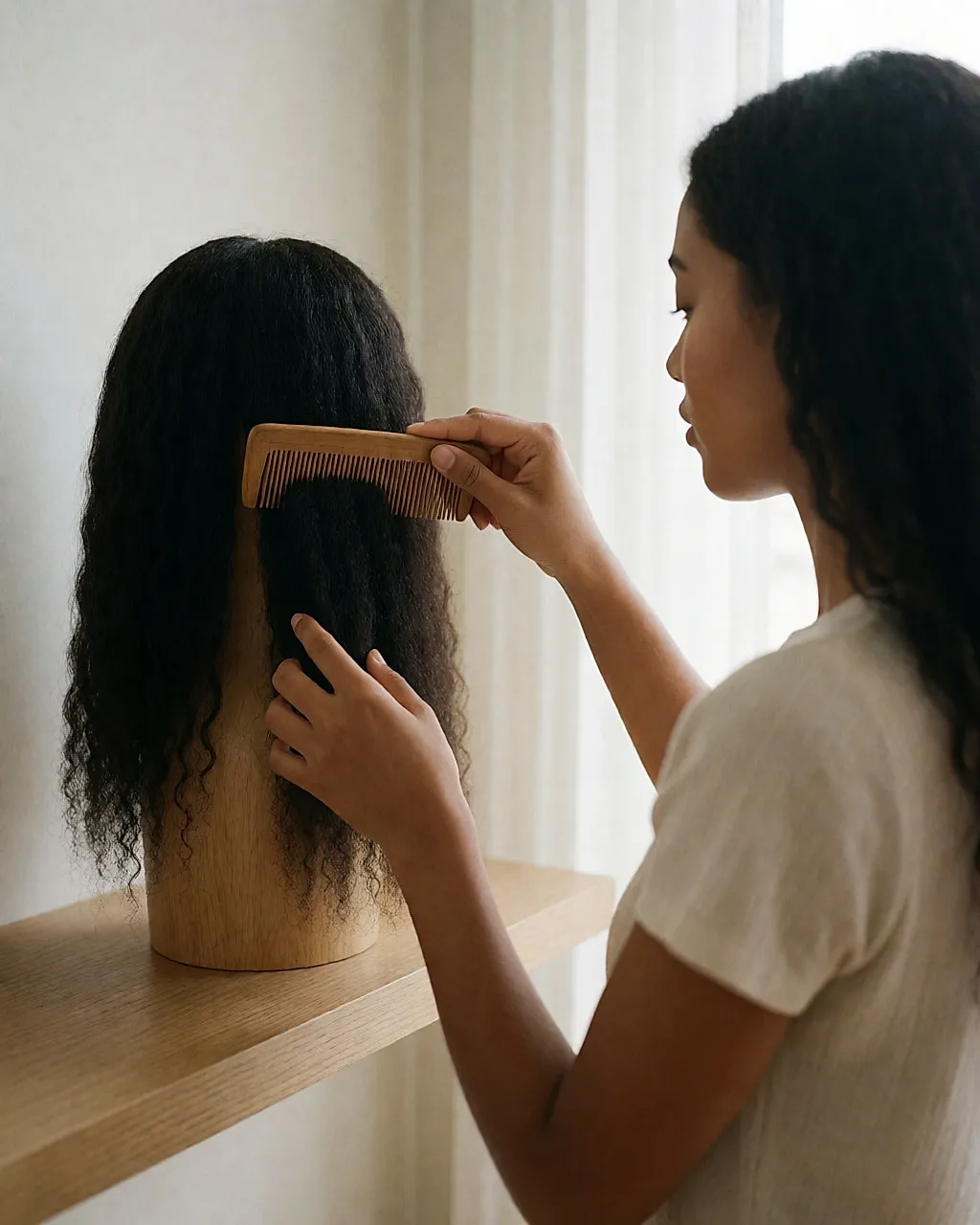
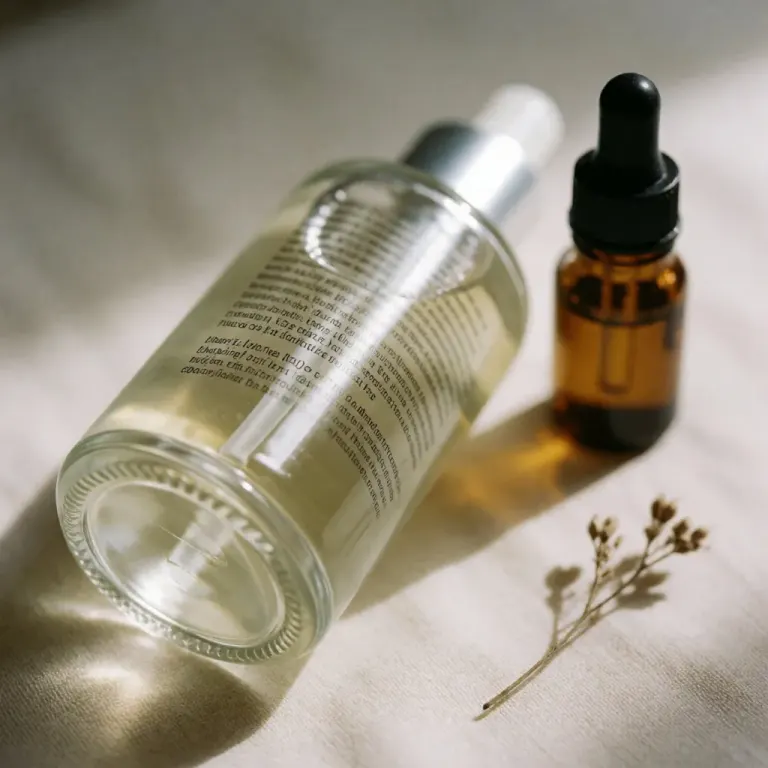
The one move that changes everything: a spritz of water and two drops of a light serum on the ends, and your hair gets its movement back. At night, rest it on a stand — never in a plastic bag.
What they don't always tell you
On the disposal side, synthetic fibre goes in your household waste — as far as we know, there's no widely available recycling route for wigs in the UK. A natural-hair wig can be trimmed, restyled and sometimes passed on. At the same budget, favour European manufacturing and cold-water care: that's usually what extends a wig's life the most, and so its real environmental footprint.
Budget
Expect £50 to £220 for a ready-to-wear synthetic, £130 to £510 for a medical wig with a fine base, and £430 to £1,700 for natural hair. Bespoke goes even higher. Add £25 to £70 for a salon styling, and £9 to £35 for a cap or turban.
What moves the price: the material, the density, how fine the base is, where the hair comes from — and fitting and alteration charges differ from city to city. Where to buy: a specialist salon (try-on and alterations on site), a pharmacy, an approved supplier, or online — and if you buy online, check the returns policy, it's essential.
Whether you get any help with the cost depends on your situation. In some parts of the UK, wigs can be prescribed on the NHS for medical hair loss, but eligibility, prescription charges and what's on offer vary. Check with your GP surgery or hospital team before you order.
Sources
- NHS — nhs.uk, on wigs and prescription charges for medical hair loss.
- Macmillan Cancer Support — macmillan.org.uk, on hair loss and chemotherapy.
- Cancer Research UK — cancerresearchuk.org, on the side effects of treatment.

Comments
Your opinion matters: rate the article, react and reply to comments.
Comments are moderated; AI-assisted comments are flagged. Text emoticons (8-), :-), <3…) are automatically shown as images.