

Hold your hairbrush up to the light and look between the pins: a grey fluff has moved in, along with a couple of flakes and a snapped hair. That little clump is your hair week in miniature — sebum, leftover product, dust, a memory of hairspray. Most of us spot it with a slight step back, and the idea of diligently spreading it over a clean scalp is what settles the argument. Hence the step more and more people are talking about: brushing dry before you shampoo, not after.
Your scalp is skin, not a surface
We spend a fortune in attention on the lengths — the Sunday mask, serum on the ends, warm oil in winter — then cross the scalp in thirty seconds of lather, as though hair grew by magic out of plastic. Yet that skin is what carries everything else: it has a barrier, sebaceous glands, follicles, and a marked tendency to get hot and bothered when you pile on styling products and never clear anything out.
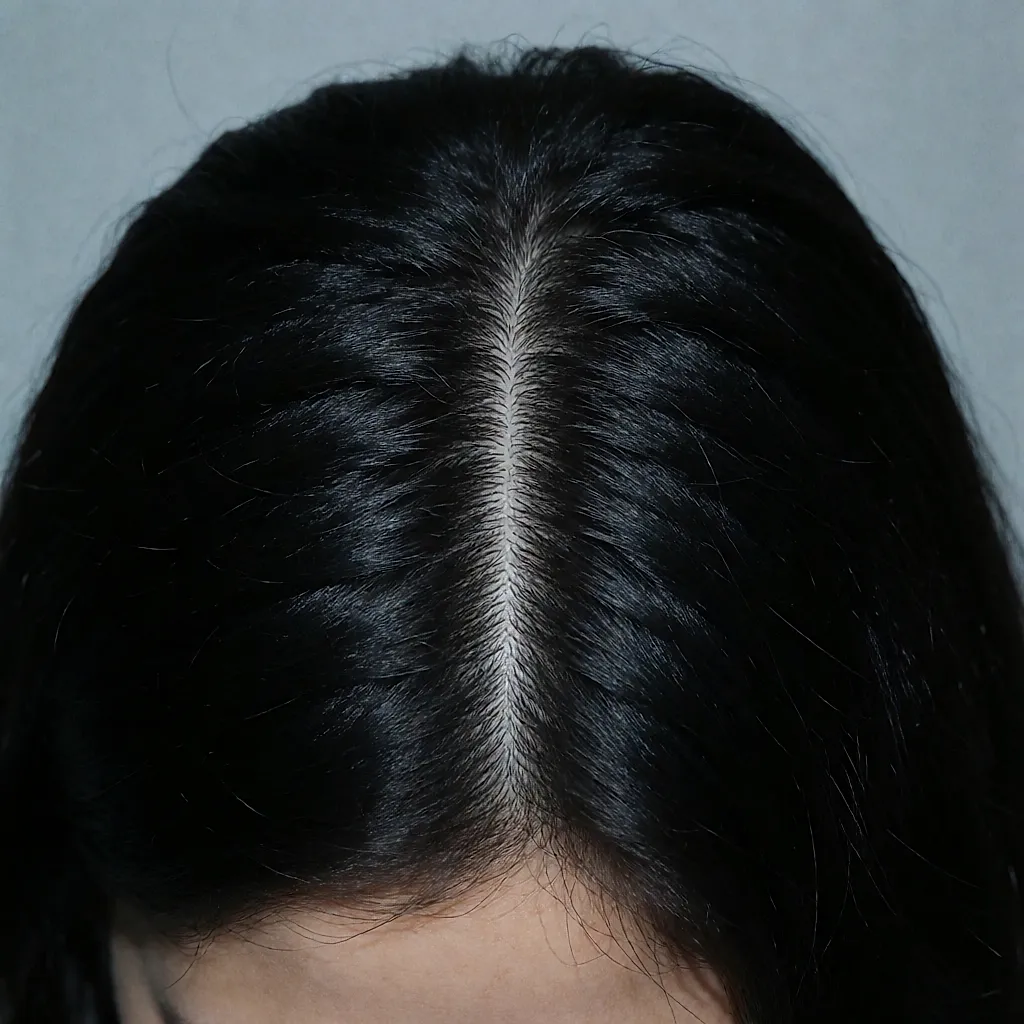
Dry-brushing obviously doesn't replace shampoo — let's be clear about that. It does the prep work: it lifts the flakes, dust and residue that cling to the roots, and it moves sebum from the scalp down through the lengths before washing. Does it earn you a cosmetology diploma? No. But in practice, plenty of us have simply forgotten that skin gets prepared before it gets scrubbed.
The technique, step by step
The whole thing takes two minutes, on dry hair that has been properly detangled first. Work in sections, without pressing hard: start at the nape and the crown, work down from roots to ends following the shape of your head, then finish through the lengths. The idea is to glide, not to scrub — a soft brush with rounded pins or natural bristles does the job perfectly well, so put away the round barrel brush that yanks and the metal-bristled one.
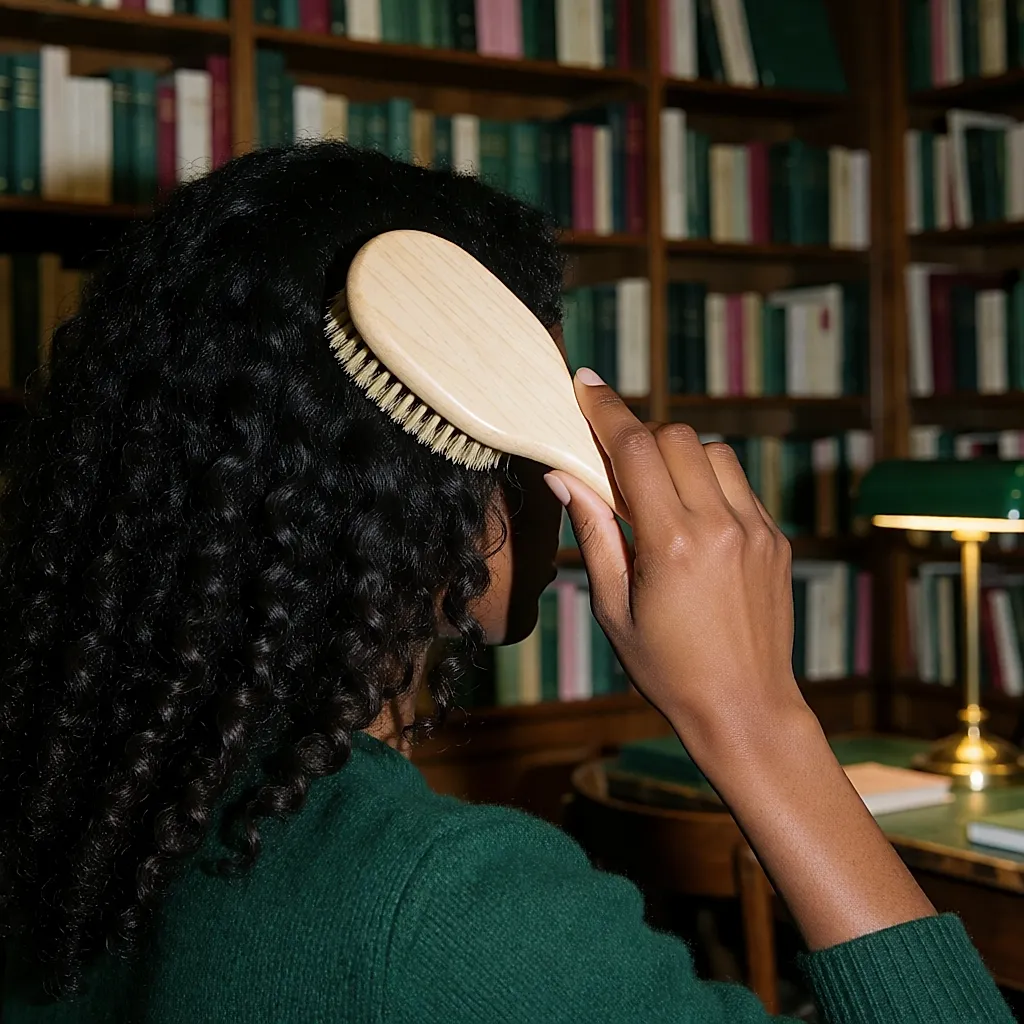
When? The night before you wash if you're the organised sort, or right before you get under the water. Choose the brush that suits your hair: soft pins for a reactive scalp, natural bristles for fine hair, and for curls, honestly, do it with your fingers or with a brush designed for dry detangling — otherwise you'll turn your crown into a hedgehog.
And the detail everyone skips: the brush itself needs washing. A quick clean in warm water with a mild soap every two to three weeks is a handy rule of thumb from the desk, not a prescription — but it will save you brushing the clean with the dirty.
What changes when you style
This is where the habit starts to make sense. Wet hair deforms more easily than dry hair: that's exactly why you shouldn't hastily detangle a dripping nape straight after shampooing. Brushing dry settles the question before the water, limits tangles, and means you start drying hair that's already under control.
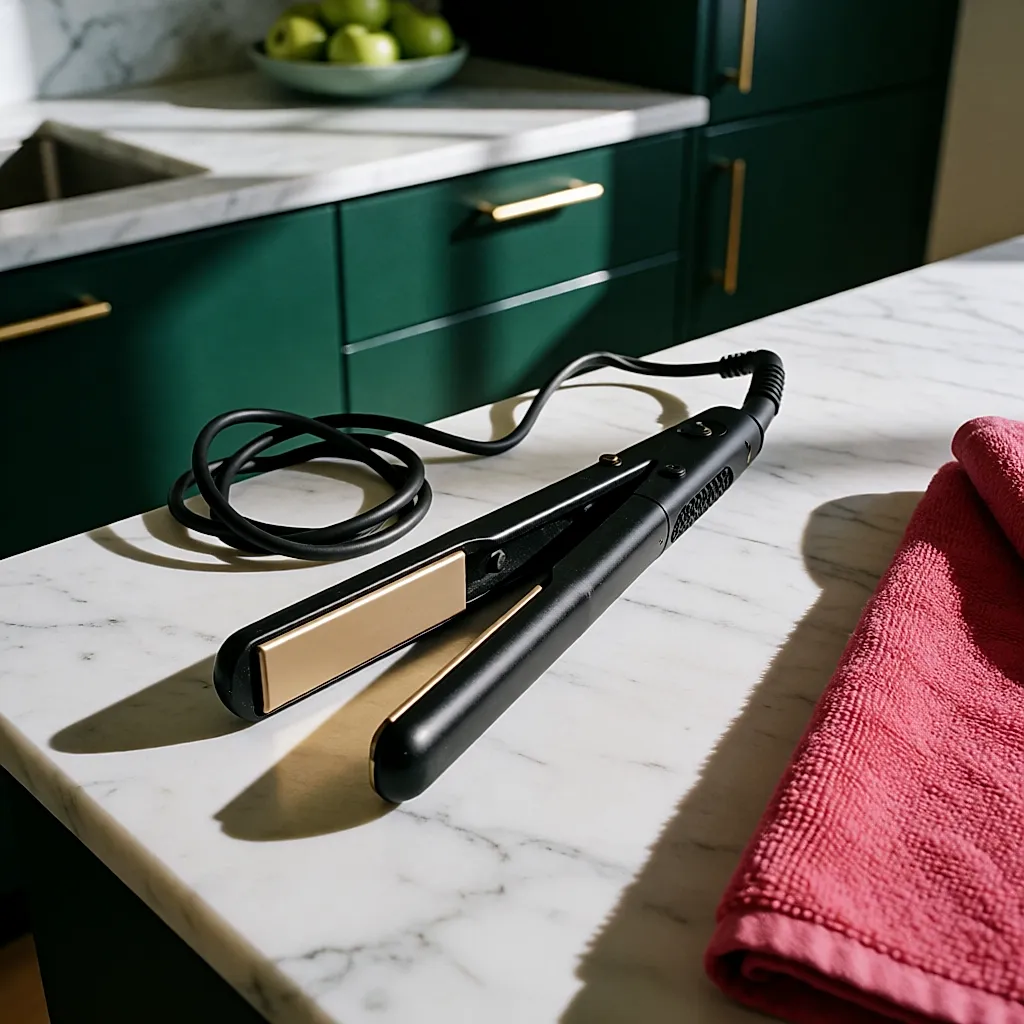
Then there's styling, the step that really does the damage. Hair detangled dry needs fewer passes with straighteners or a hot brush: that's less heat on the fibre. And lengths that aren't tugged with every stroke break less — no one is promising you a measured result here, but the logic holds up, and your shoulders will thank you.
The limits, honestly
There are times to put the brush away. A scalp that itches badly, patches, crusts, redness, unusual shedding: don't brush "to clear it", speak to your GP or a dermatologist. Intensive brushing has never treated inflammation, and it isn't an exfoliant either — they're two different things, so don't confuse them.

And a confession: I have no numbers to offer you on the benefits of dry-brushing; nobody measures shine with a light meter. It's a pleasant, logical hygiene habit that costs two minutes. If your scalp can't take it, if it pulls or prickles, stop: your skin has the last word.
Budget
On price, there's no need to go high-end just to try it. Expect to pay somewhere around £8 to £20 for a soft-pin brush from a pharmacy, a supermarket or a health-food shop; £25 to £70 for a good-quality natural-bristle brush with a wooden handle you'll keep for years; and £8 to £25 for a compact one to keep in your bag. The gaps come mostly from materials, how the pins feel and how the handle is finished — not from any supposed technology.
Three checks before you buy. Run the brush over the back of your hand: if the pins scratch, they'll scratch your scalp. Check the tips are properly fixed — one bare pin and you'll remember it for a long time. And go for a wooden handle or a brush with a detachable head: that's the kind you can clean, keep and replace least often.
The real luxury here isn't the brush: it's the order of things. Brush, wash, treat, style — and give your scalp the two minutes it asks for. It will pay you back in hair that holds, roots that can breathe, and a brush that's a little less embarrassing to look at in good light.
Comments
Your opinion matters: rate the article, react and reply to comments.
Comments are moderated; AI-assisted comments are flagged. Text emoticons (8-), :-), <3…) are automatically shown as images.