

This morning, you took off your hat and your hair stuck to your cheeks. Your cheekbones feel tight, your hands are rough, and last winter’s tube of cream leaves a white film that makes things worse. Nothing alarming: it’s the same mechanism every year, and you can push back against it pretty well once you know the order to do things in. Why does skin feel so tight, and how do you turn things around?
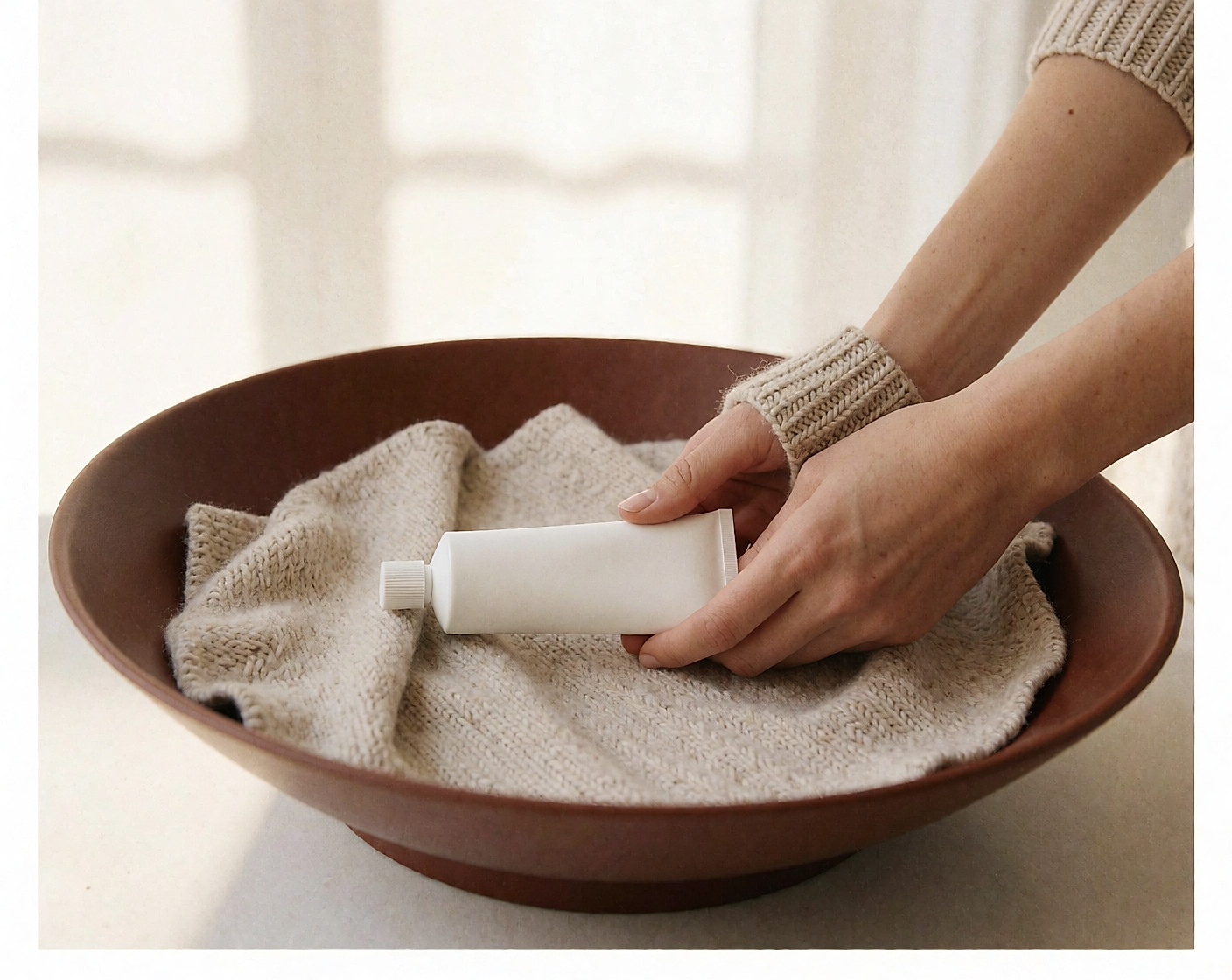
Why your skin suffers (and what that changes)
When temperatures drop, sebaceous glands slow down. They produce less sebum, the oily film that keeps skin supple and protects it from external aggressors. The skin barrier weakens: skin feels tight, reddens, sometimes flakes. Add temperature swings — from an overheated bus or train to freezing wind in three minutes — and blood vessels dilate then constrict too quickly. That’s when redness quietly settles on your cheeks.
So the first step? Accept that your summer routine no longer goes the distance. In winter, you nourish more and strip less.
A lukewarm shower rather than a scalding bath
It will annoy you, but a scalding bath is a tempting trap. It relaxes you, true, except it damages the hydrolipidic film that protects your skin: you get out, walk ten minutes in the cold, and the already weakened barrier takes the final blow.
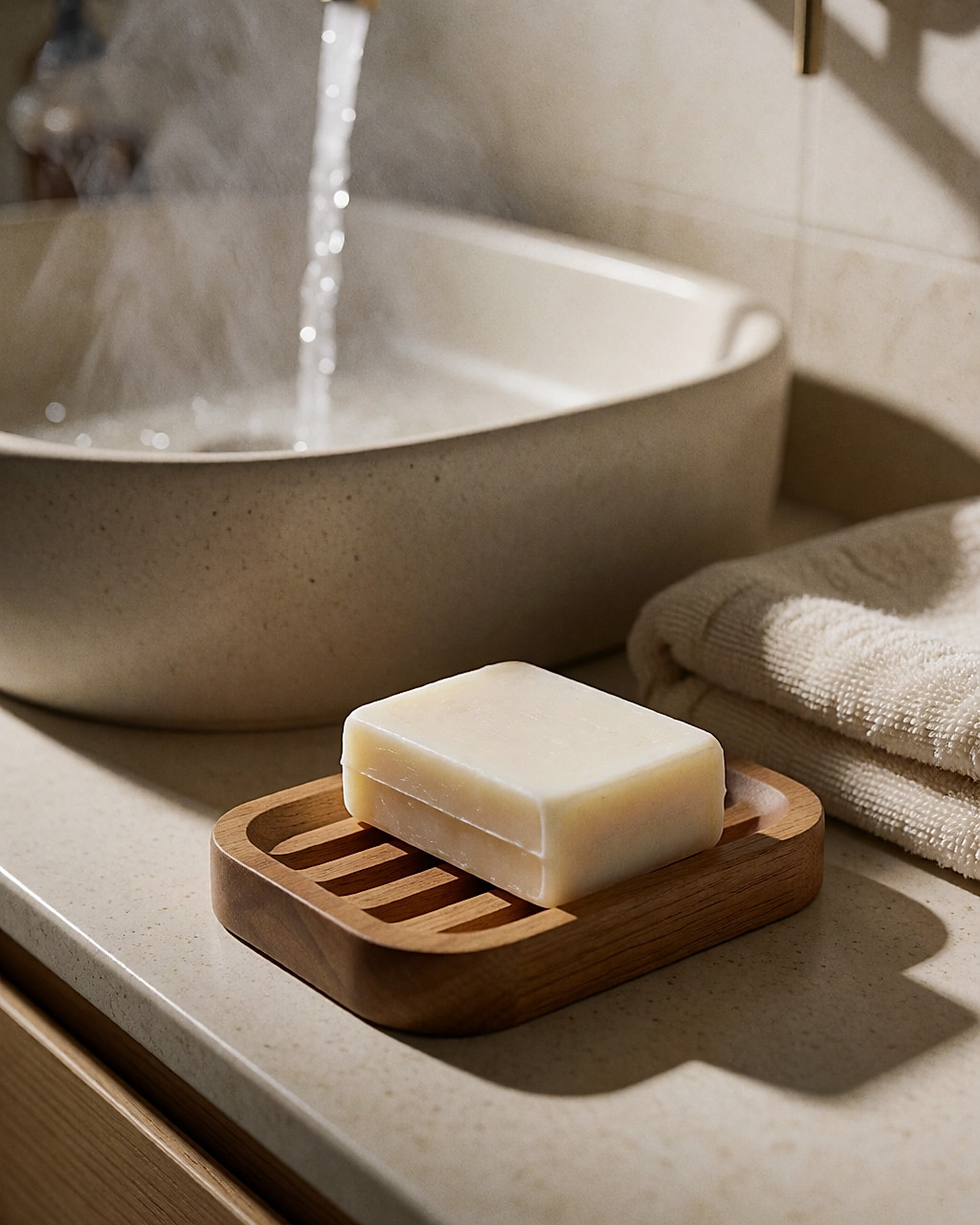
So: lukewarm, short showers, and skip highly foaming, heavily perfumed gels in favour of a soap-free dermatological cleansing bar, gentler on skin’s pH. If you really crave a bath up to your neck, take it in the evening and smooth on cream straight afterwards, while skin is still damp.
Moisturiser: the layer you no longer forget
At least once a day, and not just on your face — from feet to head. Legs are the most forgotten area: they have far fewer sebaceous glands than the rest of the body. If you were only going to nourish one area, it would be that one.

Formula-wise, look for a rich, film-forming texture, fragrance-free if your skin reacts. Cold cream — that traditional blend of wax, oil and water — remains a reliable choice: it forms a protective veil, leaves skin soft, and comes as lip balm, hand cream and facial care. Just check the ingredient list: denatured alcohol has no business at the top.
The order that matters: lukewarm shower, then cream on still slightly damp skin, then get dressed, then head out. Applying to damp skin helps limit water loss. Five minutes, no more.
Hair: hats, static and thirsty fibres
Cold dries out the hair fibre, making it brittle and hard to manage; and as soon as you take off your hat, static gets involved. Two habits are enough: a pre-shampoo treatment once a week, based on shea butter or plant oil, and a light cream or serum on dry hair to smooth it during the day.
For accessories, swap a plastic brush for one with natural bristles — synthetic ones charge the hair. For hats, choose wool, organic cotton or wood-based viscose: gentler on hair, and noticeably less static.

Don’t overheat your home
Going from a sofa at 23°C to freezing wind: your face doesn’t much like it. And heating dries the air, which your skin, nose and eyes feel after a few days. A humidifier, a bowl of water on the radiator, and turn the thermostat down a notch. Good for your complexion, good for the bill.

And on your plate?
In sub-zero temperatures, breakfast is not a detail: something warm, a source of vitamins — fresh fruit, pressed juice, or a supplement if a doctor advises it — and above all water. It’s easy to forget, but you sweat less without needing to hydrate less. Tea, herbal tea, soup: it all counts.

Budget
On packaging, refills, solid formats and loose products reduce waste — provided a refill genuinely exists for the format you use, which isn’t always the case. And a label such as COSMOS certifies the composition and share of organic ingredients, not efficacy or where it was made: useful to know when a brand makes it their main argument.
- Soap-free dermatological cleansing bar: expect around £4 to £12 for the bar or a 200–400 ml bottle. In pharmacies, it costs more than in supermarkets; the difference is mainly down to active ingredients and fragrance-free formulas.
- Cold cream or rich body balm: expect around £7 to £22 for a body size. A glass jar or refill lowers the cost per gram over time.
- Lip balm and hand cream: expect around £3 to £15 depending on the formula. Check that it contains beeswax or shea butter, rather than silicone alone.
- Pre-shampoo hair treatment: expect around £9 to £28. A bottle of pure plant oil (shea, jojoba, coconut) often costs less and serves several purposes.
- Natural-bristle brush: expect around £9 to £30. The difference comes from the handle (FSC-certified wood, bamboo) and the type of bristles.
- Wool or organic cotton hat: expect around £15 to £60 depending on material and local manufacturing.
Where to find it all? Pharmacies and larger health and beauty retailers for the dermatological cleansing bar and reactive skin care; supermarkets, department stores and brand websites for body basics; organic shops, co-ops and online brands for plant oils and wool. The routines are ones I’ve followed for several winters; the price ranges are documented and not tested shop by shop.
Sources
- British Association of Dermatologists, patient information on skin conditions and skin care: bad.org.uk
- NHS, general advice on hydration and diet: nhs.uk
- Energy Saving Trust, guidance on home heating and humidity: energysavingtrust.org.uk
Food supplements do not replace a varied, balanced diet and a healthy lifestyle.



Comments
Your opinion matters: rate the article, react and reply to comments.
Comments are moderated; AI-assisted comments are flagged. Text emoticons (8-), :-), <3…) are automatically shown as images.