
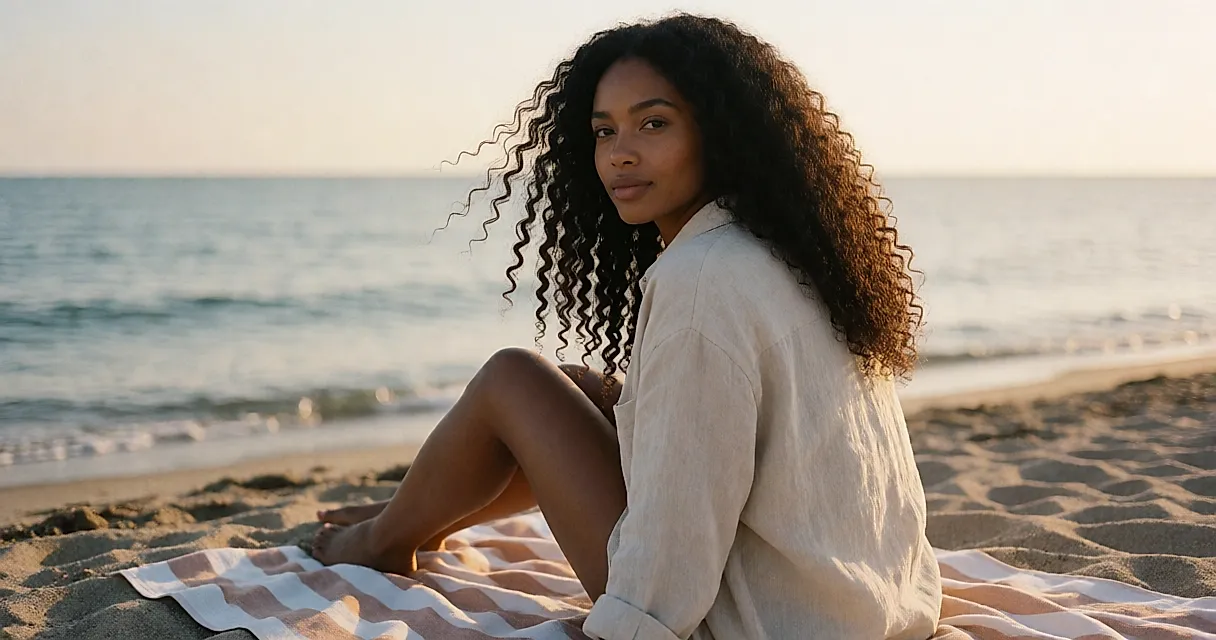
Three days by the sea, a still-damp bun left to dry in the wind, and by the time you get home the ends are snapping under your fingers. We've all been there. The sun is no friend to your skin, and it is no friend to your hair either. The good news is that a sun care routine for hair comes down to four moves, not twelve bottles crammed into your holiday wash bag.

What the sun actually does to your hair
Hair is a keratin fibre. UVB damages the cuticle, the scales that give hair its smoothness and shine; UVA attacks melanin and the bonds that hold the fibre together. In practice, colour fades, especially if you have dyed or highlighted hair, the hair feels drier, frizzes and breaks.
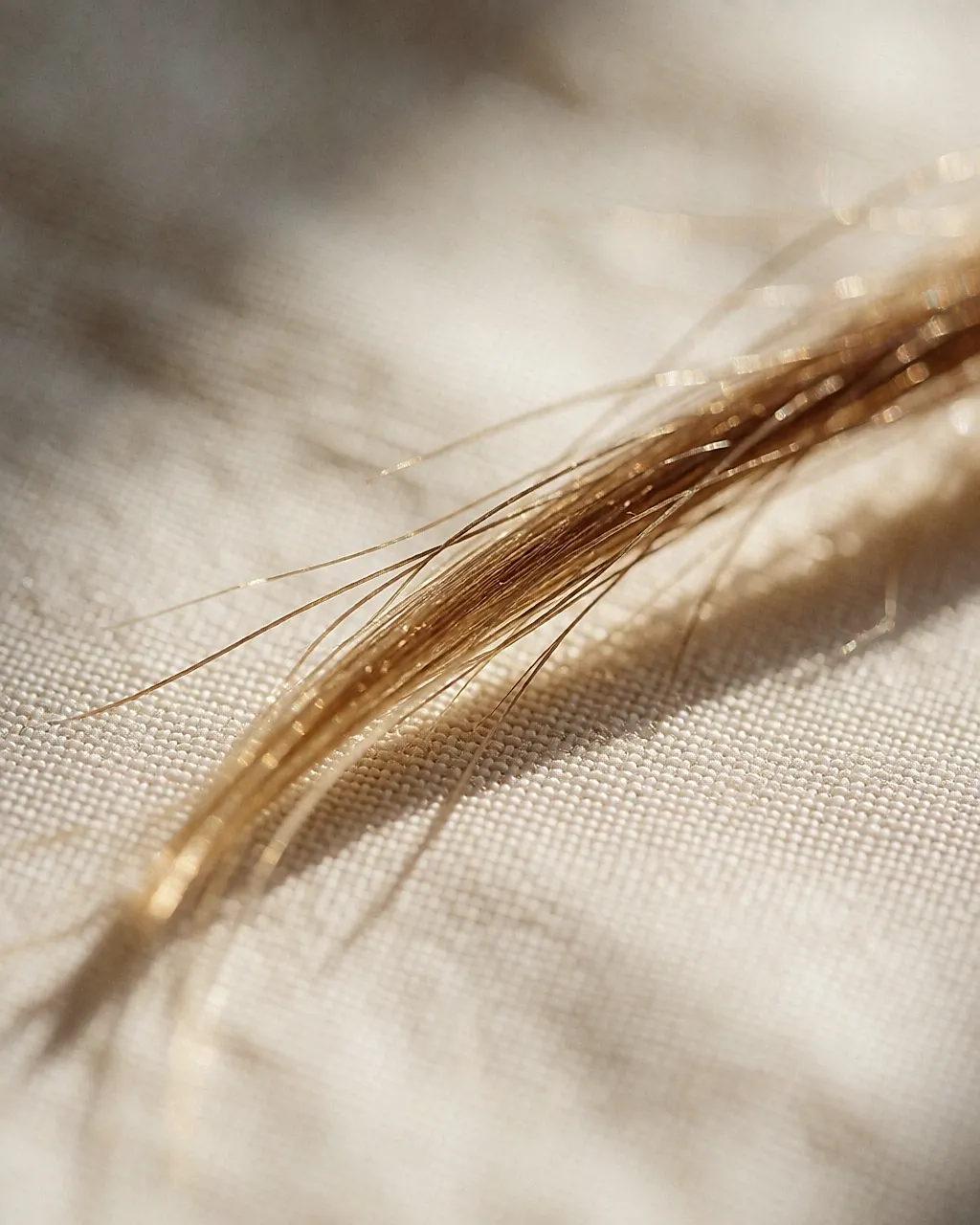
And it is not just UV. Salt swells the fibre, chlorine stresses it, and sand and towels rub against it. It all adds up. The key point is this: wet hair is more fragile because the cuticle lifts. So do not brush it straight after a swim, and do not leave it baking in the sun while it dries.

A UV filter for hair is not sunscreen
This is the number-one confusion. SPF is measured on skin using a standard protocol, and it does not transfer to hair. A hair product with a UV filter slows down fibre damage and helps limit colour loss. It does not protect your scalp, which takes UV just like the rest of your body. The parting and any thinning areas are exactly where sun-related skin damage can show up: there, you need a proper sunscreen or a hat. If a mole changes, or a crust or sore will not heal, see your GP without waiting until autumn.
Before, during and after: the right moves
Physical protection comes first, because it is the most effective and the cheapest. A wide-brimmed hat or a cotton scarf will do more for your lengths than an expensive bottle. And if you are serious about those lengths, tie them back loosely: a low bun or a braid limits friction and dehydration.

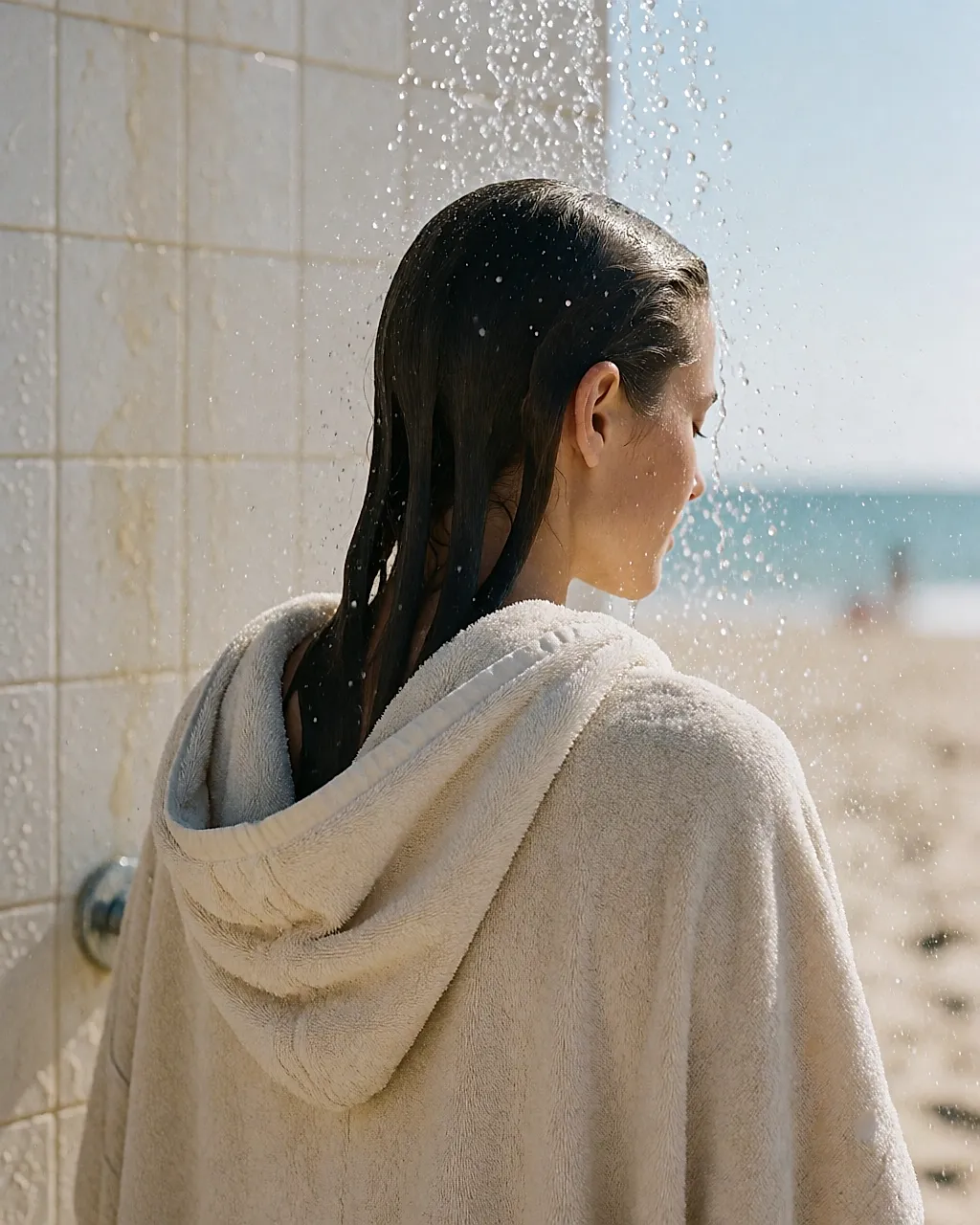
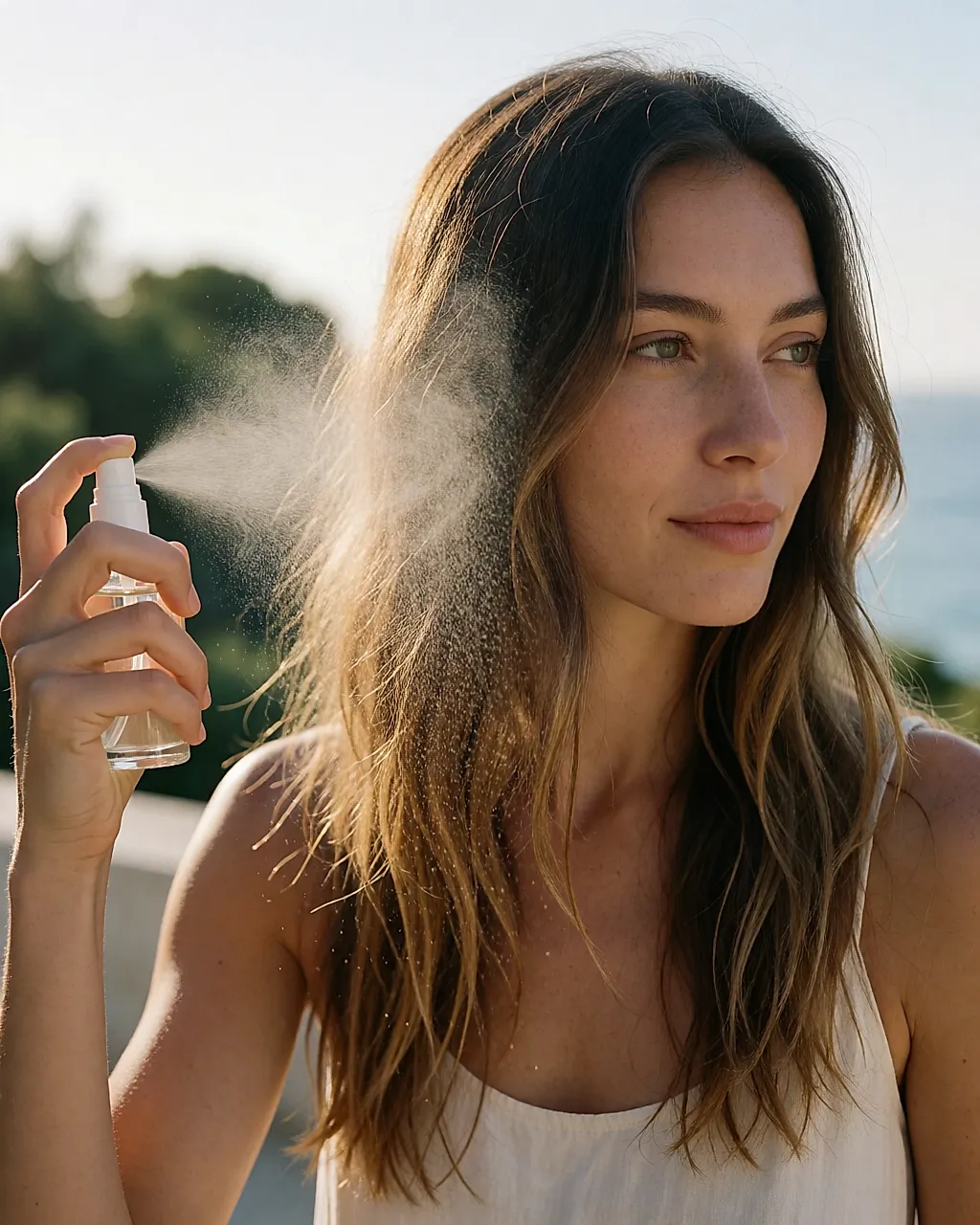
The spray that matters. Mist your protective product onto damp hair before you go out, through the mid-lengths and ends, avoiding the scalp. Reapply every two hours of sun exposure, as you would for your skin. And rinse with fresh water after every swim: less salt and chlorine in the fibre means less damage.
After the beach, wash with lukewarm water and a gentle shampoo, then condition or treat. Use a mask once or twice a week, and a light leave-in on the other days. The idea in one sentence: put oil back where the sun has taken it out.

How to choose without being sold short
I haven't tested every bottle on the shelf this year. So instead of a shopping list, here are the criteria that really make a difference.

Start with the label. Plant oils, such as sweet almond, coconut, sesame and sunflower, should appear high up in the INCI list, before silicones and fragrance, and any UV filter should be clearly stated. That detail is what separates a useful hair product from a scented hair perfume.

Next, labels. COSMOS Organic or Cosmébio Bio set rules around the percentage of organic ingredients, limit synthetic ingredients and impose packaging standards; all of it is checked by an independent body. By contrast, the word 'natural' has no official definition in Europe, so it guarantees nothing specific.
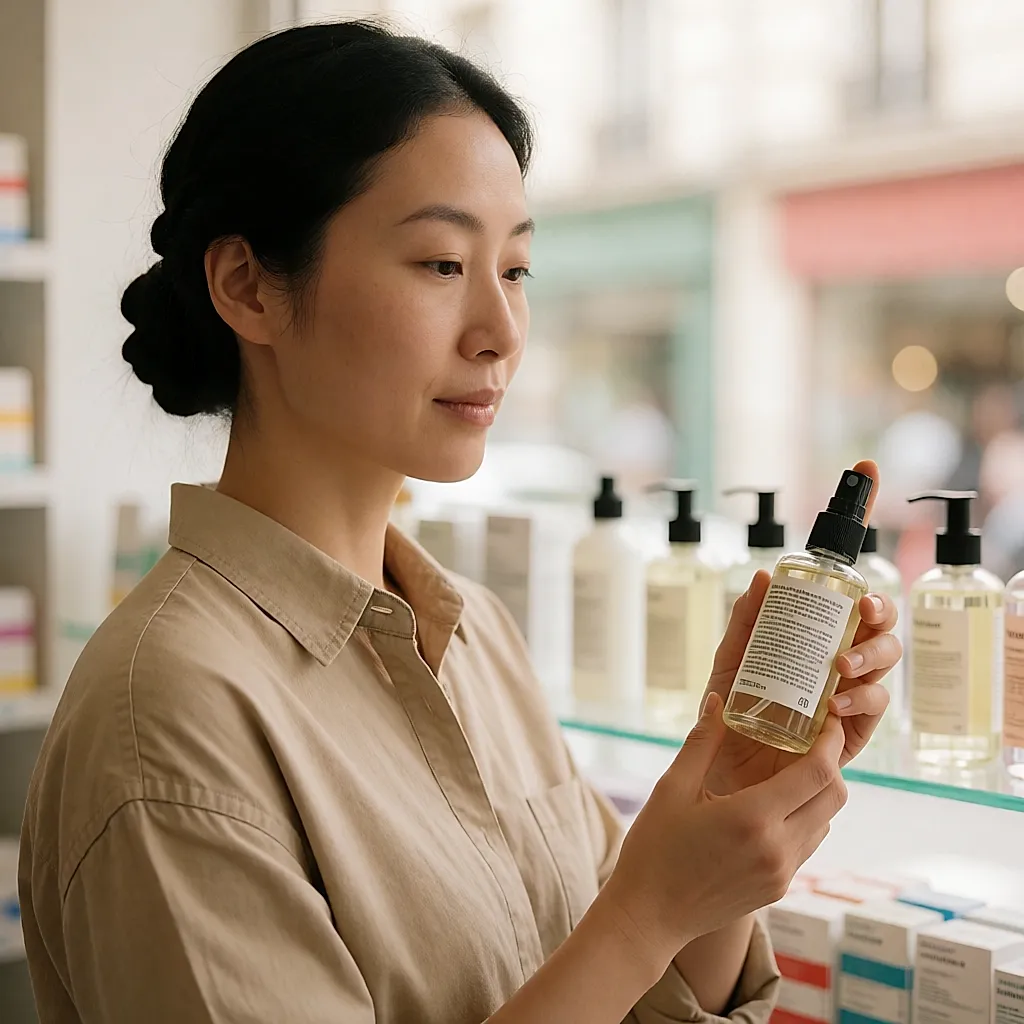
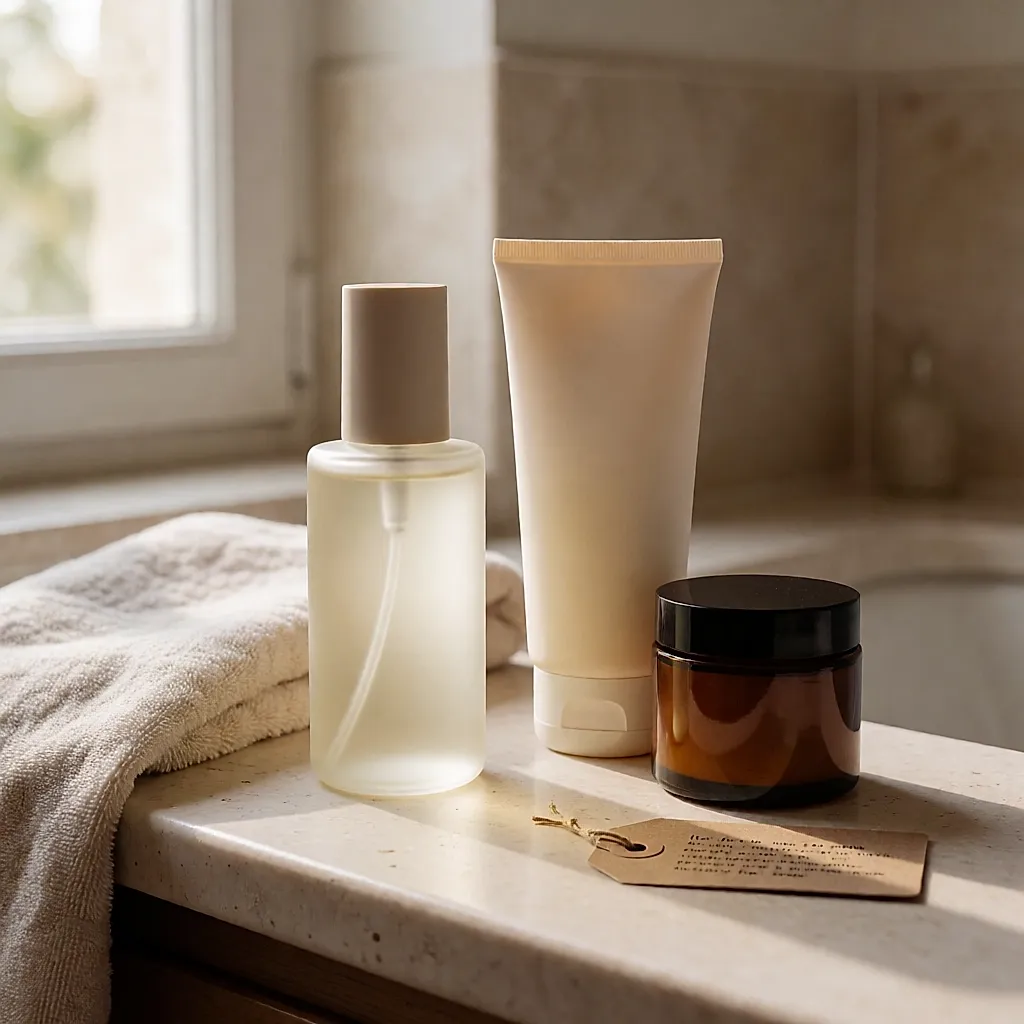
Then there is end of life: a glass bottle, a cardboard tube or a refill, and UK or European manufacture where that information is available. As for texture, fluid formulas are a good bet: they sink in quickly and do not leave a greasy film through the lengths.
What it costs
UK prices vary by retailer, brand and format. As a rough guide for 100-150ml:
- UV-protective mist or oil: around £10-£25 in supermarkets and chemists, or £30-£50 in salon ranges.
- Gentle after-sun shampoo: around £5-£15 in supermarkets and chemists, or £20-£35 in salons.
- After-sun mask or treatment: around £6-£18 in supermarkets and chemists, or £25-£45 in professional ranges.
- A salon after-sun ritual: around £20-£45, depending on hair length and brand.
What moves the price: format, concentration of active ingredients, where you buy it, a comparable treatment often costs much more in a salon than on the high street, and any organic certification, which affects the cost of production. Refills, where they exist, usually work out cheaper than buying the original bottle again. You will find these products in pharmacies, supermarkets, salons and on brands' official websites, which often offer travel sizes.
The final step, and the one that costs nothing: let hair dry naturally, detangle with your fingers or a wide-tooth comb, and put the hairdryer away. Your hair will thank you in September.
Sources
- NHS, sun safety and skin cancer prevention
- UKHSA, UV index
- NICE, suspected cancer referral guidance
- Santé publique France, sun prevention and UV index
- Institut national du cancer, protecting yourself from the sun
- ANSES, opinions and work on sun protection products
- Regulation (EC) No 655/2013 on cosmetic claims
- Cosmébio, organic label charter
- COSMOS Standard, organic cosmetics standard


Comments
Your opinion matters: rate the article, react and reply to comments.
Comments are moderated; AI-assisted comments are flagged. Text emoticons (8-), :-), <3…) are automatically shown as images.