
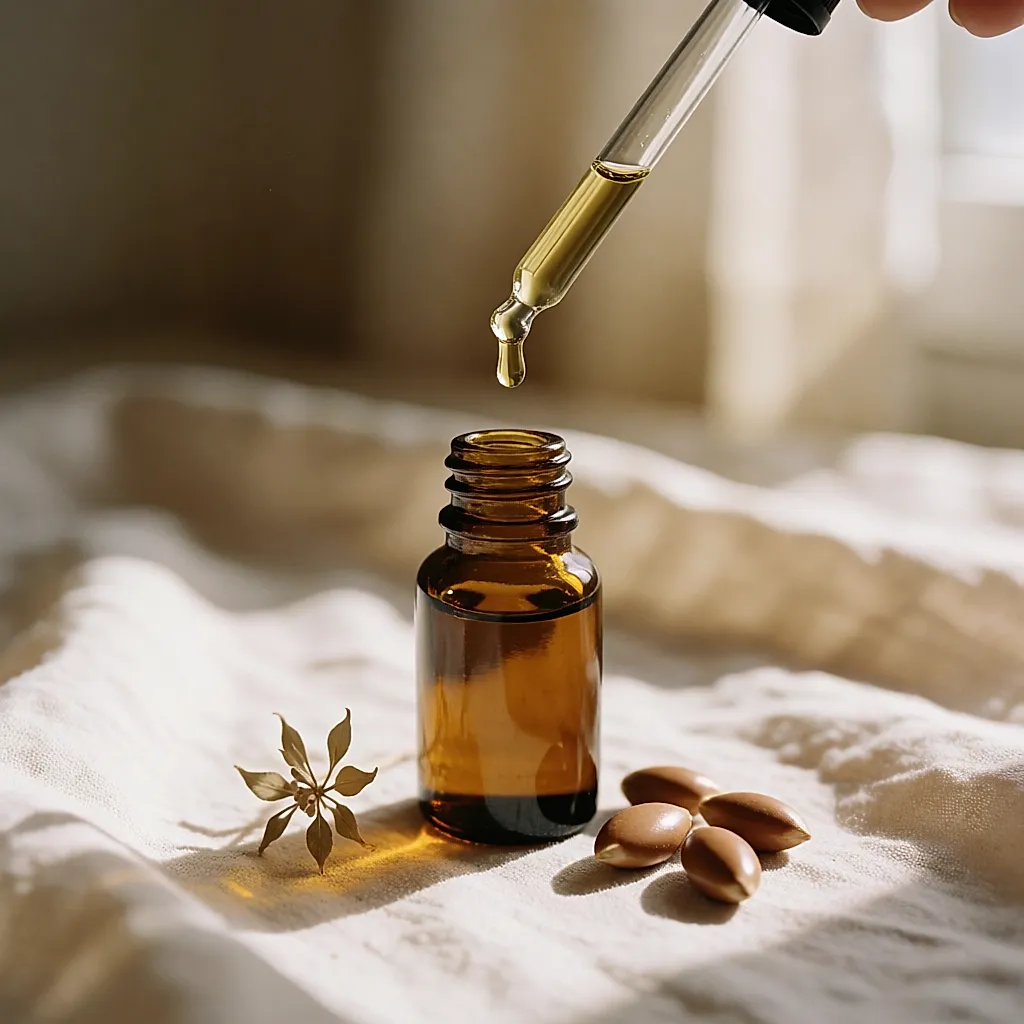
You know the scene. It's 7pm, you're back from work, your hands feel tight and your ends are snapping. You grab a bottle, three drops, rub it in — and the next morning your skin is still soft. That's almost always how people first meet argan oil: on a winter evening, never in an advert.
Except there's a gulf between the cooking oil from the corner shop and the £4 "argan" bottles that smell of silicone. So we dug out the old file — treatments, masks, balms, creams — and put the whole lot back under the microscope. Here's what still stands up today, and what's better left on the shelf.
The argan tree, which grows almost nowhere else
The argan tree (Argania spinosa) grows in south-west Morocco and virtually nowhere else in the wild. The arganeraie biosphere reserve, around Essaouira and Agadir, has been UNESCO-listed since 1998 — and the tree plays a recognised role in holding back the desert. Its fruit takes around a year to ripen. The nut is then cracked open to release the kernel, which is pressed cold. Cold pressing is the method traditionally favoured for cosmetic oils.
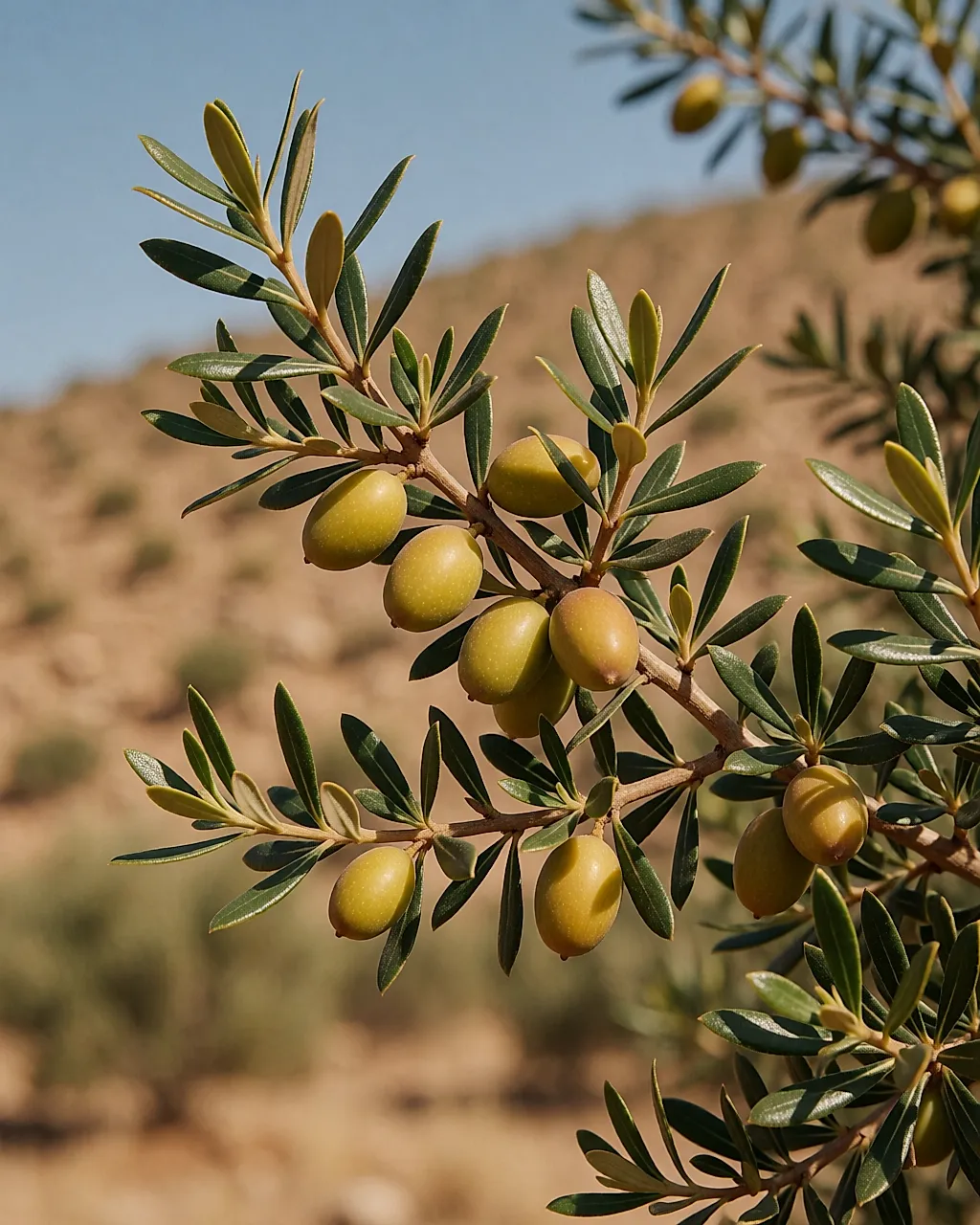
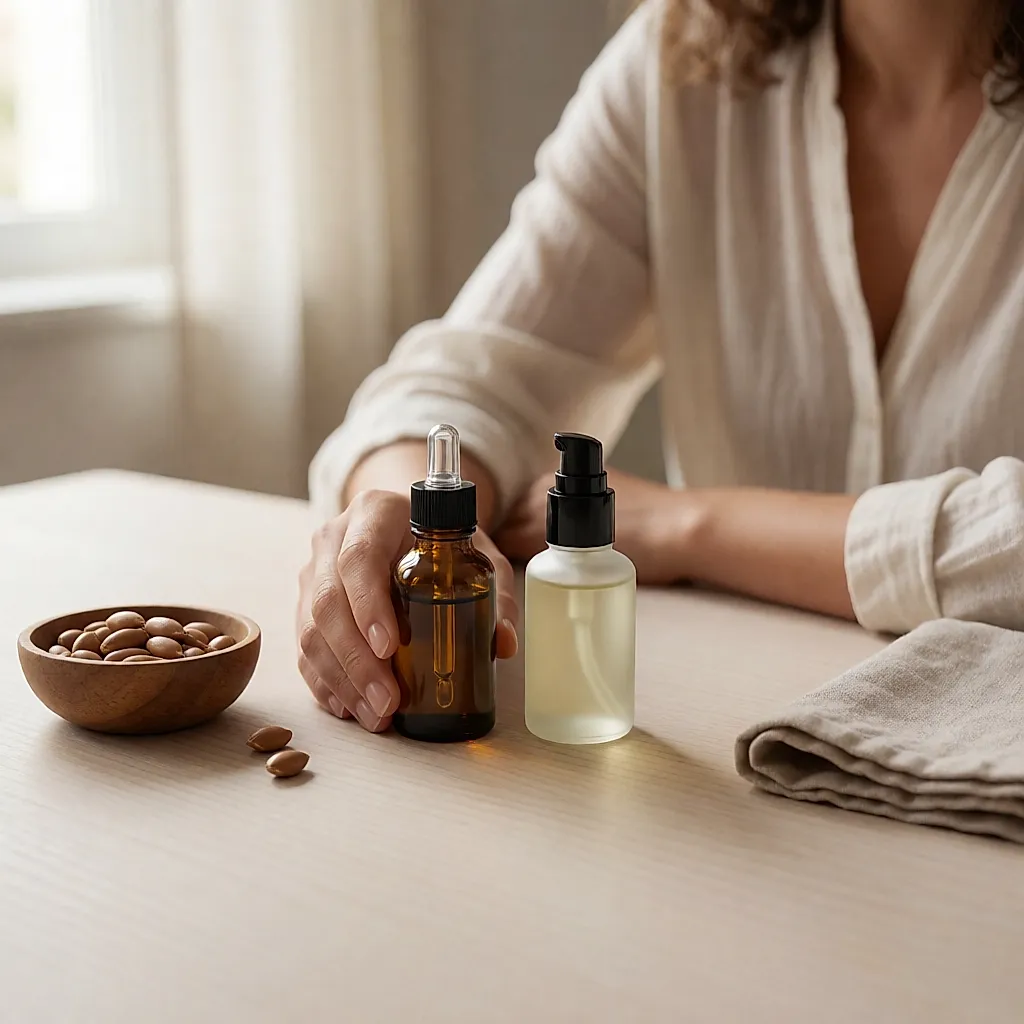
In composition terms it's a plant oil rich in unsaturated fatty acids — oleic and linoleic — and in tocopherols, the vitamin E family. In practice that means a fluid texture that sinks in quickly if you warm it between your palms, with no greasy film as long as you use the right amount. Skin stays supple and doesn't feel tight: this is more a finishing step than a heavy treatment.

And it isn't just a marketing line. In Morocco, extraction has historically been women's work, organised through cooperatives across the argan growing area. It's also why the oil costs what it does: it takes a great deal of fruit, and a great deal of labour, to produce a litre.
Three drops, not ten — where most of us go wrong
This is the bit people get wrong. A plant oil isn't a cream: it works in a thin layer, otherwise it leaves a greasy film and a shine you didn't ask for.
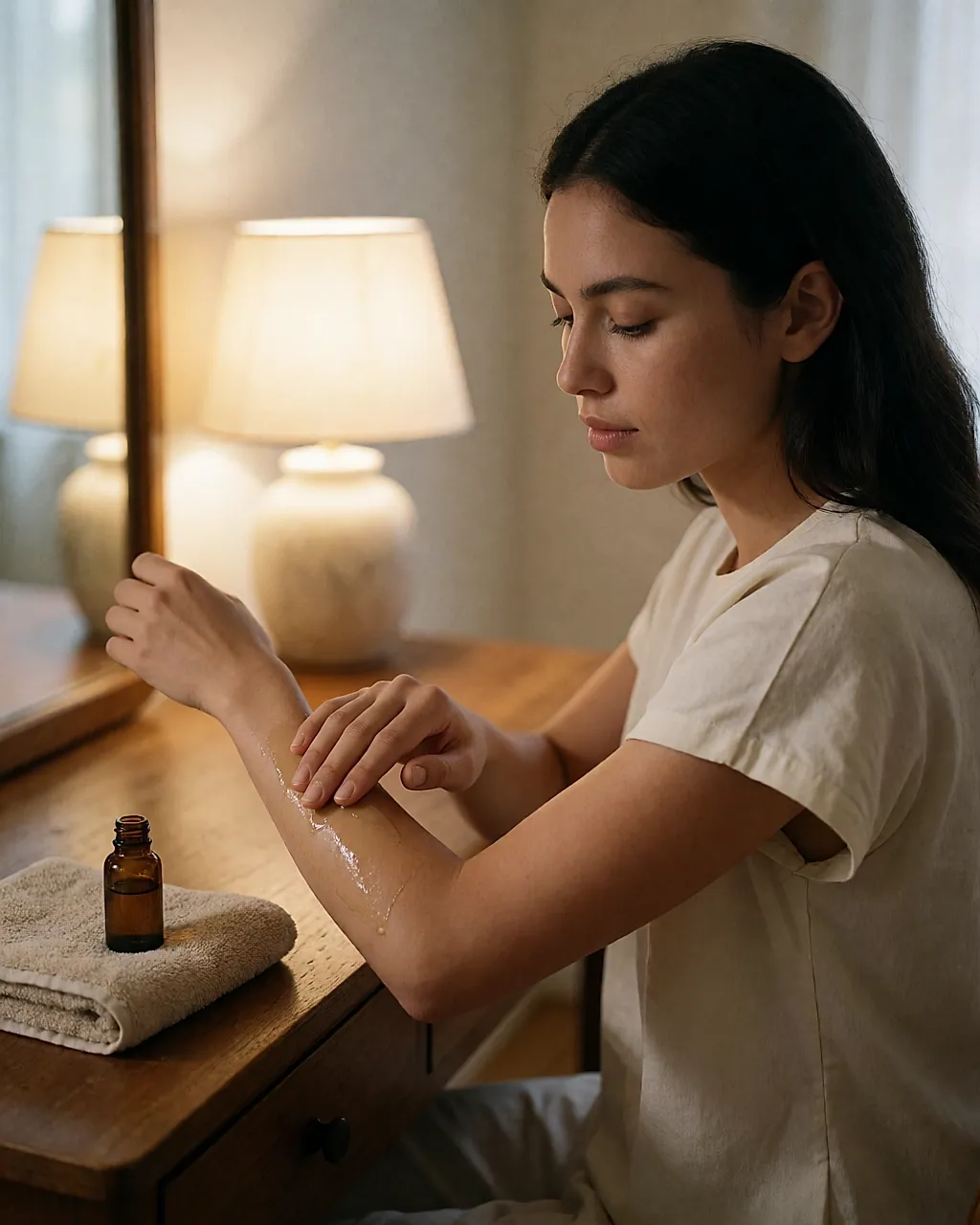
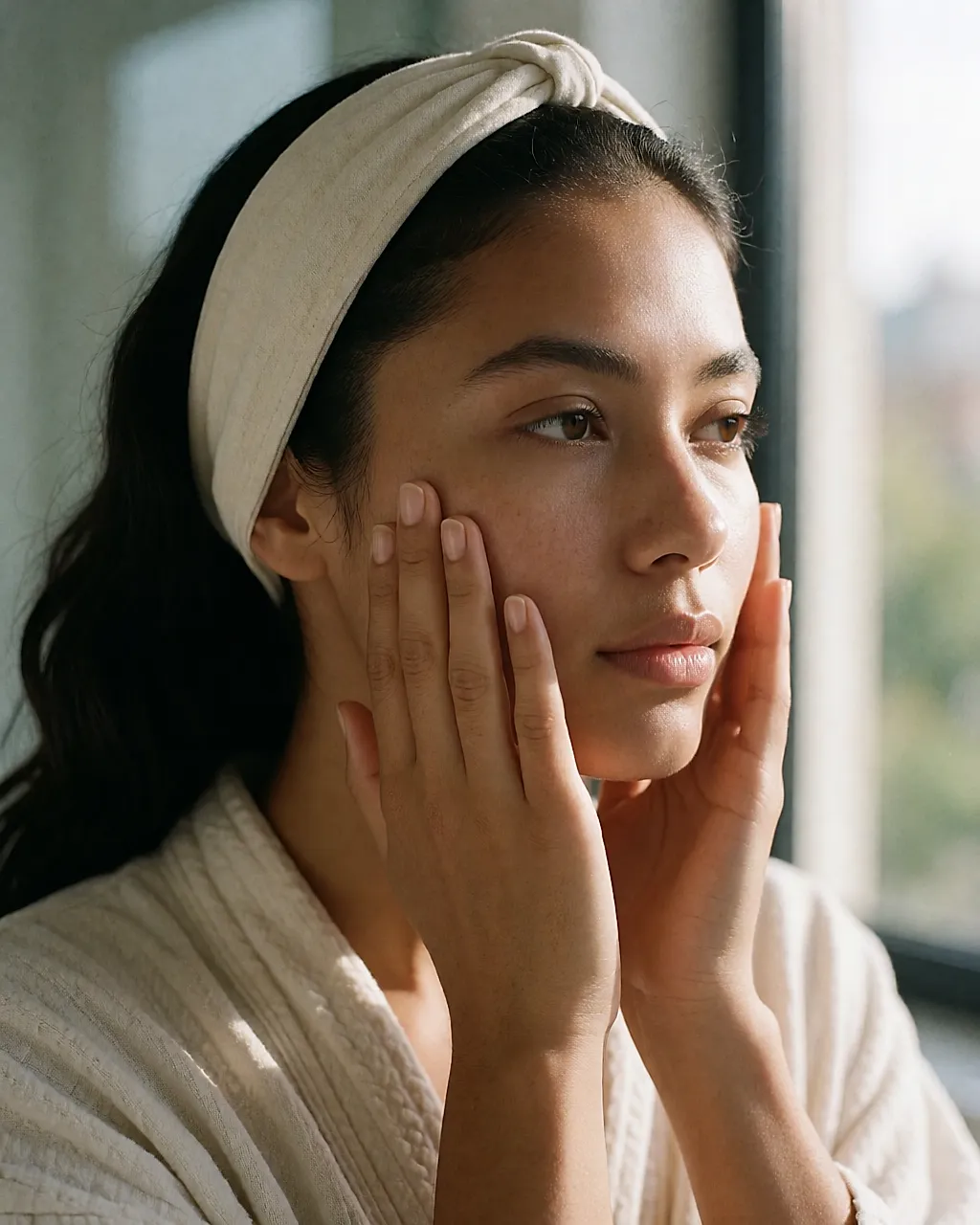
- On the face: two drops, on skin that's still damp after the shower, pressed in with the palms rather than rubbed. Give it two minutes before make-up: your base will sit better.
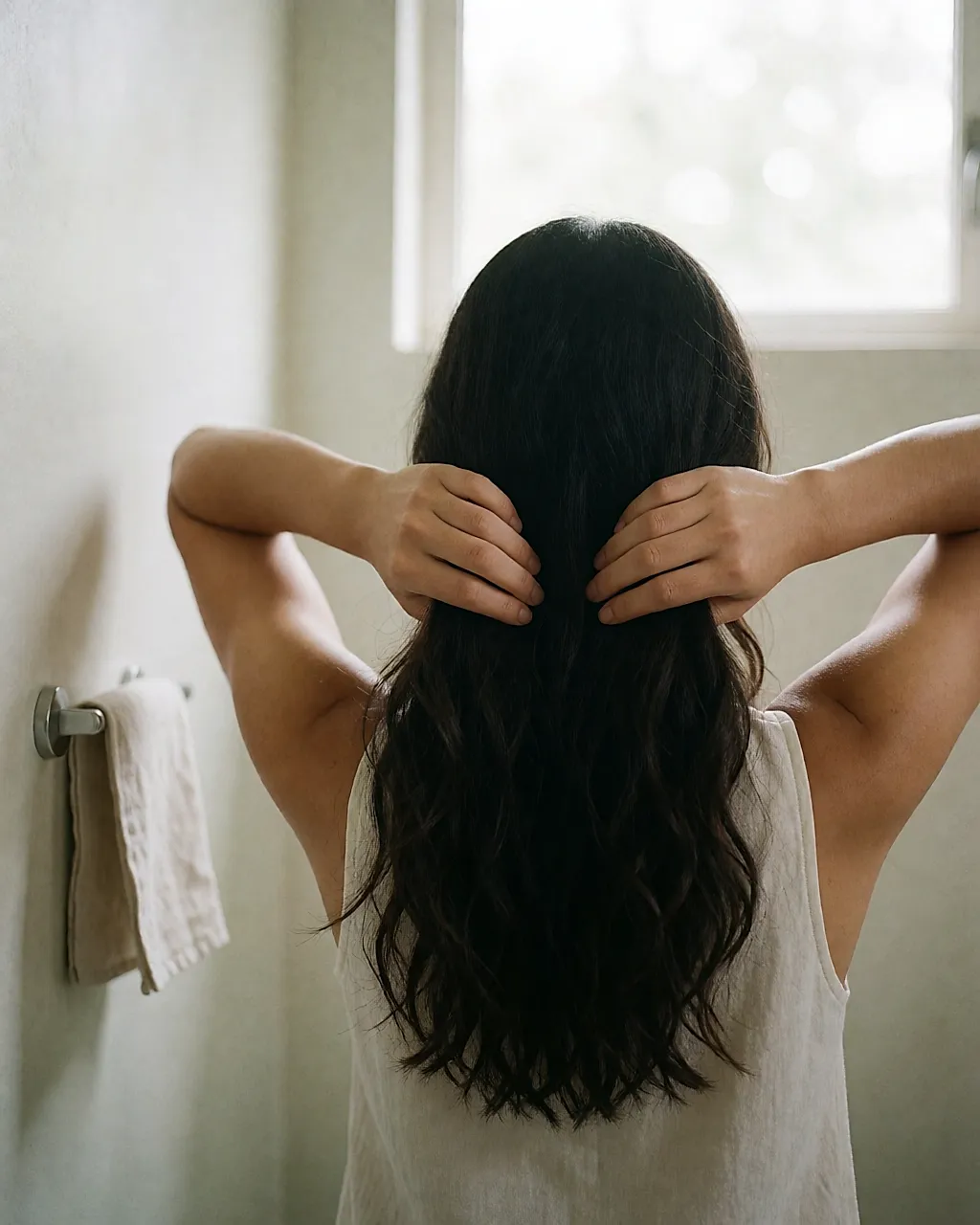
- On the hair: as a pre-shampoo mask, through the mid-lengths and ends, never on the roots if your scalp gets greasy quickly. Twenty to thirty minutes, then a gentle shampoo; once a week is enough.
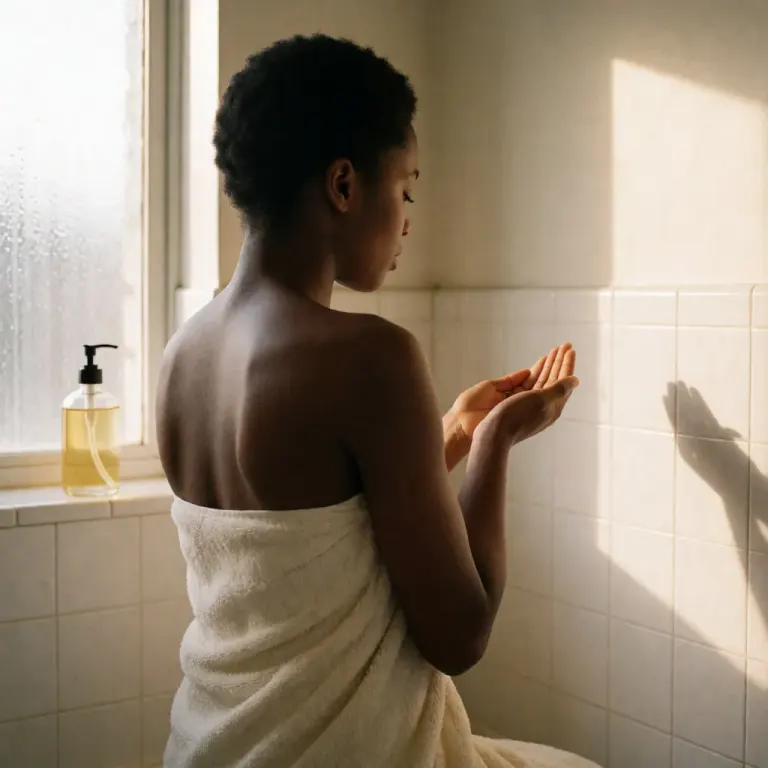
- On the body: elbows, knees, heels, hands. In the evening, in a thicker layer, with socks or cotton gloves on — this is where a simple formula does its best work.
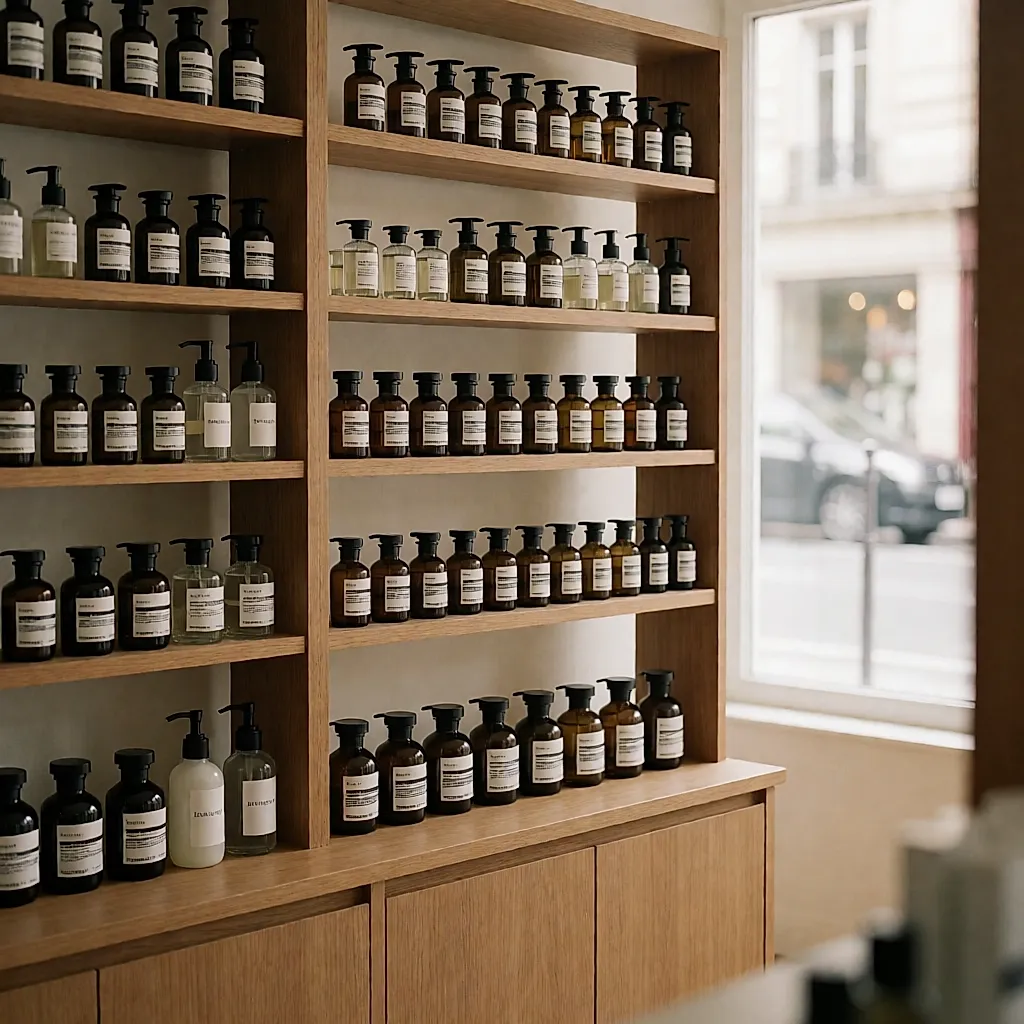
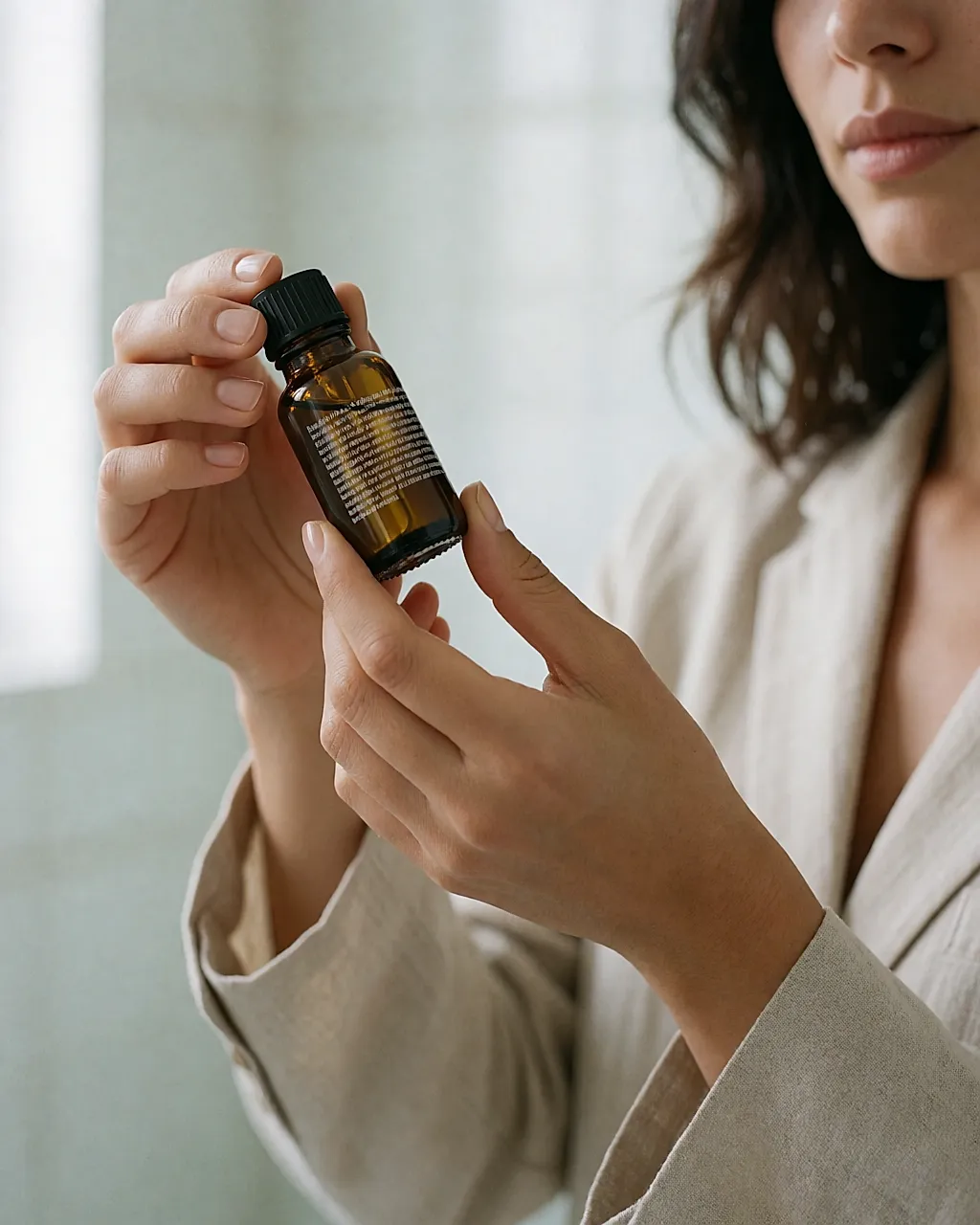
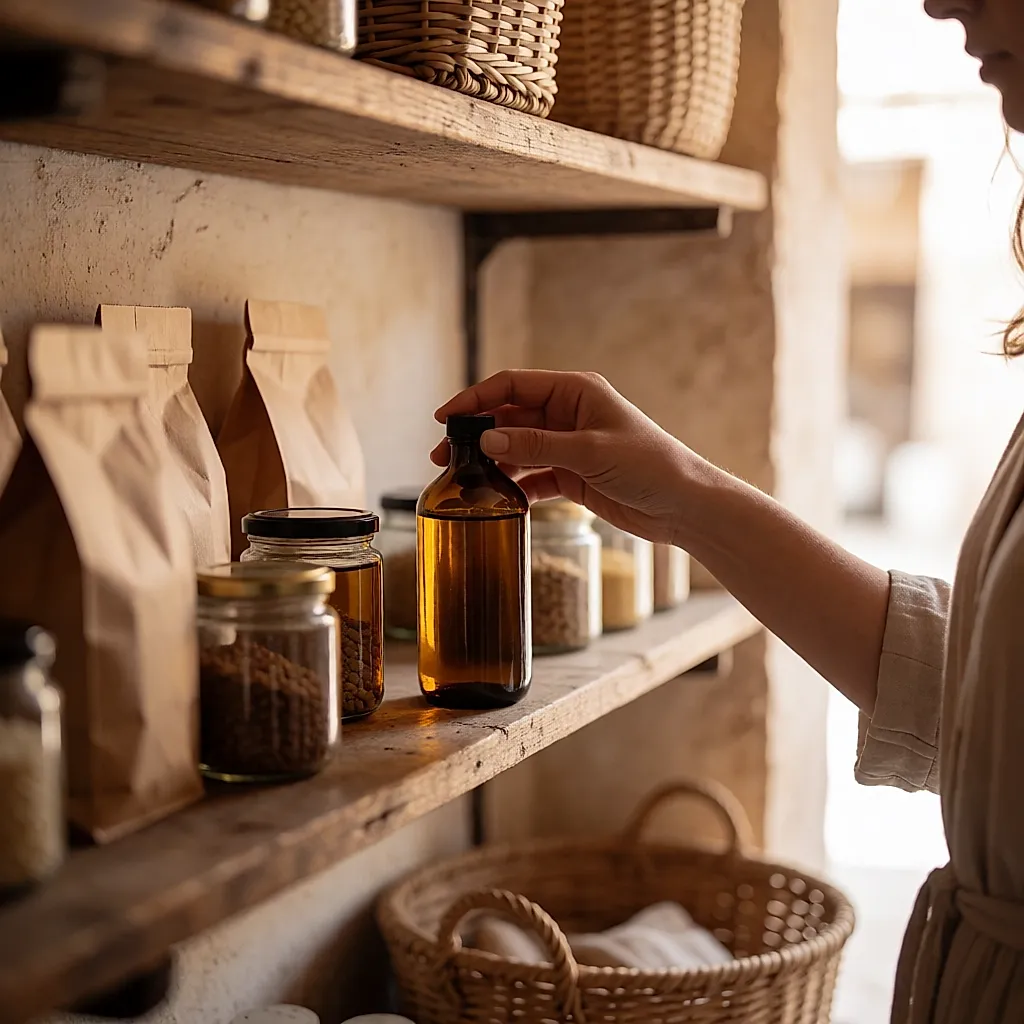
The shelf-life test. Pure, unfragranced argan oil smells of roasted hazelnut, a little bitter. If it smells of old cardboard or fish, it has turned: bin it. A tinted glass bottle kept out of the light will last several months after opening — a clear plastic one, far less.
What the original article recommended — and what has gone
That old file lined up niche brands, a big-name argan line and a mask sold online. The idea still holds; the list much less so. Those products belong to a version of the market that barely exists now, between shops that have closed and ranges reformulated since.
What replaced them, in reality? The market has shifted towards pharmacies, health food shops, Moroccan grocers and buying direct from cooperatives. And the way we shop has changed: these days you read the INCI, check the packaging and ask where the raw material comes from before you buy.
How to choose your bottle
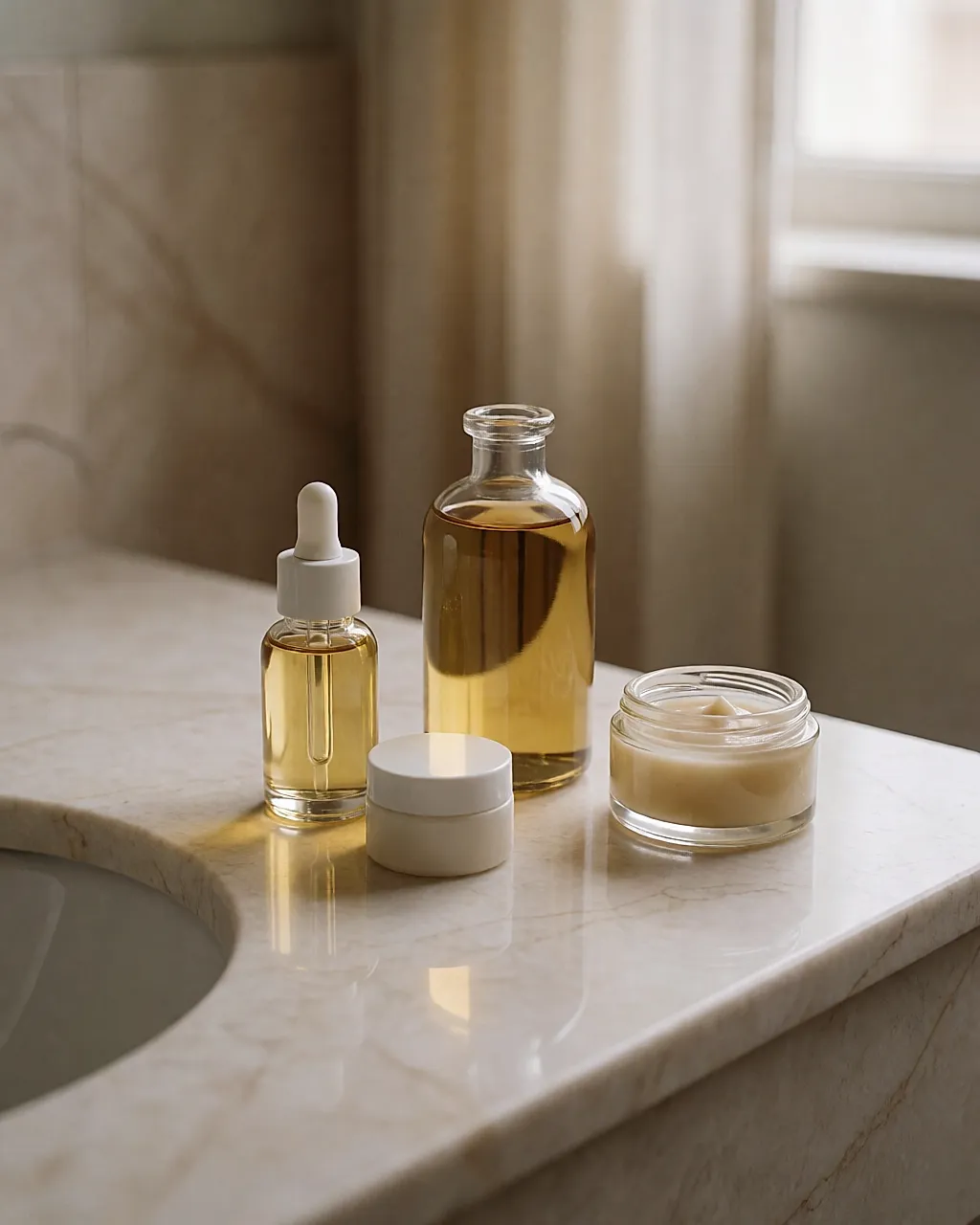
I haven't tested the bottles you'll see on the shelf — these are label-reading criteria, not a tester's verdicts. But they will save you time:
- The word "cosmetic": food oil and cosmetic oil don't answer to the same standards. For skin and hair, buy the cosmetic version.
- The INCI: Argania Spinosa Kernel Oil should be near the top of the list. If it's loitering at the end of the ingredients, you're looking at a fragranced oil with a hint of argan.
- Certification: the Moroccan "Argane" label, created under law 25-06, governs origin. On the organic side, Cosmos Organic or Ecocert verify a proportion of organic ingredients and a formulation charter.
- The container: tinted glass or a pump bottle to limit oxidation; some brands offer refills, which cuts down on glass waste.
- Sourcing: the women's cooperatives of the arganeraie are named on most serious brand websites. It's a clue rather than proof — but it helps you see where the bottle came from.
What to pay in the UK
Expect to pay roughly:
- Pure cosmetic argan oil, 30 ml: £7 to £18 on the high street, £13 to £27 certified organic.
- Pure oil, 100 ml: £16 to £40, depending on certification and packaging.
- Argan face serum or cream: £13 to £55.
- Ready-made hair mask: £9 to £30.
What moves the price: certification, tinted glass, a claimed cold press and, above all, how diluted the oil is. Under £7 to £9 per 100 ml, read the label very closely — at that price, purity is often less than obvious. Where to buy: pharmacies and health and beauty retailers, health food shops such as Holland & Barrett, supermarkets for blended formulas, Moroccan grocers for cooperative bottles, and brand websites for refills.
Sources
- UNESCO, MAB programme — Arganeraie Biosphere Reserve (Morocco), designated in 1998.
- Moroccan law no. 25-06 on distinctive signs of origin and quality for agricultural products and foodstuffs (the "Argane" labels).
- FAO — publications on the argan tree (Argania spinosa) and women's cooperatives in Morocco.
- Cosmos Standard — international standard for organic and ecological cosmetics (cosmos-standard.org).
- Regulation (EC) No 1223/2009 on cosmetic products — the EU framework that UK cosmetics rules were built on.
Comments
Your opinion matters: rate the article, react and reply to comments.
Comments are moderated; AI-assisted comments are flagged. Text emoticons (8-), :-), <3…) are automatically shown as images.