
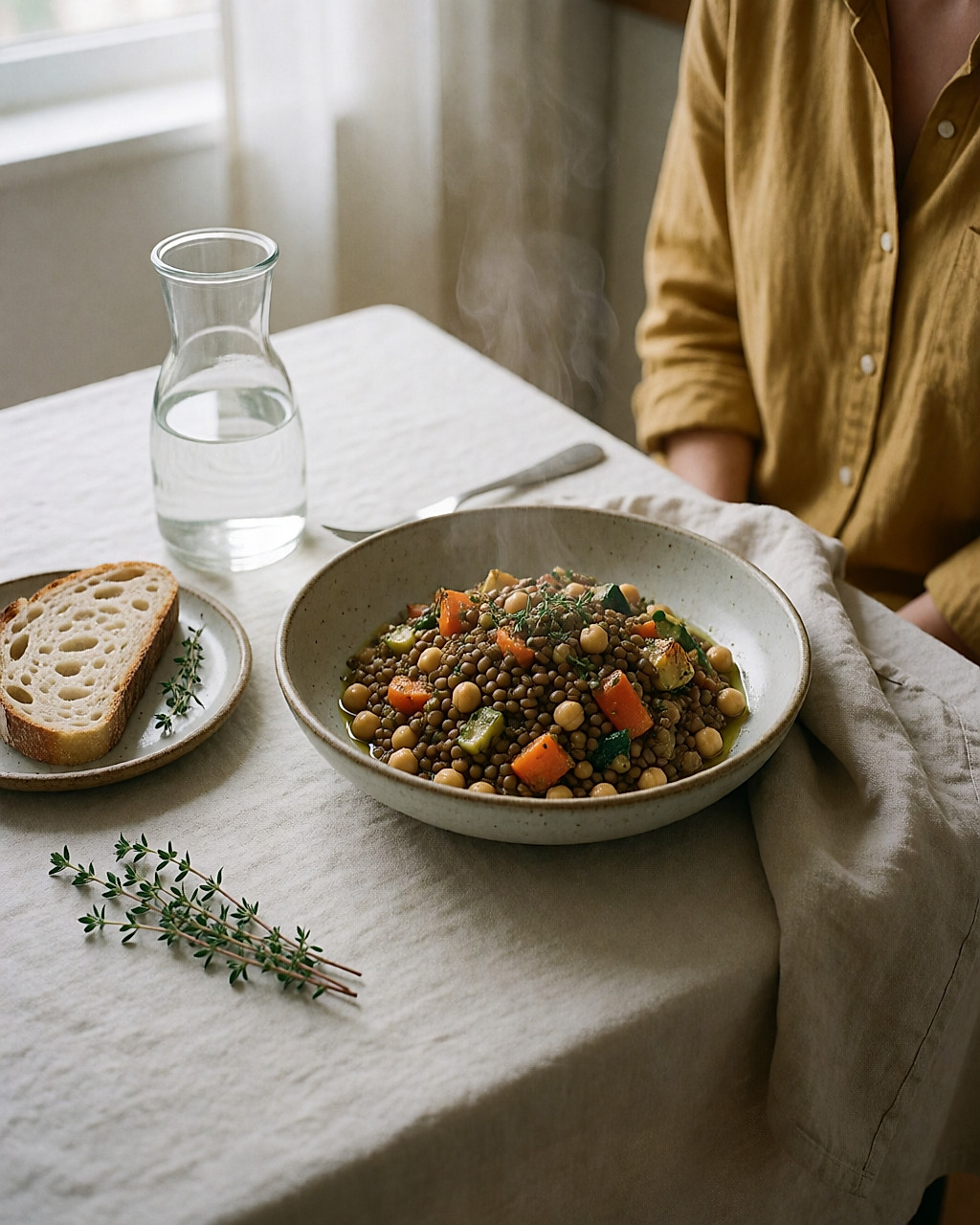
Dr Claude Allard's everyday glycaemic diet
You know how it goes. You eat less, the scales dip a little, you keep it up for three weeks — and then it all comes back, often with a small extra on top. How do you lose weight without starving yourself, and above all without regaining it the moment you ease off? That is the question Dr Claude Allard, a doctor, answers with a method built around blood sugar. There is nothing new under the sun here, but it is worth a closer look — provided we keep it in context.
Because the context, in the UK, is far from cheerful. National data place almost two in three adults as overweight or living with obesity. Excess weight rarely arrives alone — it often goes hand in hand with a sedentary lifestyle and a diet high in fat and fast-release sugars. In the consulting room, what we watch are risk factors: waist circumference, blood pressure, blood glucose, triglycerides. Far more telling than a figure on the scales, which only tells part of the story.
Eating less: why it stalls
The classic reasoning sounds disarmingly simple. UK guidance puts a woman's daily needs at around 2,000 calories, a man's at 2,500. Eat less, your body draws on its reserves, and you lose weight. On paper, flawless.
In practice, your body doesn't like losing its fat. When intake drops sharply, it slows its expenditure and guards its reserves like a dog with a bone. You crack, the weight returns, the cycle restarts — and your confidence takes a knock. Current evidence suggests that very strict restriction rarely holds up over several years. The real question, then, isn't "eat less" but "eat what, and with what".

Glycaemic index: a guide, not a verdict
Not all carbohydrates are equal — far from it. The glycaemic index (GI) measures how quickly a carbohydrate food raises blood glucose, compared with a reference food. We owe it to the work of researcher David Jenkins in 1981 — which is to say, the idea has had plenty of time both to prove itself and to be debated.
The nuance that really matters is glycaemic load: it takes into account the amount actually eaten. A high-GI food, eaten in a small portion, counts for less than a large plateful of a moderate-GI food. Which is why feeling guilty about a potato makes no sense, as long as the portion stays sensible.
Another point that is often forgotten: the GI of a given food shifts with cooking, ripeness and the presence of fibre, fat or acidity. It is a tool to help you choose, not a fixed label stuck on a food for eternity.
In practice, on your plate
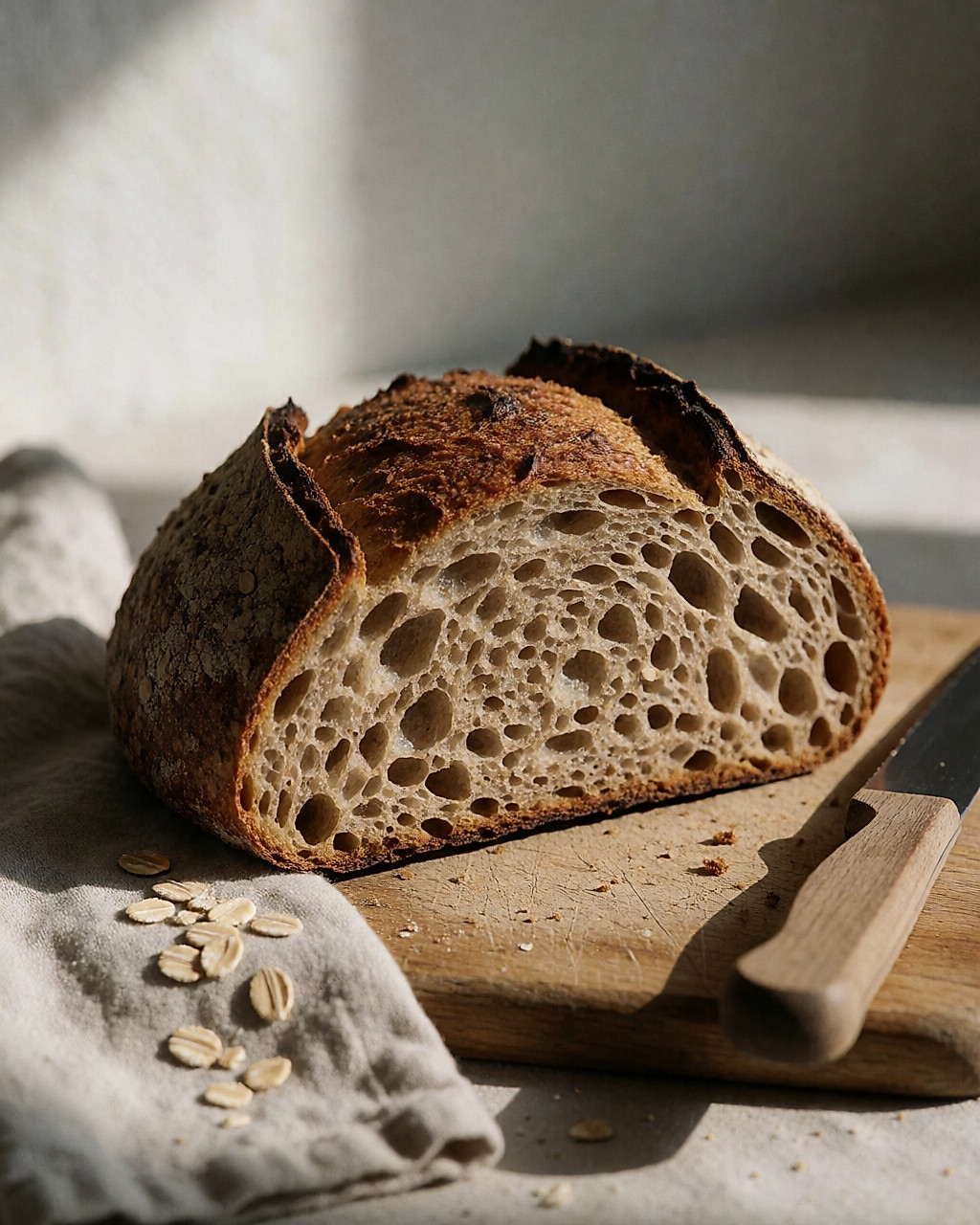
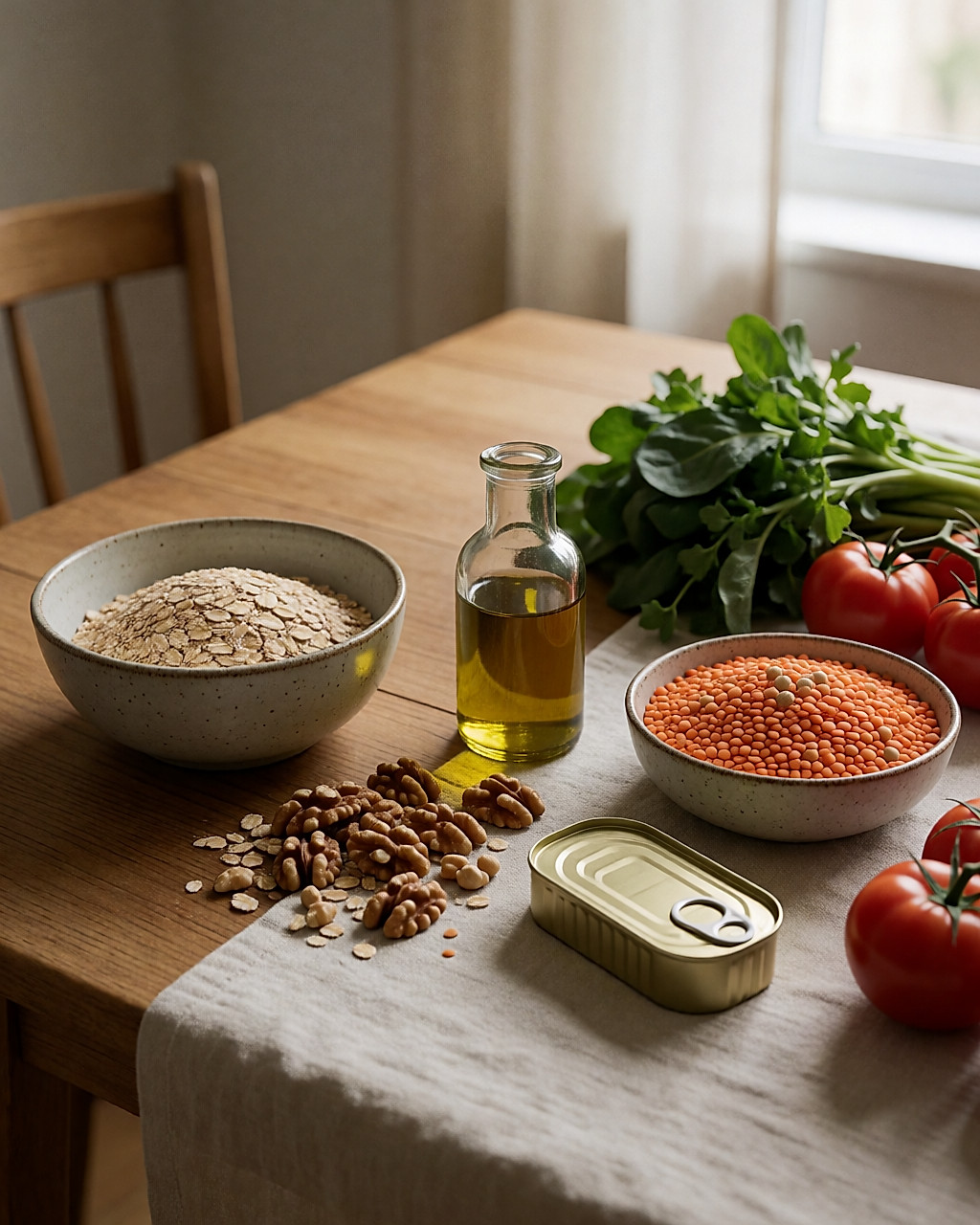
Keep pulses in your sights — lentils, chickpeas, kidney beans. Rich in fibre, they fill you up and raise blood glucose gently, and they have another string to their bow: they work in countless recipes, in salads as well as slow-cooked dishes. For grains, aim for the less refined end of the shelf: wholemeal sourdough, porridge oats, semi-wholegrain rice, quinoa. Eat fruit whole rather than as juice — the fibre changes everything, and the sugar in fruit doesn't hit your bloodstream all at once. And don't skip meals: pair your starchy carbohydrate with vegetables, a source of protein and a little good fat. That pairing is what makes the difference.

When you are shopping, buying loose produce or produce in glass jars has a double benefit: less packaging, and you control what actually reaches your plate. A small gesture for the planet, a great help for portion control.
This content is not a substitute for medical advice. If you have diabetes, prediabetes, are on treatment or simply have questions, talk to your GP or a dietitian. No diet can promise you a result, and that is as it should be.
The book, and what to take from it
Dr Claude Allard's book gathers these principles into simple rules. You will find comparable titles in bookshops or libraries, and there's nothing forcing you to buy: borrowing lets you flick through before committing. The reflex worth remembering comes down to three words: pair, don't cut. Three words that are easy to remember, harder to apply day to day — but that's where it all plays out.

Budget
On the bill, let's stay sensible. The book, paperback or hardback: expect around £10 to £25 in a bookshop, depending on the edition and format — at a library, borrowing is free, and second-hand copies often come in under £10. A consultation with a dietitian is free on the NHS with a referral, or around £50 to £90 privately, the rate varying by city and practitioner, and sometimes £30 to £50 at a health centre. Where to find one? GP surgery, health centre, private practice or online appointment. Whether it's covered depends on your private health insurance, and some employers offer sessions — worth asking.
Sources
- Santé publique France, dossier on overweight and obesity in adults
- ANSES, dietary guidelines and opinion on carbohydrates and fibre
- World Health Organization, recommendation on free sugars intake
- University of Sydney — global glycaemic index database, Foster-Powell, Holt, Brand-Miller
- Inserm, dossier on obesity



Comments
Your opinion matters: rate the article, react and reply to comments.
Comments are moderated; AI-assisted comments are flagged. Text emoticons (8-), :-), <3…) are automatically shown as images.