
You know the scene by heart. You open the wardrobe and there it is: two jumpers that have gone bobbly, a dress worn once, a coat whose shape collapsed after three winters. This isn't a storage problem. It's the result of a collection cycle that moves faster than our lives — and a wardrobe we pile up instead of letting it live.
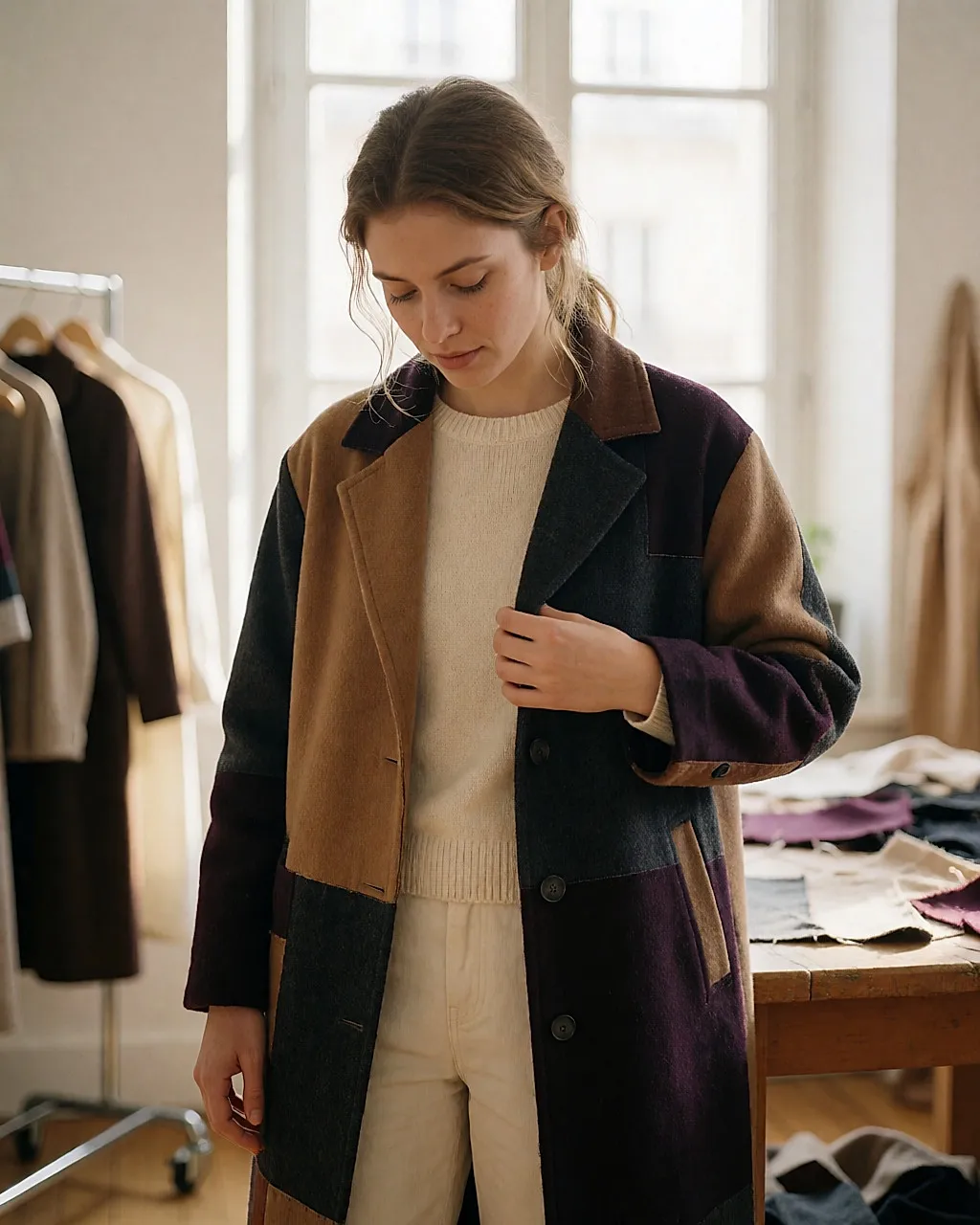
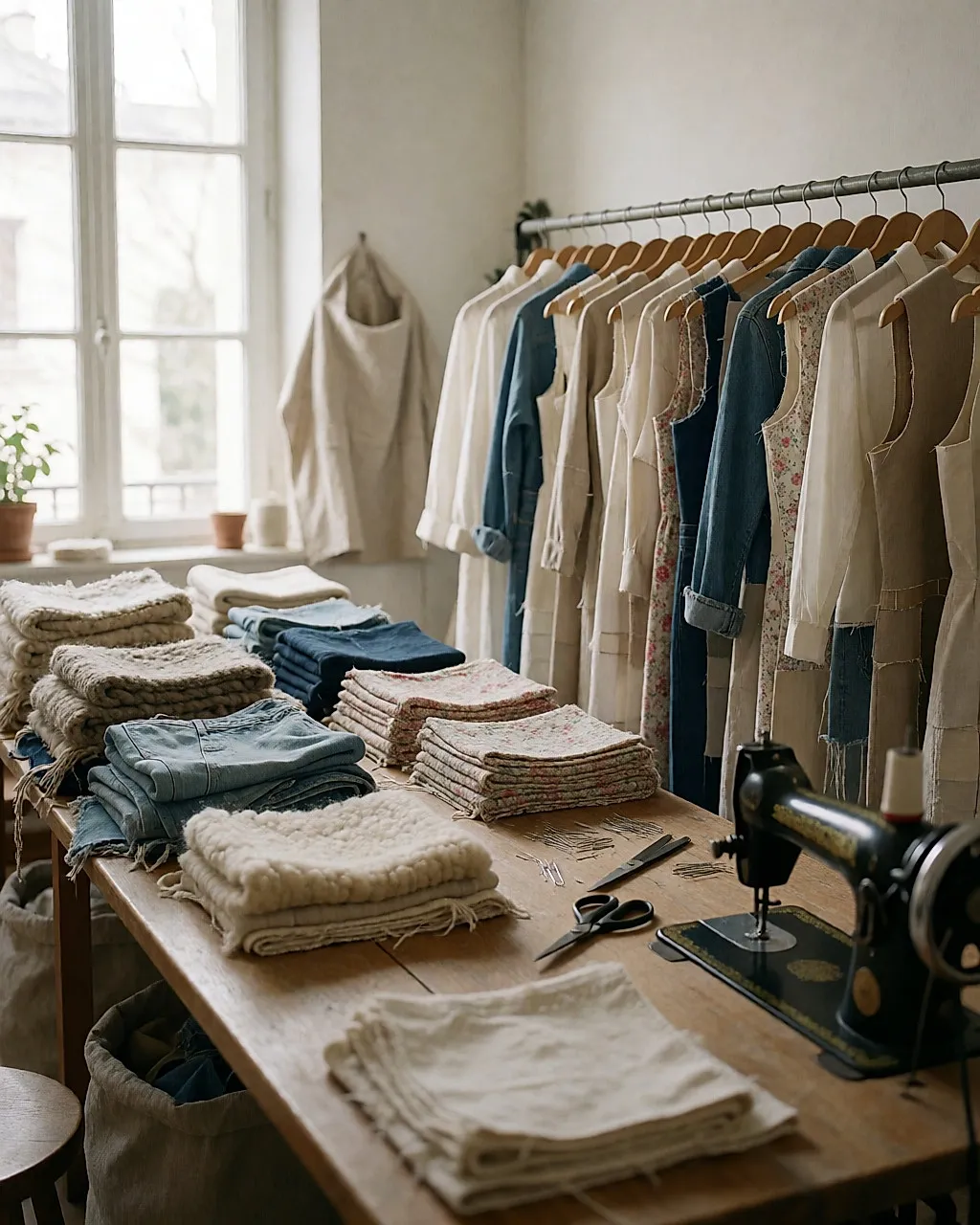
In Beaupréau, in Maine-et-Loire, a self-taught designer turned the problem around. Véronique Sébire founded Urgania on a simple principle: a garment that's worn or out of fashion isn't waste, it's raw material. Annie Don later joined her. The method comes down to a few gestures: collect textiles from charities, sort, dismantle, recut, reassemble. No seasonal collection, no runs. Every piece is one of a kind, because the starting material is too.
Let's be clear: I haven't pushed open the workshop door. This profile is based on published information, not on trying pieces on in a shop. Check opening times and the address before making the journey.
Upcycling, not quite the same as recycling
The nuance matters, and it changes everything when you're choosing. Recycling a textile often means shredding it to make new fibre — sometimes of lower quality. Upcycling keeps the piece and reworks it. You preserve a cut, a print, a texture, and recompose around it.
In practice, the silhouette is decided at the sorting stage. An oversized coat can become a fitted jacket or a skirt. A patterned shirt can supply the back panel of a dress. The drape then depends on the original material: a thick wool holds structure, a fluid cotton falls more softly, a fine knit needs more care. That's the whole difference between a garment designed for you and one designed for a rail.
Why it no longer looks like a compromise
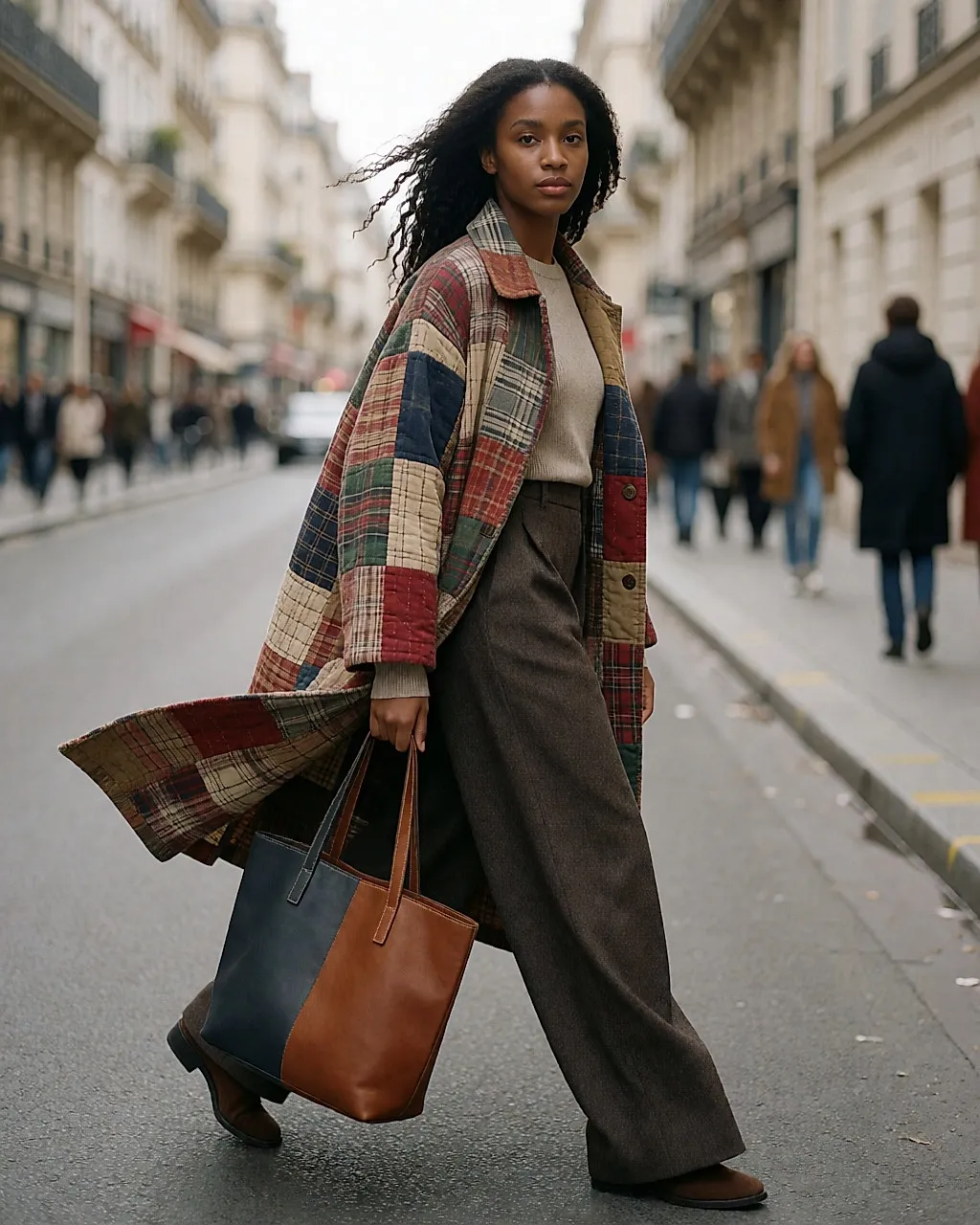
For a long time, buying second-hand meant "can't afford new". That's no longer the case. Resale platforms have made it commonplace, and a second-hand wardrobe has become a style choice as much as a sensible one. A statement piece found for next to nothing often makes more of an impact than a brand-new head-to-toe look bought in the sale. Layering, textures that talk to each other, a slightly dated cut worn with confidence: all of that can be worked. A well-thought-out capsule wardrobe, with two sturdy basics and one strong piece, also holds up better than a wardrobe stuffed with newness.
The French framework has shifted too. The extended producer responsibility scheme for textiles has existed since 2007, and Refashion, its approved eco-organisation, oversees collection and reuse. France's AGEC law of 2020 also bans the destruction of unsold non-food goods, including clothing.
A word of caution, though: a second-hand or upcycled piece doesn't have zero impact. There's still transport, cleaning, sometimes an alteration. In truth, the best reflex isn't to buy more often — it's to keep things for longer.
The gesture that changes everything
Before you fall for a piece, turn it inside out. Are the seams straight? Are visible repairs intentional, patchwork-style, or sloppy? Does the lining hold up? An upcycled creation is judged by its finishing, not its label.
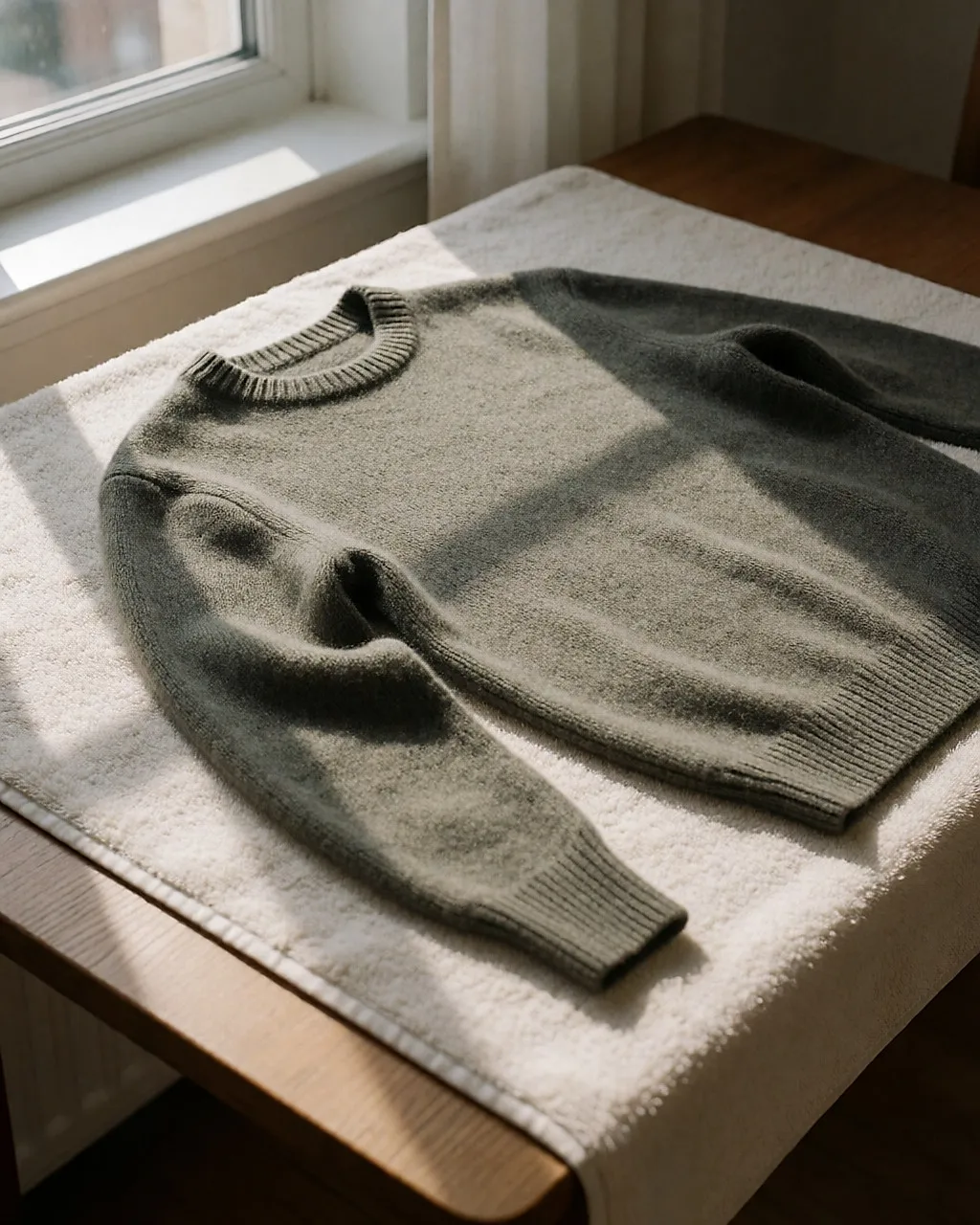
Then look at the material. Wool, linen, thick cotton: these fibres age better than blends with a high synthetic content, which hold on to odours and lose their shape. Ask where the textiles come from. A recognised label can certify an organic cotton supply chain and social criteria throughout processing, but it says nothing about the journey to your door. A label proves one specific point, never the whole picture.
For care, the rule is simple: wash less often, on a cold cycle, inside out, and dry flat. That protects the fibre and the drape.
Three questions before you commit
- Does this piece work with at least three outfits you already own?
- Will its fabric survive twenty washes without losing shape?
- Does the price still feel fair if you wear it twice a week for two years?
If you answer no, put it back. Accessorising a wardrobe isn't about cramming it full.
Budget
Budget-wise, prices vary enormously depending on where you shop. Expect around £3–£21 at a reuse centre or charity shop, and more like £13–£38 on resale platforms, with postage depending on the seller. An upcycled piece from a designer's studio usually sits between £50 and £170, more if the cut is complex or the fabric is premium.
What shifts the price: the starting material, the labour involved, the one-off nature of the piece, and where you buy it. An alteration — hem, taking in, changing a fastening — often costs around £9–£26 at a local tailor or seamstress. It's probably the best-value spend on this list: it puts clothes you'd stopped wearing back into rotation.
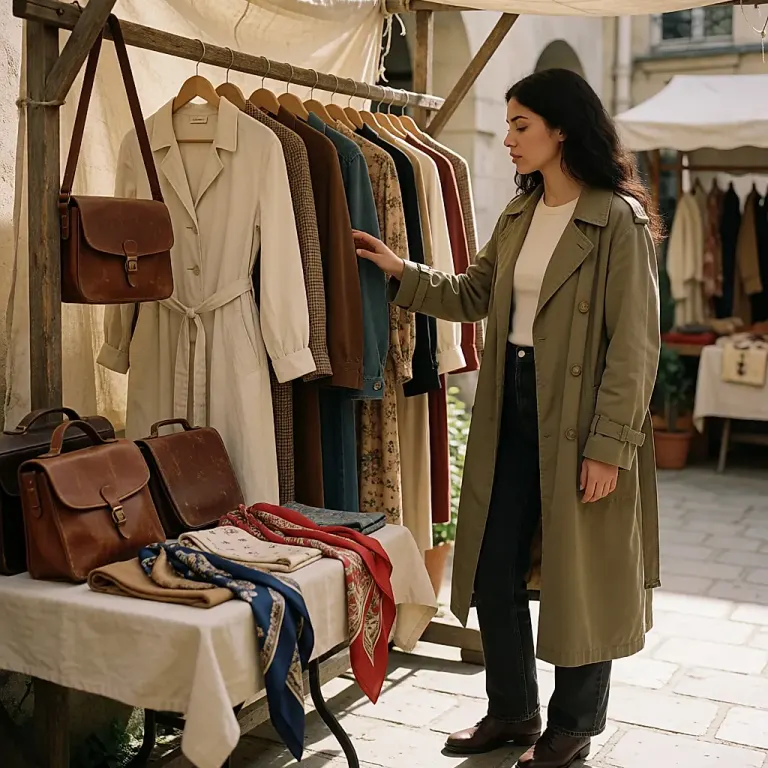
Where to look? Makers' shops, reuse and recycling centres, ethical fashion fairs, online platforms. One last tip: check before you travel, as small shops move quickly.
Sources
- ADEME — key figures on the environmental footprint of textiles: ademe.fr
- Refashion, the eco-organisation for the French textile extended producer responsibility scheme: refashion.fr
- AGEC law of 10 February 2020, on Légifrance: legifrance.gouv.fr
- Emmaüs France: emmaus-france.org
- Réseau des ressourceries (French reuse centre network): ressourcerie.fr
Comments
Your opinion matters: rate the article, react and reply to comments.
Comments are moderated; AI-assisted comments are flagged. Text emoticons (8-), :-), <3…) are automatically shown as images.