
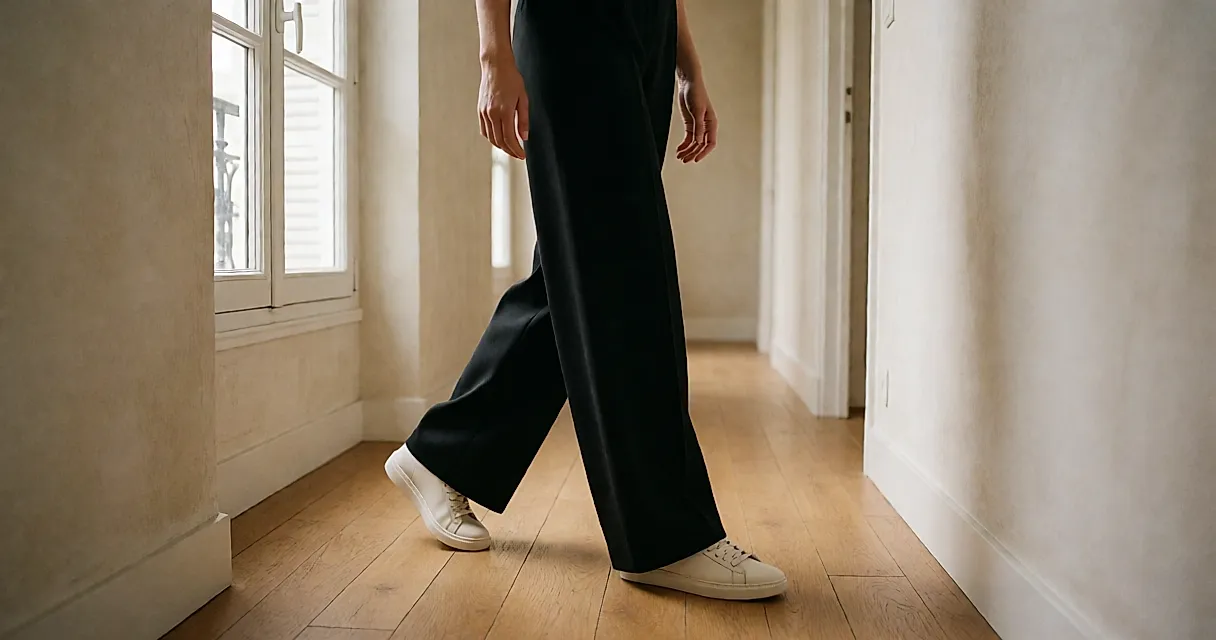
You’ve seen that pair around: the one whose front looks like a polished rectangle, and you paused for two seconds. Brilliant or slightly strange? That is often the sign that a shape is settling in. The square toe has come down from the heels in shop windows onto trainers — and it isn’t the sole that changes things, it’s the front of the foot.
The toe is the only thing that changes
On a trainer, a square toe is recognisable by its almost flat front edge, cut cleanly, with no attempt to round off the corners. In smooth leather or nubuck, on a low-profile sole, the shoe loses its sporty slipper feel and takes on the air of a proper shoe: a little architectural, very defined. Compare it with a round trainer, which softens the line. Compare it with a pointed toe, which feels aggressive. The square toe simply sits there, composed.
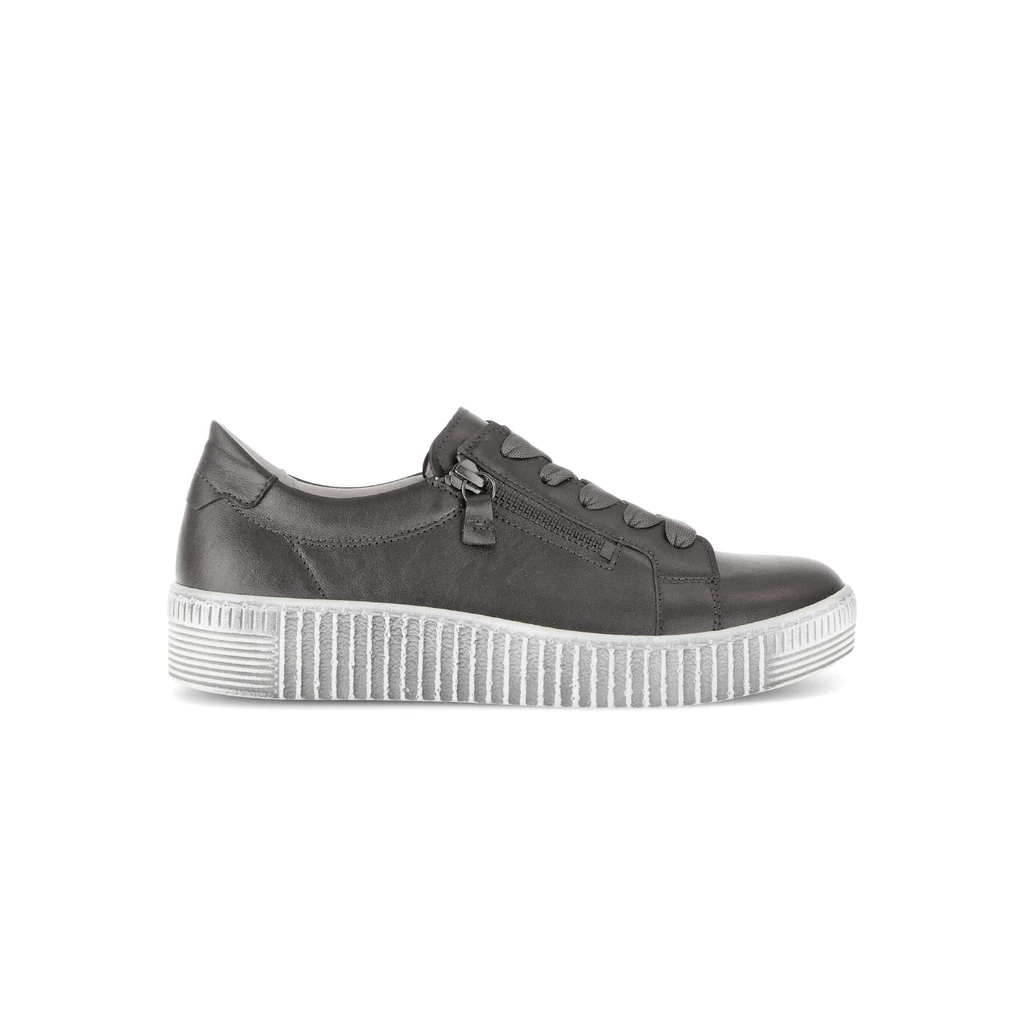
The effect is optical, and it is clear. Your eye no longer follows a curve; it hits a horizontal line. The foot looks both longer and wider, as if planted squarely on the floor. It looks odd in the first mirror, then becomes second nature. A round trainer says you’re popping out for bread; a square one suggests you have somewhere to be. See the difference?
Trousers first, skirts second
This is where it all comes together. With wide-leg trousers, a straight or bootcut pair, a square toe does remarkable work: it extends the fabric’s line and stops the hem from swallowing the shoe. Two horizontals answer each other — the trouser hem and the toe — and the silhouette stands up on its own. With high-waisted trousers that fall straight onto the foot, the leg looks long without any heel at all.
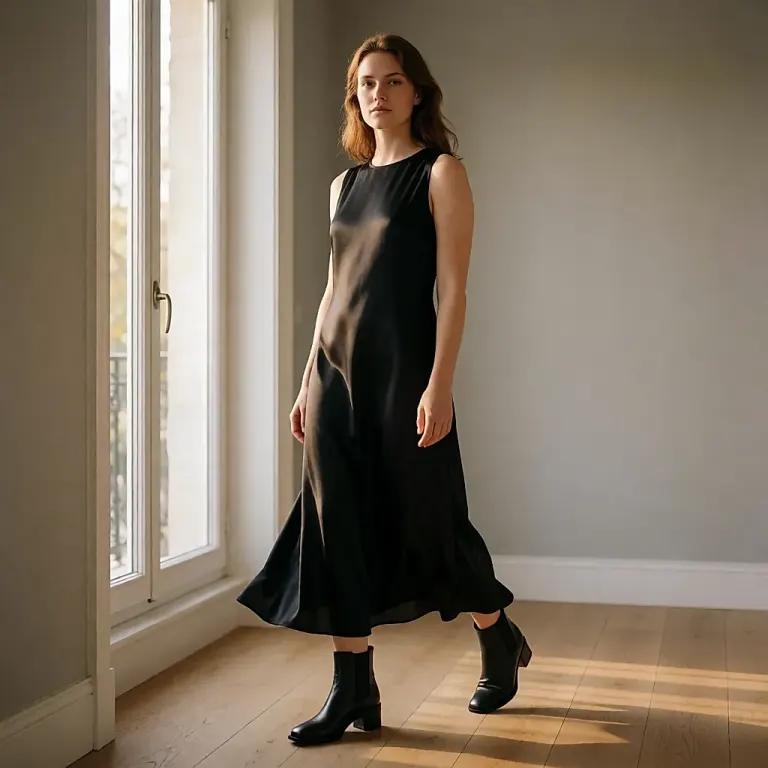
With a floaty skirt, it is another story. The square hardens the lower silhouette, exactly where fluidity calls for roundness. The contrast can be lovely; it can also make a light skirt look as if it is perched on a heavy base. If you want to wear square toes with a skirt, choose a fabric that can carry the sharpness — leather, heavy wool, a straight skirt — rather than a wisp of chiffon that will look puzzled to be there.
Who it suits and who it doesn't
To be realistic: the square toe is not the most flattering for everyone. On a wide foot or a high instep, it gives room and the foot is not compressed — but visually it adds width. On a very narrow foot, the shoe can seem to float. And in a small size, a chunky square can look like a toy building block. The easiest version to wear is the softened square, a slightly flattened toe rather than a perfect block: you keep the line but lose the doorstop effect.
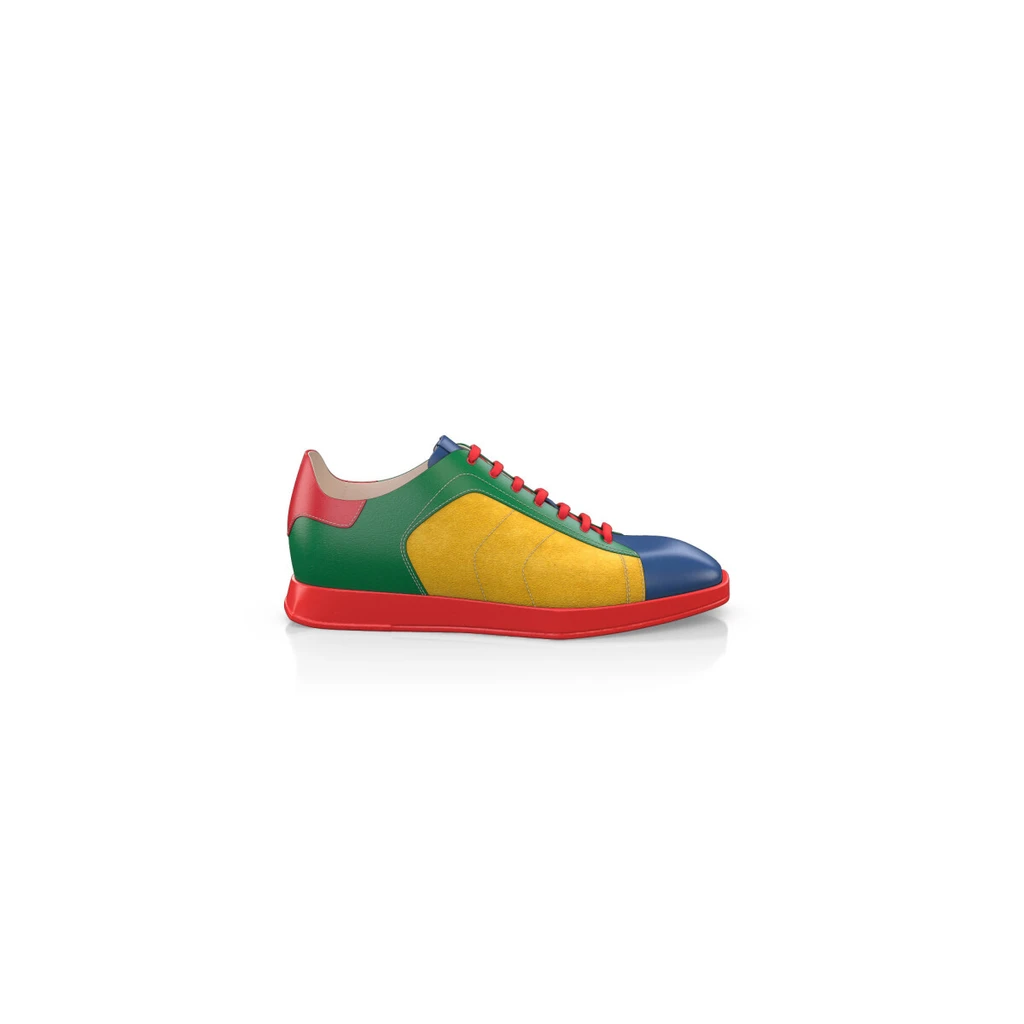
In practice, keep them for the office, the weekend and days when you’re actually walking. In the evening, square-toe trainers won’t replace heels, and that is exactly as it should be. In November, choose smooth leather over suede, which will remember the first downpour. One detail that matters more than it seems: try the pair with the trousers you will actually wear, not the skirt you happened to have on in the fitting room. Hem length changes everything, and the trousers have the final say.
Budget
Expect to pay roughly £60 to £110 for a leather pair from an accessible brand, £130 to £250 for thicker leather and careful construction, and £300 and up from established houses. Price varies with the leather, the tanning, where it is made and the sole; the shape of the toe is rarely the main factor.
Where to look? Accessible high-street shoe brands, department stores, and second-hand for the heeled version, where you often find pairs worn only once. If you shop European labels online, Jonak and Bobbies are worth knowing. Before buying online, do one thing: look at the shoe in profile. It shows whether the square is properly straight or slightly angled.
The full-length mirror test. Put on the pair, add the trousers you plan to wear, and step back three paces. If the hem breaks on the instep, the shoe is too low. If the toe only just peeks out, the length is right. And if you’re still unsure, ask yourself the only question that matters: would you wear them three days in a row? A shape that isn’t kind after two hours doesn’t deserve its place in your wardrobe.
It comes down to your wardrobe. If a pair of wide-leg trousers is crying out for a shoe that can hold its own, a square toe is a smart buy: it firms up the line and carries the fabric down to the floor. If your wardrobe leans towards floaty skirts and fine sandals, there is no rush — keep your money for the pair that really calls to you. And the next time you hesitate over a toe that looks a little too square, remember: it isn’t the foot people notice, it’s how the trousers fall.

Comments
Your opinion matters: rate the article, react and reply to comments.
Comments are moderated; AI-assisted comments are flagged. Text emoticons (8-), :-), <3…) are automatically shown as images.