
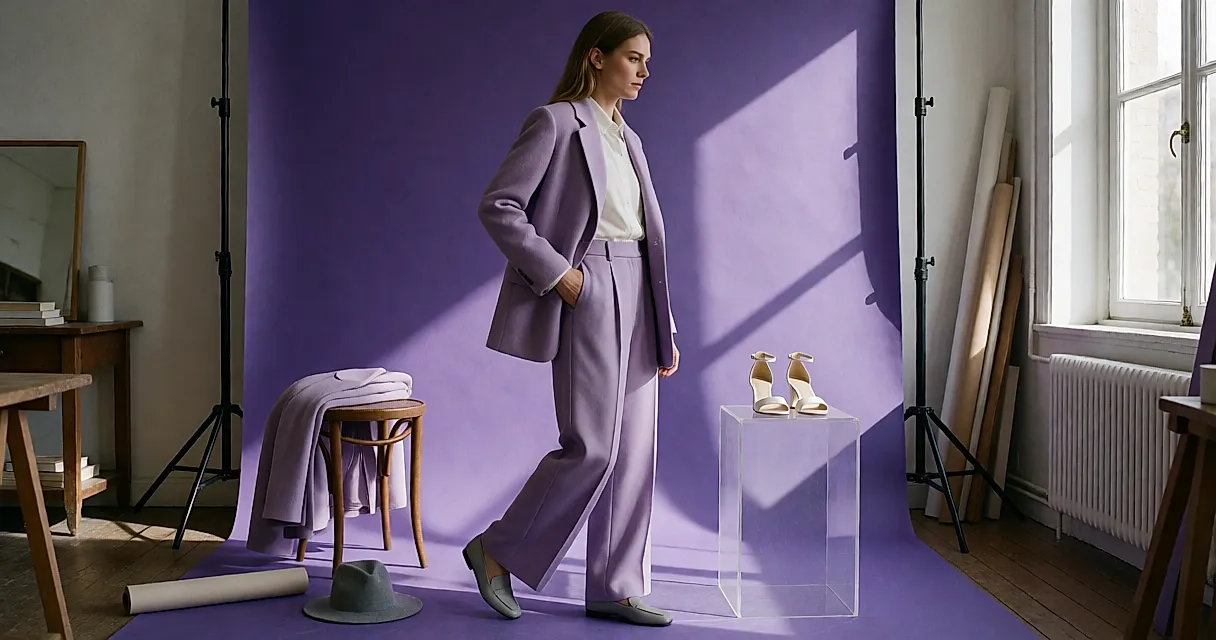
An outfit that has to get through a day of photographs has different obligations from one that only has to survive a single appearance. With a press tour, you repeat the same look across several stops, sit down, stand up, move, and go from daylight to interview-room lighting. With a ceremony, you walk down a few steps, pause, smile, and the image is made. It isn't about budget or taste; it's about register. Reading a public appearance as a working wardrobe rather than a revelation about someone's private life changes everything.
Two modes, not two lives
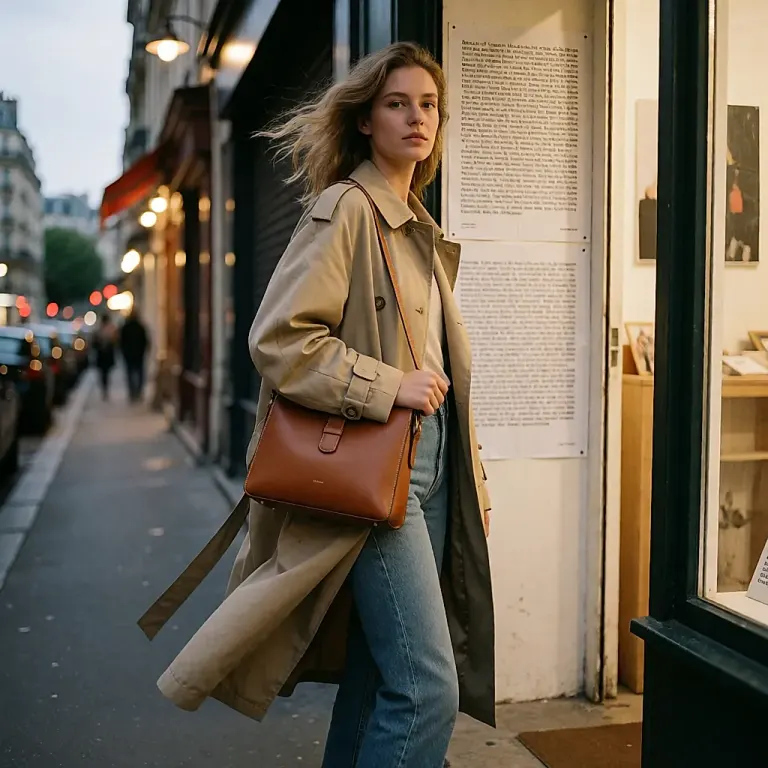
A press tour is a day in several episodes. Several stops, photographers working in natural light, corridors, chairs, sometimes a tiny dressing room and no seamstress in sight. The real question isn't 'Does this suit me?' but 'Will it still hold up in three hours?' A piece can be perfect standing still and become a nuisance as soon as you have to walk, sit, get up and start again.
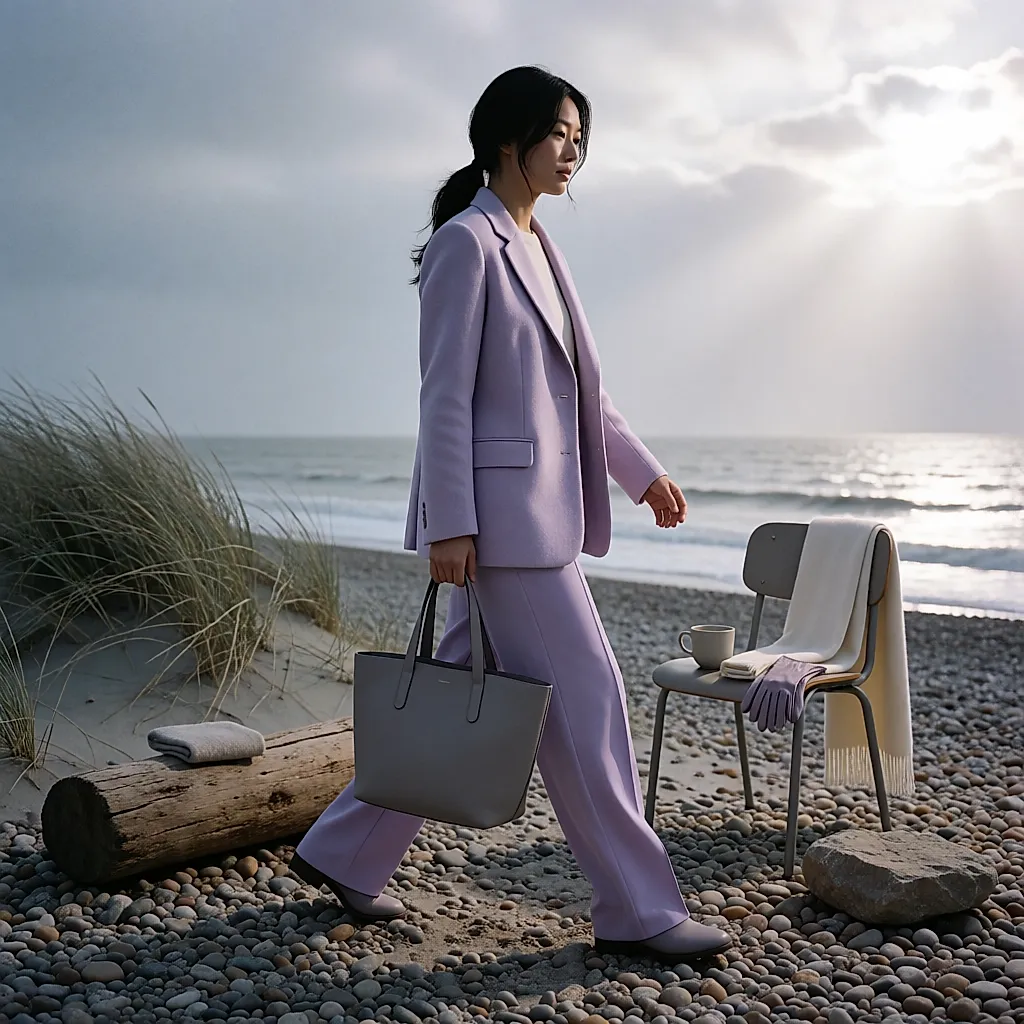
A ceremony works the opposite way: one appearance, evening light, a single frozen image. There you can make a case for a spectacular drape, a more theatrical silhouette, a detail that doesn't have to survive four taxi stops. These are stage constraints, not clues about the person. And that's as it should be: you don't ask a ceremony outfit to behave like a press-day outfit, or the other way round.
Fabric and movement
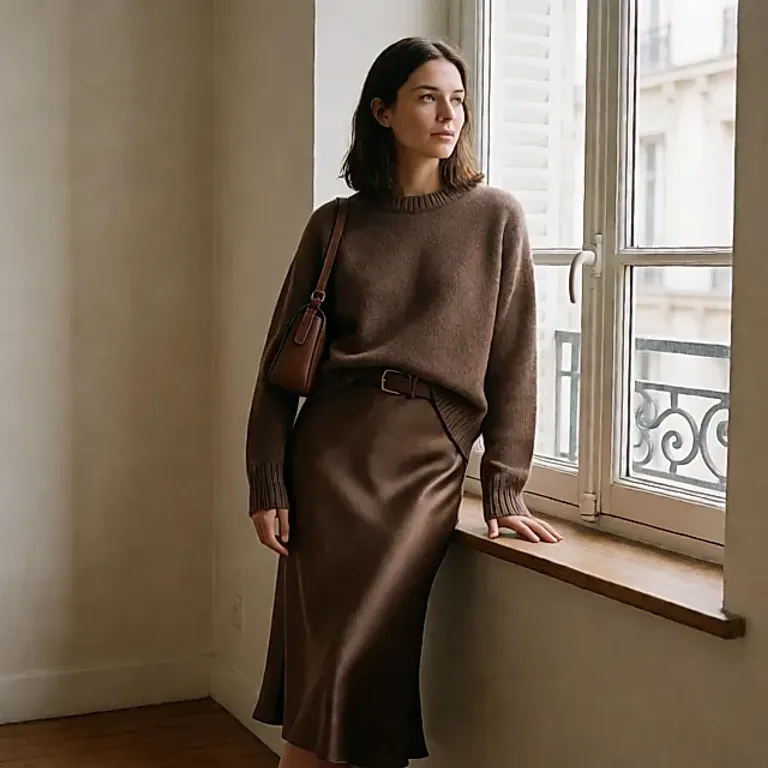
First decision: fabric that recovers. On a press tour, fabric has to accept the body's creases, repeated sitting and light that reveals everything. A wool with a dry handle, a slightly dense cotton, a washed silk or a linen with an intentional crumple will stand up better than a texture that holds the trace of every movement. Crushed linen can be a choice; the crease just has to be intended, not inflicted. If you're unsure, check the synthetic fibre content: a fabric that feels very soft can crease more than its appearance suggests.
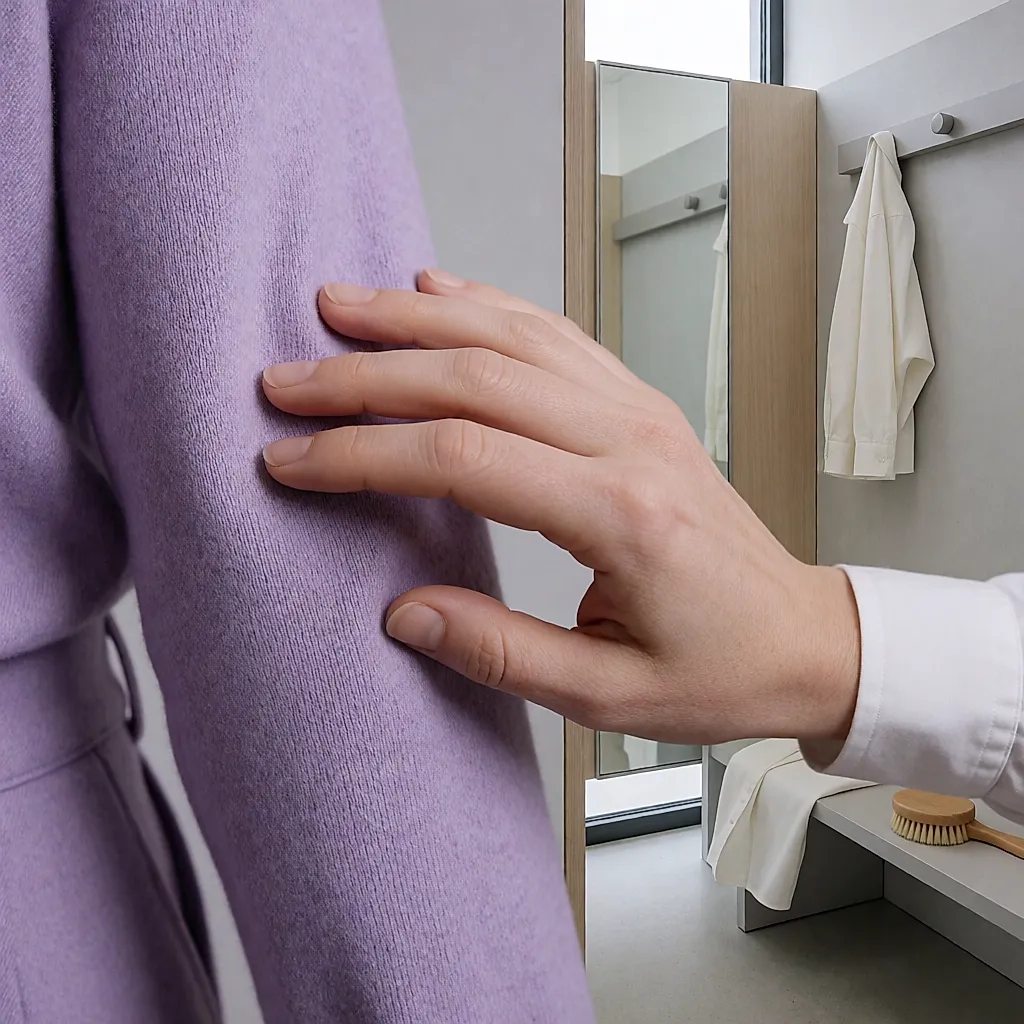
Second reflex: the piece that can be reset without a seamstress. A hem that holds, a fine layer you can take off, tights that don't dig in, shoes you can actually walk in: that is the real backstage kit for a press day. Layering helps too, because it manages temperature swings and hides a crease. A ceremony outfit can rely on stillness. A press tour can't: it asks you to live in the clothes.
Colour under the light
Daylight shows up seams that pull, discreet marks and colours that seem to change sides. A matte, mid-tone shade often stands up better than optical white or deep black, which are merciless under spotlights and outdoors. Does the colour hold under flash? Ask that before you sign off a press-tour look, not after the first burst of photographs.
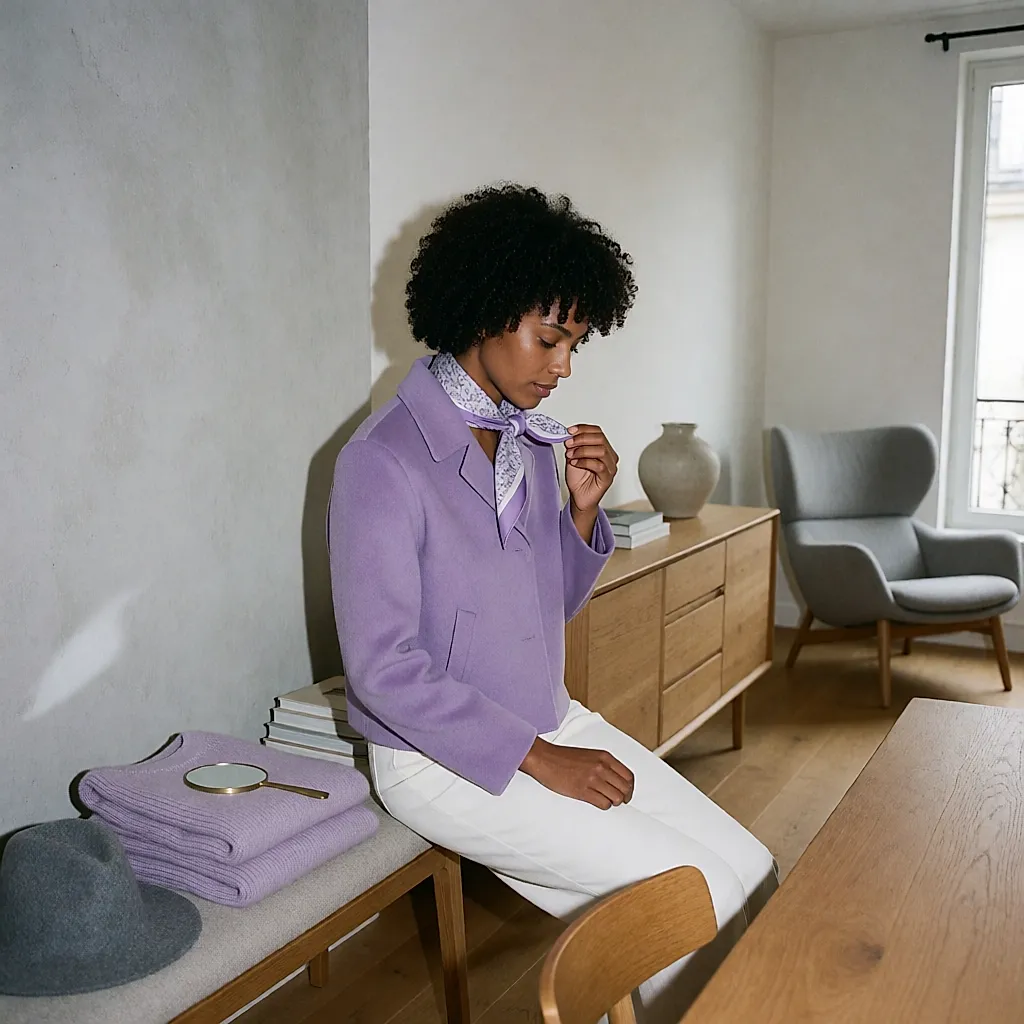
A print can save the day by hiding a light mark, provided it still reads clearly from a distance. A small motif that shimmers under light, by contrast, tires quickly. In practice, look at the colour in natural light, then under harder lighting: if it turns dull, cold or too shiny, it's risky. Your complexion doesn't need a party trick, just a colour that doesn't steal the spotlight.
The three-stop test: before you commit to a press-day outfit, ask whether it holds up standing, sitting and walking. If the answer is yes to all three, it has a place in your suitcase. If it only works standing still, it may be made for a ceremony — not for a press tour.
What it costs
You don't need a dedicated wardrobe to understand the principle. As a rough guide, expect to pay around £40–£120 for a wool or organic-cotton piece that will stand up to wear, £15–£35 for a hem alteration depending on where you live and how complex the job is, and £10–£60 for a second-hand piece if you enjoy hunting. The real calculation is cost per wear: a slightly expensive piece worn twenty times will cost you less than a cheap piece that stays in the wardrobe.
Budget isn't everything. A well-altered basic, a colour that doesn't betray you and a layer you can reset can be enough. You can also have a piece you already own altered rather than buying new: it's often the most cost-effective move, and the more considered one. In a shop, online, in a charity shop or at a local alterations service, the reflex is the same: choose what survives the day, not just the mirror.
Next time you see a public appearance, look at the constraints before commenting on the style. A press-tour outfit isn't a failed ceremony outfit: it's an outfit with a different job to do. And for your own week, keep this simple principle: choose the register that feels like you, then let the piece work for you.
Comments
Your opinion matters: rate the article, react and reply to comments.
Comments are moderated; AI-assisted comments are flagged. Text emoticons (8-), :-), <3…) are automatically shown as images.