

Your coat comes back from the dry cleaner’s with an impeccable shoulder and a drape that looks like it has spent the night on an ironing board. You sent it in for a coffee stain on the collar; it came home looking like a school uniform. Most of the time, though, it needs neither solvent nor plastic cover: a soft brush and a little steam often do the job.
Less dry cleaning, more winters
A wool coat doesn't get washed because it has been worn, but because it is dirty. The distinction matters: there is a world of difference between a coat that smells of a packed rush-hour Tube and one that has simply lived, and that world is called everyday care. A wool coat rarely needs routine dry cleaning; save it for accidents and the occasional deep refresh. That is a rule of thumb, not gospel: if yours has been through three months of commuting and a couple of boozy dinners, it has earned a professional clean.
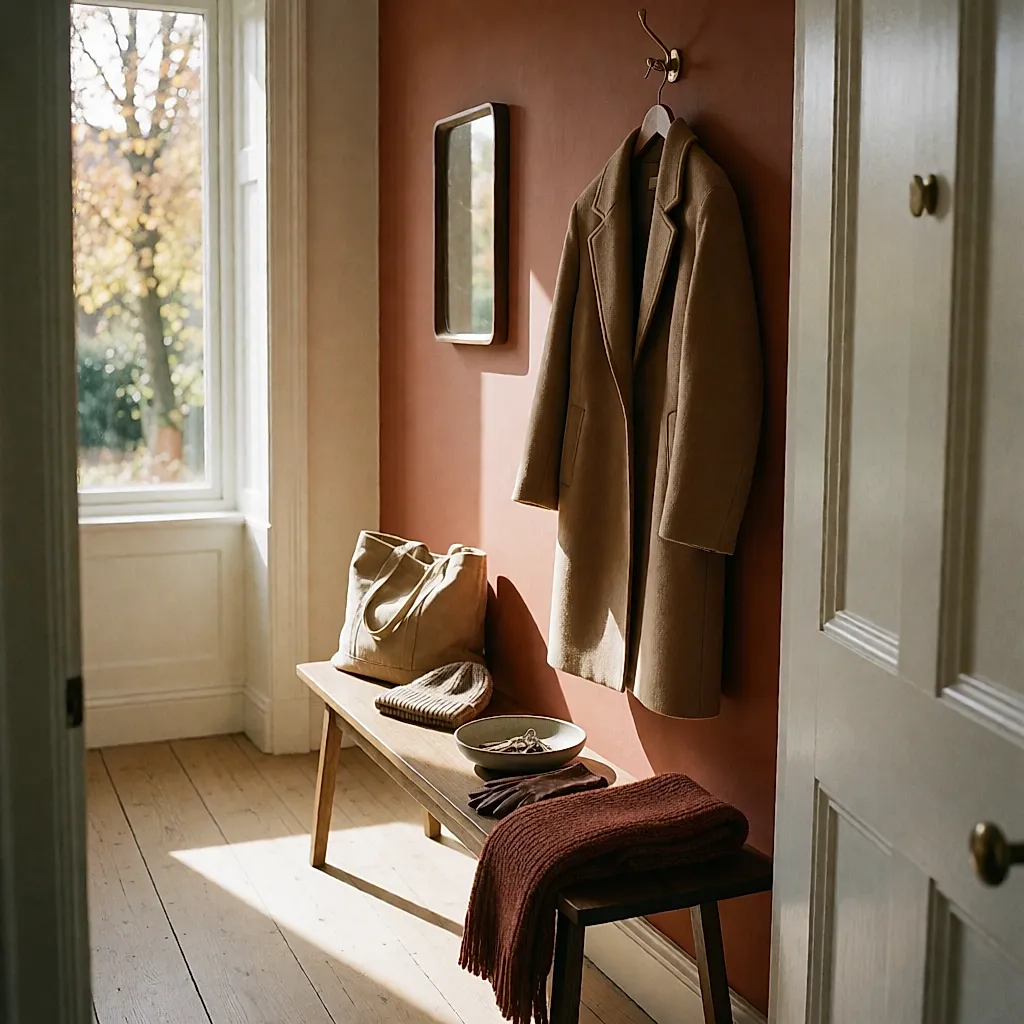
For everything else, keep the dry cleaner’s for accidents. Going too often doesn't help wool last the season: stripped back again and again, it loses the very thing that gives it its charm, the suppleness that lends drape to the shoulder and to the garment as a whole. All those extra trips are money spent wearing out a piece you love faster. Work that one out.
The brush, the step we have all forgotten
A soft-bristled brush, a wide hanger, two minutes. Brush the coat dry, in the direction of the nap, from top to bottom, without pressing as though you were stripping a floor. The motion lifts the dust that settles in the fibres, revives the wool and helps stop the collar from developing that faint grey film which ages a piece quickly.
How often? Brush regularly, and a little more often if your coat lives on public transport. A brush costs around £10 to £25 from a haberdashery, a hardware shop or online, and frankly, it should last for years.
Steam, the shortcut that wakes up the drape
A handheld steamer is wool's best friend between seasons. Hold it so the steam passes through the wool without the head touching the fabric, then hang the coat up and leave it to air, well away from the radiator. The creases from the back of a chair ease out, the shoulder gets its drape back, and the restaurant smell goes too, a little. And just like that, the coat is set for another week.
Mind you: steam refreshes, it does not clean. A grease stain won't vanish into the cloud, and it is more likely to settle in comfortably. Steam is for creases and smells; for everything else, change tack.
What genuinely needs the professionals
Some situations cannot be improvised: a grease, sauce or wine stain, a smell of smoke that has taken up residence in the lining, a tear, a pale collar that has gone yellow. Straight to the dry cleaner’s, and quickly, because the longer a stain waits, the more it sets. Dab it, don't rub, don't attack it with a hairdryer, and tell them what the stain is: it saves everyone time.

Structured pieces prefer the professionals too: shoulder-padded coats, fragile linings, tailored cuts. And a wool coat does not go in the washing machine unless the manufacturer says otherwise; on that, the care label has the last word, no one else.
Piece by piece, what each one needs
The coat, then: regular brushing, steam when it looks tired, dry cleaning for real damage. The scarf deserves more attention: it sits against your neck, your foundation and your hair, so hand wash it in cold water, regularly, if the material allows. The merino jumper is happy with several wears before a hand wash in cold water, dried flat, never on a hanger, unless you fancy finding it in an age-six size.

As for the piece inherited from your grandmother or picked up at a flea market: don't try anything. Entrust it to a dry cleaner used to vintage. A coat from 1962 does not take kindly to Sunday-night experiments.
Budget
At home, budget £10 to £25 for a soft-bristled brush and £30 to £60 for a handheld steamer from a supermarket or online, up to £80 to £120 for a model with a bigger tank if you are doing several pieces in a row.
With the professionals, a simple coat often sits between £15 and £25, and a lined, structured or heavily stained piece between £25 and £40. Prices vary with the city, the length of the garment, the nature of the stain and whether you want express service. A £15 brush amortised over three winters is still excellent value in the wardrobe.
The Sunday-night ritual: empty the pockets, brush in the direction of the nap, hang in the air overnight, and steam only if needed. Five minutes, and the coat starts the week looking considerably sharper.
A well-run wool coat is a piece that sees you through winters, fashions and house moves. Before you dash to the dry cleaner’s, reach for the brush first: it costs little, takes five minutes and often gives the coat back the finish you liked when you bought it.



Comments
Your opinion matters: rate the article, react and reply to comments.
Comments are moderated; AI-assisted comments are flagged. Text emoticons (8-), :-), <3…) are automatically shown as images.