
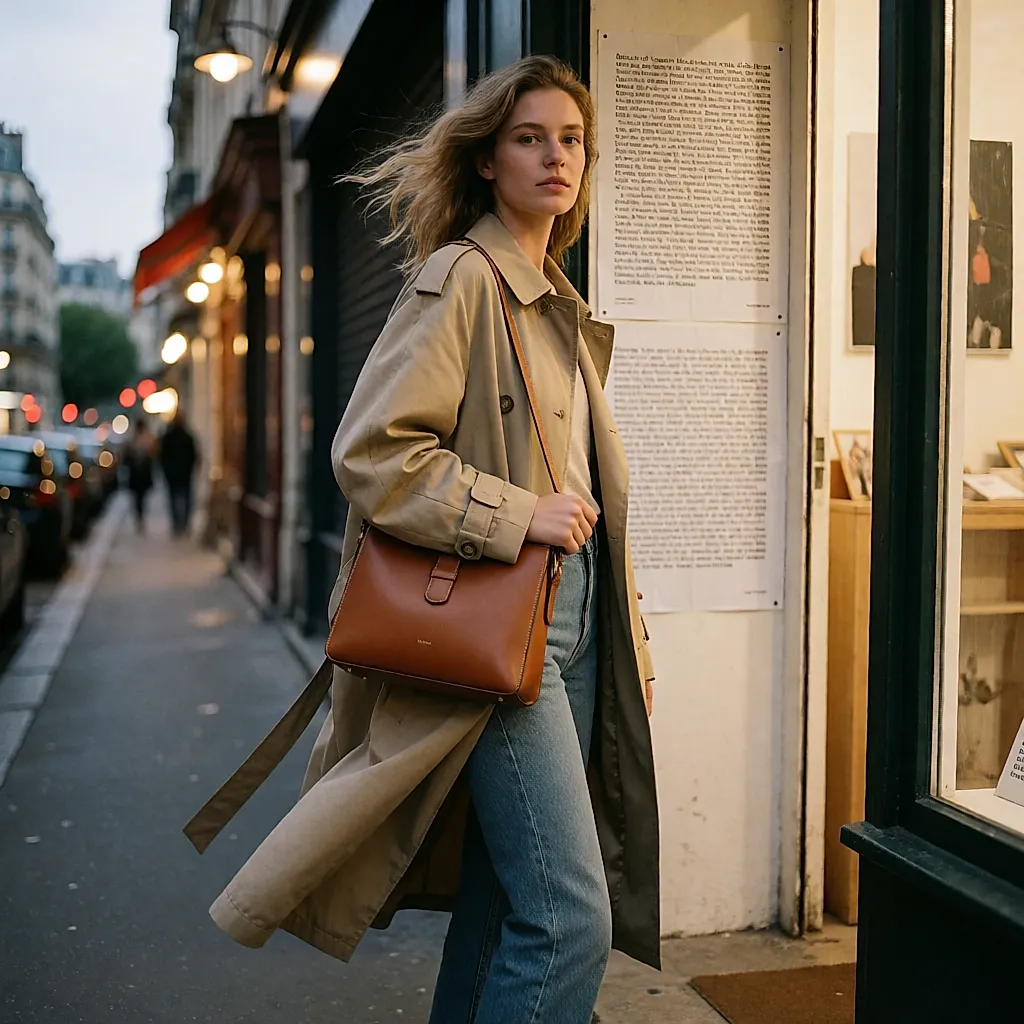
It's 7pm on a Thursday, and the queue stretches outside an address that looks nothing like a shop: screen-printed posters, a turntable, paper cups. A gig? No: a shoulder bag. Since when did a bag launch like a tour?
The launch has become a night out
On the face of it, the classic campaign — double-page spread, glossy image, perfect muse — has one flaw: it leaves no memory of the evening. So labels are turning a single style's release into a series of dates: city stops, a pop-up shop, a playlist on streaming services, a poster by an illustrator, sometimes a limited-edition capsule. The bag is no longer the subject of an advertising image; it becomes the excuse for a programme of events. You are no longer encountering a photograph, you are encountering an event — and events get talked about.
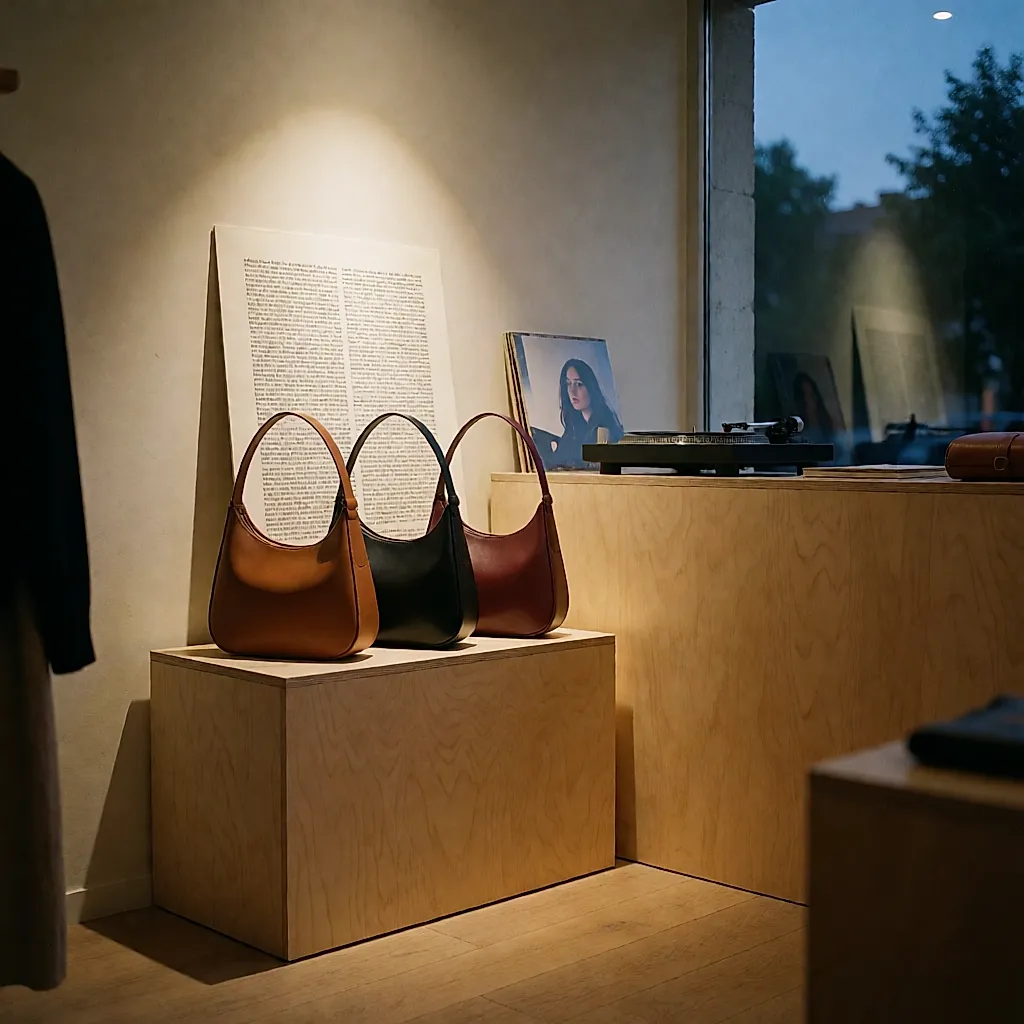
At Jacquemus, the instinct is not new: the label has long preferred the lavender fields of the Valensole plateau and the terraces of the Fondation Maeght in Saint-Paul-de-Vence to a windowless runway hall. What is new is the scale. What was once reserved for a show now applies to a single product: one shape, three sizes, several colourways, and a run of dates at which to show it. Like a tour, except the headline act is carried on your shoulder.
Why the format works (and where it stumbles)
The calendar does much of the work. A traditional launch lands one morning without warning and disappears just as quickly. A tour, by contrast, is announced, followed and discussed: the first date builds anticipation, the second establishes the colour, the third brings it into daily life, all the way to the coffee machine. Add a soundtrack and you get the rarest commodity of the moment: time and attention.
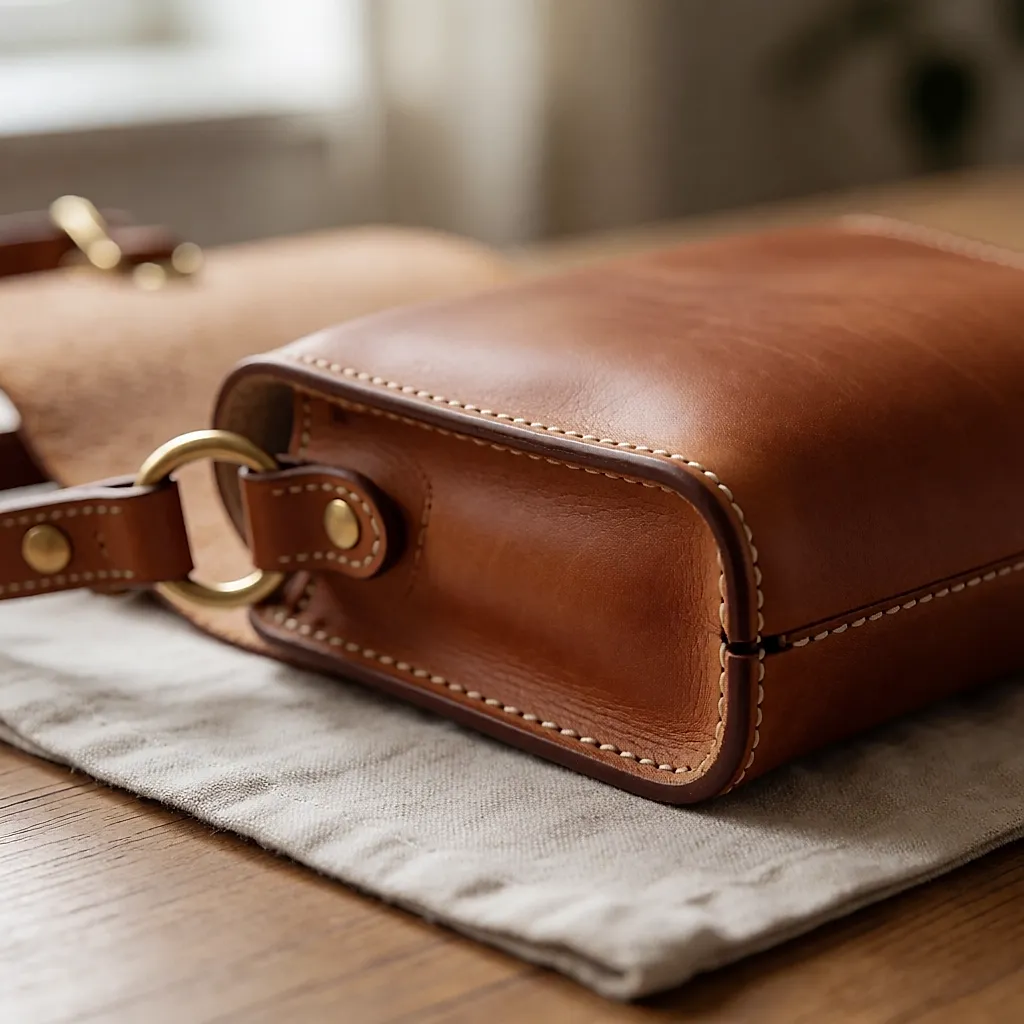
The setting, though, does not replace the material. A lovely private view with a lining that bobbles after three months, and the story soon falls flat. We have seen it often enough with models that go viral and are then resold en masse: a season in the spotlight does not make a piece's career. The bags we keep for ten years owe as much to their line as to their finishes, and to the fact that they do not shout their date of birth.
The downside is quieter: a tour is expensive. The labels that can afford it are those with a reputation to spend; for everyone else, one well-executed date is better than ten tired stops.
What it signals for next season's accessories
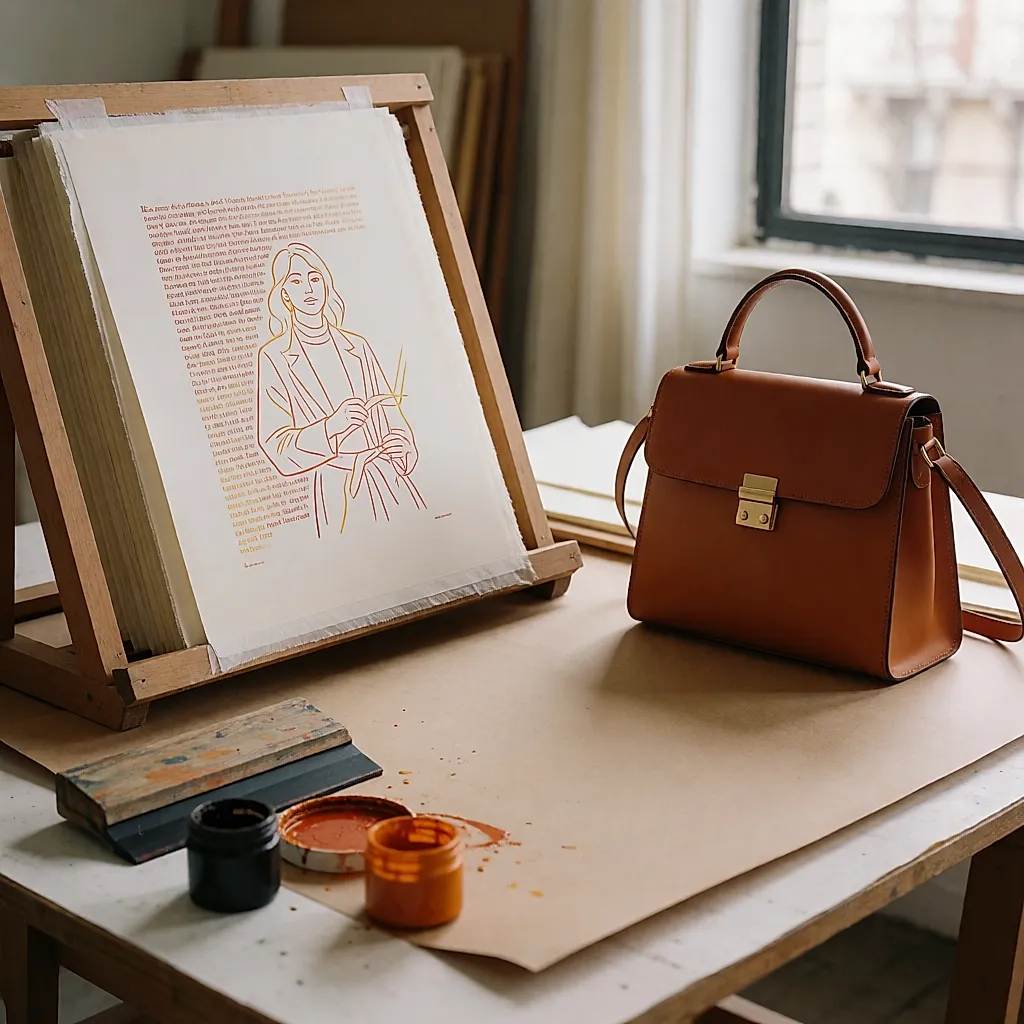
Expect collections written like chapters: a capsule every month rather than one image per season, a hero colour across three formats, a print handed to an illustrator, and a pop-up that follows a map of cities. The bag becomes a storytelling medium — you tell the story of the tanning, the workshop, the shape reworked from a 1990s archive, then tie it all to a tour. You are selling less an object than a story, with the piece as tangible proof at the end.
For shoppers, the practical upside is clear: more dates mean more chances to see the bag in the flesh, carry it in front of a mirror, feel the weight through the handles once the bag is full and feel how the leather folds — none of which a photograph will ever show. The caveat can be summed up in one line: an event launch manufactures urgency. A piece staged like a cultural outing does not become a considered purchase just for that. Go back to see it a few days later: the magic fades, the judgement remains.
Three questions before you commit. Material first: full-grain leather, vegetable tanning, a cotton or linen lining — and check how much synthetic material is in that lining. Construction next: even stitching, a zip that glides without forcing, handles that do not stretch under weight. Your wardrobe last: how many outfits you already own does this bag work with? If you cannot immediately see what to wear with it, the evening's enthusiasm will not be enough.
Budget
On price, as a rough UK guide, expect to pay around £150-£350 for mid-range full-grain leather, often stitched in Portugal, Spain or Italy. From £400 to £900, you are into leather goods from established labels, with more considered skins and finishes. Beyond that is big-house territory, where current models often sit between £1,500 and £3,000, and more again for a limited edition.
What pushes the price up: the type of leather (full-grain, vegetable-tanned), the lining, where it is made, the hardware, the complexity of the cutting. What brings it down without sacrificing quality: second-hand, where past-season styles — including event editions — often turn up well below the new price. That is the smart buy right now, provided you check the handles and corners. And if the only problem with your current bag is a tired lining, a leather repair specialist will often re-line it for less than a new bag.
Ultimately, the tour does its job very well: it makes the piece desirable and memorable. It is up to you, once the lights go down: a piece you fall for and keep, or a flash in the pan to let go.
Comments
Your opinion matters: rate the article, react and reply to comments.
Comments are moderated; AI-assisted comments are flagged. Text emoticons (8-), :-), <3…) are automatically shown as images.