

You'll have clocked the silhouette by now: a shirt worn open over a lace camisole, an oversized blazer, raw denim. Lingerie has escaped the drawer — and it's no longer a head-to-toe affair. It slips into the wardrobe a piece at a time, layered in just like anything else you wear.
Why the trend has legs
The idea isn't new, but it has finally reached the street, and that's where it gets interesting. What has changed is the intent: it's no longer about showing skin, it's about contrast. A fine texture beneath something raw, a structured cut beneath a fluid drape, a floral print beneath a block of plain wool. Lingerie then takes on the statement-piece role — the one thing that lifts an otherwise neutral outfit, on one condition: it should be the only part of the look raising its voice.
The cuts have followed. Camisoles, bodysuits and modern corsets are designed to be worn over a T-shirt or under a jacket, not just against the skin. Lace turns graphic, straps become a styling detail, and sporty knits make a piece easy to wear by day without any fancy-dress feel.

Three pieces, three looks
Where to start?
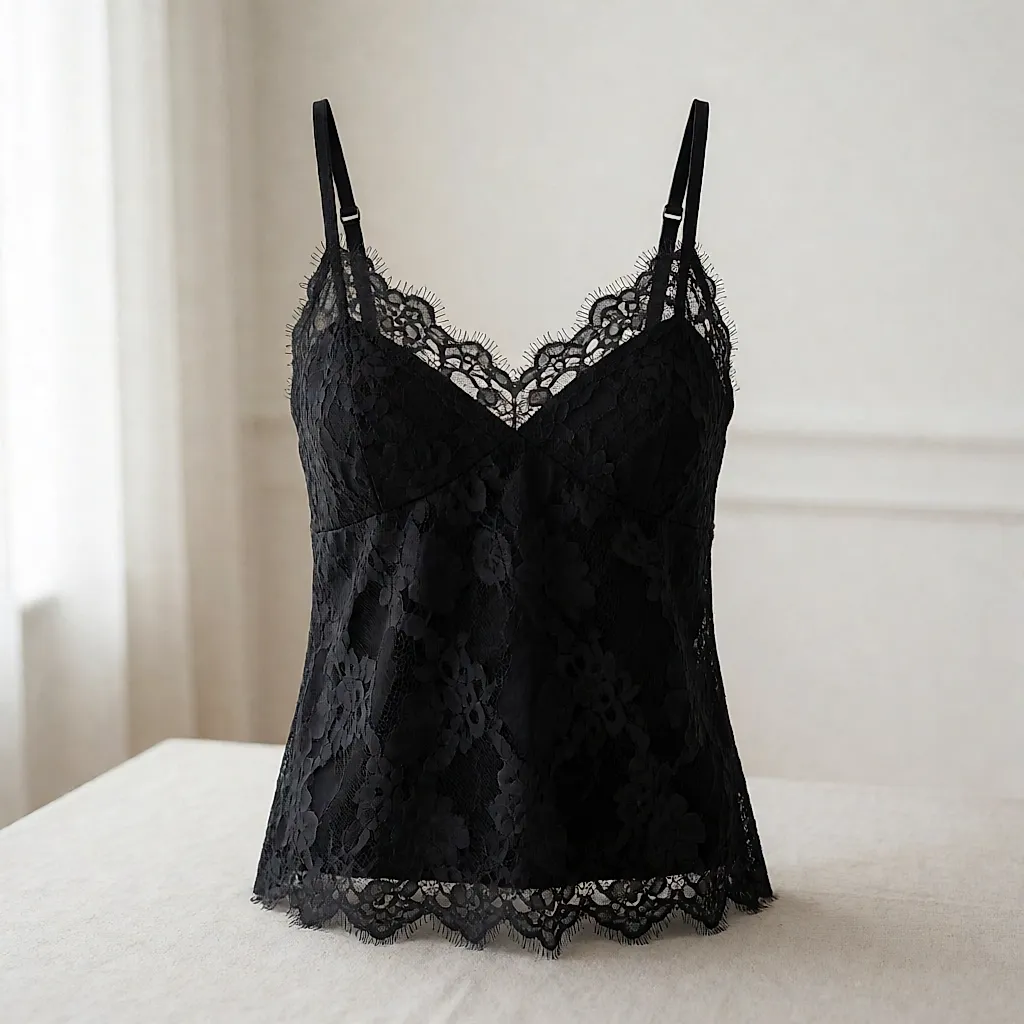
The lace camisole. The simplest way in. Slip it over an open shirt, add a blazer, let a couple of centimetres of lace show at the collar. On the bottom, choose a high-waisted trouser with a clean drape rather than a skinny fit: it lengthens the line.
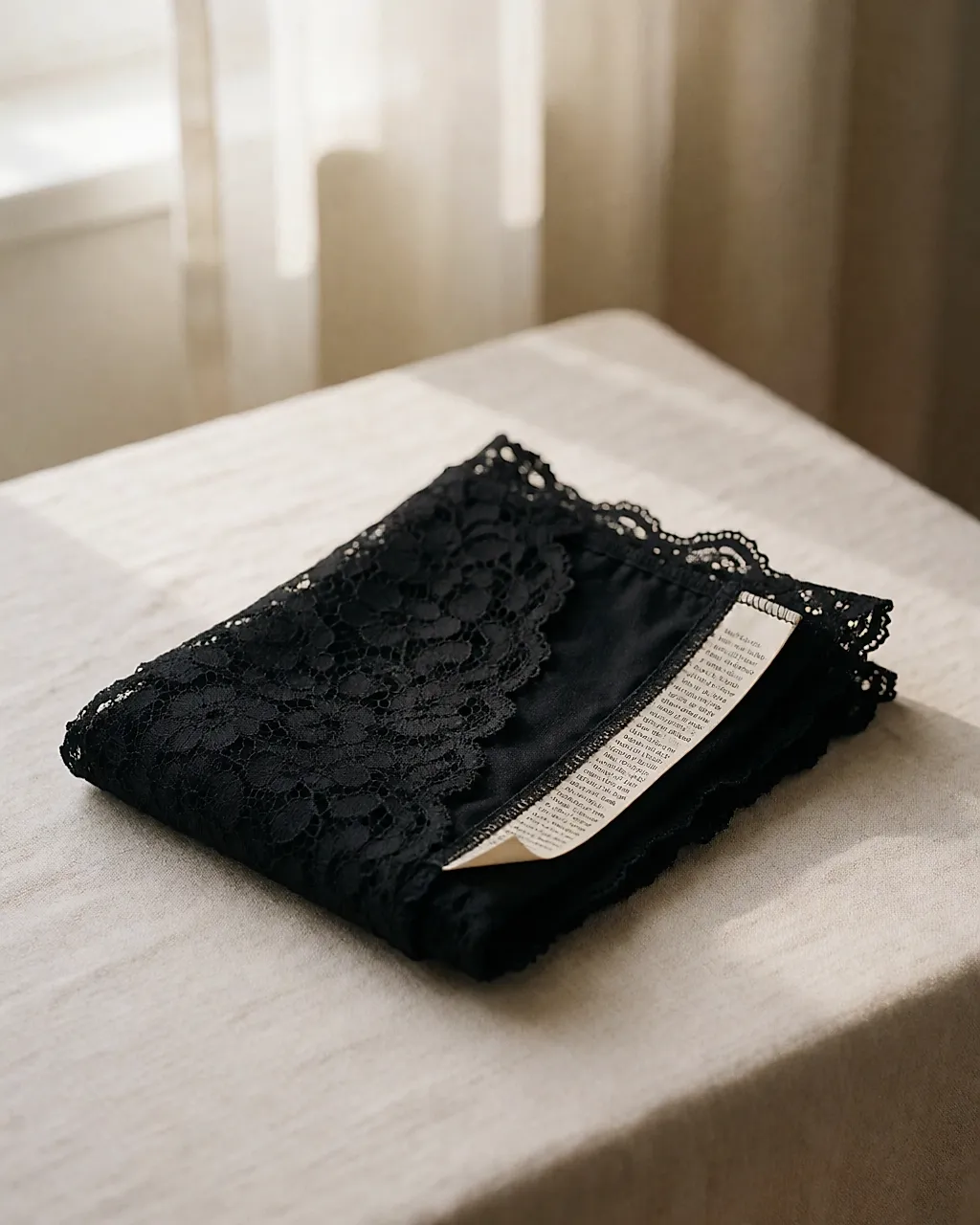
The bodysuit. More flattering, because it doesn't ride up or gape. In black lace under a mannish blazer, or in ribbed knit with jeans. Watch the layering: a sheer bodysuit goes over high-waisted trousers, and it's best to avoid a deeply scooped back, which lets bra straps show through.
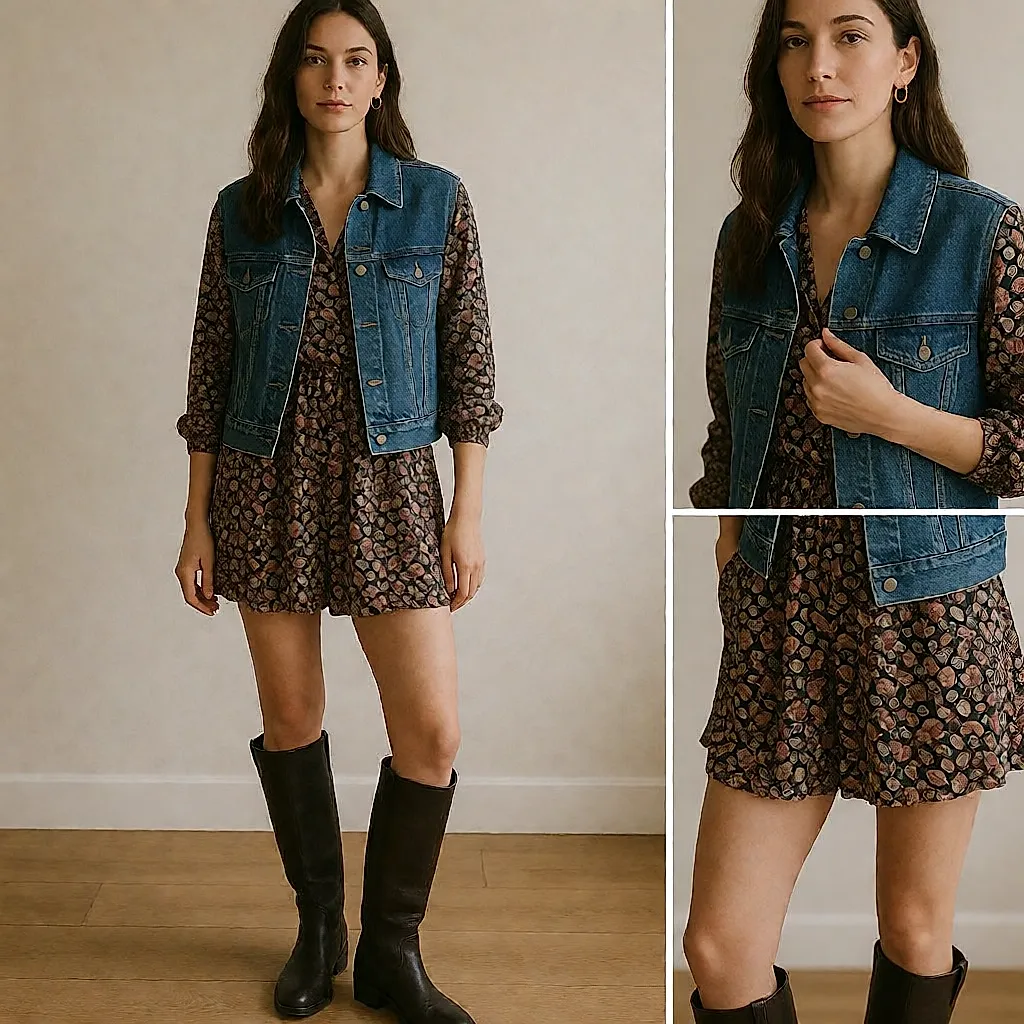
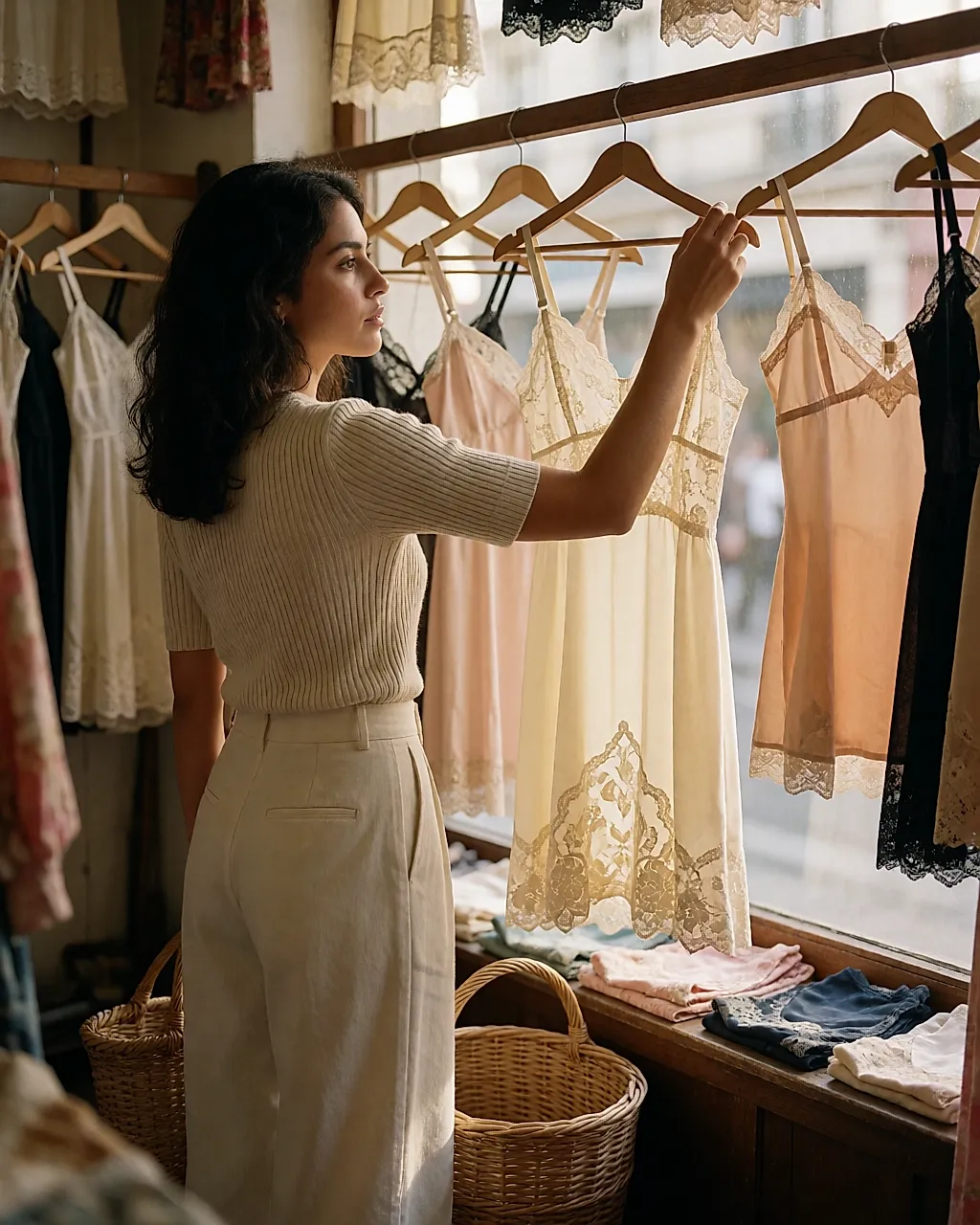
The slip that passes for a dress. The easiest to carry off by day, especially in cotton voile or matte satin. Knee-high boots, a chunky wool cardigan, a belt to mark the waist, a fine necklace to finish it off: it works just like a dress. Check the length in a mirror — too short and it turns back into a nightdress.

The one rule that makes it work
One principle: a single visible piece of lingerie per outfit, never two. And always a clash of registers — the masculine (blazer, tailored trousers, loafers) against the feminine (lace, satin, fine straps). That imbalance is what makes the look elegant rather than cheap. If in doubt, take off an accessory.
The three-second mirror test. Step back three paces and squint. If the first thing you see is straps or lace rather than your silhouette, you've added one piece too many.

Fabrics and labels worth checking
Three labels are worth a look. GOTS certifies an organic supply chain across the whole textile process, from field to finished garment. OEKO-TEX Standard 100 checks for unwanted substances in the finished product: useful for the skin, but not an environmental label. For lace made from recycled fibre, look for GRS, which governs the genuinely recycled share.
The trade-off has to be said: lace that holds its shape and drapes well is very often synthetic, and an organic equivalent with the same finish is rare. So the honest move is to buy less, pick a piece that will last several seasons, and favour nearby manufacture (Portugal, France) when it's stated. In truth, none of the pieces mentioned here has passed through my hands: these are buying criteria, not a product review.


What it costs
Expect to pay around £15 to £40 for a lace camisole or bodysuit from a lingerie chain, £40 to £100 mid-range, and £120 to £350 from designers or for a silk piece. Second-hand, you'll often find pieces under £30, though the choice of sizes is narrower — that's the real sticking point. What moves the price: the fabric (viscose or silk rather than synthetic), the finishes (adjustable straps, lining), where it's made, and when you buy, since an out-of-season piece can be had for less. Where to look: brands' own websites and shops, the lingerie departments of department stores, online multi-brand retailers, charity shops and resale platforms.
Sources
- WRAP, textile sustainability resources for the UK — wrap.org.uk
- Global Organic Textile Standard (GOTS) — global-standard.org
- OEKO-TEX, Standard 100 — oeko-tex.com
- Textile Exchange, Global Recycled Standard (GRS) — textileexchange.org



Comments
Your opinion matters: rate the article, react and reply to comments.
Comments are moderated; AI-assisted comments are flagged. Text emoticons (8-), :-), <3…) are automatically shown as images.