
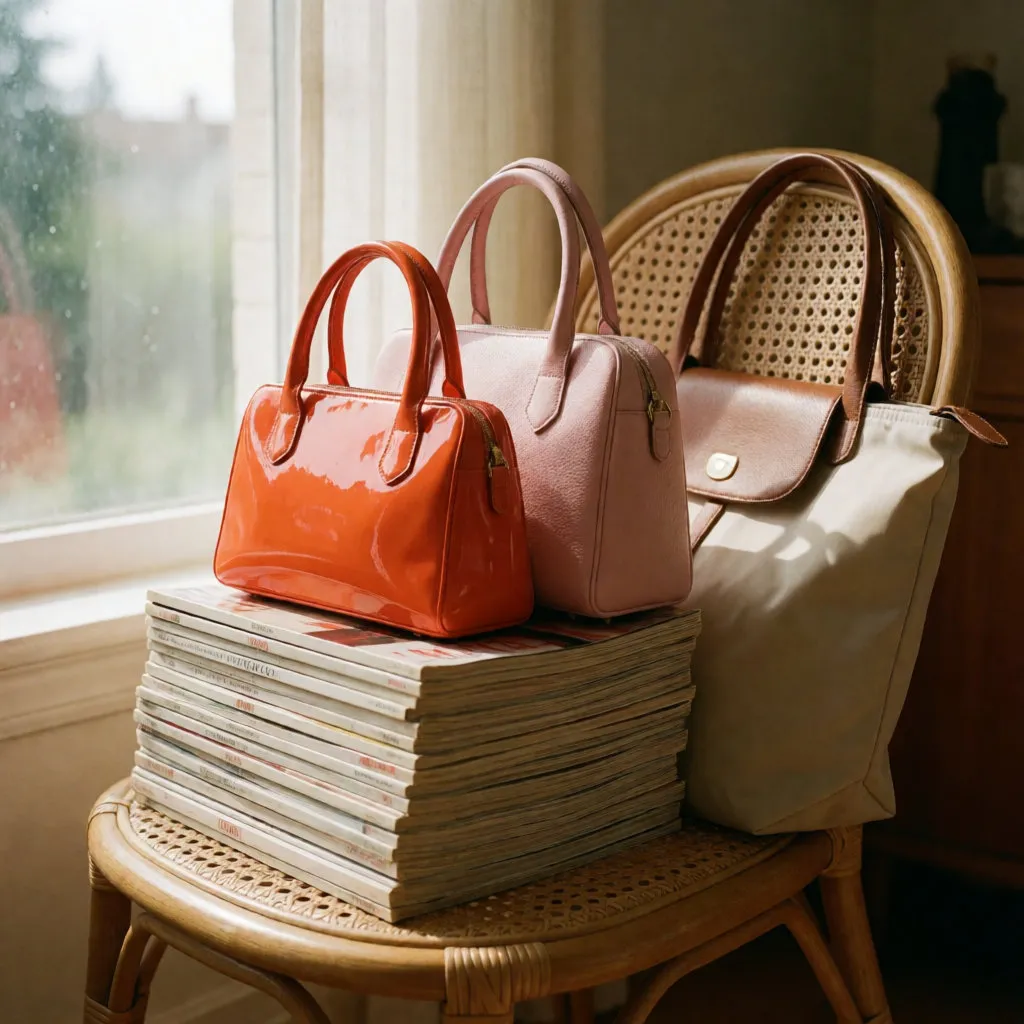
While clearing out a box of old magazines at my mother's house — the eternal 'shall I bin it or keep it?' — I came across a pile of summer issues. Pages of colourful leather handbags, full-page ads, and one very simple question: what did we actually carry on our shoulders back then? In 2026, the answer makes me smile — and yet plenty of those old ideas have come back this summer, in everyone's wardrobe.
I looked at them like a family album, sorting out what has lasted, what has disappeared, and what you can still wear without looking like you're in fancy dress.
Colour takes centre stage
The first thing that strikes you as you leaf through the pages: leather was bold. Soft orange, zesty yellow, spring green, violet, pale pink — houses were offering their classics in shades from a box of Smarties. There was certainly no shortage of colour. A few finishes kept coming back: patent, which catches the light but keeps fingerprint marks, and velvet, softer to the touch but more fragile at the corners and pockets.
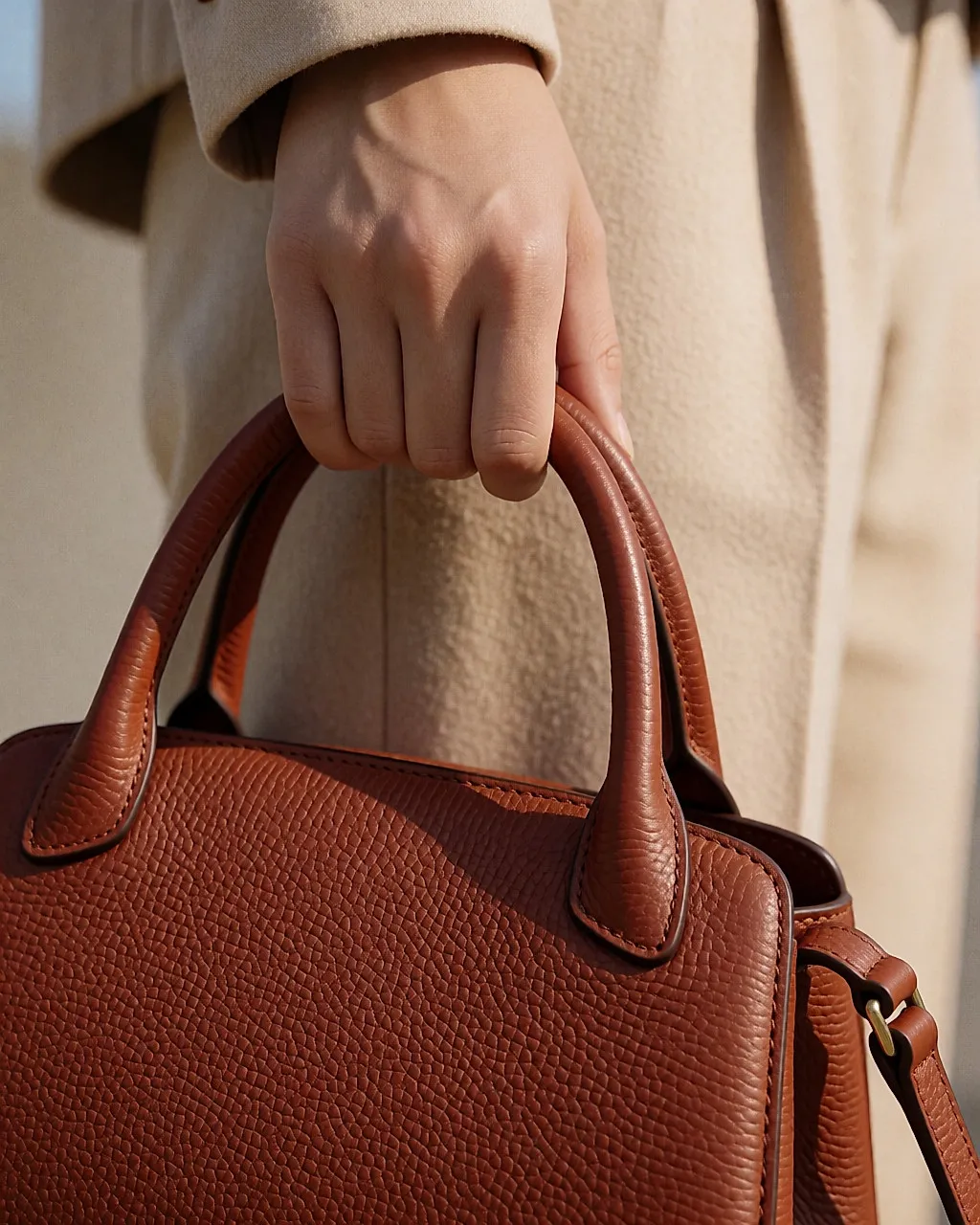
In 2026, the palette has warmed up rather than calmed down. Butter, caramel, brick, sage green, cherry red: less neon, more texture. Grained leather, woven raffia and light-catching textures are back in a big way — a real joy to wear. And a bold colour remains the easiest way to accessorise a neutral outfit: one colourful bag, and it becomes the statement piece of the whole look.
The tote: king of the street
If you remember only one shape from this summer, make it the tote. Large, supple, with shoulder handles and a discreet little pocket on the front. Why has this shape never really disappeared? Because it solves an everyday problem, quite simply. The tote format remains a common silhouette, and one of the hardest to get wrong.
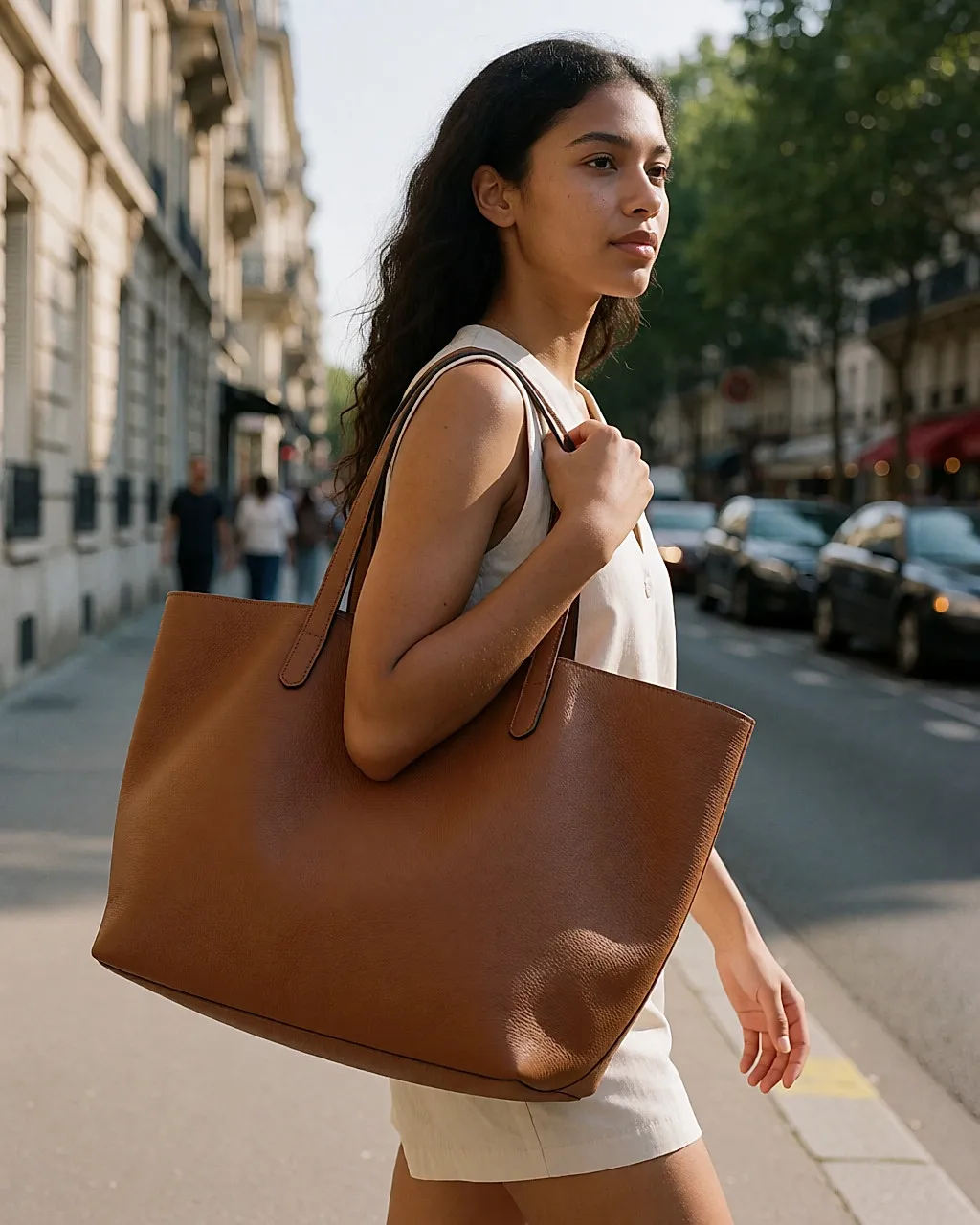
Its 2026 version is even more supple: leather that creases, fine handles, a slightly slouchy drape, sometimes an oversized format that borders on nonchalant. We also like coated canvas styles, light for heatwave days, or raffia for beach weekends. The real luxury? That it swallows everything — laptop, notebook, two pairs of sunglasses — without ruining the look.
Pieces that stand the test of time
They are still circulating, in second-hand or reissued versions. Why these and not others?
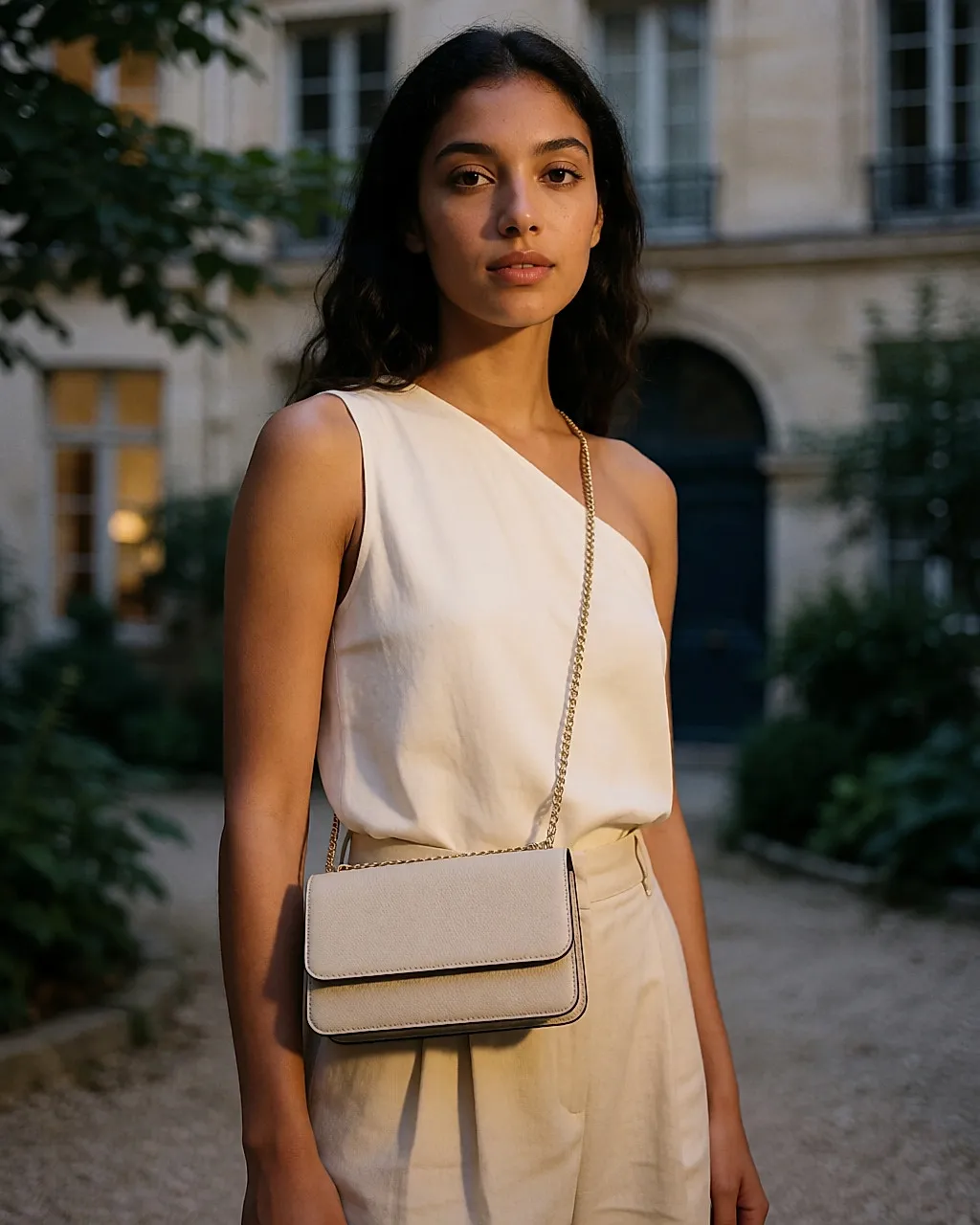
First, the grained leather tote: trapezoid shape, zero frills, a drape that improves with patina. Then the structured shoulder bag: the one you wear by day as well as in the evening, compact enough not to weigh you down, big enough for the essentials. And the chain-strap clutch, which returns every season and never disappoints.
On the brand front, we won't play the oracle. Heritage labels continue to reissue their classics, and young French houses offer pieces in full-grain leather or recycled materials at gentler prices. The rest of the old designs have fallen off the radar: that's the rule in leather goods — a neon shade goes out of fashion quickly, a well-made cut crosses the decades.
What has aged badly, what still holds up
First, all-over patent: it cracks and yellows, especially at the corners. Then rigid mini formats, the ones you can't even close. In truth, some details are still worth a look: a bold colour, but only one per bag; a wide shoulder handle, which makes a large format bearable all day; and a discreet gold detail — a buckle, a clasp — rather than an all-over metallic look.
The one check that changes everything before buying a second-hand bag
First look at the corners and where the handles meet the bag: that's where leather gives way first. Then open the zip all the way — a zip that catches often signals a bag stored too tightly. Finally, turn it inside out: a torn lining may need a repair that pushes up the price.
Budget
Good news: a second-hand bag doesn't cost the price of a new one. Prices vary a lot depending on the brand, material, condition and where you buy. In the UK, expect around £25 to £80 for a coated canvas or nylon tote, depending on size and condition; £130 to £430 for a mid-to-high-end grained leather bag, more if the piece is recent, complete and in very good condition; and upwards of £700 for a collector's piece, depending on colour, condition and whether the original dust bag is included.
What makes the price vary? Condition first (corners, handles, lining), then colour — neutrals sell for more than bright shades —, whether the dust bag is included, and the city where you buy. Add a trip to a cobbler or leather repair specialist to nourish the leather or stitch a handle back on: it's better to budget for it.
Where to look: official boutiques for reissues, consignment shops and charity shops for vintage pieces, and online resale platforms, some of which offer authentication — a real plus, as copies circulate.
A word on sustainability, since here it's the strongest argument: with second-hand, no new material is produced. But you should still look for full-grain leather rather than corrected grain, a canvas lining that won't peel, and metal parts that a craftsman can replace. Some young brands go further, with vegetable-tanned leathers, recycled textiles or repairable finishes — provided the label is clear and verifiable.
The bag that lasts
So, when you're hesitating over a piece that feels a little too sensible, ask yourself one question: will it still be here in ten years? If the answer is yes, choose it in colour.

Comments
Your opinion matters: rate the article, react and reply to comments.
Comments are moderated; AI-assisted comments are flagged. Text emoticons (8-), :-), <3…) are automatically shown as images.