

A gold necklace can sit in the drawer for months because it feels too dressy for a grey sweatshirt. Swap silver hoops for gold ones, though, and the same outfit suddenly looks warmer — no other change needed. In 2026, gold is no longer just for evenings.

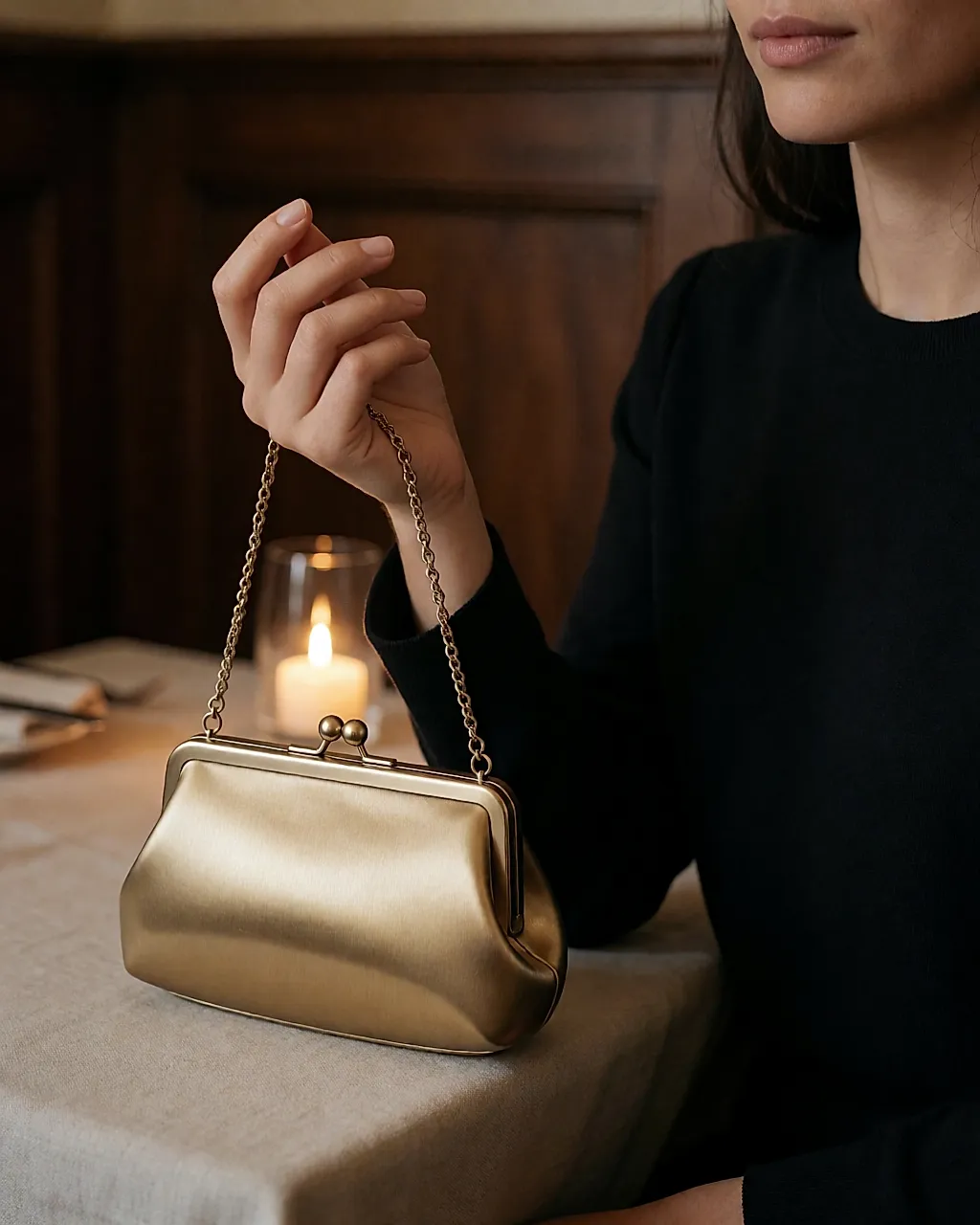
Gold works as a neutral
A gold chain warms up a grey outfit, faded jeans or a camel coat. What has changed is the finish. Mirror-polished gold remains a statement piece, to bring out for an occasion. Matte, satin and brushed finishes work everywhere, office included. A matte bag, fine sandals, a belt: it takes very little to accessorise a neutral wardrobe. A matte fabric absorbs light, while gold reflects it back towards the face. That is where the style comes from.
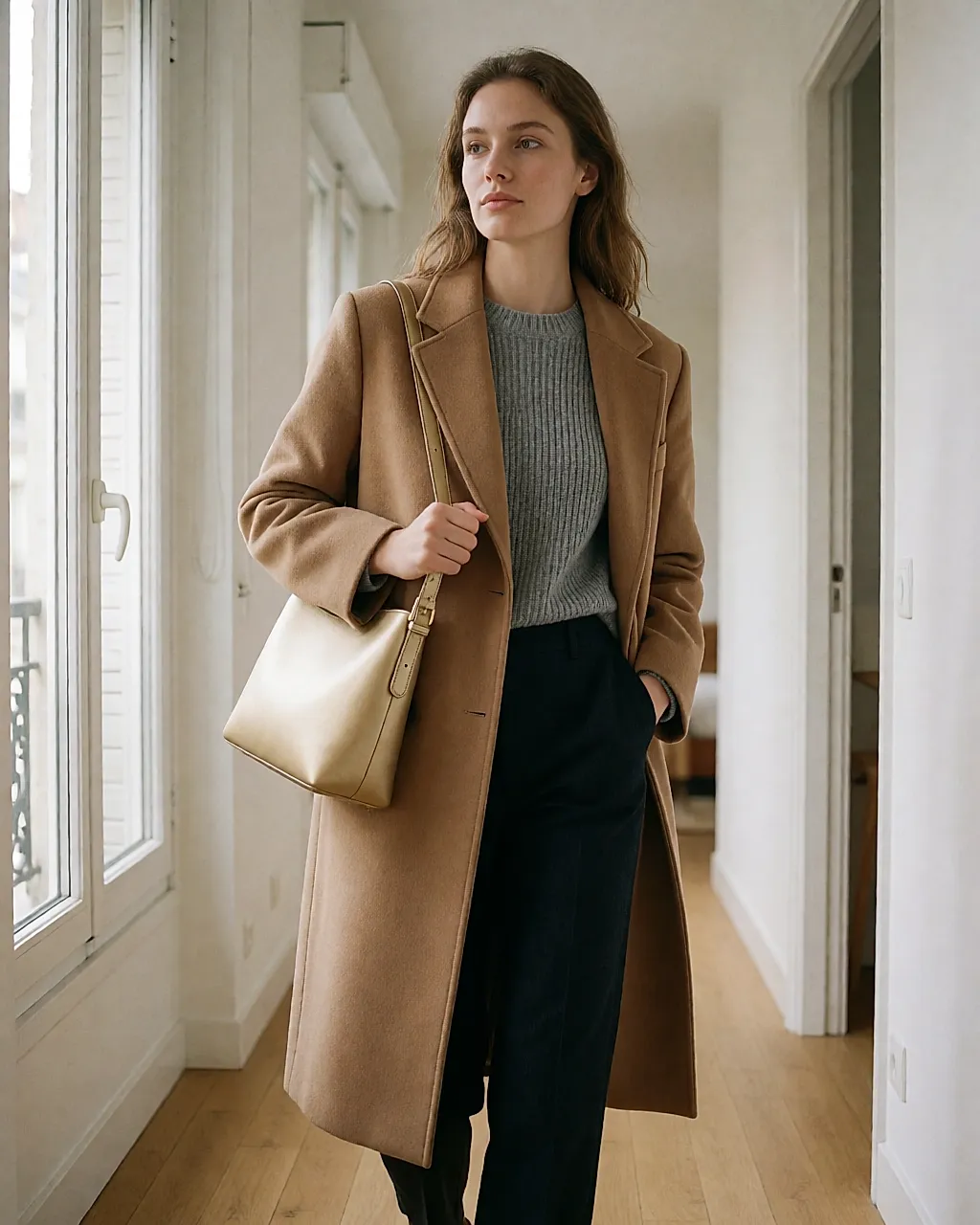
Balance is everything
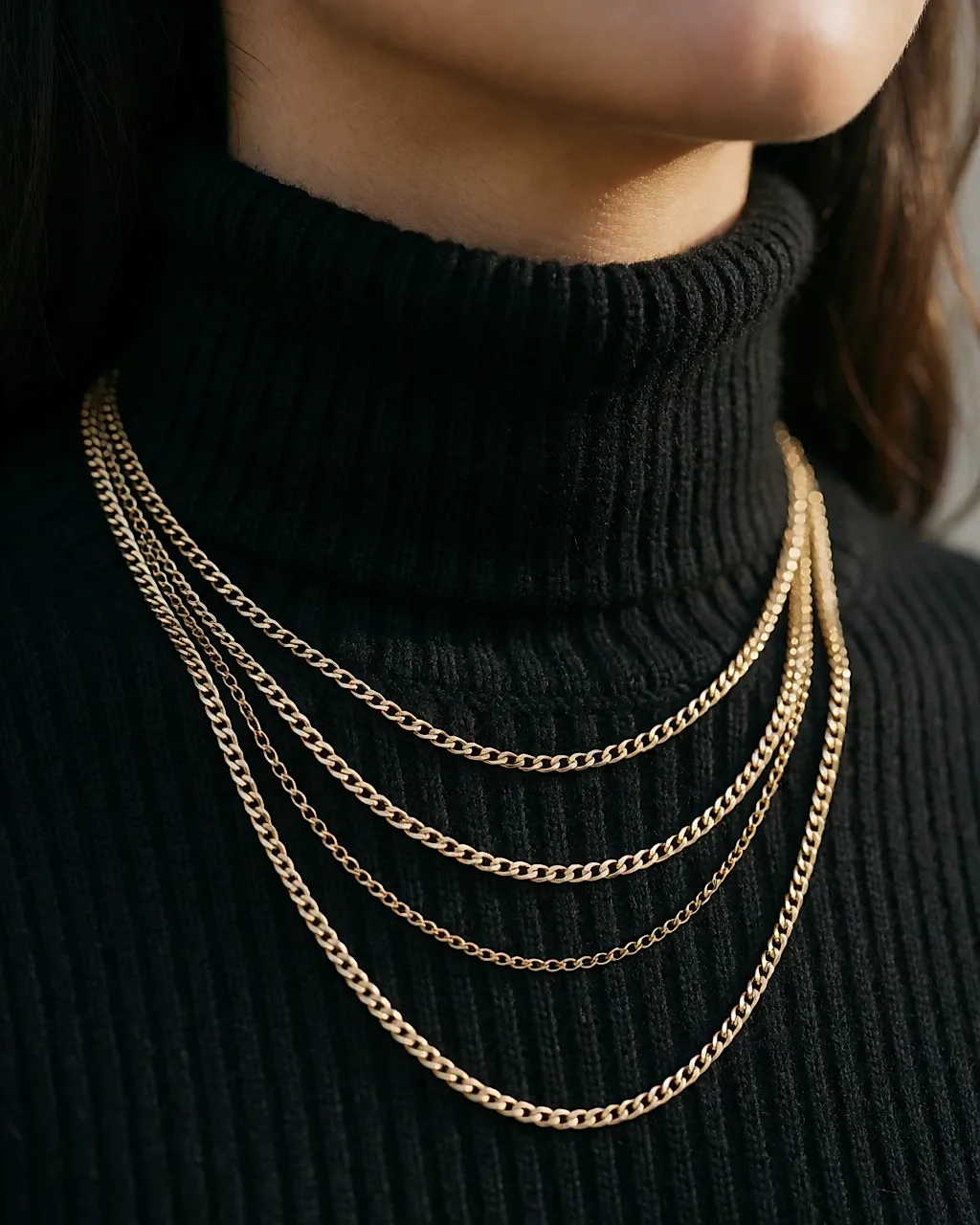
Too many metal pieces on the same day and the eye has nowhere to land. So choose one focal point: a single gold element, or one tight group of fine chains, with everything else matte — wool, raw denim, matte leather. A trio of fine chains over a black rollneck remains the simplest move, as long as it reads as one group. For a full look, keep to one shiny texture and a clean cut. On a fluid drape, matte gold outlines the silhouette; on thick wool, it can make it feel harder.
Beauty that gives light, not glitter
This is where a small tweak pays off. A finely milled highlighter placed where the light catches — cheekbone, brow bone, bridge of the nose — makes the complexion look rested. A gold eyeshadow dabbed into the inner corner of the eye opens up the gaze in seconds. One honest note: in cosmetics, gold is used mainly as a pigment. The glow comes from the powder, applied on a clean base underneath.
The version that actually gets done on a weekday morning: one gold piece, a matte base, a pale eyeshadow dab. At night, don't start over — move the shine to your bag or shoes and keep the base.
Gold that lasts the distance
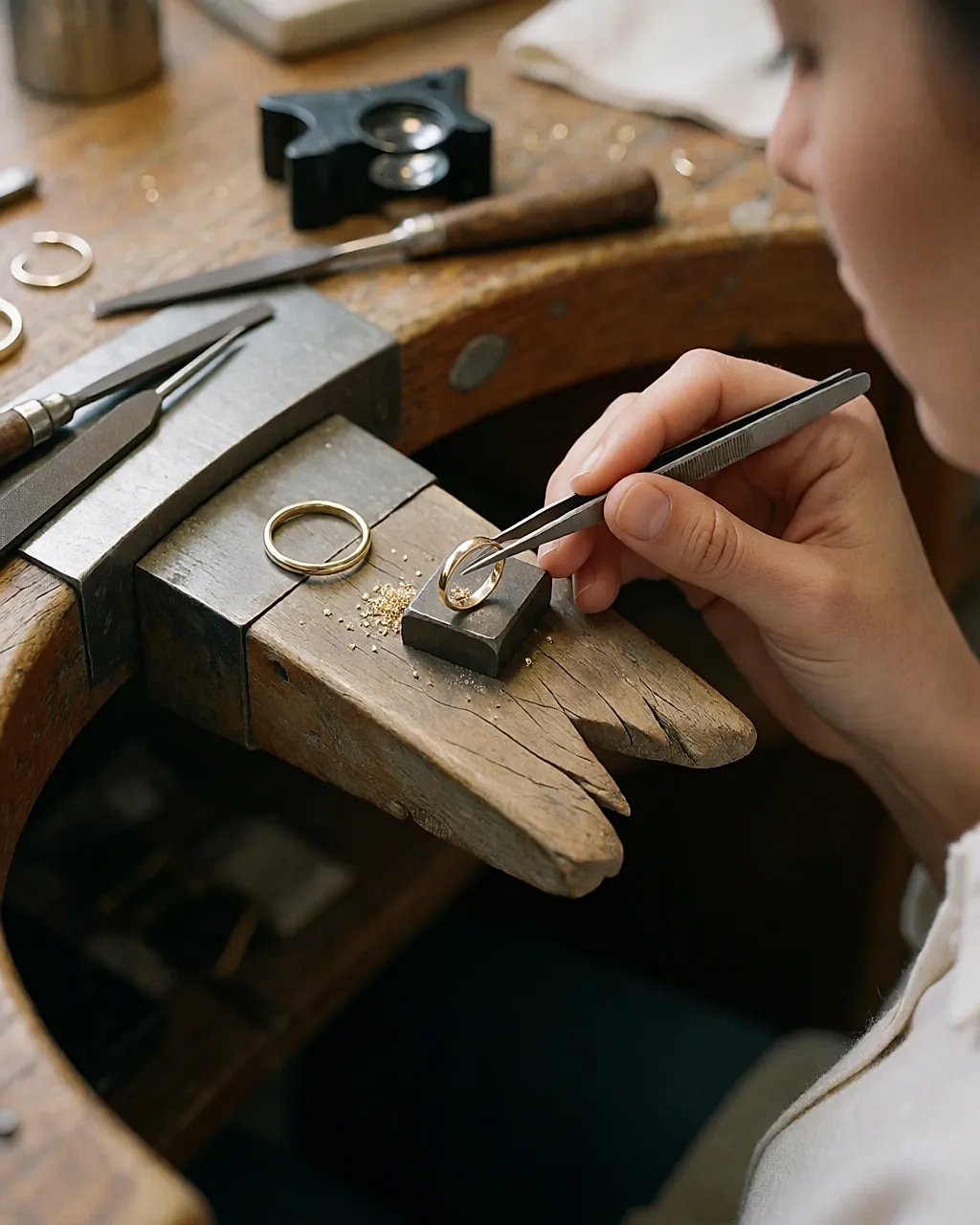
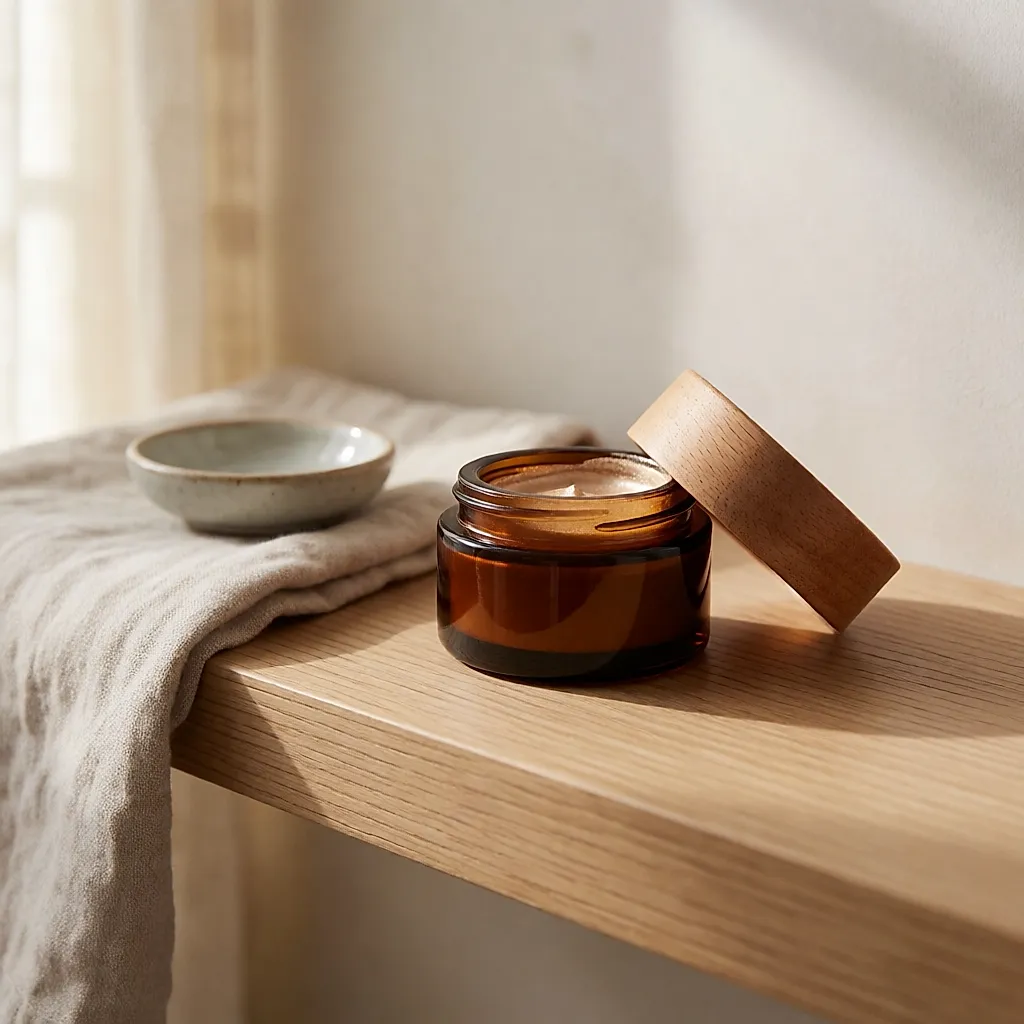
A piece of gold jewellery can be something you wear for years, or something you lose interest in after a few weeks. Recycled gold can help reduce the demand for newly mined metal, and the Fairmined label certifies traced gold and regulated pay for artisanal miners. Gold plating is only a thin layer over a base metal: it wears and needs replacing sooner than solid gold. Second-hand jewellery is often the best compromise. For textiles, look for GOTS for organic cotton, OEKO-TEX Standard 100 for harmful substances and GRS for recycled content. For make-up, refills and glass jars are two simple points to check before you pay.


Budget
So what does it really cost to bring gold into a daytime wardrobe? It depends on the metal, the weight, the city and the retailer. As a rough guide:
- Gold-tone fashion jewellery: £10 to £40, from fashion chains and supermarkets — fine for a trend, less so for daily wear.
- Gold-plated: £25 to £80, online or from a high-street jeweller; expect to replace it sooner if you wear it every day.
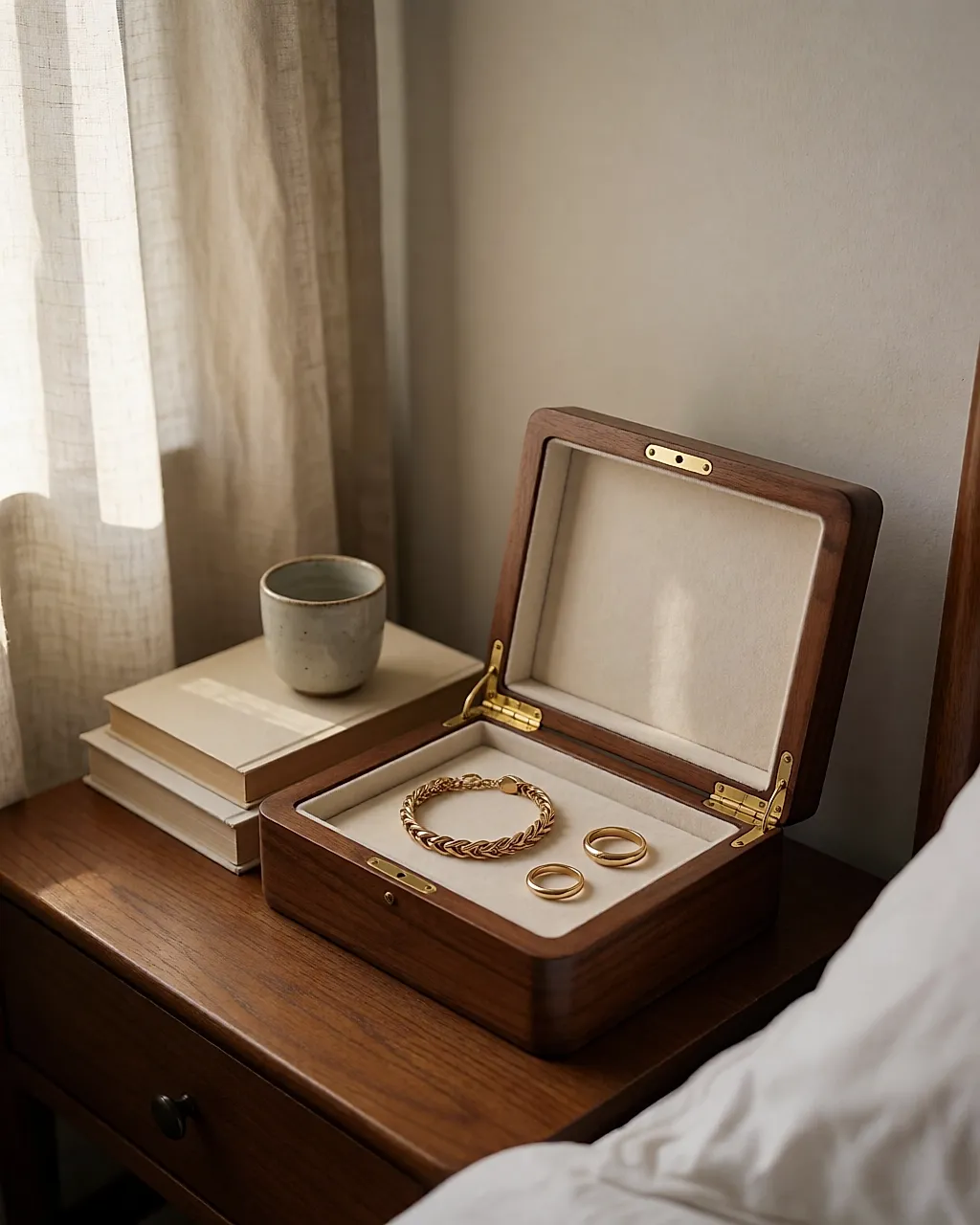
- Solid gold or Fairmined traced gold: from £100, often £200 and up depending on weight, from a jeweller. This is the buy-once, keep-it option.
- Highlighter or gold eyeshadow: £15 to £40 at beauty retailers and supermarkets, up to £60 for a full palette. Start with one shade before committing to the palette.
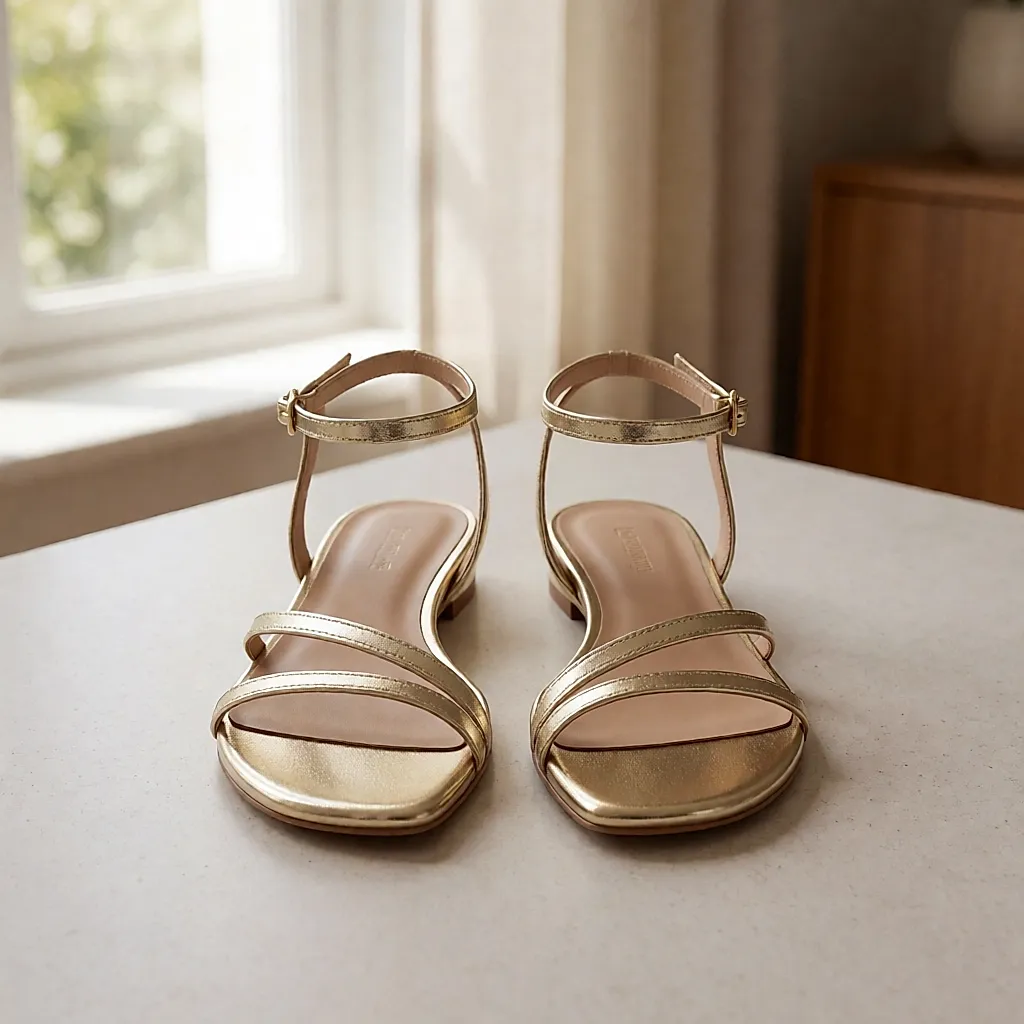
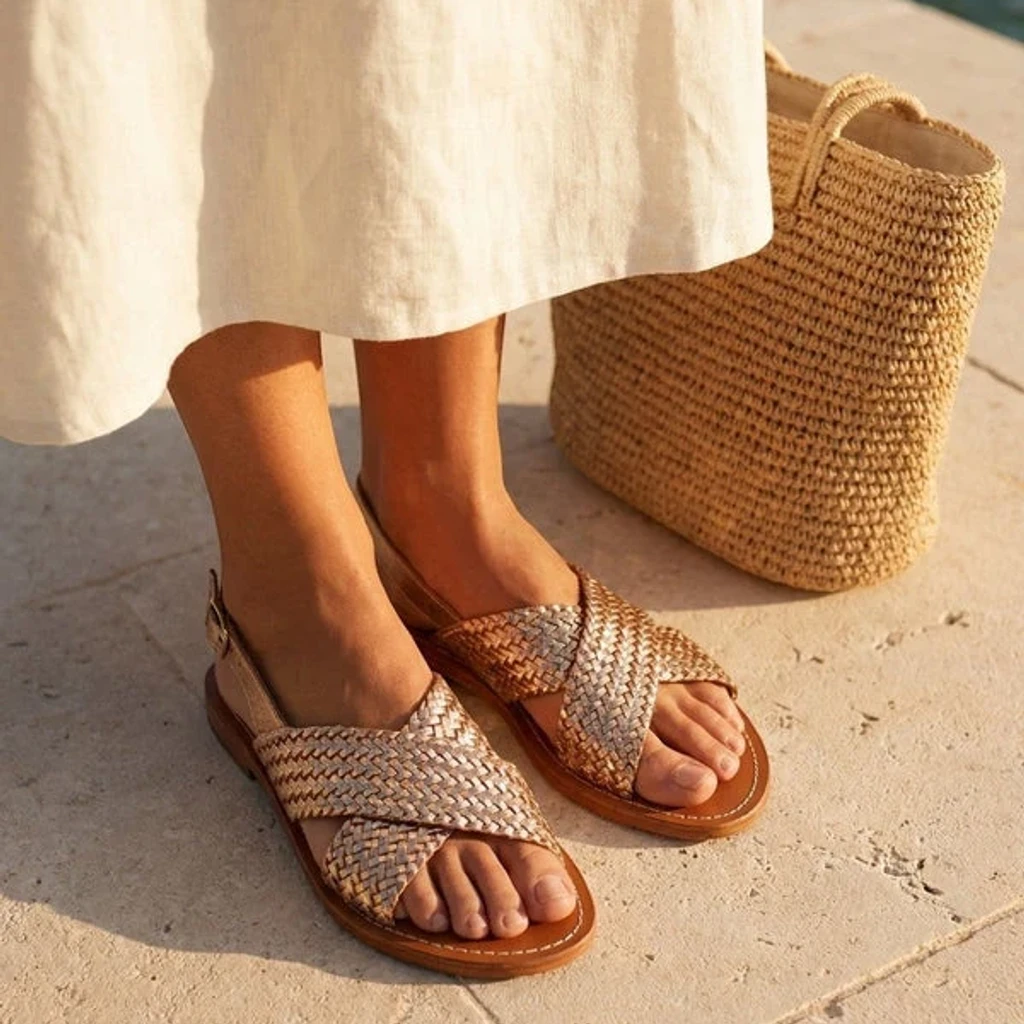
- Gold accessory (bag, belt, sandals): £20 to £60 at fashion chains, £150 and up for leather goods; check the lining and the strap before you pay.
What really changes the bill is how long a piece lasts: gold plating gets replaced, solid gold gets kept. On a tight budget, start with a mineral highlighter in a refillable glass jar. If you can spend more, put the money into one solid gold chain you'll wear daily; it will outlast a plated piece you'd have to replace.


Comments
Your opinion matters: rate the article, react and reply to comments.
Comments are moderated; AI-assisted comments are flagged. Text emoticons (8-), :-), <3…) are automatically shown as images.