

You open your wardrobe in January and there is nothing in it but boots. It is the usual reflex: the moment the cold settles in, the court shoes go back in the cupboard until spring. Which is a shame, because a well-chosen pair will carry you through the whole cold season — as long as you move two or three reference points from your summer habits.

This is not a pitch for picking your way along an icy pavement on 9cm stilettos. The point is to bring court shoes back into your winter wardrobe with the right heel height, the right materials and the right layering. A capsule wardrobe often starts exactly there: few pairs, but ones that go the distance.
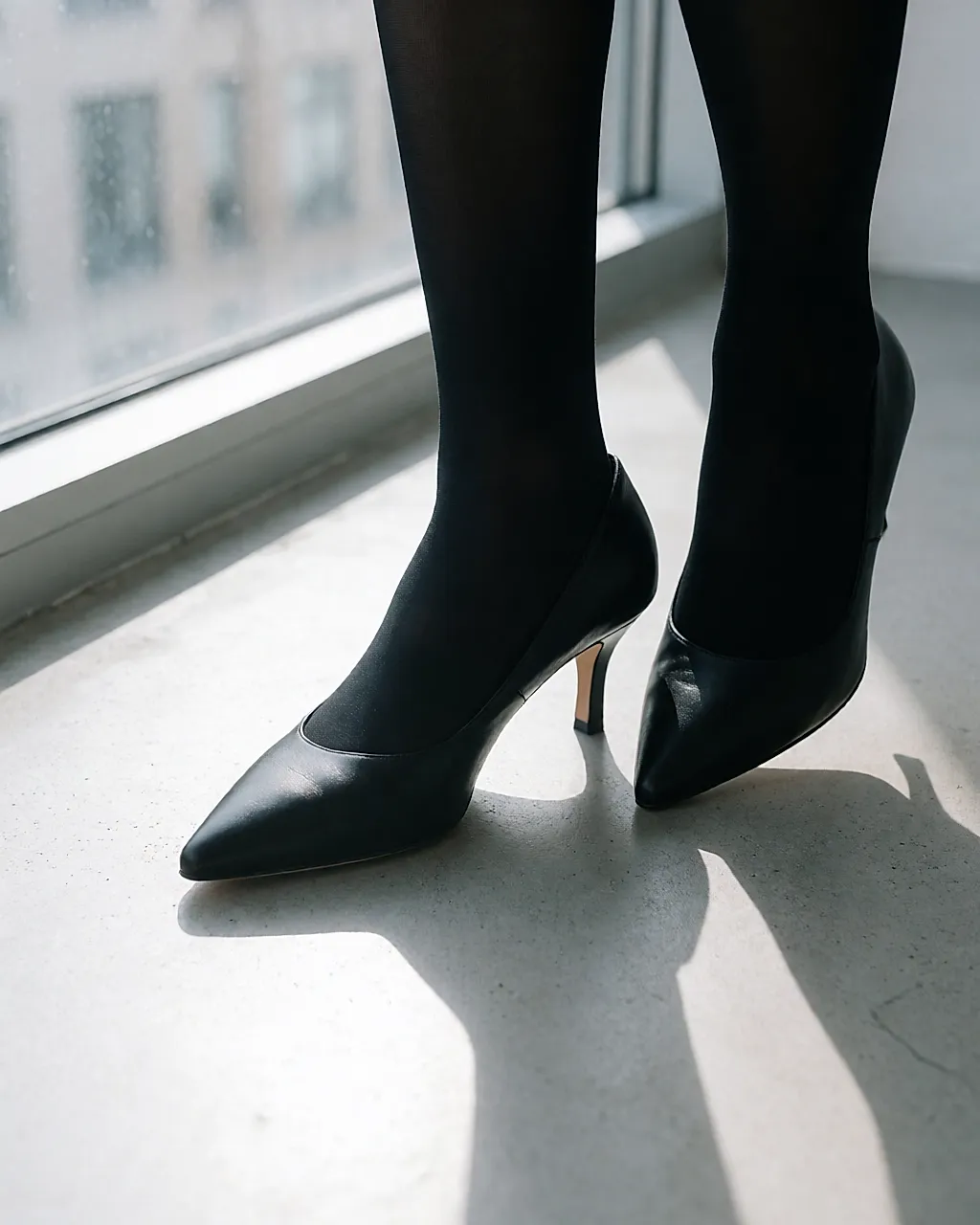
The square heel is the safe bet
On ground that is cold, wet and sometimes greasy, a stiletto is not your friend. A 4–6cm square heel keeps the foot more level, is less likely to sink into pavement grates and lasts a full day without you giving it a thought. Nothing to do with style: it is the same logic as a treaded sole on a boot.
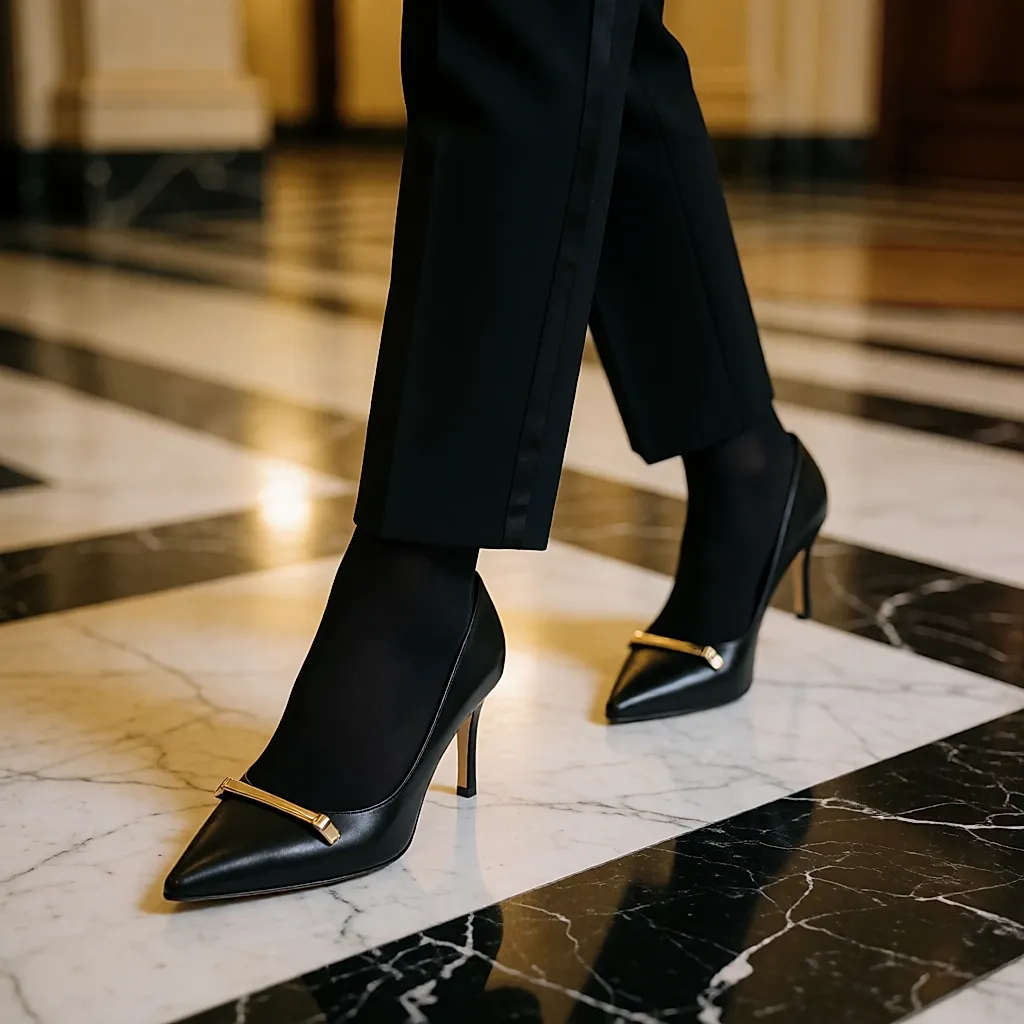
As for the silhouette, a slightly rounded or almond toe is far more liveable than a fine point you end up abandoning after three hours. The rest comes down to how your trousers fall and how the hem is cut: a wide leg that breaks over the top of the foot, a straight jean that stops dead, and the look holds together on its own.

Leathers that survive the season
Smooth leather remains the wardrobe basic. But winter asks for more backbone: a full-grain leather marks less when you get splashed and comes back quickly with a bit of cream. Suede and nubuck bring a warm texture underfoot and look superb with a wool skirt, but they hate gritting salt: a protective spray before the first outing and regular brushing genuinely change the outcome.
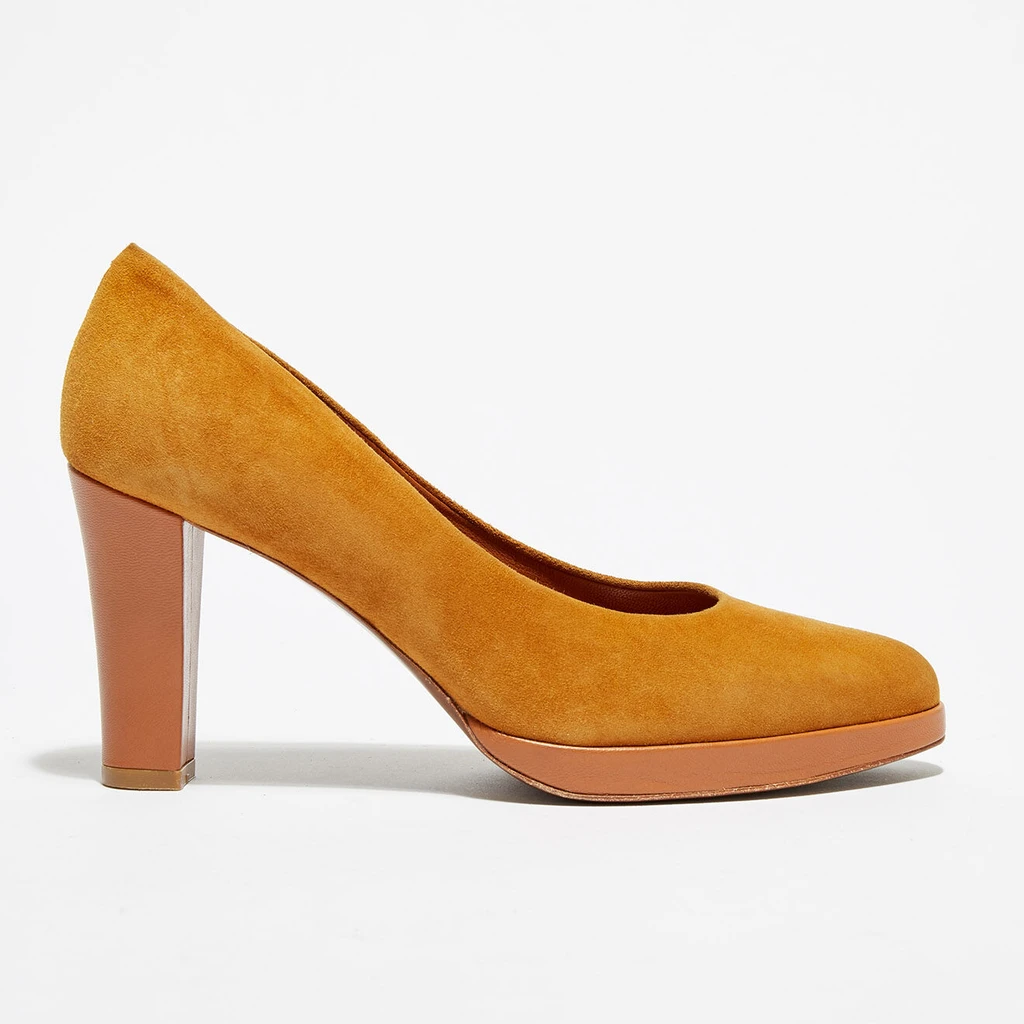
If you want a more responsible choice, look at the tannery. Leather from a tannery certified by the Leather Working Group — a standard that audits the site's environmental impact, not the quality of the leather itself — remains a reliable marker. Vegetable tanning, for its part, uses plant extracts rather than chromium salts: the finish is more matte and the patina arrives sooner. Neither option is ecological in the fullest sense: raising cattle remains resource-heavy. They simply reduce the impact of the post-treatment stage.
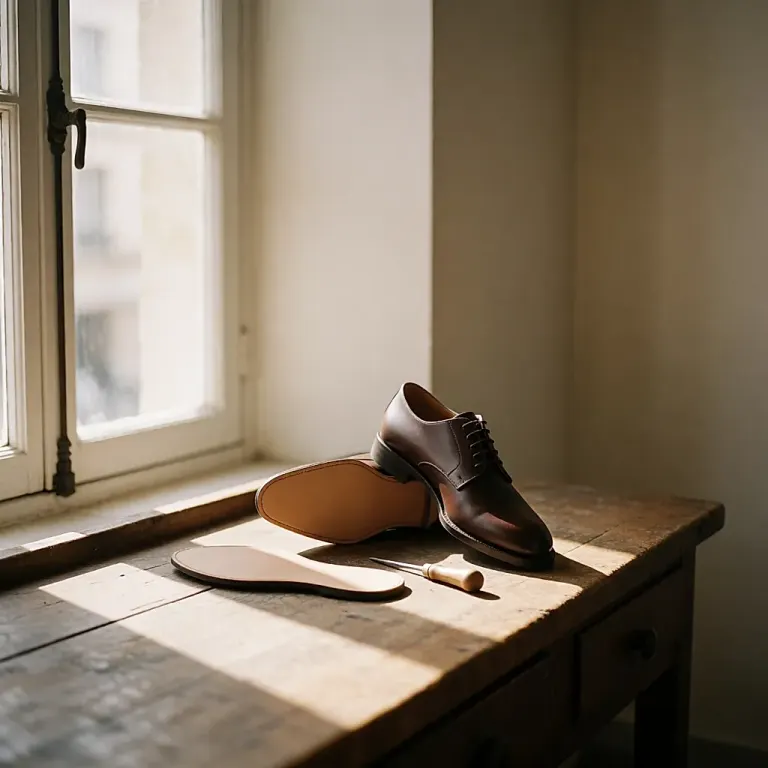
Think about repairability before you look at the label. A stitched court shoe — not merely glued — can be resoled by a cobbler, heel included, for a fraction of the purchase price. Two good pairs that last for years beat one entry-level pair replaced too often: the cost per wear swings your way fast.
Working court shoes into your winter outfits
In winter, the real business is layering. An open V court shoe over opaque tights, a long wool coat and an oversized scarf: the coat becomes the statement piece and the shoe simply holds its own. The other way round, an all-black look — fluid trousers, roll neck — takes a leopard print or a big buckle without any trouble. One strong element is enough; add a second and the whole thing gets lost.
Two practical rules. If you are wearing fine ankle socks, choose a court shoe that does not pinch across the instep. With raw denim or pleated trousers, the hem should stop above the ankle, or break just over the foot. And to accessorise without overloading, it is better to let one material answer another — suede against wool, smooth leather against knitwear — than to add a detail that shouts louder than everything else.
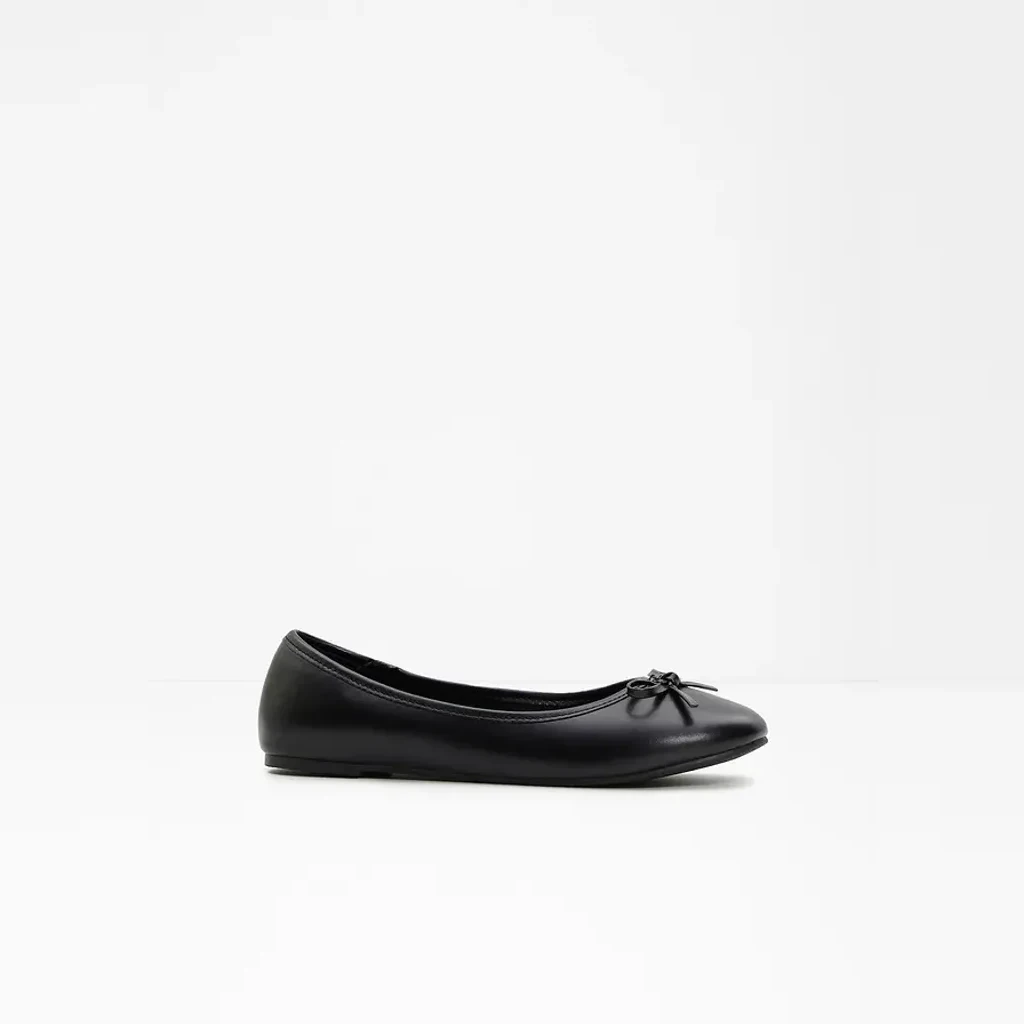
Care: three minutes that add years
A soft cloth after every wear, a nourishing cream once a fortnight, shoe trees to hold the shape. Gritting salt rinses off with lukewarm water, never by soaking the shoe. And if the sole starts to lift, get to the cobbler before a hole sets in.
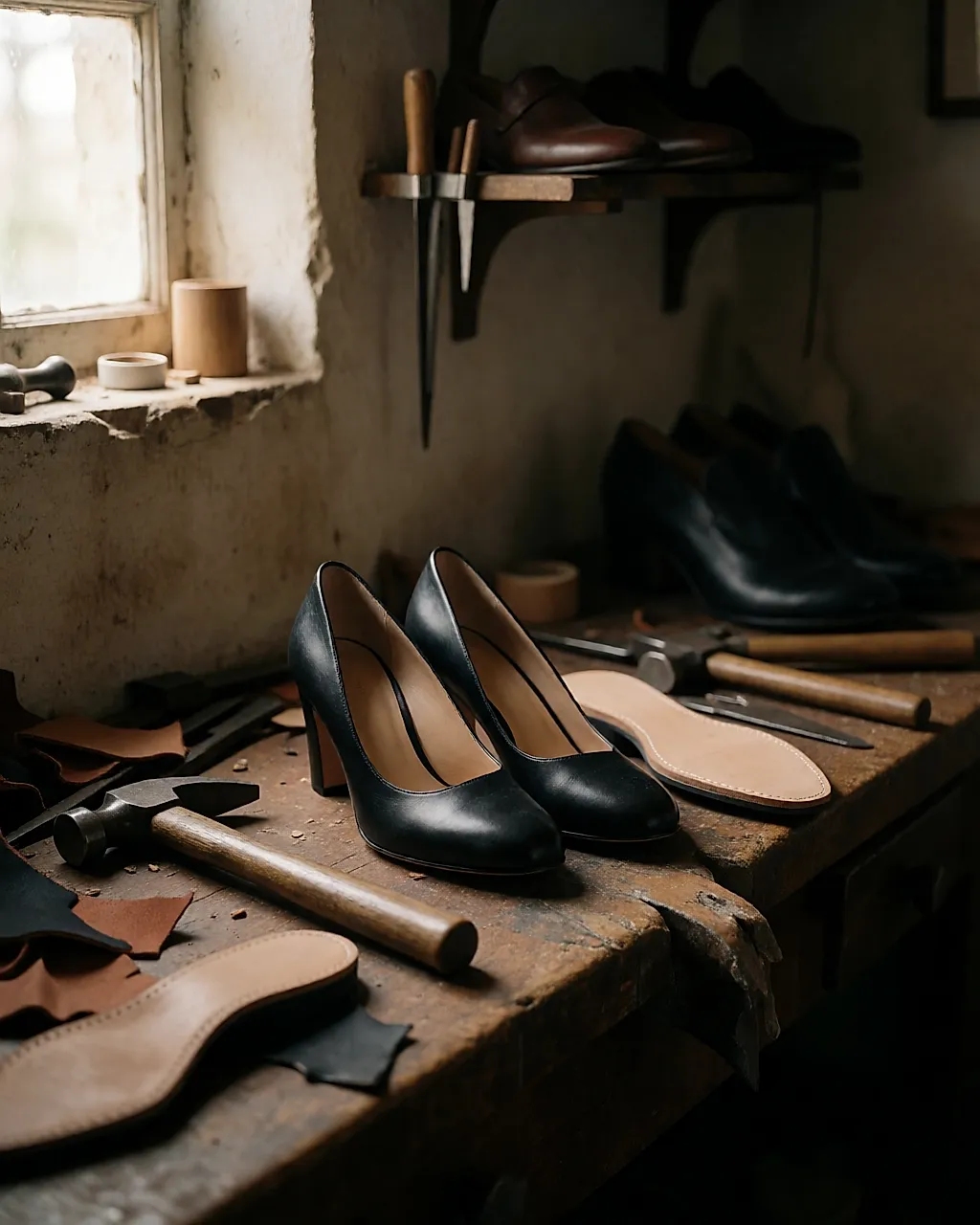
What to spend
In the UK, expect to pay roughly £60–£85 for a mid-range square-heel leather pair, £120–£220 for stitched European leather, and £250 and up for the top end (Italy, Portugal). What moves the price: the type of leather, the construction (stitched or glued), where it is made and the brand. Treat those figures as a rough guide — sales shift them considerably.
As for where to buy, you will find them at independent shoe shops and leather goods shops, at shoe shops on the high street, at department stores, and online direct from the makers — the last is often where the product details are most precise, with the leather type and where the shoe was assembled. None of these routes is a guaranteed win: at these prices, take the time to read the product page properly before you check out.

Comments
Your opinion matters: rate the article, react and reply to comments.
Comments are moderated; AI-assisted comments are flagged. Text emoticons (8-), :-), <3…) are automatically shown as images.