
There are names that linger in family wardrobes, and it can take years to really see them. Chantal Thomass is a bit like that: a black basque inherited from an older sister, a label you eventually find fiercely modern. Since 1975, the French designer has made lingerie something more than a garment hidden under a pile of jumpers. She turned it into a piece you choose, show off and own.
But what actually changed, deep down?
What the brand really changed
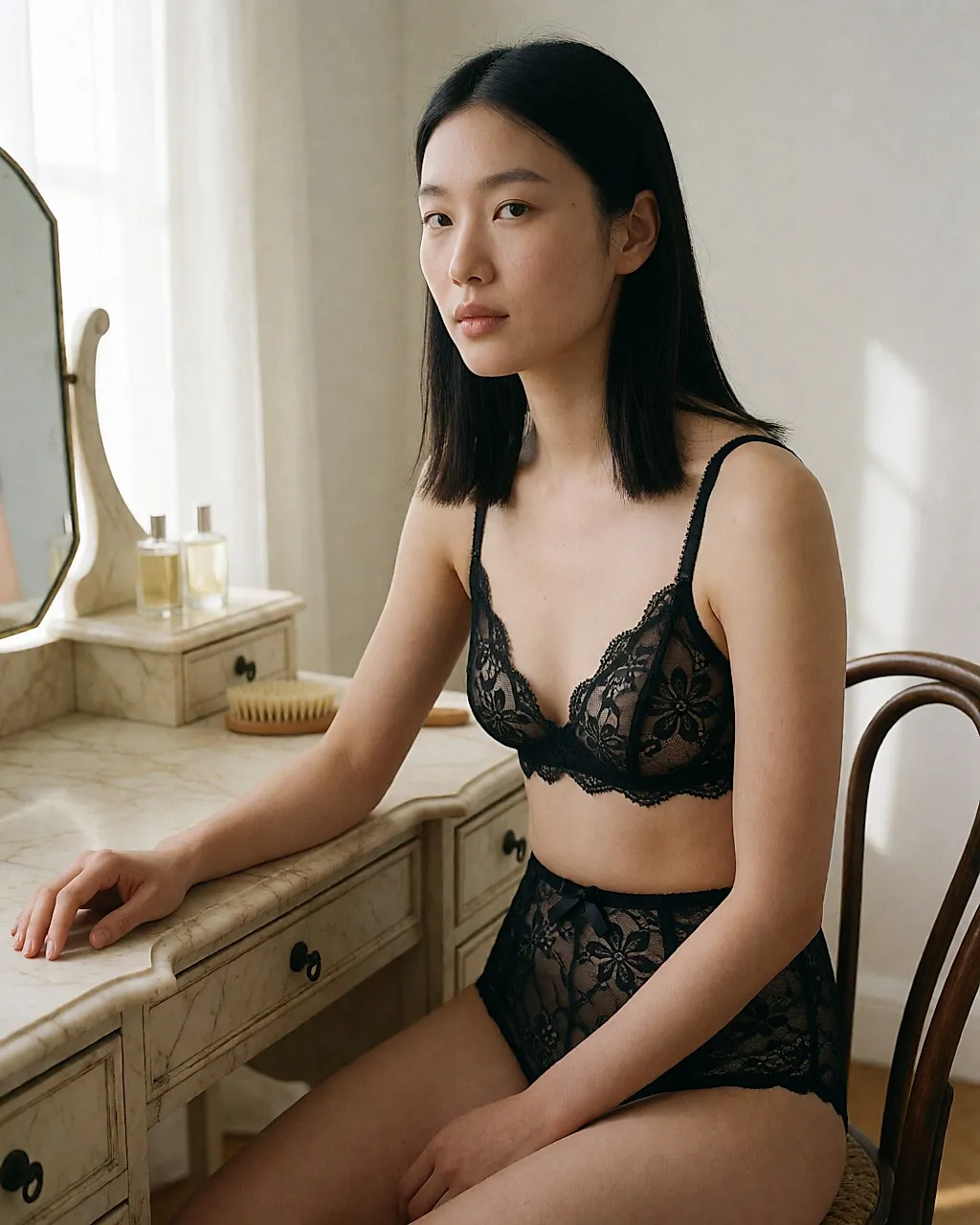
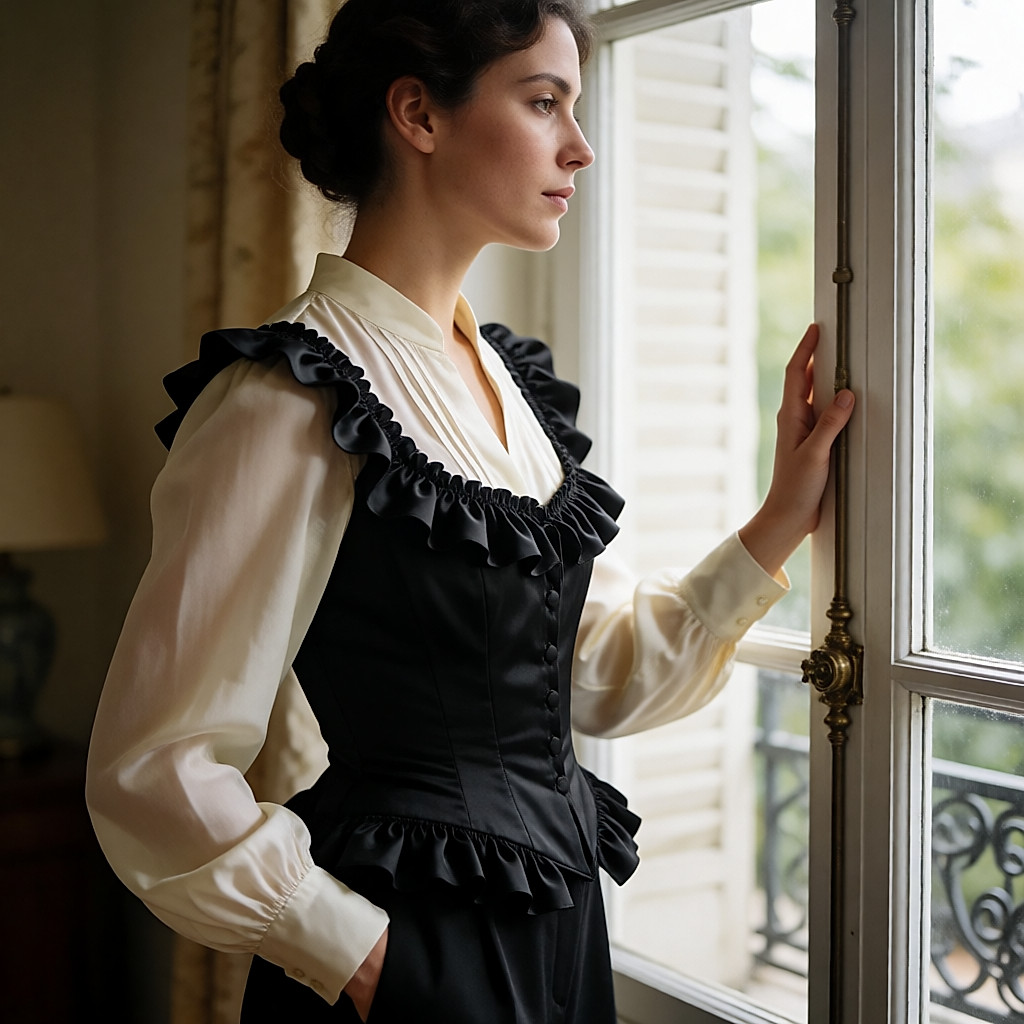
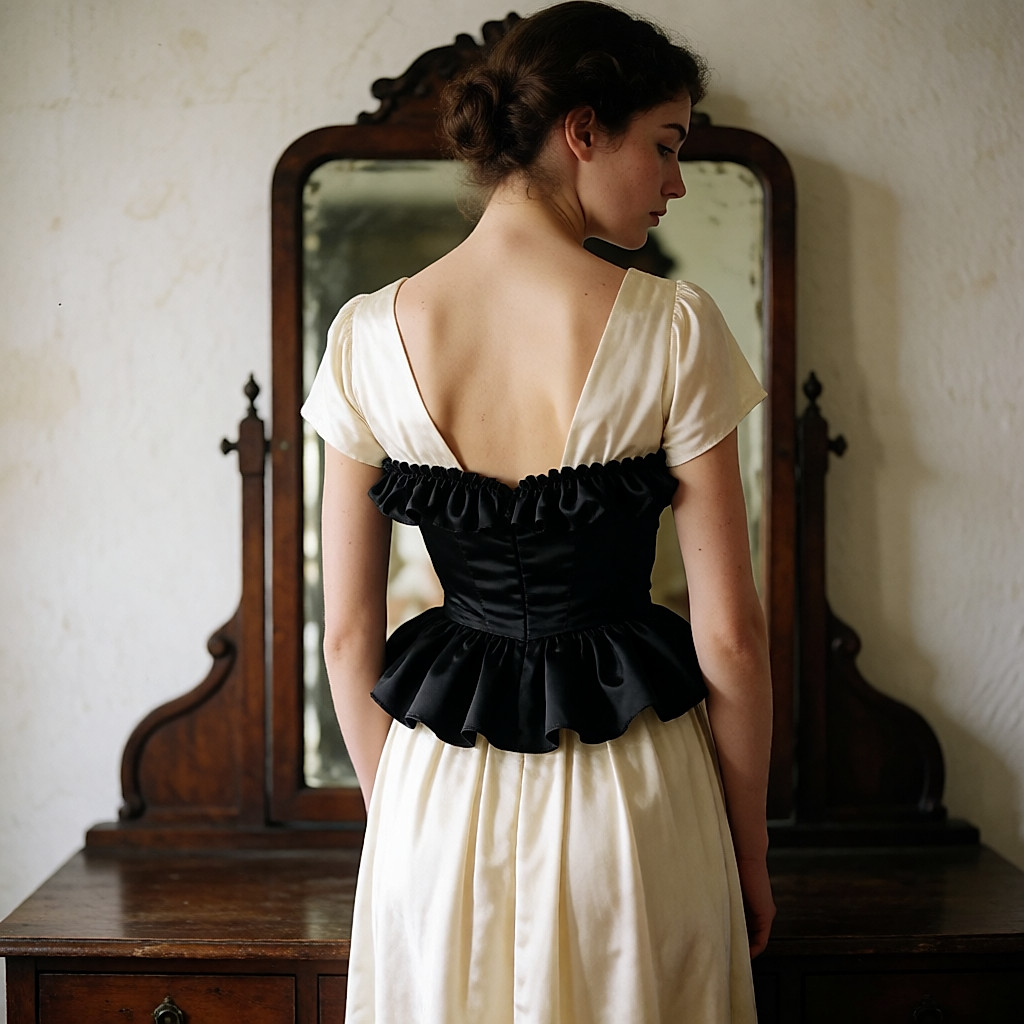
Before her, fine lingerie was saved for special occasions: it was given as a gift, put away, brought out twice a year, often for someone other than yourself. Chantal Thomass flipped that. The basque became something you dare to wear, the suspender belt a knowing wink, the balconette a signature neckline. Half a century later, the look is still instantly recognisable: unapologetic frills, airy tulle, satin bows, powder pink or deep black. The retro here isn't a frozen homage—it's a way of playing with the rules.
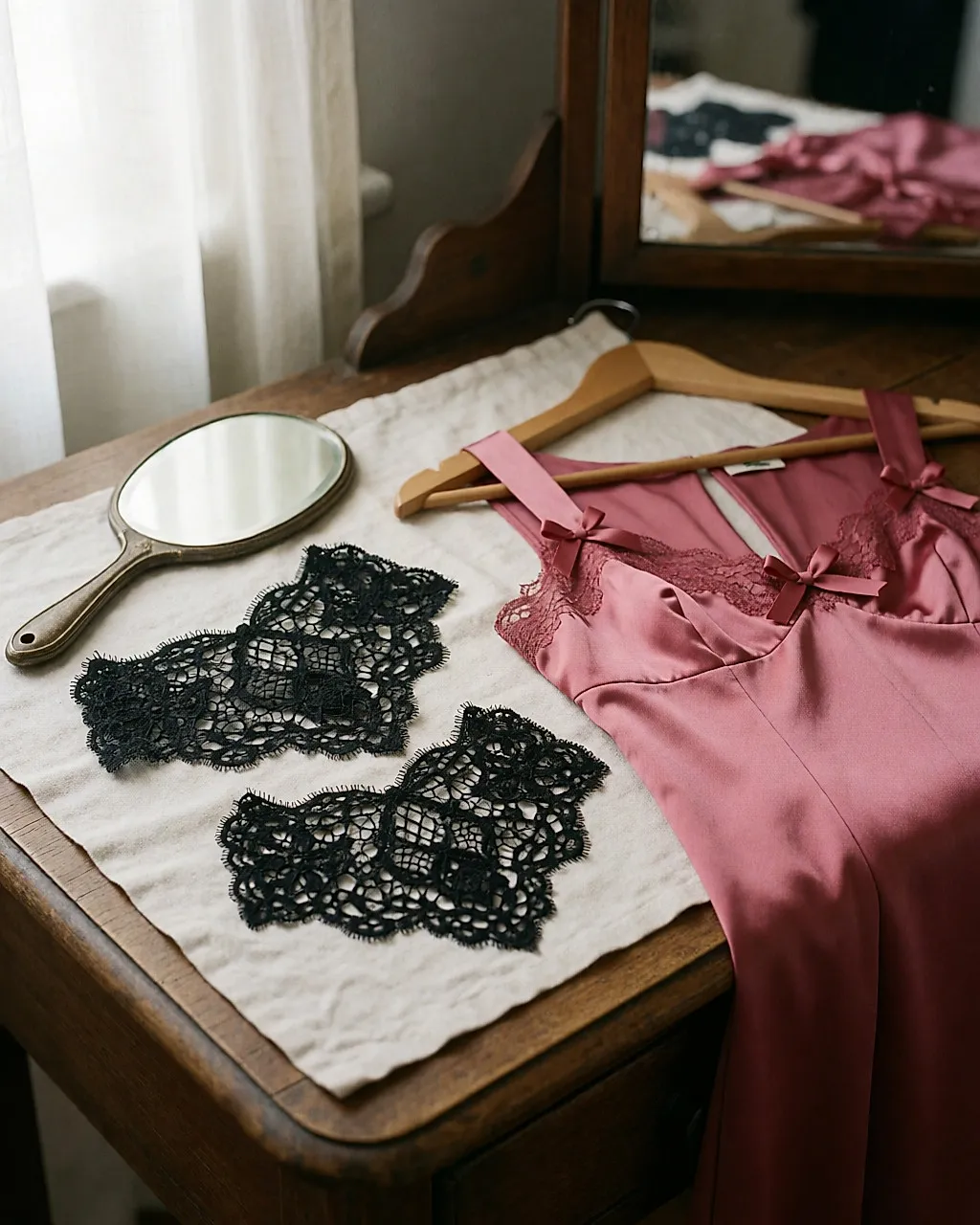
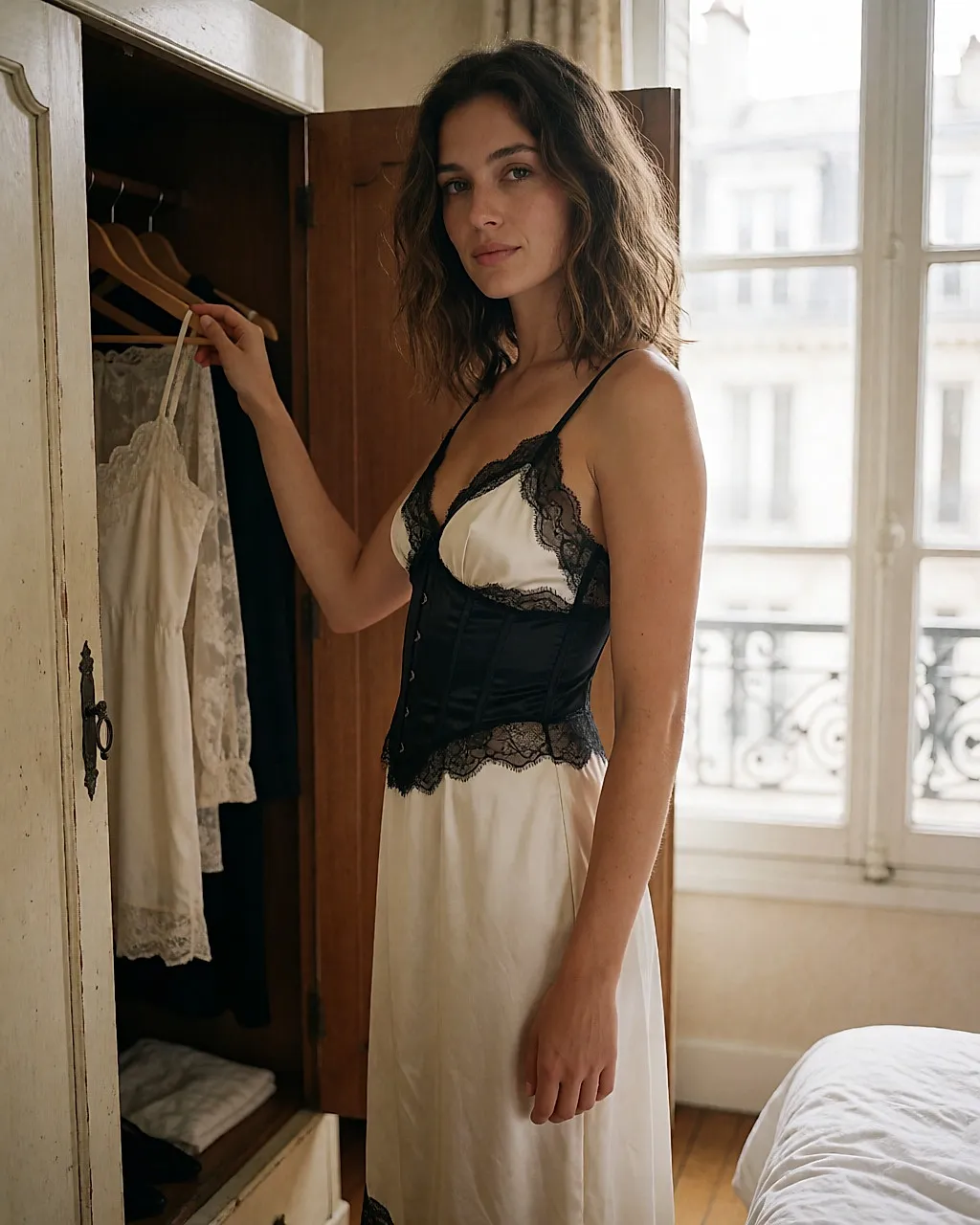
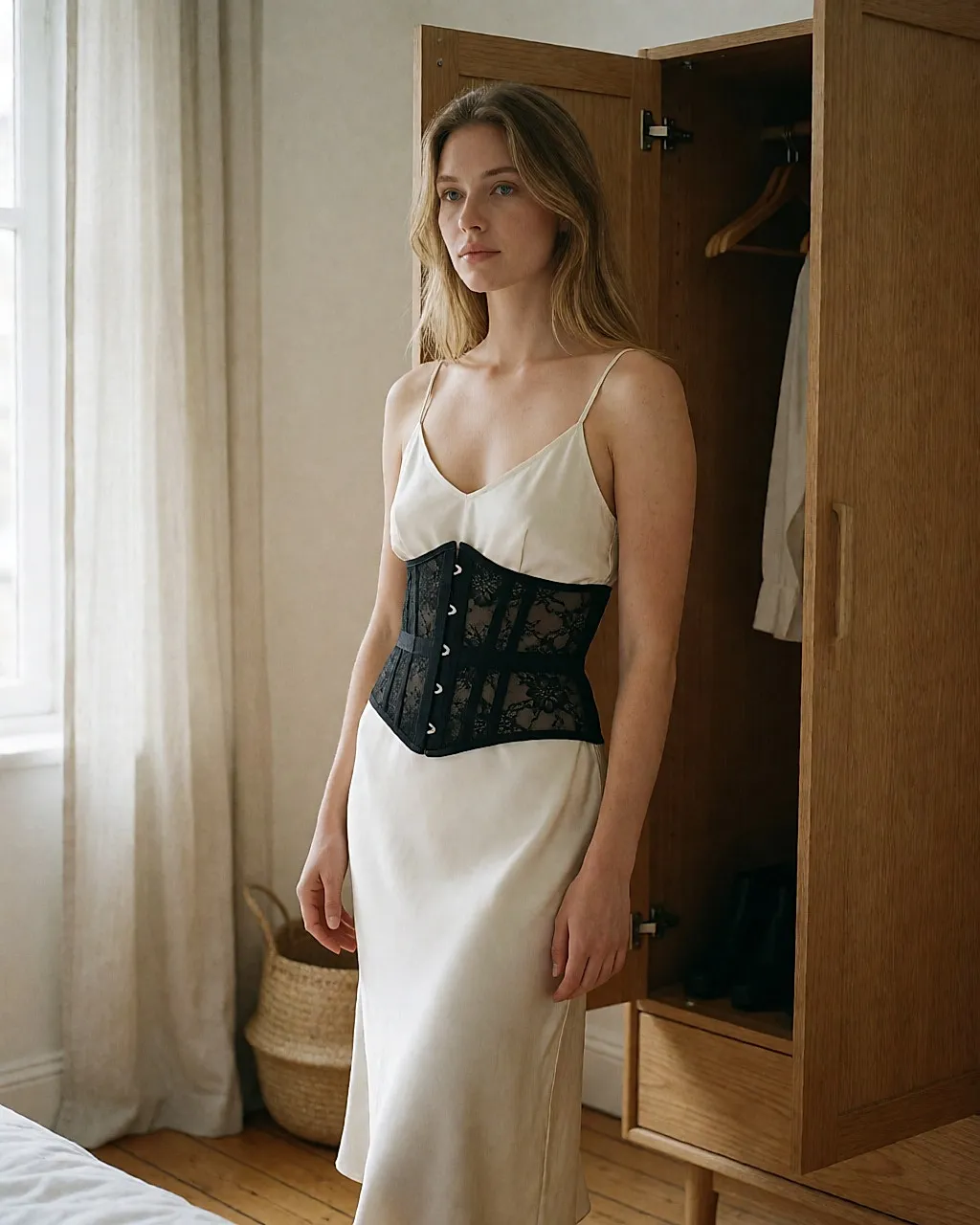
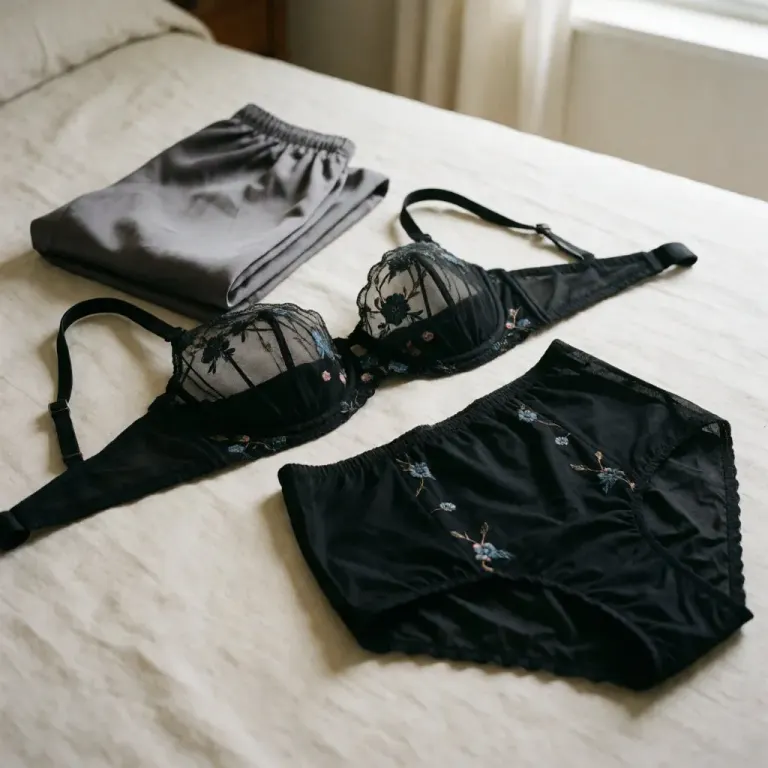
So what does that mean in practice? A bustier that defines the waist, a full-cup bra that supports without squashing, a thong or knickers depending on your mood. What matters isn't the product description but the fabric and the drape: openwork lace, sheer tulle, microfibre with a second-skin feel. And the detail that makes the difference isn't the bra or the knickers: it's the bow in the right place, the frill that follows the hip line, the seam that shapes without compressing.
Another, quieter shift: buying. The question of the official website long dominated conversations; now it hardly comes up. The brand is available in boutiques, online and through many multi-brand stockists, like most fine lingerie houses.
How to wear it in 2026
The move that changes everything can be summed up in one sentence: stop hunting for the perfectly matched set.
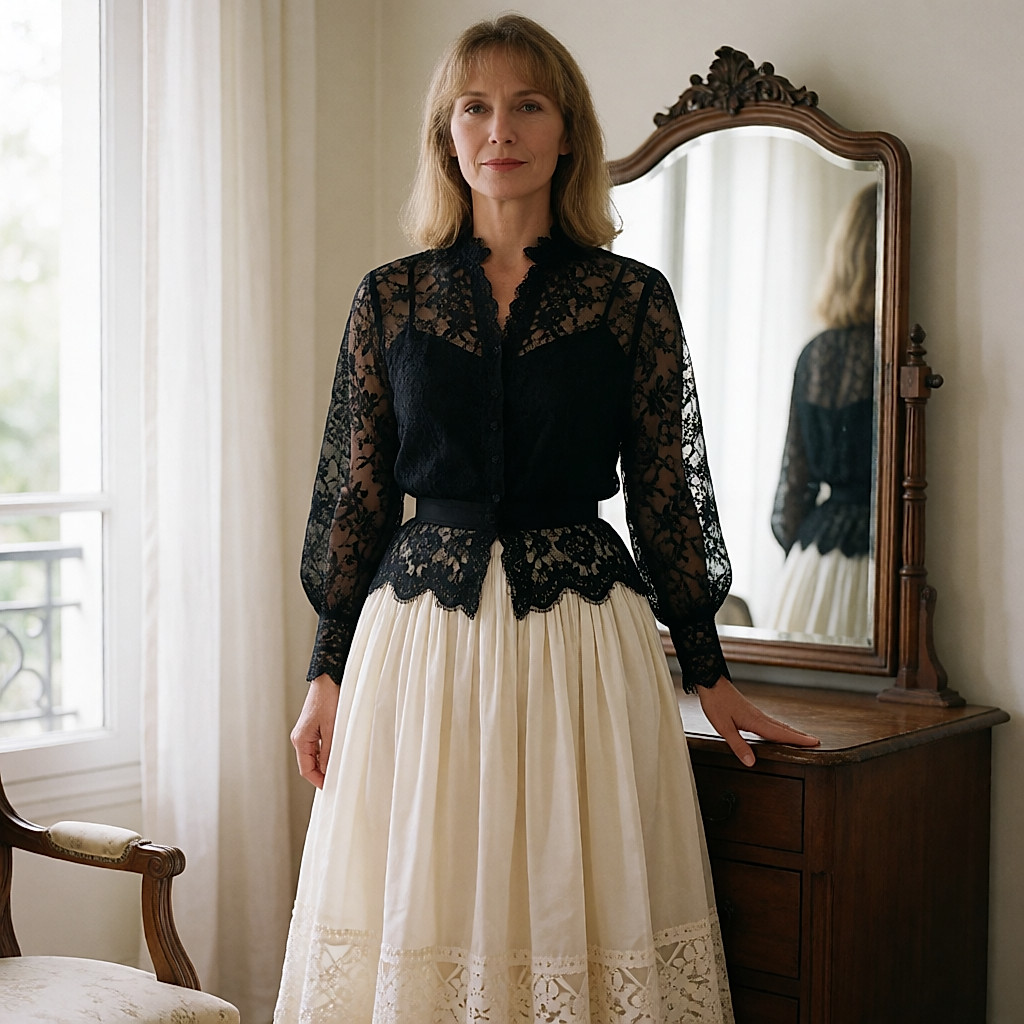
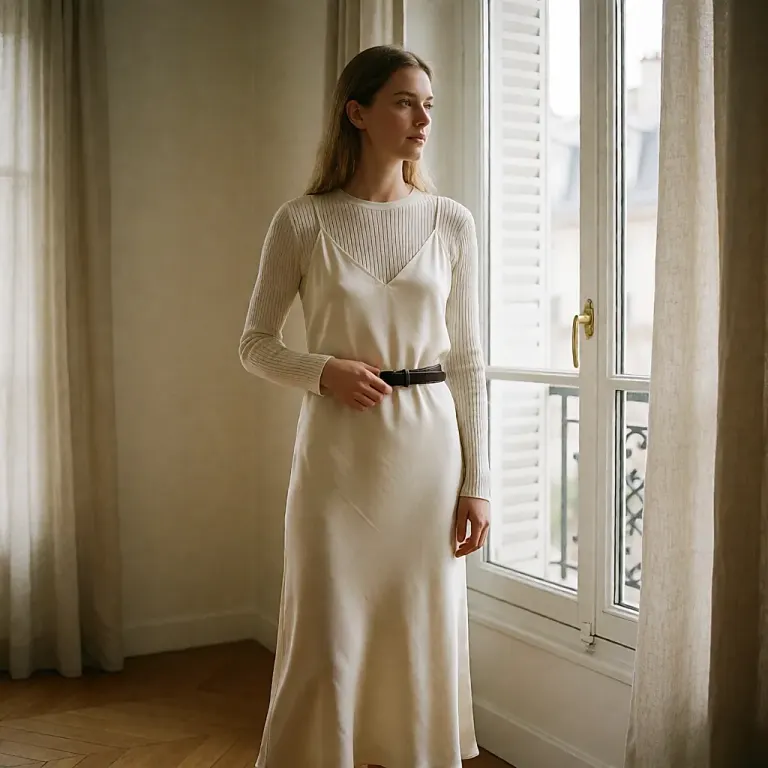
For several seasons now, lingerie has been worn visibly—that's documented, not invented. A lace camisole under an open shirt, a light corset over a white T-shirt, high-waisted briefs just peeking above trousers: layering works when one piece stays statement and the rest of the outfit stays simple. In a full retro look, it's easy to tip into fancy dress. I haven't tried wearing it myself, and I'll be upfront about that; the rule still holds: one strong piece per outfit, close shades (black, ivory, dusty rose), fabrics that echo each other.
Second, more prosaic rule: wash lace by hand, in cold water, in a mesh bag. Dry flat, never on a radiator.
Three things to check before you buy
- Balconette or full-cup? A balconette lifts and leaves the top of the bust bare; a full-cup bra covers more. Try both: you'll know in thirty seconds.
- Size comes first. With fine lingerie, better to go a size up than wear something that digs in. Comfort decides everything.
- One beautiful piece is enough. A suspender belt or lace bra lifts a very simple outfit.
Budget
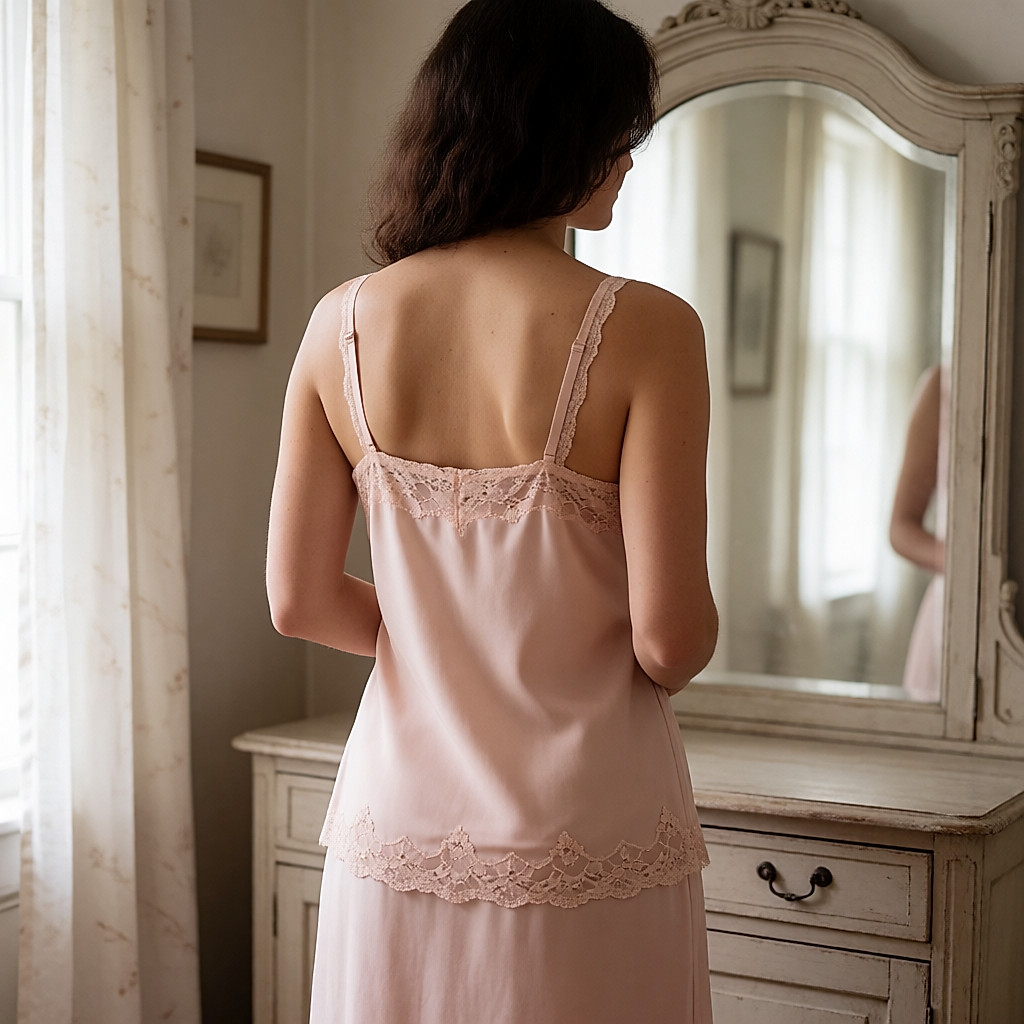
On the price front, expect to pay around £30–£70 for lace knickers, £70–£150 for a bra, £130–£280 for a set, and £170–£400 for a basque or corset. A nightdress or fine camisole often sits between £80 and £200. These brackets shift depending on city, range and time of year: in a London boutique you'll pay full price; from online multi-brand stockists, outlets or during the sales, the same piece often drops a notch.
Second-hand remains the most interesting route, including fine lingerie that's never been worn: £10–£55 for a pretty piece, provided you check the elastic and the cleanliness of the lace.
On materials, let's be clear: fine lace is often a mix of polyamide and elastane, and there's still no truly mature textile recycling route for these pieces. So the most useful thing you can do is buy less, choose the right size and look after it. If you're looking for cleaner fibres, GOTS-certified organic cotton and lyocell exist, and the OEKO-TEX Standard 100 label certifies that the textile has been tested and meets limit values for certain undesirable substances—but it's hard to match the drape of fine lace. It's up to you what matters most.
The honest verdict
Let's be honest: fine lingerie costs more than a high-street basic, and it needs looking after. The size range is also narrower than at specialists for fuller busts. A fitting in-store is better than ordering blind—on a basque, two centimetres changes everything.
Then there's the essential point. Chantal Thomass gave a hidden garment a new dignity: she turned it into an art form, a piece you choose for yourself. The verdict: yes, but on one condition. Buy it for yourself, not as a gift parcel to be torn open.
Comments
Your opinion matters: rate the article, react and reply to comments.
Comments are moderated; AI-assisted comments are flagged. Text emoticons (8-), :-), <3…) are automatically shown as images.