
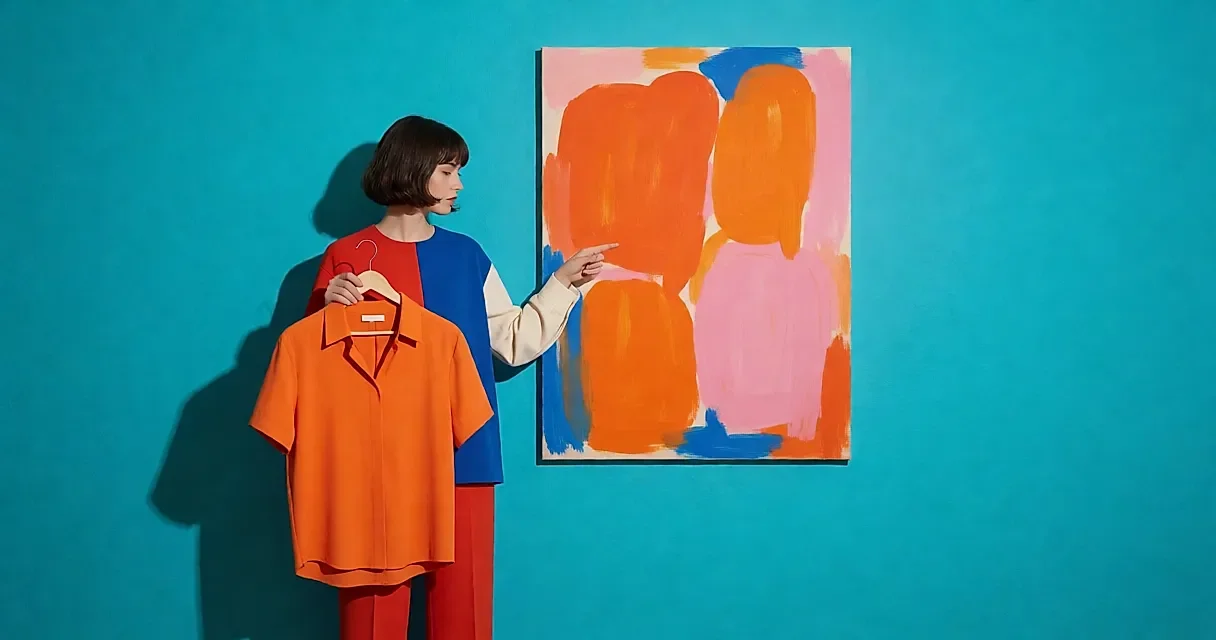
You can build an outfit around a painting without buying a single piece. The difference from a lookbook is that nobody is selling you anything: the canvas sets two colours and a ratio of surfaces, and you do the rest. It is the opposite of the all-over print approach, and it works.
Two colours, no more
The rule fits into one sentence: choose an artwork, pick out the two shades that dominate, note their proportion — 80/20, 70/30 — and carry that straight into your wardrobe. A Vermeer interior might set a blue-grey against an ochre wall; a Cézanne still life might give you a red tablecloth and dark fruit. Your eye does the sorting on its own, as long as you let it.
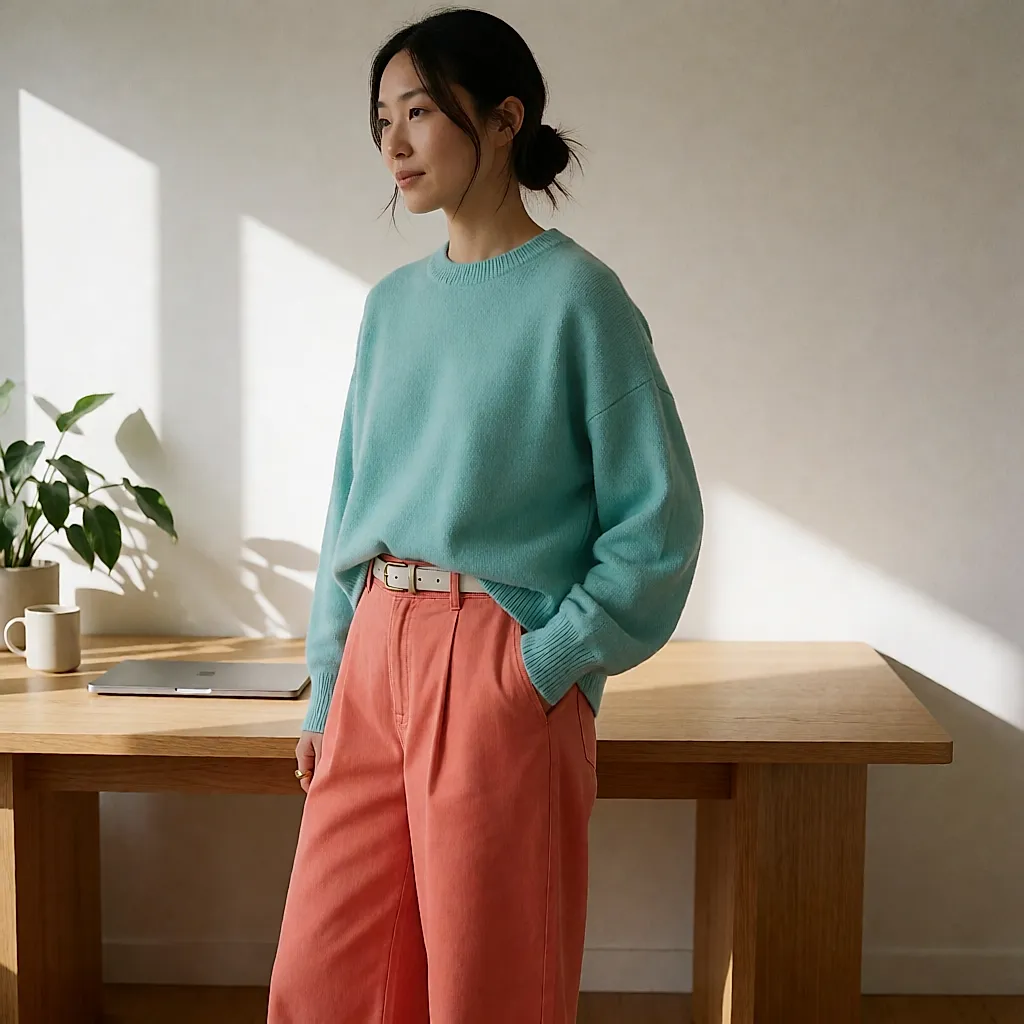
What changes everything is the number. A print is a decision you submit to: the dress chooses for you, the accessory has to follow, and the coat often gives the game away. With two colours, it is the opposite: you keep control of everything else. In practice: a blue-grey jumper and ochre trousers, with the two colours covering your silhouette in the painting's exact proportion. You get the idea.
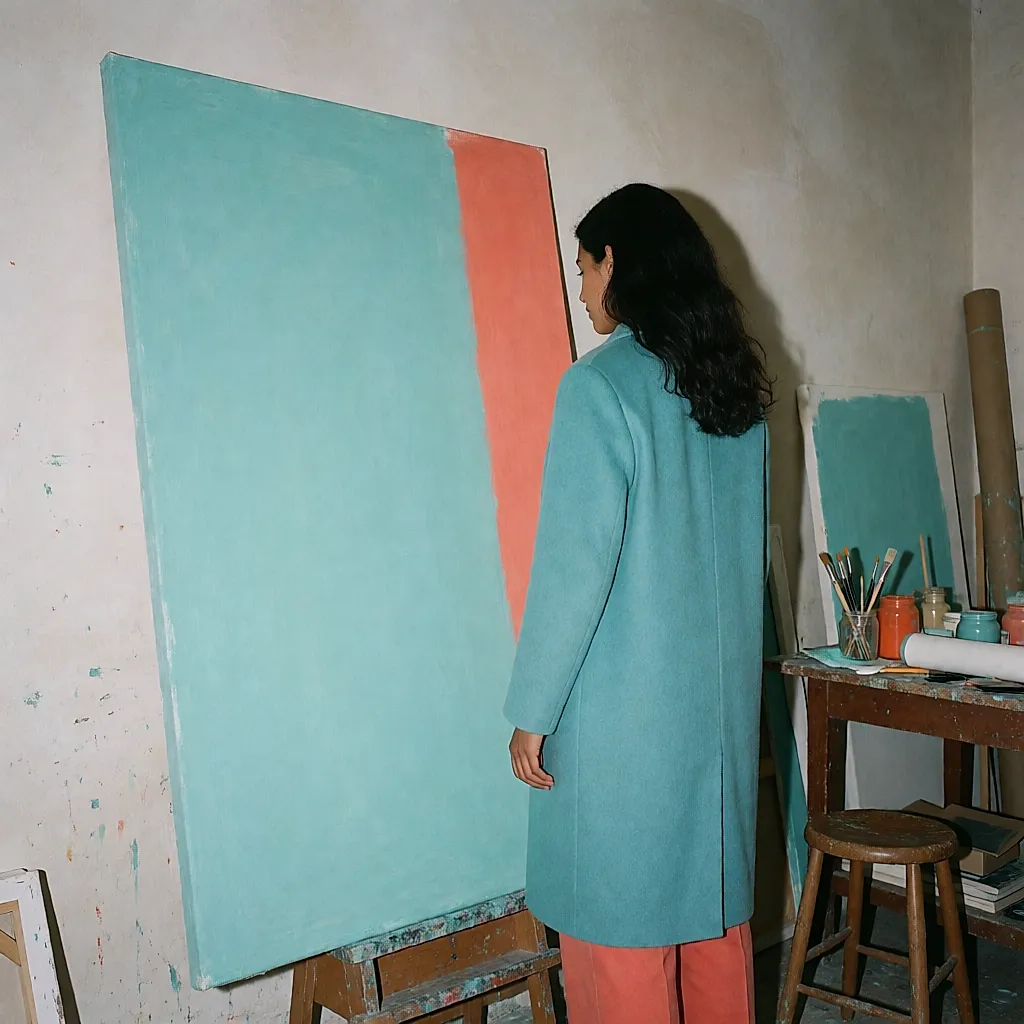
Proportion is the part people forget, and it makes all the difference. A Rothko often sets a large, soft field beside a smaller, crisper one rather than two colours side by side. Transpose that: a long coat in the dominant shade, a collar or a bag in the second. The eye registers blocks of colour that breathe, not two blocks arguing.
Keep the cut simple
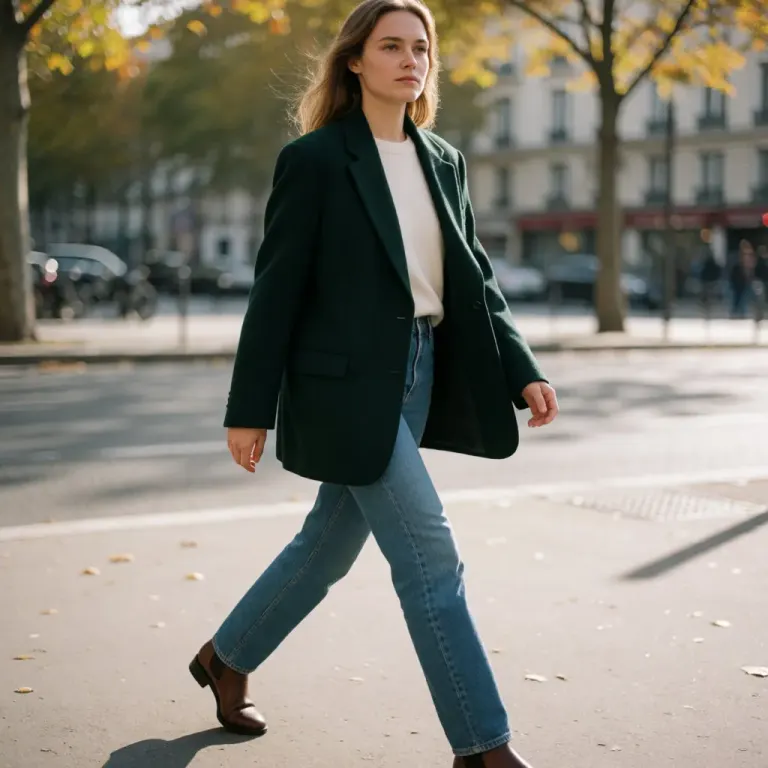
Here is the reversal of the all-over print look: the freer the colour, the plainer the shape. Two strong colours on a complicated cut and you become a pattern. So keep the lines clean — straight-leg chinos, a shirt whose shoulder falls just right, a trench coat that stops at the knee. The most boring clothes in your wardrobe are what make this method possible.
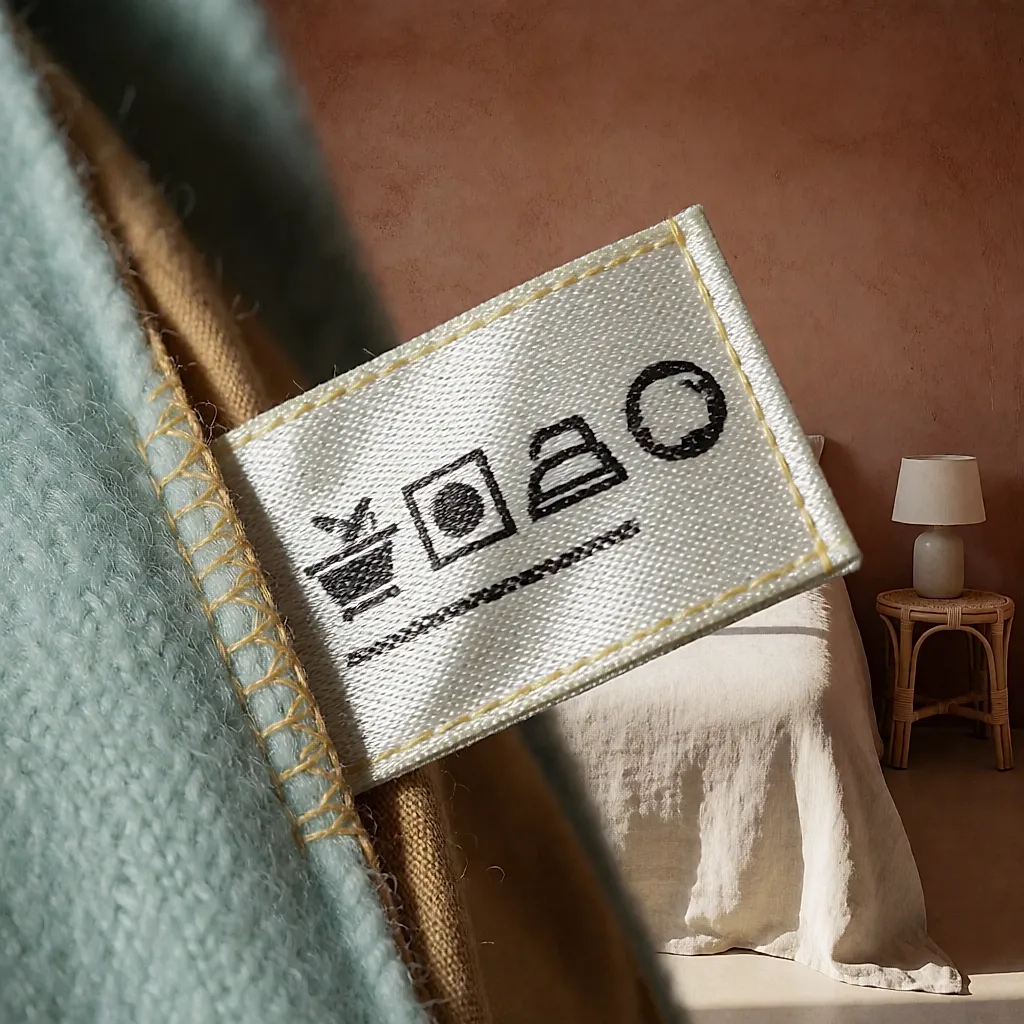
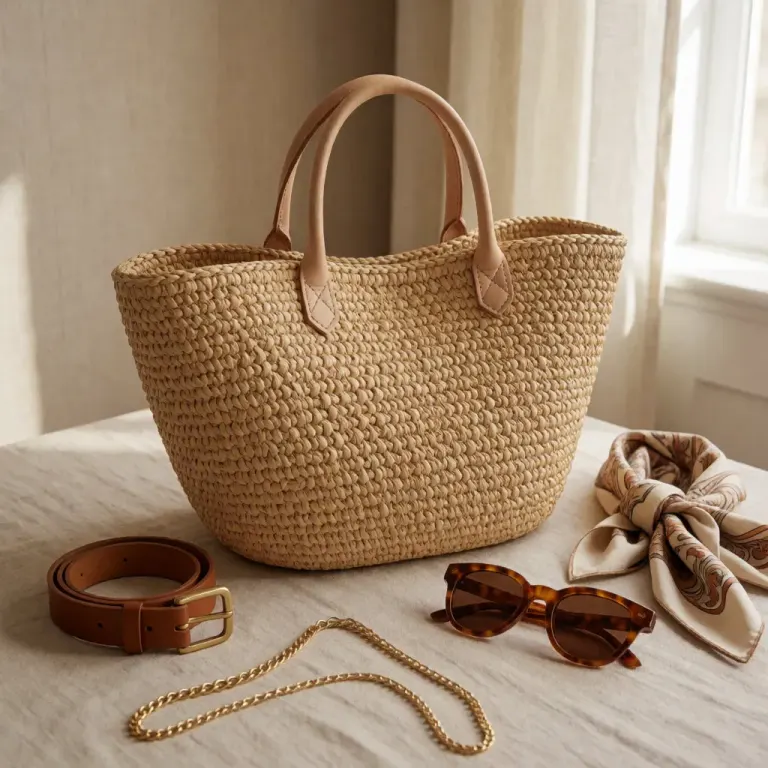
Fabric comes next, because colour alone does not make an outfit. A heavy cotton workwear blue and a sky-blue silk do not tell the same story, even if they share a name. Creased linen absorbs the light; merino wool throws it back. For a result that looks like a painting rather than a paint chart, favour natural materials with some texture — and check the synthetic fibre content on the label, because shiny polyester pushes colour towards plastic.
Then there is layering. Two colours also work across three layers, provided one of them appears twice. An ochre jumper, an ivory shirt, an ochre jacket: the secondary colour almost disappears, and that is fine. It is exactly what a painter does when they put a light touch in a dark corner.
How it looks on the red carpet
The red carpet applies the method without naming it. The Princess of Wales often relies on a single shade in a total look, frequently a long, plain coat that absorbs the silhouette — the 100/0 version, and the easiest to copy. No risk, but the drape does the work for you.
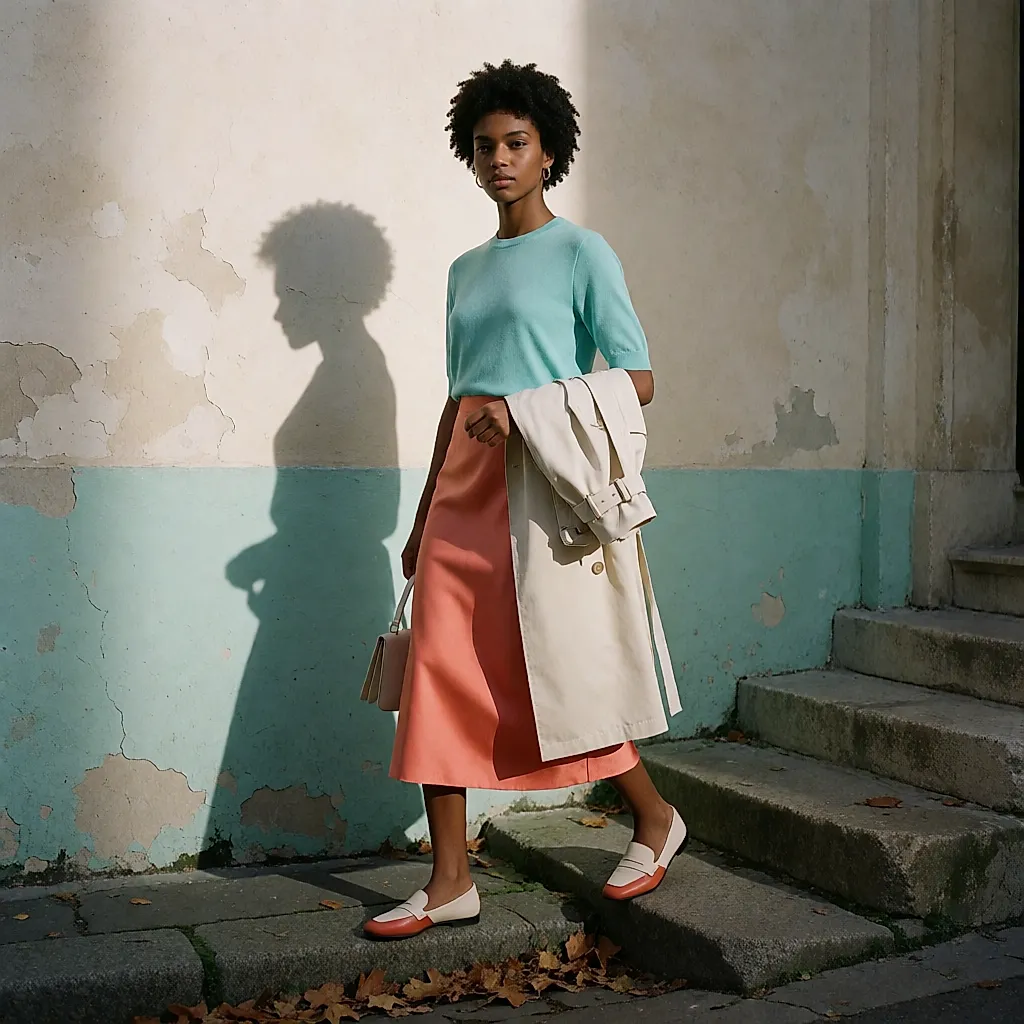
With Zendaya, the exercise is more artful: two bold shades, very different surfaces, a consistently clean cut. Nothing sticking out, nothing clinging. The result is not 'colourful'; it is composed. You do not need a stylist to create the same impression: a plain midi skirt in the strong colour, a top in the second, a discreet piece of jewellery, and the rest of the world can keep its opinions to itself.
Budget
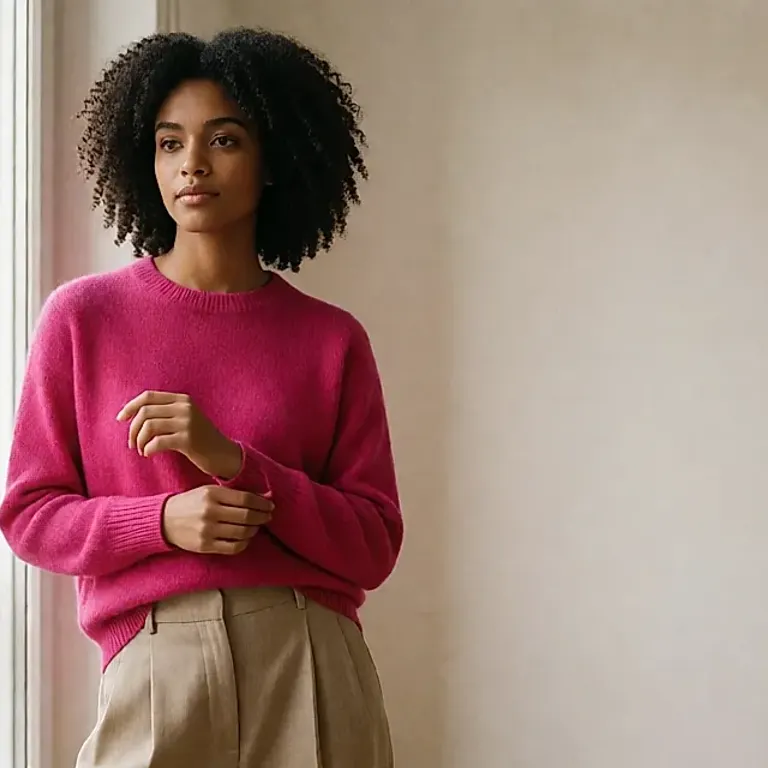
The good news is that this method rewards basics, the pieces you replace regularly. A merino wool jumper is likely to cost about £60 to £130, depending on the fineness of the knit, the brand and the country of manufacture; a pair of straight-leg cotton chinos, around £50 to £120; a decent trench coat, £120 to £350. The differences usually come from the fabric and the drape, rather than the number of colours.
And if you fancy changing your palette, second-hand is a great playground: a coloured jacket for £20 to £50 lets you test a shade without commitment. That is where you find the pieces you would never have dared buy new. On care, finally, to preserve colour, wash less often, brush and follow the care label; bobbles can dull the look of a colour.
The ten-minute method: choose an artwork you like (a reproduction will do), squint until you can see only patches of colour, note the two largest and estimate their ratio. Then pull three pieces from your wardrobe — one in the dominant colour, one in the secondary colour, one neutral to let the outfit breathe. If it doesn't add up, the cut is at fault, not the colour.
What you really gain
The benefit of this method is not just aesthetic; it is mental too. In front of a painting, you no longer have fifty options to weigh up: you have one ratio of surfaces to respect, and that is all. Curiously, that constraint makes you bolder — you dare to wear an ochre you would never have bought on its own, because a blue frames it and calms it.
So the next time you are stuck in front of your wardrobe, leave the bedroom. Go and look at a wall, an art book, a poster in the kitchen. The painting will not tell you what to wear — it will tell you how much.
Comments
Your opinion matters: rate the article, react and reply to comments.
Comments are moderated; AI-assisted comments are flagged. Text emoticons (8-), :-), <3…) are automatically shown as images.