
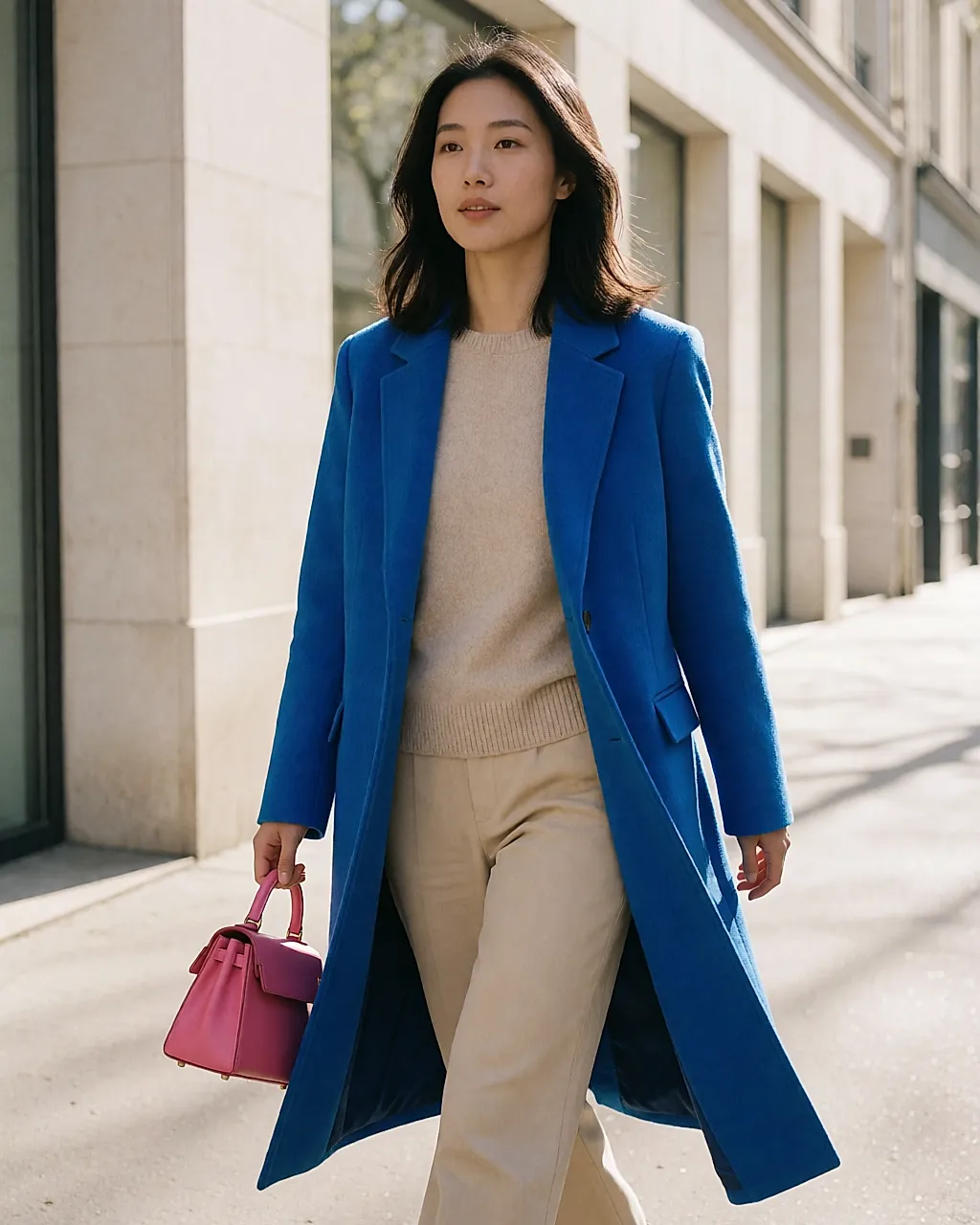
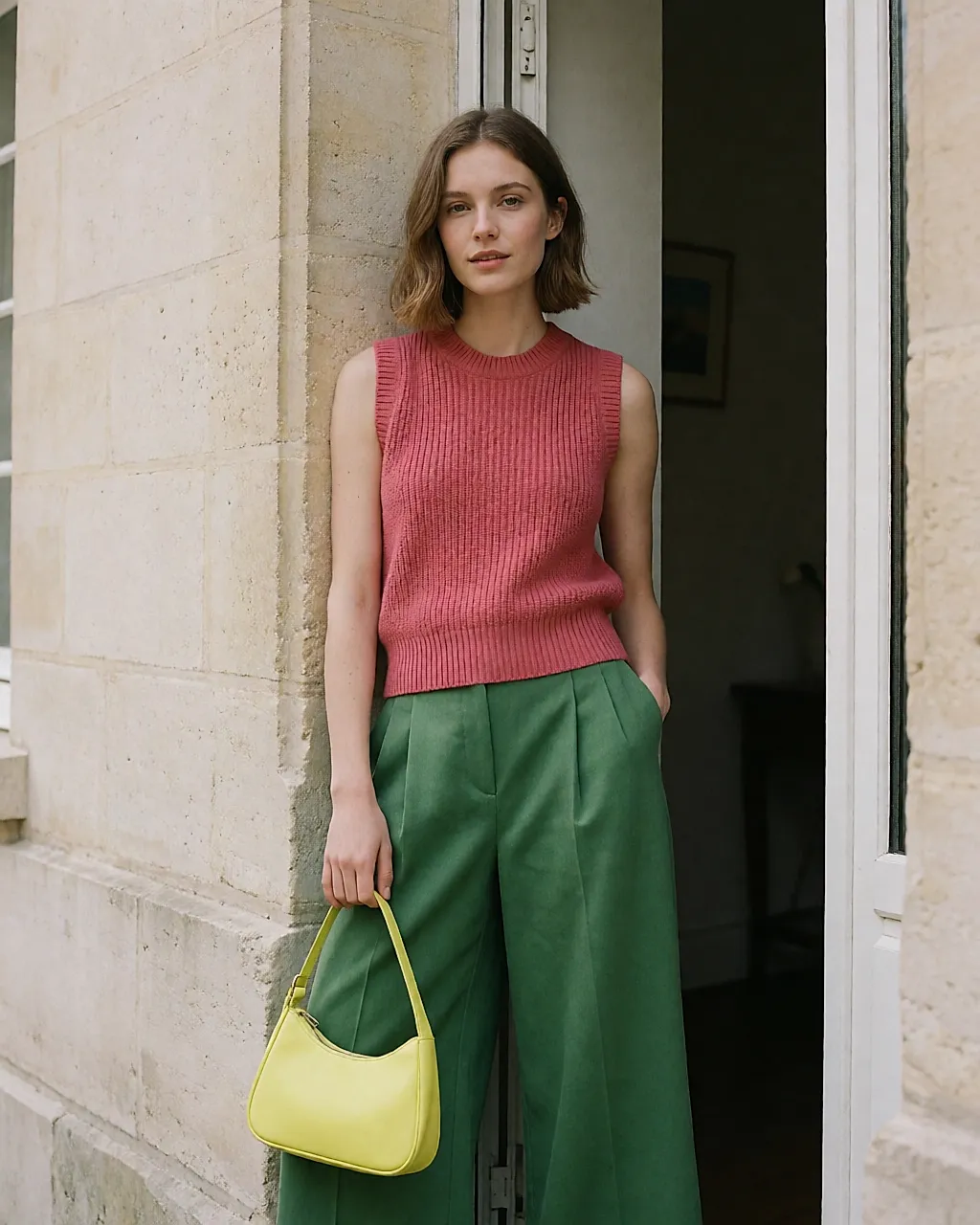
You open your wardrobe and it's the same story: black, grey, beige. Practical, because they go with everything. But the spring/summer shows have wrapped, and bold colours are back front and centre in shops. The real question is how to wear them without looking like a highlighter.
Pop doesn't have to mean neon
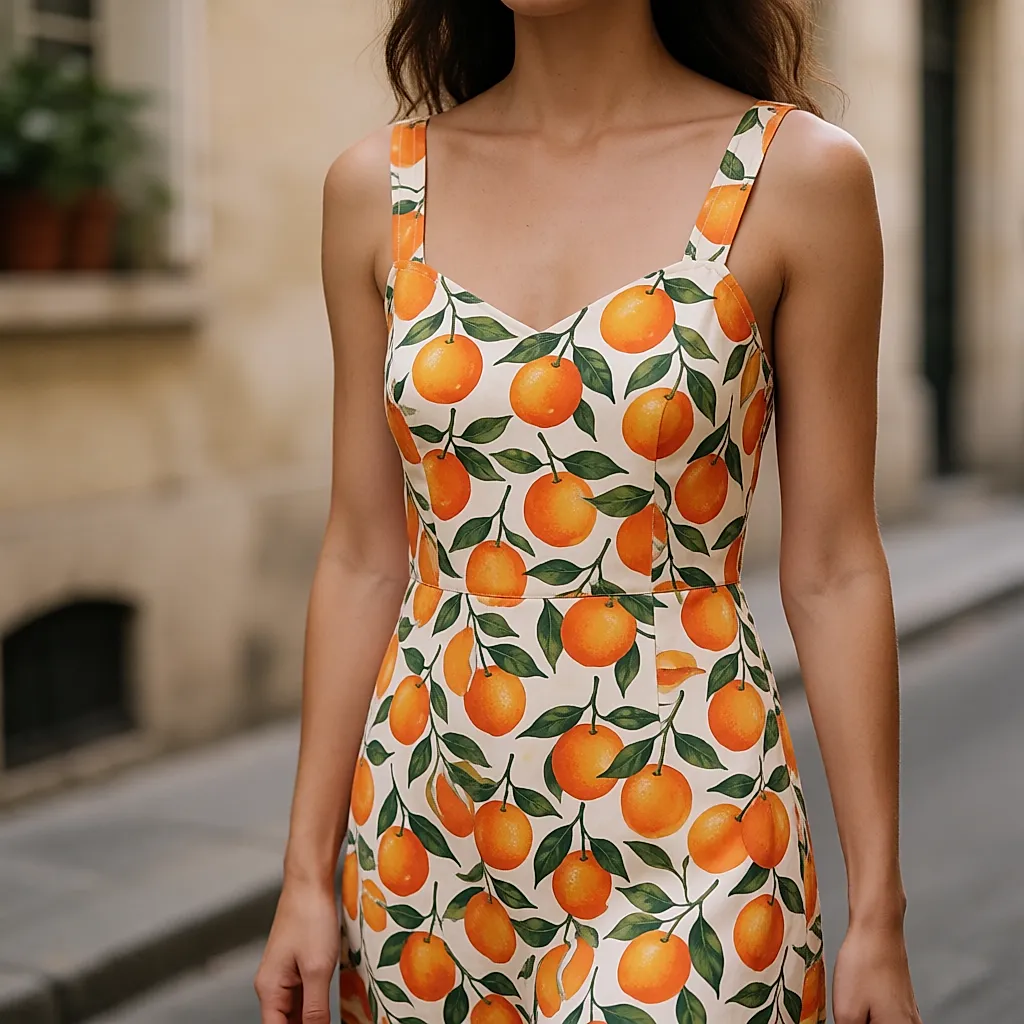
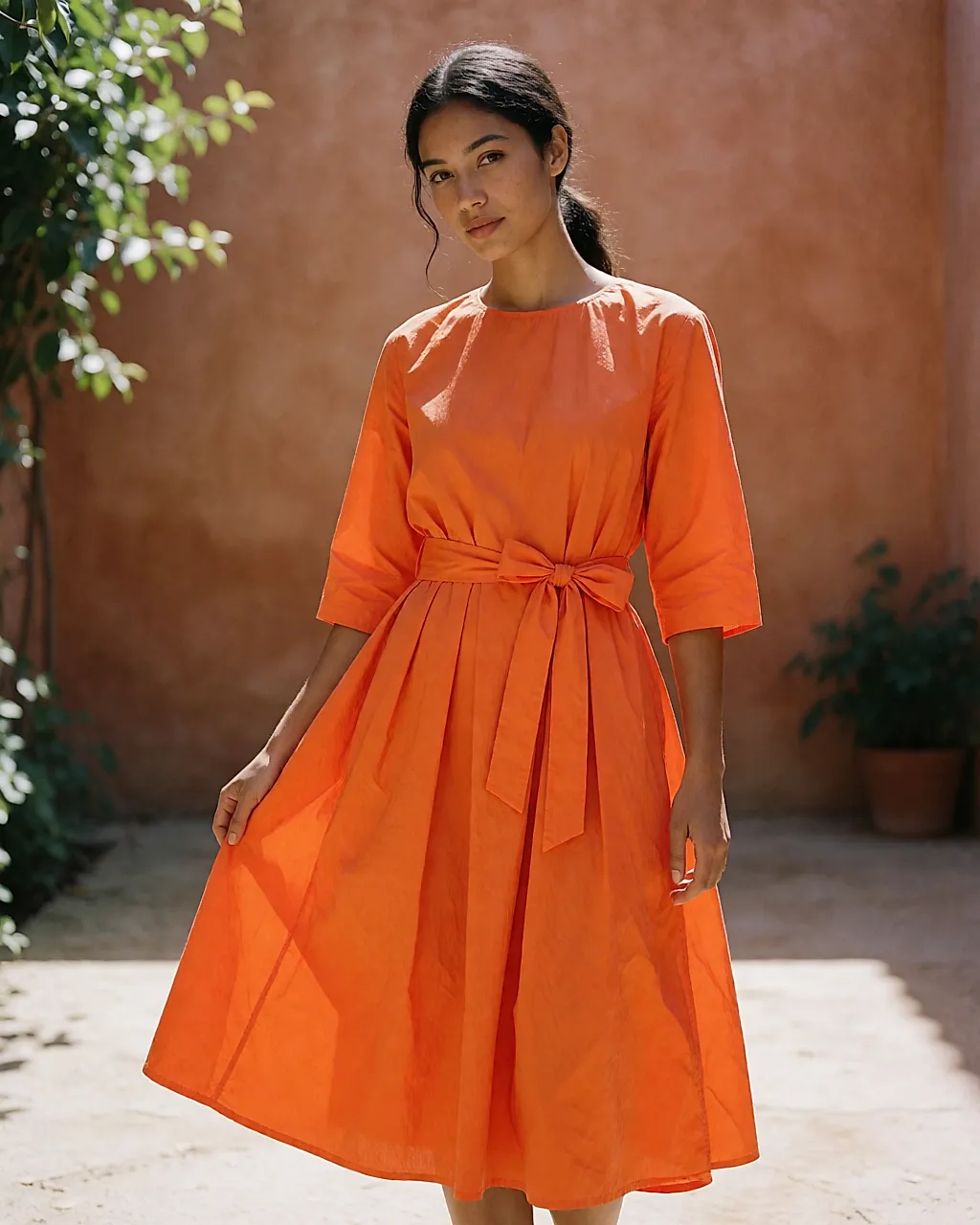
Neon overwhelms the eye and tires it quickly. Pop colours, by contrast, are saturated but legible: hot pink, electric blue, lime green, mandarin orange. The distinction is subtle; the effect on an outfit is not.
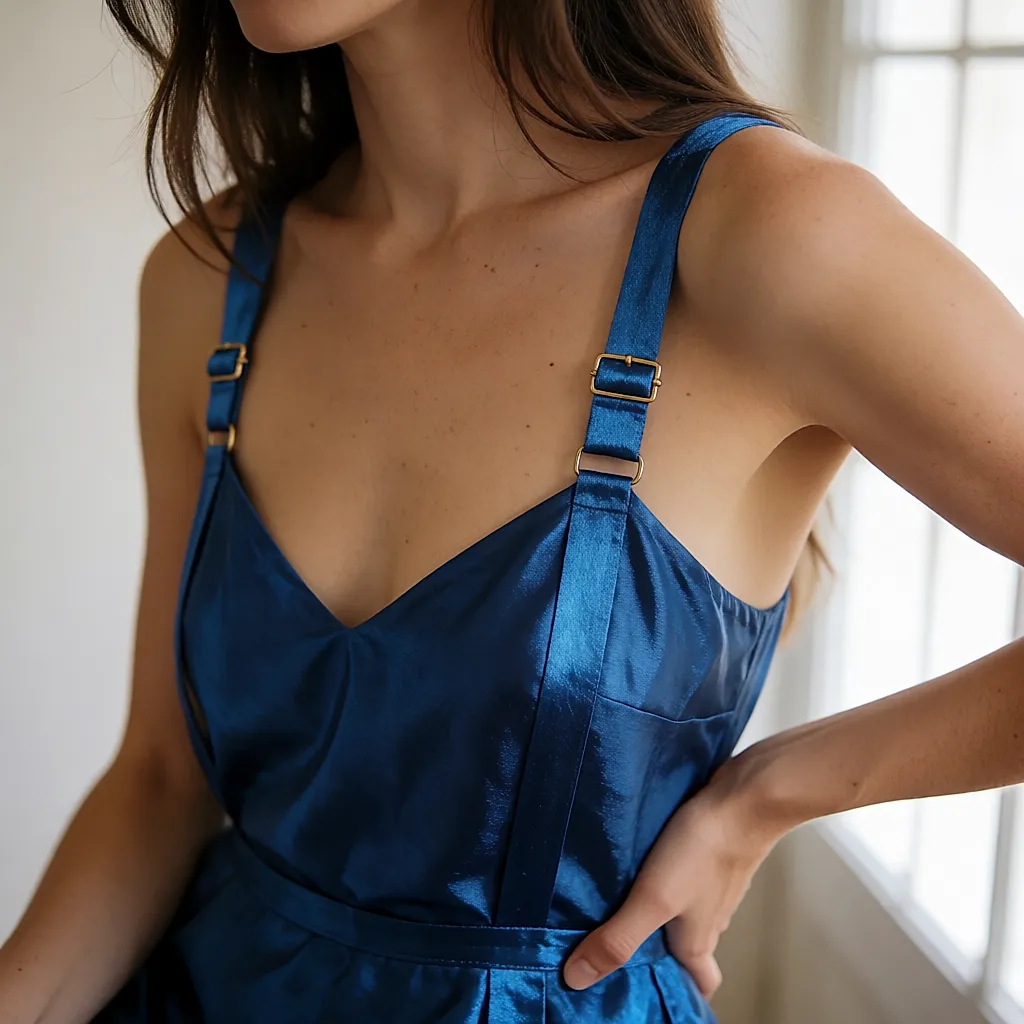
Then it comes down to fabric. A matte cloth absorbs light and calms the shade; patent leather, satin or technical jersey bounce it back and amplify it. Same colour, two opposite moods, and texture decides.
One statement piece, then see
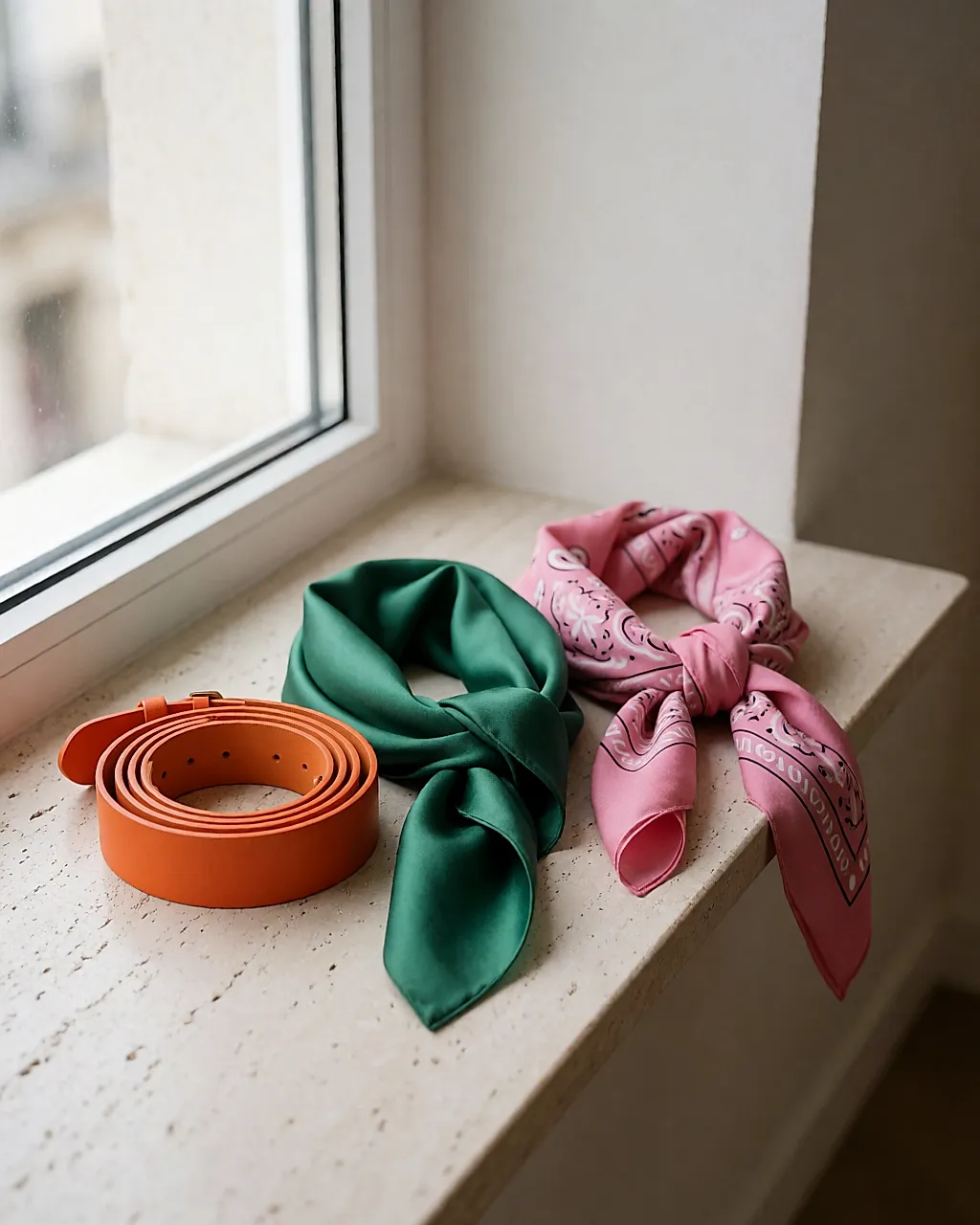
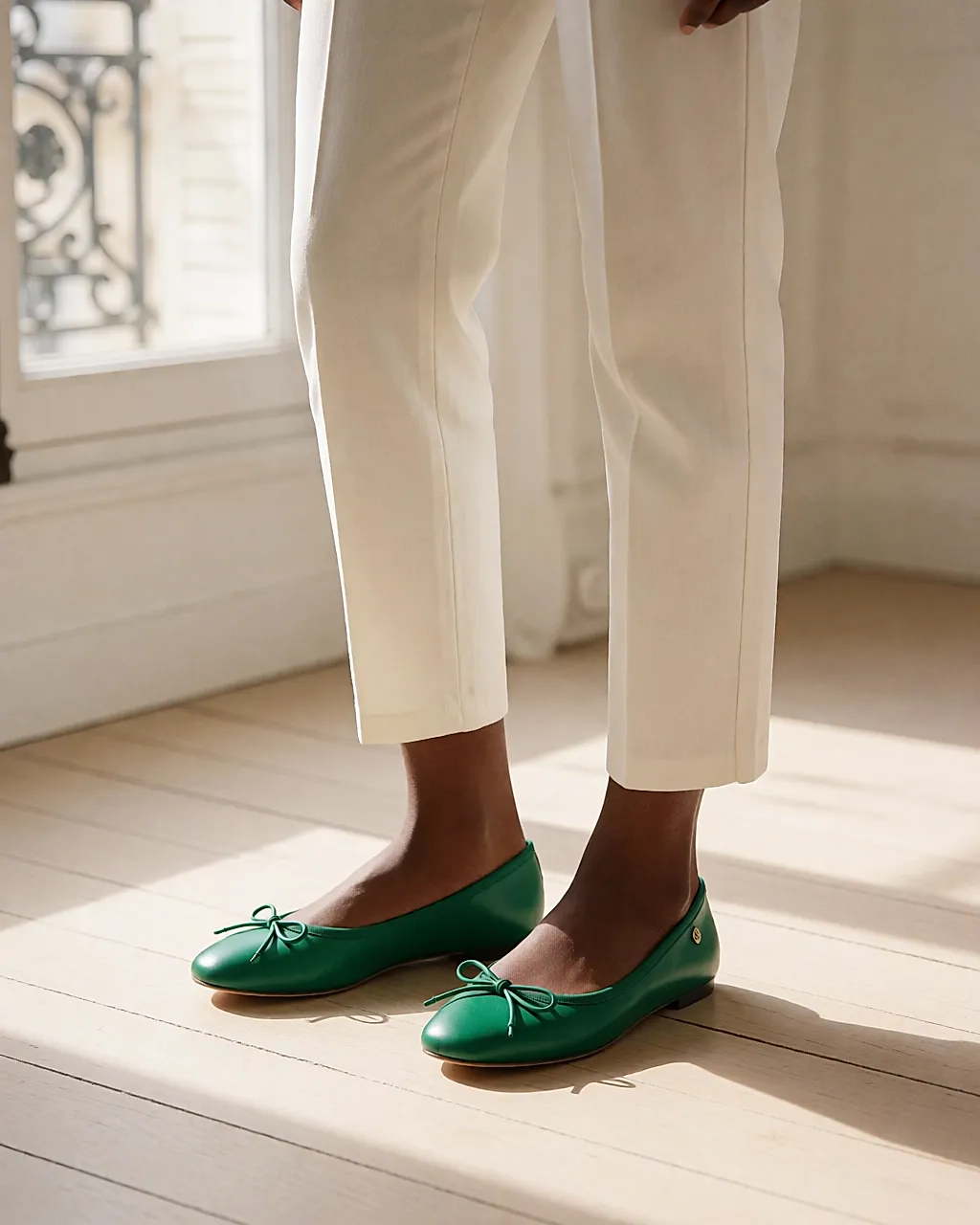
A full colour look is spectacular on a runway, much less so on a Tube platform on a Tuesday morning. Start small: a bold top with a neutral bottom, and you keep your silhouette while changing the mood. Then step up with a bag, a belt, a pair of Derby shoes or a nail polish. One touch is enough to wake up raw denim.
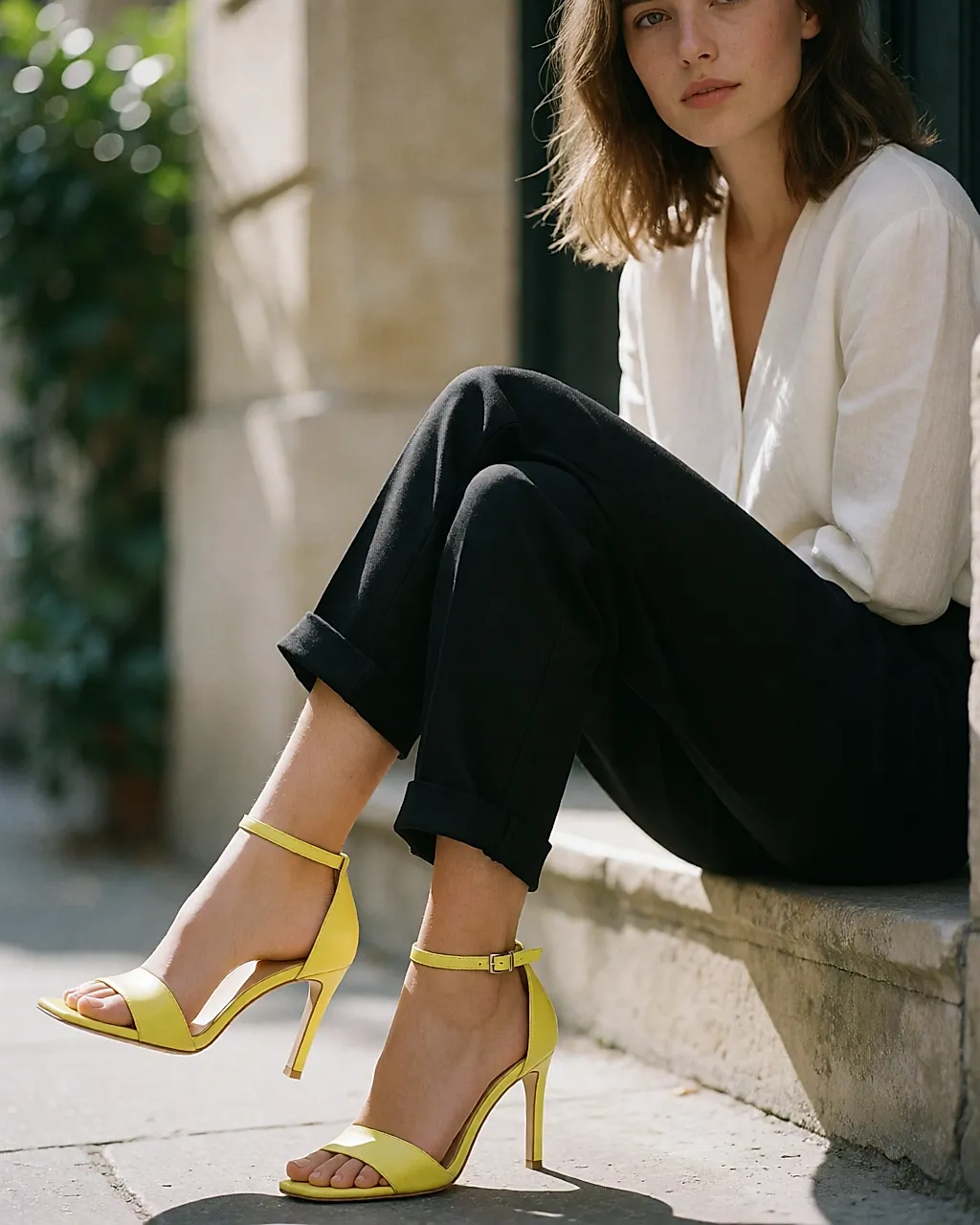
Layering helps a lot. A pink shirt left open over a grey knit, a Klein-blue jacket over a beige outfit: the colour draws the eye, and the rest stays quiet.
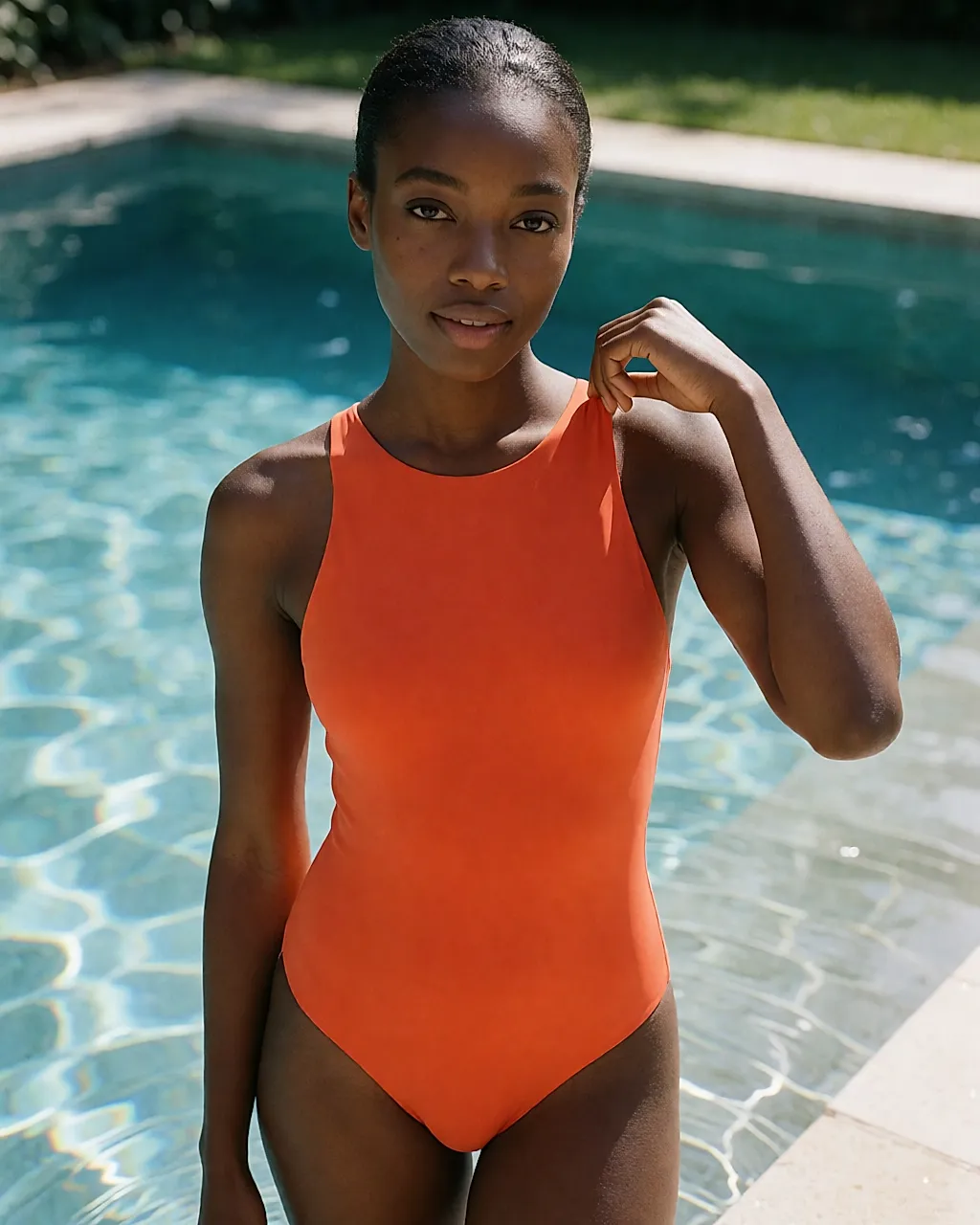
Three checks before you reach the till: hold the piece near your face in daylight to make sure the shade flatters your complexion; limit yourself to one statement piece per outfit; treat a multicolour print as a colour, never as a neutral.
Fabrics and finishes
A bold shade is less forgiving than charcoal grey: the cut, the grain, the stitching, the drape — everything shows. Two criteria really matter: fabric density and how well the dye holds. That last one will decide whether your piece is still pink in two years.
When it comes to labels, GOTS-certified organic cotton guarantees non-GMO cultivation and controlled processing. For leather, chrome-free tanning is often presented as softer and more resistant to cracking.
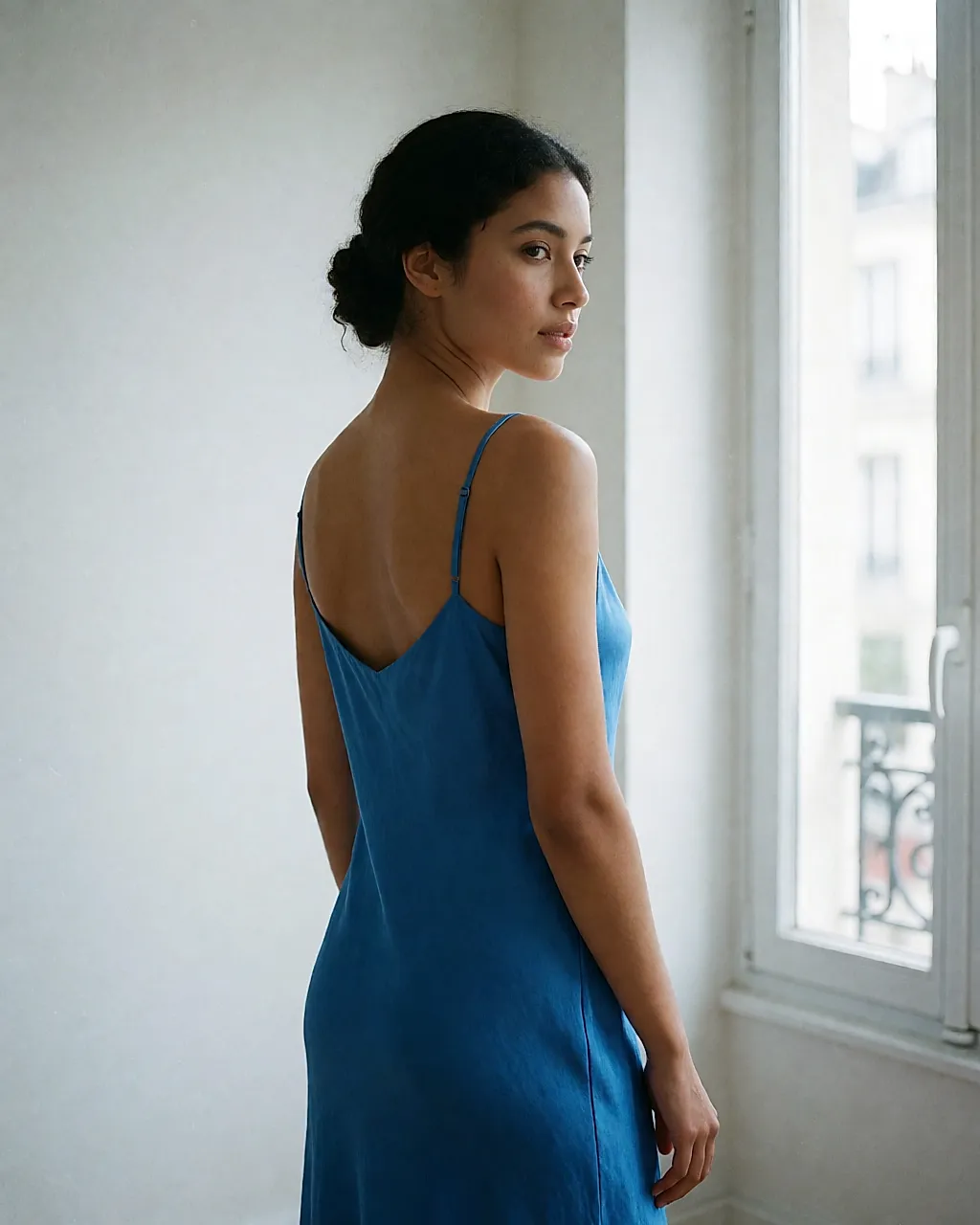
Accessorising without getting it wrong
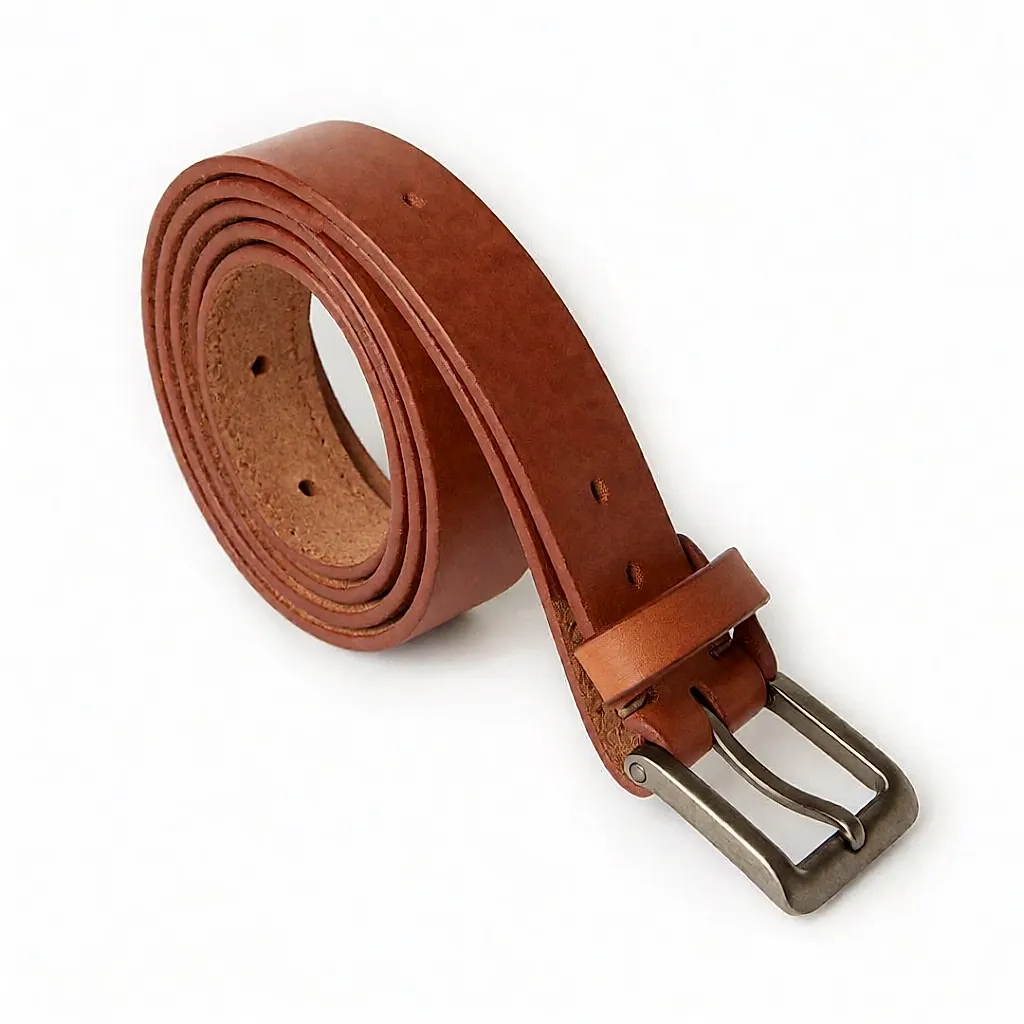
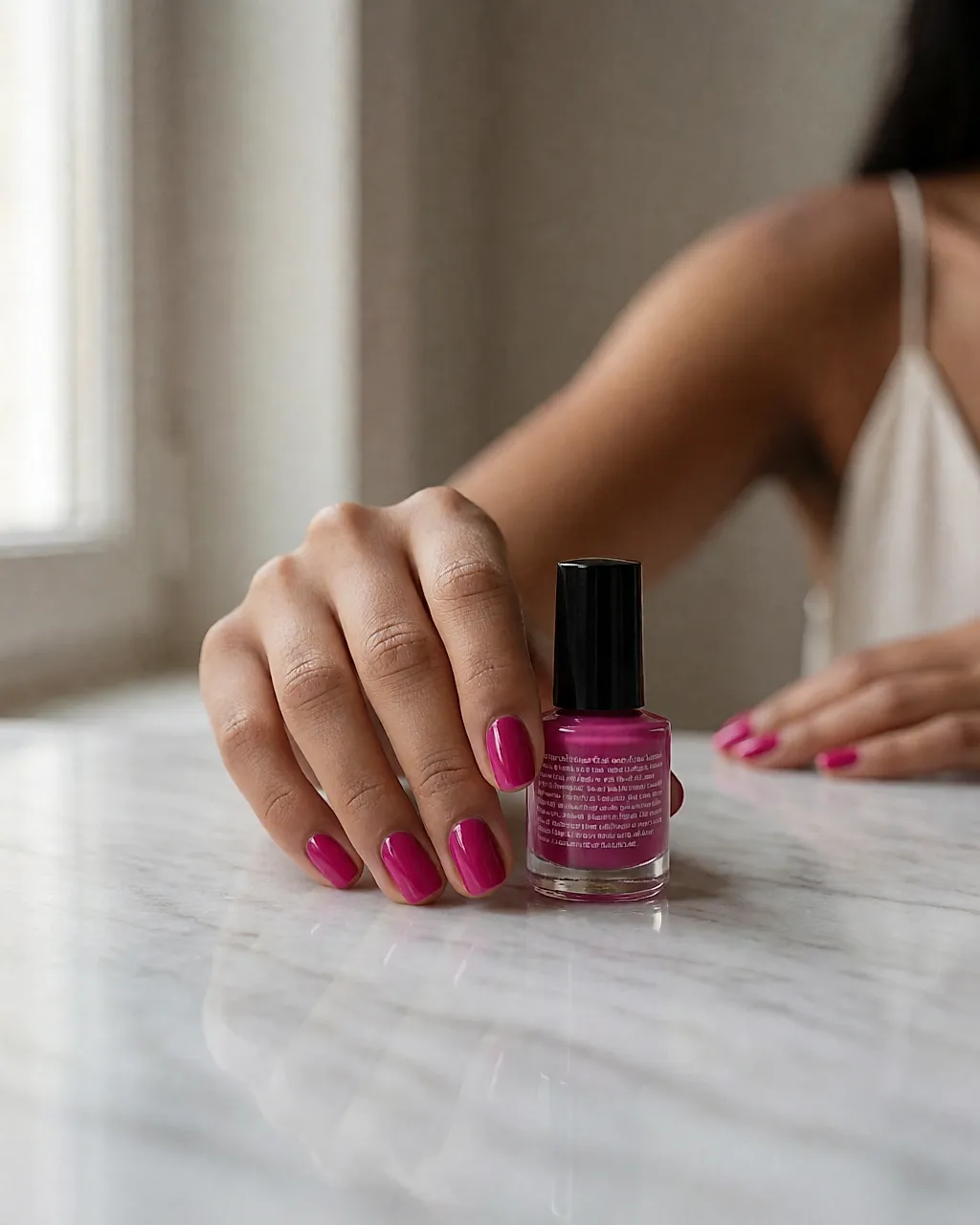
An organic cotton canvas bag, a vegetable-tanned leather belt, a nail polish without toluene or formaldehyde: three ways to try colour without overhauling your whole wardrobe. Nail polish remains the lowest-risk test — a few pounds, and it comes off with remover if the result doesn't convince you.
Think about end of life. Canvas can be washed, repaired, recut as a pouch. A translucent plastic accessory, on the other hand, too often ends up as non-recycled waste. That isn't a minor point: it decides the real lifespan of your purchase, and therefore its cost per wear.
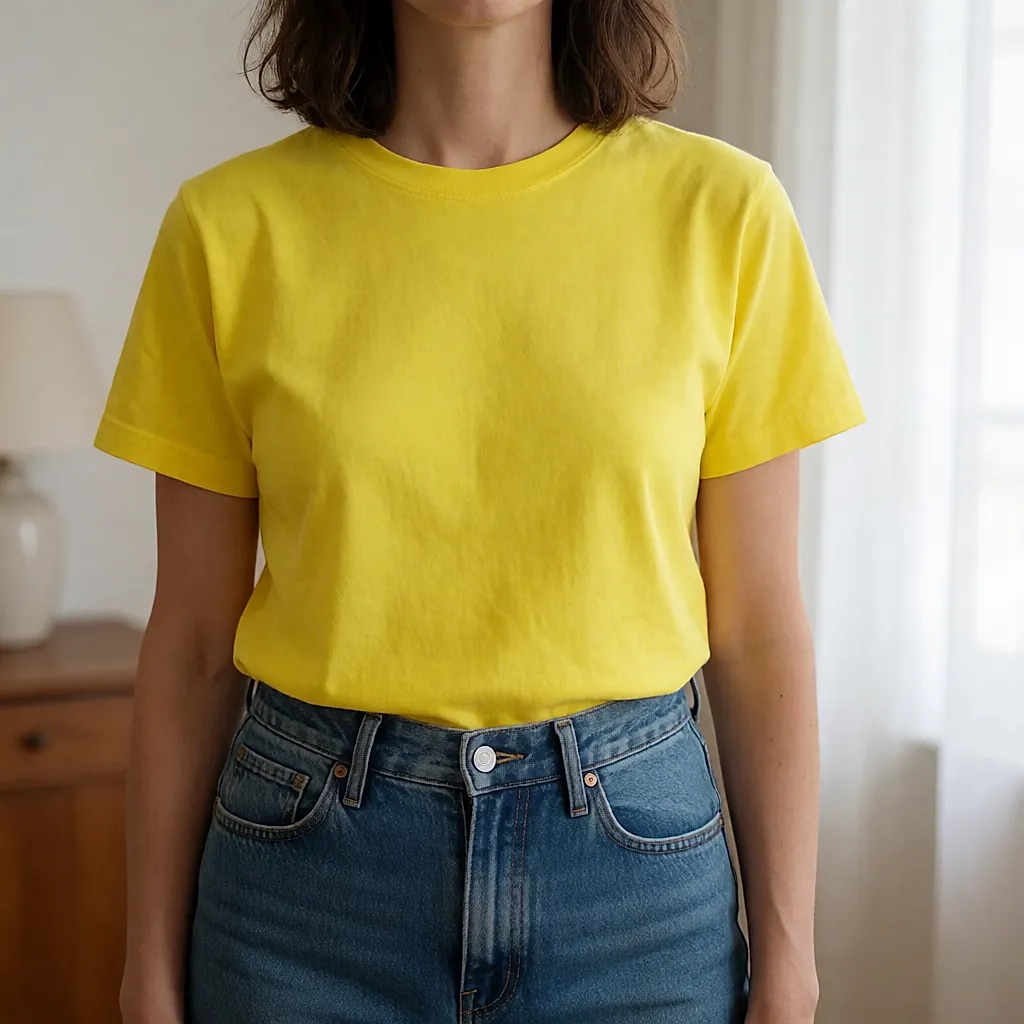
Budget
As a rough guide:
- Belt, nail polish, scarf: around £5–25 on the high street, £20–60 at a beauty retailer or multi-brand boutique.
- Top or knit: £15–40 in high-street fashion, £60–150 mid-market.
- Leather shoes: £70–150 for a properly tanned pair, £250+ from a designer label.
- Bag: £30–90 in canvas, £150–450 in leather.
What moves the price: material, where it was made and where you buy it. End-of-season sales, in store and online, are often the best moment to buy a colourful piece — the shade hasn't lost any of its relevance, only its price.
Sources
- Pantone Color Institute, seasonal colour reports (pantone.com).
- Fédération de la Haute Couture et de la Mode, official show calendar (fhcm.paris).
- ADEME, guides on textile lifespan (ademe.fr).
- Global Organic Textile Standard, standard and certification bodies (global-standard.org).
- European Commission, EU Ecolabel criteria for footwear (ec.europa.eu).

Comments
Your opinion matters: rate the article, react and reply to comments.
Comments are moderated; AI-assisted comments are flagged. Text emoticons (8-), :-), <3…) are automatically shown as images.