

The thermometer reads 34°C, your linen dress has been on your back for three days, and you’re starting to feel like you’re going out in your pyjamas. Good news: the problem is almost never the dress. What’s off is what you put around it — or rather what you don’t put around it. A belt, a pair of sunglasses, a scarf, and the whole look finally tips the right way. Here’s how to accessorise a summer wardrobe without spending a month’s salary.
The belt: the piece that redraws your silhouette
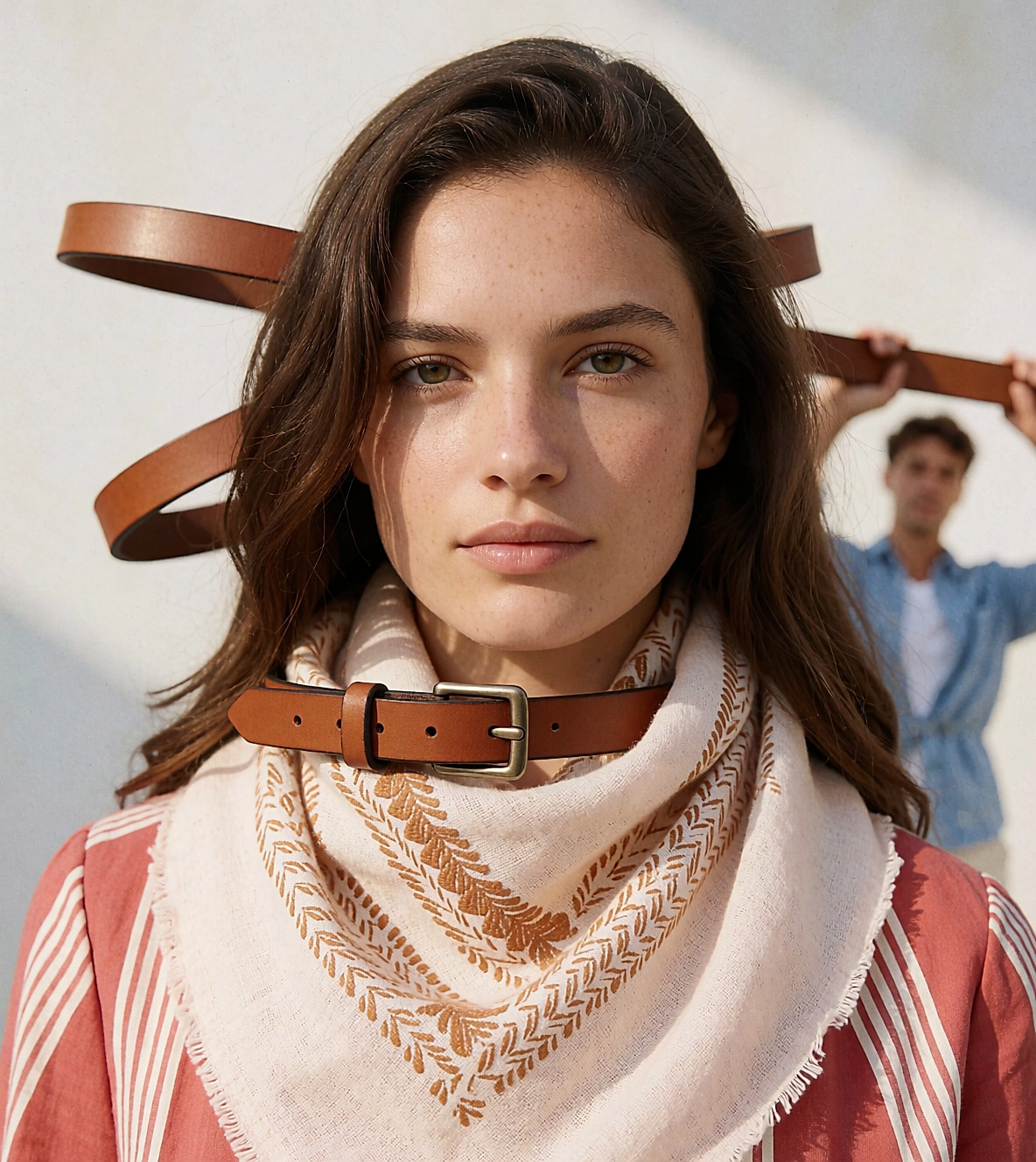
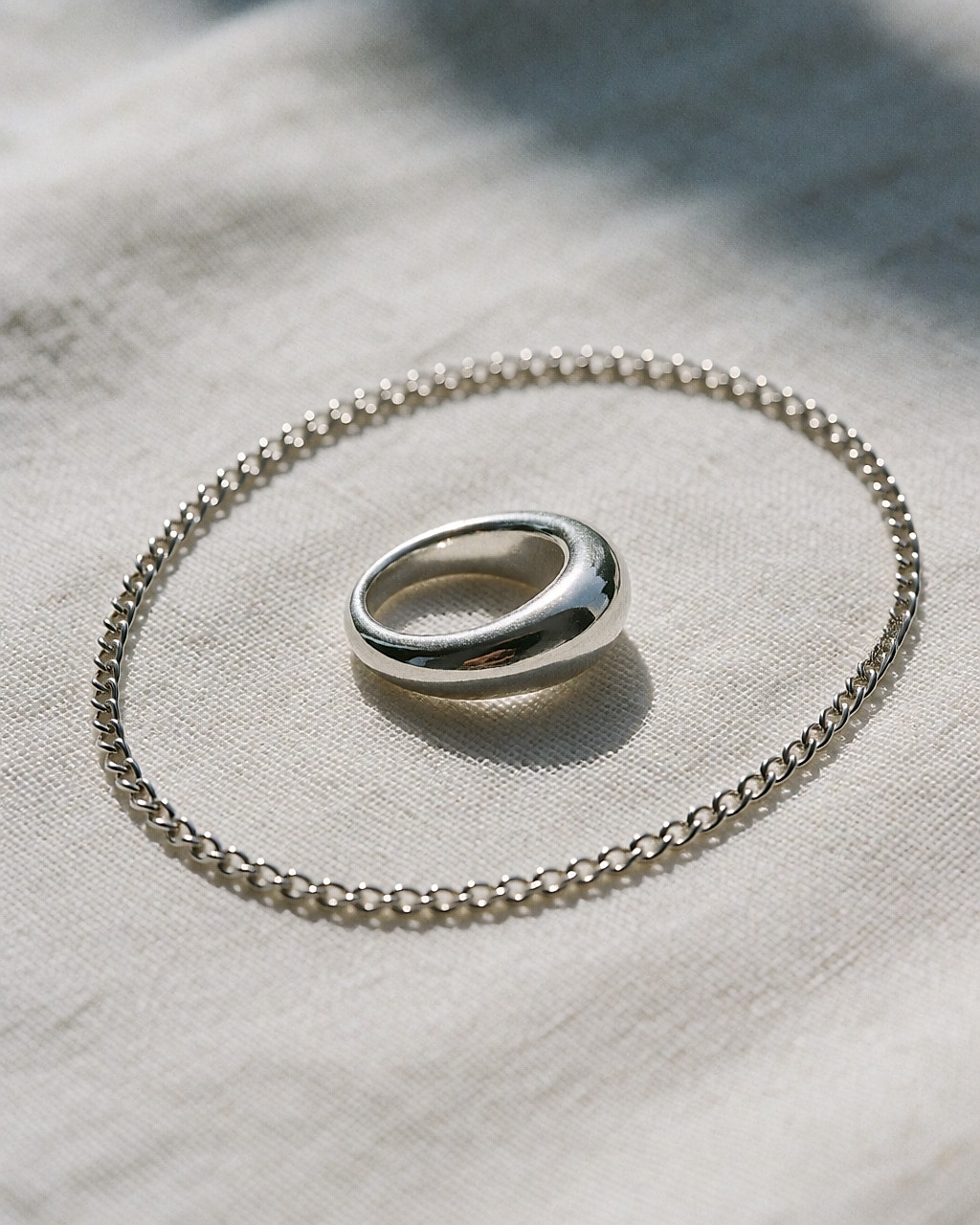
Caramel leather knotted over a white blouse? A classic that hasn’t dated a bit. The real difference today is finesse: a discreet buckle, a soft drape, nothing that weighs down the silhouette. On a loose top, the belt cinches. On a shirt dress, it defines the waist and breaks the vertical line of the cut in one gesture. And let’s be honest, it’s often the small detail that takes an outfit from “I threw this on” to “I thought about my look”.
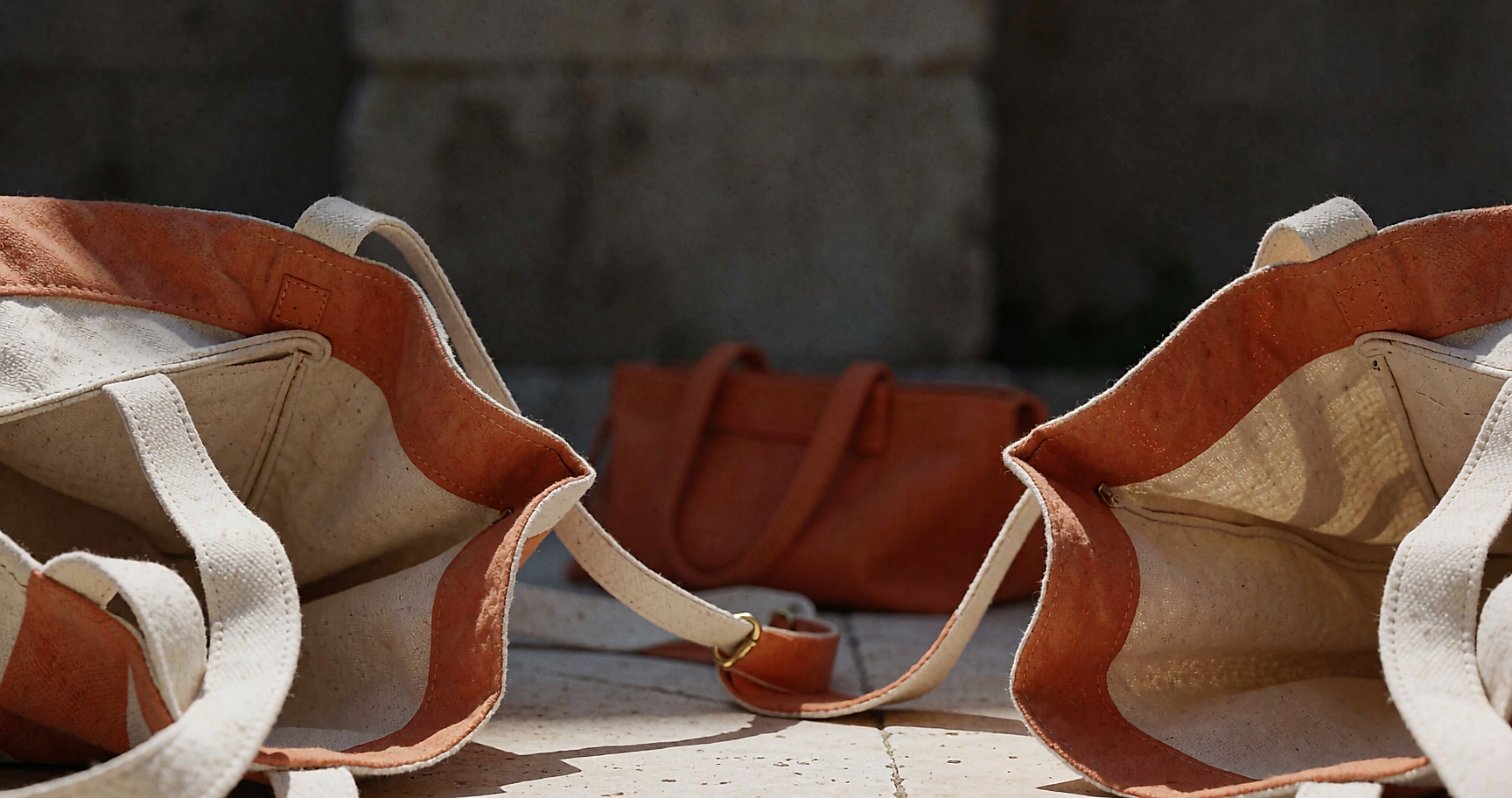

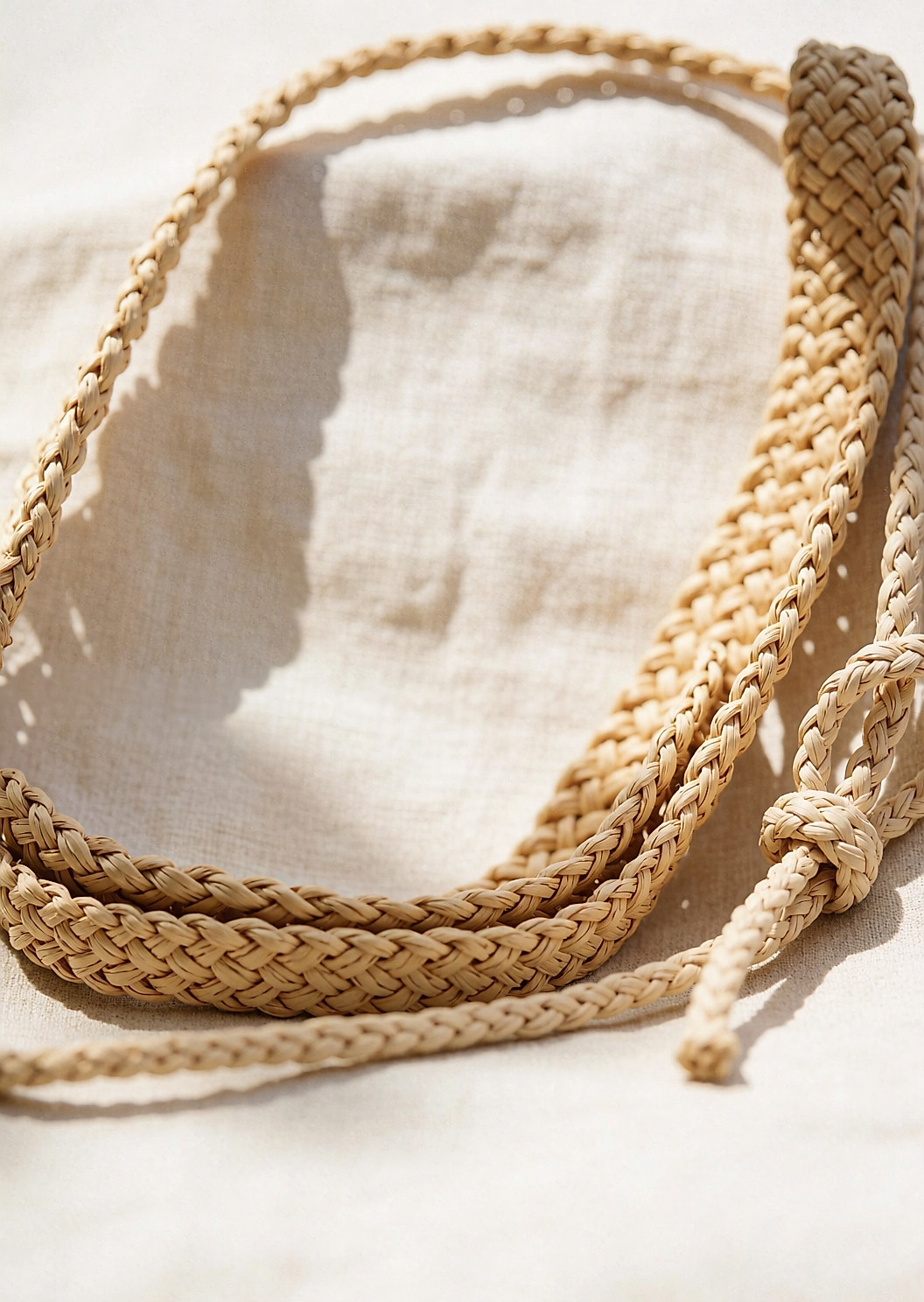
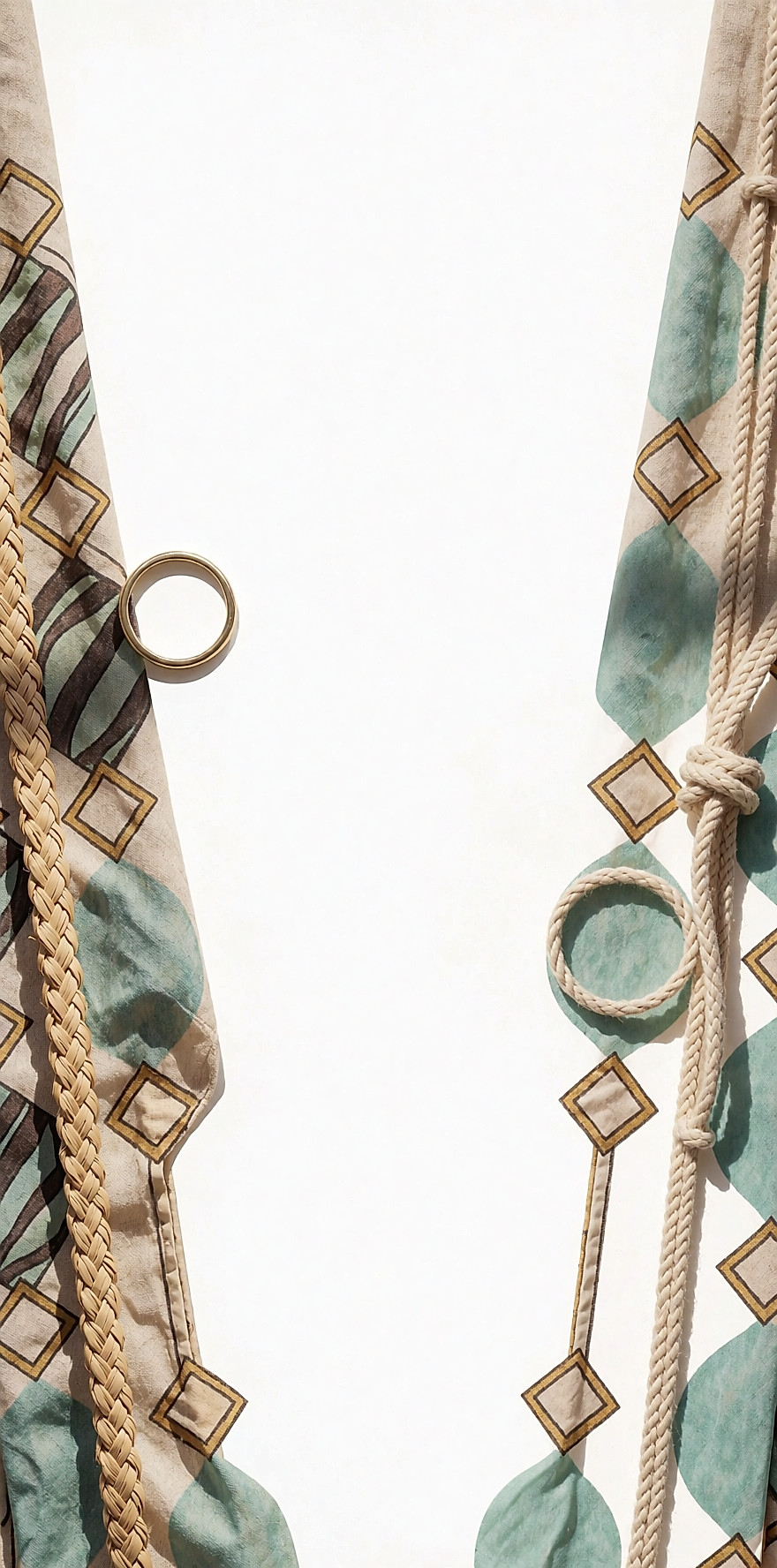
On the material front, go for full-grain vegetable-tanned leather: bark tannins replace chromium salts, and the hide develops a patina over time instead of cracking. A real pleasure if you like watching your pieces age beautifully. Note, though, what the LWG label actually guarantees: it audits tanneries on water and waste management, not the end of life of your belt. Want something entirely plant-based? Woven raffia or simple rope do the job perfectly for next to nothing.
Jewellery: small scale, big impact
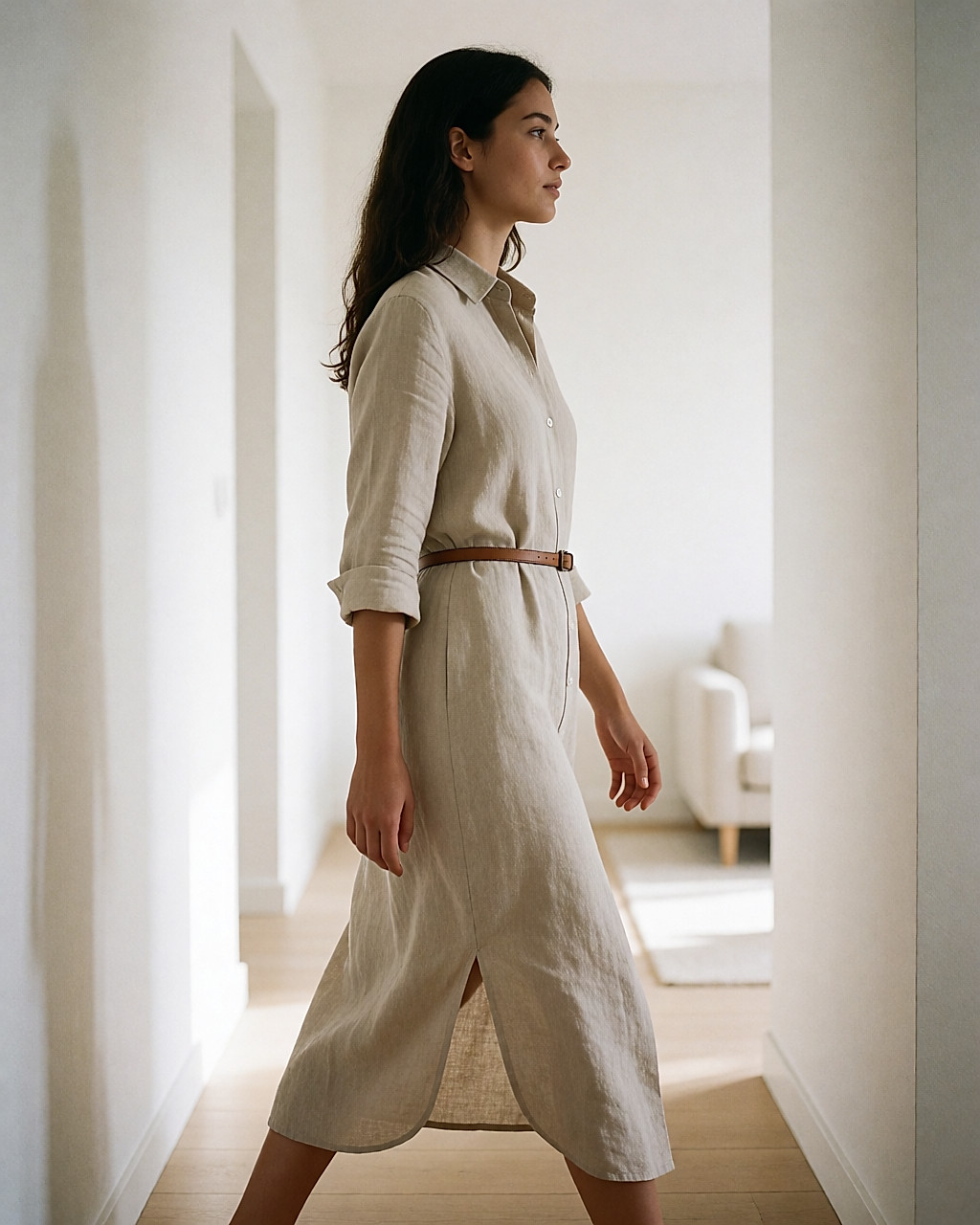
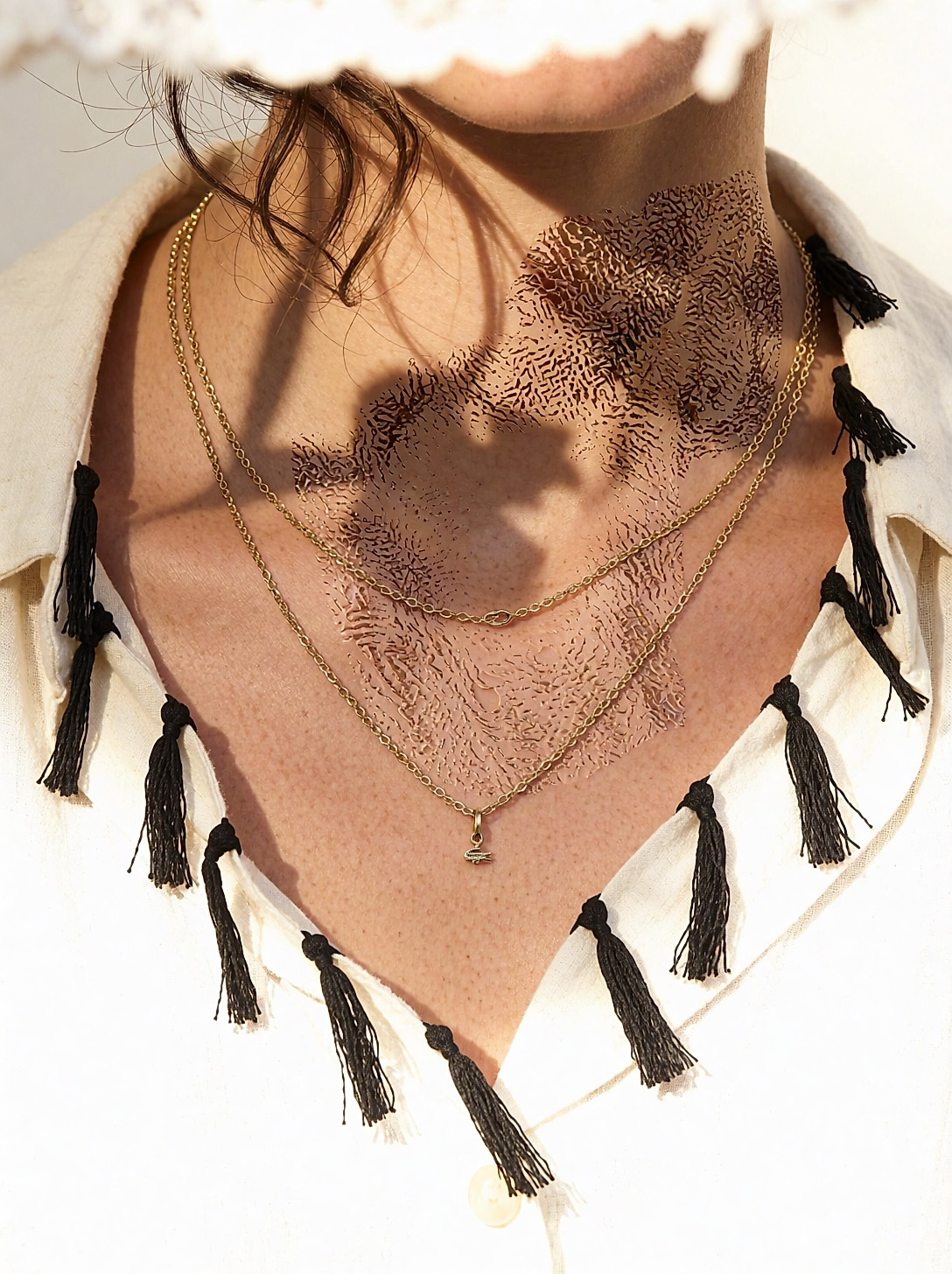
You can keep the spirit of the chunky moonstone ring without copying the exact piece. What works now is layering: two chains in different lengths, one fine ring, another more sculptural. Yellow gold warms a tanned complexion, silver cools it. It’s up to you and your skin tone.
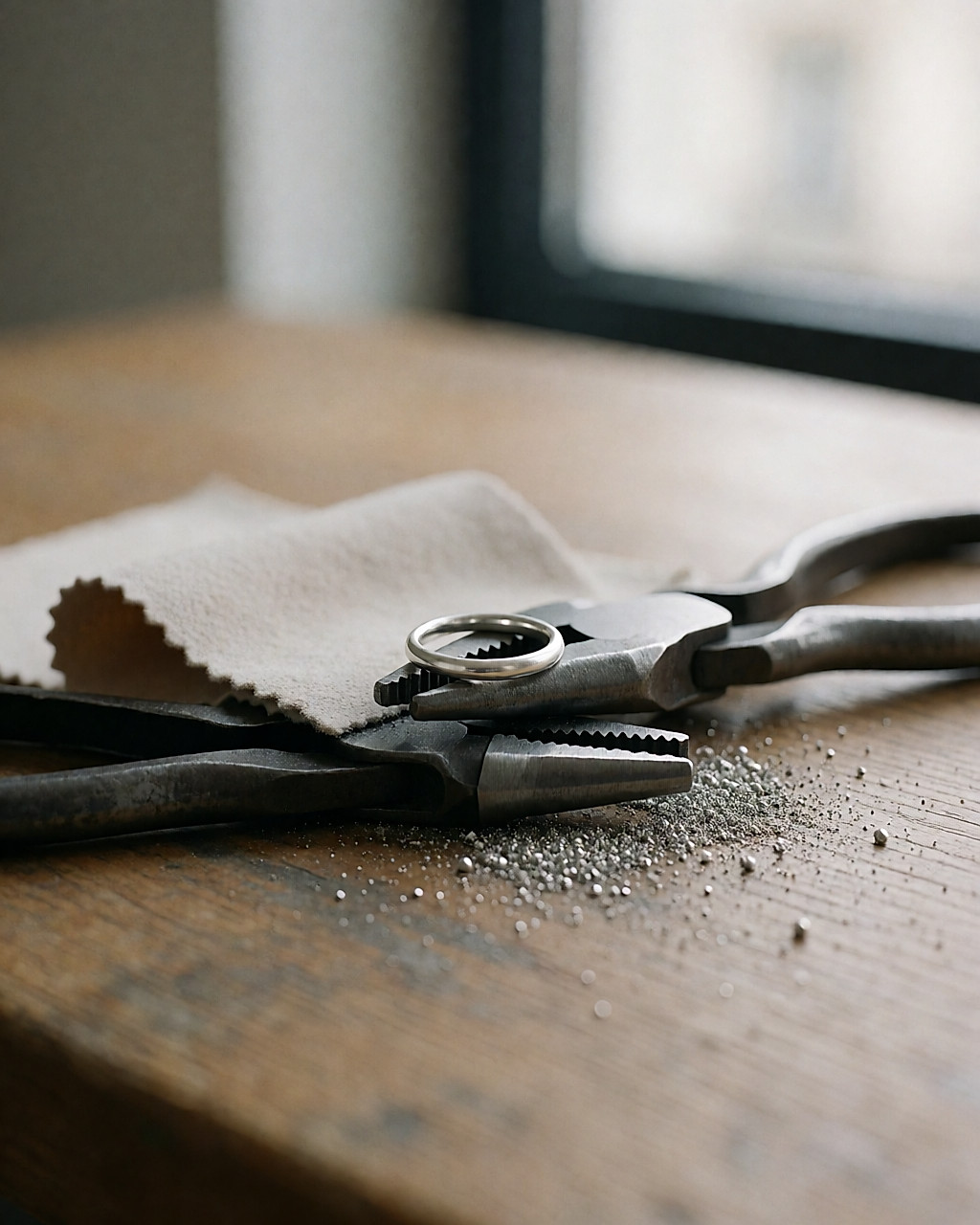
Recycled 925 silver remains the strongest option. It often comes from electronic waste, can be repaired by a jeweller and melted down again and again — a piece you won’t throw away at the first snag. Fairmined certifies an artisanal mining origin and a floor price paid to miners. Gold plating costs less, but the thin layer of gold wears away and eventually flakes. The compromise is yours to make.
The bag: between statement piece and carry-all
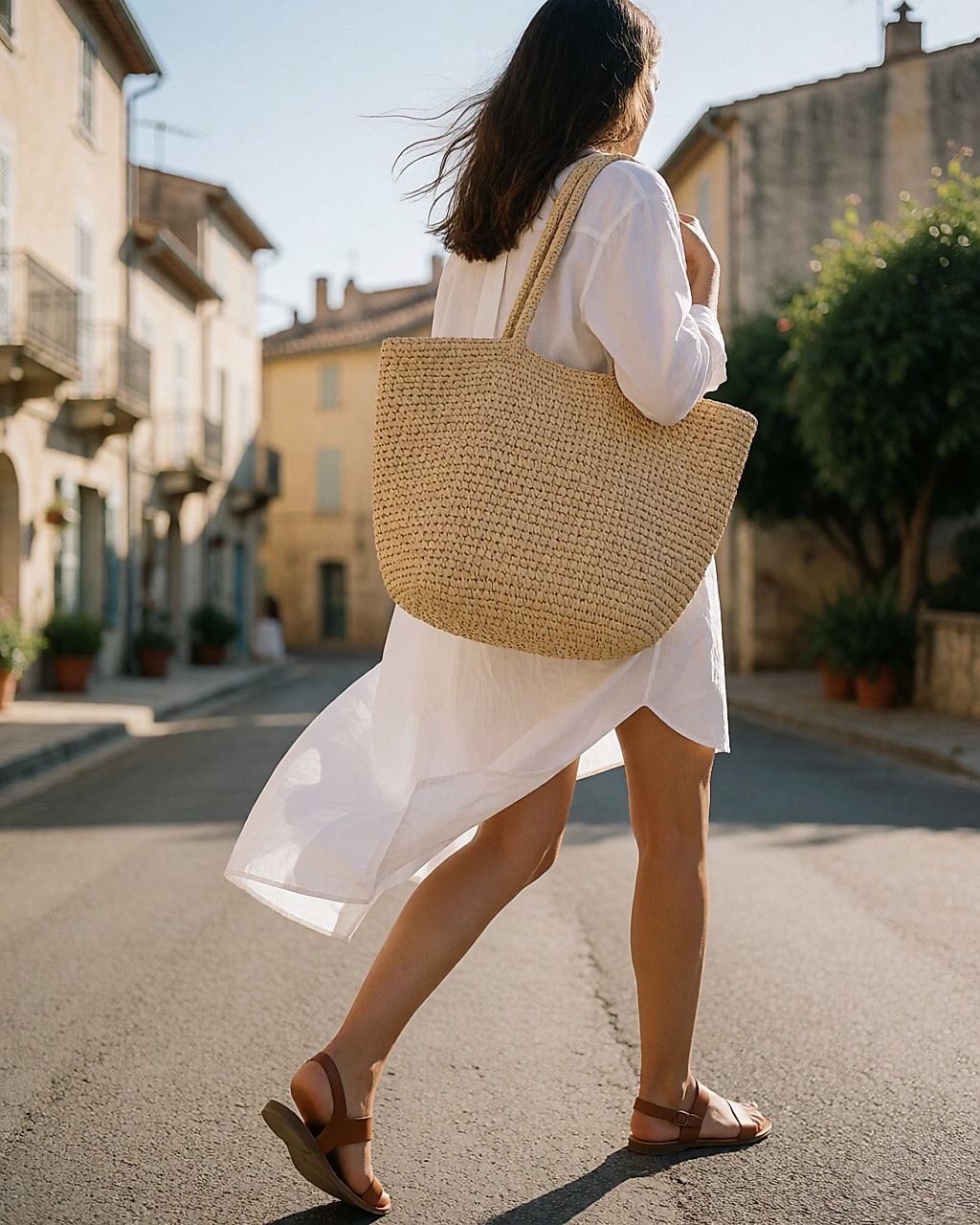
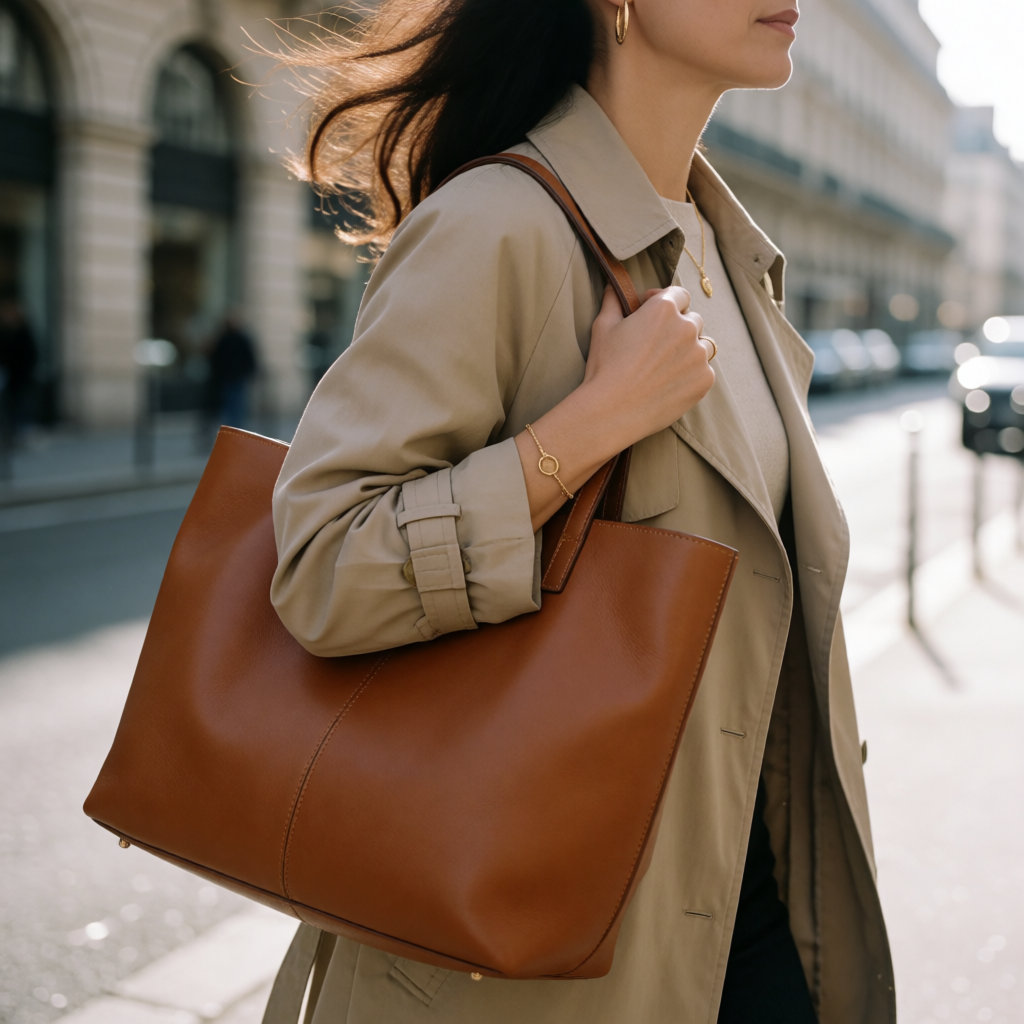
A soft tote with straps for daytime, a clutch for the evening: both ideas still hold up. What has changed, however, is the material. Raffia, recycled cotton and vegetable-tanned leather have replaced the faux leather that peels as early as August. Phew.
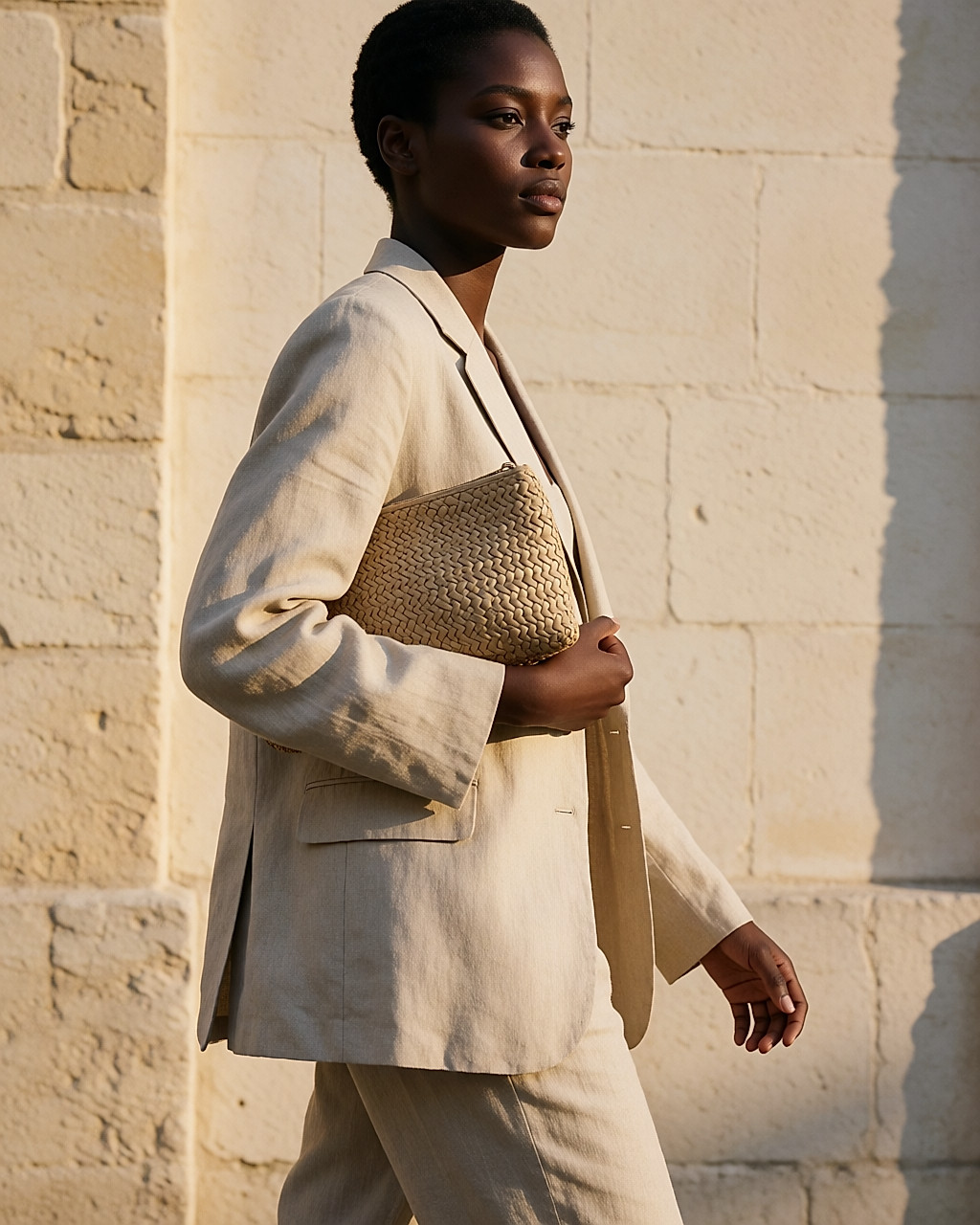
One simple test before you get out your card: turn the bag inside out and look at the lining. If it’s ultra-thin polyester, hastily stitched, there’s a good chance the bag won’t make it through next summer. In truth, this little check is worth all the marketing claims.

Sunglasses: the purchase you can’t undo
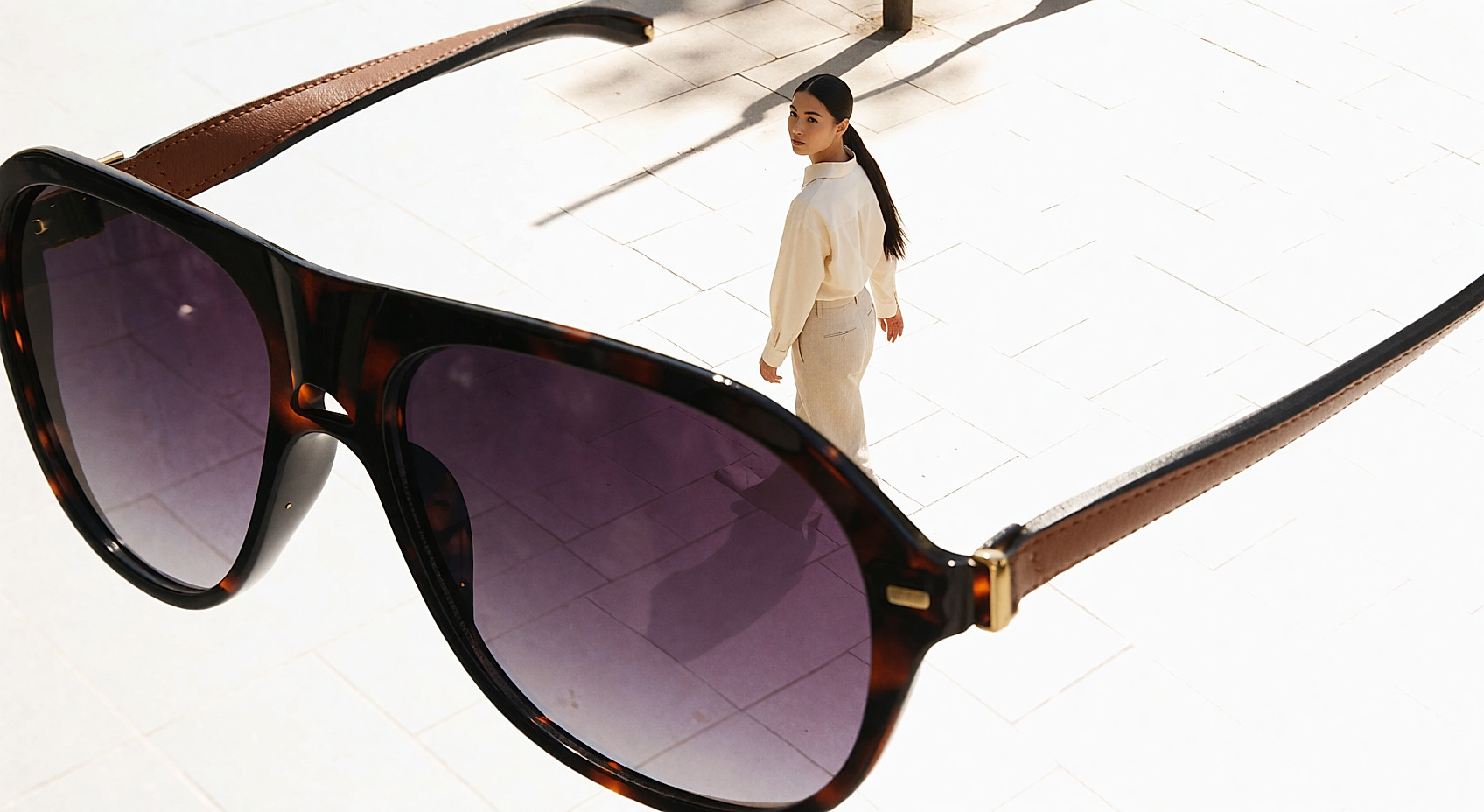
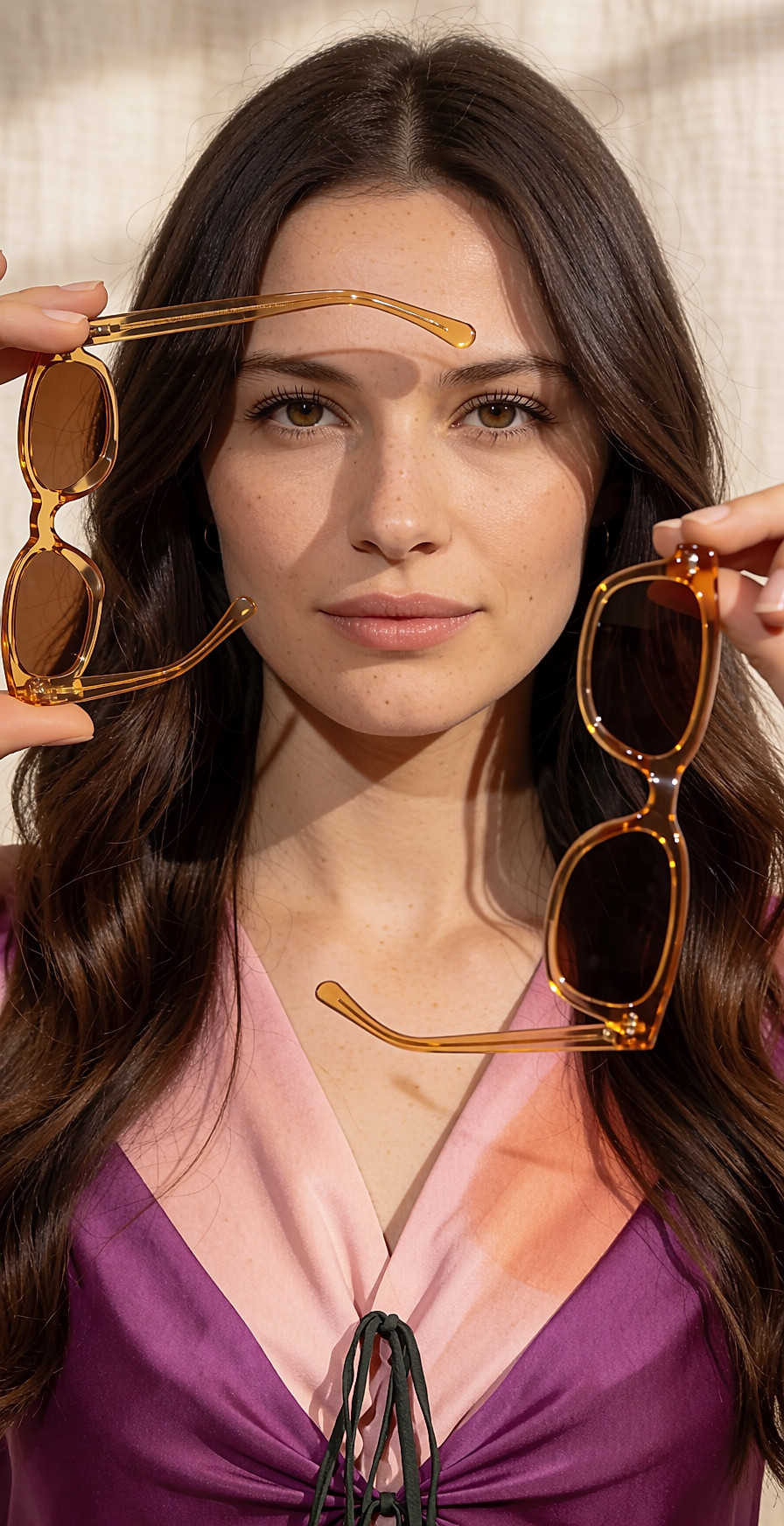
This is the piece you don’t choose blindly. In the UK, sunglasses sold as UV protection should meet EN ISO 12312-1, which grades lenses from 0 to 4. Category 3 is enough for the beach and the city; category 4 is for high mountains and not suitable for driving. Also check for “100% UV” or “UV400”: that’s what protects your eyes, not how dark the tint is.

As for the frame, cellulose acetate is indeed plant-based — wood pulp or cotton — but it’s still a plastic. So the real eco argument isn’t there: it comes down to lifespan and whether an optician can replace the lenses. That’s why it’s worth spending more on the frame if you plan to keep it for years.
Scarf and hair: the texture that finishes the whole look
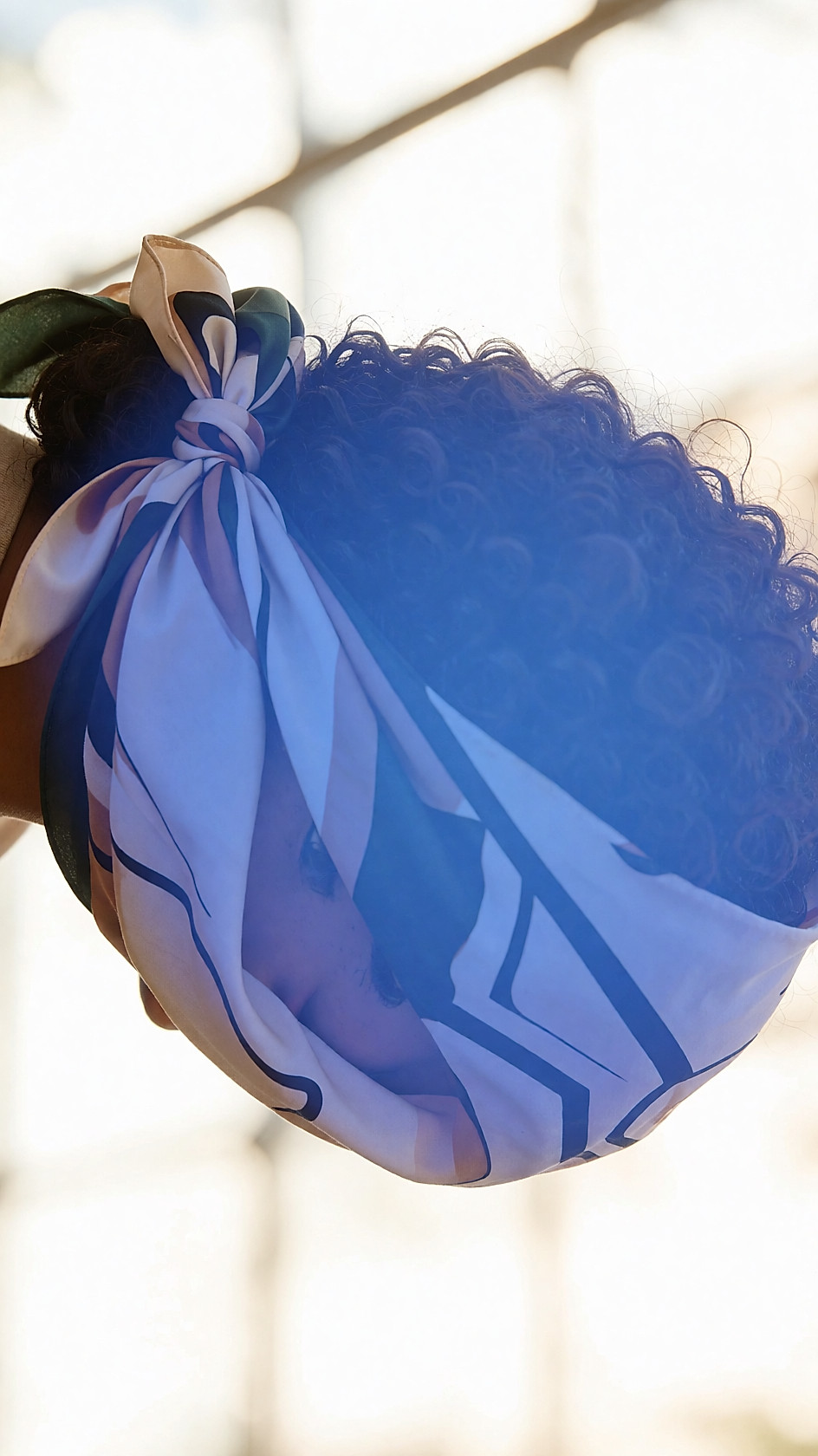
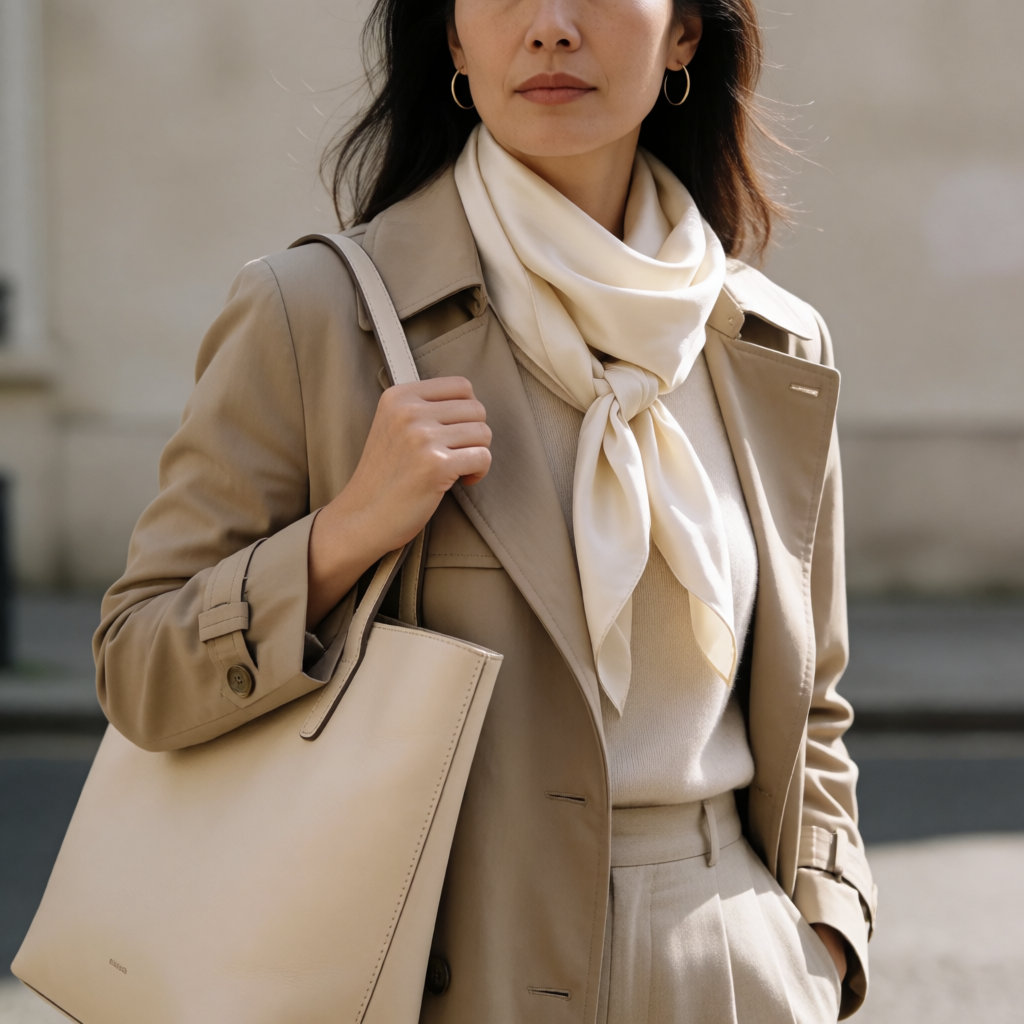
A printed cotton scarf, tied over a bun or left to float in the breeze, adds the texture a plain outfit is missing. Look for the GOTS label: it covers organic fibre farming, processing and social criteria, from raw material to finished product.
And for your hair, swap the thin elastic for a cotton jersey scrunchie. It seems like a small thing, but it can help limit breakage on lengths weakened by sun and chlorine. A great little find for next to nothing, keep one in your beach bag.
Three things to check before you pay
- Material first: if the label only says “faux leather” or “gold-tone metal”, you know what to expect in terms of lifespan.
- Repairability: can a jeweller tighten the ring, a cobbler replace the strap? If not, treat the purchase as disposable.
- What the label actually certifies: GOTS covers the fibre, LWG the tannery, Fairmined the mine. None of them means the product is biodegradable.
Budget
Typical UK price ranges, excluding sales, are roughly:
- Belt: expect £15–£40 on the high street or at a fashion chain; £60–£130 for UK artisan leather goods, with documented tanning.
- Jewellery: £12–£35 for gold-plated or brass; £45–£100 for recycled 925 silver; £250+ for solid gold.
- Bag: £20–£60 in raffia or recycled cotton; £130–£300 in full-grain vegetable-tanned leather.
- Sunglasses: £15–£35 for a basic category 3 pair; £70–£160 from an optician, polarised lenses included; £220+ for a designer frame.
- Scarf: £15–£50 in GOTS-certified organic cotton.
What changes the price: where the material comes from, the real cost of certification audits, where it was made and how repairable it is. An optician will adjust the frame to your face and replace the lenses; online you pay less, but you take on the returns risk.
Sources
- ADEME — ademe.fr (environmental impact of textiles and accessories)
- Global Organic Textile Standard (GOTS) — global-standard.org
- Leather Working Group — leatherworkinggroup.com
- Fairmined — fairmined.org
- European Commission — EU strategy for sustainable textiles
- EN ISO 12312-1 (eye protection, sunglasses filters) — iso.org

Comments
Your opinion matters: rate the article, react and reply to comments.
Comments are moderated; AI-assisted comments are flagged. Text emoticons (8-), :-), <3…) are automatically shown as images.