
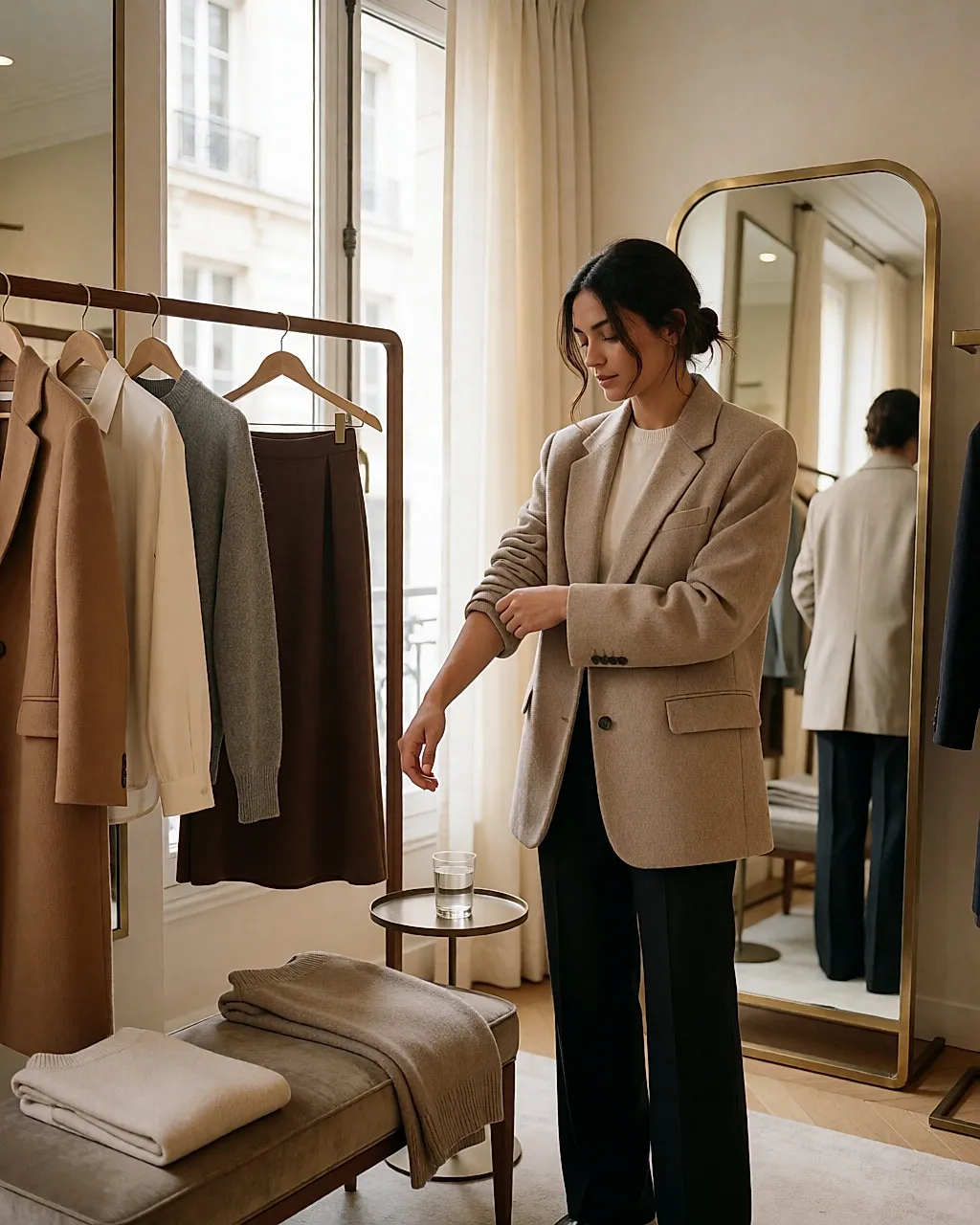
It's 4pm on a Saturday. You've trailed round three shops, tried on eleven pieces, and you're heading home with a scarf you hadn't planned to buy. Sound familiar? Personal shopping begins from exactly that place: hand the searching to someone whose job it is, and keep only the trying-on and the deciding for yourself. And no — it's not a service reserved for celebrities or time-poor executives any longer.
How it works, minus the mystique
A personal shopper is, first and foremost, a translator. You tell them about your wardrobe, your shape, your daily life, your budget. They draw a direction from it: cuts, fabrics, a colour palette, a level of formality. Then they do what you don't have time for — scouting the shops, watching new arrivals, hunting the second-hand market — and come back with a tight, edited selection.
The difference between this and an afternoon shopping with friends? Method. You start from how you actually live, not from a trend glimpsed on a screen. And you learn to read a hem that falls well, a knit that won't pill by the third wash, a statement piece that slots into what you already own. Thinking in layers rather than buying a whole head-to-toe look in one go is often what changes everything.
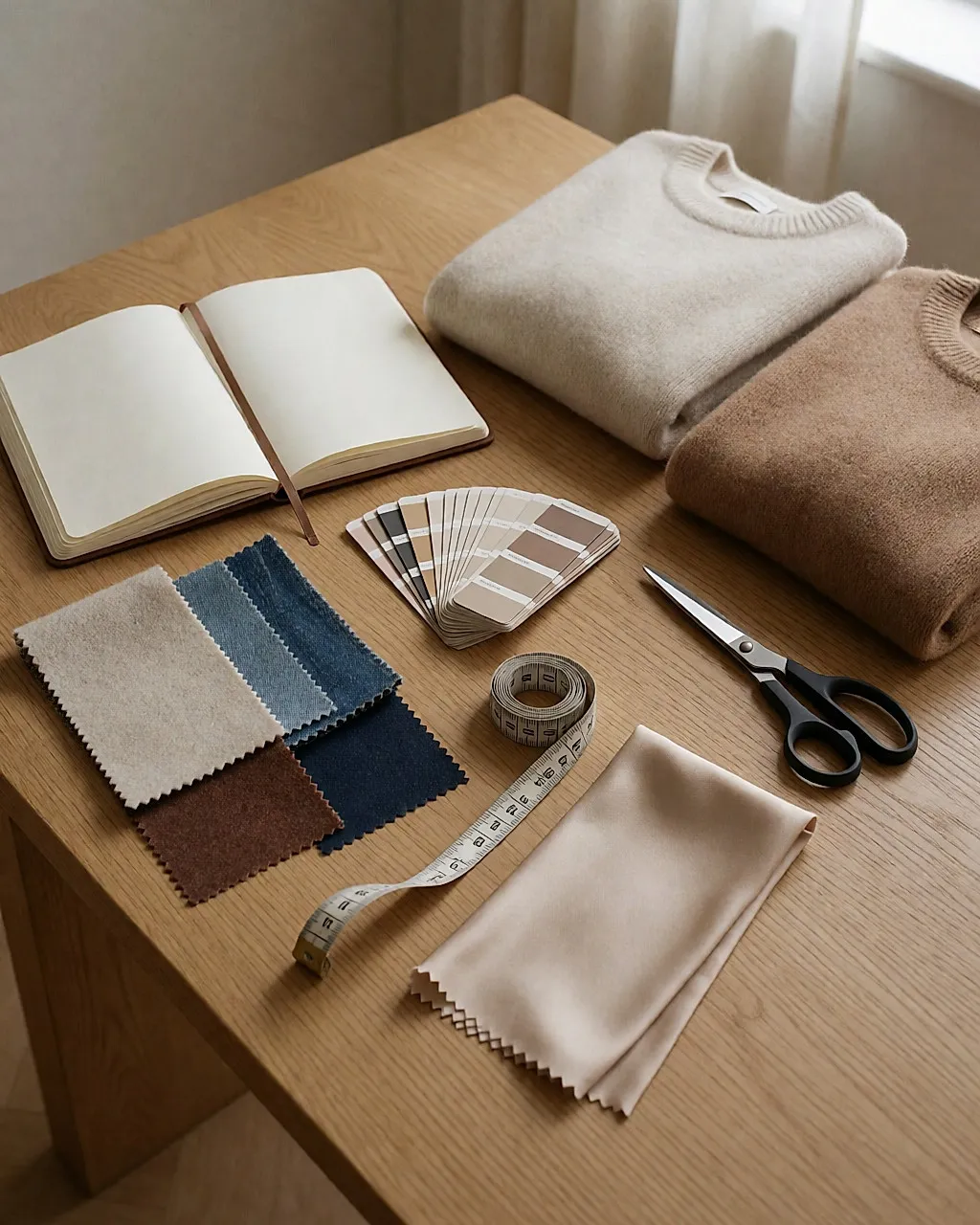
In store: the service few people know about
UK department stores offer appointments with a dedicated adviser, often in a small private suite. Selfridges, Harrods, Liberty, John Lewis: the format is much the same — a slot of an hour or two, and a rail prepared around your brief.
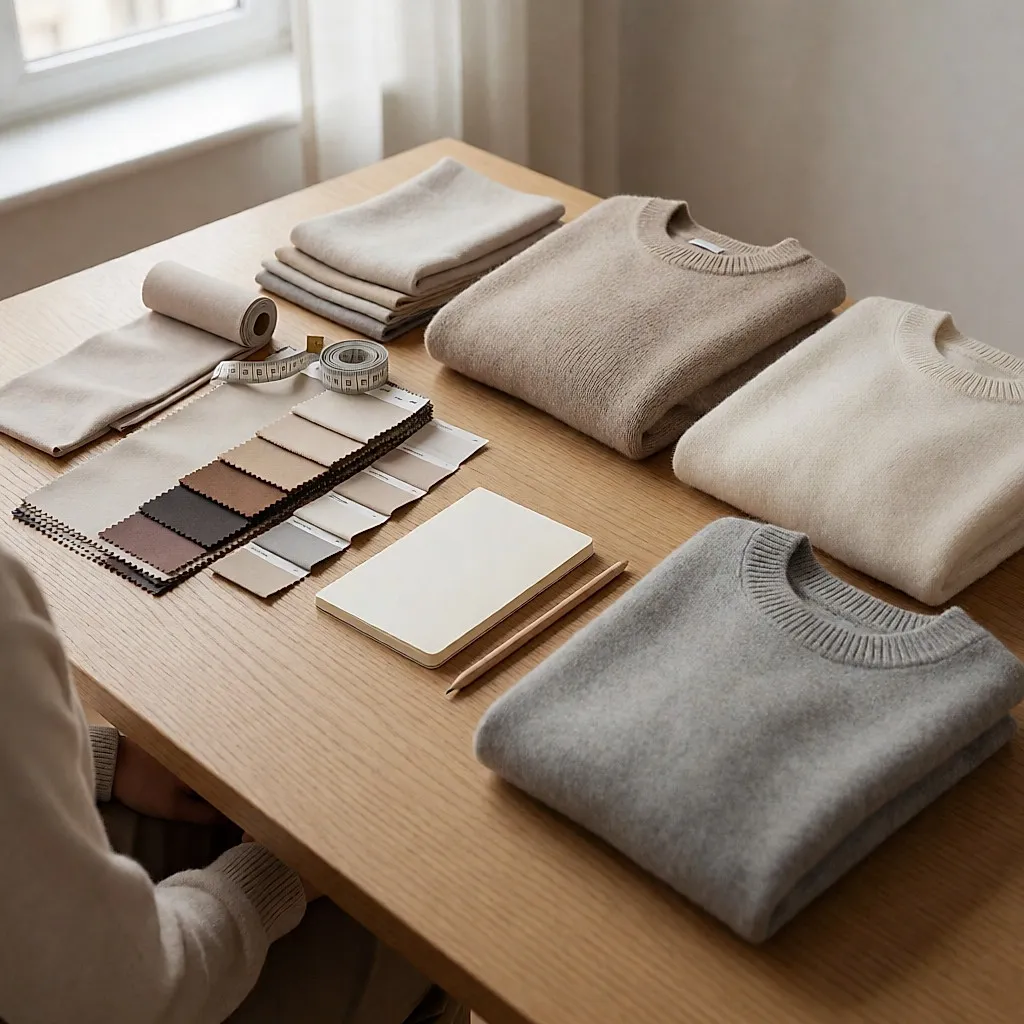
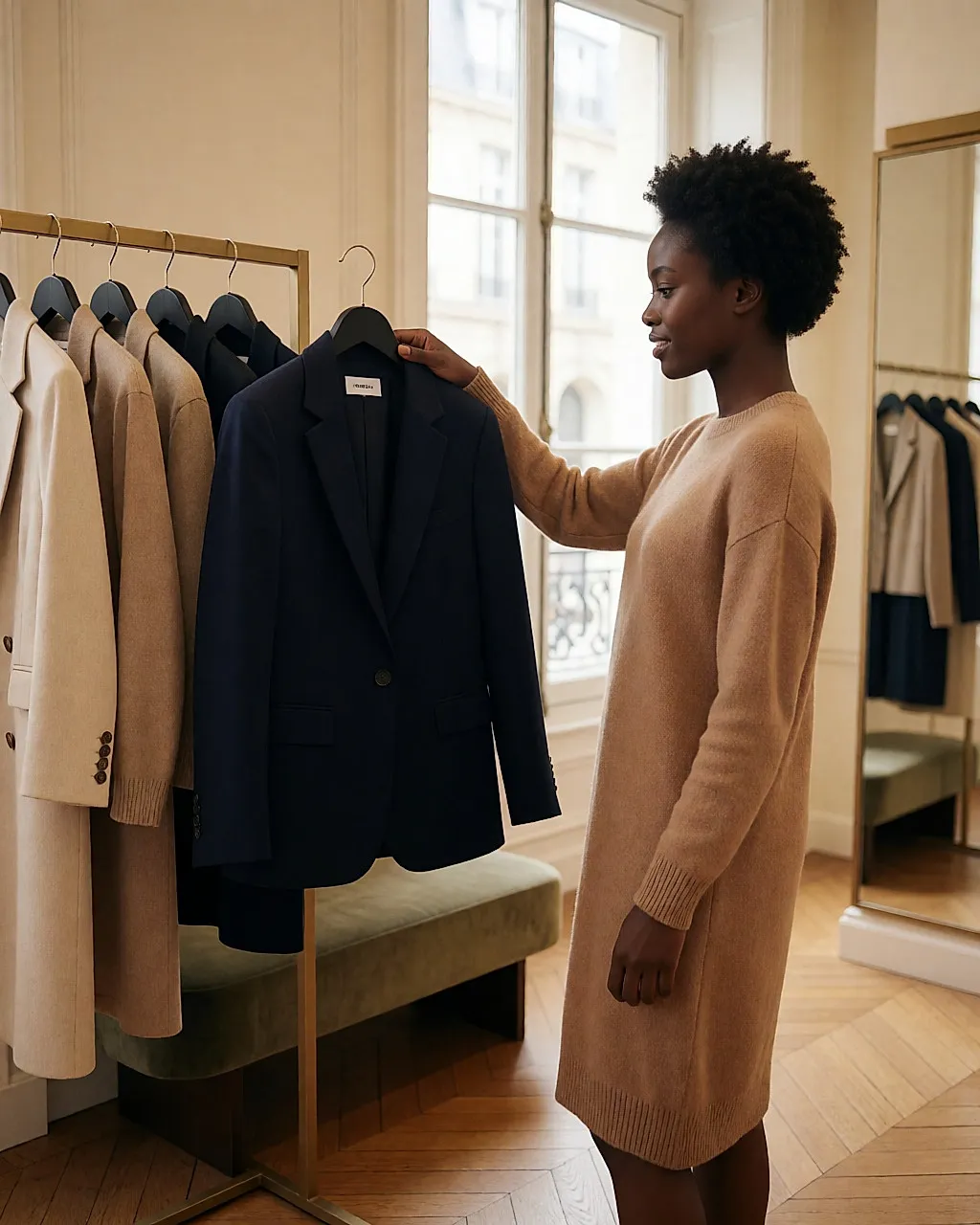
The advice is usually free, sometimes conditional on a purchase, sometimes charged and then deducted if you leave with pieces. Ask about the rules before you book: it's the first question to raise, and nobody minds.
Online: the box that saves you the back-and-forth
The model has spread. Services such as Lookiero send you an edit chosen by a stylist, after a detailed questionnaire. You keep what works, you send the rest back within a set window. The cost sits in a styling fee, often absorbed if you keep enough items.

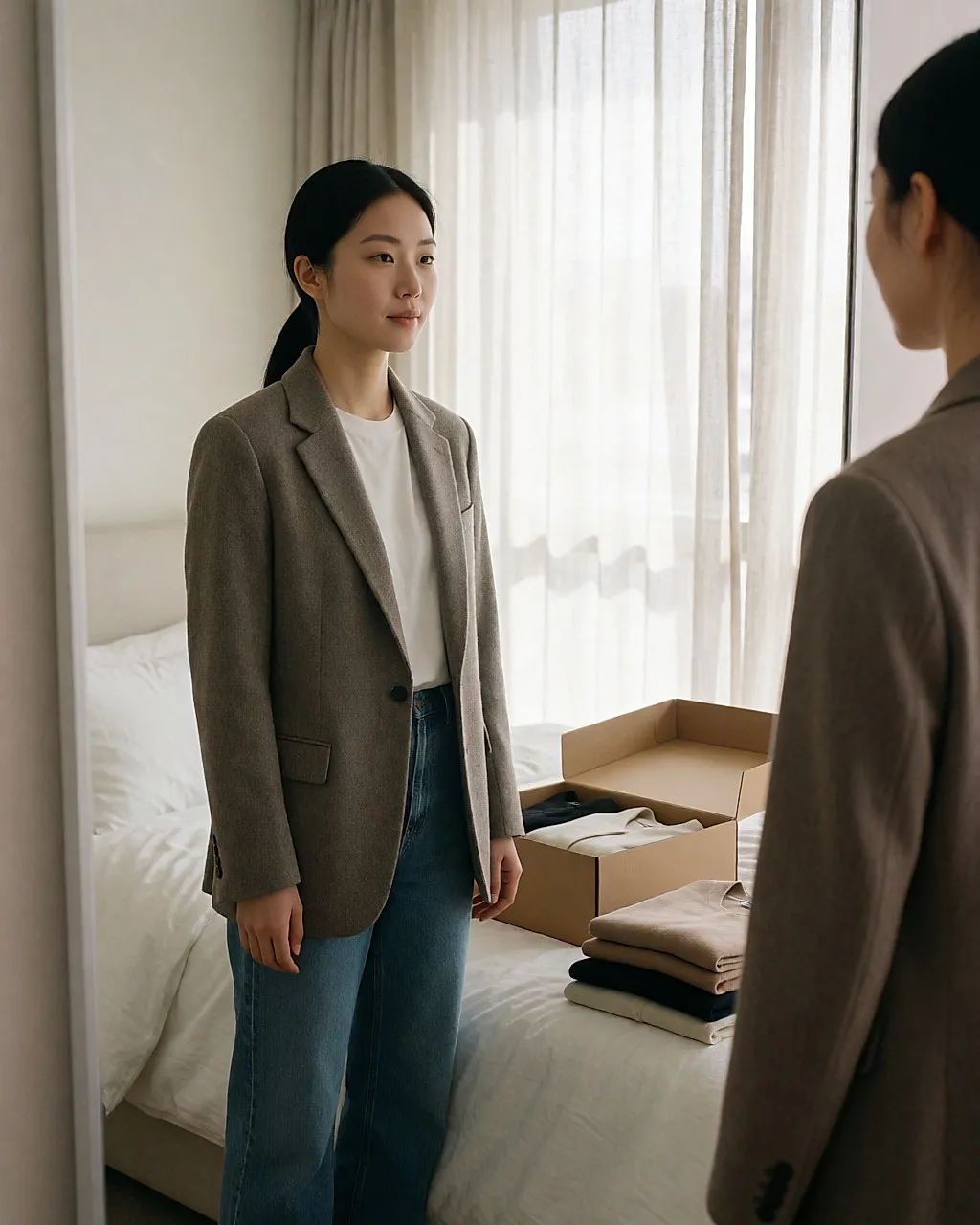
The upside: you try things on at home, with your own shoes, your own mirror, your own light — so you get a much better read on how a piece falls. The downside: you can't feel the fabric first. On a structured blazer or a coat, that's a genuine stumbling block.
And what about interiors?
The job spills well beyond clothing. Home staging, home styling, sourcing furniture: the same logic — a brief, an edit, a budget held to. This is where second-hand comes into its own. A chest of drawers found in an antiques market, a repaired lamp, a flea-market armchair reworked with a textured throw often cost less than an entry-level new piece, and look in a different league altogether.
Before you pay, check three things:
— the written brief (shape, budget, context): without it, you're paying for the adviser's own taste; — commission: some independents take a discount negotiated with brands. That's defensible, provided it's disclosed; — what happens at the end: how many pieces are proposed, how many sessions, and what if nothing appeals?
Second-hand: the real saving
This is where the time and money savings show up most clearly. Vinted, eBay and Gumtree, charity shops and vintage fairs: a good shopper knows the filters, spots a label, can tell whether a knit is salvageable or only fit for the rag bag.
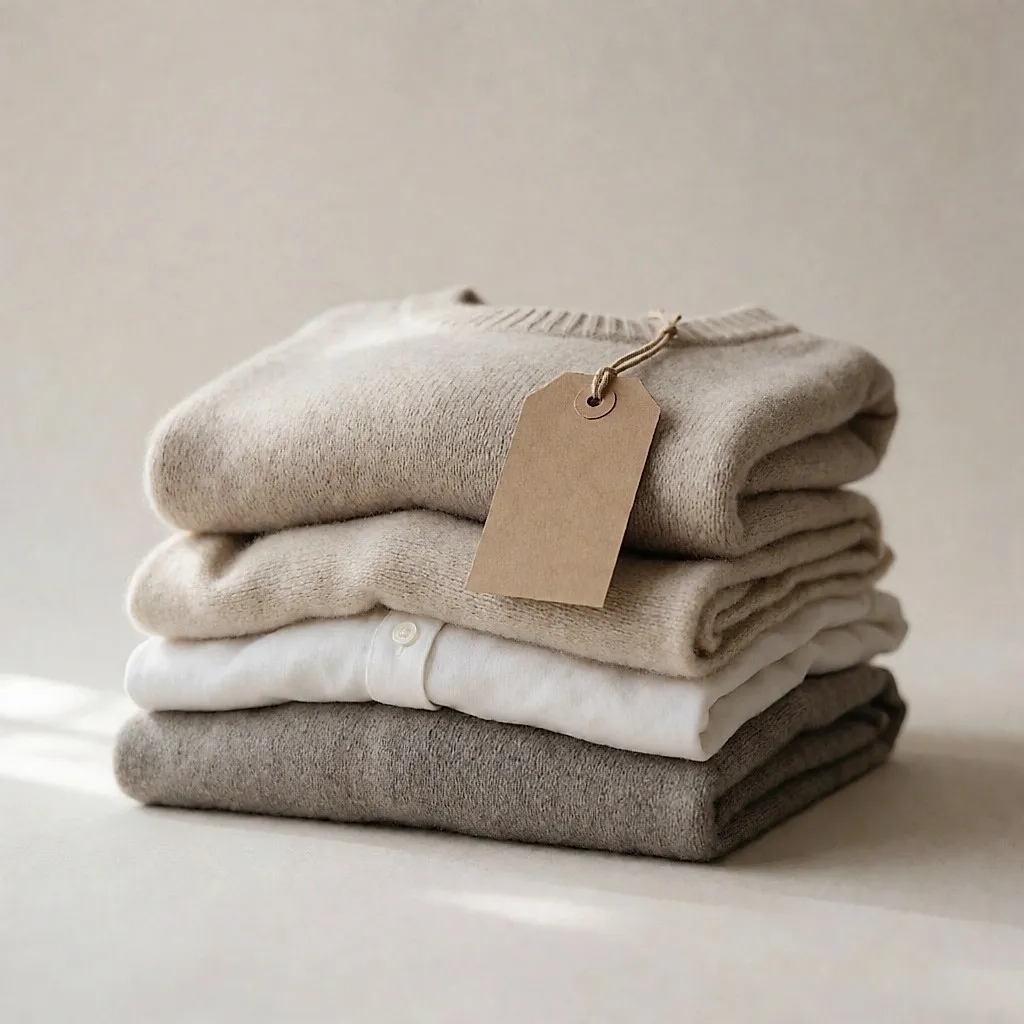
On impact, stay clear-eyed. A garment that has already been worn avoids restarting production, and the UK's textile collection and resale sector is well organised. But that doesn't excuse you from reading the label. A pre-owned polyester jumper is still a jumper that pills and ages badly. Certifications help you sort the good from the rest: GOTS governs the textile processing of certified organic fibres, from raw material to finished product — the growing side is covered by organic farming regulations. OEKO-TEX Standard 100 limits harmful substances, and GRS covers the recycled content share. None of them covers the whole life cycle, but they give you an honest starting point.
Budget
Figures vary widely by city and by experience. Treat these as observed ballparks, not a quote — I haven't tested every service myself, so check the terms of each one before you book.
- Department store: appointments often free, sometimes a service charged in the region of £45 to £130, deducted against a purchase. Confirm at the time of booking.
- Independent: expect roughly £50 to £175 for a two-to-three-hour session, more for a full-day package or a complete wardrobe overhaul.
- Online styling box: styling fees in the region of £9 to £22, frequently waived or deducted if you keep part of the selection. The garments are billed separately.
- Second-hand: from a few pounds in a charity shop to 50–70% of the new price for a labelled piece in excellent condition.
- Where: the department store's own website, a styling-box platform, or an independent stylist via their social channels. Compare commission before you say yes.
What pushes the cost up? The city, obviously — but also the length of the session, the number of pieces requested, and whether the fee is deducted from your purchases.
Chloé's verdict: yes, on one condition — insist on a written brief before you pay. Without one, you're paying someone to guess. And start by looking inside your own wardrobe: the piece you're missing isn't always the one you think.
Sources
- Selfridges — personal shopping services (selfridges.com)
- Harrods — By Appointment personal shopping (harrods.com)
- Lookiero — online styling box service (lookiero.co.uk)
- WRAP — environmental impact of textiles (wrap.ngo)
- Textiles 2030 — UK textile collection and recycling initiative (wrap.ngo/textiles2030)
- Environment Act 2021, legislation.gov.uk (legislation.gov.uk)


Comments
Your opinion matters: rate the article, react and reply to comments.
Comments are moderated; AI-assisted comments are flagged. Text emoticons (8-), :-), <3…) are automatically shown as images.