
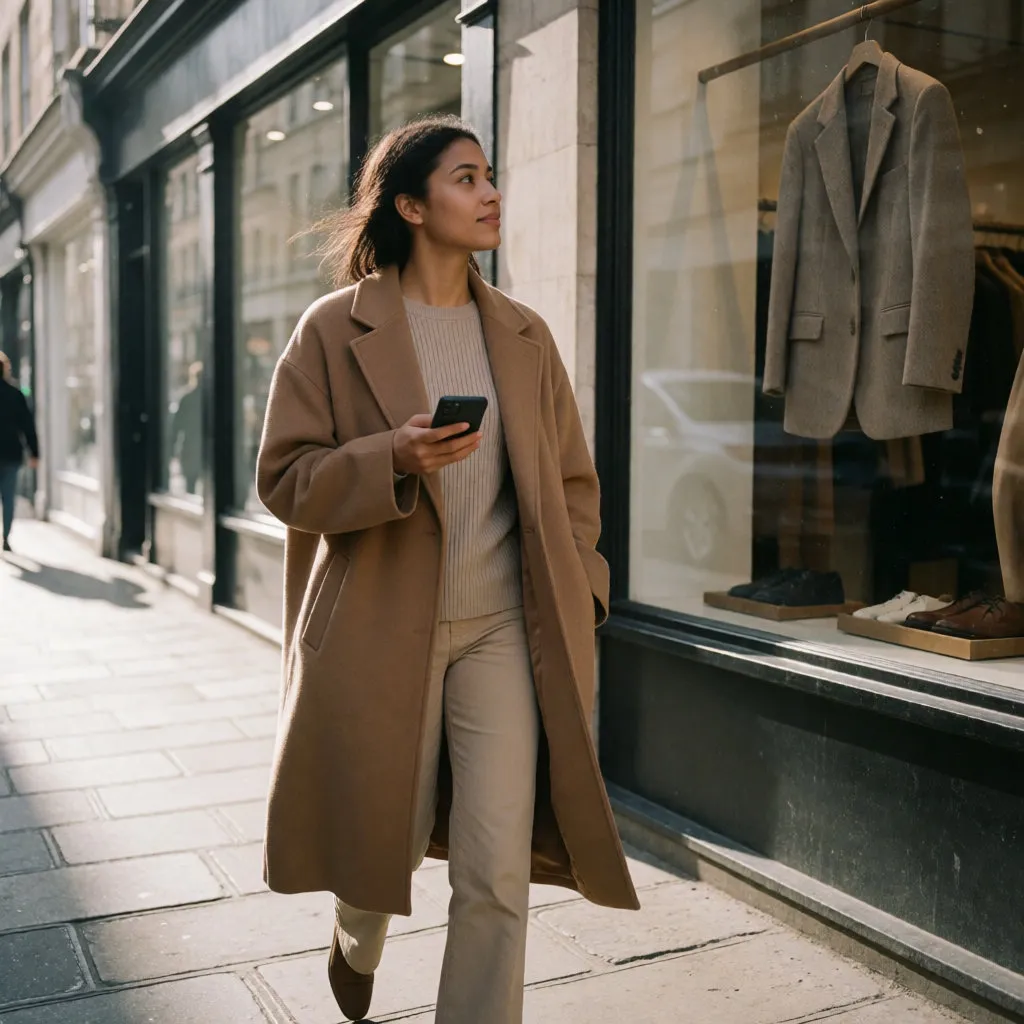
An hour to spare, two shops in mind, and a very particular idea of the wool blazer you want — the one that falls just right. You could spend that hour wandering three streets at random, crossing your fingers that your size is still on the rail. Or you could map the route before you leave the house, which is exactly the gap Cityprix.fr is aiming at — a platform that wants to put local shopkeepers and independent makers back at the centre of things.
How it works: search online, buy in person
The site bills itself as a search engine for your city: pick a category — fashion, beauty, leisure, culture, services — and the shops around you are meant to come up. That is worth checking on the platform itself, which may have moved on since. No parcel to wait in for, no cardboard to bin: you try things on there and then, with someone on hand to advise.
The rest comes down to human contact, or so the platform argues: a trader's own page, opening hours, a direct message to ask whether the piece you are after is in stock, and sometimes a perk reserved for members — features to confirm with Cityprix.fr. It is the old "I'll pop in and see you" reflex, but with the information in hand before you push the door open.
In the interest of full disclosure, I have not retested the platform since I first came across it, and its catalogue may have changed since. The principle holds up, though — and the principle is what matters here. It is a French platform, so its results stop at the Channel; the habit it encourages is the bit worth borrowing.
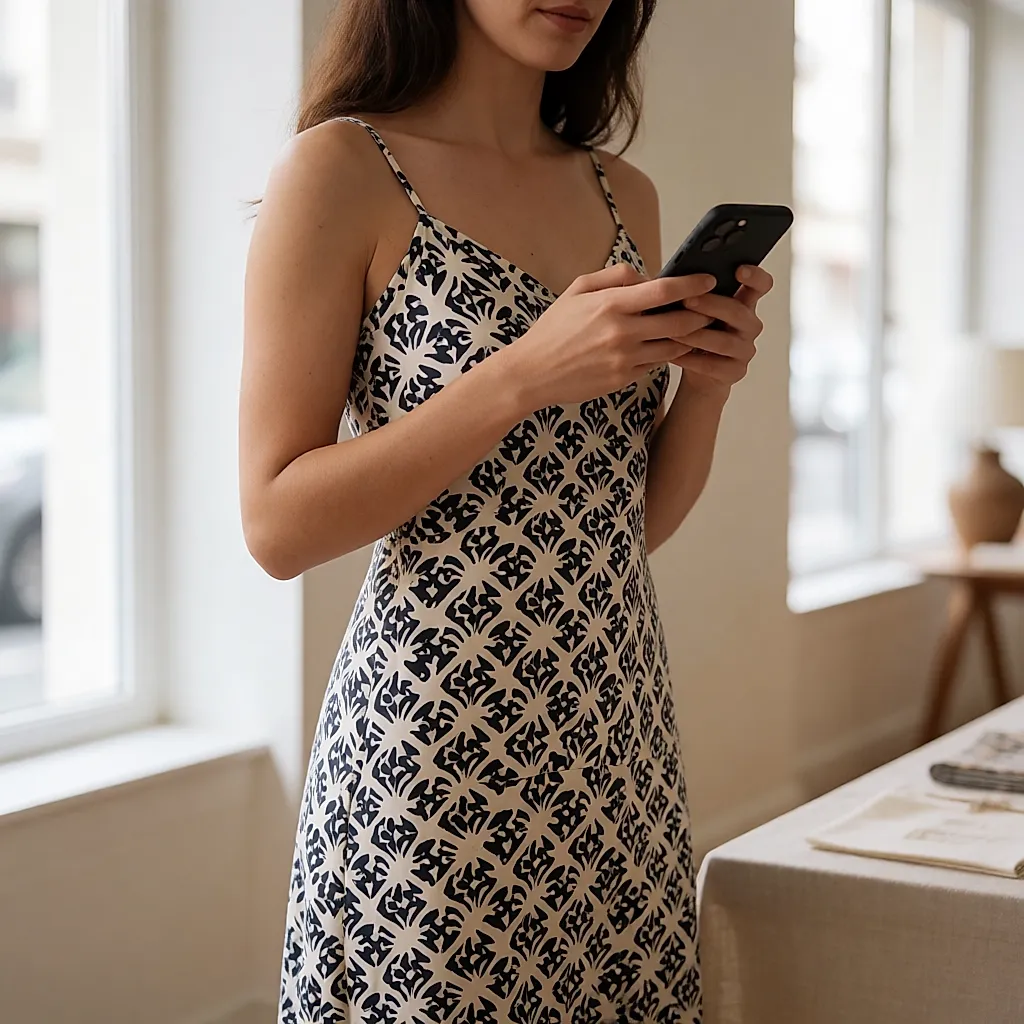
Start with your wardrobe, then reach for the platform
Before you click anything, one simple question: what are you actually looking for? A statement piece that gives the silhouette some structure, or a neutral basic that is easy to accessorise?
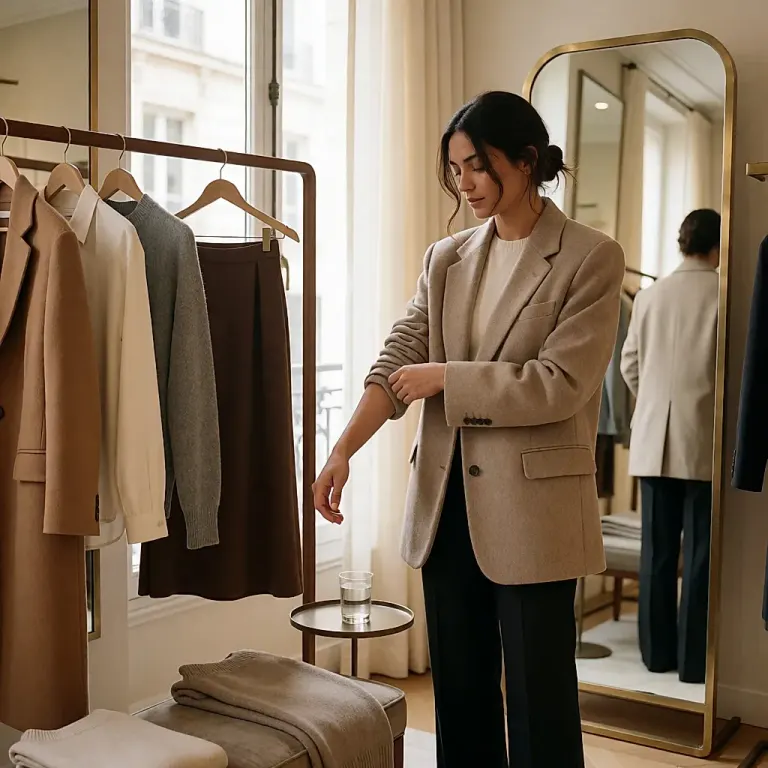
With fashion, it all comes down to fabric and cut. A heavy cotton, a carded wool, a clean fall change the look far more than a logo does. For a head-to-toe outfit, go for two textures that answer each other rather than three prints competing. And think about layering: a fine shirt slipped under a knit gives you the same silhouette with two extra seasons on the clock.
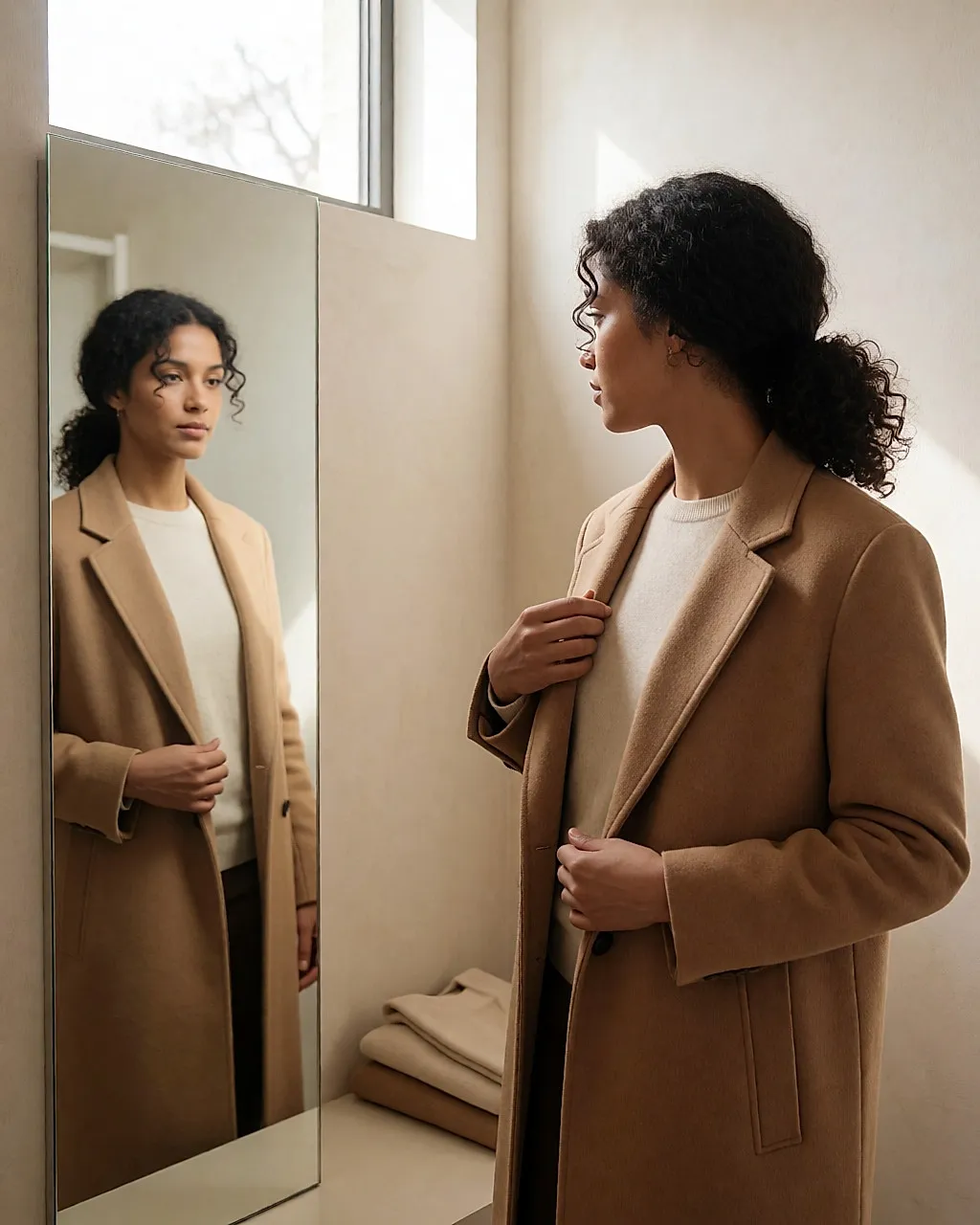
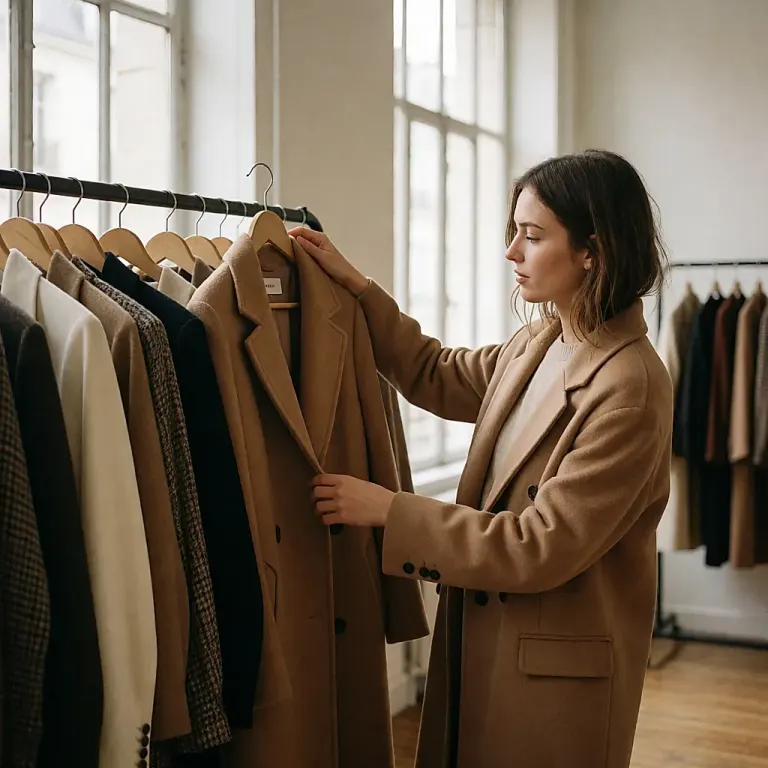
Honestly, this is where the shop still beats the product page: you put a hand on the fabric, you judge the cut in the mirror, you check whether the shade works with your colouring. For a capsule wardrobe, that time in the fitting room is worth every filter going.
Three habits that save you a wasted journey
- Message the shop about your size before you travel: some reply quickly.
- Check current promotions — they are not always the same in the window as on the listing online.
- Keep the cancellation rules in mind: your statutory right to cancel covers distance purchases rather than a piece you try on and take away in store, so ask the shop assistant before you pay.
One journey saved is twenty minutes back — enough to push open the door of a maker you had never heard of. That is often where the good surprises are, and the local alterations tailor quickly becomes your best ally.
What it costs
On the platform side, whether the buyer pays nothing at all still needs confirming with Cityprix.fr. If a commission does exist, it may be taken from the trader's side, which can feed into the price on the label.
In an independent shop, budget somewhere around £40 to £120 for a decent piece in a natural fabric, and more for local production or a small run. At a local alterations tailor, a simple hem usually sits between £10 and £25, and taking a garment in between £20 and £40. For a haircut, prices start at around £20 on the outskirts of town and climb quickly towards £60 in a city centre.
What moves the price: the fabric (wool, linen, organic cotton), where it was made, the area, and the services that come with it — alterations, packaging, a fitting. You will find those services in shops, workshops and salons, or online at the larger chains.
Comments
Your opinion matters: rate the article, react and reply to comments.
Comments are moderated; AI-assisted comments are flagged. Text emoticons (8-), :-), <3…) are automatically shown as images.