

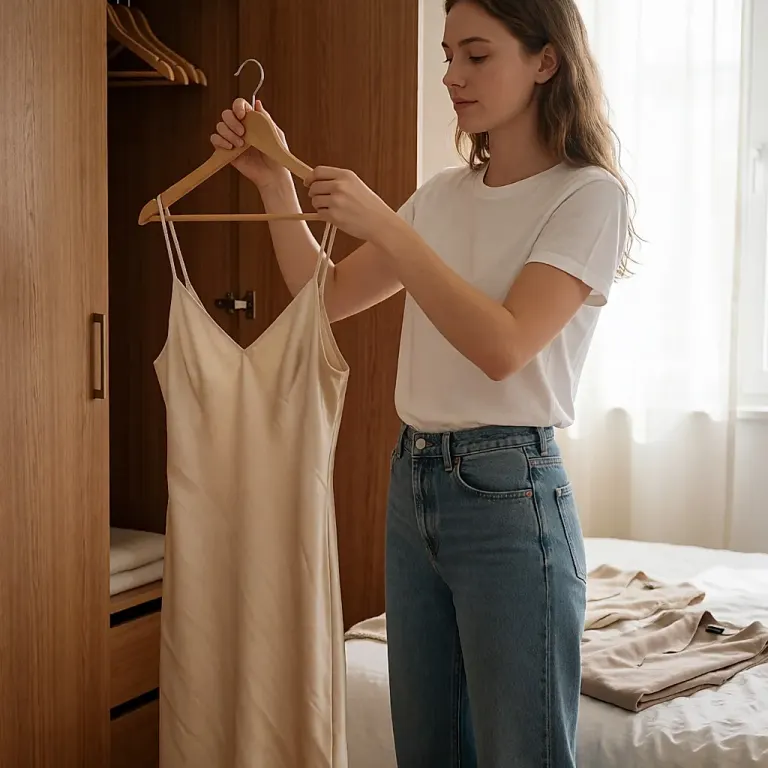
Ever ordered a jumper described as 'like new', only for it to turn up bobbly, with a limp drape and a cut that does nothing for you? At a sale like this, that little scenario never gets off the ground. You feel the fabric, try the piece on and judge the line in the mirror before you hand over a penny. That's the whole idea behind My Happy Dressing.
How it works, and what has changed since
The event was born in Paris, founded by two women in fashion: one an organiser of pop-up private sales, the other a journalist. Their aim? To shake off the musty jumble-sale image of the traditional wardrobe clear-out. The upshot is a travelling event where around a hundred sellers lay their wardrobes out on rails, across a space of several hundred square metres, with a fresh-juice bar and a snack corner. The original slogan, 'Second Life for Luxury', still stands.
What has changed, though, is the regulatory backdrop. The textile sector has an eco-organisation, Refashion, whose remit was strengthened by France's 2020 AGEC law, and the destruction of unsold non-food goods is now regulated. And from 27 September 2026, EU directive 2024/825 will apply: any environmental claim will have to be backed up. In other words, a card scrawled with 'eco-friendly vintage' no longer cuts it.
What you'll find on the rails
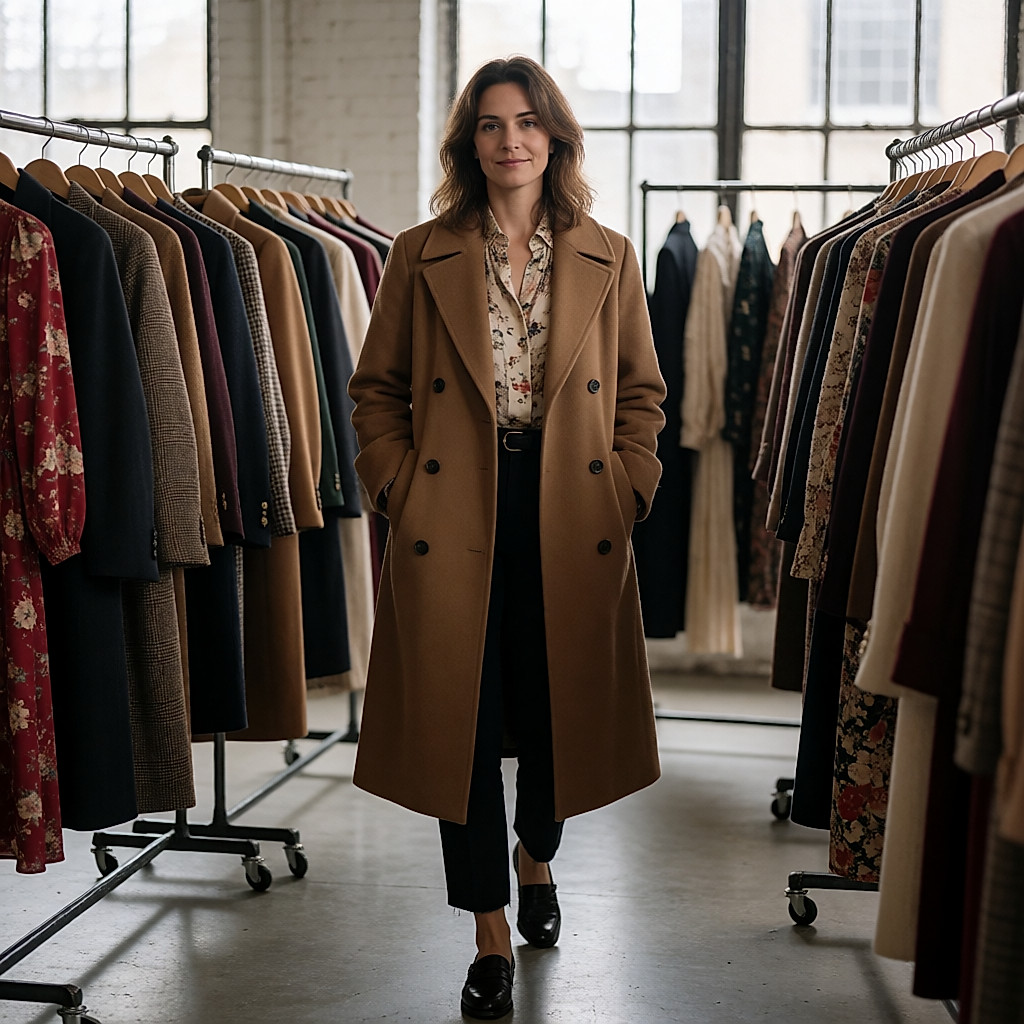
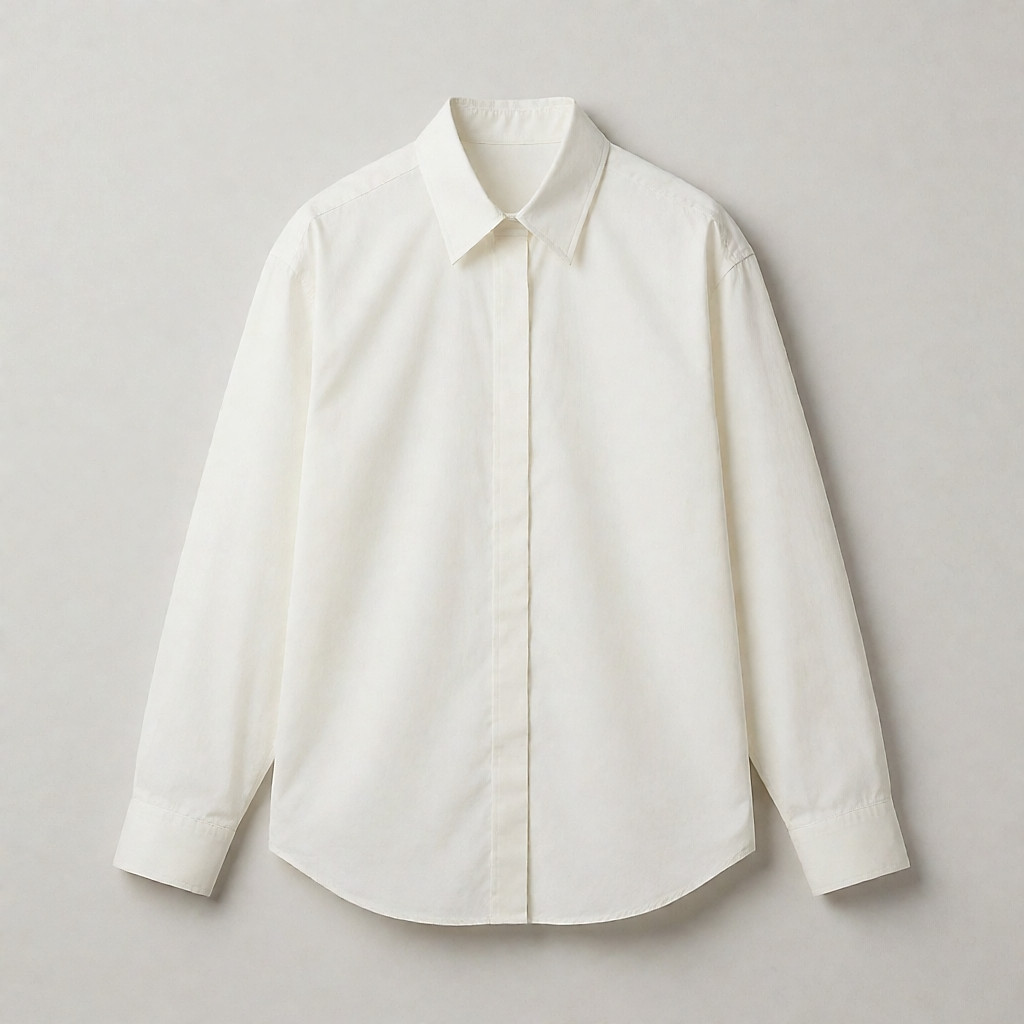
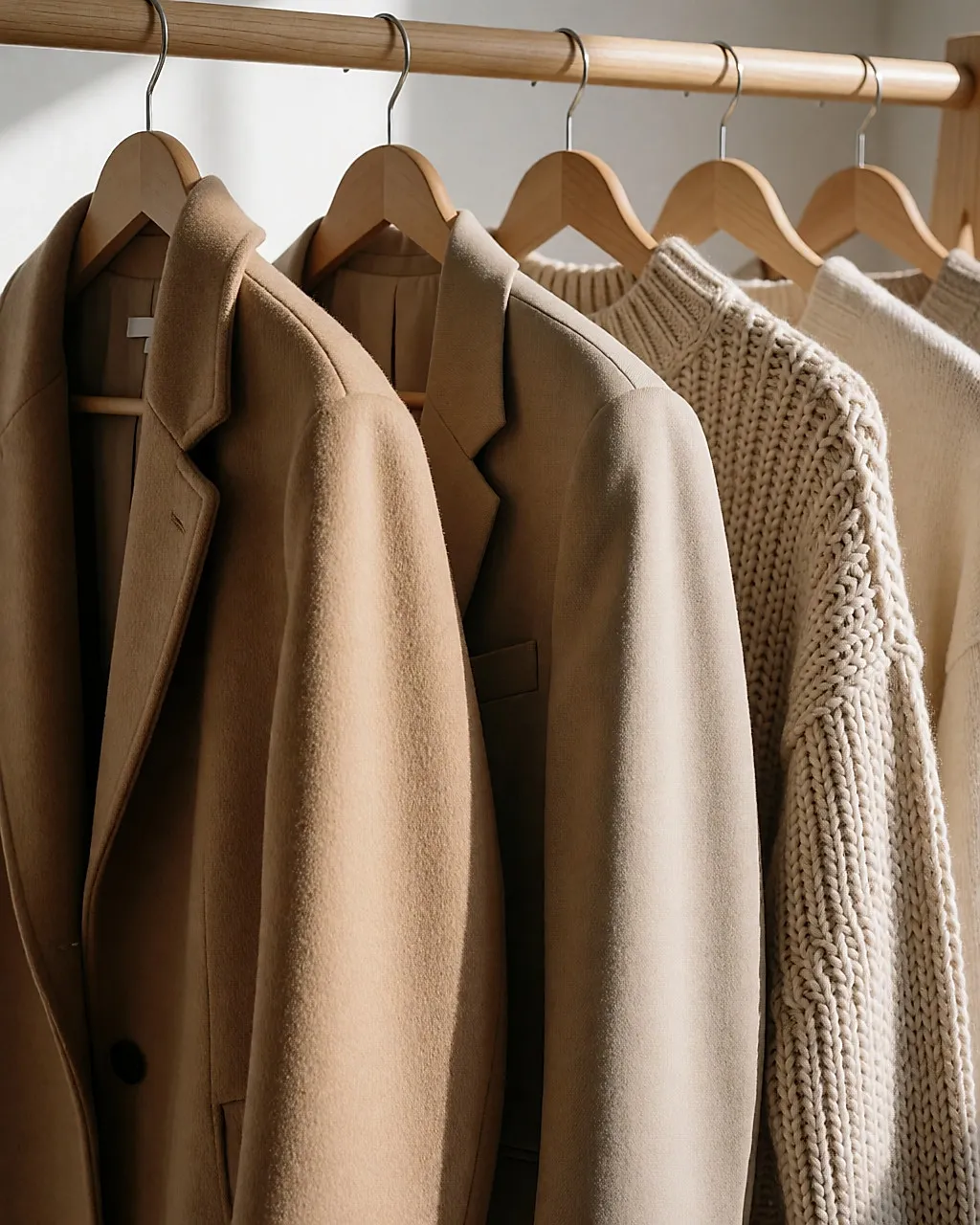
Whole wardrobes, not end-of-line stock. Wool coats with a clean drape, jackets with a structured shoulder, fluid dresses, chunky knitwear, the odd piece of vintage jewellery. Enough to put together a seasonal layered look without forcing it: a poplin shirt slipped under a wool cardigan, a long viscose skirt, chunky-soled boots. On the labels, the mix is broad — luxury houses, contemporary labels, young designers — and the prices follow, wildly uneven from one rail to the next. That's the point, but it also means you can come away empty-handed.
How to shop it without getting caught out
A statement piece that catches your eye isn't automatically worth the trip to the fitting room. A few habits to lock in before you reach the till:
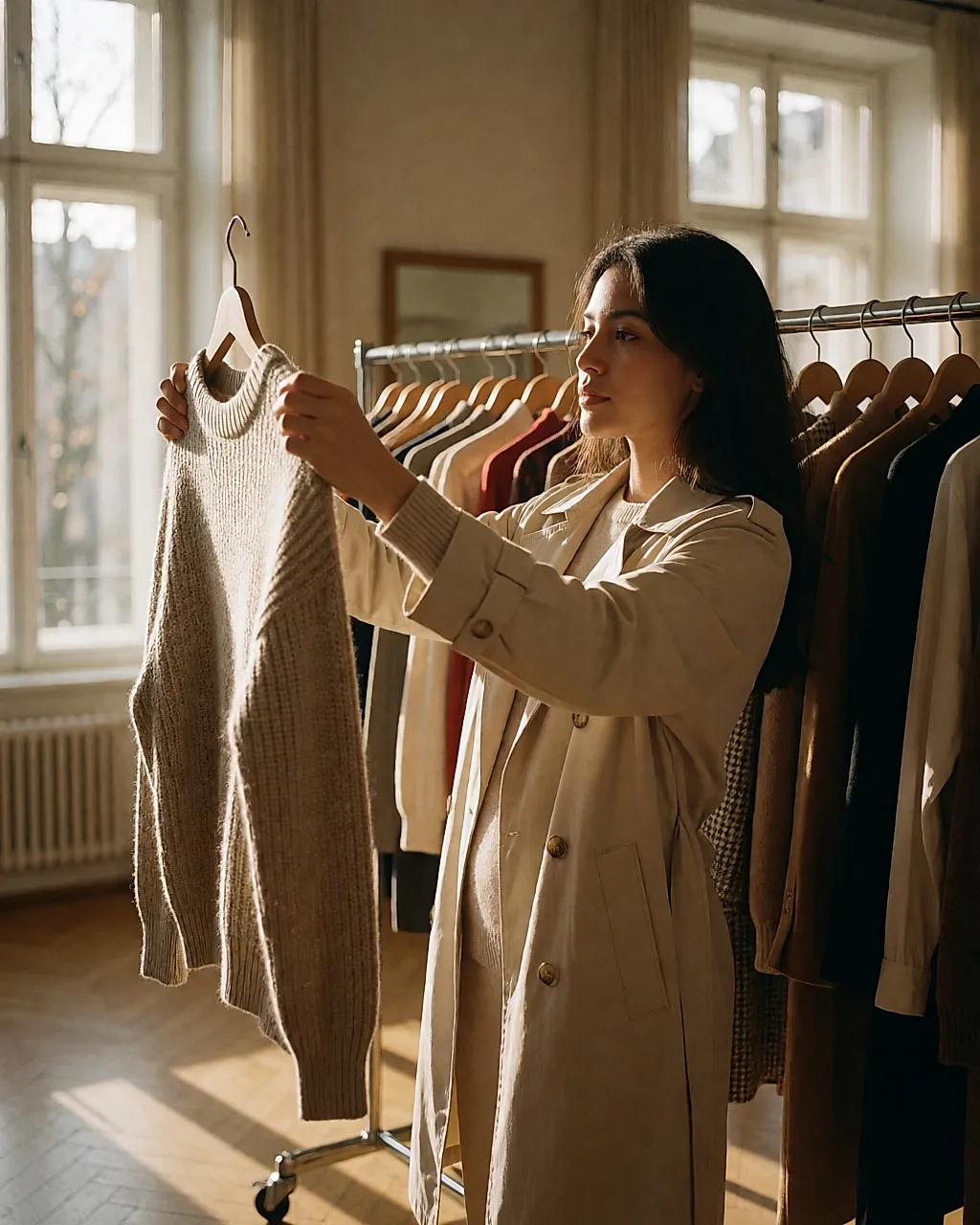
- Turn the piece inside out: seams, lining, fastenings. A stretched knit won't spring back.
- Read the composition on the inside label — treat a '100% cashmere' with no label at all with suspicion.
- Have a sniff. A heavy smell of detergent often masks a stain or damp storage.
- Haggle late in the day: sellers would rather thin out their rail than pack the whole lot up again.
What it costs
At the door, it ranges from free to around £10, and it's pricier early on. If you're selling, hiring a rail or a table usually lands somewhere between £30 and £80 for the day, depending on the venue and the city.
On the buying side, the gaps are enormous, and that's part of the game. A few tens of pounds will get you a piece by a young designer; you're looking at more like £150 to £300 for a piece from an established house in good condition; and from several hundred to several thousand pounds for a luxury bag or trench. Rarity, condition, the original receipt and the box account for most of the difference.
Online, Vinted and eBay are usually the cheapest between individuals. Vestiaire Collective takes a commission from the seller, variable according to the sale price — worth factoring in if you're selling on your own account. Neighbourhood consignment shops round out the picture, with one sizeable advantage: you can try before you buy.
Sources
- Law no. 2020-105 of 10 February 2020 on the circular economy and the fight against waste (AGEC) — Legifrance
- Directive (EU) 2024/825 of 28 February 2024 on empowering consumers for the green transition — EUR-Lex
- ADEME, textiles and sustainable fashion briefing — ademe.fr
- Refashion, textiles EPR scheme — refashion.fr
- Vinted, Vestiaire Collective, eBay — official sites


Comments
Your opinion matters: rate the article, react and reply to comments.
Comments are moderated; AI-assisted comments are flagged. Text emoticons (8-), :-), <3…) are automatically shown as images.