
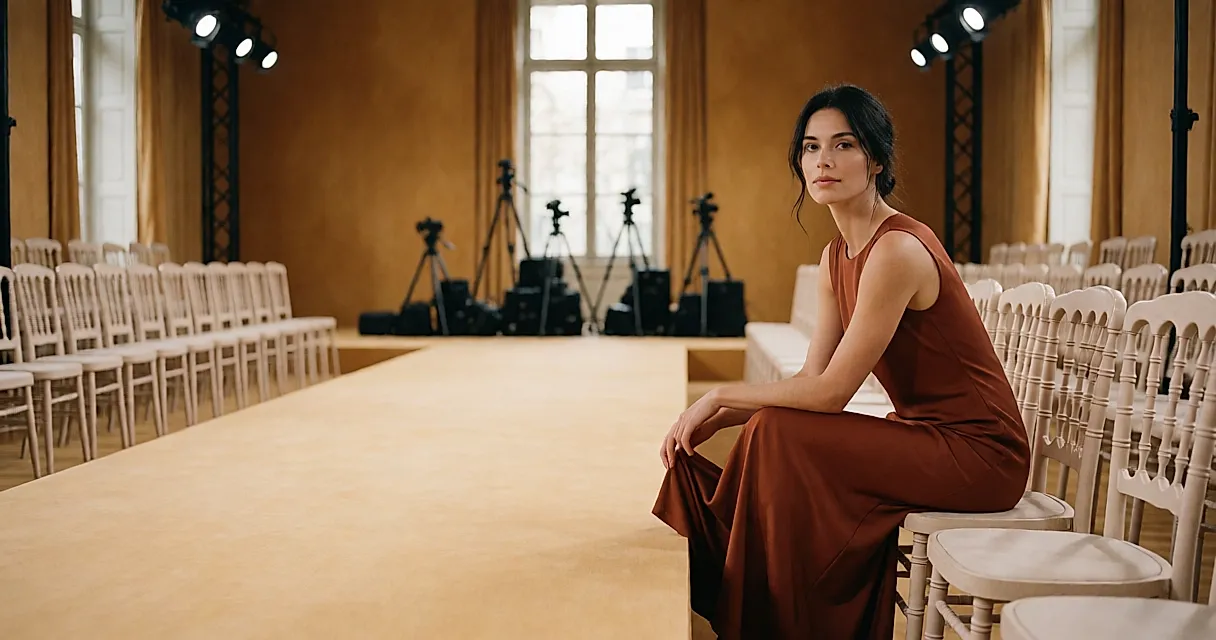
A silk crepe dress, three pins and a hem you no longer dare sew. Between the fitting and the first wear, the hemline has shifted by a few centimetres. It is not necessarily the dress shrinking in the wash; it is the cut doing the work. A bias-cut dress lengthens as it hangs under its own weight. The question is which of the two lengths to keep.
The diagonal, and why it is no shortcut
A fabric is woven in two directions: the warp and the weft, well-behaved and straight. A bias cut ignores both and cuts on the diagonal, at 45° to the straight grain. The fabric loses its structure, gains stretch and starts to drape over the body instead of holding it. In the 1920s and 1930s, Madeleine Vionnet made it a signature: dresses that look as if they have simply been placed there, with no darts to hold them in.
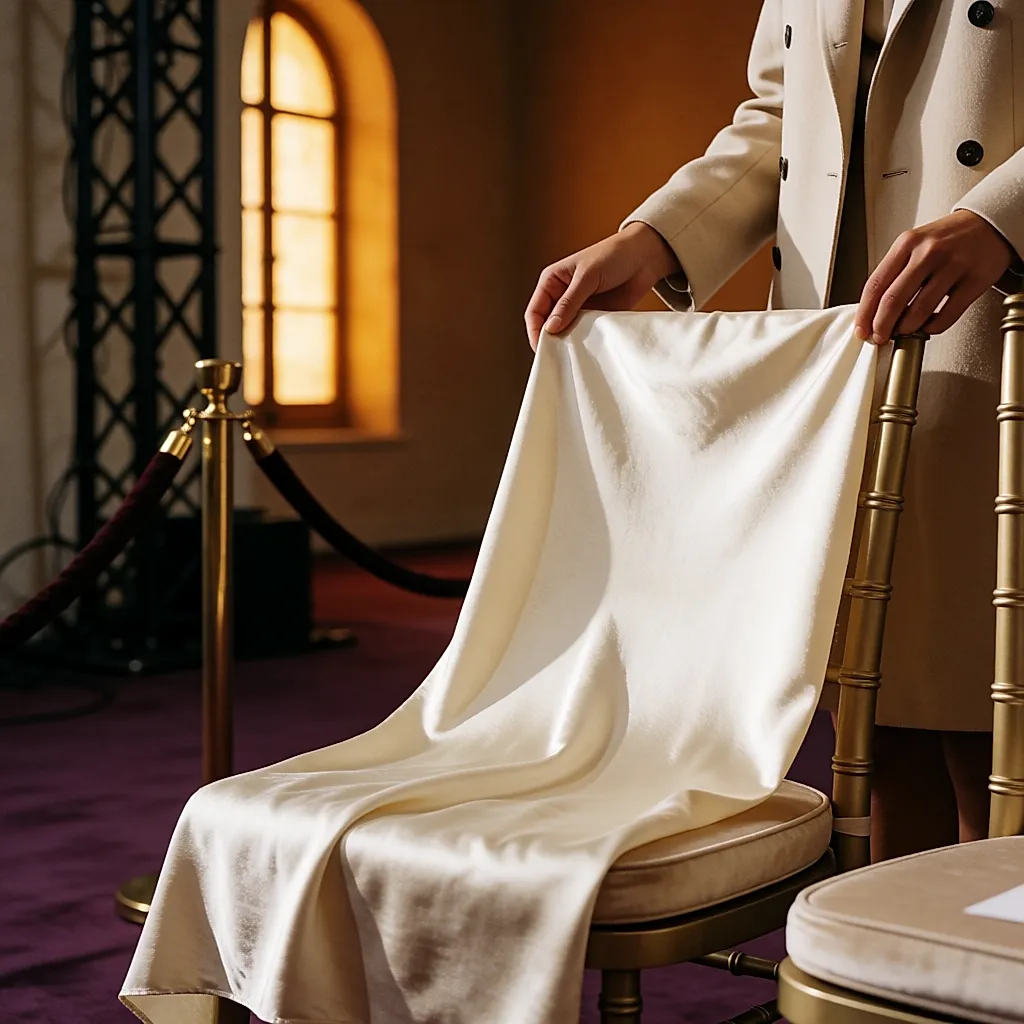
It is also where the sales line comes from, the one that resurfaces every autumn: the diagonal is said to draw the eye down the body, making the silhouette look longer. The idea roughly holds, provided you look a little more closely at the fabric. A slightly heavier crepe draws a clean, long line; a fabric that is too light clings, rides up, and the diagonal tells a different story. Marketing line or genuine bonus? A bit of both: a bias cut is not magic on its own, and it needs a minimum fabric weight to hang properly.
Why the dress really does get longer
Why does a bias-cut dress get longer when no seam has moved? Because bias-cut fabric is supple: under its own weight the garment drops, the threads slip a little and the whole thing relaxes. It is mechanical and completely normal. A straight-cut dress tends to keep its length; a bias-cut dress follows gravity.

Which is why it is better not to fix a bias hem straight away. In practice, many people let the piece hang for a day, sometimes longer for a long dress, and then recut. Some pin a temporary length in the evening and later find they have extra length to spare. Hence the saying in sewing rooms: hemming a bias cut means hemming it twice.
Now for the hem
Once the dress has relaxed, mark the length with tacking thread — a contrasting cotton thread that is supple and does not pull — then sew a hand-stitched invisible hem. On a fine bias cut, machine stitching can quickly stiffen the hem and draw perfectly unintentional little waves. A fine, supple hand-sewn hem preserves the drape.
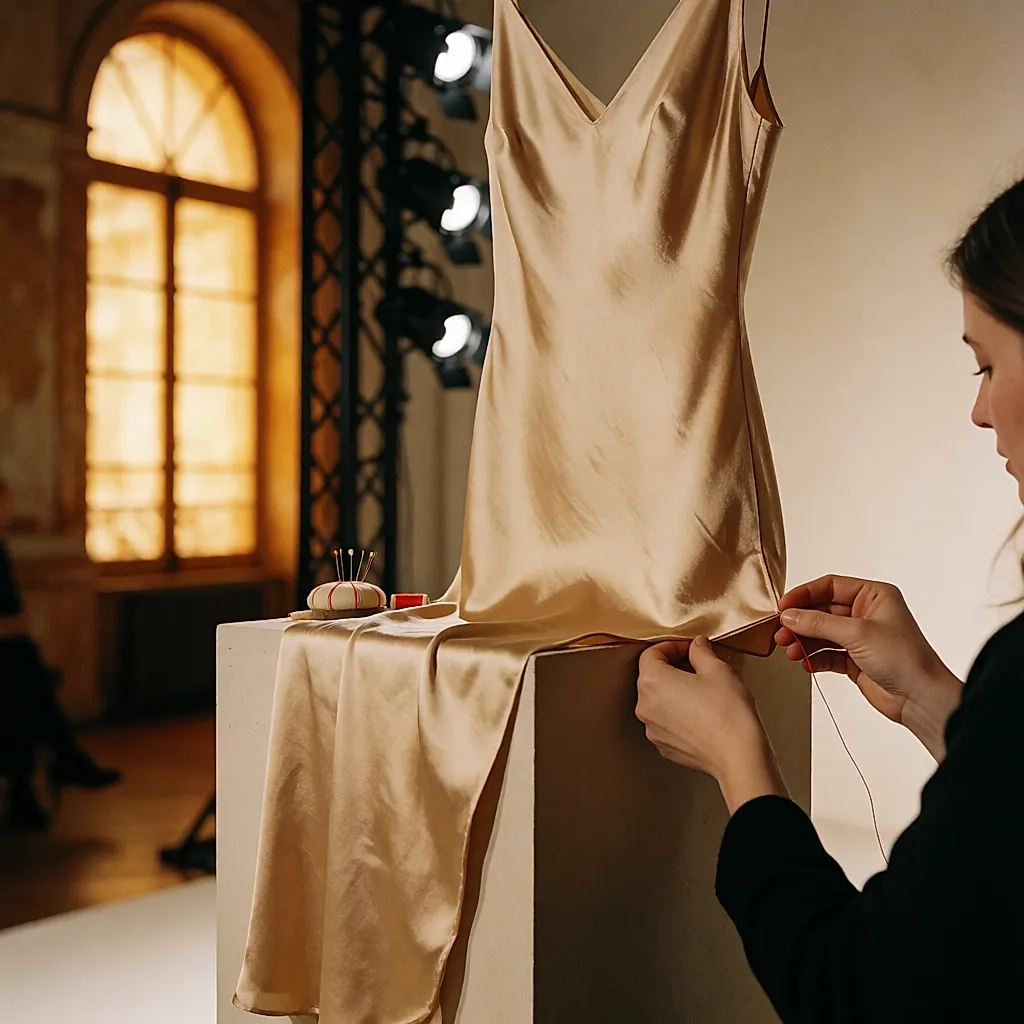
For lightweight silks, a rolled hem works beautifully: three millimetres, a tight stitch, and the dress keeps floating. But standing still in front of a fitting-room mirror tells you none of this. It is when you walk, sit down and climb four steps that you see whether the dress has grown again.
- Let the piece hang for a day — longer for a long dress — before fixing the hem.
- Mark with tacking thread, never chalk on silk.
- Try it on with the shoes you plan to wear, both standing and seated.
- If in doubt, keep a margin: recutting is easy, lengthening is not.
The fabric does half the work
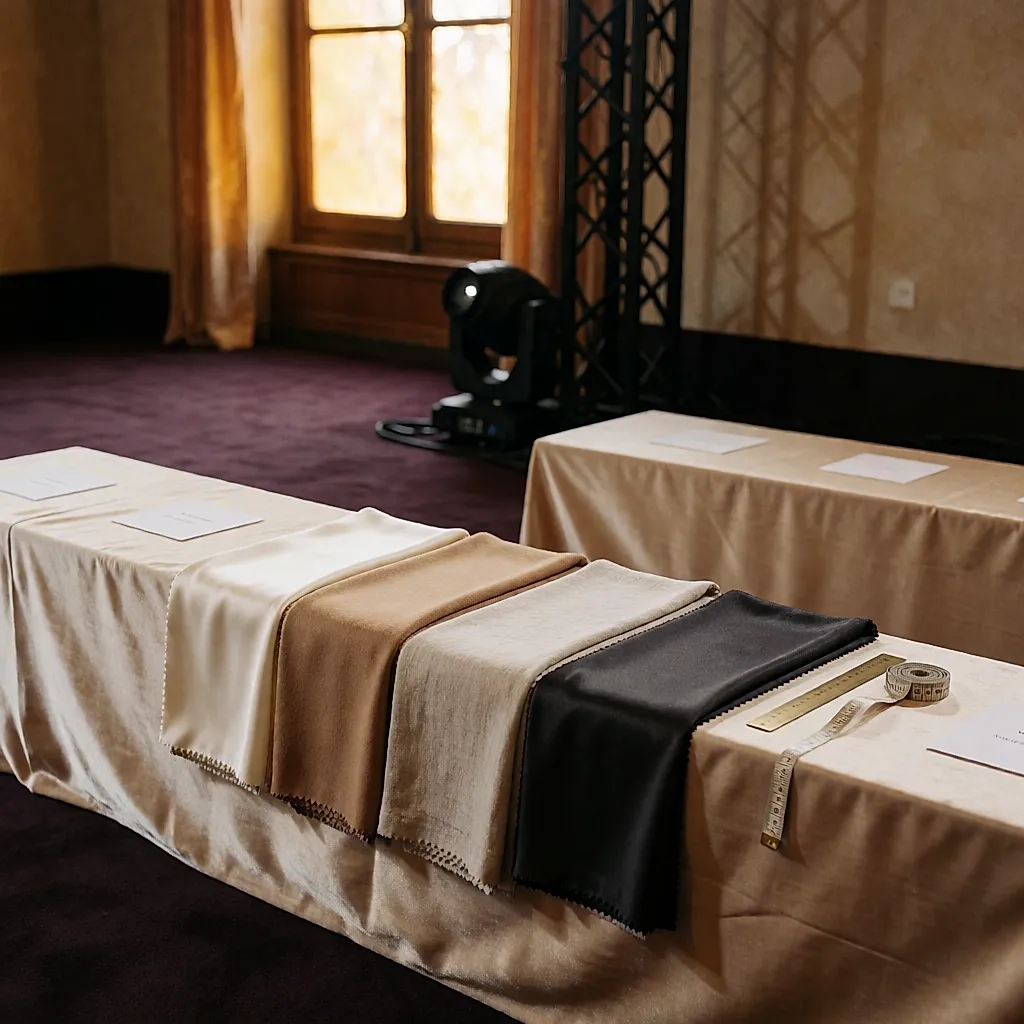
The fabrics that forgive a bias cut are those with body without being stiff: silk crepe, wool crepe, silk jersey, washed linen. Linen, in particular, is the most unpredictable: it stretches a lot, so it is better to wash it before sewing or hemming, otherwise the surprise arrives at the first wash. For everything else, one habit: turn over the label and check the synthetic fibre content. A blend that is too light can distort quickly and attract static.
A second check, less often admitted: a bias cut does not lie about what is underneath. It highlights visible underwear lines, follows every curve and hides nothing. If you are after a wrapped silhouette and a fluid drape, it is the one. If you want support and a line that holds itself up, look instead to a straight fabric and darts. So the right question is not what body shape you have, but what drape you want, and what you are happy to show.
What it costs
Prices depend on what you need. As a rough UK guide, a new bias-cut silk crepe dress often sits around £200–£450 in ready-to-wear; in wool crepe or linen, think more like £120–£250. Second-hand is still the best hunting ground: £40–£120 for good pieces, and a vintage bias cut may well have done all its lengthening already.
For alterations, a hem at a local tailor or seamstress usually costs around £15–£40, a little more at a specialist alterations studio or if the hem is lined. The clever alternative: buy the piece slightly long and keep the extra margin, rather than chasing two centimetres you have lost.
Ultimately, a bias cut asks for the same thing as good pastry: a little patience. Time for the dress to drop, for the length to settle, for the hem to find its place. The rest is you, a pair of pins and the shoes you will actually wear. And if you try only one dress this season, try it walking, unhurried, with no mirror behind you: that is when you feel whether the drape is working for you.

Comments
Your opinion matters: rate the article, react and reply to comments.
Comments are moderated; AI-assisted comments are flagged. Text emoticons (8-), :-), <3…) are automatically shown as images.