
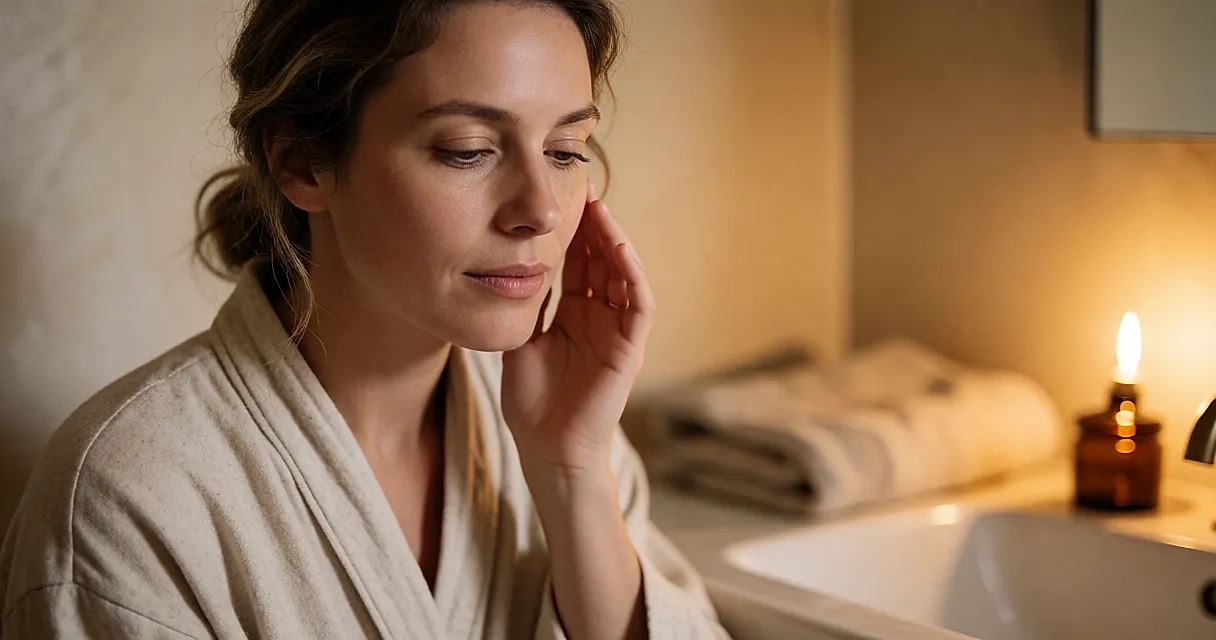
November, 11pm: your cheek pulls under your fingers like a too-tight sheet. You've dug out the ‘rich’ pot you bought in January, the one that promised the earth — and by the next morning your forehead is gleaming like a freshly polished floor. The cream may not be the problem. The problem may be the hour it lands on your face.
It's about the order, not the pot
What skin wants when the air turns dry isn't necessarily more, it's better placed. A rich texture applied at 7.45am to a face about to face the Tube, a stuffy office and a meeting that overruns is a ski jacket in a gym: too hot, wrong moment. At night, the same rich layer has nothing else to do but sit there, quietly, for eight hours.
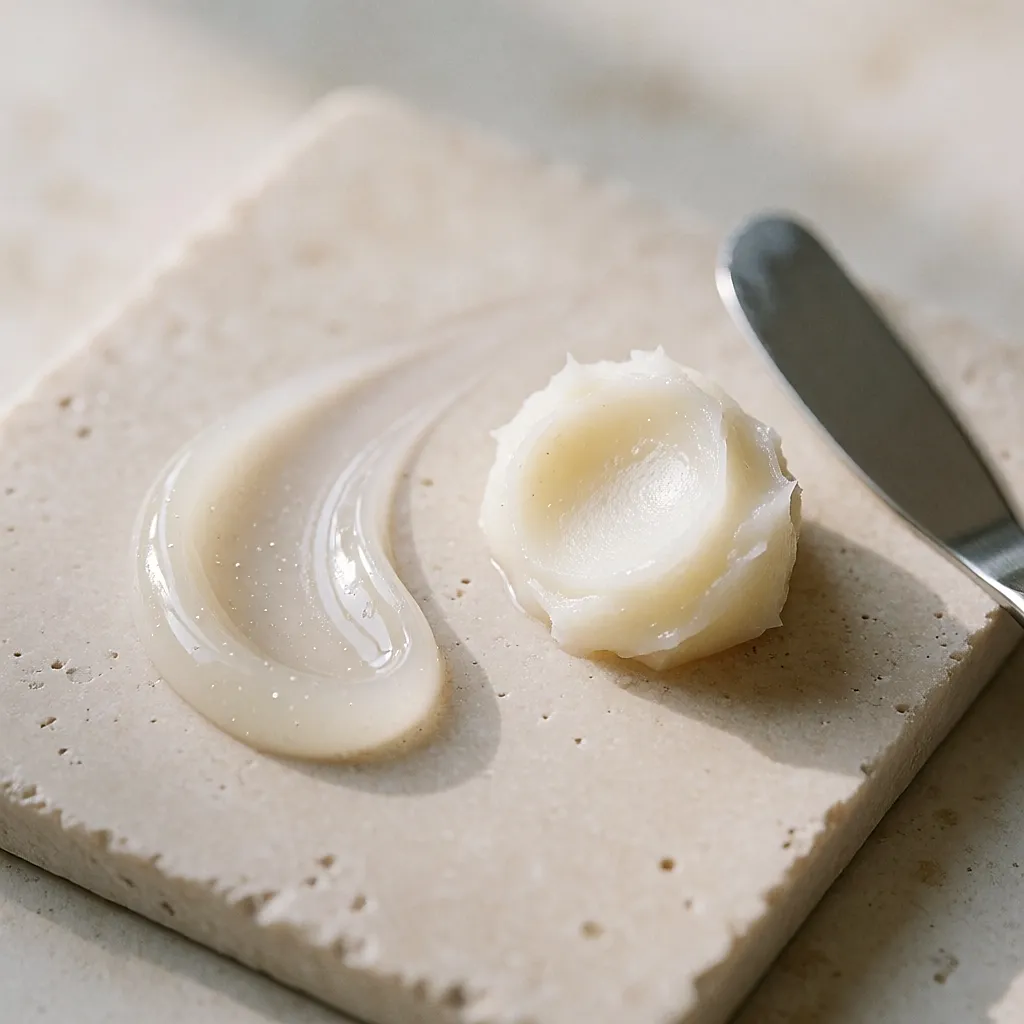
The logic behind the method — light in the morning, rich at night — comes down to one image: you're not filling a sponge, you're holding on to the water already in it. Balms, butters, oils: their job is to form a film that limits water loss. There still has to be water to hold on to. Applied to dry skin, the most opulent layer in the world slides about and sits on top: it mainly delivers an occlusive effect and can feel less comfortable than it would on damp skin.
Mornings are for light layers, and for getting out fast
Allow about two minutes for the morning ritual — and that's plenty. Lukewarm water, a gentle cleanse, a fluid or a gel, then your usual daytime protection. Nothing dramatic, but an order not to reverse: thinnest to thickest. That's what decides whether it all sinks in or pills under your foundation.

Know that tight feeling by mid-afternoon? Before you buy something richer, look at how you're cleansing: a gel that's too harsh, water that's too hot, make-up removed three times over, and your barrier has been stripped for the day. That 3pm tightness usually starts there. Slapping a rich cream on top to compensate is a plaster over a running tap.
At night, everything hinges on damp skin
The move that matters comes down to three words: on damp skin. Cleanse, pat your face without drying it completely, and apply straight after cleansing — don't wait for skin to dry. An emulsion first, then a richer layer on the areas that feel tight. Skin keeps the water; the film on top locks the door.
On quantity, a pea-sized amount is enough, warmed between your palms so it spreads instead of dragging. With combination skin, don't treat forehead and nose the same way as your cheeks: the areas that shine don't need as much comfort as the contours of the face, which winter cold hits first. And don't ask me for a results timetable — I don't have an honest number to give you; that feeling of suppleness comes back on a rhythm that varies wildly from one skin to the next.
Unsure which texture to go for? Try the most fragile area — around the mouth or under the eye — for a few evenings. If it feels tight, stings or stays sticky, the layer is either too thick or going on dry skin. Either way, it isn't the product that needs changing, it's how you apply it.
What it really costs
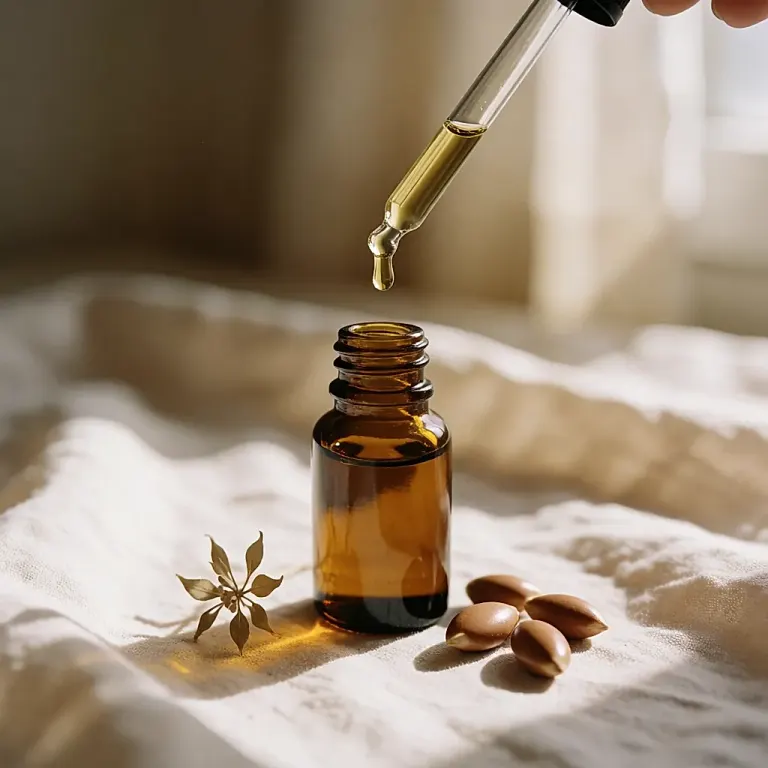
Nothing here pushes you towards the priciest shelf. Expect to pay £10 to £25 for a hydrating gel or fluid, from a high-street chemist, a pharmacy or a beauty retailer depending on the range. For the overnight rich layer, a plain balm usually sits between £8 and £20, and an organic plant oil — jojoba, sweet almond, macadamia — costs around £8 to £15 for 100 ml at a health food shop, which lasts for months. At that price, the real luxury isn't in the pot: it's in the regularity.
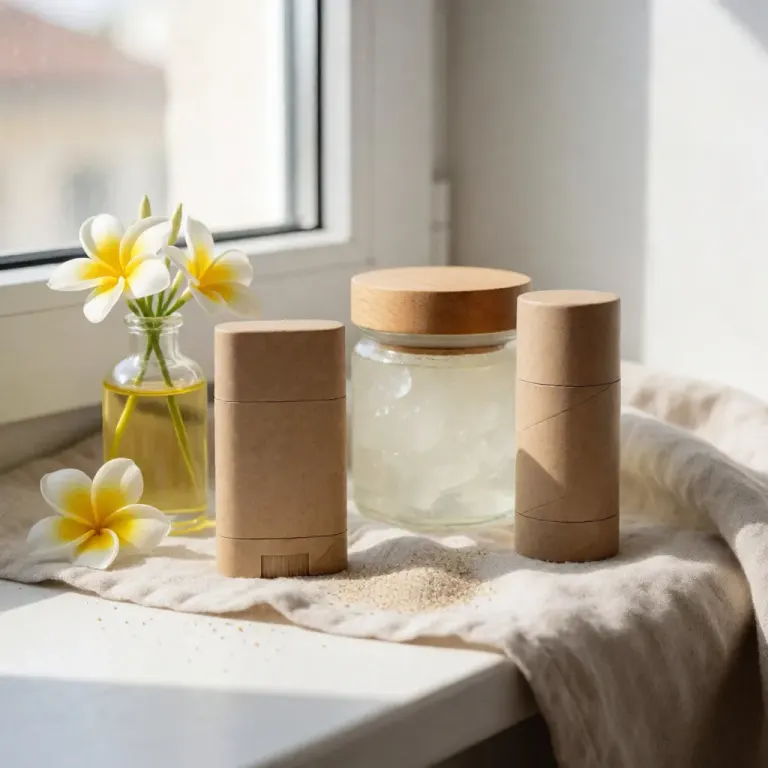
On packaging, keep it simple: glass, refills where your local shop offers them, bulk buying where it exists near you. One caveat, though: a refill isn't green by definition; if it's made of composite plastic and shipped from the other side of the world, the gain is slim. A single-bottle plant oil has the virtue of simplicity — and of sitting on the shelf for a long time.
The good thing about this method is that it asks you to buy almost nothing extra: it moves your appointments around. At night you take the time for an emulsion on damp skin; in the morning you leave the thick layer in the drawer. Often that's what's left, at night, when you're tired and in a hurry: this one gesture, at the right hour, on the right skin.

Comments
Your opinion matters: rate the article, react and reply to comments.
Comments are moderated; AI-assisted comments are flagged. Text emoticons (8-), :-), <3…) are automatically shown as images.