
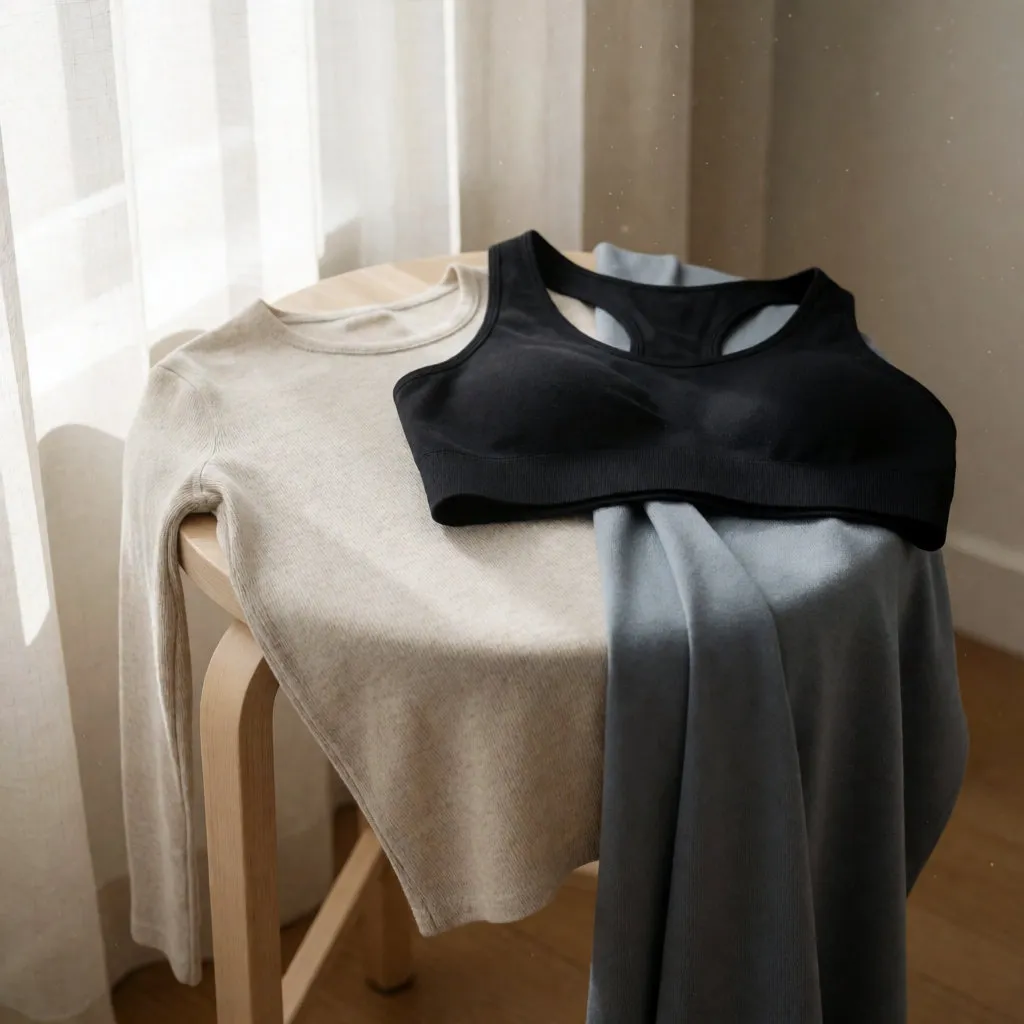
You've probably seen them around: leggings that promise to sculpt your thighs, or ‘hydrating’ T-shirts sold as skincare you can wear. The idea behind them is nothing new — cosmetic textiles have been around for years. What has changed is that we now have a much clearer idea of what they actually do, and what they will never do. Here's the honest picture, with no promises they can't keep.
How it works, in plain English
A cosmetic textile is a fabric with cosmetic actives locked inside microcapsules. Friction against the skin breaks them open and releases their contents: oils, plant extracts, menthol. Some brands used to quote a spectacular number of capsules per square centimetre — a figure that tells you precisely nothing about how well they work.
The bit the product pages tend to skip? The capsule opens at the skin's surface, not down in the dermis. For a cooling sensation or a light moisturising film, it's worth a try. For ‘firming’ or ‘slimming’, nothing supports that claim today. A garment doesn't replace a skincare routine, let alone regular exercise.
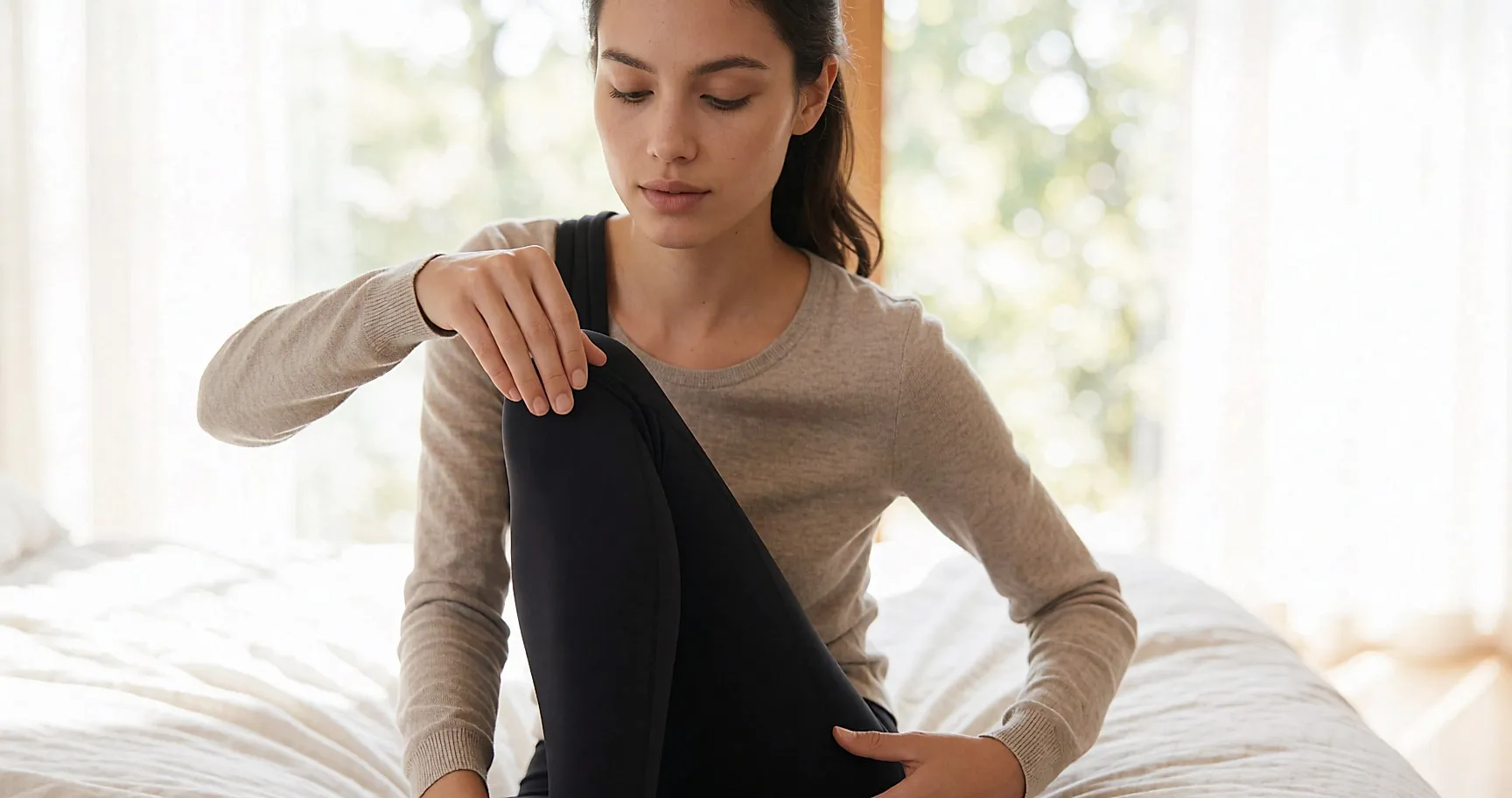
Thermoregulation: where it genuinely works
Comfort, on the other hand, is a different story — and it's solid. Merino wool is still the benchmark: it manages moisture, holds off odours and works as well on a hike as it does in the office, with a drape that doesn't scream ‘technical kit’. The RWS (Responsible Wool Standard) label certifies animal welfare, land management and traceability through the supply chain — worth checking on the label before you pay up.
On the synthetic side, steer clear of virgin polyester, which can turn smelly fast. Go for certified recycled fibres (GRS, the Global Recycled Standard), or lyocell, a wood-based fibre produced in a near-closed loop with a recycled solvent. In winter, a thin merino base layer under a jacket often does the job where three synthetic layers used to pile up.
One habit worth adopting before you buy: turn the label over and look for a certification. OEKO-TEX Standard 100 for limits on harmful substances, GOTS for organic cotton, RWS for wool, GRS for recycled content. No label? Then the claim is just marketing. As for care, wash cold, in a mesh bag, without fabric conditioner — that's what preserves the texture and the technical properties of a piece for more than one season.
What about sport?
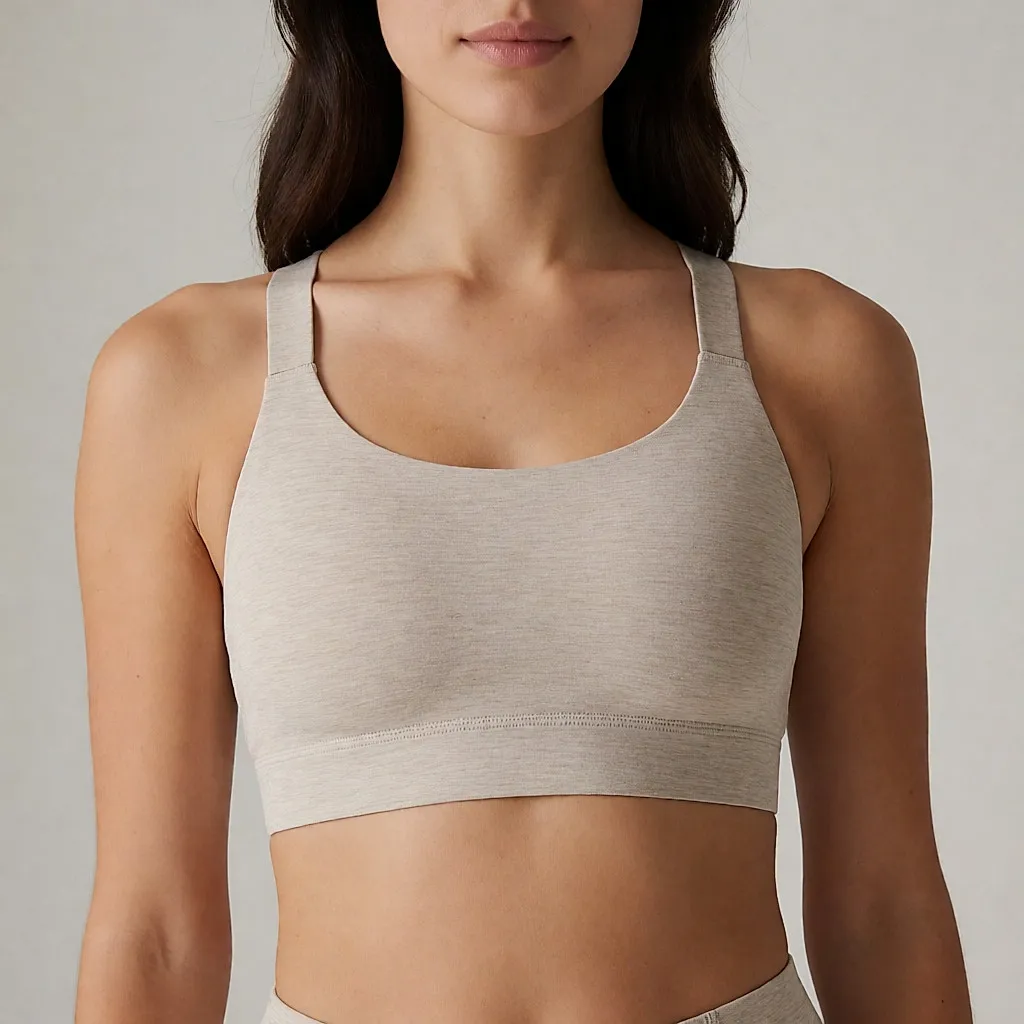
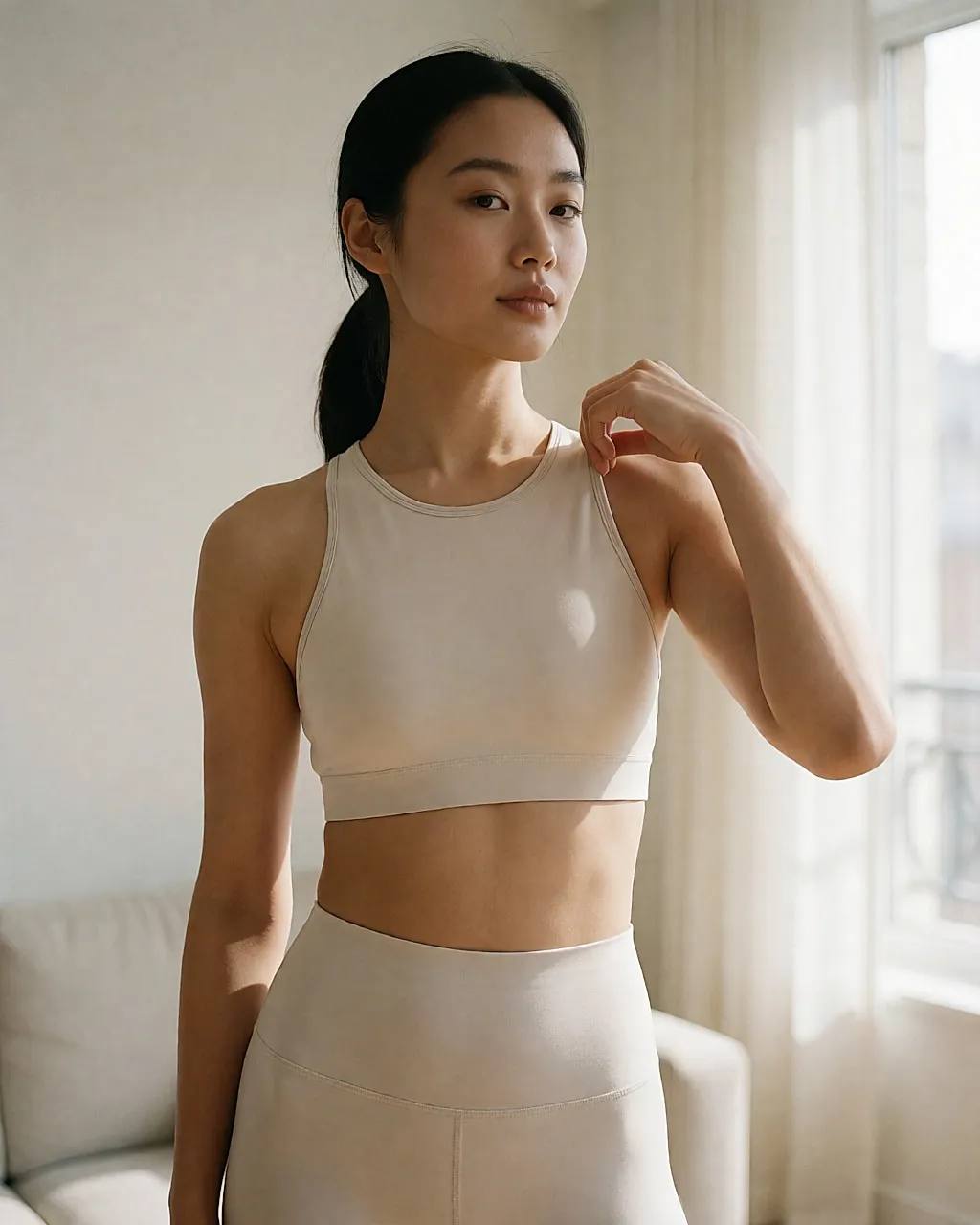
A sports bra that wicks sweat away is useful, but you don't need wonder technology to get there. A seamless cut, support matched to your intensity and a fabric that dries quickly are the essentials.
What it costs
Prices vary mostly with the fibre, the cut, the certification and where you shop.
- Merino wool (T-shirt or base-layer leggings): expect roughly £45 to £100 at outdoor shops or online. An RWS label pushes the price up: it certifies animal welfare, land management and traceability, not how long the garment will last.
- Technical sports bra: roughly £20 to £60, from high-street sports retailers or online.
- Thermoregulating leggings: roughly £35 to £85 depending on the cut and certification.
- Cosmetic textile (tights, ‘skincare’ leggings): roughly £15 to £50. Check the composition before you pay for the promise.
- Second-hand: this is often where technical merino or lyocell pieces become genuinely affordable, with prices usually in the £10 to £35 range. Check the seams and the areas that rub before you commit.
Sources
- Textile Exchange — Responsible Wool Standard (RWS), Global Recycled Standard (GRS)
- OEKO-TEX — Standard 100
- GOTS — Global Organic Textile Standard
- WRAP — UK guidance on textiles and circular design
- ADEME — French environment agency guides on textiles and eco-design
Comments
Your opinion matters: rate the article, react and reply to comments.
Comments are moderated; AI-assisted comments are flagged. Text emoticons (8-), :-), <3…) are automatically shown as images.