
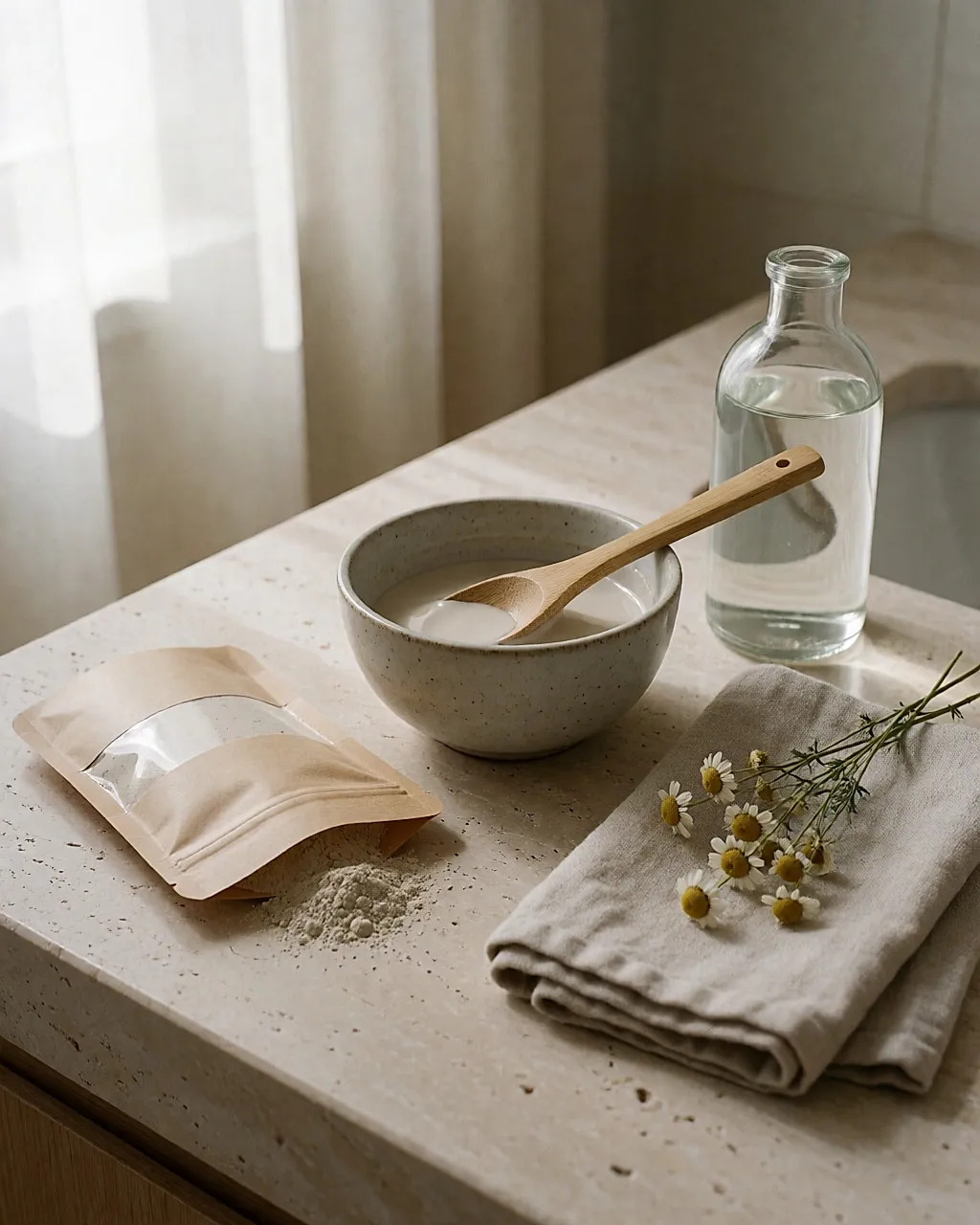
A reader wrote to me last week: 'My skin is shiny by 3pm and tight by 9pm. What do I do?' My answer is one word, and it's as old as the hills: clay. Nothing new under the sun — our grandmothers kept a packet at the back of a cupboard — but the formulas have come on hugely, and brands have pulled it out of the drawer with far nicer textures. The tricky bit is choosing the right colour, and not letting it crack into a crust on your face.
A sedimentary rock, not a lab-made active
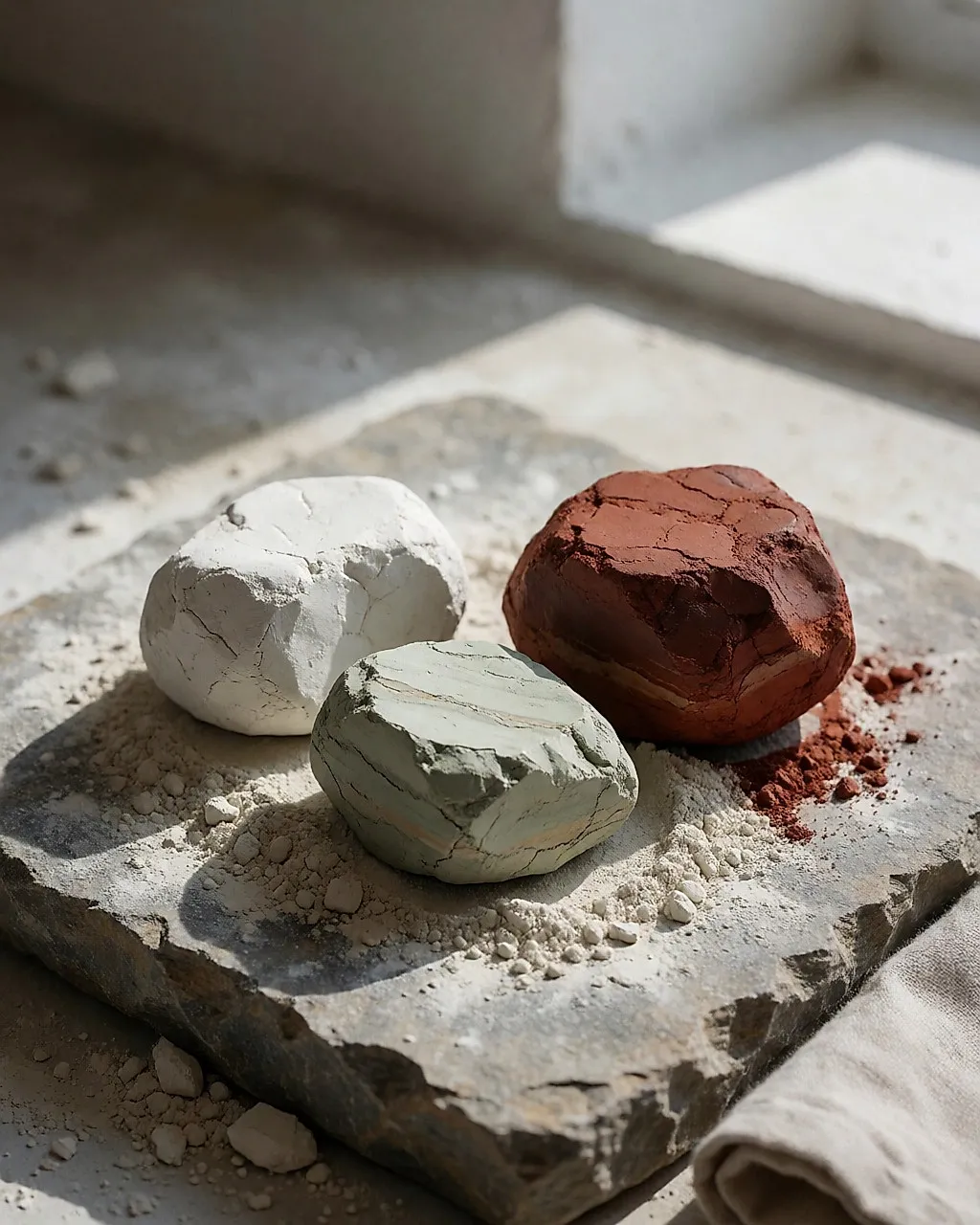
Clay isn't some chic powder invented for the beauty aisle. It's a sedimentary rock formed by the weathering of silicates. It's made of sheet-like minerals — kaolinite, illite, montmorillonite — which can hold water and bind some sebum and impurities at the surface. Its colour has nothing to do with added pigment: it comes from the oxidation state of iron. Oxidised, it leans red and yellow; reduced, green; washed out, white.
Five colours, five jobs
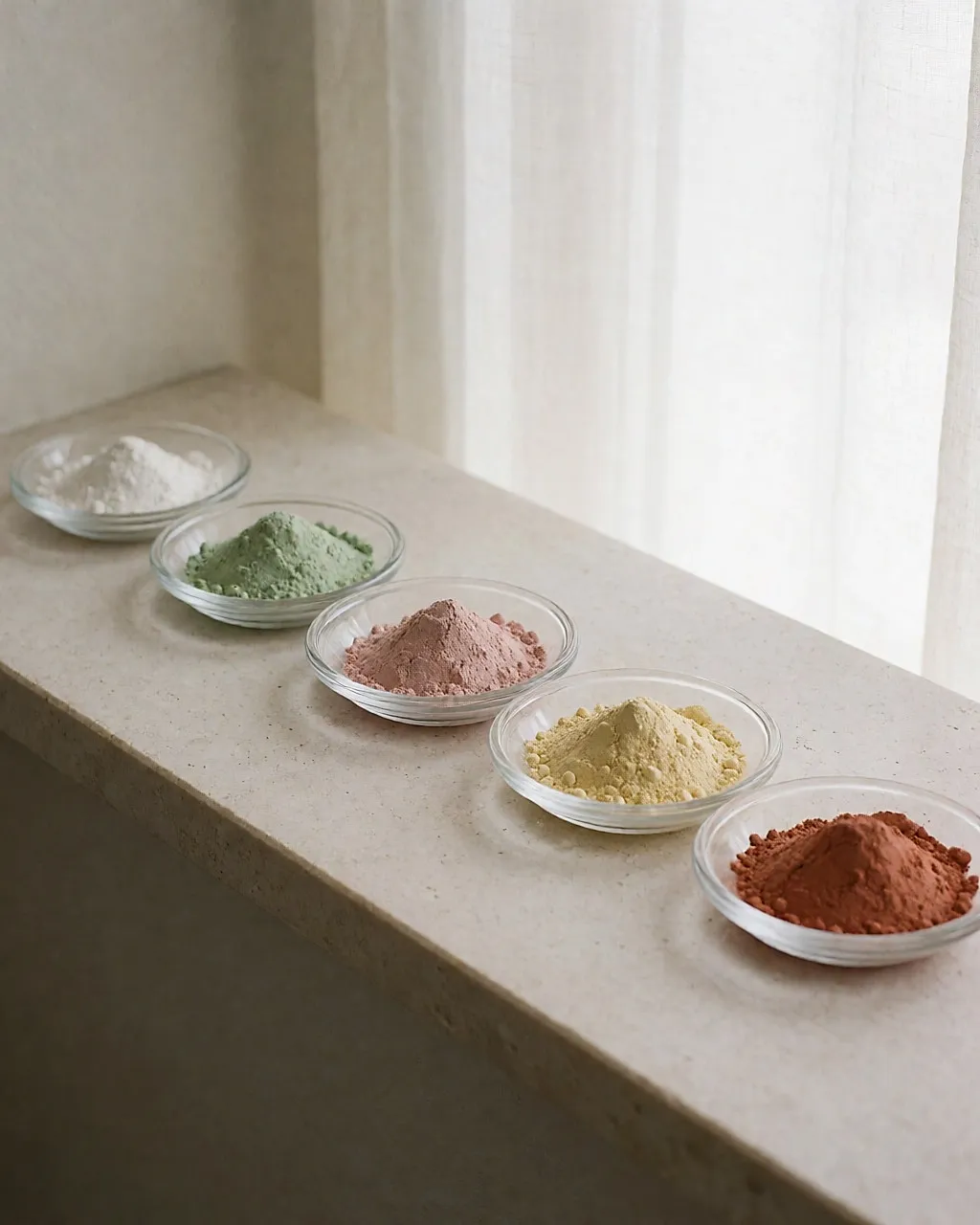
- White (kaolin): the gentlest of the lot, finely milled and not very absorbent. For dry, reactive skin, or just after an exfoliating scrub.
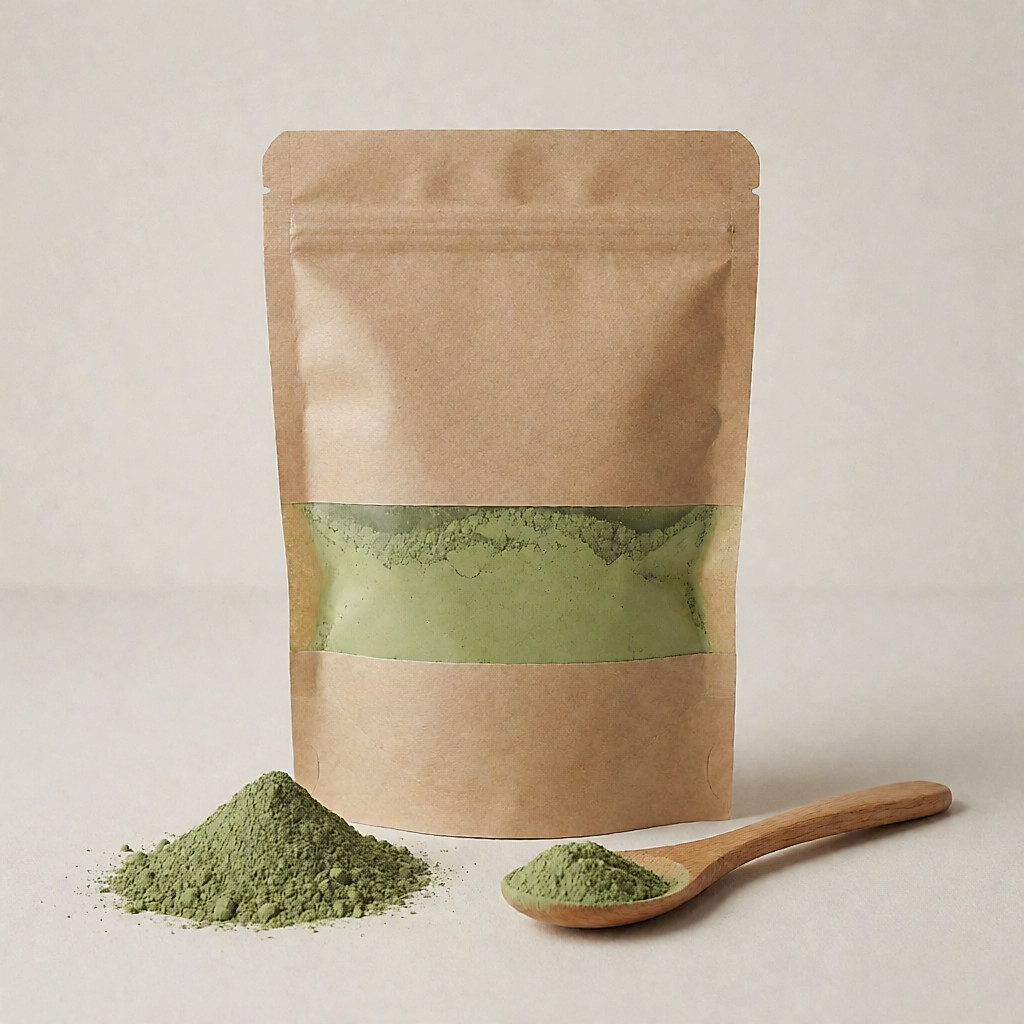
- Green: very absorbent. For combination to oily skin, the T-zone, enlarged pores. On dry skin, keep it to your forehead and nose.
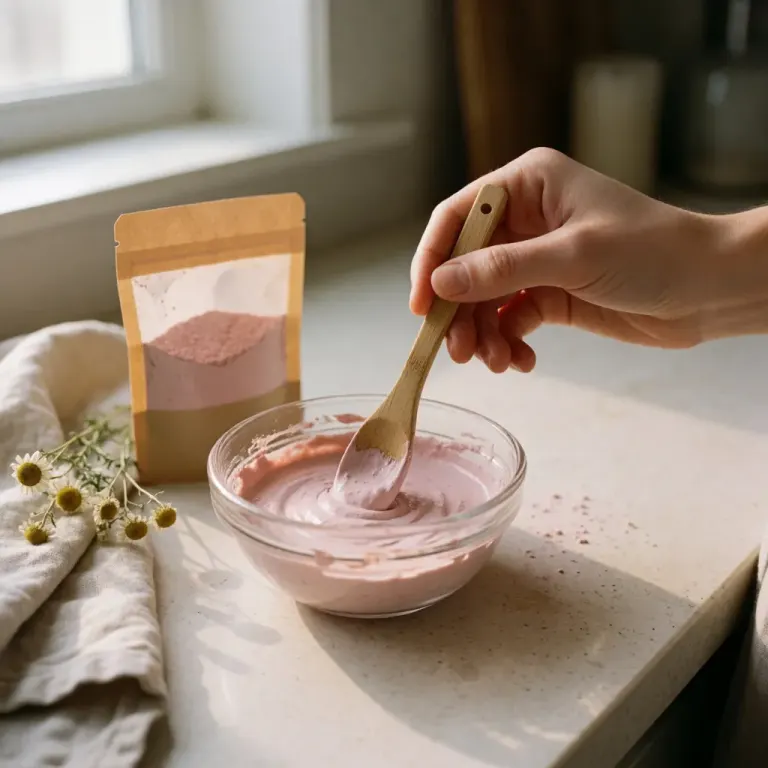
- Pink: a blend of white and red. For dull complexions, fragile skin, with a little hit of radiance thrown in.
- Yellow: for combination skin, with a mild exfoliating effect depending on how finely it's milled.
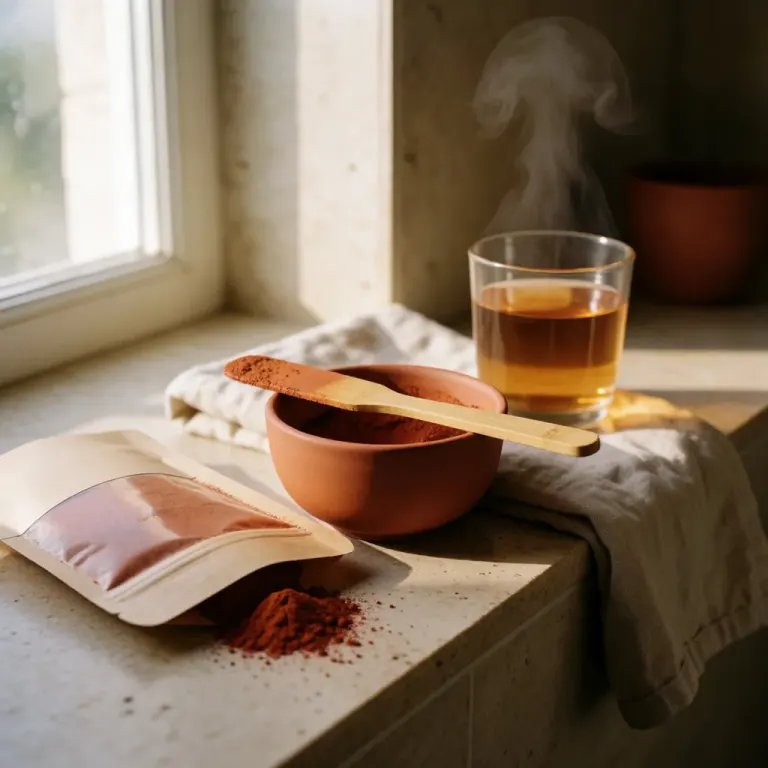
- Red: rich in iron oxides. For dry, mature skin and tired-looking complexions.
The method: ten minutes, not a minute longer
- Patch-test on your inner elbow 24 hours before. Clay reactions do happen, even on skin that's used to it.
- Mix the powder with floral water until it's cream-like — think yoghurt or honey for dry skin. Avoid a metal bowl.
- Apply an even layer, leaving the eye area and lips clear.
- Leave for 10 to 15 minutes. As soon as it starts to feel tight, spritz with thermal water: clay should stay supple.
- Rinse with lukewarm water, pat dry, then moisturiser within two minutes.
- Once or twice a week is enough. Every day and you risk weakening your skin barrier.
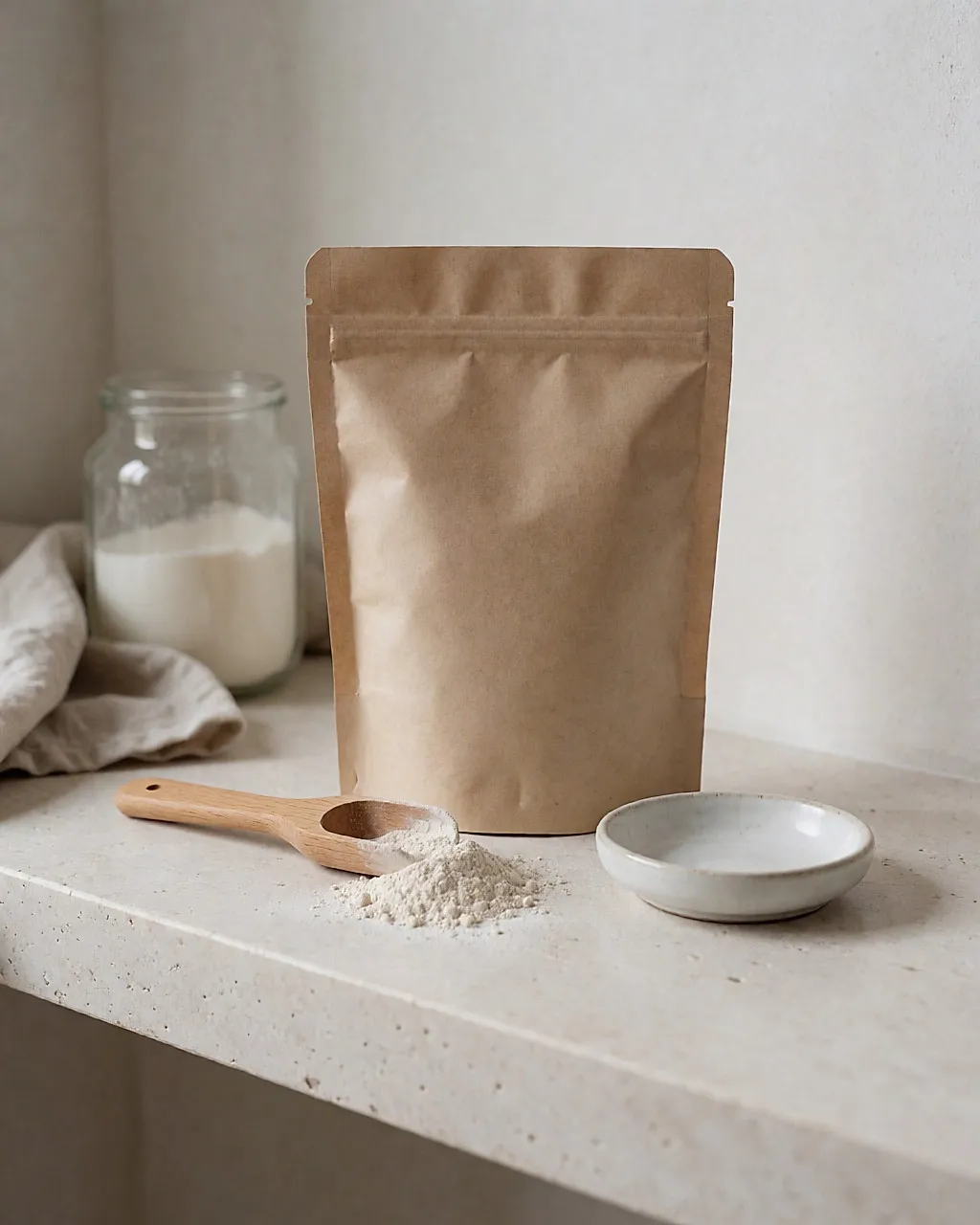
The step that changes everything: keep your floral water mist within reach. Spritz it over the clay instead of letting it drink the water from your skin — the ritual stays pleasant and doesn't end up as a plaster cast.
Health: what it doesn't replace
Clay has a long history of internal use for digestive comfort, and you can still find it in pharmacies as a fine powder. A few real precautions: it can interfere with some medicines — ask your pharmacist. For heartburn, pain or bowel changes that last, see a GP, not a face mask. And if you choose a clay for internal use, buy it from a pharmacy.
Budget
I'm not bringing you a tested product this time. These are the sorts of UK prices you'll see, depending on format and where you buy — expect roughly:
- Powder in a pouch (250 g to 1 kg), from supermarkets, chemists or health food shops: £4 to £12.
- Ready-to-use pot or clay in a tube: £6 to £18.
- Clay mask in a glass jar, from a beauty brand: £10 to £35.
- Salon facial (mask plus massage): £45 to £90, more in London and other big cities.
What pushes the price up: how finely the powder is milled, the size, organic certification, and where you buy it. On packaging, a kraft pouch or glass jar recycles better than a plastic tube, and refill or loose sales exist in health food shops. A certification like COSMOS Organic sets rules for the organic share of ingredients and processing — useful, but it says nothing about where the clay comes from. One last thing: don't rinse kilos of powder down the sink; it will eventually clog.
Sources
- UK Cosmetics Regulation (Regulation (EC) No 1223/2009 as retained in UK law) — GOV.UK.
- NHS, 'Heartburn and acid reflux' — nhs.uk.
- Food Standards Agency, 'Food supplements' — food.gov.uk.
- COSMOS Organic standard — cosmos-standard.org.
Food supplements do not replace a varied, balanced diet and a healthy lifestyle.

Comments
Your opinion matters: rate the article, react and reply to comments.
Comments are moderated; AI-assisted comments are flagged. Text emoticons (8-), :-), <3…) are automatically shown as images.