

Enlarged pores, shine on the T-zone (forehead, nose and even chin) and sebum spikes on top of sweat: summer can be tough on combination and oily skin. The result? We spend our time trying to limit the damage and kiss goodbye to any hope of a fresh, clear complexion on sunny days.
It's hard to shake that skin-protecting reflex. Excess sebum is often linked to hormonal and individual factors; heat, dehydrated skin or irritating cosmetics can make shine or discomfort worse, without a clear direct link to increased sebum production — sebum remains that protective substance for skin and hair. To calm the sebaceous glands, which produce sebum, there are some valuable habits that, over the long term, may improve skin quality.
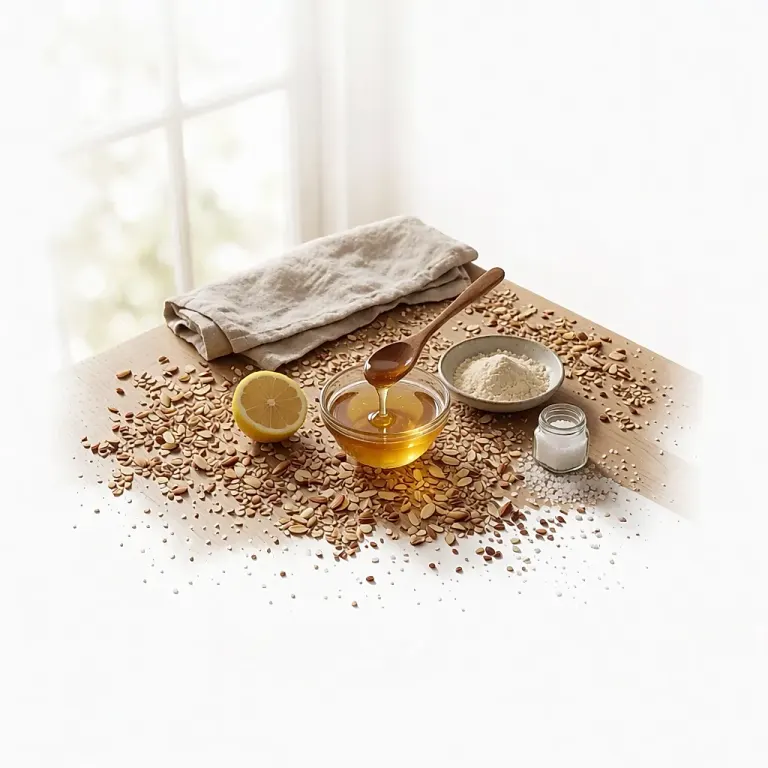
First comes a little beauty ritual worth adopting: a classic that cleanses and clarifies skin, giving you a clean slate. To start, a gentle scrub is often advised, to be adapted to your skin's tolerance: it removes dead cells and helps clear excess sebum. For clarified, luminous skin.
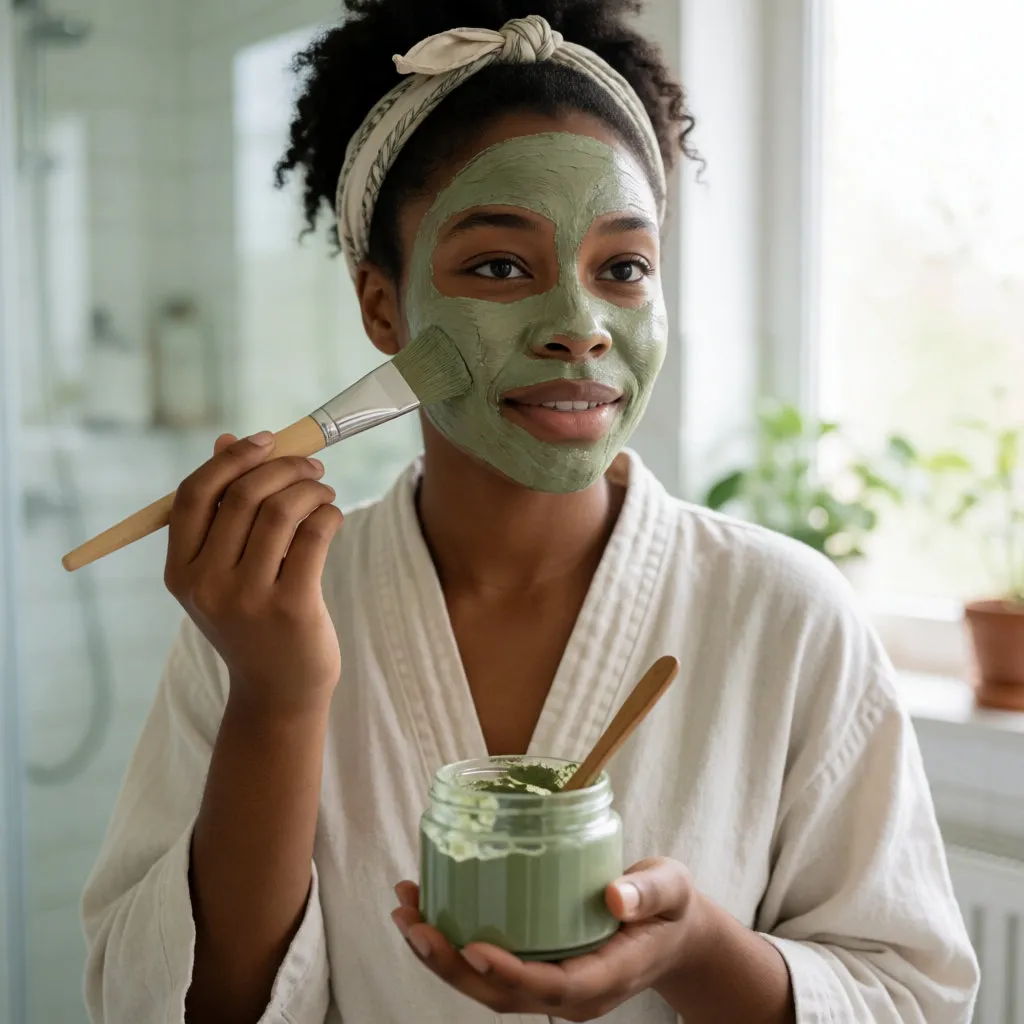
After exfoliation comes a mask. This is a treatment that, depending on the needs of different skin types, can hydrate, firm, enhance or purify. For oily and combination skin, a clay-based mask is often advised: clay is a natural substance often used for its absorbent and purifying properties.
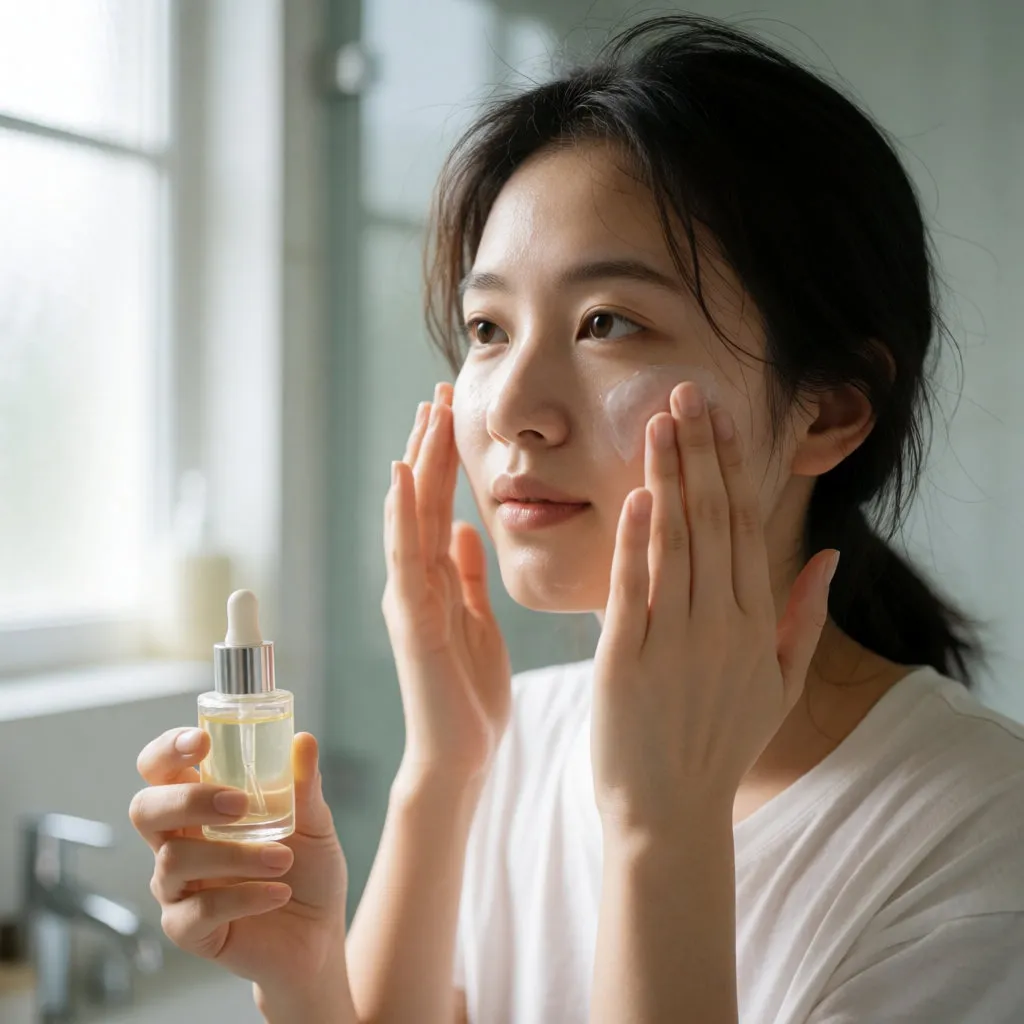
Then step three: hydration. People wrongly think combination or oily skin doesn't need moisture, but like all skin, it needs hydrating every day — the trick is choosing the right product. Avoid thick, rich textures that can suffocate skin: go for a non-greasy fluid, an emulsion for example, a fresh, light texture that absorbs quickly without clogging pores. Choose a non-comedogenic formula to help avoid clogged pores and excess blackheads, ideally one specifically designed for oily skin.
Be careful with overly harsh products, though. You set out to remove excess sebum, but these products can irritate skin, cause tightness and discomfort without solving the problem in the long term. A useful question before buying anything: is your routine doing more harm than good?
Never skip makeup removal; leave skin clean and clear for the night.
So, to recap: adopt a suitable sebum-regulating treatment and an essential beauty ritual, then — less fun but necessary — keep an eye on your plate. Yes, some dietary factors are discussed in acne, but the data remains limited and there's no single rule that works for everyone. So don't wage war on fast food, cured meats, white chocolate or sweets of all kinds — no mandatory fast-food ban: balance things, drink water and observe how your own skin responds.
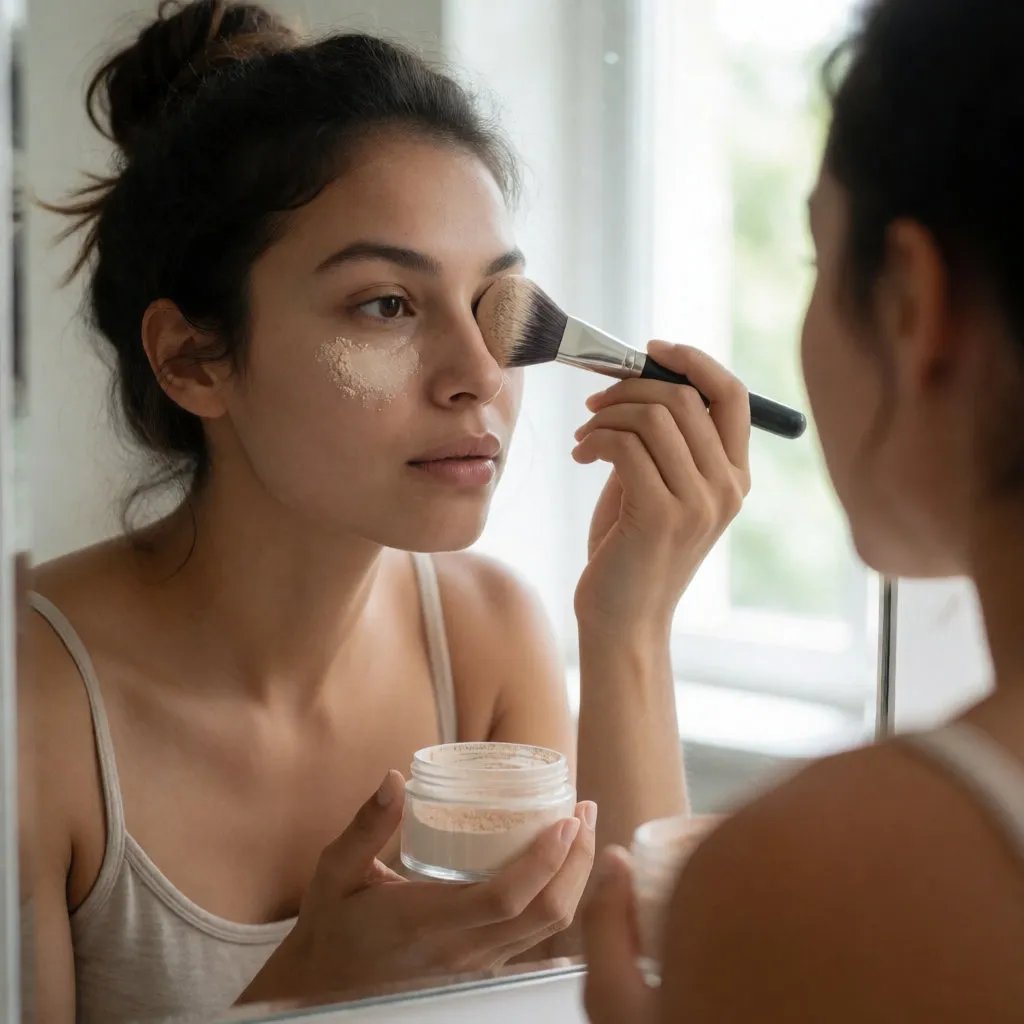
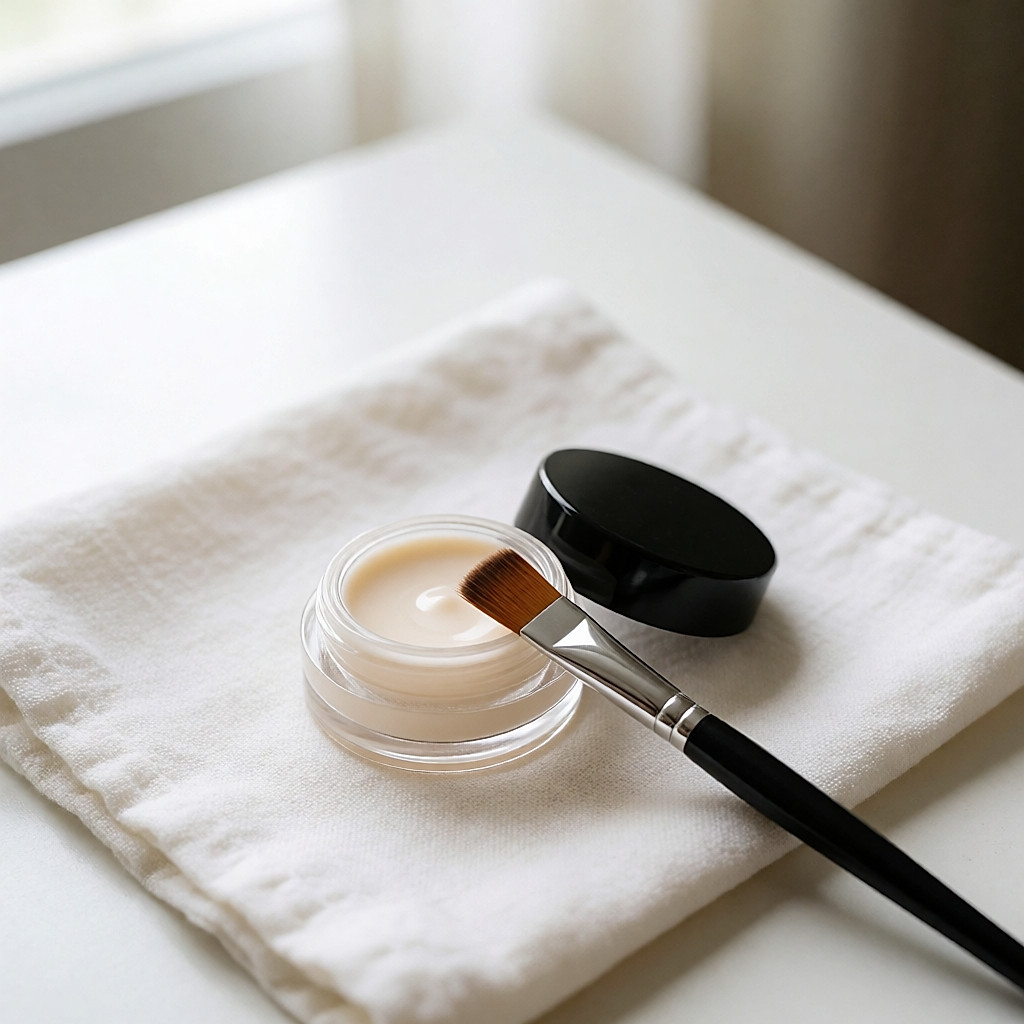
Finally, if despite your summer tan you want to wear makeup, think about suitable cosmetics, especially foundation. It will be on your skin all day, so choose a product specifically for oily skin that mattifies without feeling suffocating. You can then powder your makeup if you want extra staying power. For eye makeup, it's better to use a cream base that both conceals (for small veins on the eyelids) and fixes, helping prevent pigments from slipping under the eyes or into the crease.
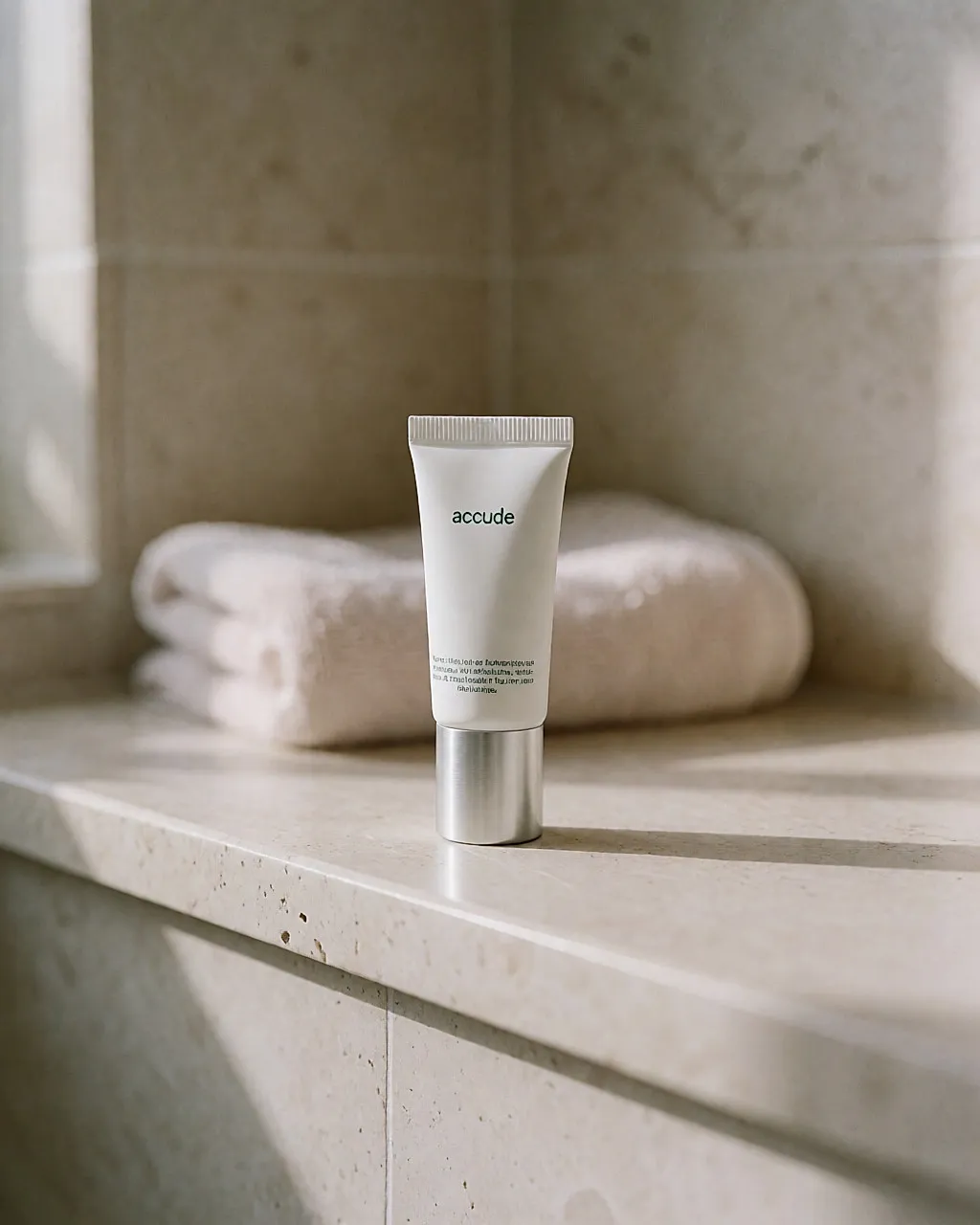
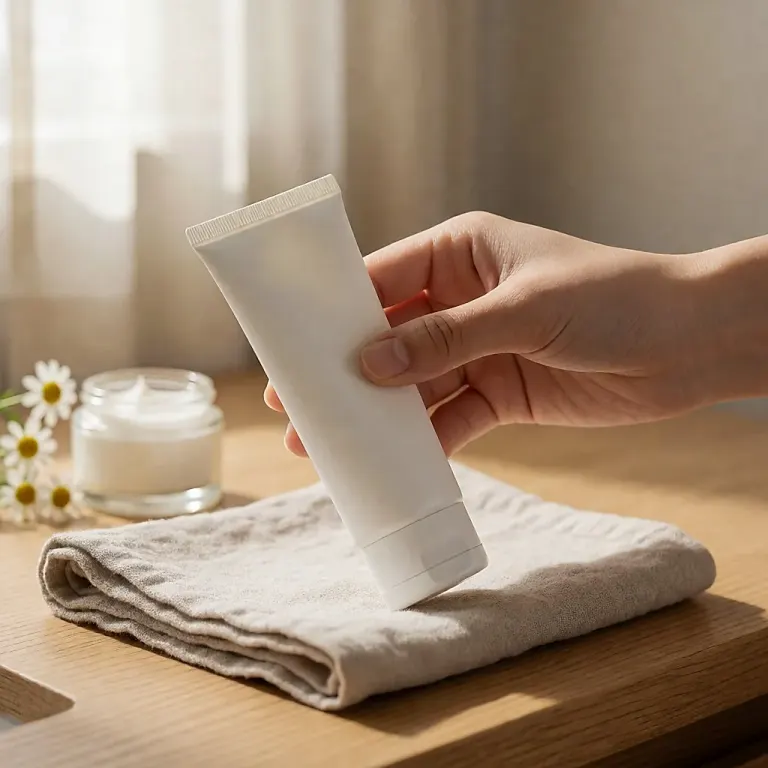
There are also little cosmetic tricks for quick touch-ups and keeping makeup looking fresh. In particular, Clinique Pore Minimizer T-Zone Shine Control — a bit of a mouthful, yes, but it's a nifty little tube. Before makeup or during the day over makeup (with a light dusting of powder if needed), apply a tiny amount of this oil-free gel to the T-zone: it is designed to help temporarily mattify the T-zone and visually blur shine. An SOS product to keep in your bag.
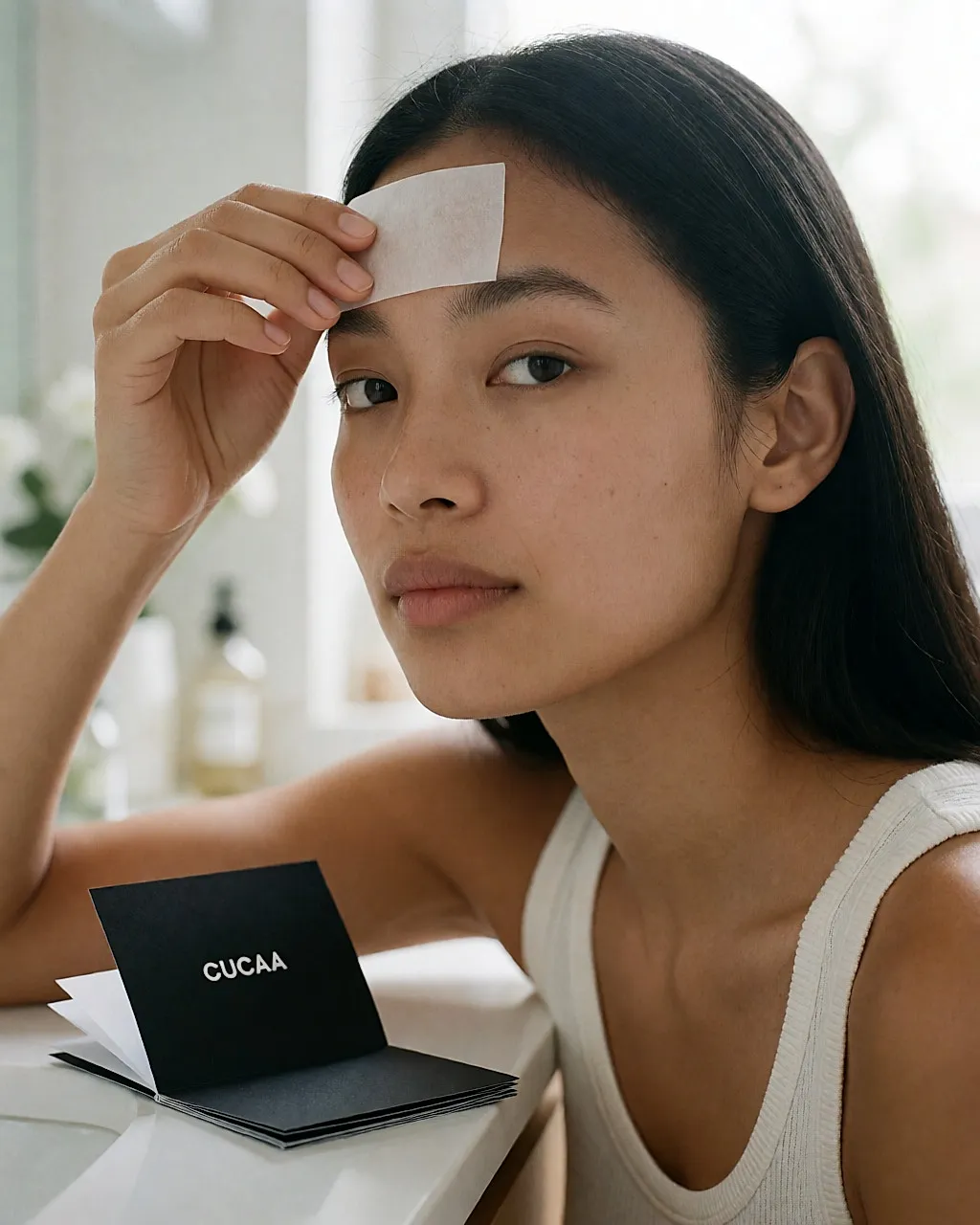
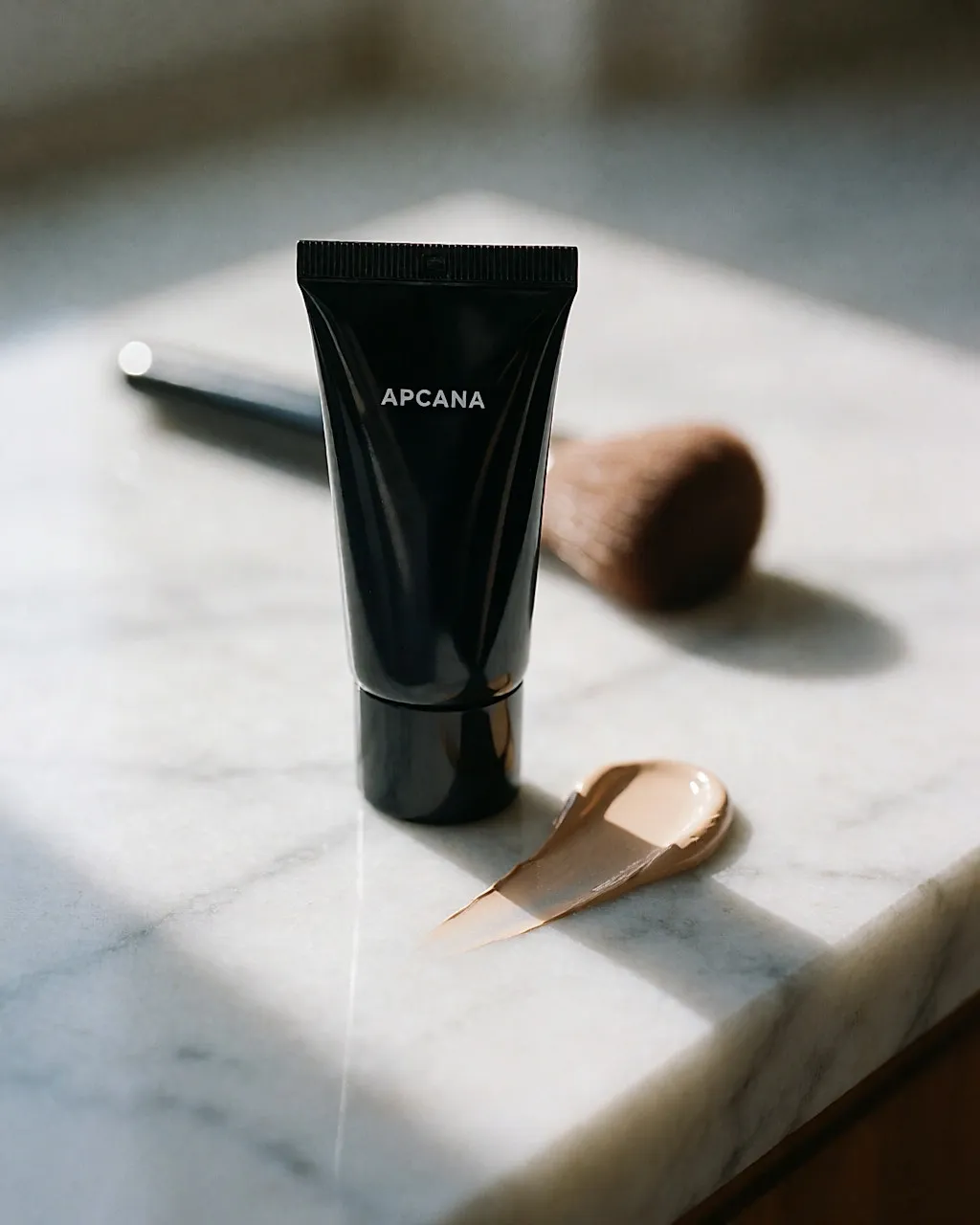
Also worth trying: mattifying sheets to press onto shiny areas without disturbing makeup. Again, easy to carry and use, powdered or not: Sephora mattifying sheets. And Sephora's anti-shine primer, applied in a very thin layer to the areas that need it before foundation.
You'll agree, there are more glamorous things than skin that starts shining by mid-morning, a gleaming forehead and makeup that melts — forgive the expression — as the day wears on. And with the return of warmer weather, the topic is more relevant than ever: even naturally dry skin can suffer once the sunny days arrive or at certain times, due to hormonal changes. That said, rest assured, shiny skin isn't inevitable, even if, obviously, oily to combination skin will often find it harder to stay matte than skin that's simply reacting to the season's climate. And if shine comes with persistent redness, painful spots or genuine discomfort, see your GP, who can refer you to a dermatologist if needed: some situations need a proper diagnosis, not a blog tip.
Budget
On the budget front, basic steps remain the kindest to your wallet: a gentle scrub often costs £7–£17 in supermarkets or pharmacies, and powdered clays you mix yourself are often cheaper per gram, in a jar or loose, without a throwaway tube. Expect around £9–£21 for a ready-made clay mask, and £13–£30 for a non-comedogenic hydrating fluid designed for combination to oily skin. Mattifying sheets and anti-shine primers sit at around £4–£17 depending on brand and format. Prices vary with size, formula and where you buy — it's better to compare cost per gram or ml rather than per jar.
Comments
Your opinion matters: rate the article, react and reply to comments.
Comments are moderated; AI-assisted comments are flagged. Text emoticons (8-), :-), <3…) are automatically shown as images.