

A cotton pad that comes away white only tells you your foundation has gone. What stays on your cheek is the product itself — surfactants, humectants, preservatives, fragrance — and it never asked permission to settle in. So rinsing deserves to carry more weight than the no-rinse promise.
What micellar water actually leaves on your skin
Micellar water is water plus surfactants: molecules with a water-loving head and an oil-loving tail. They catch sebum and make-up, carry them onto the pad and do it very well. The catch? They don't vanish by magic once you've finished. Some remain on the skin, along with humectants, preservatives and sometimes fragrance.
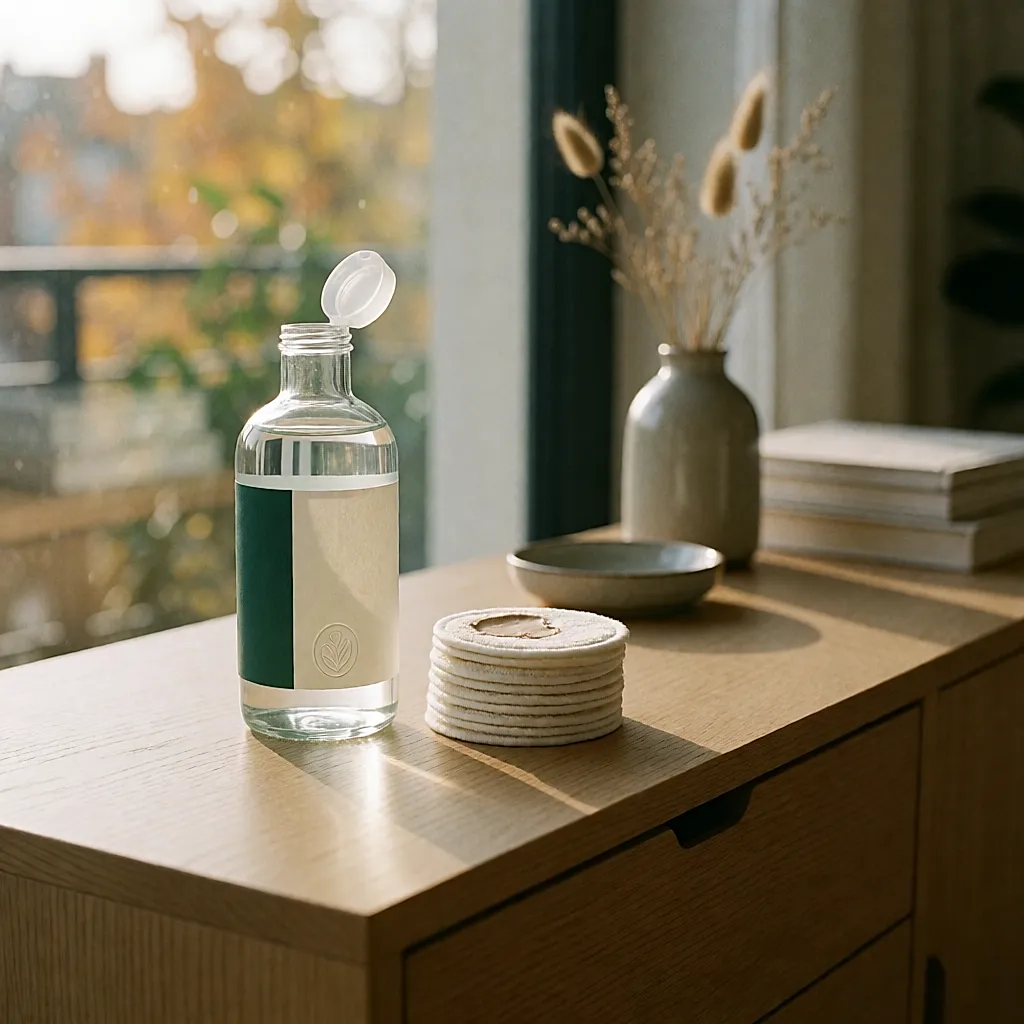
That leaves a fine film, which you notice most when you layer products. You know the feeling of a serum that pills into little beads under your fingers? Often the culprit isn't the serum on top but whatever wasn't rinsed off underneath. And if your tap water is very hard, a generous rinse has its limits too: all the more reason to choose a brief lukewarm rinse rather than an energetic one.
The balm, and what a lukewarm rinse takes with it
The routine has three steps. A pea-sized amount of balm or oil on dry skin, a short massage to dissolve make-up, then a little water to emulsify — the balm turns milky — and a lukewarm rinse. What the water carries away is precisely what the pad leaves behind: grease, residue, that famous film.

Time-wise, allow one to two minutes longer than with micellar water. That's the only real cost, and it's modest. I'm not going to make the decision for you, though: skin that can't tolerate tap water, a weekend without a bathroom, getting home at one in the morning — micellar water still has its place. The point isn't to banish it, but to know what you're accepting that it leaves behind.
How many pads you need, and why it matters
In practice, often two to three cotton pads for a made-up face, one to two without make-up. If you're on your fifth and the last pad still comes away tinted, it isn't your skin that's dirty: it's that the product isn't doing enough, or the pad is dragging rather than gliding. A thin but dense pad with hemmed edges really does change how it feels on your cheek.
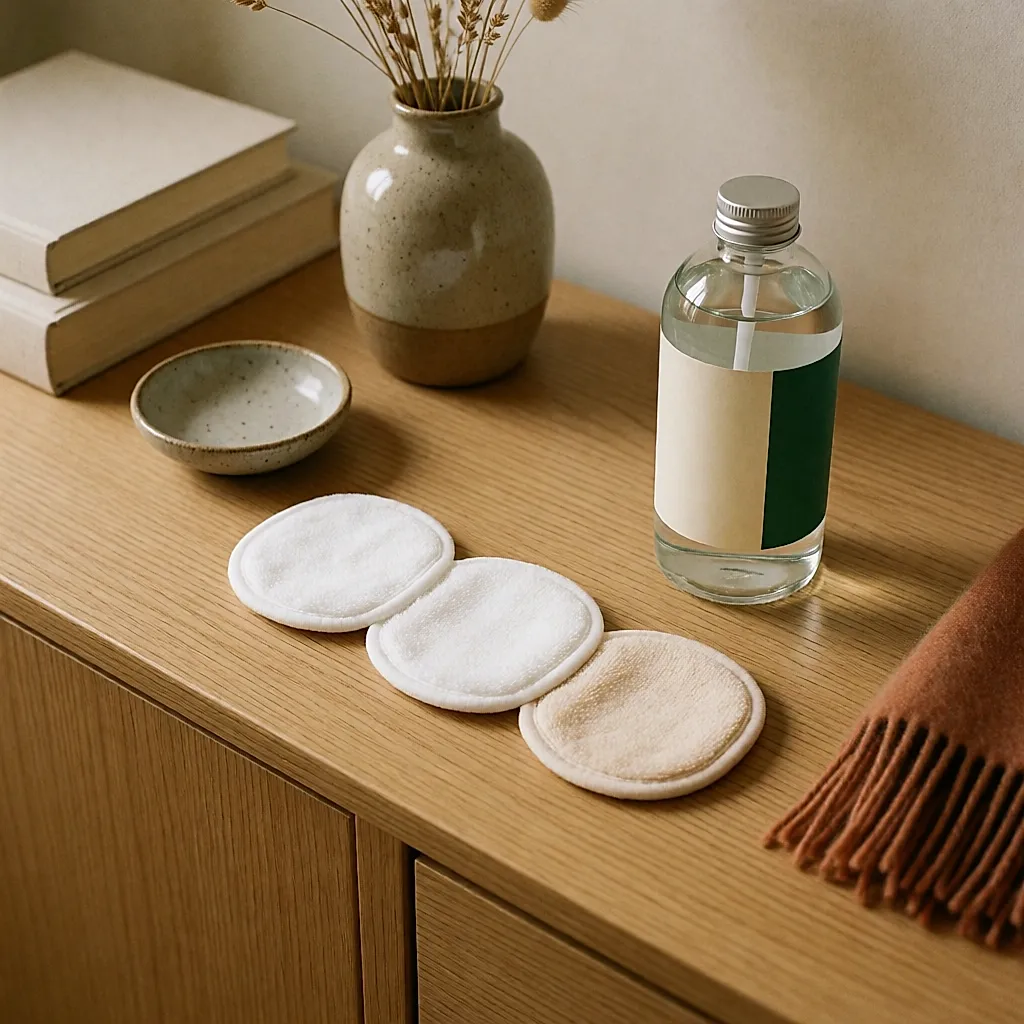
Your pad count also tells you what to do next. Follow micellar water with a floral water or a freshly dampened pad: if it comes away coloured, make-up remains, so product remains. This simple check will stop you layering serum over a film of residue — and paying for a product that never really reaches your skin.
Sort the format before the serum
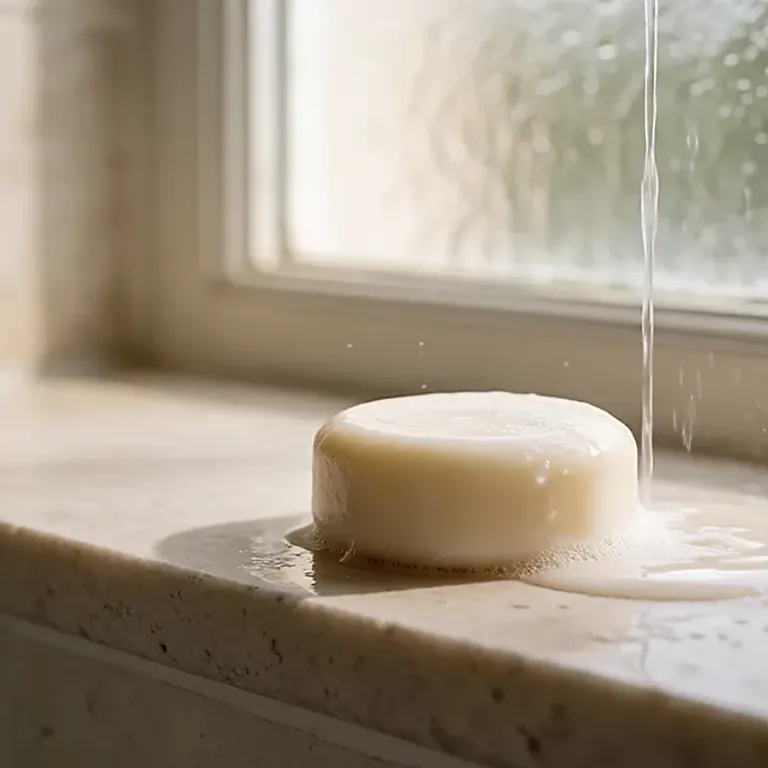
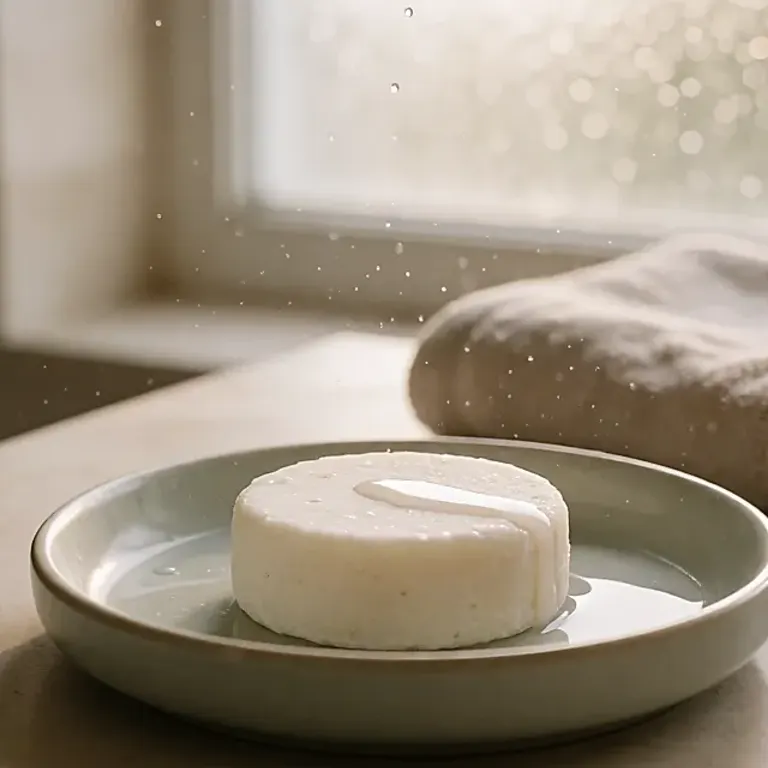
The jar of balm has one clear advantage: you can see how much you're taking, control the dose and not go far wrong. The downside is hygiene: use a small spatula, clean fingers, and close it properly. A solid cleansing bar goes straight onto wet skin, takes up three centimetres in a travel bag and needs no bottle — provided you let it dry on a slatted soap dish. Otherwise it can disintegrate early and the saving disappears.
Then there's the packaging. A refill is only worth it if it genuinely exists in the range, with a bottle designed to be refilled — check the brand's website rather than the label. On formula, a label such as Cosmos Organic sets precise requirements for the proportion of organic ingredients and processing methods; it says nothing, though, about how it feels on your skin. For that, there's no substitute for trying it.
The evening ritual, rinse version Balm or oil on dry skin, a short massage, eyes included. Emulsify with a little water, then rinse with lukewarm — never hot — water. Pat dry, don't rub. Serum, then moisturiser, on clean skin that is still slightly damp.
Budget
Expect to pay roughly £5–£15 for a 400–500 ml micellar water in a supermarket or high-street pharmacy, and £15–£35 for a 100–200 ml cleansing balm, depending on the brand. A solid bar often sits between £8 and £15, and a refill between £10 and £25. The differences come from size, where you shop, how concentrated the actives are — and the packaging, which you pay for too.
Month by month, the hierarchy sometimes shifts: a slightly expensive balm that lasts four months can work out cheaper than a standby bottle bought in a panic on a Sunday night. Before you add a £40 serum, look at what you're putting underneath it. That's where the real saving lies.
Ultimately, it comes down to a trade-off: two more minutes at the sink, or micellar water staying on your skin until morning? Both can be defended, and nobody rinses perfectly every night. But the next time you hesitate between two bottles, take a look at the jar of balm beside them — it's often the thing that settles it. And the one step that's still left when you've only got five minutes is, still, to rinse.
Comments
Your opinion matters: rate the article, react and reply to comments.
Comments are moderated; AI-assisted comments are flagged. Text emoticons (8-), :-), <3…) are automatically shown as images.