

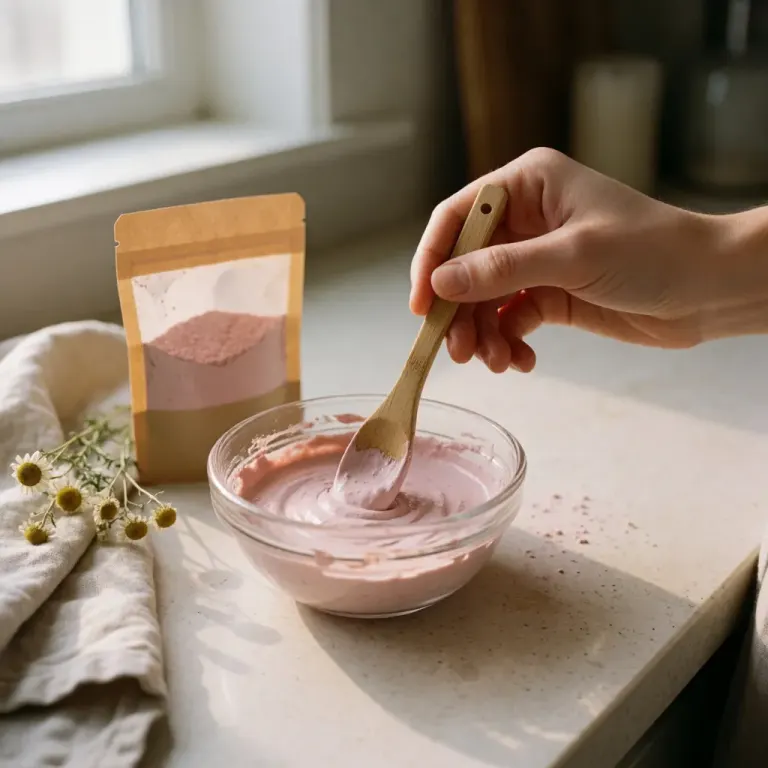
Ten minutes under a mask once a week versus a few drops of exfoliating serum in the evening: the second fits far more easily into a real life. The tube of the first has dried out at the back of a drawer, and your skin never noticed a thing. Autumn is a good moment to change format — fewer solemn appointments, more small doses slipped into the evening routine.
What September leaves behind
After summer, the same comments come up in conversation: your complexion looks less clear, make-up catches in patches, texture seems more uneven. Nothing dramatic — just skin that has absorbed sun, salt, sweat and sun-cream top-ups done in a hurry on a beach towel. We come home wanting clearer skin, and November arrives before the good intention has taken shape.

That is where the mask shows its limit: it is an event, not a habit. One hit of intensity, then forgotten until next Sunday. An exfoliating serum, by contrast, settles into the evening step; better to space out applications at first and adjust the rhythm to how your skin reacts — and it is that regularity, more than the strength of the product, that separates a routine from an intention.
Read the label before you read the promise
First move: identify the acid family. AHAs (glycolic, lactic, mandelic) work at the surface and are the most common in "glow" serums. BHAs (salicylic acid) tend to be chosen for combination to oily skin. PHAs (gluconolactone), often billed as the most forgiving, are favoured by skin that dreads tingling. None of these families is "better": they suit different skins, and your comfort over the first few weeks is what will decide.
Second move: the percentage. A 2% serum and a 10% serum are not in the same league, and the bottle rarely says so in big letters. Look for the percentage on the label, not the word "intense": it is one of the few genuinely comparable pieces of information from one product to the next. As for pH, some formulas state it, others don't — a detail that matters if you really are comparing, and which means little on its own.
A few drops, and resist the urge to do more
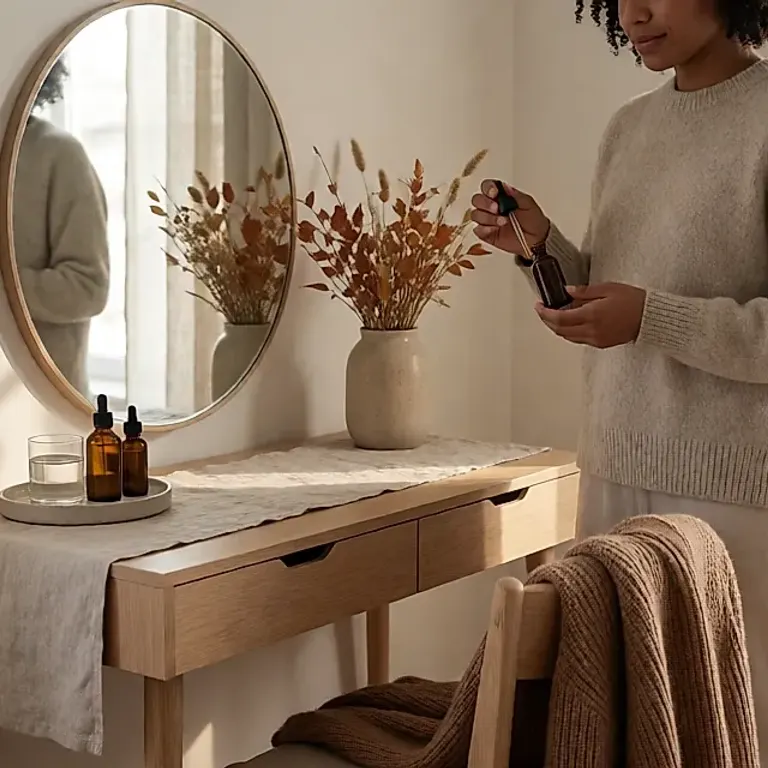
What the step actually looks like: in the evening, on clean skin, a few drops is enough depending on the area and the texture, avoiding the eye contour. The aim is to see how your skin responds, not to beat a record. If it stings sharply and keeps stinging, stop and speak to a pharmacist or a GP rather than pushing through.
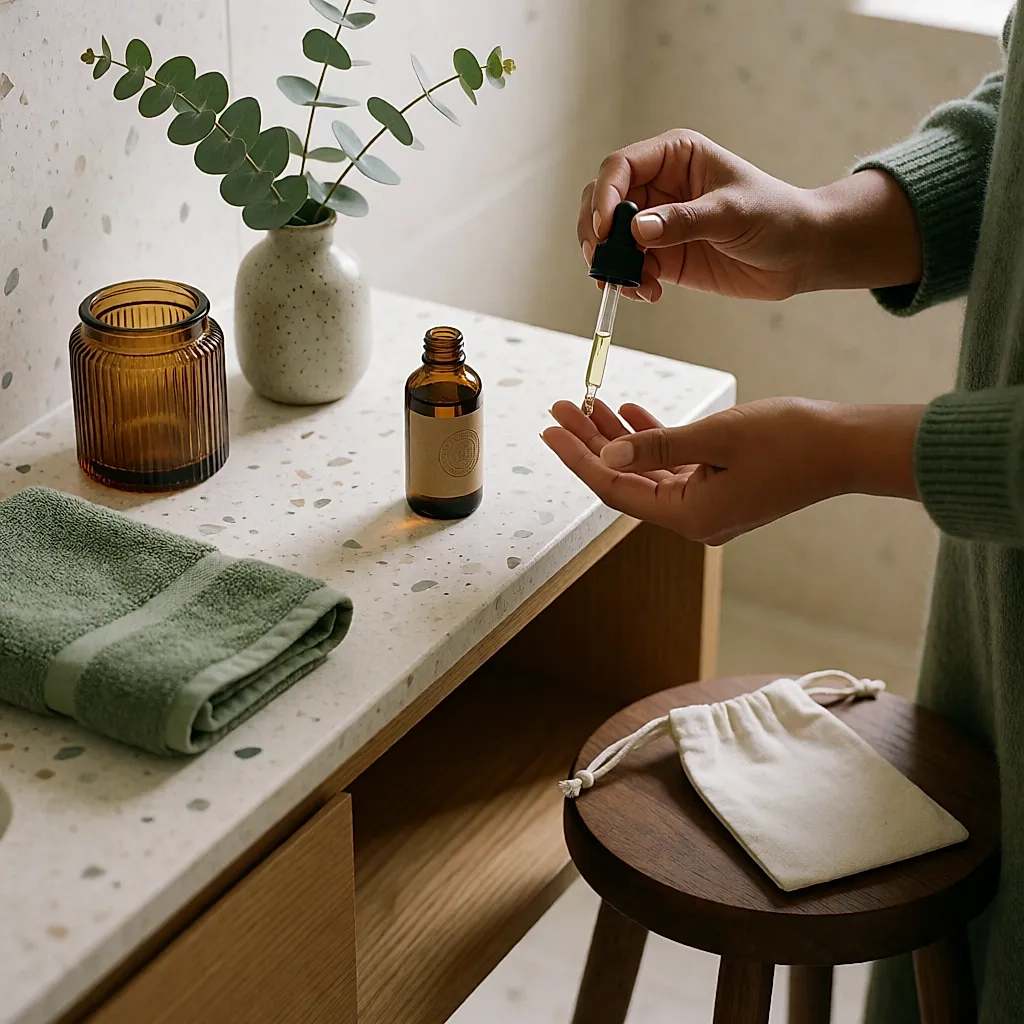
And above all, don't stack. An acid serum, plus an acid toner, plus a mechanical scrub on the same evening is the same conversation three times over, and your skin has no wish to have it. One new product at a time, over an observation period, and you'll know what to credit for the better — and for the worse. Will it work for you? Nobody can promise that in advance, and certainly not us.
The next morning, change nothing — or almost nothing
As a precaution, treat freshly exfoliated skin as more reactive to the sun: SPF in the morning, a hat on bright days, and don't skip moisturiser on the grounds that the serum is "already doing the work". A simple, comfortable cream — with denatured alcohol not at the top of the ingredients list — is more than enough.
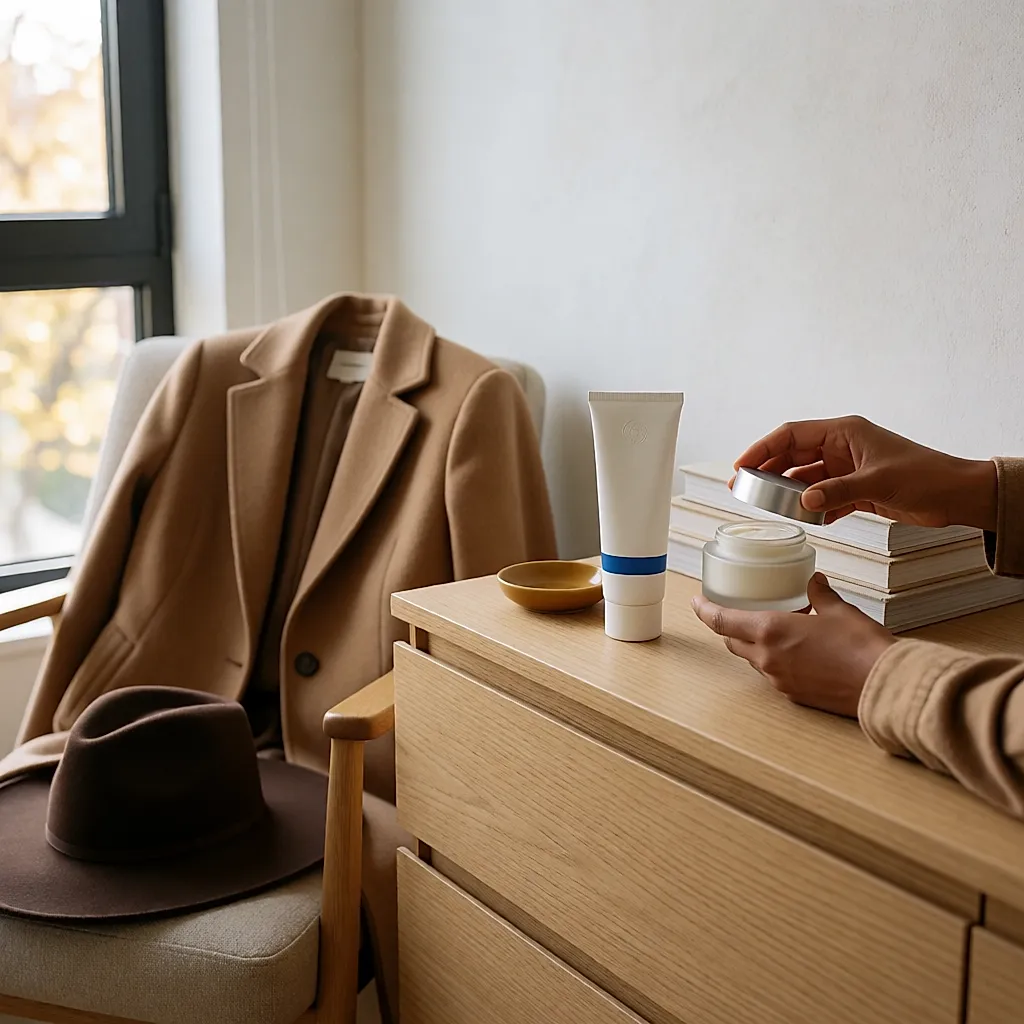
The other next-day reflex is patience. The first effects aren't immediate, and that's exactly as it should be: a serum that promises the earth is a serum that talks too much.
Budget: from £10 to £80, and what the gap tells you
In chemists and supermarkets, expect to pay roughly £10–£20 for 30 ml of a single-acid serum with a short formula, often in a pump or glass bottle. That does the job for getting started without spending much, as long as you look at the percentage and the ingredients list rather than the look of the bottle.
At beauty retailers and department stores, prices typically run from around £35 to £80, sometimes more. You are paying for texture (more fluid, less tacky), the supporting actives, the packaging, the brand. Is it worth it? That depends on how well you tolerate middling textures and on your budget — not on the intrinsic quality of the product. A £60 serum in refillable glass can be a better buy than an £18 bottle thrown away every two months; the reverse is just as true.
The tolerance test, before you commit. Try it on a small area first — behind the ear or in the crook of the elbow — before going anywhere near your face. You are not testing efficacy, only tolerance, and that is already a lot. Keep the box, too: the full ingredients list is often on the back, not always on the website.
If you take one thing away: consistency beats strength, and the most expensive bottle is no substitute for a routine you actually keep up. The rest is down to your skin — and it is used to being asked its opinion a little too late.
Comments
Your opinion matters: rate the article, react and reply to comments.
Comments are moderated; AI-assisted comments are flagged. Text emoticons (8-), :-), <3…) are automatically shown as images.