

An appointment can start differently now. The first question isn't only about the cut — someone also wants to know how you're sleeping. Then your hair is parted into four, a small camera is eased towards your scalp, and the roots are discussed the way a facialist discusses a cheek. The appointment doesn't necessarily last any longer. It just changes the subject. The celebrity stylist hasn't gone anywhere; the scalp has simply taken the stage.
In Shanghai, the scalp is the star
What's doing the rounds in the trade press and in brand communications is that Chinese salons and brands sell scalp care through dedicated clinics and serums marketed like skincare. The pitch is plain: you come for a diagnosis, you leave with a massage and a routine, and the cut gets decided afterwards. I haven't seen these treatments with my own eyes — I'm telling you what's being shown, sold and talked about.
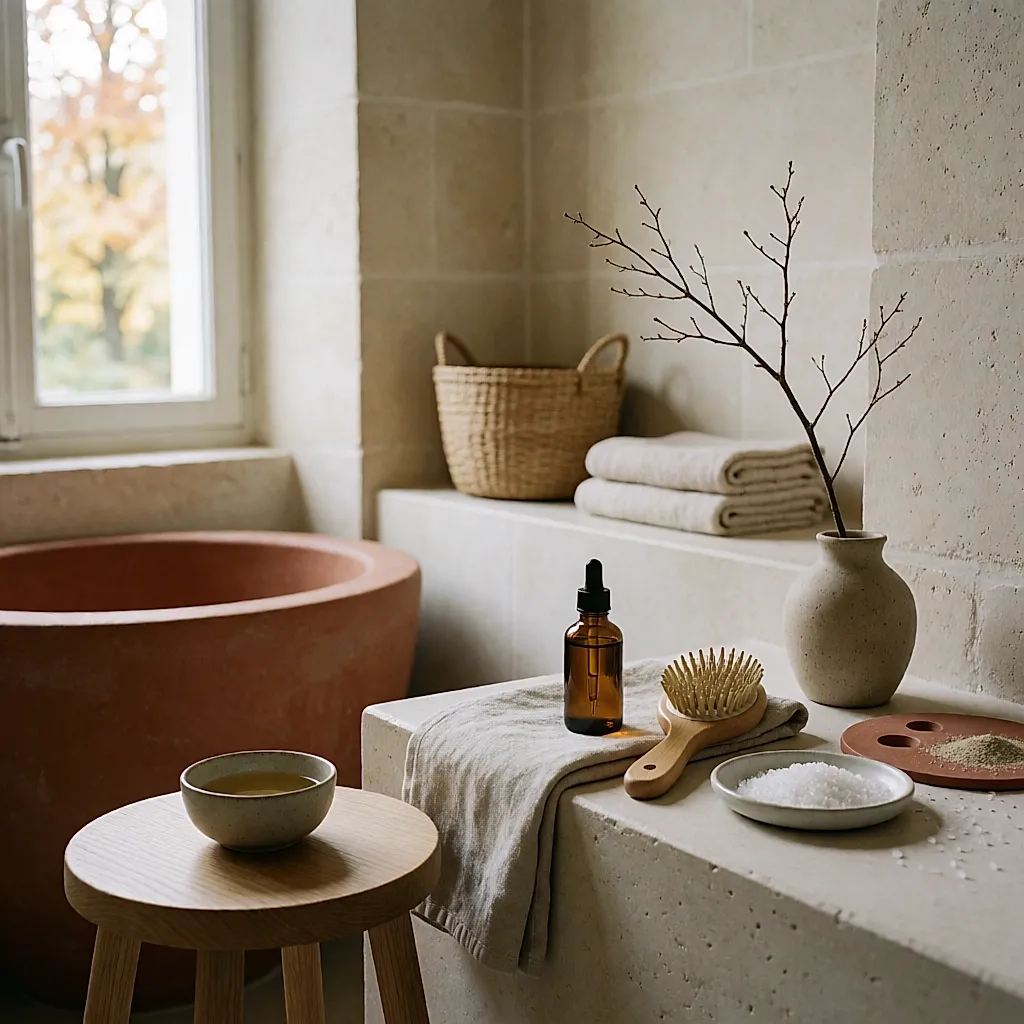
Seen from France, the shift looks trivial. Yet it moves the centre of gravity of the whole industry. For decades, haircare brands have carried a stylist's name: Dessange, Provost and their peers built houses on a cut, a colour, a signature move, and the bottle stayed an accessory to the blow-dry. In the Chinese model the order flips. You pay for a treatment first, and the stylist becomes the person who knows how to read a scalp.
A skin, not something to brush
The vocabulary says it all. A scalp used to be something you brushed; skin is something you look after. Over the past few seasons the language has moved from 'scalp' to 'the skin on your scalp', and the new words have brought the entire face-care kit with them: serums, mists, scrubs, massage, a diagnosis under a lamp. The promise is no longer 'shiny hair' but 'healthy ground' — harder to verify, easier to invoice.
Is it worth the detour, or is it water in a fancy bottle? A bit of both, and it would be dishonest to wave it away. A scalp is skin: it tightens, it gets greasy, it itches, and it deserves better than a jet of scalding water. But skincare logic always arrives with its stack of steps. Nobody needs six products to wash their hair.
In France, scalp care was already a pharmacy business
Historically, the French scalp was treated in pharmacies, not salons. René Furterer built its house on plants and the scalp; Ducray and the dermo-cosmetic brands filled the shelves with treatment shampoos. For decades, looking after your scalp rhymed with 'problem' — dandruff, itching, hair loss. It wasn't something you discussed over coffee.
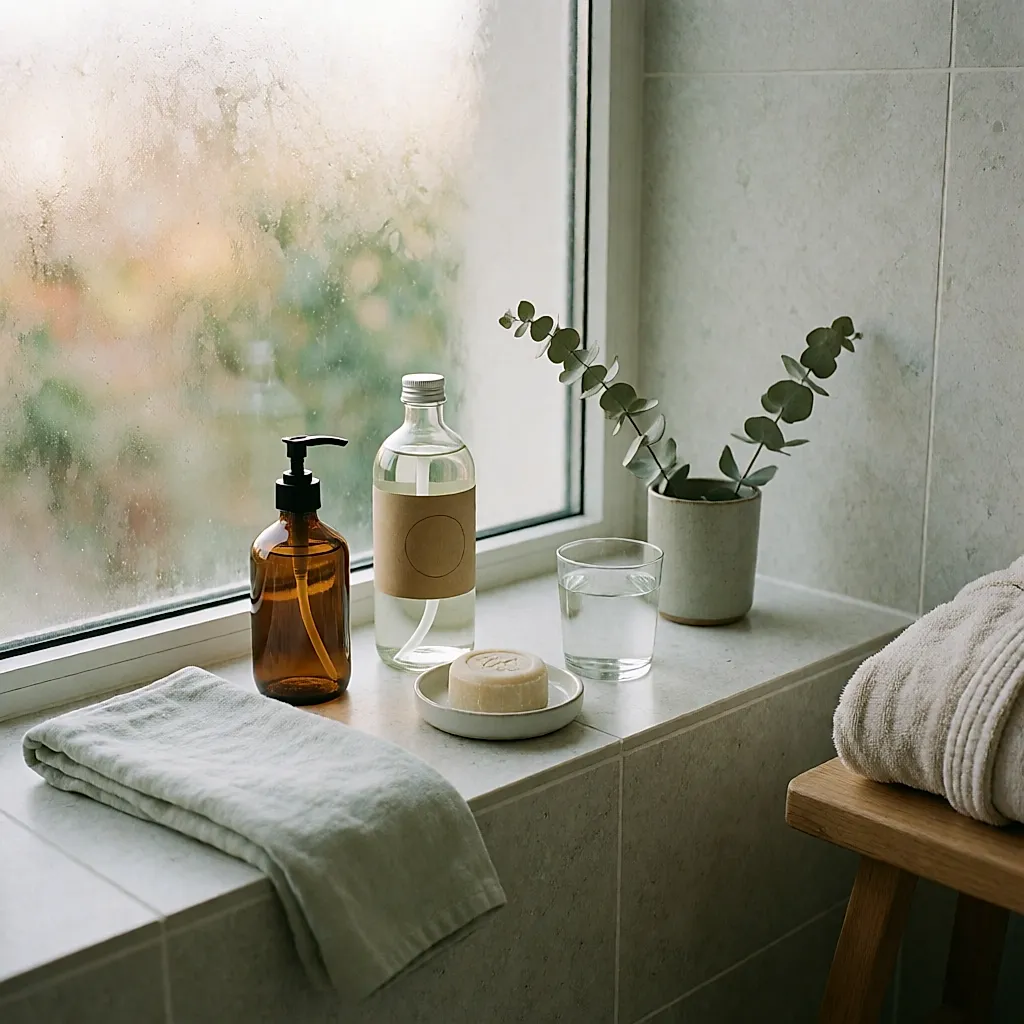
So: genuinely new, or an old subject in a new outfit? What's changing is the doorway. Scalp care is no longer the treatment you go looking for when something itches; it's becoming a ritual you treat yourself to — pleasant textures, short gestures, a language of pleasure. Salon brands are joining in, specialist clinics are opening in the big cities, and some pharmacies now give it a shelf of its own. Will France follow China's pace, or keep its pharmacy reflex? My bet: a bit of both.
Three moves that fit into a real week
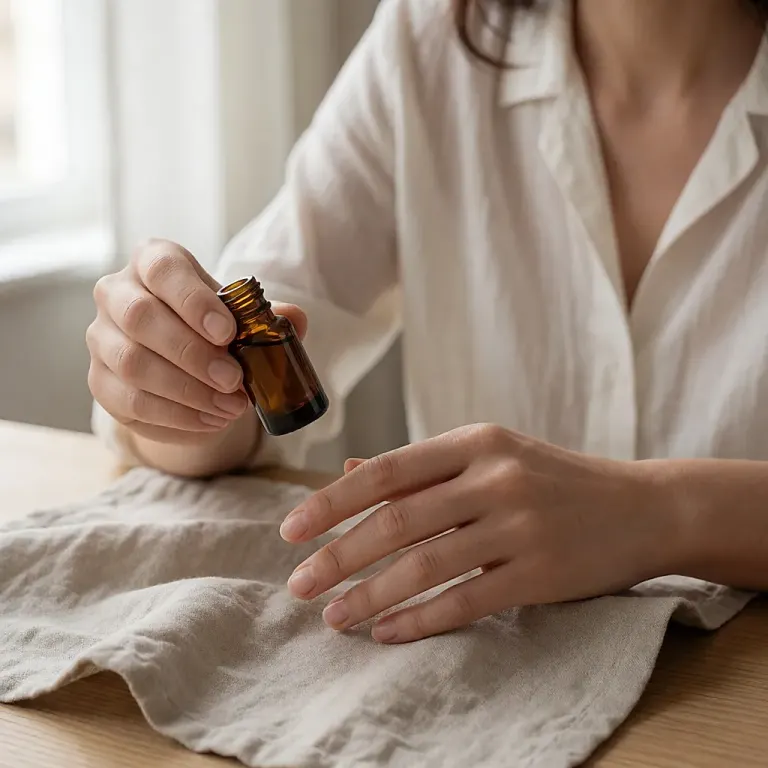
What you can do without surrendering a Sunday: a pre-wash oil treatment when your scalp feels tight; massage with the pads of your fingers during shampooing, never with your nails; a scrub, let's say once a week — that's a marker to aim at, not a law. Rinse with lukewarm water, dry by pressing rather than rubbing, and avoid twisting wet hair into a bun.
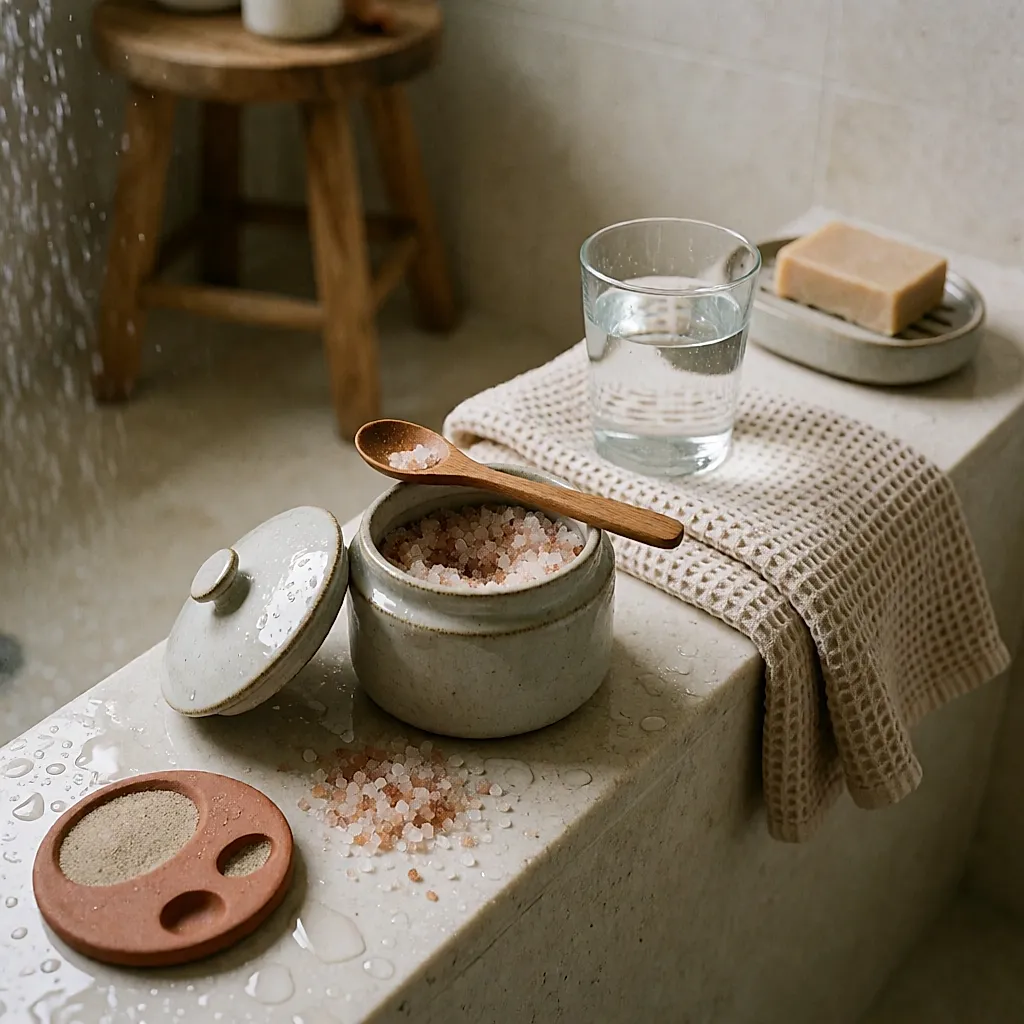
Let's be clear: none of these moves changes the nature of your hair. What you get is comfort, a less angry scalp and five minutes in which nobody asks anything of you. On the other hand, sudden shedding, patches, itching that settles in: put the bottles away and go and see a dermatologist. Scalp care is not a diagnosis, and that's exactly how it should be.
Budget: from the bottle to the treatment room
As a rough guide, expect to pay somewhere in the region of £8 to £20 for a gentle shampoo from a supermarket or high-street chemist, £12 to £25 for a treatment range sold in a pharmacy, £15 to £35 for a scrub, £20 to £50 for a serum or a course of ampoules — sometimes a good deal more in the most 'ritualised' lines. In a salon, a scalp treatment usually sits between £25 and £70; at the specialist addresses in big cities, a session can go past £100.
Does the price make the treatment? No — and your purse can only be grateful. A £10 gentle shampoo can be enough while the £45 serum gathers dust on the shelf; we all have that bottle. When you buy, look for a refill, a solid or glass format, and read the label (Cosmos Organic, for instance) for what it actually guarantees: a regulated formula, not a result. The pharmacy and the chemist's beauty aisle are the easiest to decode, the supermarket covers the basics, and the salon is mainly there to teach you the technique.
The one habit worth keeping
Scalp care goes on the scalp, not through the mid-lengths and ends — that's where the technique happens, and where the money should go. And if a product promises regrowth or new density, walk away without regret.
In the end, the scalp hasn't stolen the limelight: it was there all along, under the cut. Whether you have a three-product ritual or a single bottle, the one move that counts when you're down to five minutes is the massage — under lukewarm water, no equipment, not a penny spent. The rest can wait for the next appointment.


Comments
Your opinion matters: rate the article, react and reply to comments.
Comments are moderated; AI-assisted comments are flagged. Text emoticons (8-), :-), <3…) are automatically shown as images.